Support

Taiwan, Republic of China

About the Country

Taiwan, an island nation in East Asia, attracts travellers with its amazing combination of ancient traditions and ultra-modern technology. This small but incredibly diverse island offers a kaleidoscope of experiences, from bustling metropolises to serene mountain landscapes. The capital, Taipei, is a vivid example of this contrast, where skyscrapers stand alongside centuries-old temples and life buzzes around the clock.
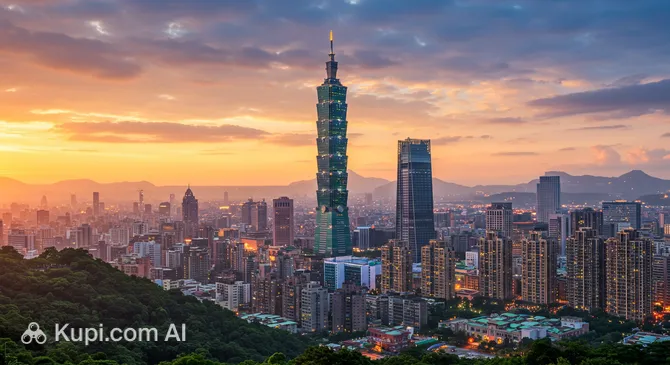
Taipei. Source: Kupi.com Binoculars

Taiwan's cultural heritage is evident in everything: its exquisite temple architecture, colourful festivals, and of course, its famous local cuisine. For Muslim travellers, Taiwan is a welcoming destination, with a growing number of halal-certified restaurants and eateries available, particularly in larger cities. The cuisine is best explored at the lively night markets, where you can find a variety of dishes, though it is advisable to look for seafood or vegetarian options and confirm ingredients with vendors. When visiting temples and other religious sites, it is recommended to dress modestly out of respect.

The island's nature is no less impressive, featuring high, densely forested mountains, picturesque lakes like the famous Sun Moon Lake, and a varied coastline with beautiful beaches and rocky cliffs. Fans of outdoor activities will find plenty of hiking trails and opportunities for water sports.

The climate in Taiwan is predominantly subtropical in the north and tropical in the south, making it an attractive year-round destination, although the rain and typhoon season should be taken into account. The general atmosphere of the island is one of local hospitality, safety, and a surprising harmony, where modern cities like Kaohsiung maintain a connection to their rich past. Taiwan leaves you with a feeling of discovering something new, yet deeply soulful.

Currency

The national currency of Taiwan is the New Taiwan Dollar, which has the international code TWD. Banknotes in circulation are in denominations of 100, 500, and 1,000 dollars, with 200 and 2,000 dollar notes being less common. Coins are available in 1, 5, 10, and 50 dollars, with a 20-dollar coin also being a rarer sight. The banknotes feature vibrant designs, often depicting significant figures, local flora and fauna, or architectural landmarks of the island.

It is recommended to exchange foreign currencies, such as the UAE Dirham (AED) or US Dollar (USD), for New Taiwan Dollars at banks or official exchange counters found in airports and major cities. Avoid exchanging money with street money changers due to the risk of fraud or unfavourable rates. Credit cards (Visa, MasterCard, JCB, American Express) are widely accepted in hotels, large shops, restaurants, and shopping centres, especially in cities like Taipei. However, it is best to have cash on hand for payments in smaller establishments, at night markets, or in taxis.

Visa Requirements

When planning a trip to Taiwan, it is essential to familiarise yourself with the current visa requirements. For citizens of the United Arab Emirates, visa-free travel is not available; however, UAE nationals are eligible to apply for an eVisa. This electronic visa permits a single entry for purposes such as tourism, business, or visiting relatives. The entire application process is conducted online, which makes it a convenient option without the need to visit an embassy.

The eVisa for Taiwan allows for a maximum stay of 30 days and is valid for three months from the date of issue. It is important to note that this visa cannot be extended. Regardless of your visa status, entry into Taiwan requires a valid passport with at least six months of validity from your intended date of entry. You may also be asked by immigration officials to present proof of a return flight ticket, accommodation bookings, and sufficient funds for your stay. For any visa-related enquiries, residents of the UAE can contact the Commercial Office of the Republic of China (Taiwan) to Dubai. As visa regulations can change, it is highly recommended to verify the latest information on official government websites before your travels.

We'll tell you if you need a visa

Specify where you are going, or
Your citizenship
Destination

Time Zones

When planning a trip to Taiwan, you will not have to worry about changing time zones within the country. The whole of Taiwan operates on a single time zone, known as Taiwan Standard Time (TST), which is UTC+8. For travellers from the UAE, it is useful to note that Taiwan is four hours ahead of local time, as the UAE operates on Gulf Standard Time (UTC+4). This means the time in the capital, Taipei, is the same as anywhere else on the island.

Thanks to the lack of internal time differences, travelling around Taiwan is very convenient – you will not need to adjust your watch or account for time differences when planning journeys between cities and regions.

How to Get There

There are several ways to get to Taiwan, a picturesque island in East Asia, but air travel is the dominant mode of transport. For travellers from the UAE, there are convenient direct flights available. Emirates operates non-stop services from Dubai (DXB), and Etihad Airways offers direct flights from Abu Dhabi (AUH). The country's main international hub is Taiwan Taoyuan International Airport (TPE), located near the capital city of Taipei. The airport welcomes numerous flights from major cities across Asia, Europe, and North America, making Taiwan easily accessible. For Muslim travellers, prayer rooms are available at Taoyuan International Airport in both Terminal 1 (near Gate B3) and Terminal 2 (near Gate C1). Additionally, the country has other international airports that serve regional and some international destinations.

As Taiwan is an island, there are no direct land connections, such as international trains or buses, to other countries. However, for those who prefer sea travel, it is possible to arrive by ferry from some nearby ports or as part of a cruise itinerary that sometimes includes stops in Taiwanese port cities. This option is less common for international travellers arriving from afar but can be an interesting choice for regional trips.

When planning your trip to Taiwan, it is advisable

From ultra-modern metropolises to serene natural retreats and historic towns, Taiwan offers travellers a wonderfully diverse range of experiences. It is a destination where everyone can find something to enjoy, whether it is exploring a rich culture, enjoying outdoor activities, or immersing oneself in the dynamic energy of city life. The country is also increasingly catering to Muslim visitors, with a growing number of certified halal restaurants and prayer facilities in key tourist areas.

Taipei. Source: Kupi.com Binoculars

Without a doubt, the main point of interest is the capital, Taipei. This city is a stunning blend of ancient temples, bustling night markets, and futuristic skyscrapers like the famous Taipei 101, which now includes a Muslim prayer room. Just as captivating is Kaohsiung, the island's second-largest city and a major port in the south, known for its contemporary architecture, parks, and waterfronts. For those seeking cultural enrichment, Taichung is a true discovery, thanks to its museums, art spaces, and traditional tea houses. In major cities like these, visitors will find a welcoming environment with an expanding selection of halal-certified eateries.

If you prefer natural beauty, a visit to Sun Moon Lake is a must. It is a picturesque area surrounded by mountains, perfect for leisurely walks, cycling, and learning about the local indigenous culture. To delve into the island's history, head to Lukang, an old port town that has preserved the charm of centuries past with its narrow streets, traditional architecture, and temples. When visiting temples, it is appreciated to dress modestly, for instance by covering shoulders and knees, as a sign of respect. These and many other places await you in Taiwan, promising an unforgettable journey.

Top Attractions

Taiwan is an island of incredible contrasts, where futuristic cities share the landscape with ancient temples and breathtaking natural scenery. Of its many attractions, there are a few standout destinations you simply must not miss on your journey.

One such place is the famous Fengjia Night Market. It is a true kaleidoscope of tastes, aromas, and sounds, where you can try authentic street food, find unique souvenirs, and experience the vibrant energy of Taiwanese nightlife. The market offers an incredible variety of local delicacies, making it an essential stop for food lovers. While dedicated halal-certified stalls can be uncommon, visitors will find an abundance of delicious seafood, vegetarian, and fruit-based options to enjoy.

Fengjia Night Market. Source: Kupi.com Binoculars

For nature enthusiasts and families, the Cute Forest Story by the River Animal Park is a wonderful choice. This charming park not only introduces you to a diverse range of animals but also allows for interaction with some of them in a picturesque and well-maintained setting, making it a perfect destination for visitors of all ages.

Riverside Forest Story Cute Animal Park. Source: Kupi.com Binoculars

You also cannot miss Baguashan, a majestic hill crowned by a giant Buddha statue. This site not only offers breathtaking panoramic views of the surrounding area but is also an important spiritual centre, drawing visitors with its serene atmosphere and cultural significance. A stroll through the grounds is sure to leave a lasting impression. As it is a place of worship, visitors are advised to dress modestly, ensuring shoulders and knees are covered, as a sign of respect.

Baguashan. Source: Kupi.com Binoculars

Best Time to Visit

When planning a trip to Taiwan, choosing the right time of year is essential to fully enjoy the island's beauty and culture. The best times to visit are traditionally spring (March to May) and autumn (September to November). During these periods, the weather is most favourable: warm, sunny, and with comfortable humidity. These are ideal conditions for sightseeing, hiking in the famous national parks, and exploring the vibrant cities. In spring, particularly in March and April, you can witness the stunning cherry blossoms. However, it is important to remember that this is the high season, so there are usually more tourists, and prices for flights and accommodation may be higher.

For travellers from the UAE, it's useful to know that Taiwan has made significant efforts to be Muslim-friendly. Halal-certified restaurants are increasingly common in major cities like Taipei, offering everything from traditional beef noodle soup to Indian and Middle Eastern cuisine. Prayer facilities are also available in key locations, including airports and major attractions like Taipei 101, making it convenient to observe daily prayers. When visiting temples, a modest dress code (covering shoulders and knees) is recommended as a sign of respect.

The low and shoulder seasons in Taiwan have their own characteristics. Summer, from June to August, is hot and humid, with daytime temperatures often exceeding 30°C. This period is also the typhoon season, with the highest risk between July and September. While there may be fewer international tourists and lower prices, there is a chance that heavy rain or typhoons could disrupt your plans. Winter, from December to February, is generally mild, especially in the south of the island where it is often sunny. The northern and mountainous regions can be cooler, with some rainfall. The advantages of a winter trip include fewer crowds and the opportunity to visit the famous hot springs. A major event in winter is the Chinese New Year celebration (usually in January or February), followed by the Lantern Festival. This is an incredibly colourful time, but be prepared for a large influx of local tourists and potential changes to the opening hours of many establishments.

The climate in Taiwan varies: the northern part of the island has a subtropical climate, while the southern part is tropical. It is always noticeably cooler in the mountainous areas than on the plains. Therefore, when choosing a time for your trip, it is useful to check the weather forecast for the specific regions you plan to visit. This will help make your journey as comfortable and memorable as possible.

Traditions

Taiwan is a place where modern technology blends harmoniously with ancient traditions, and an introduction to the local culture will make your journey especially memorable. Taiwanese people are famous for their sincere hospitality and friendliness. When interacting, a slight nod of the head is the standard greeting, although handshakes are also common, particularly in more formal or business settings. A smile and general politeness are always highly valued. If you are invited to someone's home, it is considered a great sign of respect. In such cases, it is appropriate to bring a small gift for the hosts—such as fruit, high-quality tea, sweets, or a small souvenir from your country. It is important to remember that gifts, like business cards, should be given and received with both hands. In Taiwanese culture, great importance is placed on the concept of "saving face" (面子, miànzi), so try to avoid public displays of anger or direct criticism to prevent causing embarrassment to yourself or others.

Following certain rules of etiquette will help you feel more confident. In daily life, there are no strict dress codes; however, when visiting temples and other religious sites, it is recommended to choose modest attire that covers the shoulders and knees. You will often be asked to remove your shoes before entering a temple or a private home. There are also specific customs at the dining table: for example, you should not stick your chopsticks upright in a bowl of rice, as this is associated with funeral rituals. It is also considered impolite to point at people or wave your chopsticks around. If you are dining in a group, remember that it is customary to show special respect to those who are older or of higher status, for instance, by offering them dishes first. When choosing gifts, avoid clocks, as giving them can be misinterpreted due to the similarity in sound between the phrases "giving a clock" and "attending a funeral". It is also considered impolite to touch another person's head, especially a child's. For Muslim travellers, it is worth noting that Taiwan is increasingly becoming a Muslim-friendly destination, with a growing number of halal-certified restaurants and prayer facilities in major transportation hubs and attractions.

The cultural life of Taiwan is rich with vibrant festivals that reflect the island's rich traditions. Two of the most significant are the Chinese New Year (Spring Festival), which is the most important family holiday accompanied by colourful festivals, fireworks, and the tradition of giving red envelopes with money (hongbao), and the Mid-Autumn Festival (Moon Festival), when families gather to admire the full moon and enjoy special mooncakes. Showing interest in and respect for local customs will not only help you avoid awkward situations but will also open the hearts of the Taiwanese people, making your journey to this amazing island even more profound and pleasant.

Entertainment

Taiwan offers travellers an amazing variety of entertainment to satisfy the most discerning tastes. Fans of active recreation will find a wealth of opportunities here: from breathtaking hiking along picturesque mountain trails and exploring national parks to diving in crystal-clear waters and surfing on the coast. The island is famous for its natural beauty, and an active holiday is one of the best ways to experience it up close.

The cultural life of Taiwan is rich and multifaceted. In major cities like Taipei, you can visit numerous museums, art galleries, theatres, and concert halls showcasing both traditional and contemporary art. A special highlight is the famous night markets, such as the Fengjia Night Market in Taichung. These are not just places for shopping and sampling street food but a true cultural phenomenon. Here, you can experience the island's authentic atmosphere, try local delicacies, and buy unique souvenirs – from traditional tea and handicrafts to fashionable clothing and electronics. For Muslim travellers, Taiwan is increasingly accommodating, with a growing number of halal-certified restaurants and food stalls available, even in some night markets.

As darkness falls, Taiwan transforms, offering a vibrant evening scene. This is especially noticeable in the capital and other large cities, which are home to numerous cafés, stylish lounges, and restaurants to suit every taste and budget. There is also plenty for a family holiday: from modern theme parks and water parks to interactive museums and scenic parks, such as the Story by the Riverbank Cute Animal Park in Yilan or Maolishan Park in Miaoli, where you can have a wonderful time with children.

Currency rates

Planning a trip? Wonderful! To ensure the financial side of your journey doesn't come as a surprise, it's important to remember that currency exchange rates are constantly changing. Therefore, we strongly advise you to monitor the current rates both before departure and throughout your trip. You can use the data provided below for this purpose; we monitor exchange rates 24/7 to provide the most up-to-date information.

TWD currency exchange rate as of 02.01.2026

1 AED
~ 8.50 TWD
12.22 AMD
~ 1 TWD
1 AUD
~ 20.83 TWD
1 AZN
~ 18.36 TWD
1 BYN
~ 10.62 TWD
1 CAD
~ 22.74 TWD
1 EUR
~ 36.66 TWD
1 GBP
~ 42.05 TWD
10.48 HUF
~ 1 TWD
2.88 INR
~ 1 TWD
2.80 KGS
~ 1 TWD
46.28 KRW
~ 1 TWD
16.26 KZT
~ 1 TWD
1 PLN
~ 8.69 TWD
2.53 RUB
~ 1 TWD
1 SAR
~ 8.32 TWD
1 SGD
~ 24.27 TWD
1.38 TRY
~ 1 TWD
1.36 UAH
~ 1 TWD
1 USD
~ 31.21 TWD
384.94 UZS
~ 1 TWD

Reached the end of the page?

That means the route is fully explored