Support

Nangan

About

Welcome to Nangan, the vibrant heart and largest island of the Matsu archipelago. As the administrative center of Lienchiang County, this destination serves as the primary gateway for travelers exploring the region. It offers a fascinating blend of rugged natural beauty, traditional Fujianese architecture, and a unique atmosphere that sets it apart from the main island of Taiwan, Republic of China.

Nangan. Source: Kupi.Binoculars

Geographically, Nangan is defined by its steep granite hills and intricate coastline, covering a relatively small area but packing in a wealth of scenery. With a population of approximately 7,400 residents, it is the most populous township in the county, yet it retains a close-knit, welcoming community vibe. The island's strategic position has deeply influenced the history of Nangan, resulting in a landscape dotted with former military strongholds that have been repurposed into captivating cultural attractions.

Visitors are spoiled for choice with unique sights, such as the impressive Beihai Tunnel, a lattice of underground waterways carved into the rock that can be explored by boat. The Iron Fort offers another glimpse into the past, perched dramatically on a rocky outcrop overlooking the sea. Nature lovers often flock here between April and August to witness the "Blue Tears," a mesmerizing natural phenomenon where bioluminescent algae illuminate the shoreline with a magical blue glow.

Whether you are wandering through the historic villages, sampling local delicacies like fish noodles and old wine, or marveling at the engineering feats of the tunnels, Nangan promises an unforgettable journey. It is an essential stop for anyone wishing to experience the distinct culture and breathtaking landscapes of the Matsu Islands.
Weather Overview

Nangan experiences a temperate climate characterized by distinct seasons, offering visitors a variety of atmospheric conditions depending on the time of year. The island generally sees mild to warm temperatures, though humidity and frequent misty days are common features of the local weather. For a comprehensive forecast and detailed monthly breakdowns, you can visit our dedicated page on the weather in Nangan.

The winter months of December through February are the coolest, with average temperatures hovering between 11°C and 13°C. While the volume of rainfall is relatively low during this time, travelers should still be prepared for damp conditions, as there are typically 10 to 14 wet days per month. As spring approaches in March and April, the weather begins to warm up significantly, with averages climbing from 14.2°C to 17.8°C, making it a pleasant time for outdoor exploration.

Summer brings the warmest weather to the archipelago. From June to August, average temperatures peak around 28°C, creating a humid and warm environment. This season also sees a higher frequency of wet days, particularly in August, which records about 17 days with some precipitation. As the heat subsides, autumn offers a comfortable transition with temperatures dropping from 26.5°C in September to 18.3°C in November. Overall, expect warm summers with occasional rain and cool, relatively dry winters.

Interesting Facts

Beyond the scenic coastlines and military history, Nangan holds several fascinating cultural and geographical secrets that surprise many visitors.
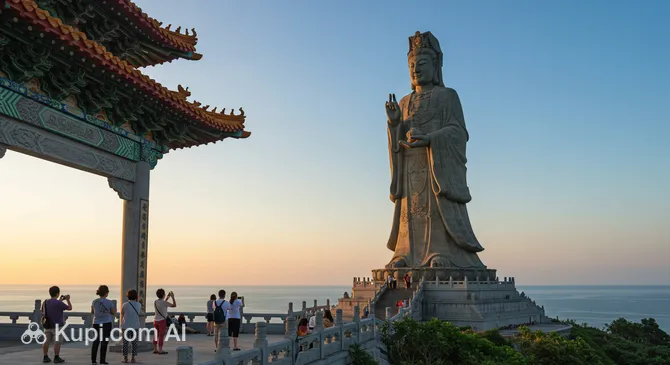
  • The colossal Statue of Mazu is not only an imposing landmark but also a marvel of numerology; it is constructed from exactly 365 pieces of granite, symbolizing blessings for peace and safety for every single day of the year.

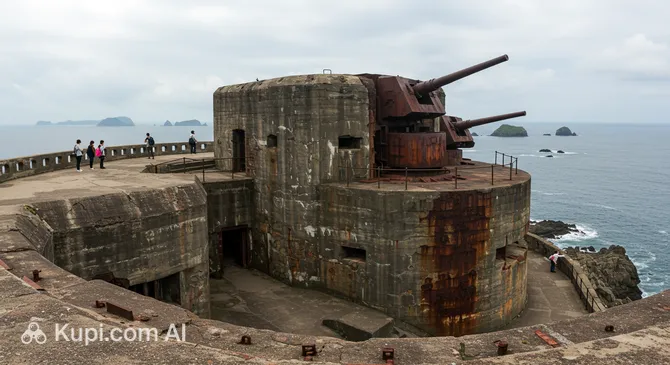
  • While many fortifications exist on the island, the Iron Fort is unique for having once housed military dogs that were given official ranks; visitors can still see the preserved living quarters and the grave of a German Shepherd that served at this remote outpost.

  • The traditional architecture found in places like Jinsha Village features distinct "breathing houses," where roof tiles are not sealed with cement but are instead weighed down by heavy stones to allow airflow and withstand powerful typhoon winds.

  • Although the famous "Blue Tears" phenomenon is seasonal, Nangan is home to the Matsu Blue Tears Ecological Museum, which uses advanced cultivation technology to allow travelers to interact with the glowing bioluminescent algae regardless of the time of year.

Statue of Mazu. Source: Kupi.Binoculars

How to Get There

Reaching the island of Nangan is an adventure in itself, typically involving a short domestic flight or a ferry ride, as it is an offshore island of Taiwan. For travelers planning their journey, you can find detailed information on schedules and routes on our page about how to get to Nangan.

The most convenient entry point is the local Matsu Nangan Airport (LZN), located directly on the island. As the primary gateway, it handles regular domestic flights, making it the fastest way to arrive. The airport is situated just 2.9 km from the town center; a taxi or scooter ride typically takes about 25 minutes or less. Despite its small size, with an annual passenger traffic of around 370,000, it is the busiest hub in the Matsu archipelago and serves as a vital link for both locals and tourists.

Alternatively, travelers can fly into Matsu Beigan Airport (MFK), located on the neighboring island of Beigan, approximately 10.7 km away. After landing, you will need to take a short taxi ride to the harbor and then a ferry to reach Nangan. The entire transfer is scenic and relatively quick. This regional airport handles fewer passengers but serves as an excellent backup option, especially when weather conditions affect flights to Nangan.

For international visitors, the main point of entry to the country is usually Taiwan Taoyuan International Airport (TPE) in Taipei, situated about 176.9 km from Nangan. Since Nangan is an island, you cannot travel directly by taxi or bus from Taoyuan. Instead, you must transfer to Taipei Songshan Airport to catch a domestic flight or travel to a ferry terminal (such as Keelung) for a sea crossing. Taoyuan is a massive international hub handling nearly 49 million passengers annually, offering connections to cities worldwide.

For clarity, here is a summary of the main airports:

Airport Name City Passenger Traffic Km from City
Taiwan Taoyuan International AirportTaipeiVery Large176.9
Changle International AirportFuzhouLarge36.1
Quanzhou Jinjiang International AirportQuanzhouMedium201.7
Matsu Nangan AirportNanganSmall2.9
Matsu Beigan AirportMatsuSmall10.7

The city of Nangan does not have a railway station, as it is located on an island without rail infrastructure. The closest station listed in the region is Wenling Railway Station (WLI) in Wenling, but it is located approximately 292.4 km away on the mainland. Due to the geographical separation by the sea, arriving by train is not a practical option for reaching Nangan directly. Travelers are advised to rely on air travel or ferries for the final leg of their journey.

Below is the data for the nearest railway station for reference:

Station City Passenger Traffic Km to Center
Wenling Railway StationWenlingMedium292.4

Main Attractions

Nangan is a treasure trove of cultural heritage and natural wonders, offering visitors a chance to explore its unique history and scenic beauty. The island's compact size makes it easy to navigate between its most famous sites, ranging from spiritual landmarks to fascinating military fortifications.

One of the most prominent sights is the Statue of Mazu, a towering tribute to the sea goddess who is deeply revered in the region. Standing nearly 30 meters tall and shaped like a ship, this majestic granite structure overlooks the ocean, symbolizing protection for sailors. It is located within a religious park that offers breathtaking panoramic views of the coastline, making it a spiritually uplifting and visually stunning stop for any traveler.

For those interested in the island's strategic past, the Iron Fort is an essential destination. This fortress is built independently on a rocky reef and was once a vital military outpost equipped with camouflage paint, tunnels, and gun emplacements. Visitors can walk through the preserved corridors and living quarters, experiencing the rugged atmosphere where soldiers once guarded the shores day and night.

Iron Fort. Source: Kupi.Binoculars

Nature enthusiasts will find the Matsu Blue Tears Ecological Museum to be a fascinating educational experience. While the famous "Blue Tears" phenomenon—where the sea glows with blue bioluminescence—is seasonal, this museum allows guests to witness the magic year-round. Through interactive exhibits and advanced cultivation technology, visitors can touch the water and see the algae glow, learning about the science behind this captivating natural wonder.

To experience the traditional charm of the island, a visit to Jinsha Village is highly recommended. Nestled near Yuntai Mountain, this historic settlement showcases classic eastern Fujian architecture with its sturdy stone houses and distinctive tile roofs. It is a peaceful place to wander through ancient alleys, admire the craftsmanship of the "breathing houses," and enjoy a quiet moment away from the bustle of modern life.

Local Cuisine

The local cuisine of Nangan is a delightful reflection of its maritime geography and deep cultural roots in the Fuzhou region. Seafood plays a central role in the daily diet, with fresh catches from the surrounding ocean transforming into hearty, flavorful meals. The food scene here is characterized by its unpretentious, home-style cooking that emphasizes natural freshness, often enhanced by the distinct aroma of fermented ingredients and local spirits.

One of the most iconic dishes you must try is Old Wine Noodles (Laojiu Mian). This warming comfort food features thin noodles served in a rich broth infused with Matsu Old Wine, typically topped with a fried egg and pork. It is especially popular during cooler months. Another unique specialty is Fish Noodles, where the dough is made from a mixture of fish paste (usually eel or drum fish) and flour. These noodles have a delightfully chewy texture and a savory taste that captures the essence of the sea.

For seafood lovers, Nangan offers some of the plumpest mussels in the region, often simply steamed with basil and garlic to highlight their natural sweetness. Visitors should also look out for Jiguang Cakes, often referred to as "Matsu Burgers." These bagel-like sesame flatbreads are baked in charcoal ovens and are commonly served sandwiched with oysters and fried eggs or pork, making for a perfect savory snack while exploring the island.

Jinsha Restaurant. Source: Kupi.Binoculars

When it comes to beverages, the island is famous for its production of Matsu Old Wine, a glutinous rice wine that is not only drunk as a beverage but is also a crucial ingredient in local cooking. For those who prefer something stronger, the local Kaoliang liquor is renowned for its smooth finish. Non-alcoholic options include refreshing herbal teas and sweet potato desserts, such as Golden Dumplings, which are a sweet treat made from sweet potato flour and filled with peanuts and sugar.

Dining in Nangan is a relaxed affair, with many of the best eateries located within traditional stone houses in historic settlements. Travelers can find authentic local flavors at places like the Jinsha Restaurant, which is well-regarded for serving classic Fuzhou-style dishes in a rustic setting. Whether you are eating at a bustling market stall in the morning or enjoying a sit-down meal in a renovated heritage building, the food culture here is warm, welcoming, and deeply connected to the island's history.

Travel Tips

Planning a trip to Nangan is the start of an exciting adventure into the heart of the Matsu archipelago, but its unique geography and military history require a bit of preparation. To ensure your journey is as smooth and enjoyable as possible, here are some practical tips to help you navigate the island like a pro.

  1. Clothing and Gear: The weather in Nangan can be unpredictable and windy, so bringing a windbreaker or a light waterproof jacket is essential regardless of the season. The terrain is incredibly hilly with many steep slopes and stone staircases, making sturdy, comfortable walking shoes a must—leave the high heels at home. If you are visiting religious sites like the Mazu Temple, modest clothing that covers shoulders and knees is respectful. Don't forget a universal power adapter (Type A or B) if you are traveling from outside Taiwan.
  2. Transportation: The most popular way to explore Nangan is by scooter rental, which gives you the freedom to reach remote forts and viewpoints. However, be extremely cautious: the roads are steep and winding, so only rent one if you are a confident rider. Alternatively, taxis are available and reliable; they often operate on fixed rates for tours or metered fares for short trips. Public buses exist but run on infrequent schedules, making them less convenient for short visits.
  3. Finances: The local currency is the New Taiwan Dollar (TWD). While some hotels and larger restaurants accept credit cards, cash is king on the island, especially at small eateries and souvenir shops. ATMs accepting international cards are widely available at 24-hour convenience stores like 7-Eleven and FamilyMart. It is wise to withdraw cash upon arrival at the airport or in the main village of Jieshou. Tipping is not customary, though a sincere "thank you" is always appreciated.
  4. Health and Safety: Nangan is a very safe destination with low crime rates. The main health concern is usually motion sickness from ferries or winding roads, so pack appropriate medication. There is a hospital (Lienchiang County Hospital) located in the Jieshou area for emergencies. Pharmacies are available but may have limited English service. Always carry mosquito repellent, especially if you plan to watch the "Blue Tears" at night near the shore.
  5. Communication: The official language is Mandarin, though locals often speak the Matsu dialect (a branch of the Fuzhou dialect). English proficiency is generally limited outside of major transport hubs and tourist centers. Having a translation app on your phone is highly recommended. You can purchase SIM cards at the airport or convenience stores, and free Wi-Fi is often available in public areas and visitor centers.
  6. Local Etiquette: The people of Nangan are friendly and hospitable. A simple nod or a smile goes a long way. When visiting villages, keep your voice down to respect the residents' privacy, as traditional houses are often close together. If you are invited to drink Matsu Old Wine with locals, it is a gesture of goodwill; accept it graciously, even if you only take a small sip.
  7. What to Avoid: Strictly avoid entering or photographing areas marked with red warning signs or military barriers. Nangan is a former frontline base, and many active military zones remain. Trespassing is not only disrespectful but illegal. Also, do not step on the shoreline rocks carelessly at night when looking for bioluminescence, as they can be extremely slippery and dangerous.
  8. Weather Awareness: A specific tip for Nangan is to be prepared for the "fog season," which typically occurs from March to May. Thick fog can frequently lead to flight cancellations or ferry delays. It is smart to build a little flexibility into your travel schedule during these months and have a backup plan, such as taking the ferry to Fuzhou or Keelung if flights are grounded.

By keeping these practical tips in mind, you will be well-equipped to handle the steep hills, misty mornings, and cultural nuances of this fascinating island. Embrace the slower pace of life in Nangan, and you are sure to leave with incredible memories of its rugged beauty and warm hospitality.

Entertainment & Nightlife

Entertainment in Nangan is distinct from the bustling, neon-lit nightlife found in major cities like Taipei. Instead of raucous nightclubs and expansive dance floors, the island offers a more laid-back and atmospheric evening experience. The nightlife here revolves around cozy bistros, local dining, and the natural beauty of the coastline. The pace is slow, allowing visitors to unwind with a glass of local liquor or enjoy a quiet walk under the stars in a safe, welcoming environment.

The primary hub for evening activity is Jieshou Village, the commercial center of the island. Here, you will find a concentration of local eateries and convenience stores that stay open later than in other parts of Nangan. While there isn't a sprawling night market, the streets in this area come alive with locals and tourists seeking dinner. It is the best place to find a casual bar or a karaoke (KTV) venue, which is a popular pastime for residents. The atmosphere is casual and friendly, with no strict dress codes—comfortable travel wear is perfectly acceptable everywhere.

For a memorable evening meal, the Jinsha Restaurant is a standout choice. Located in a historic settlement, it offers a rustic ambiance where you can savor traditional Fuzhou cuisine paired with the island's famous Old Wine. Dining here feels like stepping back in time, making it a perfect spot for a relaxed night out with friends or family. The venue is popular, so arriving around 6:00 PM or 7:00 PM is advisable to secure a table.

If you prefer a scenic evening stroll, Jinsha Village transforms as the sun sets. The traditional stone houses and narrow alleyways take on a mysterious and romantic charm under the streetlights. It is a quiet area, ideal for photographers or couples looking for a peaceful retreat away from the main town. You might find small cafes or tea houses tucked away in the corners of the village, offering a warm respite from the sea breeze.

Jinsha Village. Source: Kupi.Binoculars

A unique nocturnal activity in Nangan is chasing the "Blue Tears." While spotting them in the wild depends on the season and luck, you can visit the Matsu Blue Tears Ecological Museum for an interactive experience. In the evenings, this facility provides a guaranteed way to see the bioluminescence and learn about the phenomenon before heading out to the coast to try your luck at spotting the real thing.

Regarding safety and transport, Nangan is incredibly safe for night walks, even in quieter areas. However, street lighting can be sparse on mountain roads. If you are renting a scooter, ride with extreme caution at night due to steep slopes and winding paths. Taxis are available but do not cruise for passengers; you should ask your restaurant or hotel to call one for you. Fares are reasonable, but it is best to have cash on hand.

During the daylight hours, entertainment shifts towards cultural and historical exploration. Visitors can spend their time exploring the island's many tunnels, visiting the Folk Culture Artifacts Exhibition Hall to learn about local history, or hiking the trails around Yuntai Mountain for panoramic views. The island's blend of military heritage and natural scenery ensures that your days are just as engaging as your tranquil evenings.

Parks & Museums

While Nangan is famous for its military tunnels and coastal forts, the island also boasts serene green spaces and insightful cultural venues that offer a deeper understanding of its heritage. Visitors can easily alternate between enjoying the fresh sea breeze in well-maintained parks and exploring museums that preserve the unique traditions of the Matsu archipelago.

One of the most iconic outdoor spaces is the Mazu Religious Park, home to the colossal Statue of Mazu. This area is more than just a site for the monument; it is designed as a ship-shaped observation deck that juts out towards the sea, offering panoramic views of the coastline. The park connects to the Tianhou Temple via a scenic trail, allowing travelers to enjoy a peaceful walk while admiring the spiritual center of the island.

For a more traditional nature experience, Shengtian Park is a favorite among locals for its tranquil atmosphere and lush greenery. Located near the Shengtian Reservoir, the park features classical pavilions, shaded walking paths, and ancient trees that provide a cool respite from the summer sun. It is a perfect spot for a leisurely stroll or a quiet picnic, with the calm waters of the reservoir adding to the scenic beauty.

When it comes to museums, the Matsu Blue Tears Ecological Museum is a must-visit attraction. This facility is dedicated to the region's most famous natural phenomenon—the bioluminescent algae that light up the shores. Unlike the seasonal occurrence in the wild, the museum offers an interactive experience where visitors can use special droppers to disturb the water in cultivation tanks, causing the algae to glow bright blue right before their eyes.

Matsu Blue Tears Ecological Museum. Source: Kupi.Binoculars

Another key cultural institution is the Matsu Folk Culture Artifacts Exhibition Hall. This museum provides a comprehensive look at the daily life, architecture, and history of the Matsu people. The exhibits showcase traditional farming and fishing tools, clothing, and household items, offering valuable context about the island's Fujianese roots and its development over the centuries. It is an excellent place to visit on a rainy day or for anyone interested in the anthropological side of the island.

For an authentic insider experience, consider visiting the Victory Fortress (Shengli Fortress). While technically a former military strongpoint, it now functions as a cultural park and museum. Located near the harbor, it allows you to explore underground tunnels and gun emplacements while enjoying an exhibition on local military history, effectively combining a park-like walk with educational value.

Getting Around

Public transport in Nangan is designed to serve a small island community rather than a bustling metropolis. As such, there is no metro, tram, or railway system. The primary form of public transportation is the bus network, which provides a reliable, albeit infrequent, way to navigate between the main villages and tourist attractions. The buses are generally comfortable and air-conditioned, offering a slow but scenic way to view the island's landscape.

The bus system operates on two main routes: the Mountain Line and the Coastal Line. These routes connect key locations such as Jieshou Village, the airport, and various sightseeing spots. While they cover most major destinations, the frequency is relatively low, with buses typically running once every 30 to 60 minutes depending on the time of day. Tourists relying solely on buses should plan their itinerary carefully around the schedule, which is usually posted at bus stops and the main terminal in Jieshou.

Payment for bus rides is straightforward and affordable. The most convenient method is using a contactless smart card, such as the EasyCard or iPASS, which are widely used throughout the region. If you do not have a card, you can pay with cash, but you must have the exact change ready as drivers cannot provide it. The fare is generally a flat rate (around 15 TWD) for a single journey, making it an extremely budget-friendly option for getting around.

For those seeking more flexibility, taxis are a popular alternative. Unlike in large cities, you will rarely see taxis cruising the streets looking for passengers. Instead, they congregate at the airport and Fu'ao Harbor. If you are elsewhere, it is best to ask your hotel or a restaurant to call one for you. Taxis here often operate on fixed rates for specific destinations or can be hired by the hour for a private tour, which is a great way to see the island without waiting for the bus.

The most favored mode of transport for independent travelers is renting a scooter. Rental shops are located near the harbor and airport. However, a strong word of caution is necessary: Nangan's terrain is incredibly hilly with steep inclines and sharp turns. Only confident riders should attempt to drive here. For those who prefer four wheels, car rentals are also available, though less common than scooters.

Finally, as Nangan serves as the transportation hub for the archipelago, inter-island ferries are a crucial part of the local transit network. Ferries depart frequently from Fu'ao Harbor to the neighboring island of Beigan (a roughly 15-minute ride) and less frequently to the outlying islands of Juguang and Dongyin. Tickets for these ferries can be purchased directly at the harbor terminal, and it is advisable to arrive about 30 minutes before departure.

Accommodation

Accommodation in Nangan is primarily characterized by charming, family-run guesthouses known as "Minsu" (homestays), rather than large international hotel chains. The island offers a range of options that reflect its local culture, from simple budget rooms to beautifully renovated traditional stone houses. While you will not find ultra-luxury resorts, the hospitality is warm, and the settings are often picturesque, providing a comfortable base for exploring the Matsu archipelago.

When choosing where to stay, location plays a key role in the experience. Jieshou Village is the administrative and commercial heart of the island; staying here offers the greatest convenience with easy access to restaurants, shops, and the local market. For travelers prioritizing transit, the area around Fu'ao Harbor is practical, as it is the main hub for ferries to other islands. Alternatively, for a more atmospheric stay, Jinsha Village and Ren'ai Village are excellent choices. These areas are famous for their preserved eastern Fujian architecture, allowing guests to sleep in historic stone buildings with tile roofs, often with stunning sea views.

Since specific hotel data is not available for this section, travelers are encouraged to look for "heritage homestays" in the historic villages. These unique accommodations offer a rare chance to live within the island's history, featuring stone walls and wooden interiors, but modernized with essential comforts like air conditioning and Wi-Fi. They provide a distinct experience compared to standard concrete hotels found in the town center.

Booking Tip: It is crucial to book your accommodation well in advance, especially if you plan to visit during the "Blue Tears" season (typically April to August). This is the peak tourist period, and the best rooms—particularly those with ocean views or in traditional houses—can sell out months ahead. During the winter off-season, availability is better, but some smaller guesthouses may reduce their operations.

In terms of pricing, Nangan is generally affordable. Budget travelers can find simple rooms or hostel-style beds for a reasonable rate, while mid-range options and heritage stays command a higher price but offer more character and amenities. While major online booking platforms are increasingly used, many local guesthouses still rely on direct bookings via phone or messaging apps. It is also worth noting that while credit cards are accepted at larger establishments, carrying cash is advisable for paying smaller family-run lodgings.

Nearby Cities

As Nangan is an offshore island located in the Matsu archipelago, it is geographically separated from the main island of Taiwan, Republic of China by the Taiwan Strait. The following cities are not immediate neighbors for a quick drive, but rather serve as major regional hubs and key destinations on the mainland. They are accessible via domestic flights or ferry connections, acting as vital links for travelers moving between the archipelago and the rest of the country.

Taoyuan is the most significant gateway for international visitors, hosting the country's primary international airport. While often viewed as a transit point, it offers a rich cultural experience with attractions like the Daxi Old Street, famous for its baroque facades and traditional foods. For travelers heading to Nangan, Taoyuan is a crucial connection point, linking global flights with domestic transport options to the islands.

Banqiao, a major district of New Taipei City, stands out as a center of modern urban life and historical heritage. It is home to the Lin Family Mansion and Garden, a masterpiece of Qing Dynasty architecture that attracts history enthusiasts. The area is also a commercial hub, offering extensive shopping districts and dining experiences that contrast sharply with the quiet, rural atmosphere of Nangan.

Hsinchu, widely known as the "Windy City," is a unique blend of high-tech innovation and ancient tradition. It houses the Hsinchu Science Park, the heart of the island's semiconductor industry, alongside the historic Hsinchu City God Temple. Visitors can explore the local glass industry at the Glass Museum or enjoy the vibrant food scene at the temple's surrounding market.

City Population Distance (km)
Hsinchu499,348181
Zhubei211,746182
Zhongli1,632,616183
Taoyuan443,273188
Banqiao550,000199

These destinations represent the bustling urban landscape of the main island, offering a distinct change of pace from the Matsu archipelago. They are essential stops for those looking to understand the broader culture and geography of the region.

Shopping & Souvenirs

Shopping:

Shopping in Nangan offers a delightful departure from the generic mall experience found in large cities. Instead of international luxury brands and sprawling department stores, visitors will find a treasure trove of local specialties that reflect the island's rich heritage and maritime culture. The shopping scene here is intimate and authentic, focused primarily on artisanal food products, traditional crafts, and the region's renowned spirits, making it the perfect place to find unique souvenirs.

One of the most sought-after purchases is the famous Matsu liquor. The island is celebrated for its production of Kaoliang (sorghum liquor) and Matsu Old Wine. These beverages are often aged in the cool, constant temperatures of former military tunnels, giving them a distinct and smooth flavor profile. Travelers frequently buy beautifully packaged bottles of "Tunnel 88" Kaoliang or jugs of cooking wine to take home as gifts. These can be found in specialized liquor stores and souvenir shops throughout the main towns.

For those interested in culinary souvenirs, the local dried seafood is exceptional. Due to the island's location, shelves are stocked with high-quality dried mussels, seaweed, and tiny shrimp, which are staples in local cooking. Another must-buy item is the pack of dry fish noodles. Unlike fresh ones served in restaurants, these are dried and packaged specifically for travel, allowing you to recreate the savory taste of Taiwan, Republic of China's outlying islands in your own kitchen.

The commercial hub of the island is Jieshou Village. This bustling area concentrates the majority of shops, convenience stores, and the local market. Here, you can wander through small storefronts selling everything from local pastries, such as the bagel-like Jiguang cakes, to handicrafts. It is the most convenient place to stock up on supplies or hunt for gifts. Additionally, smaller settlements like Jinsha Village offer a more rustic shopping atmosphere where you might find small vendors selling handmade goods amidst the historic architecture.

When planning your shopping excursion, keep in mind that cash is the preferred method of payment in most small establishments and family-run stores. While some larger souvenir shops may accept credit cards, it is always wise to carry sufficient local currency. Shops in Nangan also tend to close earlier than in major metropolitan areas, so it is best to do your shopping during the day or early evening to ensure you don't miss out on the island's unique offerings.

Reached the end of the page?

That means the route is fully explored