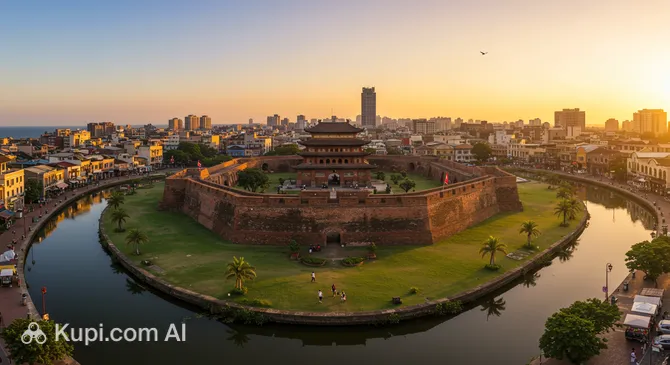
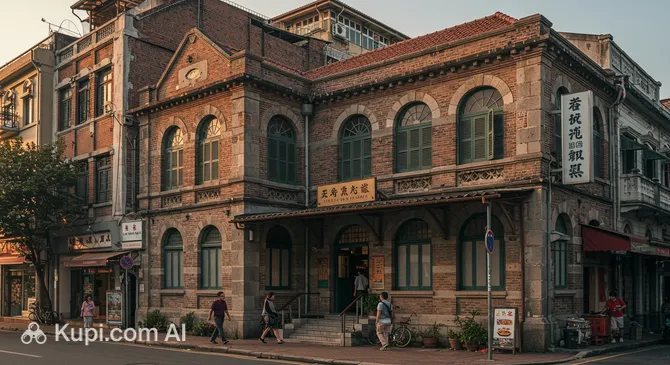
Welcome to Tainan, a captivating destination often revered as the cultural and historical heart of Taiwan, Republic of China. Known for its incredible density of temples and historic sites, this city offers a unique atmosphere where ancient traditions seamlessly blend with a relaxed, modern lifestyle. It is a place where every alleyway seems to tell a story, inviting travelers to slow down and appreciate the heritage of the island.
Located on the southwestern coast, the city enjoys a warm, tropical climate that makes it a pleasant destination throughout the year. With a population of approximately 1.87 million people, Tainan is a major urban center, yet it maintains a distinct charm different from the capital in the north. Its flat landscape and proximity to the sea have historically made it a vital hub for trade and culture.
Tainan. Illustration.
Source: Kupi.com AI
As the oldest city on the island, the history of Tainan is profound and multifaceted. Having served as the capital for over two centuries, it is home to numerous national monuments. Visitors can explore iconic landmarks such as the Chihkan Tower, a former Dutch outpost, and the serene Confucius Temple, which stands as a testament to the city's scholarly past.
Beyond its architectural wonders, Tainan is widely celebrated as the "city of snacks." It is a paradise for foodies, famous for its distinct local cuisine and vibrant night markets offering everything from Danzai noodles to coffin bread. Whether you are exploring its fortress ruins or savoring its culinary delights, Tainan promises an enriching and unforgettable experience for every traveler.
Weather Overview
Travelers visiting this southern city will encounter a generally warm and tropical climate, making it a viable destination at almost any time of the year. The weather is characterized by significant variations in rainfall rather than extreme temperature fluctuations. Winters are mild and comfortable, while summers tend to be hot and humid with frequent precipitation.
During the cooler months from December to February, average temperatures hover between 18.6°C and 20.0°C, offering pleasant conditions for outdoor exploration. This period is also the driest, with typically only 6 to 7 wet days per month. In contrast, the summer season from June to August sees average temperatures rising to around 27.9°C. This warmth is accompanied by a marked increase in rainfall, with August often experiencing up to 27 wet days.
For those looking to time their visit perfectly, it is helpful to note that the transition months like April and October offer a balance of moderate heat and manageable rainfall. To get a comprehensive view of what to expect during your specific travel dates, you can consult the detailed guide to the weather in Tainan. Overall, expect warm summers with frequent rain and mild, drier winters.
Average monthly temperature
Average monthly precipitation
Interesting Facts
Beyond the main attractions, Tainan holds many fascinating secrets that reveal its depth as the island's oldest city and cultural capital. From unique culinary quirks to hidden architectural gems, there is much to discover beneath the surface of this historic metropolis.
Sicao Green Tunnel. Illustration.
Source: Kupi.com AI
Traveler photos:
The Sweet Capital: Visitors often notice that local cuisine in Tainan tastes sweeter than in other parts of the country. This is rooted in history; during the era when the city was the center of the sugar industry, sugar was a luxury item. Wealthy families added it generously to dishes to show off their status, a practice that eventually became a defining characteristic of the local flavor profile.
Taiwan's Little Amazon: Hidden within the city's wetlands is the Sicao Green Tunnel. This mangrove forest forms a dense, natural canopy over the water, allowing visitors to take bamboo raft tours through a serene, green tunnel that looks remarkably like a miniature Amazon rainforest.
A Shrine in the Sky: The historic Hayashi Department Store offers more than just shopping; it features a rare Shinto shrine on its rooftop. Known as the "Five Stories Building" when it opened in the 1930s, it was the second department store on the island and remains a preserved snapshot of the colonial era, complete with its original elevator mechanism.
The First Academy: The Tainan Confucius Temple is not merely a place of worship but holds the prestigious title of the "First Academy of Taiwan." Established in 1665, it served as the island's first official institute of higher learning, laying the foundation for the educational culture that persists today.
How to Get There
Reaching this historic capital is relatively straightforward, thanks to its well-connected transportation network. Whether you are arriving from a neighboring city or flying in from abroad, there are multiple options to suit your itinerary. For a comprehensive guide on all available transport methods, you can read more about how to get to Tainan to plan your trip effectively.
The most convenient entry point is Tainan Airport (TNN), located directly within the city limits, just 5.9 km from the center. Although it handles a smaller volume of traffic compared to the island's major hubs, its proximity allows for a quick and stress-free arrival. A taxi or bus ride from this airport typically takes only about 30 minutes, allowing you to start exploring the city almost immediately.
For international travelers, a very common alternative is flying into Kaohsiung International Airport (KHH). Located in the neighboring city of Kaohsiung, approximately 48.4 km away, this airport serves as a major gateway with significantly more flight connections. The journey by road from Kaohsiung to Tainan takes around 1 hour and 35 minutes, though the cities are also well-linked by rail systems that can offer a faster transit.
For clarity, here is a summary of the main airports:
As the oldest city on the island, Tainan is a treasure trove of historical landmarks and cultural heritage. Walking through its streets feels like stepping back in time, with ancient temples, fortresses, and bustling markets around every corner. For visitors, the city offers a perfect mix of educational history and vibrant local life.
One of the most significant historical sites is the Chihkan Tower. Originally built by the Dutch in 1653 as Fort Provintia, this landmark has witnessed the rise and fall of various regimes. Today, it stands as a beautiful pavilion surrounded by lush gardens and koi ponds. Tourists are drawn here not only for the classical Chinese architecture perched atop the old Dutch foundations but also for the famous stone turtle statues carrying imperial steles, which are a symbol of longevity and strength.
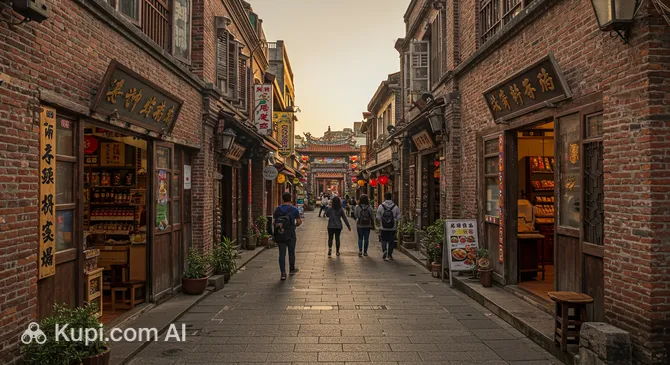
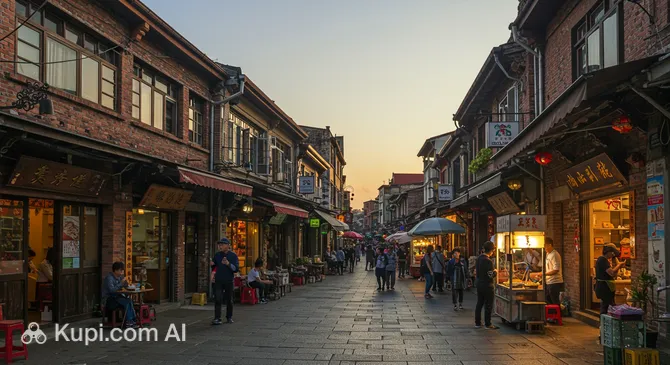
For a taste of the local atmosphere, a visit to Anping Old Street is essential. Recognized as the first street in the region to be developed by the Dutch, it is narrow, winding, and packed with character. The street is lined with traditional shophouses selling everything from candied fruits to shrimp crackers. It is a fantastic place to hunt for souvenirs and try local street food while soaking in the nostalgic vibe of the area.
Anping Old Street. Illustration.
Source: Kupi.com AI
Traveler photos:
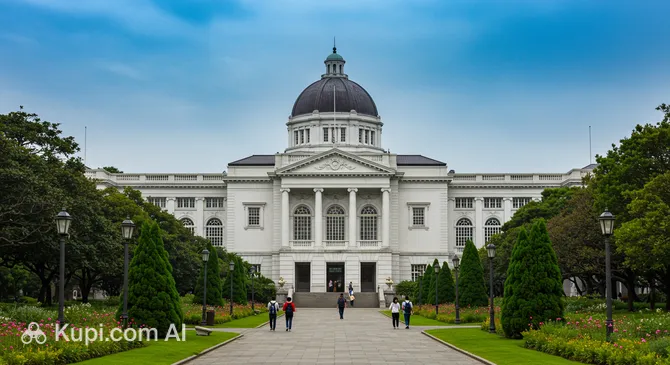
A striking contrast to the traditional Chinese and colonial architecture is the Chimei Museum. Resembling a grand European palace or the White House, this comprehensive private museum houses an impressive collection of Western art, musical instruments, weaponry, and natural history exhibits. The surrounding park, featuring the Apollo Fountain and Olympus Bridge, makes it a picturesque spot for photography and a relaxing afternoon walk.
Chimei Museum. Illustration.
Source: Kupi.com AI
Traveler photos:
If you are looking for something more dynamic, the Ten Drum Cultural Village offers a unique experience. Located in a repurposed sugar refinery, this creative park combines industrial heritage with performing arts. The highlight is the world-class drumming performance by the Ten Drum Art Percussion Group, which brings the old factory spaces to life with thunderous rhythm and energy. Visitors can also explore the massive molasses tanks and try the sky-high swing for a bit of adrenaline.
Local Cuisine
Tainan is widely regarded as the culinary capital of the island, a place where food is not just sustenance but a way of life. The city is famous for its "xiao chi" or small eats, allowing visitors to sample a vast variety of flavors in a single outing without getting too full on just one dish. A defining characteristic of the local palate is a distinct sweetness found in many savory dishes, a unique flavor profile that sets Tainan apart from other regions.
When it comes to must-try dishes, Danzai Noodles are legendary. These savory noodles are served in a shrimp-flavored broth topped with minced pork and fresh coriander, originating from the city's fishing heritage. Another local invention is Coffin Bread, a thick slice of deep-fried toast hollowed out and filled with creamy chowder, named for its shape. For a truly authentic breakfast, try the Tainan Beef Soup. This dish features ultra-fresh beef that is blanched in hot broth rather than cooked, preserving its incredible tenderness and natural flavor.
Beverages are an integral part of the gastronomic journey here. As a claimed birthplace of bubble tea, the city is dotted with tea shops serving this iconic pearl milk tea in its most authentic forms. For something more traditional, Winter Melon Tea offers a refreshing and sweet respite from the subtropical heat. In the evenings, the creative spirit of the city shines in its nightlife. Venues like the Chikan Pharmacy Bar blend history with mixology, serving unique cocktails in a setting that reimagines an old pharmacy.
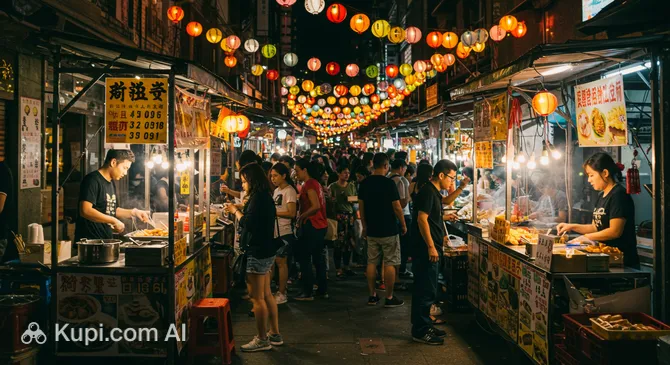
The best way to immerse yourself in the food culture is to visit the night markets. Unlike the fixed locations in some other cities, many of Tainan's markets open on specific rotating days. The Tainan Flower Night Market is the largest and most famous, often forming a sprawling grid of hundreds of stalls. Here, amidst the lively crowd and waving flags of vendors, you can feast on everything from oyster omelets to stinky tofu, making it the ultimate destination for any food lover.
Tainan Flower Night Market. Illustration.
Source: Kupi.com AI
Traveler photos:
Travel Tips
To ensure your journey through Taiwan's oldest city is as smooth and enjoyable as possible, we have compiled a list of essential practical advice. Tainan has a slower pace and a distinct local culture compared to the capital, so keeping these tips in mind will help you navigate the streets like a pro.
Clothing and Gear: Given the tropical climate, lightweight and breathable fabrics are best for most of the year. Summers can be intensely hot and humid, so bring a hat, sunglasses, and high-SPF sunscreen. A compact umbrella or raincoat is essential, especially from June to August when afternoon thunderstorms are common. While the vibe is relaxed, dress modestly when visiting temples; avoid very short shorts or sleeveless tops out of respect.
Transportation: Unlike Taipei or Kaohsiung, Tainan does not yet have an operational metro (MRT) system. The city is best explored by bus, though frequencies can vary, so using a real-time bus app is highly recommended. For convenience, taxis and ride-hailing apps like Uber are readily available and affordable. Renting a scooter is popular among locals but is only advisable if you have an international motorcycle license and are comfortable with heavy traffic.
Finances: The local currency is the New Taiwan Dollar (TWD). While credit cards are accepted in department stores, hotels, and some restaurants, cash is absolute king in Tainan. You will need cash for night markets, small eateries, and street vendors. ATMs are widely available in 24-hour convenience stores (like 7-Eleven and FamilyMart) and usually accept international cards. Tipping is not part of the culture and is generally not expected.
Health and Safety: Tainan is a very safe city for tourists. Pharmacies such as Watsons and Cosmed are easy to find and stock many familiar brands. A specific precaution for this southern region is to carry mosquito repellent, as mosquitoes can be active year-round, particularly in parks and humid areas. Tap water is not potable; stick to bottled or filtered water, which is cheap and accessible everywhere.
Communication: Mandarin is the official language, though you will hear many locals speaking Taiwanese (Hokkien). English levels are generally lower here than in Taipei, but people are incredibly friendly and willing to help. It is wise to download an offline translation app and have your hotel address written in Chinese. You can easily buy SIM cards with unlimited data at the airport or major telecom shops in the city.
Local Etiquette: Politeness is highly valued. When handing over cash, a credit card, or a business card, use both hands as a sign of respect. If you are invited into a local home or enter certain temple areas, remember to take off your shoes. In public, keep your voice down, especially on public transport, to match the generally considerate behavior of the locals.
What to Avoid: Never stick your chopsticks vertically into a bowl of rice, as this resembles incense sticks used in funerals and is considered very bad luck. Also, avoid being aggressive or loud when bargaining; while mild negotiation might be okay in some markets, prices are usually fixed and fair, and a smile works better than a demand.
Night Market Schedule: A unique feature of Tainan is that its night markets are not open every day. They rotate locations throughout the week. For example, the famous Tainan Flower Night Market typically opens on Thursdays, Saturdays, and Sundays, while the Dadong Night Market operates on Mondays, Tuesdays, and Fridays. Always check the specific schedule for the day to avoid showing up to an empty lot.
By packing the right gear and keeping plenty of cash on hand for delicious street snacks, you will be well-prepared to embrace the charm of this historic city. Tainan rewards those who slow down and savor the details, so relax and enjoy the warm hospitality of the south.
Entertainment & Nightlife
When the sun sets, Tainan transforms from a bustling historical capital into a city of atmospheric charm and vibrant evening culture. Unlike the high-energy clubbing scene of Taipei, the nightlife here is more about character, intimacy, and a relaxed vibe. The city is famous for its "old house" culture, where historic buildings have been lovingly renovated into trendy bistros, jazz bars, and speakeasies. This unique fusion of heritage and modernity makes exploring the night streets an adventure in itself.
The epicenter of this atmospheric nightlife is undoubtedly Shennong Street. Once a busy trade canal entrance during the Qing Dynasty, this narrow alley is now lined with beautifully preserved wooden structures adorned with glowing red lanterns. It is the perfect place to start your evening with a stroll, peeking into small art galleries or settling into a cozy bar. The crowd here is a mix of young locals and travelers, all soaking in the nostalgic yet hip ambiance.
Shennong Street. Illustration.
Source: Kupi.com AI
Traveler photos:
For those seeking high-quality cocktails in a unique setting, Swallow Tainan is a standout venue. Housed in a renovated old property, it offers a sophisticated menu of drinks that often incorporate local ingredients, providing a quiet and elegant space to unwind. If you prefer a livelier atmosphere with a mix of food and drinks, Nest de O Bar is a popular choice among locals for its spirited vibe and excellent selection of beverages, making it a great spot to socialize.
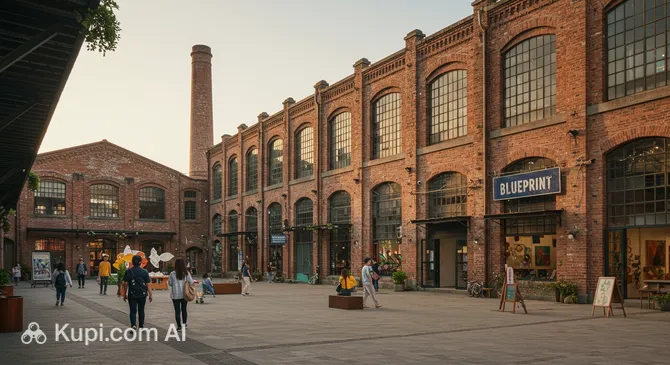
Beyond bars, the local night markets remain a staple of evening entertainment. While the Flower Night Market is the most famous, the Wusheng Night Market is equally beloved by residents. It offers a slightly more manageable crowd while still packing a punch with games, shopping, and endless street food options. For a visual treat, a walk through the Blueprint Culture & Creative Park is highly recommended at night. The 3D blueprints and art installations are illuminated, creating a dazzling backdrop for evening photography.
Blueprint Culture & Creative Park. Illustration.
Source: Kupi.com AI
Traveler photos:
Tainan is generally very safe for night walks, even in quieter alleys. The dress code is typically casual; you will feel comfortable in smart-casual attire at most bars and lounges. Public transport winds down around midnight, so for late-night travel, it is best to use taxis or ride-hailing apps like Uber, which are reliable and affordable. Prices for drinks and entry fees are generally lower than in the capital, offering great value for a night out.
Before the evening festivities begin, the city offers plenty of daytime diversions. Art lovers should visit the Tainan Art Museum Building 2, an architectural marvel that hosts contemporary exhibitions. Families might enjoy the educational exhibits at the Tainan Children's Science Museum or a trip to the National Museum of Taiwan History to deepen their understanding of the island's past.
Parks & Museums
Beyond its bustling street food scene and ancient shrines, Tainan offers a wealth of green spaces and cultural institutions that provide a deeper understanding of the region's heritage. From expansive wetlands teeming with wildlife to world-class museums showcasing art and history, the city invites visitors to explore its natural beauty and intellectual treasures.
For nature lovers, Taijiang National Park is an ecological gem located along the coast. It is Taiwan's eighth national park and is renowned for its vast wetlands, mangroves, and rich biodiversity. Visitors can take boat tours to observe migratory birds, including the endangered black-faced spoonbill, or explore the unique "salt pan" landscapes that reflect the area's history of salt production. It is a serene escape from the urban center, offering a perfect blend of nature and history.
Taijiang National Park. Illustration.
Source: Kupi.com AI
Traveler photos:
Another popular natural retreat is Yuguang Island. Connected to the Anping district by a bridge, this small island features a beautiful crescent-shaped beach and a dense forest trail often referred to as the "Mist Forest." It is a favorite spot for locals to watch the sunset, enjoy a quiet walk under the casuarina trees, or participate in water sports. The relaxed atmosphere makes it an ideal location for a leisurely afternoon by the sea.
In terms of cultural venues, the National Museum of Taiwan History stands out as a comprehensive repository of the island's past. Located in the Annan District, the museum's striking architecture combines modern design with traditional elements. Inside, extensive permanent exhibitions guide visitors through centuries of history, from indigenous cultures and colonial periods to modern democratic development, making it an essential stop for anyone wishing to grasp the complex narrative of the region.
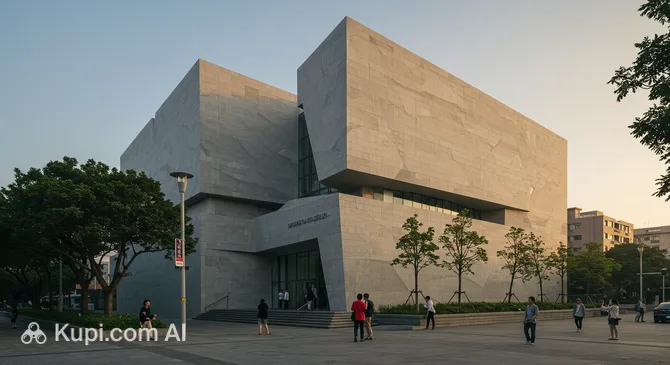
Art enthusiasts should not miss the Tainan Art Museum Building 2. Designed by Pritzker Prize-winning architect Shigeru Ban, the building itself is a masterpiece, featuring a unique pentagonal roof that creates a play of light and shadow inspired by the city's trees. The museum focuses on local and Taiwanese artists, offering a contemporary contrast to the city's traditional temples.
Tainan Art Museum Building 2. Illustration.
Source: Kupi.com AI
Traveler photos:
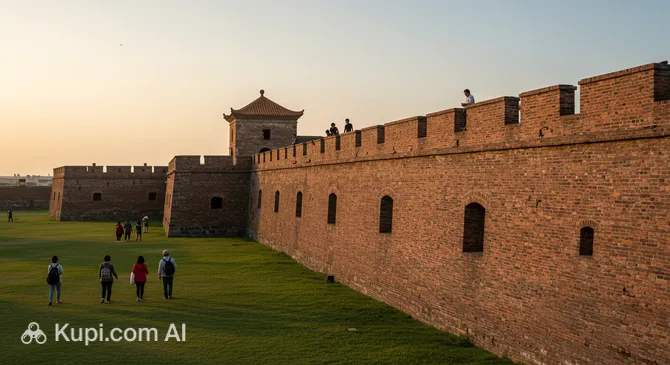
Among the city's most significant historical sites is Anping Fort, historically known as Fort Zeelandia. Built by the Dutch East India Company in the 17th century, it was the center of international trade and colonial administration. Today, visitors can climb the observation tower for panoramic views of the coastline and explore the museum housed within the grounds, which details the maritime history and the strategic importance of Tainan in global trade.
Anping Fort. Illustration.
Source: Kupi.com AI
Traveler photos:
For a look at the spiritual and architectural traditions, the Tainan Martial Temple is a solemn and majestic site dedicated to Guan Yu, the God of War. As one of the best-preserved national monuments, its austere red walls and long, echoing corridors evoke a sense of timelessness. It provides a quiet space for reflection and a chance to observe local religious practices up close.
For a unique family-friendly experience, consider visiting the Creative Brick Dream Factory. This lesser-known attraction allows visitors to unleash their creativity with building blocks and learn about the manufacturing process of these toys, offering a fun and interactive break from traditional sightseeing.
Getting Around
Navigating Tainan requires a slightly different approach compared to the capital, as the city does not currently have an operational metro (MRT) system. The public transport network relies primarily on buses and local trains, which are well-integrated to help visitors reach key districts and attractions. For tourists, the most essential components of the system are the city buses and the dedicated tourist shuttle routes, designed specifically to connect major historical sites and coastal areas.
The backbone of public transportation is the Tainan City Bus network. While regular city routes cover residential and commercial areas, travelers will find the Taiwan Tourist Shuttles most useful. The Route 88 (Anping Line) and Route 99 (Taijiang Line) are tailored for sightseeing, stopping at popular landmarks such as the Confucius Temple, Chihkan Tower, Anping Old Fort, and the Sicao Green Tunnel. These buses are easily recognizable and offer a convenient way to hop between distant attractions without navigating complex transfer systems.
For regional travel and connections to the High Speed Rail (HSR) station, the Taiwan Railways Administration (TRA) local trains are indispensable. The Shalun Line serves as a vital link, connecting the Tainan HSR station (located outside the city center) directly to Tainan TRA Station in the heart of the city. This train journey takes approximately 25 minutes and is often faster and more reliable than taking a shuttle bus from the high-speed rail station during peak traffic hours.
Payment across all forms of public transport is seamless thanks to smart card systems. The EasyCard and iPASS are universally accepted on buses, local trains, and even for bike rentals. You can purchase and top up these cards at any major convenience store, such as 7-Eleven or FamilyMart, as well as at train stations. Fares are generally very affordable. The bus system often offers a mileage-based fare structure, and using an electronic card typically provides a discount compared to paying with cash. If you must pay with cash on a bus, be aware that drivers do not give change, so exact fare is required.
A highly popular alternative for short-distance travel is the YouBike 2.0 public bicycle system. Yellow docking stations are scattered throughout the city, particularly near tourist spots and transport hubs. To rent a bike, you simply register your EasyCard or iPASS with a local phone number or use a credit card via the official app. Cycling is a fantastic way to explore the flat, narrow streets of the West Central District and Anping, allowing you to discover hidden alleys and eateries that larger vehicles cannot reach.
When using the bus system, it is crucial to remember the "tap on, tap off" rule. You must scan your smart card against the reader both when boarding and when alighting to ensure the correct fare is calculated; failing to do so may lock your card. Since bus frequencies can vary significantly compared to Taipei, it is highly recommended to download a real-time transport app like Bus+ or use Google Maps to track arrival times. Buses in Tainan generally operate from early morning until around 10:00 PM or 11:00 PM, so be sure to check the schedule if you plan a late night out.
Given that public transport routes may not cover every specific destination directly, taxis and ride-hailing services like Uber are widely used and relatively inexpensive alternatives. They are particularly useful for reaching spots not served by the tourist shuttles or for traveling late at night. While scooter rentals are the preferred mode of transport for locals, they are only advisable for tourists who possess a valid international motorcycle license and are comfortable navigating heavy, mixed traffic.
Accommodation
Where to Stay:
Finding the perfect place to stay in Tainan is an adventure in itself, as the city offers a accommodation landscape that perfectly mirrors its blend of history and modernity. Options range from luxurious international hotels and modern business suites to a vibrant scene of "minshuku" (bed and breakfasts) often housed in beautifully renovated heritage buildings. These converted old houses are a specialty of Tainan, offering travelers a chance to sleep in spaces featuring terrazzo floors, patterned window grilles, and vintage decor, providing a truly immersive cultural experience.
When choosing a location, the West Central District is the most popular choice for first-time visitors. Staying here puts you within walking distance of major historical sites like the Confucius Temple and Chihkan Tower, as well as the city's famous food streets. It is the heart of the action, where you can step out of your hotel and immediately dive into the bustling atmosphere. Alternatively, the Anping District offers a more relaxed, coastal vibe. It is ideal for those who want to be close to the historic forts, the tree house, and the sunset views over the ocean, away from the denser downtown traffic.
For those interested in staying near the historic Anping area, the Xunyu Clubhouse Anping Tainan is a notable option, offering a comfortable base to explore the nearby old streets and maritime attractions. If you are looking for something that captures the welcoming spirit of the city, Happy Alley is another accommodation choice available to travelers. These establishments cater to visitors looking to relax after a long day of sightseeing.
Xunyu Clubhouse Anping Tainan. Illustration.
Source: Kupi.com AI
Traveler photos:
Regarding costs, accommodation in Tainan is generally more affordable than in the capital, Taipei. Budget travelers can find well-rated hostels and guesthouses for a very reasonable price, while mid-range hotels offer excellent value with spacious rooms. Luxury resorts and high-end boutique hotels are also available for those seeking extra comfort. Most bookings can be easily made through major online platforms. A crucial tip for travelers is to book well in advance if you plan to visit on a weekend or national holiday, as Tainan is a favorite domestic getaway and popular spots fill up quickly.
Nearby Cities
For those looking to explore the surroundings, Tainan serves as an excellent base for day trips to several interesting nearby locations:
Just a short journey south lies Kaohsiung, the island's second-largest metropolis and a vibrant harbor city. It offers a striking contrast to the historic atmosphere of its neighbor with its wide boulevards, modern architecture, and maritime spirit. Visitors can explore the Pier-2 Art Center, a lively hub of creativity housed in repurposed warehouses, or visit the iconic Lotus Pond, famous for the Dragon and Tiger Pagodas. The convenient metro system makes it easy to navigate between the bustling night markets and the scenic Love River.
To the north, Chiayi provides a more relaxed pace and serves as the historic gateway to the majestic Alishan mountains. The city is celebrated for its forestry heritage, best experienced at Hinoki Village, a beautifully preserved complex of Japanese-era wooden dormitories now filled with boutique shops and tea houses. Culinary enthusiasts should not miss the chance to try the local specialty, Turkey Rice, a savory dish that is a source of pride for the locals.
These nearby destinations offer a glimpse into the diverse culture and landscapes of the region.
Shopping & Souvenirs
Shopping:
Shopping in Tainan offers a delightful contrast to the high-paced commercialism of the capital. While you can certainly find modern conveniences, the city is best known for its "cultural creativity" (wenchuang) scene, historic department stores, and traditional craft shops. The retail experience here is less about luxury fashion brands and more about discovering unique local designs, heritage snacks, and artisanal goods that reflect the rich history of the island's oldest city.
A shining example of this blend of history and retail is the iconic Hayashi Department Store. Reopened in recent years as a cultural landmark, this five-story building from the 1930s is the oldest department store in the south. Inside, it is far from a typical mall; the floors are filled with high-quality locally made products, from retro-packaged snacks and tea to designer canvas bags and handicrafts. It is the perfect place to find sophisticated souvenirs that truly represent the spirit of Tainan.
Hayashi Department Store. Illustration.
Source: Kupi.com AI
Traveler photos:
For a more conventional modern shopping experience, T.S. Mall in the East District is one of the largest shopping centers in the area. It houses a wide array of international fashion brands, lifestyle stores, and a comprehensive food court. It provides a comfortable, air-conditioned environment ideal for families or those looking to purchase reliable global products and electronics.
If you prefer an atmosphere steeped in tradition, a walk down Anping Old Street is essential. As one of the oldest thoroughfares in the region, it is lined with vendors selling nostalgic toys, candied fruits, and the city's famous shrimp crackers. These crispy, savory snacks are a signature product of the Anping area and make for excellent edible gifts to bring back home.
The city's famous night markets, such as the Tainan Flower Night Market, are not just for foodies. Between the food stalls, you will find rows of vendors selling affordable clothing, phone accessories, and quirky gadgets. It is a great place to bargain for budget-friendly items and experience the lively local commerce in action.
When it comes to souvenirs, look for canvas bags, which are a local specialty often hand-stitched by long-standing family businesses. Dried fruits, particularly mango and pineapple, are also popular purchases due to the region's agricultural abundance. Additionally, personalized wooden stamps and creative stationery found in the small boutiques around the West Central District are highly sought after by visitors.
Most department stores and large shops operate daily from around 11:00 AM to 10:00 PM. While major malls and the Hayashi Department Store accept credit cards and mobile payments, cash is essential for night markets, old streets, and smaller independent boutiques. Visitors holding a foreign passport may be eligible for a 5% VAT refund at designated "Tax Refund Shopping" stores on the same day for purchases totaling over 2,000 TWD, so be sure to carry your passport if you plan on making significant purchases.