Support

Ezhou

About

Located on the southern bank of the majestic Yangtze River, Ezhou is a historic prefecture-level city in the eastern part of Hubei Province. As a vibrant destination in central China, it offers a compelling mix of ancient culture and natural beauty. With a population of over one million residents, the city maintains a welcoming atmosphere while serving as an important hub in the region.

The city is renowned for its deep cultural roots, dating back thousands of years. It was once the capital of the Wu Kingdom during the famous Three Kingdoms period. Travelers eager to understand the region's past should explore the rich history of Ezhou, which is often celebrated as the "Root of Hubei" due to its enduring heritage and archaeological significance.

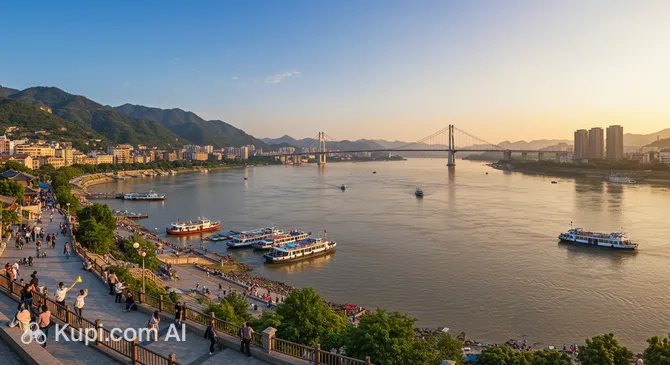
Ezhou. Source: Kupi.Binoculars

Visitors will find several unique attractions that highlight the city's charm. The Guanyin Pavilion is perhaps the most iconic landmark, standing resiliently on a rock in the middle of the Yangtze River for centuries. For panoramic views and lush greenery, the Xishan Scenic Area provides a perfect escape with its temples and historical sites. Additionally, the nearby Liangzi Lake is famous for its crystal-clear waters and delicious local crabs, making it a treat for nature lovers and foodies alike.

Whether you are tracing the footsteps of ancient warlords or simply enjoying the riverside scenery, Ezhou is a delightful stop on any journey through Hubei. Its blend of historical intrigue and scenic landscapes makes it a memorable destination for tourists.

Weather Overview

Ezhou experiences a subtropical climate with four distinct seasons, making it important to time your visit according to your preferences. Travelers should consult the detailed guide to the weather in Ezhou to pack appropriately, as conditions can change significantly throughout the year. Generally, the city enjoys plenty of sunshine, though humidity levels can rise during the warmer months.

Summers are typically hot and humid, particularly from June to August. During this period, average temperatures often reach 30°C, with daily highs peaking around 33.4°C in August. This season also brings more frequent rainfall, with June and July seeing up to 16 wet days per month. In contrast, winters are chilly and drier; January is the coldest month with average temperatures around 5.5°C and lows dipping to nearly 2°C.

Spring and autumn offer the most comfortable conditions for outdoor exploration. March and April see temperatures rising pleasantly from 14°C to 19°C, while October remains mild with an average of 19.1°C before cooling down. Overall, visitors can expect warm summers with occasional rain and cold, dry winters, making the shoulder seasons ideal for sightseeing.

Interesting Facts

Beyond its scenic landscapes and riverside charm, Ezhou holds several fascinating secrets that surprise many visitors. From ancient engineering marvels to its pivotal role in regional history, here are some intriguing insights into this unique city.

  • The "First Pavilion on the Yangtze": The Guanyin Pavilion is an architectural wonder built entirely on a rock reef in the middle of the turbulent Yangtze River. Despite facing centuries of fierce floods, this 700-year-old structure has never been washed away, earning it a legendary reputation for resilience.

  • The Original "Wuchang": History buffs might be surprised to learn that the famous name "Wuchang," now associated with a major district in neighboring Wuhan, originally belonged to Ezhou. Emperor Sun Quan named this city Wuchang when he established it as the capital of the Wu Kingdom during the Three Kingdoms period.

  • Capital of Bronze Mirrors: Ezhou is historically celebrated as the "Town of Bronze Mirrors" due to its prolific production of these artifacts in ancient times. Archaeologists have unearthed thousands of exquisite bronze mirrors here, representing one of the most significant collections in China.

  • Asia’s First Cargo Hub: Transitioning from ancient history to modern innovation, the city is home to the Ezhou Huahu Airport. It holds the distinction of being Asia's first and the world's fourth professional cargo hub airport, positioning this relatively small city as a global logistics giant.

How to Get There

Reaching this historic city is convenient thanks to its strategic location in Hubei Province and the development of modern transport infrastructure. Whether you are arriving by air or rail, there are several options available depending on your starting point. For a detailed overview of all travel methods, you can read more about how to get to Ezhou to plan your journey effectively.

Travelers can fly directly into the city via Ezhou Huahu Airport (EHU), which is located within Ezhou itself, approximately 14 km from the city center. A taxi ride from this airport typically takes around 40 minutes. Alternatively, for a wider selection of international and long-haul domestic flights, many visitors choose to land at Wuhan Tianhe International Airport (WUH). Situated in the neighboring city of Wuhan, about 79 km away, this major hub offers extensive connections. The journey from Wuhan Tianhe to Ezhou by road takes approximately 2 hours and 20 minutes.

For clarity, here is a summary of the main airports:

Airport Name City Passenger Traffic Km from City
Wuhan Tianhe International Airport Wuhan Large 79.0
Nanchang Changbei International Airport Nanchang Large 195.4
Anqing Tianzhushan Airport Anqing Small 208.0
Jiujiang Jiujiang Small 133.8
Ezhou Huahu Ezhou Small 14.0

If you prefer traveling by train, you can utilize stations in nearby cities that are well-connected to the national rail network. Huangshi Railway Station is located in the city of Huangshi, just 18 km from Ezhou. A transfer by taxi or bus from there takes approximately 50 minutes. Another major option is the Wuhan Railway Station in Wuhan, which is about 52 km away. As a key high-speed rail hub, it serves many routes, and the subsequent drive to Ezhou takes roughly 1 hour and 40 minutes.

Below is a list of nearby railway stations that can serve as entry points:

Station City Passenger Traffic Km to Center
Wuhan Railway Station Wuhan Large 51.7
Huangshi Railway Station Huangshi Medium 18.3
Macheng North Railway Station Macheng Medium 84.2
Tianmen South Railway Station Xiantao Medium 139.3
Jiujiang Railway Station Jiujiang 130.9

Main Attractions

Ezhou is a city where ancient history and natural landscapes converge, offering visitors a variety of sites that range from riverside marvels to scenic mountain retreats. While the city is deeply rooted in the Three Kingdoms period, its attractions also celebrate local culture and the breathtaking geography of the Yangtze River region. Here are some of the top places to explore during your visit.

Guanyin Pavilion is undoubtedly the most famous landmark in the city and a must-see for any traveler. Known as the "First Pavilion on the Yangtze," this architectural wonder is built upon the Dragon Pan Rock, jutting out from the middle of the river. Originally constructed during the Yuan Dynasty, the pavilion has withstood centuries of flooding, appearing to float on the water's surface during high tides. It is a fascinating spot for photographers and architecture enthusiasts who want to witness a structure that perfectly blends resilience with aesthetic beauty.

For those interested in history and hiking, the Xishan Scenic Area offers a perfect day trip. Located in the center of the city, this mountain was once the temporary capital residence of Sun Quan, the King of Wu during the Three Kingdoms period. The area is home to the historic Gulingquan Temple and offers lush forest trails that lead to panoramic viewpoints overlooking the Yangtze River. Tourists visit Xishan to immerse themselves in ancient legends and enjoy the serene atmosphere of its wooded paths.

Lotus Mountain (Lianhuashan) Scenic Area is another prominent attraction, situated on the banks of Yanglan Lake. This expansive cultural park is renowned for the Yuanming Tower, often celebrated as the "First Tower of Ten Thousand Fu" because it contains thousands of inscriptions of the Chinese character for "blessing" or "fortune." The area combines traditional culture with modern leisure facilities, making it an excellent place for families to explore unique architecture and enjoy lakeside walks.

Nature lovers and foodies should not miss a trip to Liangzi Island, located within Liangzi Lake. As the second-largest freshwater lake in Hubei, it is famous for its crystal-clear water and abundant aquatic life. The island serves as a rustic getaway where visitors can escape the urban bustle and indulge in local delicacies, particularly the renowned Liangzi Lake hairy crabs and Wuchang bream. It is a top destination for eco-tourism and experiencing the authentic flavors of the region.

Local Cuisine

Ezhou’s culinary scene is a delightful reflection of its geography, heavily influenced by the Yangtze River and the abundant lakes that surround the city. As a part of the Hubei province, the local food belongs to the Chu cuisine family, which is known for its fresh ingredients, skillful steaming techniques, and savory flavors. Fish and aquatic products are the stars of the dining table here, earning the city a reputation as a paradise for seafood lovers.

A trip to Ezhou would be incomplete without tasting the famous Steamed Wuchang Bream. Since Ezhou is the historical origin of the name "Wuchang," this dish holds special cultural significance. The fish is typically steamed to perfection with ginger, scallions, and soy sauce to preserve its tender texture and natural sweetness. It is often cited in Chinese poetry and remains a symbol of the region's gastronomic heritage.

Another local treasure is the Liangzi Lake Hairy Crab, particularly sought after during the autumn months. These crabs are celebrated for their thin shells, generous roe, and succulent meat. Locals usually steam them simply to highlight their fresh taste, serving them with a dipping sauce of vinegar and ginger. For those seeking comfort food, Lotus Root Soup with Pork Ribs is a staple Hubei dish that simmers for hours, resulting in a rich, savory broth and soft, starchy lotus roots harvested from nearby waters.

The breakfast culture in Ezhou is vibrant and mirrors the "Guo Zao" tradition of neighboring Wuhan. You will find locals starting their day at bustling street stalls with a bowl of Hot Dry Noodles (Re Gan Mian). These noodles are tossed in a rich sesame paste, soy sauce, and chili oil, topped with pickled vegetables. Other popular snacks include Doupi, a sticky rice and meat filling wrapped in a bean-based skin, which offers a satisfying mix of textures.

To accompany these rich flavors, tea is a popular choice among residents. The region produces excellent green teas, such as Ezhou Dongpo Tea, named after the famous poet Su Dongpo who once resided in the area. In the evenings, dining often takes place in restaurants along the riverbanks, where the cool breeze and views of the Yangtze enhance the experience of enjoying fresh, local catches.

Travel Tips

Welcome to Ezhou, a city where ancient Three Kingdoms history blends seamlessly with modern riverside life. To help you navigate your journey through the "Root of Hubei" with ease and confidence, here are some practical tips designed for international travelers.

  1. Clothing and Gear: Ezhou experiences a subtropical climate with high humidity. In summer (June to August), bring lightweight, breathable fabrics and sunglasses, as temperatures can soar. Winters are chilly and damp, so a warm coat and thermal layers are essential. Since you will likely be exploring the Xishan Scenic Area or walking along the Yangtze riverbank, pack sturdy, comfortable walking shoes. Don't forget a universal power adapter (Type A, C, or I) for your electronics.
  2. Transportation: The city is compact and easy to navigate. Taxis are affordable and readily available, but using ride-hailing apps like DiDi (the local equivalent of Uber) is often more convenient for non-Chinese speakers. Public buses are extensively used by locals and cost very little, usually 1 or 2 RMB; however, routes are in Chinese, so having a map app is helpful. For intercity travel, the high-speed train to nearby Wuhan acts almost like a rapid transit system, taking just about 20 minutes.
  3. Finances: The local currency is the Renminbi (RMB/CNY). While credit cards are accepted at major hotels, daily life in Ezhou runs on mobile payments. It is highly recommended to download Alipay or WeChat Pay and link your international card, as even small street vendors prefer these methods. Carry a small amount of cash for emergencies, but don't rely on it exclusively. Tipping is not part of the culture and is generally not expected.
  4. Health and Safety: Ezhou is generally a very safe city for tourists. Pharmacies are marked with a green cross and are easy to find, though prescription medication should be brought from home. A crucial health tip for all of China is to avoid drinking tap water directly; always buy bottled water or boil it first. If you need medical help, the central hospital is the best option, but have a translation app ready as English proficiency among staff may vary.
  5. Communication: Mandarin is the primary language, and the local Ezhou dialect is also common. English is not widely spoken outside of luxury hotels or major transport hubs like the Ezhou Huahu Airport. It is essential to install a translation app (like Baidu Translate or a reliable offline translator) on your phone. Also, ensure you have a roaming plan or a local SIM card with data to access maps and translation tools on the go.
  6. Local Etiquette: When greeting locals, a polite nod or a handshake is standard. If you are invited to dine with locals, remember that table manners are important; never stick your chopsticks vertically into a bowl of rice, as this resembles incense burning for the dead. It is also polite to try a bit of everything served to you, especially local specialties like the Wuchang bream.
  7. What to Avoid: Avoid discussing sensitive political topics, as this is considered impolite and inappropriate for a guest. Additionally, try not to lose your temper or shout in public disputes; maintaining "face" (dignity) is culturally significant, and staying calm will yield better results in resolving any issues.
  8. Seasonal Tip: If you are a food enthusiast, try to plan your visit during the autumn months (September and October). This is the peak season for the famous Liangzi Lake hairy crabs. Visiting during this time allows you to experience the local culinary culture at its finest, with restaurants across the city serving this delicacy fresh from the nearby lake.

With these practical tips in hand, you are well-prepared to uncover the charms of Ezhou, from its historic pavilions to its delicious seafood. Enjoy your adventure in this fascinating riverside city!

Entertainment & Nightlife

While Ezhou may not possess the high-octane nightlife of a metropolis like Shanghai, it offers a vibrant and authentic evening scene that reflects the local lifestyle of Hubei Province. The city comes alive after sunset, transitioning from a historic riverside town into a lively hub of social dining, singing, and relaxation. For tourists, the nightlife here is less about exclusive nightclubs and more about immersing oneself in the bustling atmosphere of night markets, KTV lounges, and riverside promenades.

The epicenter of evening entertainment is undoubtedly the area surrounding Nanpu Road. As darkness falls, this district transforms into a neon-lit corridor filled with energy. Here, you will find a high concentration of bars, casual pubs, and karaoke venues where locals gather to unwind. The atmosphere is generally casual and welcoming, with no strict dress codes required for most establishments. It is the perfect place to experience the Chinese tradition of "KTV," where friends rent private rooms to sing and socialize until the early hours.

For those seeking a more modern and comprehensive entertainment experience, Ezhou Wanda Plaza is a top destination. This large commercial complex is not just for shopping; it houses a variety of evening attractions, including a modern cinema, video arcades, and numerous restaurants that stay open late. It serves as a convenient one-stop spot where you can enjoy a movie, grab a late dinner, and explore indoor entertainment options in a comfortable, climate-controlled environment.

Food plays a central role in Ezhou's nightlife, particularly the culture of "Shao Kao" or street barbecue. The Nanpu Road Night Market and the streets branching off it are famous for their outdoor food stalls. The air here is thick with the scent of cumin and chili as vendors grill skewers of meat, vegetables, and seafood. It is a bustling, noisy, and incredibly flavorful experience. Visitors should definitely try the spicy crayfish (xiaolongxia) during the summer months, a local favorite best enjoyed with cold beer at a plastic table on the sidewalk.

If you prefer a more tranquil evening, a walk along the Yangtze River Bund is highly recommended. The riverside parks are beautifully illuminated at night, offering a serene backdrop for a stroll. You will often see groups of locals practicing traditional square dancing or simply enjoying the cool river breeze. It is a safe and romantic area to admire the lights of the city reflecting off the water, providing a stark contrast to the busy commercial streets.

Practical advice for enjoying Ezhou at night includes knowing that the peak hours are generally from 8:00 PM to midnight. Prices are very affordable compared to larger Chinese cities; a night out with drinks and plenty of barbecue can cost surprisingly little. Getting around is easy, with taxis being plentiful and affordable. Ride-hailing apps are also a reliable way to get back to your hotel safely. The city is generally very safe for night walks, even for solo travelers, though it is always wise to stay in well-lit, populated areas.

During the daytime, the entertainment pace shifts towards culture and nature. Before the sun sets, visitors can explore the Ezhou Museum to delve into the region's ancient history or spend a fun-filled afternoon at the Lotus Mountain (Lianhuashan) area, which features amusement rides and scenic spots suitable for families. These daytime activities provide a perfect balance to the culinary and social adventures that await in the evening.

Parks & Museums

Ezhou offers a refreshing blend of natural landscapes and deep-rooted cultural heritage, making it a rewarding destination for those who enjoy both outdoor leisure and historical exploration. The city’s green spaces often intertwine with its Three Kingdoms history, while its museums provide a fascinating window into ancient artistry and local traditions.

Xishan Scenic Area is the premier natural retreat in the city, often referred to as the "First Mountain in Eastern Chu." While it is historically significant, it serves primarily as a lush, green lung for the city, perfect for hiking and relaxation. The park features winding trails shaded by ancient trees, offering a cool escape during the warmer months. Visitors can climb to higher elevations for sweeping views of the Yangtze River, making it an excellent spot for photography and enjoying the serenity of nature away from the urban bustle.

For a more relaxed, water-side experience, Binjiang Park runs along the banks of the Yangtze River. This linear park is a favorite among locals for evening strolls, kite flying, and morning exercises. It offers the best vantage point from the shore to admire the famous Guanyin Pavilion standing in the river. The park is beautifully landscaped with seasonal flowers and willow trees, providing a picturesque setting for a leisurely walk while watching the majestic river traffic pass by.

When it comes to museums, the Ezhou Museum is an essential stop, particularly for its world-class collection of ancient bronze mirrors. Ezhou is known as the "Hometown of Bronze Mirrors," and this museum houses thousands of these exquisite artifacts, dating from the Warring States period to the Ming and Qing dynasties. The intricate designs and craftsmanship on display offer a unique insight into the aesthetics and daily life of ancient China. It is a quiet, educational venue that highlights the city’s pivotal role in metallurgical history.

Another cultural highlight is the Ezhou Urban Planning Exhibition Hall. While more modern in focus, it often features displays that trace the city's evolution from the ancient capital of the Wu Kingdom to a contemporary aviation and logistics hub. It provides context to the city's layout and future ambitions, helping tourists understand the rapid development of this central Chinese region.

For an authentic local experience, try visiting Xishan Scenic Area early in the morning. You will likely encounter groups of residents practicing Tai Chi or playing traditional instruments in the glades. It is a wonderful opportunity to witness the local lifestyle and perhaps even join in for a truly immersive start to your day.

Getting Around

Navigating Ezhou is relatively straightforward, as the city offers a functional mix of traditional public transit and modern connectivity. The backbone of the local transportation system is the public bus network, which covers the main urban districts, tourist attractions like the West Mountain (Xishan), and key transport hubs. Buses are frequent during the day and provide an authentic way to see the city streets, though route information at stops is predominantly in Chinese.

A standout feature of the region's transport infrastructure is its integration with the neighboring metropolis of Wuhan. Ezhou is connected to the Wuhan Metro system via Line 11, which extends to the Gedian Development Zone in Ezhou. This makes it one of the few non-capital cities to have a direct subway link to a provincial capital, allowing for seamless and affordable travel between the two cities. For rapid transit within the wider region, the intercity high-speed railway also functions almost like a commuter service, whisking passengers to nearby towns in minutes.

For payment, the system is highly digitized. While you can still use cash (coins or small notes) for bus fares, exact change is required, and fares are typically very low, usually around 1 to 2 RMB. However, the most convenient method for tourists is to use mobile payment apps like Alipay or WeChat Pay. These apps have "Transport" mini-programs that generate a QR code, which you simply scan as you board the bus or enter the metro. Physical transit cards, such as the Wuhan Yikatong, are also accepted on the metro and many bus lines.

Taxis and ride-hailing services offer a flexible alternative for getting around, especially if you are traveling with luggage or visiting locations not served by the metro. Taxis are generally inexpensive compared to Western standards and can be hailed on the street. For a more barrier-free experience, using the DiDi app (available in English) is highly recommended. It allows you to input your destination and pay automatically, eliminating language barriers with the driver.

For short distances, shared bicycles are scattered throughout the city. You will see blue or yellow bikes parked on sidewalks, which can be unlocked using the scan function in Alipay or WeChat. This is often the quickest way to travel between a bus stop and your final destination. When planning your day, keep in mind that unlike in major megacities, public buses in Ezhou may stop running earlier in the evening, often winding down around 8:00 PM or 9:00 PM, so it is wise to check the schedule or have a taxi app ready for late-night returns.

Accommodation

Finding accommodation in Ezhou is generally a straightforward and affordable experience, with options catering primarily to domestic business travelers and tourists exploring the Hubei region. The city offers a range of stays, from economical business hotels and comfortable mid-range establishments to a few upscale local hotels. While you may not find the extensive lineup of international luxury chains present in nearby Wuhan, the standard of hospitality is welcoming, and facilities are increasingly modern, especially with the recent development of the logistics hub.

For most visitors, the most convenient area to stay is the Echeng District, which functions as the city center. Staying here places you within easy reach of key attractions like the Guanyin Pavilion and the Xishan Scenic Area, as well as the bustling dining scene along Nanpu Road. This area is ideal for those who want to be in the heart of the action, with plenty of taxis and public transport options available at your doorstep. Alternatively, travelers with an early train to catch might prefer the hotels clustered around the Ezhou Railway Station, which offer practical and efficient lodging.

If you are seeking a retreat from the urban environment, consider looking for accommodation near Liangzi Lake. This area is popular for eco-tourism and offers a different vibe, ranging from lakeside resorts to local guesthouses (often called "nongjiale" or farm stays). staying here allows for a peaceful immersion in nature and immediate access to the region's famous seafood dining spots, making it a perfect choice for a relaxing weekend getaway.

In terms of cost, Ezhou is quite budget-friendly compared to China's major metropolises. Budget and economy options are widely available, often costing very little, while mid-range hotels provide excellent value with spacious rooms and reliable amenities. Even the top-tier local hotels are reasonably priced. International travelers are advised to book through major online platforms to ensure the hotel is licensed to host foreign guests, as some smaller budget inns may not have the requisite permits.

Booking Tip: While room availability is generally good throughout the year, the city sees a surge in visitors during the autumn months (September and October). This is the peak season for Liangzi Lake hairy crabs, drawing food enthusiasts from across the province. If you plan to visit during this culinary festival or during major Chinese holidays, it is highly recommended to book your accommodation at least a few weeks in advance to secure your preferred location.

Nearby Cities

For those looking to explore the surroundings, Ezhou serves as an excellent base for day trips to several interesting nearby locations. The region is well-connected by high-speed rail and highways, making it easy to discover the diverse history and landscapes of Hubei and neighboring provinces.

Wuhan, the bustling capital of Hubei Province, is located just a short journey west. As a major metropolis, it offers world-class attractions such as the historic Yellow Crane Tower and the sprawling East Lake. Visitors can spend a day exploring the Hubei Provincial Museum to see ancient bells and artifacts or enjoy the vibrant street food scene in the Hubu Alley district.

To the southeast lies Huangshi, a city celebrated for its industrial heritage and natural beauty. It is home to the Huangshi National Mine Park, where travelers can view the spectacular open-pit mines that date back thousands of years. The city also features the scenic Cihu Lake, a perfect spot for a relaxing afternoon walk surrounded by hills and gardens.

Further afield, Jiujiang in Jiangxi Province serves as the gateway to the majestic Mount Lushan, a UNESCO World Heritage site. Known for its misty peaks and waterfalls, the mountain area offers a refreshing escape into nature. Jiujiang itself is a historic port city on the Yangtze, rich in temples and ancient architecture.

City Population Distance (km)
Wuhan 10,251,000 61
Tongshan 9,083,790 93
Huanggang 6,333,000 7
Jiujiang 4,896,800 130
Huangshi 2,471,700 25

These nearby destinations offer a glimpse into the diverse culture and landscapes of the region, ranging from modern urban centers to ancient mining sites and scenic mountains.

Shopping & Souvenirs

Shopping in Ezhou offers a pleasant mix of modern convenience and traditional charm. While it may not boast the high-end luxury boutiques found in mega-cities like Shanghai or Beijing, the city provides a genuine local experience where visitors can find everything from contemporary fashion to unique cultural handicrafts. The retail landscape is evolving rapidly, with large shopping complexes complementing the bustling street markets that have served the community for decades.

For a lively street shopping experience, Nanpu Road is the commercial heartbeat of the city. This vibrant thoroughfare is lined with a diverse array of shops selling clothing, accessories, and electronics. It is a popular destination for locals to stroll, shop, and dine, offering a bustling atmosphere that captures the energy of daily life in Ezhou. Another notable area is Wenchang Avenue, which features a mix of independent boutiques and larger retail outlets, making it a convenient stop for general shopping needs.

Travelers looking for a comprehensive, modern retail experience should head to Ezhou Wanda Plaza. As the premier shopping destination in the city, this expansive mall houses numerous international and domestic brands, covering fashion, cosmetics, and lifestyle goods. It provides a comfortable, climate-controlled environment where you can browse the latest trends, enjoy a meal at the food court, or catch a movie, making it a one-stop destination for entertainment and retail therapy.

Markets play a significant role in the local shopping culture, offering a more sensory experience. The Nanpu Road Night Market is particularly famous, transforming the area into a lively hub after sunset. While it is renowned for its street food, visitors can also find stalls selling inexpensive clothes, phone accessories, and small trinkets. For those interested in local produce, the city's various wet markets display the abundance of the region, including fresh aquatic products from the nearby lakes, though these are more for browsing than buying souvenirs.

When it comes to souvenirs, Ezhou has several distinct specialties that reflect its rich history and geography. The city is historically known as the "Capital of Bronze Mirrors," so high-quality replica bronze mirrors make for a culturally significant gift. Food enthusiasts should look for vacuum-packed Wuchang Bream or, if traveling during the autumn season, products related to the famous Liangzi Lake Crabs. Additionally, Ezhou Dongpo Tea is a locally produced green tea that serves as a lightweight and authentic memento of your trip.

Most shops and malls in Ezhou operate from around 10:00 AM to 9:30 PM or 10:00 PM. Street markets and smaller vendors often stay open later, especially in the summer. Mobile payment platforms like Alipay and WeChat Pay are the dominant payment methods and are accepted almost everywhere, from large department stores to small street stalls. carrying some cash is advisable for backup, but international credit cards are rarely accepted outside of major hotels or specific high-end establishments.

Regarding tax-free shopping, Ezhou is not a standard port for the Tax Refund Scheme for Tourists (TRS) that you might find in major international gateways like Shanghai. Visitors should generally assume that the prices displayed are final and inclusive of tax, with no refund facilities available for tourists in the city.
Reached the end of the page?

That means the route is fully explored