Support

Yichun

About

Yichun is a captivating city located in the northwest part of Jiangxi province, renowned for its picturesque landscapes and tranquil atmosphere. Often referred to as the "Moon City" due to its rich lunar culture and the famous Moon Mountain, this destination offers a perfect blend of natural beauty and urban vitality. With a population of over 5.5 million people, it serves as a bustling regional hub while maintaining a deep connection to its ecological roots.

Situated in the southeastern part of China, the city enjoys a humid subtropical climate, characterized by mild winters and warm, plentiful summers, making it a pleasant destination year-round. The region is blessed with abundant forests and bamboo groves, contributing to its reputation as a "Green City." The Xiujiang River winds through the area, adding to the scenic charm that defines the local geography.

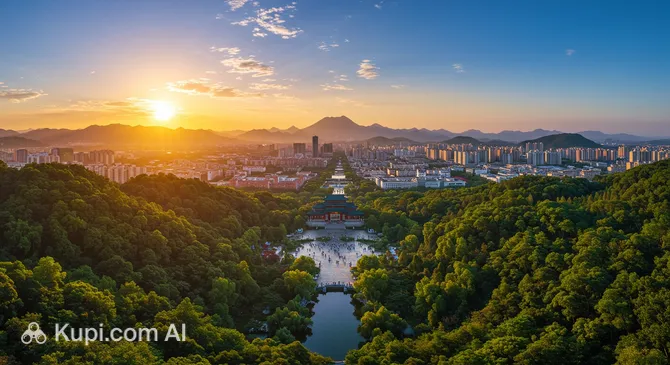
Yichun. Source: Kupi.Binoculars

The area boasts a long and storied past, dating back to the Han Dynasty. Travelers interested in the cultural evolution of the region can delve into the history of Yichun, which reveals a legacy of poetry, agriculture, and traditional medicine. This historical depth is complemented by the city's unique "Moon Culture" festivals, which attract visitors from all over the country.

Among the top attractions, Mingyue Mountain (Moon Mountain) stands out as a must-visit for hiking enthusiasts, offering breathtaking views and misty peaks. Another highlight is the Wentang Town, famous for its selenium-rich hot springs, which are believed to have therapeutic properties. Whether you are seeking outdoor adventure or a relaxing soak in healing waters, Yichun provides a rejuvenating escape for every traveler.

Weather Overview

Understanding the local climate is essential for planning the perfect trip to this region. The weather in Yichun is characterized by distinct seasonal changes, offering travelers different experiences depending on when they visit. Summers are typically hot, with July and August seeing average temperatures around 29°C and daily highs reaching up to 33°C. In contrast, winters are cool, with January being the coldest month, averaging 6.8°C and lows dipping to approximately 3.6°C.

Rainfall patterns vary significantly throughout the year. June is the wettest month, recording 12mm of precipitation and about 21 wet days, while the spring months of March through May also see frequent rain, with up to 20 wet days in May. The autumn and winter months are generally drier; October and December, for example, experience very little precipitation, averaging just 1mm. Expect hot, humid summers with frequent rain and cool, relatively dry winters.

Interesting Facts

Beyond the main attractions, Yichun holds many fascinating secrets that reveal its deep spiritual roots and unique geological features. This city is not only a scenic retreat but also a cradle of ancient traditions and rare natural phenomena.
  • The "Selenium Capital" of Springs: The hot springs in Wentang Town are among the rarest in the world. Unlike most sulfur-rich springs, the water here is rich in selenium and low in sulfur, making it one of the few hot springs on Earth that is safe to drink directly from the source. Locals believe this mineral-rich water is the secret to the region's high longevity rate.

  • A Cradle of Zen Buddhism: Yichun is often called a "Holy Land" for Zen (Chan) Buddhism. Remarkably, three of the five major schools of Zen Buddhism—the Linji, Caodong, and Weiyang schools—originated in this prefecture. The monastic rules known as "Can Lin Qing Gui," which govern Buddhist temples, were also established here.

  • The Home of "Summer Cloth": The region has a history of producing ramie (China grass) that spans thousands of years. Known locally as "Summer Cloth," this handmade linen is a traditional textile treasure. Yichun is considered the "Hometown of Ramie" in China, where the weaving techniques have been preserved as an intangible cultural heritage.

  • Legend of the Moon Goddess: Mingyue Mountain is not just named for its crescent shape; it is deeply tied to the legend of Chang'e, the Chinese Moon Goddess. Folklore suggests that this mountain is the very place where Chang'e took the elixir of immortality and flew to the moon, commemorated today by sites like the "Moon-Running Platform."

  • A Name Rooted in Nature: The name "Yichun" literally translates to "Pleasant Spring." It was historically named because the local springs were sweet to drink and the climate was "warm as spring" all year round, perfectly capturing the city's inviting and temperate character.

How to Get There

Reaching this scenic destination is relatively straightforward, with options ranging from direct flights to regional transit hubs. To plan your journey effectively, you can find more about how to get to Yichun on our detailed page.

The most convenient entry point is Yichun Mingyueshan (IATA: YIC), located directly in Yichun. It is situated just 10.7 km from the city center, making the transfer quick and easy; a taxi or bus ride typically takes about 35 minutes. For those traveling from further afield or requiring more international connections, Changsha Huanghua Airport (IATA: CSX) in Changsha is a major alternative. Although it is approximately 124.8 km away, it handles a significantly larger volume of passengers. The travel time by road from this airport to Yichun is roughly 3.5 hours.

For clarity, here is a summary of the main airports:

Airport Name City Passenger Traffic Km from City
Changsha Huanghua AirportChangshaLarge124.8
Nanchang Changbei International AirportNanchangLarge186.6
Hengyang Nanyue AirportHengyangSmall217.7
Ji'an Jinggangshan AirportJianSmall110.8
Yichun MingyueshanYichunSmall10.7

Travelers can also access the region via major railway hubs in nearby cities. The Pingxiang Railway Station (IATA: PXG) is the closest listed option, located in Pingxiang, about 60 km from Yichun. A transfer by road from there takes approximately 2 hours. Another significant hub is the Nanchang Railway Station (IATA: NHG) in Nanchang, roughly 161.9 km away. As a major station, it offers numerous connections, though the subsequent road journey to Yichun takes about 4.5 hours.

Below is a list of nearby railway stations:

Station City Passenger Traffic Km to Center
Nanchang Railway StationNanchangLarge161.9
Zhuzhou Railway StationZhuzhouLarge133.4
Hengyang Railway StationHengyangMedium197.3
Pingxiang Railway StationPingxiangMedium60.0
Changsha Railway StationChangshaUnknown138.6

Main Attractions

Mingyue Mountain Scenic Area is undoubtedly the crown jewel of local tourism, drawing visitors with its ethereal beauty and cultural significance. Located approximately 30 kilometers from the city center, this National 5A tourist attraction features a cluster of twelve peaks that, when viewed from a distance, resemble a crescent moon. Tourists are captivated by the lush bamboo forests, cascading waterfalls, and the stunning Moon Lake at the summit. It is an ideal spot for hiking enthusiasts and nature lovers who wish to immerse themselves in a landscape that changes dramatically with the seasons, from mist-covered springs to snowy winter wonderlands.

For those seeking relaxation and wellness, Wentang Town offers a unique experience centered around its rare selenium-rich hot springs. Unlike typical spa resorts, the culture here is deeply integrated into daily life, with public foot-soaking pools lining the streets where locals and visitors mingle. The water originates from deep underground and maintains a constant high temperature, believed to have significant therapeutic benefits. A visit here provides not just a physical soak but a glimpse into the laid-back, health-conscious lifestyle that defines the region.

Yangshan Temple serves as a serene retreat for history buffs and spiritual seekers alike. As the birthplace of the Weiyang Sect of Chan (Zen) Buddhism, this ancient temple holds a pivotal place in religious history. Nestled among rolling hills and verdant rice paddies, the complex features traditional architectural styles that harmonize with the surrounding environment. Visitors are often struck by the tranquility of the grounds, making it a perfect location for meditation or simply escaping the hustle and bustle of modern life.

Another fascinating natural wonder is the Zhuojiang Cave, often referred to as the "First Cave in Western Jiangxi." This karst limestone cave extends for kilometers and is filled with spectacular stalactites and stalagmites in myriad shapes and sizes. Illuminated by colorful lights, the interior creates a mystical underground world that sparks the imagination. It is a cool and adventurous stop, particularly refreshing during the hot summer months, and offers an educational look at the region's geological formation.

Right in the heart of the city lies Zhuangyuanzhou Park, a charming island park situated in the middle of the Xiujiang River. The park is named after a historical "Zhuangyuan" (top scholar) who once studied there, symbolizing academic success and dedication. Today, it serves as a lush, green oasis where tourists can enjoy leisurely walks, admire traditional pavilions, and watch the gentle flow of the river. It is a wonderful spot to witness the local community enjoying their leisure time, from practicing Tai Chi to playing traditional instruments.

Local Cuisine

The local cuisine in Yichun is a delightful reflection of traditional Jiangxi flavors, known as Gan cuisine, which is famous for its bold, spicy, and savory characteristics. Food here is characterized by the extensive use of fresh ingredients from the surrounding mountains and rivers, particularly bamboo shoots and freshwater fish. A unique feature of the local cooking is the widespread use of camellia oil (tea oil), which adds a distinct fragrance and nutritional value to the dishes. Travelers should be prepared for a culinary experience that excites the palate with rich textures and a generous amount of chili peppers.

One of the most iconic dishes you must try is Laobiao Chicken Soup. Steeped in history and local folklore, this soup is traditionally made with free-range chicken, ginger, chili, and medicinal herbs, all simmered to perfection. The name "Laobiao" is a friendly local term for "cousin," symbolizing the hospitality of the people. The soup is known for its golden color and deeply restorative properties, making it a favorite comfort food, especially during the cooler months. It perfectly embodies the region's philosophy of combining food with health benefits.

For those with a sweet tooth, Fengcheng Frozen Rice Candy is a legendary snack that originated in the Yichun area. Unlike its name suggests, it is not actually frozen but is a crispy, sweet treat made from glutinous rice, sugar, and maltose. It is renowned for its white, snow-like appearance and its ability to melt in your mouth without leaving a residue. This delicacy has been produced for centuries and makes for an excellent souvenir to bring back home, offering a crunchy contrast to the typically spicy local fare.

Rice noodles are a staple for breakfast and late-night snacks, with Fried Rice Noodles being a ubiquitous street food. In Yichun, these noodles are often stir-fried with lean pork, bean sprouts, green onions, and plenty of dried chili powder or fresh peppers. The result is a chewy, aromatic, and fiery dish that locals consume with gusto. Another must-try ingredient is the bamboo shoot, often stir-fried with preserved meat (larou). Yichun's abundant bamboo forests ensure that the shoots are incredibly fresh, tender, and crisp.

When it comes to beverages, the region's selenium-rich green tea is the drink of choice. Grown in the mist-covered mountains, particularly around Mingyue Mountain, the tea is prized not only for its refreshing taste but also for its health benefits derived from the mineral-rich soil. It is common to be served a cup of this tea upon entering a restaurant or a local's home. For something stronger, local homemade rice wine is popular during festivals and family gatherings, offering a sweet and mild alcoholic option that pairs well with the heavy flavors of the cuisine.

The food culture in Yichun is laid-back and social. In the evenings, the streets come alive with vendors selling spicy snacks, such as braised duck necks and tofu. Wentang Town is a particularly interesting spot for foodies; here, you can find restaurants serving dishes cooked with the famous selenium-rich hot spring water. Locals believe this water enhances the flavor and tenderness of ingredients, particularly tofu and vegetables. Whether dining in a bustling street market or a quiet mountain restaurant, the emphasis is always on sharing hearty, flavorful meals with family and friends.

Travel Tips

Welcome to Yichun! To help you navigate the "Moon City" and its surrounding scenic wonders with ease, we have compiled a collection of essential travel advice. These practical insights will ensure you spend less time worrying about logistics and more time soaking in the selenium-rich springs and breathtaking views.

  1. Clothing and Gear: The climate here is humid subtropical, so dress accordingly. In summer, light, breathable fabrics and rain gear are essential due to the heat and frequent showers. Winters can feel damp and chilly, so a warm coat and layers are necessary. Crucially, bring comfortable, sturdy walking shoes if you plan to explore the trails of Mingyue Mountain.

  2. Transportation: Getting around is best done via taxis or ride-hailing apps (like Didi), especially since the city center and the popular Wentang Town are about 15–20 kilometers apart. Public buses (such as the 116 or 118 routes connecting the city to the resort areas) are affordable but can be crowded; have the exact fare ready or a mobile payment code if you choose this option.

  3. Finances: Like most of China, Yichun is a nearly cashless society. Mobile payment platforms like Alipay and WeChat Pay are accepted almost everywhere, from street vendors to luxury hotels. Link your international card to these apps before you arrive. Carry a small amount of cash (RMB) for emergencies, and note that tipping is not part of the local culture.

  4. Health and Safety: The city is generally very safe for travelers. Pharmacies are easily identifiable by a green cross sign. While the hot spring water in Wentang is famous for being drinkable from the source, you should strictly avoid drinking tap water elsewhere; stick to bottled or boiled water to prevent stomach issues.

  5. Communication: English is not widely spoken outside of major hotels and tourist centers. It is highly recommended to download a translation app that works offline or with image recognition (to read menus). Purchasing a local SIM card or an eSIM with data is vital for navigation and communication.

  6. Local Etiquette: Jiangxi people are known for their warmth and hospitality ("Laobiao" is a friendly local term for cousin/friend). When dining communally, it is polite to wait for the host or the eldest person to start eating. If you are toasted with rice wine, it is courteous to take a small sip even if you don't finish the glass.

  7. What to Avoid: Do not stick your chopsticks vertically into a bowl of rice, as this resembles incense burning for the dead and is considered very inauspicious. Additionally, avoid underestimating the local spice level; Jiangxi cuisine is notoriously fiery, so ask for "wei la" (mild spicy) if you are not accustomed to chili heat.

  8. Local Insight: If you visit Wentang Town, you will see locals sitting on the roadside soaking their feet in wooden buckets. Don't be shy—this is a beloved daily ritual! You can often rent a bucket or find public foot-soaking pavilions to join in and experience the therapeutic selenium-rich water firsthand.

With these preparations in mind, you are all set for a smooth and memorable journey through Yichun. Embrace the laid-back rhythm of the city, enjoy the vibrant local flavors, and let the healing waters and mountain air rejuvenate your spirit.

Entertainment & Nightlife

Nightlife in Yichun offers a refreshing departure from the high-energy clubbing scenes found in China's mega-cities. Here, the evening atmosphere is defined by a unique blend of wellness culture, vibrant street food markets, and relaxed social gatherings. Instead of thumping basslines, you are more likely to encounter the soothing sounds of traditional music or the lively chatter of locals enjoying late-night snacks. The city comes alive after sunset in a way that reflects its identity as a "Moon City"—gentle, welcoming, and deeply connected to local traditions.

For the most distinct experience, head straight to Wentang Town. This area transforms into a bustling hub of activity as night falls. The main attraction here is the communal "foot soaking parties" along the pedestrian streets. Locals and tourists alike sit by the roadside wooden troughs or the river channels filled with natural selenium-rich hot spring water, chatting and relaxing well into the night. It is a social phenomenon unique to this region and a perfect way to unwind. Nearby, you will find the Wentang Night Market, where vendors sell everything from spicy tofu and grilled skewers to local handicrafts.

In the main city center (Yuanzhou District), the vibe is more urban but still laid-back. Gulou Pedestrian Street (Drum Tower Street) is the commercial heart of the city and a prime destination for an evening stroll. This historic area is lined with shops, teahouses, and small eateries that stay open late. It is an excellent place to sample local street food, such as fried rice noodles and spicy duck necks, while soaking in the neon-lit architecture. For a more modern entertainment experience, the area around Wanda Plaza offers a concentration of karaoke (KTV) bars, cinemas, and fusion restaurants, popular with the younger crowd.

If you are looking for a cultural spectacle, consider visiting Mingyue Romance Park. This venue is famous for its large-scale "The Romance of Mingyue" performance, a dazzling show that combines dance, acrobatics, and high-tech stage effects to retell local legends, including the story of the Moon Goddess Chang'e. It provides a visually stunning evening option that appeals to families and culture enthusiasts alike.

Practical advice for enjoying Yichun at night is straightforward. The city is generally very safe, and walking around major districts like Wentang or Gulou is secure even late at night. Taxis are readily available and affordable, with most rides within the city center costing very little. Ride-hailing apps are also a convenient way to get between the city center and Wentang Town, which are about 15–20 kilometers apart. Dress codes are casual everywhere; comfort is key, especially if you plan to join the foot-soaking crowds.

While the nights are for relaxation and food, the days in Yichun are best spent exploring its natural and cultural depth. Visitors typically spend their daylight hours hiking the scenic peaks of Mingyue Mountain, exploring the geological wonders of Zhuojiang Cave, or visiting the city's museums to learn about its rich history of ramie production and Zen Buddhism.

Parks & Museums

Yichun is widely celebrated as a "Green City," and its dedication to preserving nature and heritage is evident in its beautifully maintained parks and cultural institutions. Visitors can easily transition from exploring lush, forested hills to admiring ancient artifacts, making the city a well-rounded destination for both outdoor enthusiasts and history buffs.

Huachengya National Forest Park is a splendid natural retreat located just west of the city center. Known for its unique geological formations, the park features strange and rugged rocks that contrast with the serene waters of the reservoir. It is often described as a "natural oxygen bar" due to its dense vegetation and fresh air. Tourists flock here to hike the trails that wind through the forest, offering panoramic views of the lake and the surrounding mountains. It is a perfect spot for a day trip involving a picnic and a leisurely boat ride.

For a green escape right in the heart of the urban area, Zhuangyuanzhou Park remains a favorite. Situated on an island in the Xiujiang River, this park is steeped in literary history, named after a renowned ancient scholar who once studied there. The park combines classical Chinese garden aesthetics with natural river scenery, featuring pavilions, winding paths, and lush groves. It is particularly interesting for tourists who want to observe local life, as residents often gather here for morning exercises, traditional music, and calligraphy practice.

To understand the depth of the region's history, a visit to the Yichun Museum is essential. Located within the city's Cultural Arts Center, this museum houses a vast collection of artifacts that trace the area's development from the Neolithic age to the present. Key exhibits often include ancient ceramics, bronze wares, and displays dedicated to the local "Summer Cloth" (ramie) production. It provides valuable context to the city's agricultural and artistic heritage, offering a quiet and educational break from outdoor activities.

Another cultural highlight is the China Moon Culture Museum, often associated with the Mingyue Mountain area. Given Yichun's identity as the "Moon City," this venue explores the celestial body's significance in Chinese folklore, poetry, and festivals. Visitors can learn about the legend of Chang'e and the history of the Mid-Autumn Festival through interactive displays and artistic interpretations. It is a unique thematic museum that connects the natural beauty of the moonlit mountains with the spiritual imagination of the people.

For a truly local experience, take a stroll along the Xiujiang River Park waterfront in the early evening. While not always listed as a major tourist attraction, this riverside belt offers the best views of the city's bridges lit up at night. It is a peaceful place to walk, away from the crowds, where you can enjoy the cool river breeze and see the city's "Moon Culture" reflected in the illuminated skyline.

Getting Around

Navigating Yichun is straightforward and affordable, with the public bus system serving as the primary mode of transportation for locals and visitors alike. As there is currently no metro system in the city, buses form the backbone of urban transit, connecting the main residential areas, commercial districts like Gulou, and key transport hubs such as the railway station and the airport. The network is reliable and extensive, covering both the city center and the suburban areas.

For tourists, the most important bus routes are those connecting the downtown Yuanzhou District with the popular Wentang Town and Mingyue Mountain Scenic Area. Routes such as Bus 116 and Bus 118 are specifically designed to shuttle passengers between the city center and the hot spring resorts. These buses are modern and air-conditioned, providing a comfortable journey of approximately 30 to 40 minutes. Operating hours generally run from early morning around 6:00 AM until roughly 9:30 PM, though frequencies may decrease later in the evening.

The payment system is highly digitized, reflecting the broader trends in the region. While you can still pay with cash—usually 1 or 2 RMB for local city rides and slightly more for longer distances like the trip to Wentang—exact change is required as drivers do not handle money. The most convenient method is to use mobile payment apps like Alipay or WeChat Pay. You can simply scan the QR code located near the bus entrance or activate a "transit code" within the app to scan upon boarding. Physical transport cards exist but are less practical for short-term visitors compared to mobile options.

Taxis and ride-hailing services offer a flexible alternative for those who prefer door-to-door service or are traveling with luggage. Taxis can be hailed on the street and are generally inexpensive by international standards. All official taxis use a meter, so ensure the driver activates it at the start of your trip. Alternatively, ride-hailing apps like DiDi are widely used and often overcome language barriers since you can input your destination in the app. This is particularly useful for trips between the airport and the city center or for late-night travel when bus services have ceased.

For short trips within the city center, shared bicycles are a popular and eco-friendly option. You will find rows of yellow or blue electric and pedal bikes parked on sidewalks throughout the urban area. These can be unlocked using the same mobile payment apps used for buses. They are an excellent way to explore the riverside parks or travel between nearby attractions at your own pace, allowing you to enjoy the city's "green" atmosphere up close.

While the city lacks a subway, it boasts a spectacular specialized transport feature for sightseers: the Mingyue Mountain Cable Car. This cableway is an attraction in itself, whisking visitors from the base of the mountain to the summit. The ride offers panoramic views of the bamboo forests and misty peaks, saving hikers hours of climbing. It is a must-experience journey for anyone visiting the scenic area, providing a breathtaking perspective of the region's unique landscape.

Accommodation

Finding the perfect place to stay in Yichun depends largely on the purpose of your visit. The accommodation landscape is distinctly divided between the urban convenience of the city center and the therapeutic retreat atmosphere of the nearby resort areas. Generally, travelers can choose from a wide spectrum of options, ranging from economical guesthouses and standard business hotels to luxurious wellness resorts that center their experience around the region's famous hot springs.

For most tourists, the most popular area to stay is Wentang Town, located at the foot of Mingyue Mountain. This area is the heart of Yichun's tourism, famous for its selenium-rich thermal waters. Accommodation here leans towards the mid-to-high-end range, with many hotels and resorts offering private hot spring bathtubs directly in the guest rooms. Staying here places you within walking distance of the lively night markets and the foot-soaking streams, making it ideal for those seeking relaxation and easy access to hiking trails.

Alternatively, the City Center (Yuanzhou District) offers a more urban experience. This area is best suited for travelers who prioritize proximity to transportation hubs like the railway station or the airport. The hotels here are typically modern, catering to business travelers and transit passengers. Staying in the city center is often more budget-friendly than the resort areas and provides convenient access to urban parks, shopping districts, and local restaurants serving authentic Gan cuisine.

Booking Tip: If you plan to visit Wentang Town during the winter months or major Chinese holidays, it is highly recommended to book your accommodation well in advance. This is the peak season for hot spring tourism, and the best resorts often sell out quickly.

The price range varies significantly by location. In the city center, you can find comfortable, modern rooms at very affordable rates. In contrast, the resort hotels in Wentang command higher prices, particularly those with extensive spa facilities and mountain views. Most accommodations can be easily booked through major international travel platforms, though using Chinese-specific apps may offer a wider selection of local guesthouses.

Nearby Cities

For those looking to explore the surroundings, Yichun serves as an excellent base for day trips to several interesting nearby locations:

Pingxiang, located just to the west, is a fantastic destination for outdoor enthusiasts. It is best known as the gateway to the magnificent Wugong Mountain, famous for its rolling alpine meadows, seas of clouds, and outdoor camping culture. The mountain offers a stark contrast to the bamboo forests of Yichun and provides challenging hikes with rewarding panoramic views that attract trekkers from all over the country.

Xinyu, situated to the east, is another close neighbor worth visiting. It is home to the enchanting Fairy Lake (Xiannu Hu), a scenic area deeply rooted in Chinese mythology as the legendary birthplace of the love story between the Cowherd and the Weaver Girl. Visitors can enjoy boat rides on the tranquil water, explore the surrounding islands, and learn about the romantic folklore that permeates the region.

Ji'an offers a deep dive into the region's rich history and culture. While it is famous for its proximity to the revolutionary heritage of the Jinggangshan mountains, the city itself boasts ancient academies and a strong tradition of Luling culture. It provides a more historical and educational perspective compared to the nature-focused trips in other nearby areas.

City Population Distance (km)
Ji'an4,956,60096
Zhuzhou4,020,800126
Pingxiang1,933,20059
Liangshi1,335,90074
Xinyu1,202,49949

These nearby destinations offer a glimpse into the diverse culture and landscapes of the region.

Shopping & Souvenirs

Shopping in Yichun offers a delightful mix of modern convenience and traditional charm, distinct from the frantic pace of China's larger metropolises. While you will find contemporary malls stocking international brands, the true joy of shopping here lies in discovering local specialties that reflect the region's rich agricultural and cultural heritage. From hand-woven textiles to health-boosting teas, the city provides ample opportunities to find unique gifts that embody the spirit of the "Moon City."

For a lively street shopping experience, head to the Gulou Pedestrian Street (Drum Tower Street) in the city center. This bustling thoroughfare is the commercial heart of Yichun, lined with a variety of clothing boutiques, shoe stores, and snack stalls. It is a favorite spot for locals to stroll and shop, offering a vibrant atmosphere especially in the evening. In the resort area of Wentang Town, the main streets are tailored more towards visitors, featuring numerous shops selling local handicrafts, packaged food souvenirs, and swimming gear for the hot springs.

Travelers looking for a comprehensive, modern retail experience should visit Yichun Wanda Plaza. As a major shopping complex in the Yuanzhou District, it houses a wide array of fashion brands, electronics stores, and lifestyle outlets under one roof. It is a reliable destination if you need to purchase travel essentials, western-style clothing, or simply want to enjoy a familiar mall environment with air-conditioning and a large food court.

While Yichun does not have famous large-scale flea markets in the western sense, the local markets and specialty stores are treasure troves for regional products. The markets in Wentang are particularly interesting for tourists; here, you can find vendors selling fresh local produce, dried mountainous herbs, and the region's famous preserved meats. Exploring these smaller stalls allows for a more authentic interaction with local merchants and a chance to see the ingredients that define the local cuisine.

When it comes to souvenirs, Yichun boasts several "must-buy" items. The region is known as the "Hometown of Ramie," so looking for Summer Cloth (handmade ramie linen) products is highly recommended. These textiles are breathable, durable, and often crafted into beautiful clothing or home decor. Bamboo crafts are another staple, thanks to the abundant forests of Mingyue Mountain; look for intricate carvings, fans, and daily utensils. Additionally, selenium-rich green tea and camellia oil are popular wellness gifts, celebrated for their health benefits and local origins.

Store opening hours in Yichun generally follow standard Chinese practices. Large shopping malls and department stores typically operate from 10:00 AM to 10:00 PM daily. Smaller street shops and boutiques may open earlier around 9:00 AM and close slightly earlier or later depending on the flow of customers. In tourist-heavy areas like Wentang, shops often stay open late to accommodate evening strollers.

Payment methods are overwhelmingly digital. WeChat Pay and Alipay are the primary ways to pay for everything from high-end goods to street snacks. While major shopping malls and hotels accept credit cards (UnionPay is standard, with Visa/Mastercard accepted in some international chains), cash is becoming less common, though still accepted. It is advisable to have mobile payment apps set up on your phone for the smoothest experience.

Regarding tax refunds, Yichun is not currently a major hub for tax-free shopping for international tourists. Unlike Beijing or Shanghai, the infrastructure for instant VAT refunds is not widely established here. Visitors should generally expect to pay the listed price including tax, and bargaining is acceptable in small stalls and markets but not in department stores or branded boutiques.
Reached the end of the page?

That means the route is fully explored