Support

Yiyang

About

Welcome to Yiyang, a captivating city located in the northern part of Hunan province. Often referred to as the "Silver City" for its historical prosperity and scenic beauty, Yiyang offers a delightful blend of rich cultural heritage and stunning natural landscapes. As you explore China, this destination stands out as a place where ancient traditions seamlessly coexist with the rhythm of modern life.
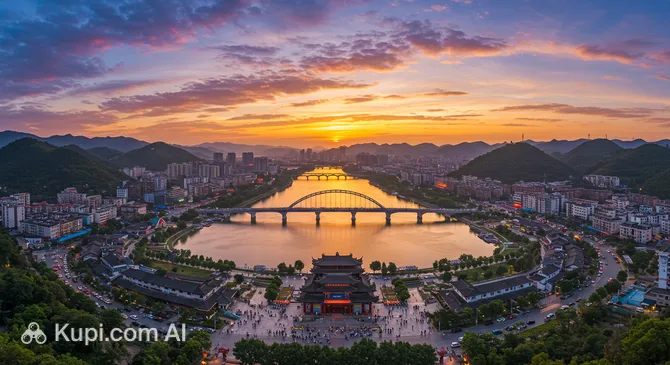
Yiyang. Source: Kupi.Binoculars

Geographically, the city is strategically situated along the middle and lower reaches of the Zi River and on the southern bank of the vast Dongting Lake. This prime location blesses the region with fertile land and a pleasant subtropical climate, making it an inviting destination year-round. With a population of approximately 4.4 million people, Yiyang is a bustling hub that nevertheless maintains a welcoming and friendly atmosphere. The deep history of Yiyang dates back over two millennia to the Qin Dynasty, leaving behind a legacy that fascinates history buffs and casual travelers alike.

Yiyang is renowned for several unique features, most notably its reputation as the "Hometown of Bamboo" and the birthplace of the famous Anhua Dark Tea. Visitors can explore lush tea plantations to learn about the ancient tea road or admire intricate bamboo handicrafts that showcase exceptional local artistry. Nature lovers will appreciate the serene beauty of the South Dongting Lake Wetland, a haven for migratory birds and a perfect spot for eco-tourism.

Whether you are interested in savoring authentic local cuisine, exploring ancient streets, or simply relaxing by the river, Yiyang has something special to offer. It is a destination that promises memorable experiences and a genuine taste of Hunanese hospitality, making it a worthy stop on your travel itinerary.

Weather Overview

Yiyang experiences a climate characterized by distinct seasons, with temperatures varying significantly throughout the year. The summer months are generally hot, with July and August seeing average temperatures of 29.9°C and highs often reaching roughly 33.4°C. Rainfall is quite frequent during this time, particularly in June, which typically records about 18 wet days.

In contrast, the winter season brings cooler weather, with January being the coldest month at an average of 5.7°C and lows dipping to 2.5°C. December is usually the driest period in terms of frequency, having only about 7 wet days. To help you pack appropriately for these conditions, you can consult the detailed guide on the weather in Yiyang.

Interesting Facts

Beyond its scenic landscapes and famous bamboo forests, Yiyang holds several fascinating cultural and historical secrets. This city is not just a regional production hub but a place rich in unique legends and impressive modern achievements.

  • The Cradle of Badminton: Yiyang is widely recognized as the "Hometown of Badminton" in China. Despite being a standard prefecture-level city, it has produced an astonishing number of world champions and Olympic gold medalists, earning it a prestigious reputation in the international sporting community.

  • A Nest of Beauties: The Taohuajiang (Peach Blossom River) area within the city has a legendary reputation as a "Nest of Beauties." This fame was cemented in the 1930s by a popular folk song, and locals often attribute the radiant complexions of the residents to the unique mineral content and quality of the river water.

  • Three Kingdoms Legend: History enthusiasts will be intrigued to know that Yiyang was the stage for a dramatic event during the Three Kingdoms period. It is traditionally cited as the location of the "Single Blade Meeting," where the legendary general Guan Yu attended a tense banquet armed only with a broadsword to negotiate with the rival general Lu Su.

  • Massive Tea Logs: While the region is famous for dark tea, the specific "One Thousand Liang Tea" from Anhua County is a marvel of historical engineering. Centuries ago, tea leaves were compressed into massive cylindrical logs wrapped in bamboo, sometimes weighing over 36 kilograms, to preserve them during long transport journeys along the ancient Tea Horse Road.

How to Get There

Reaching Yiyang is relatively convenient thanks to its proximity to several major transport hubs in Hunan province. While the city itself offers a peaceful retreat, it is well-connected to the broader region, making travel straightforward for international and domestic visitors. For a comprehensive guide on planning your journey, you can read more about how to get to Yiyang and explore the various options available.

The city of Yiyang does not have its own major commercial airport, but you can easily fly into Changsha Huanghua Airport (IATA: CSX) in the city of Changsha. This is a large international hub located approximately 94 km from Yiyang. From there, a taxi or bus ride typically takes about 2 hours and 40 minutes. Another viable option is Changde Airport (IATA: CGD), situated in Changde, roughly 81 km away. The ground transfer from Changde to Yiyang takes approximately 2 hours and 20 minutes. Both airports serve as excellent gateways to the region.

For clarity, here is a summary of the main airports:

Airport Name City Passenger Traffic Km from City
Changsha Huanghua Airport Changsha Large 93.9
Zhangjiajie Hehua Airport Zhangjiajie Medium 196.3
Changde Airport Changde Medium 80.7
Hengyang Nanyue Airport Hengyang Small 189.4
Shashi Jingzhou Small 192.4

Traveling by train is another popular way to approach the area. You can arrive at Changsha Railway Station (IATA: DDV), which is located in Changsha, about 82 km from Yiyang. From this major station, you can take a taxi or bus to reach your final destination in roughly 2.5 hours. Alternatively, Loudi Railway Station (IATA: LLD) in Loudi is approximately 96 km away, with a transfer time of around 2 hours and 45 minutes. These stations connect travelers to the wider high-speed and conventional rail networks of China.

Below is a list of the nearest major railway stations:

Station City Passenger Traffic Km to Center
Zhuzhou Railway Station Zhuzhou High 109.2
Loudi Railway Station Loudi Medium 96.3
Yueyang Railway Station Yiyang Medium 121.4
Changsha Railway Station Changsha 82.3
Shaoyang Railway Station Shaoyang 172.7

Main Attractions

Yiyang is a destination where nature and culture intertwine beautifully, offering a variety of experiences for travelers. The city's main attractions range from vast natural landscapes to sites deeply rooted in history, allowing visitors to explore the unique heritage of the "Silver City."

One of the most stunning sights is the Taohuajiang Bamboo Sea. Located in Taojiang County, this area is covered by an immense forest of bamboo that stretches as far as the eye can see, covering tens of thousands of acres. It is often described as a green ocean, offering a tranquil escape where visitors can wander through lush paths and enjoy the fresh, crisp air. It is a perfect spot for photography enthusiasts and those seeking peace away from the urban bustle, embodying the region's reputation as the "Hometown of Bamboo."

For those interested in history and culture, the Anhua Tea Horse Ancient Road is a must-visit. This scenic area highlights the region's legacy as a major producer of dark tea. You can explore the historic trails that were once used to transport tea to the northwest, winding through mountains and valleys. The site combines rugged natural beauty with cultural exhibitions, allowing tourists to learn about the ancient trade routes while enjoying the dramatic landscape of cliffs and waterfalls.

Nature lovers should not miss the South Dongting Lake Wetland. As part of China's second-largest freshwater lake, this wetland is a vital ecosystem teeming with biodiversity. It serves as a sanctuary for migratory birds and offers picturesque water views, particularly beautiful during the sunset. Taking a boat tour here provides a unique perspective of the local aquatic life and the traditional fishing culture that has thrived on these waters for centuries.

To touch upon the spiritual side of the city, visit Bailu Temple (White Deer Temple). Situated on the banks of the Zi River, it is one of the oldest and most significant Buddhist temples in the region, with a history dating back over a thousand years. The temple complex features traditional architecture and offers a serene atmosphere for contemplation. Its elevated position also provides a commanding view of the river and the city, making it a rewarding stop for both its cultural value and its scenery.

Local Cuisine

The local cuisine of Yiyang is a vibrant reflection of its location in the heart of Hunan province, offering a bold and spicy gastronomic journey that perfectly complements the region's rich culture. As a city situated along the banks of the Zi River and the vast Dongting Lake, Yiyang's food scene is heavily influenced by fresh aquatic ingredients, combined with the signature heat and aromatic spices of traditional Xiang cuisine.

One of the most iconic culinary experiences in the city is Yiyang Lei Cha (Pounded Tea). Far more than just a beverage, this is a unique cultural tradition and a staple of local hospitality. The tea is made by pounding tea leaves, raw ginger, peanuts, and sesame seeds into a fine paste, which is then brewed with boiling water. It is typically served as a savory soup accompanied by a generous array of side dishes, such as fried beans, dried radish, and rice snacks. Drinking Lei Cha is a social event, often enjoyed with friends and family as a refreshing and energizing meal.

Given its proximity to Dongting Lake, freshwater delicacies play a central role on the dining table. Visitors should not miss the chance to try Steamed Fish Head with Chopped Chili (Duo Jiao Yu Tou), a classic Hunan dish that is exceptionally fresh here. Another local favorite is Nanxian Crayfish, which has gained fame across China. These crayfish are usually cooked in a rich, spicy broth or braised with garlic, making them a popular choice for dinner or late-night gatherings.

For a taste of the authentic flavors of the mountains, visitors must try Anhua Smoked Meat (La Rou). This traditional delicacy from Anhua County is made by curing pork and slowly smoking it over wood fires, giving the meat a distinctively deep color and a rich, smoky aroma. It is typically sliced thin and stir-fried with dried vegetables, garlic sprouts, or chili peppers, offering a savory and robust dish that perfectly balances the lighter seafood options found in the city.

No culinary tour of Yiyang would be complete without mentioning Anhua Dark Tea. As a historic production hub for this fermented tea, the city offers high-quality brews that are renowned for their health benefits and smooth, mellow taste. It serves as an excellent digestive aid after a hearty, spicy meal and is a proud symbol of the region's agricultural heritage.

The food culture in Yiyang is lively and unpretentious. Locals love to dine in bustling restaurants and open-air night markets where the atmosphere is as fiery as the food. The city comes alive at night, with "yexiao" (late-night snacks) being a popular pastime. Whether you are sitting at a street stall peeling spicy crayfish or enjoying a traditional tea ceremony in a quiet teahouse, the flavors of Yiyang promise an unforgettable experience for your palate.

Travel Tips

To ensure your visit to Yiyang is as enjoyable and smooth as possible, it is helpful to know a few practical details about daily life in this part of Hunan. The following tips are designed to help you navigate the city with confidence, allowing you to focus on the stunning bamboo forests and rich tea culture.

  1. Clothing and Gear: Yiyang experiences a subtropical climate with distinct seasons. Summers are hot and humid, so pack breathable, lightweight fabrics and sun protection. Winters can be damp and chilly, requiring warm layers and a good coat. Since visiting attractions like the Taohuajiang Bamboo Sea involves walking on uneven terrain, bring sturdy, comfortable walking shoes. A universal power adapter is also essential for your electronics.

  2. Transportation: The most convenient way to get around Yiyang is by taxi or ride-hailing apps like DiDi (the local equivalent of Uber), which are affordable and reliable. Public buses are available and very cheap, but routes are usually listed only in Chinese. Unlike larger metropolises, Yiyang does not have an extensive subway system for inner-city travel, so plan to rely on road transport.

  3. Finances: The official currency is the Chinese Yuan (RMB). While major hotels may accept international credit cards, mobile payments via Alipay or WeChat Pay are the dominant payment methods everywhere, from malls to street vendors. It is highly recommended to set up one of these apps before arrival. Keep a small amount of cash for elderly vendors or smaller shops that might not accept digital payments.

  4. Health and Safety: Yiyang is generally a very safe city for tourists. Pharmacies are easily identifiable by a green cross sign, though you may need a translation app to communicate your symptoms. Always drink bottled or boiled water, as tap water is not safe for direct consumption. Be cautious of the local spicy cuisine if you have a sensitive stomach; have some digestive remedies on hand.

  5. Communication: Mandarin is the official language, though locals often speak the Yiyang dialect among themselves. English is not widely spoken outside of high-end hotels. It is crucial to download an offline translation app (like Baidu Translate or a configured Google Translate) and a map app before you arrive. Buying a local SIM card at the airport or a major telecom store requires your passport.

  6. Local Etiquette: When dining, wait for the host or the eldest person to start eating before you begin. If you are invited to try Lei Cha (Pounded Tea), accept it graciously as it is a significant gesture of hospitality in Yiyang. It is polite to leave a small amount of food on your plate at the end of a meal to show that you were fed well and are full.

  7. What to Avoid: Never stick your chopsticks upright into a bowl of rice; this resembles incense burning at a funeral and is considered very bad luck. Additionally, avoid losing your temper or shouting in public, as causing someone to "lose face" is a serious social faux pas.

  8. Spiciness Warning: Hunan cuisine is famous for being incredibly spicy—often more so than Sichuan food. If you cannot handle heat, learn the phrase "bu yao la" (no spice) or "wei la" (mild spice), though even "mild" might still be quite hot for the unaccustomed palate.

Armed with these practical tips, you are well-prepared to immerse yourself in the vibrant life of Yiyang. Embrace the local customs, savor the fiery flavors, and enjoy the warm hospitality that defines this unique "Silver City."

Entertainment & Nightlife

Nightlife in Yiyang offers a distinct blend of traditional Hunanese culture and modern entertainment. While it may not have the frenetic pace of a massive metropolis like Changsha, the city comes alive after dark with a vibrant atmosphere centered around social dining, riverside leisure, and lively night markets. The locals here know how to enjoy their evenings, often staying out late to savor spicy food, sing karaoke, or simply stroll along the illuminated riverbanks.

The heart of the city's evening activity can often be found in the Ziyang District. One of the most popular spots is the Ming and Qing Ancient Lane (also known as the Ziyang Commercial Street). This area transforms at night into a bustling hub of activity, where the architecture reflects the city's history while the streets are filled with the scents of sizzling street food. It is an excellent place to immerse yourself in the local crowd, try authentic snacks like stinky tofu or spicy crayfish, and shop for small souvenirs under the glow of traditional lanterns.

For a more scenic and relaxed experience, head to the Zi River Scenic Belt. Stretching along the banks of the river, this area is perfect for a post-dinner walk. In the evenings, the bridges and buildings are lit up with colorful LED displays, creating a romantic backdrop. You will find numerous tea houses and open-air bars dotted along the riverside, where you can sip on local Anhua dark tea or a cold beer while enjoying the cool river breeze. It is a favorite spot for couples and families alike.

If you are looking for a more modern entertainment experience, the area around Wanda Plaza is a reliable choice. As a major commercial complex, it houses a variety of entertainment options including cinemas, video arcades, and trendy restaurants that stay open late. Surrounding the plaza, you can typically find a concentration of KTV (karaoke) clubs, which are the cornerstone of Chinese nightlife. These venues range from opulent to casual, offering private rooms where friends gather to sing and drink until the early hours.

The atmosphere in Yiyang's nightlife venues is generally casual and welcoming. There is rarely a strict dress code; smart-casual attire is perfectly acceptable even in the nicer bars or clubs. Prices are quite reasonable compared to larger Chinese cities, making a night out very affordable. The peak time for nightlife usually begins around 8:00 PM for night markets and extends past midnight for KTVs and barbecue stalls.

In terms of safety, Yiyang is very safe for tourists at night. The main commercial areas and the riverfront are well-lit and populated. Taxis and ride-hailing services like DiDi are readily available and cheap, making it easy to get back to your hotel. However, as with any travel destination, it is wise to keep an eye on your belongings in crowded markets.

While the nights are lively, Yiyang also offers plenty of daytime entertainment. Visitors can explore the Yiyang Museum to delve into the region's history or enjoy a peaceful afternoon at Olympic Park, which offers green spaces and sports facilities. These cultural and recreational spots provide a nice balance to the energetic culinary adventures of the evening.

Parks & Museums

While Yiyang is famous for its vast bamboo forests and wetlands, the city center and its immediate surroundings offer a variety of curated green spaces and cultural institutions that provide a deeper look into local life. From modern recreational hubs to halls preserving ancient history, these sites allow visitors to connect with the artistic and natural heritage of the region.

Yiyang Olympic Park is one of the city's most prominent green landmarks. Far more than just a sports complex, this expansive area serves as a central gathering place for residents. It features beautifully landscaped gardens, wide walking paths, and sculpture parks that celebrate the city's reputation as the "Hometown of Badminton." For tourists, it is an excellent spot to witness the daily rhythm of the locals, who gather here for jogging, kite flying, and evening dancing. The park's modern design contrasts pleasantly with the surrounding urban environment, offering a breath of fresh air right in the city.

For a more traditional atmosphere, Xiufeng Park in the Heshan District is a favorite among those seeking tranquility. The park is centered around the historic Xiufeng Pagoda, which stands as a graceful sentinel over the lush vegetation. Winding trails lead visitors through pavilions and shaded groves, making it an ideal location for a leisurely afternoon stroll. It captures the essence of a classic Chinese garden, where architecture and nature are designed to complement one another, providing a quiet escape from the bustling streets.

To understand the depth of the region's history, a visit to the Yiyang City Museum is essential. This comprehensive facility showcases the cultural evolution of the "Silver City" from the Neolithic age to the present day. The exhibits are particularly strong in their coverage of the Chu culture and the Three Kingdoms period, referencing the legendary events involving General Guan Yu that took place in this area. Visitors can also admire collections of ancient bronzeware and ceramics that highlight the artistic sophistication of Yiyang's ancestors.

Given the region's status as a major tea producer, the China Dark Tea Museum is another significant cultural venue. although often located closer to the production areas in Anhua, it represents a critical part of Yiyang's identity. These exhibits detail the intricate process of creating compressed dark tea and the history of the Tea Horse Road. It offers a fascinating glimpse into how a simple leaf shaped the economy and culture of the entire province for centuries.

Architecture enthusiasts should look for the Former Residence of Zhou Libo. Zhou Libo was a renowned modern Chinese writer, and his childhood home offers a perfect example of traditional Qing Dynasty folk architecture. Nestled in a scenic village setting known as Qingxigou, the residence features mud-brick walls, wooden windows, and cyan tiles. It provides not only a literary pilgrimage site but also an authentic look at the rural living standards and architectural styles of the early 20th century in Hunan.

For a truly authentic experience, try visiting Zishan Lake Park in the early morning. This is when the park is most alive with authentic local culture, as elderly residents practice Tai Chi and sword dancing by the water's edge. It is a hidden gem for photographers looking to capture candid moments of serenity and community spirit against a backdrop of mist-covered waters.

Getting Around

Navigating Yiyang is relatively straightforward, as the city relies primarily on an extensive bus network and a fleet of affordable taxis. Unlike some of the larger provincial capitals, Yiyang does not currently operate a metro or subway system. For visitors, this means that getting around involves a mix of bus rides for longer distances and walking or cycling for exploring the scenic riverside areas and compact commercial districts.

The public bus system serves as the backbone of local transportation, connecting all major districts, including Heshan and Ziyang, as well as the railway stations. Buses are frequent and generally reliable, with routes numbered clearly on the front. The standard fare for most lines is very low, typically a flat rate of 2 RMB regardless of the distance traveled. Operating hours usually run from around 6:00 AM to roughly 9:00 PM or 10:00 PM for major routes, though service frequencies drop significantly later in the evening.

Regarding payment, the system has largely transitioned to digital methods, which is standard across the region. While you can still pay with cash, you must insert the exact fare into the coin box upon entry, as drivers do not carry change. For a smoother experience, international tourists are highly encouraged to set up Alipay or WeChat Pay on their smartphones. Both apps have a "Transport" feature that generates a QR code, which can be scanned at the bus terminal. Physical transport cards exist for residents, but they are generally not practical for short-term visitors to obtain.

Taxis offer a comfortable and flexible alternative, especially if you are traveling with luggage or visiting destinations not directly served by main bus routes. You can hail taxis on the street, and they are required to use a meter. The flag-fall price is quite affordable compared to Western standards. Alternatively, ride-hailing apps like DiDi are extremely popular and often more convenient for foreigners, as they allow you to input your destination in English (or via map pin) and pay automatically through the app, eliminating language barriers with the driver.

For short trips within the city center, shared bicycles are a fantastic option. You will see rows of colorful electric and pedal bikes parked on sidewalks, operated by companies like HelloBike or Meituan. To use these, you simply scan the QR code on the bike using the respective app (often accessible via Alipay or WeChat). It is an eco-friendly way to move between the commercial streets and the parks along the Zi River, allowing you to enjoy the city at your own pace.

When planning your travel, keep in mind that traffic can get heavy during peak rush hours, particularly around 8:00 AM and 6:00 PM. If you are heading to the high-speed train station to catch a connection, be sure to leave with plenty of time to spare. While the transport infrastructure is modernizing rapidly, relying on taxis or pre-booked rides is often the safest bet for time-sensitive journeys.

Accommodation

Finding the perfect place to stay in Yiyang is relatively straightforward, as the city offers a growing range of accommodation options to suit various budgets and travel styles. While it may not have the sheer density of luxury international chains found in larger provincial capitals, Yiyang provides a solid selection of reliable business hotels, comfortable mid-range establishments, and scenic resorts located near its natural attractions. Whether you are here for a quick business trip or a leisurely exploration of the bamboo forests, you will find suitable lodgings that offer warm Hunanese hospitality.

For most travelers, the most convenient area to stay is within the City Center, particularly in the Heshan and Ziyang districts. Staying here places you in the heart of the action, with easy access to shopping malls like Wanda Plaza, local restaurants, and the vibrant nightlife along the Zi River Scenic Belt. Hotels in the downtown area are typically modern and well-equipped, catering largely to domestic business travelers. This location is ideal if you want to rely on taxis or public buses to explore the city's museums and parks during the day and enjoy the culinary scene at night.

If you prefer a more tranquil experience closer to nature, consider looking for accommodation in the surrounding counties. Taojiang County, home to the famous Bamboo Sea, offers unique stays including eco-friendly resorts and local guesthouses (nongjiale) where you can wake up to the sound of rustling bamboo. Similarly, Anhua County is perfect for tea enthusiasts; here, you can find boutique hotels and cultural lodges that focus on the region's rich tea heritage, often set against a backdrop of misty mountains and ancient trails.

The price range for accommodation in Yiyang is generally very reasonable compared to major tourist hubs like Changsha or Zhangjiajie.

  • Budget: You can find clean, basic rooms in smaller hotels or guesthouses for very affordable rates, often under 150 RMB per night.
  • Mid-Range: A comfortable stay in a standard 3 or 4-star equivalent hotel typically costs between 200 and 450 RMB. These usually offer breakfast buffets and English-speaking staff is possible but not guaranteed.
  • Upscale: The city's top-tier hotels, which offer amenities like swimming pools, gyms, and river views, generally range from 500 RMB upwards.

Booking Tip: While it is often possible to find a room upon arrival, it is highly recommended to book your accommodation in advance, especially using major international travel platforms or Chinese apps like Trip.com or Ctrip. This is crucial during peak Chinese holidays such as the Spring Festival (Chinese New Year) or the National Day "Golden Week" in October, when rooms can sell out quickly. Additionally, having your booking confirmation in Chinese on your phone can be extremely helpful when communicating with taxi drivers to reach your hotel.

Nearby Cities

For those looking to explore the surroundings, Yiyang serves as an excellent base for day trips to several interesting nearby locations.

One of the most popular choices is Changsha, the vibrant capital of Hunan province, located just a short drive away. This bustling metropolis offers a perfect mix of modern entertainment and deep cultural roots, featuring iconic sites like the Yuelu Academy and the scenic Orange Isle. It is also a paradise for foodies, known across China for its fiery street food and lively night markets.

Another worthwhile destination is Changde, which is renowned for the Peach Blossom Land (Taohuayuan). This scenic area brings to life the idyllic utopia described in ancient Chinese literature, offering visitors a peaceful retreat filled with lush gardens, clear waters, and traditional architecture. It provides a serene contrast to the urban environment and is ideal for a relaxing day out.

City Population Distance (km)
Shaoyang 7370500 170
Changde 5827200 83
Changsha 4766296 68
Zhuzhou 4020800 111
Loudi 3931800 101

These nearby destinations offer a glimpse into the diverse culture and landscapes of the region.

Shopping & Souvenirs

Shopping in Yiyang offers a delightful mix of modern retail convenience and traditional local commerce. While the city may not possess the high-end luxury density of a provincial capital like Changsha, it provides a genuine experience where visitors can explore bustling pedestrian streets, contemporary malls, and specialty shops. The retail scene here is deeply connected to the region's natural resources, making it an excellent place to find authentic local goods rather than just generic international brands.

For a lively atmosphere, the Heshan Commercial Pedestrian Street is one of the main shopping arteries in the city center. This area is always teeming with locals and offers a wide range of mid-range clothing stores, shoe shops, and accessory boutiques. Walking here is as much about the experience as the purchases, with numerous snack stalls selling spicy treats and milk tea interspersed between the retail outlets. Another significant area is the Ziyang Commercial Street, which combines shopping with a touch of historical charm, perfect for leisurely browsing.

Travelers looking for a comprehensive, modern shopping experience should head to Yiyang Wanda Plaza. As the city's premier shopping complex, it houses a variety of international and domestic fashion brands, electronics stores, and lifestyle retailers. It serves as a one-stop destination where you can shop in air-conditioned comfort, enjoy a meal at one of the many restaurants on the upper floors, and find familiar western goods if needed.

To truly understand the local commerce, exploring the city's markets is essential. Yiyang does not have a single massive "tourist market," but rather numerous specialized shops and local bazaars. Given the city's reputation for tea, there are specialized tea markets and wholesale centers where you can find an overwhelming variety of Anhua Dark Tea. These places often allow you to sit down, taste different vintages, and learn about the fermentation process directly from the vendors.

When it comes to souvenirs, Yiyang offers distinct specialties that reflect its heritage. The most famous item to bring home is undoubtedly Anhua Dark Tea, often sold in compressed bricks or decorative logs. Another top choice is bamboo handicrafts; as the "Hometown of Bamboo," the city produces exquisite carvings, woven mats, and practical household items made from this versatile material. Foodies might also appreciate vacuum-packed local delicacies, such as spicy dried fish or preserved tofu, which capture the fiery flavors of Hunan cuisine.

Most shopping malls and large department stores in Yiyang operate from approximately 10:00 AM to 10:00 PM. Independent street shops may open earlier, around 9:00 AM, and close slightly earlier in the evening. Payment methods are heavily digital; WeChat Pay and Alipay are universally accepted and are the preferred mode of transaction for everything from mall purchases to street snacks. International credit cards are rarely accepted outside of major hotels or large supermarket chains, so it is advisable to have mobile payment apps set up or carry enough cash (RMB) for your shopping needs.

Regarding tax-free shopping, tourists should be aware that Yiyang is not a major international gateway, and the tax refund scheme for tourists is generally not available here. Visitors should not expect to claim VAT refunds on purchases made within the city; this service is typically limited to designated stores in China's largest metropolises like Beijing or Shanghai.

Reached the end of the page?

That means the route is fully explored