Support

Wugang

About

Welcome to Wugang, a captivating city that seamlessly blends rich historical heritage with breathtaking natural landscapes. Located in the southwest of the Hunan province in China, this destination offers a serene escape from the hustle and bustle of major metropolises. With a population of approximately 735,000 inhabitants, Wugang maintains a welcoming and authentic atmosphere, inviting travelers to explore its ancient streets and scenic surroundings.

The city is renowned for its deep cultural roots, often referred to as a place of significant historical importance in the region. Walking through the city, visitors can witness the remnants of the past, including the well-preserved Ancient City Wall, which stands as a testament to the area's strategic value over the centuries. To fully appreciate the stories behind these stone fortifications and the city's evolution, it is highly recommended to delve into the history of Wugang before starting your journey.
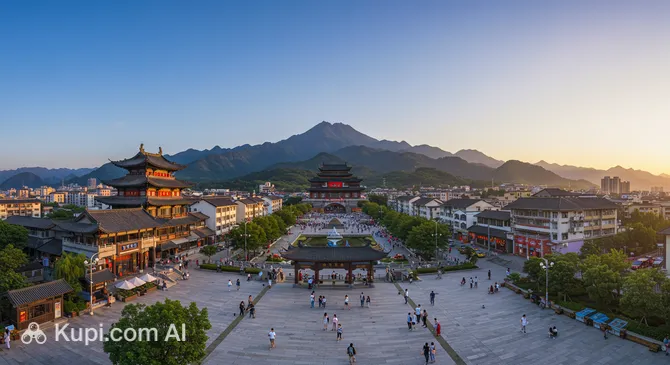
Wugang. Source: Kupi.Binoculars

Nature enthusiasts will find their paradise at Yunshan National Forest Park, a majestic site located just south of the city. Known as a "natural oxygen bar," this park features lush forests, misty peaks, and the historic "Qin People's Ancient Road," making it perfect for hiking and photography. Another cultural highlight is the Wugang Confucius Temple, an architectural gem that offers a quiet space for reflection and a glimpse into traditional Chinese learning and philosophy.

Whether you are tracing the footsteps of history along the ancient walls or breathing in the fresh mountain air at Yunshan, Wugang promises a memorable experience. We invite you to discover the unique charm and hidden treasures of this remarkable city in Hunan.

Weather Overview

The climate in Wugang is characterized by distinct seasonal changes, offering travelers different experiences depending on when they visit. Generally, you can expect warm, humid summers and cool, damp winters. To help you pack appropriately for your trip, it is helpful to review the detailed forecast and historical trends regarding the weather in Wugang.

Summers are typically the warmest time of the year, particularly in July and August, when average temperatures hover around 27°C and daily highs often exceed 31°C. In contrast, the winter months bring a significant drop in temperature. January is usually the coldest month, with averages around 5.6°C and nighttime lows dipping to approximately 2.7°C, requiring warm layers for outdoor exploration.

Precipitation is a common occurrence throughout the year, with a notable pattern of wet days. The spring season and early summer, especially June, see the highest frequency of rain, with up to 22 wet days recorded in the month. While the rainfall amount per day is generally moderate, travelers should be prepared for frequent showers, particularly from March through June. Autumn offers a slightly drier alternative, with fewer wet days in September and October.

Interesting Facts

Beyond its scenic hills and quiet streets, Wugang hides a history that rivals some of China's most famous ancient capitals. From unique fortifications to mystical Taoist designations, the city offers stories that few travelers ever hear.

  • The "Stone City" Anomaly: Unlike most ancient Chinese city walls, which were typically constructed with a rammed earth core faced with brick, Wugang's city wall is built entirely of massive limestone blocks. This unique construction has earned it the nickname "Stone City" and made it incredibly resilient; local history recounts that the walls were strong enough to withstand artillery fire during the conflicts of the 20th century.

  • A Brief Imperial Capital: During the turbulent transition between the Ming and Qing dynasties, Wugang briefly took center stage in national history. In 1647, the Yongli Emperor of the Southern Ming dynasty established his court here, renaming the city "Fengtian Prefecture." For a short but significant period, this regional city served as the operational heart of the resistance and a temporary imperial capital.

  • The 69th Blessed Place: Yunshan Mountain, looming south of the city, holds a specific and sacred title in Taoist tradition: it is designated as the "69th Blessed Place" (Liujiu Fudi). The mountain is said to have exactly 71 peaks, and its constant shroud of mist has led to centuries of local folklore about immortals dwelling within the "magical clouds."

  • A Royal Fiefdom: The grandeur of Wugang's historical architecture, particularly its Confucius Temple and city walls, can be attributed to its status during the Ming Dynasty. It served as the fiefdom for a high-ranking Ming prince, which brought imperial-level construction standards and resources to this otherwise modest regional city.

How to Get There

Reaching Wugang involves a journey through the scenic landscapes of Hunan, as the city is often accessed via regional transit hubs. Visitors typically fly or take a train to neighboring cities and complete the trip by road, enjoying the countryside views along the way. For a comprehensive guide on planning your route, you can read more about how to get to Wugang.

For air travel, one of the closest regional options is Zhijiang Airport (HJJ) in Huaihua, located approximately 121 km from Wugang. The transfer by taxi or bus usually takes about 2 hours via the highway. For a wider range of international and domestic connections, travelers often choose Guilin Liangjiang International Airport (KWL) in Guilin. Although it is situated about 177 km away, it is a major transport hub, and the drive to Wugang typically takes around 2.5 to 3 hours.

For clarity, here is a summary of the nearby airports:

Airport Name City Passenger Traffic Km from City
Guilin Liangjiang International Airport Guilin Large 177.2
Tongren Airport Tongren Medium 183.3
Hengyang Nanyue Airport Hengyang Medium 186.3
Biancheng (Xiangxi Biancheng) Airport Qianzhou Small 224.6
Zhijiang Airport Huaihua Small 121.4

If you prefer traveling by rail, the region is well-served by several stations. Shaoyang Railway Station in the city of Shaoyang is the closest major option, situated about 98 km from Wugang. From there, a taxi or bus ride takes approximately 1.5 hours. Another convenient choice is the Huaihua Railway Station, located roughly 108 km away. As a significant regional hub, it offers numerous connections, and the subsequent drive to Wugang takes about 2 hours.

Here is an overview of the nearby railway stations:

Station City Passenger Traffic Km to Center
Huaihua Railway Station Huaihua High 108.1
Loudi Railway Station Loudi High 176.3
Hengyang Railway Station Hengyang High 207.1
Guilin Railway Station Guilin High 165.9
Shaoyang Railway Station Shaoyang Medium 98.1

Main Attractions

Wugang offers a compelling mix of historical depth and natural beauty, making it a rewarding destination for travelers seeking authentic cultural experiences. From ancient fortifications built of massive stone to misty peaks steeped in Taoist legends, the city's landmarks tell the story of its glorious past as a regional center and temporary imperial capital. Below are the top attractions that define the character of this unique city.

Yunshan National Forest Park is undoubtedly the crown jewel of Wugang's natural scenery. Located just south of the city center, this mountain is revered as the "69th Blessed Place" in Taoist tradition and has been a destination for pilgrims and poets for centuries. Visitors can hike along the historic "Qin People's Ancient Road," surrounded by dense primeval forests and bamboo groves. The park is famous for its "Yunshan Mist," a phenomenon where clouds shroud the 71 peaks, creating a mystical atmosphere. It is an ideal spot for hiking, photography, and enjoying fresh mountain air away from urban noise.

For history enthusiasts, the Wugang Ancient City Wall is a must-see marvel. Unlike most Chinese city walls made of brick and earth, Wugang's fortifications are constructed entirely from massive rectangular limestone blocks, earning the city the nickname "Stone City." A walk along the preserved sections offers a tangible connection to the Ming Dynasty. Tourists can admire the sheer engineering skill required to move these heavy stones and enjoy panoramic views of the old town and the surrounding river, providing a perfect vantage point for understanding the city's strategic layout.

The Wugang Confucius Temple stands as a serene testament to the city's educational and cultural heritage. As one of the best-preserved Confucian temples in the region, it features elegant architectural details, including intricate wood carvings and traditional courtyards. It serves not only as a historical site but also as a quiet retreat where visitors can reflect on traditional Chinese philosophy. The temple grounds often host cultural exhibitions, making it a great place to learn about the local customs and the scholarly history of the area.

Another fascinating site is Faxiang Cave (Faxiang Yan), a karst cave located on the eastern outskirts of the city. Known for its bizarre rock formations and stalactites, the cave also serves as a cultural gallery. The walls inside and around the entrance are adorned with stone inscriptions left by scholars and officials throughout history, blending natural geology with calligraphic art. Exploring the cool, cavernous interior provides a refreshing break during warmer months and offers insight into the artistic traditions of the local literati.

Local Cuisine

As part of the Hunan province, Wugang offers a culinary experience defined by bold, spicy flavors and rich aromas. The local cuisine is deeply rooted in the "Xiang" tradition, known for its liberal use of chili peppers, garlic, and shallots, but Wugang distinguishes itself with a unique reputation as a "City of Marinated Dishes." Visitors here can expect meals that are not only fiery but also savory and complex, often featuring smoked meats and centuries-old braising techniques.

The absolute must-try dish is the Wugang Copper Goose (Tong'e). This celebrated local specialty is renowned for its tender texture and delicious flavor, often prepared as a marinated masterpiece that has been praised in the region for generations. Another iconic staple is Wugang Dried Tofu (Xianggan). Unlike ordinary tofu, this variety is firm, chewy, and dark-skinned from a special marinating process. It is served everywhere, from restaurant tables to street stalls, often stir-fried with green peppers or eaten on its own as a savory snack.

For those who enjoy hearty, rustic flavors, Blood Duck (Xue Ya) is a classic dish found throughout the Shaoyang region, including Wugang. The duck is chopped into small pieces and cooked with fresh blood and vinegar, creating a rich, dark sauce that pairs perfectly with steamed rice. To balance the heat of these dishes, locals often enjoy homemade rice wine, which is slightly sweet and refreshing. In the warmer months, chilled mung bean soup is also a popular non-alcoholic choice to cool down the palate.

The food culture in Wugang is vibrant and casual. While there are plenty of sit-down restaurants, the true spirit of the city's gastronomy is found in its street food and night markets. The aroma of spices fills the air as vendors sell bags of marinated tofu and spicy snacks to passersby. Dining here is a social affair, often loud and lively, reflecting the warm and hospitable nature of the people in this part of China.

Travel Tips

Visiting Wugang offers a fascinating glimpse into the authentic lifestyle of Hunan province, but navigating a smaller city requires a bit of local know-how. To ensure your trip is as smooth as it is memorable, here are some practical tips to help you prepare for your journey.

  1. Clothing and Gear: The climate here is humid subtropical, so pack breathable, light clothing for the hot summers and warm, thermal layers for the winters, which can feel surprisingly damp and cold. Since exploring the ancient city walls and local markets involves plenty of walking, bring sturdy, comfortable shoes. Don't forget a universal power adapter for your electronics.
  2. Transportation: While Wugang does not have a metro system, getting around is relatively easy. Taxis are affordable and widely available, and ride-hailing apps like DiDi are very convenient for tourists. For arrival and departure, the city is served by Wugang Airport, connecting you to major hubs. Within the city, local buses are a cheap option, but routes are only in Chinese, so have your destination written down.
  3. Finances: The local currency is the Renminbi (RMB). Cash is still useful for small street vendors, but mobile payments via Alipay or WeChat Pay are the dominant method of transaction everywhere in China. International credit cards are rarely accepted outside of high-end hotels, so it is wise to withdraw cash from ATMs at major branches like the Bank of China or ICBC. Tipping is not part of the culture and is generally not expected.
  4. Health and Safety: Wugang is generally a very safe city for travelers. However, never drink tap water; always buy inexpensive bottled water from convenience stores. Pharmacies are easily recognizable by a green cross sign, but carrying a small personal first-aid kit with basic remedies for stomach issues or colds is recommended, as English-speaking pharmacists may be hard to find.
  5. Communication: English is not widely spoken in Wugang, and the local dialect can be distinct from standard Mandarin. It is essential to download a translation app that works offline before you arrive. You will also need a SIM card for internet access, which can be purchased at official telecom stores with your passport. Remember to install a VPN beforehand if you need to access certain international websites and social media apps.
  6. Local Etiquette: Politeness is highly valued. When handing over money or a business card, use both hands as a sign of respect. Dining is a communal affair; wait for the host or the eldest person to start eating before you dig in. If you are invited to a local's home, bringing a small gift, such as fruit or tea, is a thoughtful gesture.
  7. What to Avoid: Avoid leaving your chopsticks sticking vertically upright in your rice bowl, as this resembles incense burned for the dead and is considered very bad luck. Also, try to avoid raising your voice or getting angry in public disputes, as causing someone to "lose face" is a serious social faux pas.
  8. Additional Tip: Don't leave without buying some vacuum-packed Wugang Dried Tofu. It is the city's most famous product and makes for a durable, savory snack that travels well, perfect for bringing a taste of your trip back home.

Armed with these practical tips, you are well-prepared to navigate the streets of Wugang with confidence. Embrace the local customs, enjoy the convenience of modern technology, and immerse yourself in the unique charm of this historic city.

Entertainment & Nightlife

Nightlife in Wugang is less about thumping bass and neon-lit mega-clubs and more about vibrant social gatherings, culinary exploration, and relaxed evenings with friends. The city’s evening atmosphere is distinctly local, characterized by the clinking of glasses and the sizzle of street food grills. While you won't find an international clubbing scene, the "night economy" here is bustling, driven by a culture that loves to stay up late, eat well, and sing loudly in private karaoke rooms.

The heart of the evening action can often be found around the commercial centers and the areas surrounding the Wugang Ancient City Wall. As darkness falls, the historic walls are often illuminated, creating a picturesque backdrop for a night walk. Nearby, the streets fill with locals enjoying the cool evening air. This area transforms into a hub of activity where pop-up stalls sell everything from clothes to the city's famous marinated tofu. It is a safe and lively district perfect for soaking in the authentic atmosphere of urban China.

For those looking for entertainment, KTV (Karaoke TV) is the undisputed king of nightlife in Wugang. Venues range from opulent, multi-story establishments to smaller, neighborhood spots. This is where the younger crowd and business people alike congregate to drink beer, eat fruit platters, and sing the latest hits until the early hours. If you prefer a quiet drink, look for "Qing Ba" (clear bars), which are cozy pubs offering light music and cocktails, providing a stark contrast to the high energy of the karaoke parlors.

Food is an integral part of a night out here. The "Ye Xiao" (night snack) culture is legendary. Makeshift restaurants and barbecue stands spring up on street corners, serving spicy grilled skewers (shao kao), crayfish, and rice noodles. These open-air venues are casual and noisy, with no dress code required—just bring a healthy appetite. Average prices are very affordable, with a hearty meal and drinks often costing less than 100 RMB per person.

Regarding safety and logistics, Wugang is welcoming and secure for tourists at night. The main streets remain busy until late, making walking safe, though it is always wise to stay in well-lit areas. Taxis are plentiful and can be hailed from the street, but using a ride-hailing app is often more convenient for overcoming language barriers. Most venues close around 2:00 AM, though some food stalls stay open until dawn.

During the daylight hours, the city offers a different kind of charm. History buffs should visit the Wugang Ancient City Wall to appreciate its Ming Dynasty architecture in full light. For nature lovers, a trip to Yun Mountain National Forest Park (Yunshan) is essential. Located just outside the city, it offers lush hiking trails and ancient temples, providing a serene escape before you return to the city for another evening of spicy food and song.

Parks & Museums

Wugang is a destination where natural splendor and deep-rooted history intertwine seamlessly. For visitors, the city offers a refreshing mix of lush, mountainous landscapes and cultural sites that tell the story of its past as a significant political and military hub in the Hunan province of China. Whether you are looking to hike through misty peaks or explore ancient relics, the city provides a serene yet engaging backdrop for exploration.

The crown jewel of the region's natural scenery is Yun Mountain National Forest Park (Yunshan). Located just a few kilometers from the city center, it is often referred to as the "Ancestor of Mountains" in southern Hunan. The park is renowned for its seventy-two peaks, which are frequently shrouded in a mystical sea of clouds. Beyond its natural beauty, Yunshan is a sacred site with a rich history of Taoist and Buddhist culture, designated as the "69th Blessed Land" in Taoist tradition. Hikers can explore ancient paths, visit secluded temples, and enjoy the cooling shade of dense forests, making it a perfect retreat during the warmer months.

Another fascinating natural site is Faxiang Rock, a karst cave complex that serves as a scenic park. It is famous not only for its geological formations but also for its cultural significance. The caves are adorned with stone inscriptions and calligraphy left by scholars and poets over centuries, turning a nature walk into a journey through literary history. The interplay of strange rock shapes and historical carvings creates a unique atmosphere that appeals to both nature lovers and history buffs.

For those interested in the city's heritage, the Wugang City Museum acts as the primary custodian of local history. The collection focuses heavily on the region's prominence during the Ming Dynasty, specifically the era of the Prince of Min (Min Wang). Visitors can view artifacts ranging from ancient weaponry and ceramics to items related to the unique Nuo culture of the area. It provides essential context to understanding why this small city played such a large role in regional history.

While not a traditional indoor museum, the Wugang Ancient City Wall functions as a massive open-air museum. Unlike most Chinese city walls made of brick, Wugang's wall is constructed entirely of huge rectangular limestone blocks, a rarity that has earned it significant architectural acclaim. Walking along the preserved sections offers a tangible connection to the past and provides excellent vantage points for viewing the city. It stands as a testament to the city's strategic importance and engineering skills from centuries ago.

For an authentic, lesser-known experience, take a stroll through the narrow alleys near the city wall at dusk. Here, the city feels like a "living museum," where traditional wooden houses stand side-by-side with modern life. You might stumble upon small family shrines or local elders practicing traditional instruments, offering an unscripted and intimate look at the enduring culture of Wugang.

Getting Around

Navigating Wugang is a straightforward experience, as the city relies primarily on a functional network of buses and taxis rather than a complex metro or tram system. Being a county-level city, Wugang is relatively compact, meaning that visitors can reach most major attractions, hotels, and dining areas without long commutes. The pace of life here is more relaxed than in major metropolises, and the transport options reflect this efficient, ground-level approach to getting around.

The backbone of public transportation in the city is the public bus network. These buses cover the main thoroughfares and connect the city center with key sites like the Ancient City Wall and the outskirts near Yun Mountain. Buses are modern and generally air-conditioned, providing a comfortable respite during the humid summer months. Routes are numbered, but signage at bus stops is almost exclusively in Chinese. It is highly advisable to have your destination written in Chinese characters or to save a screenshot of the route on your phone to show the driver or locals if you need assistance.

Payment for public transport has largely shifted towards digital solutions, mirroring the trend across the region. While you can still pay with cash, you must have the exact fare ready—usually 2 RMB per ride—as drivers do not carry change. You simply drop the coins or bills into the box next to the driver upon entry. However, the most convenient method is using a "Transport Code" (Chengche Ma) available within the WeChat or Alipay apps. You scan the QR code on the bus reader when you board. Physical transport smart cards exist for locals but are generally not worth the hassle for short-term visitors to procure.

For those seeking more comfort or direct travel, taxis are abundant and affordable. They can be easily hailed on the street, especially near busy intersections and shopping districts. All legal taxis are equipped with meters, and you should ensure the driver engages it at the start of the trip. Alternatively, ride-hailing apps are extremely popular and often easier for tourists. By using a major platform like DiDi (often integrated into Alipay/WeChat), you can input your destination in English (or pin it on a map), get an estimated fare, and pay automatically, bypassing the language barrier entirely.

For short distances, shared bicycles offer a flexible and scenic way to move around. You will see rows of colorful dockless bikes parked on sidewalks throughout the city. To use them, you simply scan the QR code on the bike frame using Alipay or WeChat. This requires a small deposit or a verified account, and the cost is negligible for short rides. It is an excellent way to explore the narrower streets and alleys around the historic areas where cars might move slowly.

Travelers arriving by air should note that Wugang Airport is located about 9 kilometers north of the city center. Dedicated airport shuttle buses operate in coordination with flight arrivals, offering a cost-effective link to the downtown area. Taxis are also readily available at the airport arrivals area. Operating hours for city buses generally run from early morning, around 6:00 AM, until early evening, typically winding down between 9:00 PM and 10:00 PM. If you are out late enjoying the local nightlife, a taxi or ride-share will be your only option to return to your accommodation.

Accommodation

Accommodation in Wugang caters primarily to domestic travelers, offering a range of options that prioritize functionality and value. While you will not find the ultra-luxury international hotel chains present in China's major metropolises, the city provides a solid selection of reliable mid-range hotels, business inns, and budget-friendly guesthouses. The hospitality standards here are rapidly improving, with many newer establishments offering modern amenities, comfortable bedding, and clean facilities suitable for international visitors.

When choosing where to stay, location is a key factor. The most convenient area for general tourists is the city center, particularly near the commercial districts and the Ancient City Wall. Staying here places you within walking distance of the vibrant night markets, restaurants serving the famous local marinated tofu, and major shopping streets. For those seeking a more tranquil experience, look for resorts or guesthouses located near Yun Mountain National Forest Park (Yunshan). These accommodations offer fresh air, scenic views, and easy access to hiking trails, serving as a peaceful retreat away from the urban bustle.

For international travelers, a crucial booking tip is to ensure your chosen hotel is authorized to host foreign guests. In smaller Chinese cities like Wugang, not every "binguan" (guesthouse) or budget hotel has the necessary registration system for non-mainland ID holders. It is highly recommended to book through major international or reputable Chinese travel platforms where you can filter for "foreigner-friendly" properties or contact the hotel directly to confirm before arrival.

Price-wise, Wugang is very affordable compared to provincial capitals. A comfortable stay in a well-rated mid-range hotel can often be secured for a fraction of the cost you would pay in cities like Changsha or Beijing. Booking in advance is generally not required for most of the year, but it is wise to secure rooms ahead of time if you plan to visit during major Chinese holidays, such as the Spring Festival or the National Day "Golden Week" in October, when local tourism peaks.

Nearby Cities

For those looking to explore the surroundings, Wugang serves as an excellent base for day trips to several interesting nearby locations:

City Population Distance (km)
Shaoyang 7,370,500 101
Yongzhou 5,452,100 103
Guilin 5,085,500 165
Huaihua 4,979,600 112
Loudi 3,931,800 173

Among these neighbors, Shaoyang is particularly significant as the regional administrative center. It offers a deeper dive into the local culture and serves as the gateway to the magnificent Langshan Mountain, a UNESCO World Heritage site known for its dramatic red sandstone formations. For history enthusiasts, Yongzhou provides a rich tapestry of ancient architecture and literary heritage. Meanwhile, the world-famous city of Guilin, known for its iconic karst landscape and the winding Li River, is one of the most picturesque destinations in China and perfect for a memorable excursion.

These nearby destinations offer a glimpse into the diverse culture and landscapes of the region.

Shopping & Souvenirs

Shopping in Wugang offers a distinctly local experience that focuses less on high-end international luxury and more on authentic regional specialties and daily necessities. The retail landscape is a mix of modern convenience and traditional commerce, providing visitors with a genuine glimpse into life in a Chinese county-level city. While you won't find sprawling designer outlets, you will discover bustling commercial hubs filled with clothing boutiques, electronics, and, most importantly, shops dedicated to the city's famous culinary products.

The primary shopping action is concentrated in the downtown area, particularly along the main commercial pedestrian streets. These vibrant thoroughfares are lined with a variety of stores selling everything from local fashion brands to sportswear and accessories. In the evenings, these streets often become even livelier as locals come out to stroll and shop. It is the perfect place to pick up inexpensive clothing or simply enjoy the energetic atmosphere of urban commerce in Hunan.

For a more modern, air-conditioned shopping experience, visitors can head to the city's main shopping centers, such as the Better Life Plaza (Bubugao). This is a common retail chain in the province and serves as a one-stop destination for Wugang residents. Inside, you will find a supermarket for groceries, department store sections for cosmetics and household goods, and various restaurants. It is a reliable spot to find familiar brands and high-quality daily supplies.

To see the traditional side of local commerce, visiting a local farmers' market is highly recommended. These markets are the beating heart of the city's food culture, displaying fresh produce, spices, and meats. While these are primarily for residents buying their daily ingredients, they offer tourists a colorful and aromatic sensory experience. You can often find vendors selling bulk spices or dried goods that reflect the spicy palate of the region.

When it comes to souvenirs, Wugang is famous across China for its food products. The number one item to bring home is Wugang Dried Tofu. Unlike the fresh variety, this tofu is marinated, blackened, and firm, often sold in vacuum-packed gift boxes that are easy to transport. Another prestigious gift is the Wugang Copper Goose, which is also available in packaged, cooked forms suitable for travel. These items are not just food; they are cultural symbols of the city and make for excellent, savory gifts for friends and family.

Most shops in Wugang generally open around 9:00 AM or 10:00 AM and stay open late, often until 9:30 PM or 10:00 PM, especially in the summer. Payment methods have gone almost entirely digital. While major supermarkets may accept cash, the vast majority of vendors, from mall kiosks to street stalls, prefer mobile payments via WeChat Pay or Alipay. It is essential to have one of these apps set up on your phone. International credit cards are rarely accepted in regular shops, so keep some cash as a backup if you cannot use mobile payments.

Regarding tax refunds, Wugang is not a major international tourist hub, and the Tax-Free shopping schemes found in cities like Shanghai or Beijing are generally not available here. Visitors should expect to pay the listed price including tax, and bargaining is typically only acceptable in street markets or independent clothing stalls, not in supermarkets or branded chain stores.

Reached the end of the page?

That means the route is fully explored