Support

Changde

About

Changde is a captivating city located in the northwest of Hunan Province, China. Known for its harmonious blend of urban development and natural beauty, the city sits gracefully along the banks of the Yuan River and near the vast Dongting Lake. With a population of over 5.8 million people, it is a bustling hub that maintains a serene atmosphere, famously associated with the idyllic "Peach Blossom Spring" fable, a symbol of peace and seclusion in Chinese culture.

The city boasts a rich cultural legacy that dates back thousands of years. Visitors interested in the past can delve into the fascinating history of Changde, which is deeply rooted in ancient Chu culture and has served as a strategic center throughout various dynasties. Today, this heritage is visibly intertwined with modern life, creating a unique environment where history and progress coexist.

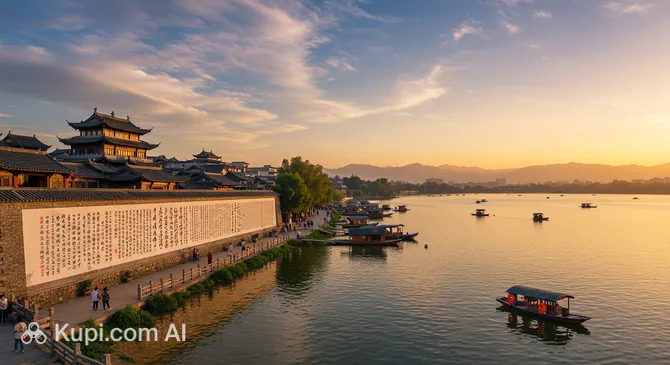
Changde. Source: Kupi.Binoculars

Travelers are often drawn to the magnificent Changde Poem Wall, a Guinness World Record-holding structure that functions as both a flood defense and a massive open-air museum displaying thousands of poems and calligraphy works. Another highlight is the picturesque Liuye Lake, often compared to West Lake in Hangzhou for its scenic waters and willow-lined banks, offering a perfect spot for leisure and relaxation. Additionally, the legendary Taohuayuan (Peach Blossom Land) offers a glimpse into the ethereal landscapes described in classical literature.

Whether you are seeking cultural immersion, historical exploration, or simply a peaceful retreat by the water, Changde offers a memorable experience. Its welcoming spirit and scenic charm make it a delightful destination for any traveler venturing through Hunan.

Weather Overview

Changde experiences four distinct seasons, offering travelers a variety of atmospheric backdrops depending on the time of year. The city generally sees hot summers and cool winters, making it important to pack accordingly for the specific month of your visit. For a more detailed breakdown of daily conditions and forecasts, you can consult the guide to the weather in Changde.

During the peak summer months of July and August, the city is quite warm, with average temperatures reaching around 29.5°C and daily highs climbing up to 33.1°C. In contrast, winters are much cooler; January is typically the coldest month with an average temperature of 5.5°C and lows dipping to 2.0°C. Rainfall is a common feature throughout the year, with June being the wettest month seeing up to 18 wet days, while December is generally the driest period.

Interesting Facts

Here are some interesting facts about Changde that reveal its unique character and history:

  • Sponge City Pioneer: Changde is a leading example of a "Sponge City" in China. The city utilizes advanced water management systems, including permeable surfaces and wetlands, to prevent flooding and improve the urban environment.
  • Ancient Identity: Historically, the city was known as Wuling. This name is famous in Chinese literature as the home of the fisherman in the classic fable "The Peach Blossom Spring," written by Tao Yuanming.
  • Culinary Icon: The local food culture is defined by Changde Rice Noodles. These round noodles, typically served with spicy beef and rich broth, are a beloved breakfast dish throughout the region.
  • Record-Breaking Wall: The Changde Poem Wall is recognized by the Guinness World Records as the longest wall with engraved poems. It stretches for several kilometers along the Yuan River, doubling as a flood levee.
  • Vast Urban Waters: Liuye Lake is one of the largest urban lakes in the nation. Its water surface area is significantly larger than that of the celebrated West Lake in Hangzhou.

How to Get There

Reaching Changde is relatively straightforward, thanks to its own airport and proximity to several major transport hubs in Hunan Province. Whether you are flying from within China or arriving internationally, there are multiple routes to consider. You can find more about how to get to Changde and detailed transport advice to help you plan your journey efficiently.

The most convenient option for air travelers is to fly directly into Changde Airport (IATA: CGD). This regional airport is located within the city limits, just about 14 km from the center. A taxi or bus ride from the terminal to the downtown area is quick, typically taking around 40 minutes. It handles a moderate volume of passengers and connects the city with several key destinations across the country.

For those who cannot find a direct flight, Changsha Huanghua Airport (IATA: CSX) in the provincial capital, Changsha, is a major alternative. It is a large international hub situated approximately 176 km from Changde. The transfer by road via the expressway typically takes between 2 and 2.5 hours. Another viable option is Zhangjiajie Hehua Airport (IATA: DYG) in Zhangjiajie, located about 123 km away, with a travel time of roughly 1.5 to 2 hours by car.

For clarity, here is a summary of the main airports:

Airport Name City Passenger Traffic Km from City
Changsha Huanghua AirportChangshaLarge175.6
Yichang Sanxia AirportYichangLarge183.4
Zhangjiajie Hehua AirportZhangjiajieMedium122.5
Changde AirportChangdeMedium13.7
ShashiJingzhouSmall157.0

Travelers exploring the region by train may also connect through railway stations in neighboring cities if direct routes are not available. Changsha Railway Station is a significant hub in Changsha, located about 165 km from Changde. From there, a transfer by road generally takes around 2 hours. Alternatively, you can arrive at Loudi Railway Station in Loudi, which is approximately 146 km away, requiring a similar travel time to reach Changde.

Below is a list of nearby railway stations that can serve as entry points to the wider region:

Station City Passenger Traffic Km to Center
Loudi Railway StationLoudiLarge145.8
Yueyang Railway StationYiyangLarge146.6
Jingzhou Railway StationJingzhouMedium156.7
Zhijiang Railway StationZhijiang-155.2
Changsha Railway StationChangsha-165.1

Main Attractions

Changde offers a delightful mix of natural landscapes and cultural landmarks, making it a rewarding destination for travelers exploring Hunan. The city’s attractions range from legendary scenic spots rooted in ancient literature to record-breaking architectural feats along the riverbanks.

Taohuayuan (Peach Blossom Land) is arguably the most famous site in the region, celebrated as the real-world location of the idyllic utopia described in Tao Yuanming’s classic fable, "The Peach Blossom Spring." Located just outside the city, this scenic area is a tranquil retreat filled with peach groves, crystal-clear streams, and traditional pavilions. It is interesting to tourists for its deep cultural significance, representing the Chinese ideal of harmony between humans and nature, and offers a peaceful escape from the bustling modern world.

The Changde Poem Wall is a magnificent cultural landmark stretching for several kilometers along the northern bank of the Yuan River. Recognized by the Guinness World Records as the longest wall with engraved poems, it features thousands of works of poetry, calligraphy, and painting carved into the stone. This attraction is unique because it serves a dual purpose: it acts as a robust flood defense system for the city while functioning as a massive open-air museum that showcases the artistic heritage of China.

Liuye Lake, named for its shape resembling a willow leaf, is one of the largest urban lakes in the country. Its vast expanse of water is surrounded by lush greenery and modern recreational facilities, often drawing comparisons to the famous West Lake in Hangzhou. Visitors flock here for leisurely boat rides, cycling along the lakeside paths, and to enjoy the "Liuye Boat Festival." It is a perfect spot for those looking to relax and enjoy water sports in a scenic urban environment.

For nature enthusiasts, Taiyang Mountain National Forest Park provides a lush green backdrop to the city. The park is known for its dense forests, fresh air, and historical Buddhist temples nestled among the peaks. It offers excellent hiking opportunities and panoramic views of the surrounding plains and waterways. Tourists visit to experience the biodiversity of the region and to find spiritual solace in the ancient temples located within the forest.

Local Cuisine

The culinary scene in Changde is a vibrant reflection of Hunan cuisine, known for its bold, spicy flavors and fresh ingredients. The absolute star of the local food culture is Changde Rice Noodles (Changde Mifen). Unlike the flat noodles found elsewhere, these are typically round and are celebrated for their smooth, chewy texture. A bowl is traditionally served for breakfast, topped with a rich, spicy beef stew or braised pork, and submerged in a savory broth that wakes up the senses. Eating these noodles is a daily ritual for locals, and visitors will find countless shops specializing in this beloved dish on almost every street corner.

Beyond the famous noodles, the city's location near the Yuan River and Dongting Lake means that freshwater fish plays a significant role in local dining. Fish dishes are often prepared with plenty of chili peppers, ginger, and garlic, offering a distinct "fresh spicy" kick that characterizes the region's palate. Another must-try experience is the Bozi style of dining, which involves slow-cooking meats and vegetables in small metal or clay pots over a low flame at the table, keeping the food piping hot and flavorful throughout the meal.

For a unique beverage experience, travelers should try Lei Cha, or Pounded Tea. Particularly famous in the nearby Taoyuan County area, this is more than just a drink; it is a cultural custom. The tea is made by grinding tea leaves, ginger, peanuts, sesame seeds, and other ingredients into a paste, which is then brewed with boiling water. It is savory rather than sweet and is usually served with a variety of side snacks, making it a wholesome refreshment that offers a glimpse into the traditional hospitality of the region.

The dining atmosphere in Changde is casual and lively. While there are plenty of sit-down restaurants, the true spirit of the city's food culture is found in its bustling noodle houses and night markets. In the evenings, the streets come alive with vendors selling barbecue skewers and spicy snacks, providing a perfect setting for tourists to mingle with locals and explore the fiery and aromatic world of Hunan gastronomy.

Travel Tips

Planning a trip to Changde offers a chance to explore the "Peach Blossom Land" of reality, but a little preparation goes a long way in this authentic corner of China. To ensure your journey through this scenic Hunan city is as smooth as the waters of Liuye Lake, keep these practical travel insights in mind.

  1. Clothing and Gear: The climate varies significantly, with hot, humid summers requiring lightweight, breathable fabrics, and damp, chilly winters calling for warm layers and a good coat. Since exploring attractions like the Changde Poem Wall involves plenty of walking, bring comfortable shoes, and always carry a compact umbrella, particularly during the rainy season around June.
  2. Transportation: Public buses, including the city's BRT (Bus Rapid Transit) lines, are an economical way to navigate the main districts. However, for ease and speed, taxis are plentiful and affordable; it is highly recommended to have your destination written in Chinese characters to show the driver, as few speak English.
  3. Finances: The official currency is the Renminbi (RMB). While cash is still accepted, the local economy is heavily digitized; tourists are advised to set up the international version of Alipay or WeChat Pay on their phones, as even small street vendors prefer mobile payments over cash or credit cards.
  4. Health and Safety: Changde is a safe city for travelers, but standard precautions like guarding your valuables in crowded markets are wise. Pharmacies are easily identifiable by a green cross, but it is best to bring essential prescription medications with you; also, remember to drink only bottled or boiled water rather than tap water.
  5. Communication: Mandarin is the primary language, and English proficiency is limited outside of major hotels. A reliable translation app (with offline capabilities) is indispensable for daily interactions, and installing a map app like Baidu Maps or Amap will help you navigate better than Western alternatives.
  6. Local Etiquette: Politeness is valued, so greet people with a nod or a smile. When dining communally, which is common in Hunan culture, wait for the host to start the meal and use the provided serving spoons to take food from shared plates rather than your own chopsticks.
  7. What to Avoid: Never stick your chopsticks vertically into a bowl of rice, as this resembles incense burned for the dead and is considered a serious taboo. Additionally, avoid public displays of anger or frustration, as causing someone to "lose face" creates an awkward and negative atmosphere.
  8. Culinary Insight: Be prepared for the heat! Changde is in Hunan province, known for its spicy cuisine. If you have a low tolerance for chili, learn the phrase "bu la" (not spicy), but keep in mind that even "mild" dishes might still carry a significant kick compared to Western standards.

Equipped with these tips, you are ready to immerse yourself in the vibrant culture and relaxing landscapes of Changde without worry. Enjoy the spicy flavors, the poetic scenery, and the warm hospitality that make this city a delightful stop on your Chinese adventure.

Entertainment & Nightlife

Changde offers a vibrant and welcoming nightlife scene that perfectly balances the city's modern energy with its relaxed, riverside charm. Unlike the frantic pace of China's largest metropolises, the evening atmosphere here is more laid-back, inviting visitors to unwind after a day of exploration. The city comes alive as the sun sets, with neon lights reflecting off the Yuan River and the aroma of spicy local cuisine filling the air.

The heart of the action is undoubtedly Changde River Street (He Jie). This redeveloped district features traditional-style architecture that evokes the "Old Changde" of the 1930s and 40s. At night, the buildings are beautifully illuminated, creating a nostalgic backdrop for a leisurely stroll. It is a bustling hub where tourists can find everything from open-air teahouses and souvenir shops to lively bars and restaurants overlooking the water. Another key area is Gaoshan Street, a legendary food street famous among locals. Here, the nightlife is flavor-focused, with vendors serving sizzling barbecue skewers, spicy crayfish, and the city's signature rice noodles late into the night.

For those seeking music and drinks, the city offers several popular venues. 0376 International Music Bar, located near the Golden Diamond Plaza, is a local favorite known for its energetic live performances and bustling crowd. It is a great place to experience the local youth culture. If you prefer a more chill atmosphere, JeJe Jazz Bar on Gaoshan Street offers a smoother vibe with good cocktails and a more intimate setting. For dance enthusiasts, V8 Power Bar on the Pedestrian Street is one of the spots where the music pumps until the early hours.

Practicalities for a night out in Changde are straightforward. The dress code is generally casual, even in clubs; smart-casual is perfectly acceptable everywhere. Prices are quite reasonable compared to Shanghai or Beijing, with a beer often costing significantly less. Getting around is easy and safe; taxis and ride-hailing apps like Didi are readily available and affordable, with fares starting at a low base rate. The city is very safe for night walks, especially in well-lit areas like the Yuan River Scenic Belt.

While the nights are lively, Changde also offers plenty of daytime entertainment. Visitors can explore the rich history at the Changde Museum or enjoy a peaceful afternoon at the Changde Poem Wall, which holds a Guinness World Record. For families, the Happy Waterworld theme park offers excitement during the warmer months, making the city a well-rounded destination for all types of travelers.

Parks & Museums

Changde seamlessly integrates its rich cultural heritage with lush natural landscapes, offering visitors a variety of green spaces and educational venues. The city’s parks are often deeply intertwined with poetry and history, while its museums provide a window into the region's ancient civilizations and artistic achievements.

Liuye Lake is not just a body of water but the centerpiece of a massive recreational area that functions as the city's primary green lung. The parks lining its shores are perfect for cycling or leisurely walks, offering sweeping views of the water which is said to resemble a willow leaf. Visitors can enjoy well-maintained paths, sandy beaches, and vibrant flower gardens that bloom throughout the seasons. It is a favorite spot for locals to exercise and relax, making it an excellent place for tourists to experience the laid-back lifestyle of the city.

For a more culturally immersive experience, Qu Yuan Park is a significant destination dedicated to the famous patriotic poet of ancient China. Located near the city center, this park combines traditional Chinese gardening arts with historical monuments. Travelers can wander through quiet pavilions, admire stone carvings, and learn about the life of Qu Yuan, whose legacy is celebrated during the Dragon Boat Festival. It is a peaceful retreat that offers a quiet contrast to the bustling streets nearby.

The Changde Museum is the premier institution for understanding the region's long history. Located on Wuling Avenue, this comprehensive museum houses thousands of cultural relics, including exquisite bronzes, ceramics, and revolutionary artifacts. A highlight for many visitors is the collection related to the ancient Chu culture and the "Peach Blossom Spring" legends. The exhibitions are designed to walk you through the timeline of the city, from prehistoric settlements to its modern development, making it an essential stop for history buffs.

While not a traditional indoor building, the Changde Poem Wall is widely regarded as a massive open-air museum of culture and art. Stretching for several kilometers along the Yuan River flood wall, it holds a Guinness World Record for its scale. The wall features engraved poems, calligraphy, and paintings from renowned Chinese masters, effectively turning a flood defense structure into a gallery of literary history. It is particularly interesting to tourists for its unique combination of functional engineering and high art.

For a truly local experience, take an early morning stroll through Binhu Park. Situated in the heart of the city, it is where the community comes alive with morning exercises, tai chi, and traditional instrument practice. It offers a genuine glimpse into the daily rhythm of Changde's residents amidst willow trees and calm waters.

Getting Around

Getting around Changde is convenient and affordable, with a public transport network primarily relying on an extensive bus system. Since the city does not currently have a metro system, the Bus Rapid Transit (BRT) network serves as the backbone of local transit. These buses run on dedicated lanes, allowing them to bypass traffic congestion and providing a fast, efficient way to travel between major districts, the railway station, and popular scenic spots like Liuye Lake.

For payment, the system is highly digitized. While traditional transport cards exist for locals, the most convenient method for tourists is using mobile payment apps. You can easily pay your fare by scanning a QR code via the "Transport" mini-apps within Alipay or WeChat. If you prefer to use cash, you must have the exact change ready—usually 1 or 2 RMB per ride—as drivers do not carry change. Insert the coins or bills into the fare box upon boarding at the front door.

Taxis offer a comfortable and flexible alternative for navigating the city. You can hail standard taxis on the street, which are metered and generally inexpensive compared to Western standards. Alternatively, ride-hailing apps like DiDi (the local equivalent of Uber) are extremely popular and often easier for non-Chinese speakers, as you can input your destination in English within the app to avoid language barriers with the driver.

For short distances or leisurely exploration along the riverbanks, shared bicycles are a fantastic option. You will find yellow (Meituan) or blue (HelloBike) bikes parked on sidewalks throughout the city. These can be unlocked using the same mobile payment apps mentioned above. It is an eco-friendly way to see the city at your own pace, especially around the flat and scenic areas near the Poem Wall.

Most public buses operate daily from approximately 6:00 AM to 9:30 PM, though some major lines may run slightly later. To navigate the routes effectively, it is highly recommended to download a local map app like Baidu Maps or Amap, as they provide real-time bus tracking and the most accurate route planning. While the bus stops usually display information in Chinese, the route numbers are in Arabic numerals, making them easy to identify.

Accommodation

Accommodation in Changde caters to a wide spectrum of travelers, ranging from economical guesthouses to upscale resorts that take advantage of the city's scenic waterways. As a developing tourist destination, the city offers a hospitality landscape that is generally modern and comfortable. Visitors can find plenty of standard business hotels offering reliable amenities, as well as an increasing number of boutique properties that reflect the local culture.

For those prioritizing convenience and access to urban amenities, the Wuling District in the city center is the most popular area to stay. Hotels here are situated close to major shopping streets, the lively pedestrian food zones, and the famous Changde Poem Wall. Staying in this area places you within walking distance of the vibrant nightlife and local restaurants. Alternatively, travelers seeking tranquility and picturesque views should consider the area around Liuye Lake. This district is home to several resort-style hotels where guests can enjoy spacious rooms, lakeside gardens, and a peaceful atmosphere away from the downtown bustle.

The cost of accommodation in Changde is generally quite reasonable compared to China's major metropolises like Beijing or Shanghai. Budget travelers can find clean and basic rooms for very affordable rates, while mid-range hotels offer excellent value with high standards of service. Even luxury options are relatively accessible, making it possible to enjoy a premium experience without breaking the bank. Most hotels accept major international credit cards, but smaller guesthouses may prefer mobile payments or cash.

When planning your stay, it is highly recommended to book your accommodation in advance, especially if you are visiting during major Chinese holidays such as the National Day Golden Week in October or the Lunar New Year. During these peak times, rooms can fill up quickly, and prices tend to rise. For international travelers, using major global booking platforms is the easiest way to secure a reservation, as they typically list hotels authorized to host foreign guests.

Nearby Cities

For those looking to explore the surroundings, Changde serves as an excellent base for day trips to several interesting nearby locations:

One of the most spectacular destinations within reach is Zhangjiajie. Famous worldwide for the Wulingyuan Scenic Area, this city offers breathtaking natural landscapes featuring thousands of sandstone pillars that stretch into the sky. It is a paradise for hikers and nature enthusiasts, often cited as the inspiration for the floating mountains in the movie Avatar. A trip here promises unforgettable views and a deep connection with nature.

For a taste of urban energy and history, the provincial capital, Changsha, is a fantastic choice. Known for its vibrant entertainment scene and spicy cuisine, it is also home to significant cultural sites like the ancient Yuelu Academy and the scenic Orange Isle. Visitors can spend the day exploring museums, shopping in modern districts, or enjoying the lively street food culture that defines the city.

Located significantly closer is Yiyang, a city celebrated for its "Bamboo Sea" and tea culture. It offers a more relaxed atmosphere compared to the larger metropolises, making it ideal for travelers interested in traditional crafts and a quieter pace of life. The region is also known for its dark tea, which has a long history and is a staple of local hospitality.

City Population Distance (km)
Changsha 4,766,296 150
Yiyang 4,413,800 83
Loudi 3,931,800 151
Zhangjiajie 1,537,900 119
Lianyuan 1,162,928 148

These nearby destinations offer a glimpse into the diverse culture and landscapes of the region.

Shopping & Souvenirs

Shopping in Changde offers a delightful mix of modern retail experiences and traditional local charm. As a city deeply rooted in culture and agriculture, it provides visitors with the opportunity to purchase everything from high-end fashion in glossy malls to unique regional specialties in bustling street markets. While it may not be a global fashion capital, the city's commercial scene is vibrant and authentic, allowing tourists to find distinct Hunanese products and enjoy a relaxed shopping atmosphere.

The heart of the city's commercial activity is undoubtedly the Wuling Pavilion Pedestrian Street. Located in the bustling city center, this area is closed to traffic and lined with a multitude of shops ranging from popular Chinese clothing brands to jewelry stores and snack vendors. It is the perfect place to take a stroll, soak in the local energy, and pick up everyday items. For a more culturally immersive experience, Changde River Street (He Jie) is a must-visit. With its architecture mimicking the style of the Republican era, this area features numerous boutique shops selling traditional crafts, tea, and souvenirs, all set against the scenic backdrop of the Yuan River.

For those seeking a comprehensive, one-stop shopping experience, Changde boasts several modern complexes. Changde Wanda Plaza is a major destination, housing a vast array of international and domestic brands, a cinema, and numerous dining options under one roof. It provides a comfortable, climate-controlled environment ideal for escaping the summer heat or winter chill. Another prominent spot is the Better Life Plaza (Bubugao), a well-known department store chain in the region that offers quality goods, supermarkets, and electronics.

To truly understand the local lifestyle, visiting a market is essential. While there are many fresh food markets, tourists will find the specialty tea shops scattered around the city particularly interesting. These shops often function like small markets for the ingredients used in Lei Cha (Pounded Tea). You can see the raw grains, tea leaves, ginger, and peanuts being weighed and mixed. Additionally, the areas around the Bridge Market (Qiaonan Market) historically served as wholesale hubs and offer a chaotic but fascinating glimpse into local commerce.

When it comes to souvenirs, the best items to bring back from Changde are edible specialties that define the region's flavor. Pre-packaged Changde Rice Noodles are a popular choice, allowing you to recreate the city's signature breakfast at home. Lei Cha gift sets, which include the ground paste or separate ingredients, make for a unique and healthy gift. The region is also famous for its high-quality lotus seeds from the surrounding lakes, as well as Hunan embroidery items, which are renowned for their delicate craftsmanship.

Most shops in Changde typically open around 10:00 AM and remain open until 9:30 PM or 10:00 PM, with malls often staying busy well into the evening. Payment methods are heavily digitized; while cash is accepted, it is becoming less common for small transactions. The vast majority of vendors, from large department stores to street stalls, prefer mobile payments via Alipay or WeChat Pay. It is highly recommended to have one of these apps set up on your phone before you go shopping.

Regarding tax-free shopping, Changde is not a major international gateway, and tax refund services for foreign tourists are generally not available in local stores. Visitors should not expect to claim VAT refunds at the airport upon departure, so the price you see on the tag is typically the final price you pay.
Reached the end of the page?

That means the route is fully explored