Support

Yichang

About

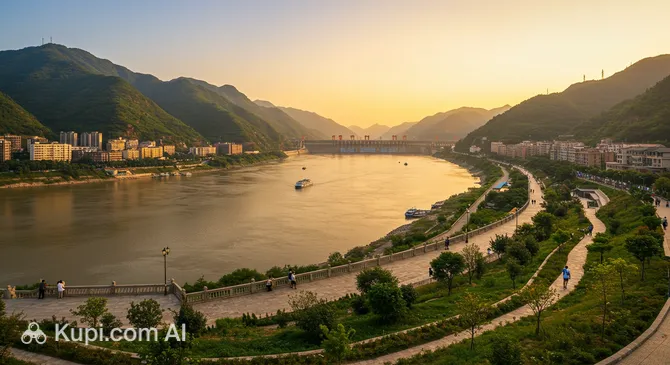
Yichang is a captivating destination located in the western part of Hubei province in China. Often referred to as the "Gateway to the Three Gorges," this dynamic city serves as a crucial transportation hub and a vibrant port along the mighty Yangtze River. With a population of over 4 million people, Yichang blends the energy of a modern metropolis with the serene beauty of its natural surroundings.

The city boasts a subtropical monsoon climate, ensuring distinct seasons and lush landscapes throughout the year. Beyond its modern infrastructure, the region is steeped in culture. Travelers interested in the past can explore the rich history of Yichang, which dates back thousands of years and includes significant events from the Three Kingdoms period.

Yichang. Source: Kupi.Binoculars

Yichang is globally renowned as the starting point for cruises through the spectacular Three Gorges. It is also home to two massive engineering marvels: the Gezhouba Dam and the colossal Three Gorges Dam, the largest hydroelectric power station in the world. Visitors can marvel at these feats of human ingenuity or enjoy the breathtaking scenery of the Xiling Gorge, the longest of the three gorges, known for its turbulent waters and towering cliffs.

Whether you are embarking on a scenic river cruise, admiring monumental architecture, or simply soaking in the local atmosphere, Yichang offers a unique and memorable experience. It is an essential stop for anyone wishing to witness the grandeur of the Yangtze River and the harmonious blend of nature and development.

Weather Overview

The climate in Yichang features four distinct seasons, ranging from hot, humid summers to cool, crisp winters. August is typically the warmest month, with an average temperature of 27.6°C and highs often reaching above 31°C. Conversely, January is generally the coldest time of the year, where the average temperature drops to around 4.6°C and nightly lows can near 1°C.

Precipitation is distributed unevenly throughout the year, with the summer months seeing the most frequent rainfall. July is particularly active, recording roughly 21 wet days, whereas December is much drier with only about 5 days of rain. Expect warm summers with frequent rain and cold, drier winters. For a more comprehensive breakdown of the conditions during your travel dates, you can check the detailed weather in Yichang.

Interesting Facts

Beyond the main attractions, Yichang holds many fascinating secrets that reveal its unique cultural and industrial significance. Here are some intriguing facts about this dynamic city on the Yangtze River:

  • The Piano Capital: Surprisingly, Yichang is a global powerhouse in the music industry. It is home to one of the world's largest piano manufacturing bases, producing a significant portion of the pianos sold globally. This industrial feat has earned it the nickname "City of Pianos" in China.

  • Home of the Dragon Boat Festival: The city is the ancestral hometown of Qu Yuan, a famous poet and statesman from the Warring States period. The traditional Dragon Boat Festival, celebrated worldwide, originated here to commemorate his patriotism and poetic legacy.

  • Sanctuary for Living Fossils: Yichang plays a vital role in preserving the Chinese Sturgeon, a prehistoric fish species that has existed for over 140 million years. The Chinese Sturgeon Museum in the city is dedicated to the research and conservation of this rare "living fossil."

  • The Hydroelectric Capital: While the Three Gorges Dam is world-renowned, Yichang is actually home to two massive water conservancy projects. The Gezhouba Dam, located just downstream, was the first dam built on the Yangtze mainstream and works in tandem with its larger neighbor.

How to Get There

Reaching this vibrant city is quite convenient thanks to its well-developed transport network. Whether you are arriving by air or land, there are several options to suit your itinerary. For a comprehensive guide on all available routes and travel tips, you can read more about how to get to Yichang.

The most direct way to arrive is by flying into Yichang Sanxia Airport (IATA: YIH). Located just 15 km from the city center, it serves as the main aviation hub for the region with moderate annual passenger traffic. A taxi or bus ride from the airport to downtown typically takes around 45 minutes. Alternatively, travelers can fly into Shashi (IATA: SHS), which is situated in the neighboring city of Jingzhou. This airport is approximately 120 km away from Yichang, and the transfer by road usually takes about 3 hours and 20 minutes.

For clarity, here is a summary of the main airports:

Airport Name City Passenger Traffic Km from City
Yichang Sanxia Airport Yichang Moderate 15.0
Xiangyang Airport Xiangyang Moderate 187.8
Enshi Airport Enshi Moderate 177.7
Shashi Jingzhou Low 120.1
Shennongjia Shennongjia Very Low 138.1

If you prefer traveling by train or need alternatives in the surrounding area, there are several railway stations serving the region. The closest option listed is Zhijiang Railway Station, located in the city of Zhijiang, about 53 km from Yichang. A journey from there to Yichang by road takes approximately 1 hour and 40 minutes. Another significant hub is Jingzhou Railway Station in Jingzhou, situated roughly 95 km away. Travelers arriving here can expect a transfer time of about 2 hours and 45 minutes to reach Yichang.

Below is a list of nearby railway stations:

Station City Passenger Traffic Km to Center
Jingzhou Railway Station Jingzhou Moderate 95.2
Qianjiang Railway Station Qianjiang - 157.3
Zhijiang Railway Station Zhijiang - 53.3
Jingmen Railway Station Zhongxiang - 96.7
Enshi Railway Station Enshi - 177.5

Main Attractions

Main Attractions:

The crown jewel of the city's tourism is undoubtedly the Three Gorges Dam Tourist Area. As the site of the world’s largest hydroelectric power station, it offers a unique opportunity to witness a monumental feat of modern engineering. Visitors can ascend to the Tanzi Ridge for a panoramic view of the massive dam and observe the colossal five-stage ship locks in action, watching as large vessels are lifted or lowered past the structure. It is a place where the scale of human achievement stands in stark contrast to the natural power of the river.

For those seeking a blend of cultural immersion and natural beauty, the Three Gorges Tribe (Sanxia Renjia) is a must-visit destination. Located along the scenic banks of the Yangtze, this attraction recreates the traditional lifestyles of the Ba and Chu people. Guests can explore ancient stilt houses, enjoy folk performances, and watch local boatmen navigating the mist-covered waters. The area captures the romantic and historical essence of the region, making it a favorite for photographers and culture enthusiasts.

Nature lovers should not miss a trip to Xiling Gorge, the longest and historically the most turbulent of the three famous gorges. While the river is calmer today, the gorge retains its dramatic landscape of towering cliffs and lush vegetation. It is the only one of the three gorges that has not been completely submerged by the dam's reservoir, preserving much of its original grandeur. Boat tours here offer breathtaking views and a peaceful escape into nature.

Back in the city, the Yichang Museum offers a deep dive into the rich history of the area. The museum houses an impressive collection of artifacts, including pottery, bronzeware, and jade from the ancient Ba culture. It serves as an excellent educational stop to understand the strategic and cultural importance of Yichang throughout the centuries, providing context to the sights seen along the river.

Local Cuisine

The culinary landscape of Yichang is a delightful fusion of Hubei’s savory traditions and the bold, spicy flavors of neighboring Sichuan. Situated on the banks of the Yangtze, the city is naturally famous for its freshwater fish delicacies. A must-try experience is the Yangtze River Fish, often steamed or braised to preserve its tender texture and fresh taste. For a more elaborate meal, look for the Three Gorges Pearl Soup, a visually stunning dish where fish balls representing pearls float amongst egg white "mountains," capturing the essence of the region's scenery in a bowl.

When exploring the city streets, you cannot miss Yichang’s most iconic snack, the Radish Dumpling (Luobo Jiaozi). Unlike traditional boiled dumplings, these are large, crescent-shaped treats made from a batter of rice and soybean milk, filled with shredded radish and spices, and deep-fried until golden. They are crispy on the outside, soft on the inside, and typically sold by street vendors. For breakfast, locals flock to small eateries for a bowl of Red Oil Xiaomian, alkaline noodles served in a rich, spicy broth that wakes up the senses.

To cool down, especially during the humid summers, you must try the local signature drink known as Cool Shrimp (Liangxia). Despite the name, this beverage contains no seafood; it is a sweet, refreshing dessert made from rice jelly shaped like tiny shrimp, floating in ice-cold brown sugar water. It is a beloved local staple found on almost every corner. In the evenings, the city comes alive with vibrant food markets, such as those along Jiefang Road, where tourists can join locals in enjoying grilled skewers and soaking up the energetic atmosphere of Yichang’s nightlife.

Travel Tips

Preparing for a trip to Yichang, the majestic gateway to the Three Gorges, is the first step toward an unforgettable adventure along the Yangtze River. To help you navigate the city with ease and confidence, here are some practical tips designed to make your stay as smooth as possible.

  1. Clothing and Gear: Yichang experiences a subtropical climate with high humidity. In summer, bring lightweight, breathable fabrics and a sturdy umbrella or raincoat, as downpours are common. Winters can feel damp and chilly, so pack thermal layers and a warm jacket. Since visiting the Three Gorges Dam involves significant walking, comfortable, non-slip walking shoes are essential.
  2. Transportation: Unlike some larger megacities in China, Yichang relies heavily on an excellent Bus Rapid Transit (BRT) system rather than a metro network. The BRT is fast, efficient, and covers most major areas. Taxis are affordable and plentiful, but it is highly recommended to use ride-hailing apps like DiDi (the local equivalent of Uber) for convenience and to overcome language barriers.
  3. Finances: The local currency is the Chinese Yuan (CNY). While credit cards are accepted in major hotels, daily life runs on mobile payments. It is strongly advised to download Alipay or WeChat Pay and link your international bank card before arrival, as this is how you will pay for everything from street food to taxi rides. Keep a small amount of cash for emergencies.
  4. Health and Safety: Yichang is a very safe city for tourists. Pharmacies are easily recognized, typically marked by a green cross, though English-speaking staff may be rare. Do not drink tap water; stick to bottled or boiled water. If you plan to take a river cruise, pack motion sickness medication just in case, although the river is generally calm in this section.
  5. Communication: English is not widely spoken outside of 5-star hotels and the main tourist centers. A translation app with offline capabilities (like a photo-translator for menus) is indispensable. Purchase a local SIM card or an eSIM with a data plan upon arrival to ensure you have access to maps and translation tools at all times.
  6. Local Etiquette: Politeness is highly valued. When handing something to someone, such as a business card or payment, use both hands as a sign of respect. Tipping is not part of the local culture and is generally not expected in restaurants or taxis; however, a small tip for tour guides or hotel porters is appreciated.
  7. What to Avoid: Be cautious of unlicensed tour operators or "black taxis" (private cars acting as taxis) that may approach you at the train station or ferry terminals. They often overcharge or take you to unwanted shopping stops. Always use official taxi stands or reputable booking platforms for your Three Gorges tours.
  8. Local Specialty: Yichang is famous as the "City of Oranges." If you are visiting during the harvest season in autumn or winter, make sure to buy some fresh local citrus fruits from a street vendor. They are incredibly sweet, inexpensive, and a proud staple of the local agriculture.

By keeping these tips in mind, you will be well-equipped to enjoy the rich culture and stunning natural landscapes that Yichang has to offer. Embrace the local lifestyle, try the spicy food, and enjoy your journey through this dynamic riverside city!

Entertainment & Nightlife

As the sun sets over the Yangtze River, Yichang transforms from a busy port city into a vibrant hub of evening entertainment. The nightlife here offers a delightful mix of relaxed riverside leisure and energetic urban excitement. Whether you prefer sipping cocktails in a chic lounge, singing your heart out in a private karaoke room, or exploring bustling night markets, the city caters to night owls of all kinds.

The heart of Yichang’s nightlife beats strongest around Jiefang Road and the CBD Shopping Center area. This district is packed with a variety of venues, from pulsating dance clubs to quiet, intimate bars. Another popular spot is the area surrounding Wanda Plaza, where modern commercial development meets the riverfront. Here, you can find stylish bars and restaurants that offer great views and a sophisticated atmosphere, perfect for winding down after a day of sightseeing.

For those looking to experience the local bar scene, Trees Coffee & Bar is a well-regarded establishment known for its cozy ambiance and extensive drink menu, making it a great spot for conversation. If you are seeking something more lively, In Situ.BAR in the CBD area attracts a trendy crowd with its modern decor and creative cocktails. Karaoke is also a favorite pastime here; venues like Diamond Times KTV offer private rooms where friends gather to sing and enjoy snacks until the early morning hours.

Food enthusiasts should not miss the Taozhu Road Night Market. Located near the city center, this street comes alive at night with the aroma of sizzling barbecue, spicy crayfish, and local street food delicacies. It is the perfect place to mingle with locals, soak up the noisy but friendly atmosphere, and try the famous "midnight snacks" that are a staple of Hubei culture. The crowd is generally casual, and the dress code for almost all nightlife venues in Yichang is relaxed and informal.

Most bars and clubs open around 7:00 PM and stay busy until 2:00 AM or later. Prices are generally affordable compared to China's first-tier cities, with a beer or cocktail costing significantly less than in Beijing or Shanghai. Getting around at night is easy; taxis are plentiful, and ride-hailing apps like DiDi are highly recommended for convenience. The city is very safe for night walks, especially in well-lit commercial districts and along the river parks.

While the nights are exciting, Yichang also offers plenty of daytime entertainment. Cultural enthusiasts can visit the Yichang Museum to learn about the region's ancient Ba culture, while families might enjoy a trip to the Happy Valley of Xiling Gorge for amusement rides and scenic views. For a more traditional experience, the Pinghu Theater occasionally hosts performances that showcase local folk arts and history.

Parks & Museums

While Yichang is famous for its massive hydroelectric projects, the city also offers a surprising array of tranquil green spaces and rich cultural institutions. Visitors can easily escape the urban bustle by stepping into lush riverside parks or diving deep into the region's ancient past at its well-curated museums. The blend of natural beauty and historical preservation makes exploring the city center a rewarding experience.

Binjiang Park is the city's most beloved green space, stretching elegantly along the banks of the Yangtze River. This linear park serves as the "green lung" of Yichang, featuring manicured gardens, winding paths, and unique sculptures that pay homage to the local culture. It is an ideal spot for a leisurely stroll, offering unobstructed views of the river traffic and the distant mountains. In the mornings and evenings, the park comes alive with locals practicing Tai Chi, flying kites, or dancing, providing a genuine glimpse into the daily life of the residents.

Another significant public space is Yiling Square, located in the heart of the city. As one of the largest squares in the province, it is a hub of activity surrounded by commercial centers and green belts. The square is famous for its musical fountains and the flocks of pigeons that gather there, often fed by children and tourists. It serves as a vibrant gathering point where the city's modern energy meets a relaxed, community-focused atmosphere.

For those interested in history and art, the new Yichang Museum is an architectural and cultural highlight. The building itself is a modern marvel, designed to interpret the concept of "historic charm and landscape." Inside, visitors can explore extensive collections ranging from ancient pottery and jade of the Ba culture to bronzeware and calligraphy. The museum provides a comprehensive narrative of the region's development, from prehistoric times through the Three Kingdoms period, making it an essential stop for history buffs.

A unique institution worth visiting is the Chinese Sturgeon Museum, located within the Chinese Sturgeon Research Institute. This facility is dedicated to the preservation of this rare, prehistoric species, often called the "Giant Panda of the Water." Tourists can see these magnificent creatures up close in large aquariums and learn about the extensive conservation efforts undertaken to save them from extinction. It is an educational experience that highlights the ecological importance of the Yangtze River.

Rich in literary history, the Sanyou Cave (Three Travelers' Cave) is a fascinating historical site located on a cliff overlooking the Xiling Gorge. The cave is renowned not just for its geological formation but for the centuries of poetry and inscriptions carved into its stone walls by famous Chinese poets and scholars. Visiting this site offers a poetic connection to the past, combined with breathtaking views of the gorge below.

For a truly authentic experience, take a walk through the Xiaoxita area in the Yiling District during the late afternoon. This area offers a more laid-back vibe compared to the city center and is often less crowded. Keep an eye out for small, local tea houses where you can sit and enjoy a cup of local green tea while watching the slow-moving river, a perfect way to recharge after a day of sightseeing.

Getting Around

Navigating Yichang is surprisingly straightforward and efficient, primarily due to its award-winning public transportation network. Unlike many other major metropolises in the region, Yichang does not currently operate a metro system, although plans for one are in development. Instead, the city relies on a highly sophisticated Bus Rapid Transit (BRT) system that serves as the backbone of local travel. These buses run on dedicated lanes in the center of the road, bypassing traffic congestion and functioning much like a "surface subway." The BRT stations are enclosed, modern, and easy to identify, making them very user-friendly for visitors.

Supplementing the BRT is a comprehensive network of regular public buses that reach into residential neighborhoods and suburban areas. The standard fare for most bus routes, including the BRT, is very affordable, typically costing 2 CNY per ride. It is important to note that within the BRT network, transfers between lines at the same station are usually free, provided you do not exit the station turnstiles. This allows for seamless travel across the city on a single ticket.

For payment, the system is modernized but also accommodates traditional methods. If you are paying with cash, you must have exact change (usually coins or 1 CNY notes) to drop into the fare box upon entry, as drivers cannot give change. For a smoother experience, most tourists rely on mobile payments via Alipay or WeChat Pay. You simply need to activate the "Transit QR Code" for Yichang within the app and scan it at the card reader. Physical "Three Gorges" transport cards are available for purchase at designated service centers, but these are generally less convenient for short-term visitors than mobile apps or cash.

Taxis are another popular and reasonably priced option for getting around. You can easily hail a taxi on the street; they are typically green, yellow, or blue. All legitimate taxis are equipped with meters, and you should ensure the driver uses one. For those who prefer digital convenience, ride-hailing apps like DiDi are widely used and often overcome language barriers, as you can input your destination in English within the app. This is particularly useful for reaching specific hotels or attractions without needing to explain directions in Mandarin.

Given the city's location on the Yangtze River, ferries are also a functional part of the transport mix, primarily used for crossing the river or for scenic travel to nearby islands and banks. Additionally, for trips to major scenic spots like the Three Gorges Dam or the Three Gorges Tribe, dedicated tourist shuttle buses operate from the Yichang Tourist Information Center near Wanda Plaza and the Yichang East Railway Station. These shuttles offer a direct and hassle-free way to reach the main sights.

Travelers should be aware that public transport generally operates from around 6:00 AM to 10:00 PM, though some major routes may run slightly later. If you prefer a more active mode of transport, shared bicycles are ubiquitous throughout the city. You can unlock these bikes using the same Alipay or WeChat apps used for the bus, offering a leisurely way to explore the scenic riverside parks and promenades at your own pace.

Accommodation

Accommodation in Yichang caters to a wide spectrum of travelers, ranging from luxury seekers preparing for a Yangtze River cruise to backpackers exploring Hubei province on a budget. As a major tourism hub, the city boasts a well-developed hospitality sector. Visitors can choose from internationally recognized five-star hotels offering panoramic river views, reliable mid-range business hotels, and clean, affordable guesthouses. The standards of service are generally high, particularly in establishments accustomed to hosting foreign tourists.

For most travelers, the best area to stay is the Xiling District, particularly near Wanda Plaza and the riverside Binjiang Park. Staying here places you right in the heart of the city's commercial and entertainment action, with easy access to shopping malls, the CBD, and a plethora of dining options. The riverside location also offers the added bonus of scenic evening walks and views of the lit-up bridges spanning the Yangtze.

Another convenient option is the area surrounding the Yichang East Railway Station. This is an excellent choice for those on a tight schedule or those using Yichang merely as a transit point to the Three Gorges or other cities. While it is further from the scenic city center, the area is modern and packed with newer hotels designed for transit passengers, offering quick access to the high-speed rail network and the tourist shuttle buses that depart for the dam.

Compared to China's major metropolises like Beijing or Shanghai, accommodation prices in Yichang are quite reasonable. A comfortable stay in a mid-range hotel can cost between $40 and $70 USD per night, while luxury options typically start around $90 USD. Budget travelers can find hostels or business hotels for as low as $20 USD. It is highly recommended to book your room in advance, especially if you are visiting during the peak seasons of May and October (Golden Weeks), when domestic tourism spikes. For international travelers, using major global booking platforms is advisable to ensure the hotel is licensed to host foreign guests.

Nearby Cities

For those looking to explore the surroundings, Yichang serves as an excellent base for day trips to several interesting nearby locations. Travelers interested in ancient history should consider a visit to Xiangyang. Famous for its well-preserved ancient city wall and its pivotal role in the legends of the Three Kingdoms period, it offers a deep dive into China's strategic past. Another noteworthy destination is Zhongxiang, which boasts the Ming Xianling Mausoleum, a UNESCO World Heritage site. This imperial tomb complex is celebrated for its unique layout and serene environment, making it a perfect spot for a cultural excursion.

City Population Distance (km)
Changde 5,827,200 188
Xiangyang 5,062,000 166
Yicheng 1,285,785 147
Tianmen 1,247,400 180
Zhongxiang 1,022,514 135

These nearby destinations offer a glimpse into the diverse culture and landscapes of the region, providing enriching experiences just a short journey away from the Yangtze River.

Shopping & Souvenirs

Shopping in Yichang offers a delightful mix of modern convenience and local cultural charm. As a major transit hub for Yangtze River cruises, the city is well-equipped to cater to tourists, featuring everything from gleaming multi-story shopping malls to bustling pedestrian streets filled with traditional vendors. Whether you are looking for high-end fashion, outdoor gear for your river journey, or unique regional handicrafts, the city provides a diverse retail landscape that is easy to navigate.

The most vibrant commercial hub in the city is undoubtedly Jiefang Road Pedestrian Street. Located in the heart of the Xiling District, this lively thoroughfare is lined with a mix of old and new establishments, ranging from large department stores to small boutiques selling clothing and accessories. It is the perfect place to experience the local energy, especially in the evening when the neon lights illuminate the crowds. Another key shopping district surrounds Yiling Square, where visitors can find a concentration of commercial buildings and retail outlets offering a wide variety of goods.

For a comprehensive modern shopping experience, Yichang Wanda Plaza is the premier destination. Situated along the river, this expansive mall houses numerous international and domestic brands, a cinema, and a wide selection of restaurants, making it an ideal spot to escape the heat and enjoy some retail therapy. The CBD Shopping Center is another major complex located near the city center, offering an upscale environment with fashion retailers, cosmetics counters, and lifestyle stores.

Travelers looking for a more traditional atmosphere should explore the local markets. While the Taozhu Road Night Market is primarily famous for its street food, it also features vendors selling small trinkets, accessories, and daily necessities, providing a lively backdrop for an evening stroll. For those interested in local culture, the flower and bird markets in the city often have stalls selling curious items, including stones and antiques, which can be fascinating to browse.

When searching for souvenirs, Yichang has several distinct specialties worth bringing home. The region is renowned for Three Gorges Stones, which are river stones prized for their beautiful natural patterns or intricate carvings. Yihong Black Tea is another excellent local product; this historic tea variety has been produced in the area for over a century. Additionally, if you are visiting during the harvest season, the local citrus fruits are famous throughout China for their sweetness. Hand-woven items featuring Tujia Brocade patterns also make for colorful and culturally significant gifts.

Most shopping malls and large department stores in Yichang operate from approximately 10:00 AM to 10:00 PM daily. Smaller street shops may have more flexible hours, often staying open late into the evening. Digital payments are the norm here, with Alipay and WeChat Pay being accepted almost everywhere, from high-end boutiques to market stalls. While cash is accepted, carrying large amounts is unnecessary. International credit cards are generally only accepted in major shopping centers and international hotels, so having a mobile payment app set up is highly recommended.

Regarding tax-free shopping, tourists should be aware that the tax refund system is not as widely implemented in Yichang as it is in major Tier 1 cities like Beijing or Shanghai. While China does have a tax refund policy for foreign visitors at designated stores, finding participating retailers in Yichang can be challenging. It is best to check directly with the customer service desk at large malls like Wanda Plaza to see if they offer this service, but generally, travelers should not rely on it for their purchases here.

Reached the end of the page?

That means the route is fully explored