Support

Wanzhou

About

Wanzhou is a captivating district located in the northeastern part of the Chongqing Municipality. Often referred to as a "City on the River," it serves as a vital port and a bustling economic hub along the upper reaches of the majestic Yangtze River. The city offers a unique blend of mountainous landscapes and riverside urban scenery, creating a dramatic backdrop for visitors.

Situated in southwestern China, Wanzhou is home to approximately 1.6 million residents, contributing to its lively and energetic atmosphere. The region typically experiences a humid subtropical climate, with mild winters and hot summers, making the river breeze a welcome feature during warmer months. Its strategic location has long made it an important gateway connecting the rich Sichuan Basin with the eastern provinces.
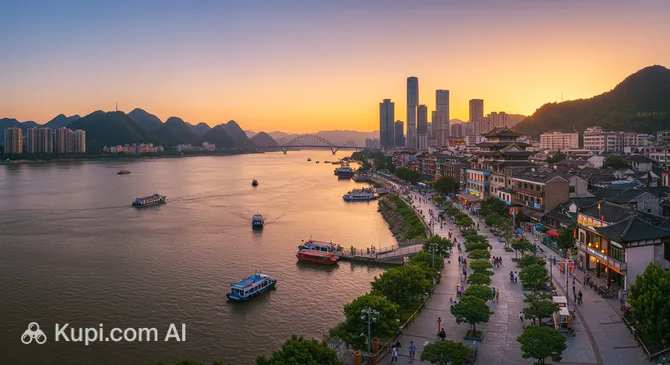
Wanzhou. Source: Kupi.Binoculars

The history of Wanzhou is deeply intertwined with maritime trade and cultural exchange. Formerly known as Wanxian, the city has undergone a significant transformation, particularly following the construction of the Three Gorges Dam. This engineering marvel reshaped the city's waterfront, creating a modern "lake city" appearance while preserving its historical significance as a commercial center.

Travelers are often drawn to the area's spectacular natural attractions. A must-visit landmark is the Wanzhou Grand Waterfall, renowned as one of the widest waterfalls in Asia, where visitors can even walk behind the curtain of water for a truly immersive experience. For those seeking cultural insights and panoramic views, Taibai Rock Park offers a serene escape dedicated to the famous poet Li Bai, providing a perfect vantage point to admire the cityscape and the flowing river.

Whether you are embarking on a cruise through the Three Gorges or exploring the diverse regions of Chongqing, Wanzhou is a destination that promises memorable experiences. Its combination of stunning natural beauty, rich local culture, and delicious cuisine makes it a welcoming stop for any adventurer.

Weather Overview

The climate in Wanzhou is characterized by distinct seasonal variations, ranging from cool winters to hot summers. January is typically the coldest month, with average temperatures around 6.7°C and lows of 3.6°C, while August brings the peak of summer heat, with averages of 28.4°C and highs reaching 32.4°C.

Travelers should expect frequent precipitation, as the region records a significant number of wet days throughout the year. July is often the dampest month in terms of frequency, seeing up to 20 wet days, although rain is common even in the drier winter months. To help plan your packing and activities, it is helpful to consult the detailed weather in Wanzhou before your trip.

Interesting Facts

Beyond the main attractions, Wanzhou holds many fascinating secrets and cultural treasures waiting to be discovered. From its submerged history to its culinary fame, this riverside district is full of surprises that offer a deeper look into its unique character.

  • The Underwater City: Much of the original historical center of Wanzhou (formerly Wanxian) now lies beneath the waters of the Yangtze River. Following the construction of the Three Gorges Dam, the rising water levels required the city to be "moved" higher up the mountainside, meaning the modern metropolis effectively sits above its own submerged past.

  • Birthplace of a Culinary Icon: The city is the proud origin of Wanzhou Grilled Fish (Wanzhou Kaoyu), a dish now famous across China. This distinct cooking method involves marinating, grilling, and then stewing the fish in a rich, spicy broth, a technique developed to highlight the fresh catch from the river.

  • Walking Behind the Falls: The Wanzhou Grand Waterfall is distinguished not just by its impressive width, but by a massive natural cave hidden behind the curtain of water. Known as the "Water Curtain Cave," it allows visitors to walk the entire width of the falls from the inside, offering a rare and thunderous perspective.

  • A Hub of Ten Thousand Merchants: The name "Wanzhou" historically alludes to the gathering of "ten thousand merchants." For centuries, its strategic position on the Yangtze made it a vital distribution hub where goods from the mountainous interior were collected and shipped downstream, cementing its reputation as a commercial powerhouse.

How to Get There

Reaching Wanzhou is convenient thanks to its well-integrated transport network, serving as a key gateway in the Chongqing Municipality. Whether you prefer flying directly into the local airport or taking a high-speed train through the scenic mountainous terrain, there are several efficient options available. You can read more about how to get to Wanzhou to plan the best route for your journey.

The most direct way to arrive by air is via Wanxian Airport (IATA: WXN), which is located within Wanzhou itself, just 2.4 km from the city center. This regional hub handles a significant number of domestic flights and offers a quick transfer to the downtown area, taking approximately 24 minutes by taxi. For travelers finding better connections elsewhere, Dazhou Jinya Airport (IATA: DZH) in the city of Dazhou is another option, situated about 96.5 km away. A taxi ride from there to Wanzhou would take around 165 minutes. Additionally, Enshi Airport (IATA: ENH) in Enshi serves as an alternative entry point, located approximately 116.5 km from Wanzhou, with a travel time of about 195 minutes by road.

For clarity, here is a summary of the main airports:

Airport Name City Passenger Traffic Km from City
Enshi AirportEnshiMedium116.5
Dazhou Jinya AirportDazhouMedium96.5
Wanxian AirportWanzhouMedium2.4
Qianjiang Wulingshan AirportQianjiangSmall149.0
Chongqing Xiannyushan AirportWulingshancunSmall164.0

Traveling by train is also a popular choice, offering scenic views of the surrounding landscape. The primary railway hub for the district is Wanzhou North Railway Station (IATA: WXB), located just 7.8 km from the city center. It handles a large volume of passengers annually, connecting the area to major cities across China; the short trip to the center takes about 32 minutes by taxi. If you are arriving from a greater distance, you might transit through Chongqing West Railway Station (IATA: CKJ) in Chongqing. Although it is a major transport hub with very high passenger traffic, it is located about 233.9 km from Wanzhou, so a transfer to a high-speed train connecting to Wanzhou North is recommended over a direct taxi ride, which would take roughly 370 minutes.

For a quick overview of the railway stations, please see the table below:

Station City Passenger Traffic Km to Center
Chongqing West Railway StationChongqingVery Large233.9
Wanzhou North Railway StationWanzhouLarge7.8
Chongqingbei Railway StationChongqingUnknown222.9
Enshi Railway StationEnshiUnknown114.4
Shapingba Railway StationChongqingUnknown239.2

Main Attractions

The crown jewel of the district’s natural scenery is undoubtedly the Wanzhou Grand Waterfall. Located in Ganning Town, this majestic cascade is often celebrated as one of the widest waterfalls in Asia, spanning an impressive 151 meters across. What makes it truly unique is the massive "Water Curtain Cave" hidden directly behind the falls, allowing visitors to walk through the cavern and view the thundering sheet of water from the inside. The surrounding scenic area is lush and tranquil, featuring bamboo forests and ancient bridges that make it a perfect spot for nature lovers.

For a deep dive into the region's rich past, the Tiansheng Fortress (also known as Tiancheng) is a must-visit historical site. Perched atop a steep mountain with sheer cliffs on all sides, this ancient fortification was a critical defensive stronghold during the Southern Song Dynasty's resistance against Mongol forces. Known as the "City of Heaven," it offers not only a lesson in military history but also breathtaking panoramic views of Wanzhou and the Yangtze River below, rewarding those who make the climb with spectacular scenery.

Wanzhou Xishan Park is another iconic landmark, famous for housing the historic Wanzhou Bell Tower. Built in 1930, the tower is a striking blend of Chinese and Western architectural styles and serves as a symbol of the city. The park itself is a botanical delight, renowned for its camellia flowers and ancient trees. It provides a peaceful atmosphere for a leisurely stroll, offering visitors elevated vantage points to gaze out over the bustling river traffic and the expanding cityscape.

To understand the profound transformation of this region, travelers should visit the Three Gorges Migrants Memorial Hall (which includes the Wanzhou Museum). This cultural institution is dedicated to the millions of people who relocated during the construction of the Three Gorges Dam. It houses an extensive collection of artifacts, including the famous "King of Ba-style Bronze Drums," and offers moving exhibits that preserve the memory of the submerged ancient towns and the resilience of the local community.

Local Cuisine

The culinary landscape of Wanzhou is a fiery and flavorful journey that perfectly reflects its location in the heart of the Chongqing Municipality. Known for its bold use of chili peppers, Sichuan peppercorns, and fresh river ingredients, the local food scene is a paradise for those who enjoy the famous "mala" (numbing and spicy) sensation. Dining here is not just about sustenance; it is a lively social event often centered around bubbling pots and large platters shared among friends.

The undisputed king of the local table is Wanzhou Grilled Fish (Wanzhou Kaoyu). Originating from this very district, the dish has gained fame across China, but tasting it at its source is a unique experience. The preparation involves marinating a fresh whole fish, grilling it over charcoal until the skin is crispy, and then stewing it in a rich, spicy broth filled with chilies, peppercorns, and various vegetables like lotus root and potatoes. The result is a smoky, tender, and intensely flavorful masterpiece that defines the city's gastronomic identity.

Another distinct local specialty worth trying is Wanzhou Gege. These are small, bite-sized bamboo steamer baskets filled with seasoned meat—typically pork ribs, beef, or lamb—mixed with rice flour and steamed atop a bed of sweet potatoes or taro. "Gege" stalls are ubiquitous in Wanzhou, offering a quick, savory, and spicy street food experience. Locals often enjoy these steaming baskets with a bowl of rice and a simple vegetable soup, making for a hearty and affordable meal.

When it comes to beverages, the locals often turn to Shancheng Beer, a popular regional lager that pairs perfectly with the heat of the spicy cuisine. For a non-alcoholic option, herbal teas and soy milk are commonly served to help soothe the palate. The dining culture in Wanzhou is most vibrant after dark, when night markets and riverside food streets come alive with the aroma of grilling fish and the buzz of conversation, offering tourists an authentic taste of life on the Yangtze.

Travel Tips

Visiting Wanzhou offers a unique glimpse into life along the Yangtze, but navigating this bustling river port requires a bit of local know-how to ensure a smooth journey. These practical tips will help you manage the logistics of your trip and allow you to focus on the stunning scenery and delicious food.

  1. Clothing and Gear: Wanzhou experiences the "furnace" climate typical of the region, so if you visit in summer, bring lightweight, breathable fabrics to handle the heat and humidity. Winters are damp and chilly, requiring warm layers and a water-resistant jacket. Most importantly, pack your most comfortable walking shoes; the city is built on hillsides, and you will encounter many stairs and steep paths.
  2. Transportation: Unlike the central districts of Chongqing, Wanzhou does not rely on a metro system for internal travel. The best way to get around is by taxi or ride-hailing apps (like DiDi), which are affordable and plentiful. Public buses are extensive and cover most tourist spots, but route maps are usually only in Chinese, so having your destination written down is helpful.
  3. Finances: The local currency is the Renminbi (RMB/CNY). While credit cards are accepted at major hotels, daily life runs on digital payments like Alipay or WeChat Pay; it is highly recommended to set these up on your phone before arrival. Always carry some cash for smaller vendors or elderly shopkeepers. Tipping is not part of the culture and is generally not expected.
  4. Health and Safety: Wanzhou is generally very safe for tourists. Pharmacies are easily identifiable by a green cross symbol, though staff may not speak English. Tap water is not safe to drink without boiling, so stick to bottled water, which is cheap and readily available everywhere.
  5. Communication: English is not widely spoken outside of high-end hotels. It is essential to download an offline translation app (like Baidu Translate or Google Translate with an offline package) to communicate with drivers and servers. buying a local SIM card upon arrival at the airport or a major telecom store is crucial for using maps and translation tools on the go.
  6. Local Etiquette: Dining is a communal and lively affair; do not be surprised by the noise level in restaurants, as it indicates enjoyment. When eating, wait for the host or the eldest person to start before you begin. If you are sharing dishes, it is polite to take food from the side of the plate closest to you.
  7. What to Avoid: Avoid leaving your chopsticks sticking vertically into a bowl of rice. This resembles incense burned for the deceased and is considered extremely taboo. Also, avoid losing your temper or shouting in public disputes, as "saving face" is important in local culture; remaining calm will get you much further.
  8. Be Prepared for Stairs: Wanzhou is a true "Mountain City" district. You may see local porters, traditionally known as "Bangbang men," carrying heavy loads up steep steps with bamboo poles. Take a cue from the locals: take your time climbing the city's many staircases and enjoy the unfolding views of the river.

By keeping these tips in mind, you will be well-equipped to navigate the hilly streets and vibrant culture of Wanzhou. Embrace the energy of this riverside city, and you are sure to have an unforgettable adventure in the heart of the Three Gorges region.

Entertainment & Nightlife

As the sun sets over the Yangtze River, Wanzhou transforms from a busy port district into a luminous spectacle of neon lights and riverside energy. While it may not have the frenetic pace of central Chongqing, Wanzhou offers a vibrant nightlife scene that centers heavily on social dining, river cruises, and lively entertainment hubs. The atmosphere here is relaxed yet spirited, with locals staying out late to enjoy the cool river breeze, making it an inviting place for visitors to immerse themselves in the "Mountain City" lifestyle.

The heart of the action can largely be found along the Binjiang Road (Riverside Road) areas on both the north and south banks of the river. This promenade is the district's social artery, lined with open-air tea houses, restaurants, and bars that offer stunning views of the illuminated bridges spanning the Yangtze. For a concentrated mix of shopping, dining, and entertainment, the area around Wanzhou Wanda Plaza is the undisputed hub. Here, you will find a dense collection of modern bars, KTV (karaoke) lounges, and movie theaters, drawing a younger crowd looking for excitement after dark.

For a truly memorable evening, you should experience the Wanzhou Yangtze River Night Cruise. Departing from the Wanzhou Port (often near the Wanda Plaza area), these boats offer a leisurely journey along the water, allowing you to admire the city's skyline and the dazzling light shows on the surrounding buildings. It is a romantic and peaceful way to see the city from a different perspective. Another distinct venue is the Tianshengcheng Cultural and Tourism Street. While it is a historical site by day, at night it lights up beautifully, offering a blend of traditional architecture and modern leisure facilities where you can enjoy a stroll, local snacks, and a panoramic night view of the district.

Nightlife in Wanzhou is inextricably linked to its famous culinary culture. The "night markets" here are often less about trinkets and more about food. Entire streets are dedicated to the city's signature dish, Wanzhou Grilled Fish. These venues are loud, cheerful, and casual; there is no strict dress code, and the vibe is one of communal enjoyment. The best time to head out is around 8:00 PM, when the restaurants are bustling and the neon lights are at their brightest. Prices are generally very affordable compared to major metropolises, with a hearty meal and drinks costing a fraction of what you might pay in Shanghai or Beijing.

Regarding safety, Wanzhou is very safe for night walks, especially in the busy downtown areas and along the well-lit riverside promenades. Taxis are plentiful and easy to flag down on the street, and ride-hailing apps are widely used. If you are staying out late, ensure you have your hotel address written in Chinese to show the driver.

During the daylight hours, the district offers a different kind of entertainment. You can explore the Three Gorges Migrants Memorial Hall to learn about the region's history or take a trip to the majestic Wanzhou Grand Waterfall. However, saving your energy for the evening is recommended, as the city truly comes into its own when the lights reflect off the mighty Yangtze.

Parks & Museums

Wanzhou offers a delightful array of green spaces and cultural institutions that provide a quiet respite from the bustling river port atmosphere. The city's unique topography, characterized by steep hills and riverbanks, allows for terraced parks with sweeping views, while its museums preserve the profound history of the Three Gorges region and the resilience of its people.

One of the most prominent natural retreats is Taibai Rock Park (Taibaiyan), located on the western side of the city. Named after the legendary Tang Dynasty poet Li Bai, who is said to have studied and written here, the park is a cultural landmark as much as a natural one. Visitors can climb the stone pathways to admire ancient cliff inscriptions and calligraphy left by scholars over the centuries. The park sits at a high elevation, offering one of the best panoramic vantage points to gaze over the Yangtze River and the sprawling urban landscape below.

Another essential green space is Wanzhou Xishan Park, often regarded as the city's botanical jewel. Famous for its lush gardens, the park is particularly renowned for its camellias, which are the city's official flower. A stroll here reveals a blend of natural beauty and historical architecture, centering on the iconic Wanzhou Bell Tower. Built in 1930, this striking structure combines Western Renaissance design with traditional Chinese elements, standing as a silent witness to the city's transformation over the decades.

For those interested in the region's complex history, the Three Gorges Migrants Memorial Hall is a deeply moving and significant institution. It is the only museum in China dedicated specifically to the millions of people who relocated to make way for the Three Gorges Dam. The exhibits are poignant and comprehensive, showcasing artifacts from submerged towns, reconstructing old street scenes, and telling the personal stories of the "million migrants." It provides an essential context for understanding the modern face of Wanzhou.

Often integrated with the memorial is the Wanzhou Museum, which delves further back into time. It houses an impressive collection of cultural relics from the ancient Ba Kingdom, including bronze drums and pottery that highlight the area's strategic importance along the Yangtze civilization corridor long before the modern era. Together, these venues offer a comprehensive look at how the river has shaped human life here for millennia.

For a more authentic local experience, try visiting the riverside parks in the early morning. You will find them teeming with energy as residents practice Tai Chi, dance with swords, or play traditional instruments. It is a perfect opportunity to observe the leisurely "slow life" that defines the culture of this riverside city.

Getting Around

Navigating Wanzhou is relatively straightforward, though it differs significantly from the central districts of the municipality. Unlike the main urban core of Chongqing, Wanzhou does not currently have an operational metro system for internal city travel. Instead, the public transport network relies heavily on an extensive and efficient bus system that connects the railway station, the airport, and major tourist attractions. For most visitors, buses and taxis will be the primary means of getting around the hilly terrain.

The local bus network is comprehensive, with numerous lines covering both the northern and southern banks of the Yangtze River. Vehicles are generally modern and air-conditioned, which is a relief during the hot summer months. Most routes operate from early morning, around 6:00 AM, until late evening, typically ending between 9:00 PM and 10:00 PM. Route information at bus stops is almost exclusively in Chinese, so it is highly advisable to use a navigation app to identify the correct bus number before heading out.

When it comes to paying for rides, the system is designed for digital convenience. While you can still pay with cash, you must have the exact change (usually 2 RMB per ride) as drivers do not carry coin dispensers. However, the most common method is scanning a QR code using Alipay or WeChat Pay. To do this, you will need to activate the "Transport Code" specific to Chongqing or China within the app. Physical transit cards (IC cards) are also used by locals but are less convenient for short-term visitors to obtain.

For a more direct and comfortable option, taxis are abundant and affordable. You can easily flag down the distinct yellow or green cars on the street. All authorized taxis are equipped with meters, and drivers generally use them without hassle, though it is good practice to ensure the meter is running when you start your journey. Alternatively, ride-hailing apps like DiDi are extremely popular and often easier for tourists, as they allow you to input your destination in English (depending on the app version) and pay automatically, eliminating language barriers with the driver.

A unique and scenic way to cross the river is by taking the local ferry. While several bridges now span the Yangtze, the ferry services remain a functional and nostalgic part of the transport mix, connecting various points along the riverbanks. Taking a ferry not only serves as a practical crossing method but also offers a leisurely cruise experience with excellent views of the city skyline and the water, often for a very low ticket price.

Travelers should be aware that Wanzhou is a "Mountain City" district, meaning the terrain involves steep hills and many stairs. While shared bikes are available in some flatter areas or promenades, the topography often makes cycling impractical for general commuting. Walking is a great way to explore the city center, but be prepared for a workout. Always have your destination written in Chinese characters to show bus drivers or taxi operators, as English proficiency among transport staff is limited.

Accommodation

Finding the perfect place to stay in Wanzhou is relatively straightforward, as the district offers a diverse range of accommodation options suited to various budgets and preferences. Visitors can choose from modern high-rise hotels catering to business travelers, comfortable mid-range establishments, and budget-friendly guesthouses. As a major urban center and port along the Yangtze, the city is well-equipped to host tourists, with many properties providing amenities designed to ensure a restful stay after a day of navigating the hilly terrain.

For those seeking convenience and a lively atmosphere, the downtown area near major commercial hubs, such as the Wanda Plaza district, is a popular choice. Staying in this vicinity places you within walking distance of extensive shopping malls, bustling night markets, and a plethora of restaurants serving the famous local grilled fish. Alternatively, if you prefer scenic vistas, consider looking for accommodation along the riverside areas (Binjiang Road). Hotels here often feature rooms with panoramic views of the Yangtze River and the city's illuminated bridges, offering a picturesque backdrop, especially at night.

Travelers prioritizing connectivity might find it practical to stay near the transportation hubs, such as the Wanzhou North Railway Station. This developing area offers modern and efficient lodging options, which are particularly convenient for those with early train departures or short layovers. It is important to note that while Wanzhou is welcoming, international visitors should confirm that their chosen hotel is licensed to host foreign guests, as this regulation can sometimes apply to smaller inns or budget hostels.

In terms of pricing, accommodation in Wanzhou is generally more affordable than in the central districts of Chongqing or other major coastal cities in China. The price range spans from very economical budget stays to reasonably priced luxury options, offering excellent value for money. Booking in advance is highly recommended, particularly during peak travel periods like the National Day holiday or Chinese New Year, to secure your preferred location. Most reservations can be easily made through major international online travel platforms, which facilitate a smooth check-in process.

Nearby Cities

For those looking to explore the surroundings, Wanzhou serves as an excellent base for day trips to several interesting nearby locations:

City Population Distance (km)
Chongqing 12,135,000 226
Nanchong 6,278,614 220
Dazhou 5,468,097 100
Suining 3,252,619 272
Guang'an 3,205,476 175

Among the most accessible destinations is Dazhou, located just about 100 kilometers away. Known as the gateway to the scenic Bashan Mountains, it is an ideal spot for nature enthusiasts. The city offers access to the stunning Bashan Grand Canyon, where visitors can hike through dramatic gorges, admire waterfalls, and experience the rich folk culture of the local Ba people.

For a dive into modern Chinese history, Guang'an is a compelling choice. Situated roughly 175 kilometers from Wanzhou, it is famous as the hometown of Deng Xiaoping, the architect of China's reform and opening-up policy. The city features a well-preserved memorial area dedicated to his life, alongside beautiful natural spots like the Huaying Mountain, which combines karst landscapes with historical red tourism sites.

Although Wanzhou is administratively part of the municipality, a trip to the central urban districts of Chongqing offers a completely different vibe. Thanks to the high-speed railway, the city center is easily reachable for a day of exploration. Travelers can experience the famous spicy hotpot, see the "train passing through the building" at Liziba, and witness the spectacular night view of Hongya Cave before returning to the quieter riverside atmosphere of Wanzhou.

These nearby destinations offer a glimpse into the diverse culture and landscapes of the region, ranging from serene mountain retreats to bustling metropolitan hubs.

Shopping & Souvenirs

Shopping in Wanzhou offers a vibrant mix of modern convenience and local charm, reflecting its status as a commercial hub in northeastern Chongqing. While you will find large, contemporary malls featuring international brands, the true character of the city is found in its bustling pedestrian streets and specialty shops. The district is less about high-end luxury fashion and more about authentic regional products, making it an excellent place to find unique items that represent the culture of the Three Gorges region.

The commercial heart of the city is undoubtedly the Gaosuntang district. This area has traditionally been the center of business and retail, teeming with department stores, clothing boutiques, and electronics shops. It is a lively place to walk around, soak in the local atmosphere, and find everyday goods. Connecting to this central hub are various pedestrian streets where the energy is palpable, and vendors sell everything from trendy accessories to local snacks.

For a modern "one-stop" shopping experience, Wanzhou Wanda Plaza is the premier destination. Located centrally, this large complex houses a wide array of fashion retailers, lifestyle brands, and a cinema. It is a popular gathering spot for locals, especially on weekends, and offers a comfortable, air-conditioned environment. Inside, you can find well-known domestic and international chains, as well as a diverse selection of restaurants on the upper floors.

Markets play a significant role in daily life here. While traditional "wet markets" are focused on fresh produce for residents, visitors will enjoy the evening atmosphere of the city's night markets. These are often centered around food, but you can also find stalls selling small trinkets, handicrafts, and tea. Exploring these markets provides a glimpse into the local lifestyle and offers a chance to buy inexpensive, fun items while enjoying the riverside breeze.

When it comes to souvenirs, Wanzhou has several distinct local specialties that make for perfect gifts. The most famous is undoubtedly the Tan Mujiang wooden comb. This renowned brand, known for its exquisite craftsmanship and artistic designs, originated in Wanzhou, and purchasing a high-quality comb here is a meaningful keepsake. Food lovers should look for Wanzhou Beef Jerky, a spicy and savory snack that is popular throughout China. Additionally, the region is known for its citrus fruits, particularly the Wanzhou Red Tangerine and lemons; while fresh fruit is hard to transport, processed citrus products or local teas are great alternatives.

Stores in Wanzhou typically open around 10:00 AM and stay open late, often until 10:00 PM, especially in major malls and busy districts. Payment methods are heavily digital; Alipay and WeChat Pay are the standard everywhere, from high-end boutiques to street vendors. While major shopping centers may accept credit cards, it is rare for smaller shops to do so. Carrying a small amount of cash is useful, but setting up mobile payment on your phone is the most convenient way to shop.

Regarding tax refunds, Wanzhou is not a primary international entry port like Beijing or Shanghai, so tax-free shopping services for tourists are generally not available. Visitors should expect to pay the standard price including VAT. It is advisable to focus on buying reasonably priced local specialties rather than luxury goods that might be eligible for tax refunds elsewhere.

Reached the end of the page?

That means the route is fully explored