Support

Hanzhong

About

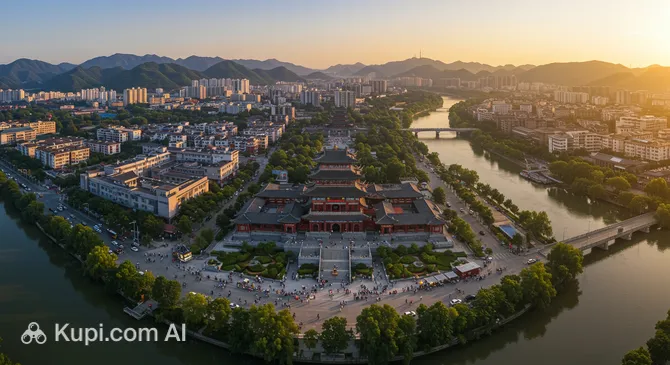
Nestled in the southwestern corner of Shaanxi province, Hanzhong is a city that beautifully bridges the cultural and geographical gap between northern and southern China. Resting in a fertile basin between the majestic Qinling Mountains to the north and the Daba Mountains to the south, the city enjoys a temperate, humid climate that has earned it the nickname "Little Jiangnan." With a population of over 3.4 million, it serves as a vibrant regional hub surrounded by lush greenery and abundant water resources.

Hanzhong. Source: Kupi.Binoculars

The city is steeped in antiquity and is often celebrated as the cradle of the Han Dynasty. Travelers interested in the past can delve into the rich history of Hanzhong, which was a strategic military location during the legendary Three Kingdoms period. This deep heritage is reflected in the numerous historical sites scattered throughout the region, offering a glimpse into an era of ancient heroes and brilliant strategists.

Nature lovers will be equally enchanted by what Hanzhong has to offer. The region is renowned for its stunning rapeseed flower fields, which turn the landscape into a vast ocean of gold every spring, creating a photographer's paradise. Visitors should not miss the chance to explore the Shimen Plank Road, a marvel of ancient engineering built along the cliffs, or visit the serene Wuhou Tomb dedicated to Zhuge Liang. Whether you are seeking historical depth or natural beauty, Hanzhong provides an unforgettable travel experience.

Weather Overview

Understanding the local climate is key to planning a comfortable trip to this region. Hanzhong generally experiences four distinct seasons, ranging from chilly winters to warm, humid summers. For a detailed forecast and monthly averages, you can consult the guide to weather in Hanzhong to help you pack appropriately.

Winter is the coldest and driest time of year. In January, the average temperature is around 2.3°C, with lows dipping to -1.5°C, though precipitation is scarce with only about 1mm recorded. As the city warms up through spring, temperatures rise pleasantly, reaching an average of 18.2°C by May.

Summer brings the warmest weather and the most frequent rainfall. August sees average temperatures of 24.1°C, with highs climbing to roughly 27.6°C. This season is notably damp; July, for example, typically experiences 21 wet days, making rain gear essential for travelers. Expect warm summers with frequent rain and cold, dry winters, with autumn offering a mild transition as temperatures cool from 19.4°C in September down to single digits by November.

Interesting Facts

Beyond the main attractions, Hanzhong holds many fascinating secrets that highlight its unique position in both nature and history.

  • The Savior of the Crested Ibis: This region played a critical role in saving the Crested Ibis, known as the "Oriental Gem," from extinction. In 1981, the world's last seven wild ibises were rediscovered here in Yangxian County, which has since become the primary global sanctuary for their successful recovery.

  • Home of the Paper Inventor: Hanzhong is the final resting place of Cai Lun, the official credited with the invention of papermaking. Visitors can explore his tomb and memorial temple, paying respects to the man behind one of the Four Great Inventions of ancient China.

  • Rare Brown Pandas: The dense forests of the Qinling Mountains within the city's jurisdiction are the only place on Earth where wild brown giant pandas have been sighted. These extremely rare bears, found in the Foping National Nature Reserve, feature light brown and beige fur instead of the standard black and white.

  • Etymological Roots: While the city is known as the cradle of the Han Dynasty, few realize that the name of the Han ethnic group and the Chinese language itself traces back to this region. The name was derived from the Han River flowing through the city, where the dynasty's founder first established his power base.

How to Get There

Reaching this historic city in Shaanxi province is convenient thanks to its local transport hubs and connections to the wider region. Whether you prefer flying or taking a scenic route, there are several options to suit your itinerary. For a detailed breakdown of routes and tips, you can read more about how to get to Hanzhong to plan your journey effectively.

The most direct way to arrive is by flying into Hanzhong Airport (HZG), which is conveniently located within the city limits. Situated just 18.4 km from the city center, it serves as the primary gateway for air travelers. A taxi or bus ride from the airport to downtown typically takes around 48 minutes, making it a quick and stress-free option. This regional airport handles a steady flow of passengers and connects the area to other major Chinese cities.

Alternatively, travelers can fly into Guangyuan Airport (GYS) in the neighboring city of Guangyuan. This airport is approximately 145 km from Hanzhong. While further away, it offers another entry point for visitors exploring the broader area. The journey from Guangyuan to Hanzhong by road takes about 4 hours. Another option is the Longnan Chengxian airport (LNL) in Longnan, located roughly 140 km away, with a travel time of just under 4 hours.

For clarity, here is a summary of the main airports:

Airport Name City Passenger Traffic Km from City
Guangyuan AirportGuangyuanRegional144.8
Hanzhong AirportHanzhongRegional18.4
Longnan ChengxianLongnanRegional139.6
Ankang AirportAnkangRegional182.9
Langzhong Gucheng AirportLangzhongRegional196.9

Regarding rail travel, while Hanzhong is well-connected to the national network, some travelers exploring the wider region might arrive via the Wanzhou North Railway Station (IATA: WXB). Please note that this station is located in the city of Wanzhou, which is about 275 km from Hanzhong. From there, you can get a taxi or bus, which takes about 7 hours. It is a large transit hub, but due to the distance, it is best suited for those planning a multi-stop trip through the region.

Below is information regarding the nearby railway station:

Station City Passenger Traffic Km to Center
Wanzhou North Railway StationWanzhouLarge275.0

Main Attractions

Hanzhong offers a fascinating journey through time, serving as a living museum of Chinese history. From the legendary tales of the Three Kingdoms to ancient engineering feats, the city's attractions provide a deep dive into the region's rich cultural heritage. Here are some of the top places to explore during your visit.

Hanzhong Museum is a must-visit for anyone wanting to understand the city's roots. Built on the site of the Ancient Hantai, which was once the palace of Liu Bang, the founder of the Han Dynasty, this museum houses an impressive collection of artifacts. Visitors are particularly drawn to the "Stone Gate Thirteen Writings," a set of ancient calligraphy inscriptions that are considered national treasures. It is a quiet and educational spot located right in the city center, offering a perfect introduction to the region's past.

For fans of the "Romance of the Three Kingdoms," the Wuhou Tomb is a site of immense significance. Located in Mian County, this is the final resting place of Zhuge Liang, the celebrated strategist and prime minister of the Kingdom of Shu. The complex is surrounded by ancient cypress trees, some of which are said to have been planted during the Han Dynasty. The serene atmosphere and historical architecture make it a respectful and inspiring destination for history enthusiasts.

To experience the engineering marvels of ancient times, travelers should head to the Shimen Plank Road Scenic Area. This site recreates the perilous wooden plank roads that were built along the cliffs to traverse the Qinling Mountains. Apart from the historical reconstruction, the area features the Shimen Dam and reservoir, offering beautiful water views against a backdrop of rugged mountains. It is a perfect blend of outdoor scenery and historical education.

For a taste of traditional village life, Qingmuchuan Ancient Town is a captivating destination located in Ningqiang County. Situated at the junction of three provinces, this well-preserved town features architecture from the Ming and Qing dynasties that survived the test of time. Visitors can wander through the cobblestone streets, admire the intricate designs of the Wei Family Manor, and soak in the unique blend of cultural influences that define this historic border region.

Local Cuisine

The local cuisine of Hanzhong is a delightful fusion that reflects its geographical position between northern and southern China. While administratively part of Shaanxi, the city's food culture leans heavily towards the spicy and flavorful traditions of neighboring Sichuan. The result is a culinary scene characterized by sour and spicy notes, with rice serving as the staple grain rather than the wheat noodles typical of the north.

The absolute signature dish of the city is Hanzhong Mianpi (Rice Noodles). Unlike the wheat-based liangpi found in Xi'an, these noodles are made from steamed rice milk, resulting in a texture that is incredibly soft, smooth, and white. Locals often enjoy them hot, known as "Re Mianpi," served in a bowl with bean sprouts, spinach, and a generous ladle of fragrant, spicy red chili oil. It is the quintessential breakfast for residents, often eaten daily without fail.

Another unique delicacy worth trying is Cai Tofu (Vegetable Tofu). This dish is a nutritious porridge made by cooking tofu and vegetables together in a slightly sour broth. The tofu is tender and the soup has a distinct tartness that aids digestion. It is typically served with a variety of small side dishes, such as pickled vegetables or spicy potato shreds, creating a balanced and hearty meal. For a snack on the go, look for Hetao Mo, a crispy, round flatbread baked with a savory or sweet walnut filling, celebrating the region's abundance of walnut trees.

When it comes to drinks, Hanzhong is famous for its high-quality tea production, particularly Hanzhong Xianhao. Grown in the misty foothills of the Qinling Mountains, this green tea is renowned for its chestnut aroma and refreshing taste. It is the perfect beverage to cleanse the palate after a spicy meal. In the evenings, you might encounter local yellow wine, which is traditionally brewed in the region and enjoyed warm.

The food culture in Hanzhong is unpretentious and vibrant, centered largely around street food and small, family-run eateries rather than fancy restaurants. The city comes alive in the morning, with steam rising from stalls selling noodles and tofu on nearly every corner. For tourists, exploring the night markets is a great way to experience the local atmosphere, where the air is filled with the scent of chili oil and the sound of locals enjoying their favorite sour and spicy comfort foods.

Travel Tips

Visiting Hanzhong offers a unique opportunity to experience a blend of northern and southern Chinese cultures, but a little preparation goes a long way in this historic city. To help you navigate the "Little Jiangnan" of the northwest with ease, here are some practical travel tips designed to make your journey smoother and more enjoyable.

  1. Clothing and Gear: Hanzhong has a humid, temperate climate. Summers are hot and rainy, so bring breathable fabrics and a reliable umbrella or raincoat. Winters are chilly and damp, meaning the cold can feel more penetrating than the thermometer suggests; thermal layers and a warm, windproof jacket are essential. Since many attractions, like the Shimen Plank Road, involve walking, pack sturdy, comfortable walking shoes.
  2. Transportation: The city is well-connected and easy to navigate. Taxis are affordable and plentiful, but it is highly recommended to download a ride-hailing app like DiDi (the local equivalent of Uber) for convenience and to avoid language barriers. Public buses are very cheap (usually 1 or 2 RMB) and cover most tourist sites, though route maps are typically only in Chinese.
  3. Finances: The local currency is the Renminbi (RMB). While major hotels may accept international credit cards, daily life in Hanzhong runs on mobile payments. It is advisable to set up Alipay or WeChat Pay and link your international card before you arrive. Carry a small amount of cash for elderly vendors or smaller shops that might not accept digital payments.
  4. Health and Safety: Hanzhong is generally a very safe city for tourists. Pharmacies are marked with a green cross and are easy to find, though few staff will speak English. Always drink bottled or boiled water, as tap water is not safe for direct consumption. If you plan to hike in the Qinling Mountains, bring insect repellent and basic first-aid supplies.
  5. Communication: Mandarin is the official language, but locals often speak a dialect similar to Sichuanese. English proficiency is low outside of high-end hotels. It is crucial to have a translation app installed on your phone that works offline. Purchasing a local SIM card upon arrival (available at the airport or major telecom stores like China Mobile) will ensure you have internet access for maps and translation tools.
  6. Local Etiquette: Hanzhong locals are known for being relaxed and hospitable. When dining, it is polite to wait for the host or the eldest person to start eating. If you are sharing dishes, use the serving chopsticks provided. A friendly "Ni hao" (Hello) and a smile are universally appreciated and can open many doors.
  7. What to Avoid: Avoid taking unlicensed taxis, often referred to as "black cars" (heiche), especially around the train station or airport. They may overcharge tourists. Stick to the official taxi queues or use a ride-hailing app to ensure a fair price and safety.
  8. Seasonal Tip: If your schedule allows, plan your visit for late March to early April. This is when the city's famous rapeseed flowers bloom, transforming the countryside into a spectacular sea of gold. It is the peak season for tourism, so book your accommodation well in advance if you travel during this time.

By keeping these practicalities in mind, you will be well-equipped to explore the ancient heritage and natural beauty of Hanzhong without hassle. Embrace the local pace of life, enjoy the spicy cuisine, and have a wonderful trip to this fascinating corner of China.

Entertainment & Nightlife

While Hanzhong may not boast the frenetic 24-hour party scene of China's coastal metropolises, its nightlife offers a charming blend of vibrant street culture, scenic riverside leisure, and lively social gatherings. The city comes alive after dark, shifting from its historical daytime persona into a relaxed environment where locals unwind over food, music, and tea. The atmosphere is generally casual and welcoming, making it easy for visitors to blend in and enjoy the local rhythm of life.

The epicenter of evening activity is undoubtedly Binjiang Road along the banks of the Han River. Often referred to by locals as the city's "Bund," this area transforms into a dazzling spectacle of lights and activity at night. Here, you will find a stretch of bars, tea houses, and cafes offering outdoor seating with views of the illuminated bridges reflecting on the water. It is the perfect spot for a leisurely stroll or a drink, with the sound of river water and distant music creating a soothing backdrop. The crowd here is diverse, ranging from young people enjoying craft beer to families taking evening walks.

For a more immersive cultural experience, the Xinghan Shengjing Scenic Area (Xinghan E-Town) is a spectacular destination that truly shines after sunset. This massive cultural theme park features stunning Han-style architecture that is beautifully lit at night. Visitors often flock here to watch grand outdoor performances and light shows that retell the history of the Han Dynasty through music, dance, and special effects. It offers a sophisticated night out that combines entertainment with history, suitable for travelers of all ages.

If you prefer a more grounding and flavorful night, dive into the local "Shaokao" (barbecue) culture. The streets around the city center and residential districts teem with night markets and open-air restaurants where the air is thick with the scent of cumin and chili. Locals love to gather at these spots to enjoy skewers of meat and vegetables accompanied by cold local beer. It is a loud, friendly, and unpretentious environment where the dress code is strictly casual, and the focus is entirely on good food and conversation.

When it comes to practicalities, nightlife in Hanzhong generally winds down earlier than in bigger cities, with most bars and restaurants closing by 1:00 or 2:00 AM, though KTVs (karaoke clubs) may stay open later. Prices are very reasonable compared to Xi'an or Chengdu. The city is extremely safe for night walks, even in less crowded areas. Getting around is convenient; taxis are readily available, and ride-hailing apps like DiDi work efficiently at night. Just ensure you have the destination address in Chinese.

During the daytime, entertainment options are equally plentiful but more laid-back. Apart from the historical sites, you can visit the Hanzhong Grand Theater for cultural performances or explore the lush parks scattered throughout the city. For families, the various public squares often host kite flying and casual amusements, offering a pleasant break from sightseeing before the evening festivities begin.

Parks & Museums

Hanzhong is a city where natural splendor and deep historical roots intertwine, offering visitors a wealth of green spaces and cultural institutions to explore. Beyond its famous historical sites, the city boasts serene parks that showcase its "Little Jiangnan" scenery and museums that preserve the legacy of some of China's most influential figures.

For those seeking tranquility and scenic beauty, the Nanhu Scenic Area (South Lake) is a standout destination. Often compared to the famous West Lake in Hangzhou, this park features a stunning combination of calm waters, lush hills, and classical architecture. Visitors can take a boat ride on the lake, wander through bamboo forests, or admire the traditional pavilions scattered throughout the grounds. It is an ideal spot for a relaxing afternoon picnic or a gentle hike, perfectly capturing the lush, watery landscape that defines this southern Shaanxi region.

Nature enthusiasts looking for a more active experience should head to Tiantai National Forest Park. Located just north of the city, this park is known for its rugged peaks, dense forests, and refreshing mountain air. It is not only a natural haven but also a site of Taoist significance, with ancient temples nestled among the clouds. The hike to the summit offers panoramic views of the Hanzhong basin, making it a rewarding challenge for those who want to escape the urban bustle and immerse themselves in the wild beauty of the Qinling Mountains.

Delving into the region's rich cultural tapestry, the Zhang Qian Memorial Hall in nearby Chenggu County is a must-visit for history buffs. Dedicated to the pioneer of the Silk Road, this site includes the tomb of Zhang Qian, a UNESCO World Heritage site. The museum details his legendary diplomatic missions to the Western Regions during the Han Dynasty, displaying artifacts and maps that illustrate the origins of trade and cultural exchange between East and West. It provides a profound look at how this local figure shaped global history.

Another significant cultural venue is the Cai Lun Memorial Temple in Yangxian County. This site honors the inventor of papermaking, one of the Four Great Inventions of ancient China. The complex serves as both a tomb and a museum, surrounded by ancient cypress trees that are said to be centuries old. Inside, visitors can learn about the history of paper, see demonstrations of ancient papermaking techniques, and pay respects to an innovator whose work changed the course of civilization.

For a truly authentic local experience, take a morning stroll through the Hanzhong Riverside Park along the Han River. Unlike the major tourist spots, this is where the city's heartbeat is most palpable. You will see residents practicing Tai Chi, playing traditional instruments, or writing calligraphy on the pavement with large water brushes—a fleeting art form that evaporates with the morning sun.

Getting Around

The public transport system in Hanzhong revolves almost entirely around a comprehensive bus network, as the city does not currently operate a metro system. The buses are modern, frequently air-conditioned, and cover all major districts, including essential connections to the high-speed railway station and the airport. For tourists, this is the most economical way to traverse the city, with routes extending to popular suburban attractions and commercial hubs.

Payment is straightforward and highly digitized. The standard fare is typically very low, often just 1 or 2 RMB per ride, regardless of distance. While you can still pay with exact cash—dropping coins or notes into the metal box next to the driver—most locals use mobile payments. Tourists can easily pay by scanning the QR code on the bus using the "Transport" mini-app within Alipay or WeChat Pay. It is advisable to activate the Hanzhong public transport card feature in these apps beforehand to generate the correct code.

For those who prefer a more direct and private mode of travel, taxis are abundant and affordable compared to larger metropolises. You can hail them on the street; they are typically painted green or yellow. All legal taxis are equipped with meters, and it is standard practice to use them. Alternatively, ride-hailing apps are extremely popular and convenient. The DiDi app allows you to book a car to your exact location, which is particularly helpful for overcoming language barriers as you can input your destination in English.

Shared bicycles offer a fantastic alternative for short trips or for leisurely exploring the scenic riverside parks. You will find colorful bikes from major providers lined up on sidewalks throughout the city. To unlock them, you simply scan the QR code on the bike using your mobile payment app. This is an eco-friendly and flexible way to navigate the relatively flat city center and enjoy the local atmosphere at your own pace.

A special feature for visitors is the availability of dedicated tourist bus lines, particularly during peak travel seasons. Buses run specifically from the city center to major scenic spots like the Shimen Plank Road or the Wuhou Tomb. During the spring rapeseed flower festival, additional temporary routes are often established to ferry tourists to the best viewing platforms in the surrounding countryside, making it easy to reach these outlying areas without the need to hire a private car.

Operating hours for most bus lines generally run from around 6:00 AM to 7:30 PM or 8:00 PM, though some main routes operate until later in the evening. However, service frequencies drop significantly after dark. If you are traveling late at night, a taxi or ride-share is the most reliable option to ensure you get back to your accommodation safely and quickly.

Accommodation

Finding a place to stay in Hanzhong is relatively straightforward, with options that cater to a variety of budgets and travel styles. The city's accommodation landscape is dominated by domestic Chinese hotel chains and independent establishments, ranging from economical hostels and business hotels to more upscale, full-service resorts. While international luxury chains are less prevalent here than in major metropolises like Xi'an or Chengdu, visitors will find plenty of clean, modern, and comfortable lodgings that offer excellent value for money.

For most tourists, the most convenient area to stay is the Hantai District, particularly around the city center near the Central Plaza (Zhongxin Guangchang). staying here places you within walking distance of the Hanzhong Museum and a plethora of dining and shopping options. Another popular choice is the area along Binjiang Road by the Han River. Hotels here often offer scenic river views and a quieter atmosphere, while still being close to the vibrant night markets and evening promenades. If you are in the city for a quick stopover, the area surrounding the Hanzhong Railway Station offers numerous transit hotels designed for efficiency.

A crucial tip for booking accommodation in Hanzhong is to plan well in advance if you are visiting during the Rapeseed Flower Festival. This event, typically held from late March to early April, draws millions of visitors to the region to see the sea of golden flowers. During this peak season, room rates can double or triple, and the best hotels often sell out weeks or even months beforehand. For travel outside this window, booking a few days in advance is usually sufficient.

Regarding costs, Hanzhong is generally quite affordable. Budget travelers can find decent rooms for as low as 100–200 RMB per night, while mid-range hotels typically charge between 250 and 450 RMB. Even the city's top-tier hotels are often priced reasonably compared to larger tourist hubs. Most hotels can be booked via major international platforms, but using Chinese-focused apps (often available in English) can sometimes yield better rates and a wider selection of local guesthouses.

Nearby Cities

For those looking to explore the surroundings, Hanzhong serves as an excellent base for day trips to several interesting nearby locations:

One of the most prominent destinations is Xi'an, the provincial capital located to the northeast. Renowned worldwide for the Terracotta Army and its majestic ancient city wall, it offers an unparalleled journey into China's imperial history. Closer to Hanzhong, Baoji is celebrated as the "Hometown of Bronze Ware" and is the gateway to the famous Famen Temple, a significant site for Buddhist culture. To the west, travelers can visit Tianshui in Gansu province, which is home to the breathtaking Maijishan Grottoes, featuring intricate sculptures carved directly into the cliff face.

City Population Distance (km)
Xian 12,328,000 223
Dazhou 5,468,097 210
Xianyang 5,096,001 210
Baoji 3,738,700 145
Tianshui 3,365,000 206

These nearby destinations offer a glimpse into the diverse culture and landscapes of the region.

Shopping & Souvenirs

Shopping in Hanzhong is a delightful experience that focuses less on high-end international luxury and more on authentic local specialties and practical conveniences. The city offers a blend of modern commercial complexes and bustling traditional streets, allowing visitors to purchase everything from daily necessities to unique regional products. Whether you are looking for the latest fashion in a polished mall or hunting for tea in a specialized market, the prices here are generally quite reasonable compared to China's larger coastal cities.

The commercial heartbeat of the city is centered around the Central Square (Zhongxin Guangchang) and the adjacent Beidajie (North Main Street). This area serves as the primary shopping district where locals congregate. The streets here are lined with a mix of clothing boutiques, sportswear outlets, and electronics shops. It is a lively area to walk around, especially in the evening when the neon lights are on and the streets are filled with pedestrians enjoying the vibrant atmosphere.

For a comprehensive one-stop shopping experience, Wanbang Times Square is the most prominent destination in the city. As a large-scale modern shopping mall, it houses a wide array of domestic and international brands, a cinema, and numerous restaurants. It is the go-to place for travelers who need to restock on travel supplies, buy branded clothing, or simply enjoy a comfortable, air-conditioned environment. Another notable spot is the Modern International Plaza, which offers similar amenities and department store shopping.

Markets in Hanzhong are deeply integrated into daily life, particularly those selling food and tea. While there isn't a single famous "tourist market," the city is dotted with wholesale tea markets where you can buy directly from local distributors. Exploring these areas offers a sensory treat, with the aroma of fresh tea leaves and spices filling the air. For general browsing, the streets surrounding the major squares often feature smaller vendors selling local crafts and snacks.

When it comes to souvenirs, Hanzhong has several "must-buy" local specialties. The most famous is Hanzhong Xianhao, a high-quality green tea grown in the mist-covered Qinling Mountains, known for its tender leaves and chestnut aroma. Another signature product is Black Rice from Yangxian County; you can buy the grain itself or processed goods like black rice wine and vinegar. Additionally, Xixiang Beef Jerky is a popular savory snack that is dried and spiced, making it easy to pack and bring home.

Most retail stores in Hanzhong operate from around 10:00 AM to 9:30 PM, though supermarkets and convenience stores may open earlier and close later. Payment is heavily digitized; WeChat Pay and Alipay are the standard methods used everywhere, from high-end malls to street vendors. Cash is still accepted, but it is becoming less common. International credit cards are rarely accepted outside of major hotels and perhaps the largest department stores, so it is essential to have a mobile payment method set up or carry sufficient cash.

Regarding tax refunds, Hanzhong is not a major port of entry for international tourists, and the Tax-Free shopping system (VAT refund) found in cities like Beijing or Shanghai is generally not available here. Visitors should not expect to claim tax refunds on purchases made in local stores. However, the cost of living and retail prices in Hanzhong are already significantly lower than in major metropolises, offering great value without the need for tax rebates.
Reached the end of the page?

That means the route is fully explored