Support

Guangyuan

About

Welcome to Guangyuan, a captivating city nestled in the northern part of Sichuan province. Known as the northern gateway to the Sichuan Basin, this destination offers a perfect blend of ancient heritage and breathtaking natural scenery. As you explore this region of China, you will discover a city that serves as a vital connecting point between the fertile plains of the south and the rugged mountains of the north, boasting a population of over 2.4 million residents who maintain a vibrant local culture.

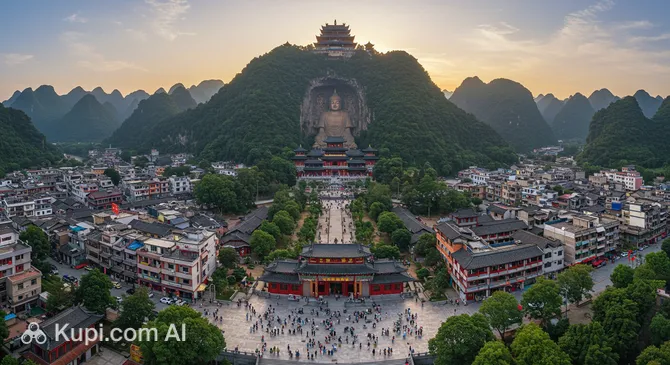
Guangyuan. Source: Kupi.Binoculars

The city is renowned for its profound cultural significance. Digging into the history of Guangyuan, visitors will find that it is the legendary birthplace of Wu Zetian, the only female emperor in Chinese history. This imperial legacy is preserved in sites like the Huangze Temple, which sits along the river and offers a glimpse into the past. Furthermore, the area is famous for the Thousand Buddha Cliff, where intricate carvings date back well over a millennium, showcasing the artistic devotion of previous generations.

Nature enthusiasts and history buffs alike will be drawn to the spectacular Jianmen Pass. Often referred to as the "first pass under heaven," it is a place of steep cliffs and lush vegetation that played a critical role in the wars of the Three Kingdoms period. Whether you are hiking through these historic mountain paths or admiring the serene waters of the Jialing River, Guangyuan promises an unforgettable journey filled with discovery and wonder.

Weather Overview

Guangyuan experiences a climate with distinct seasonal changes, making it important to pack accordingly for your trip. The weather in Guangyuan is generally characterized by warm, humid summers and cold, dry winters, offering a variety of atmospheric backdrops for your travels.

During the summer months from June to August, temperatures are at their highest, with averages hovering between 22.7°C and 25.2°C, and daily maximums often reaching nearly 30°C. This is also the wettest time of the year; July, for instance, sees frequent rainfall with up to 20 wet days. In contrast, winters are quite chilly and significantly drier. From December to February, average temperatures drop to between 3.6°C and 5.8°C, with lows occasionally dipping just below freezing in January.

Interesting Facts

Beyond the main attractions, Guangyuan holds many fascinating secrets that often surprise visitors. From ancient engineering marvels to unique local festivals, the city’s history is woven with stories that go far deeper than the standard guidebooks suggest.

  • The Phoenix Boat Races: While Dragon Boat races are famous across China, Guangyuan celebrates with unique "Phoenix Boats." This tradition is the centerpiece of the annual Daughter’s Festival (Nu'er Jie) on September 1st, a holiday dedicated to honoring Empress Wu Zetian. During this time, women take center stage in various cultural activities, keeping a centuries-old tradition alive.

  • The World's Oldest "Green Highway": The Cuiyun Corridor, part of the ancient Shu Road system, is home to the world's largest and oldest artificial cypress forest. Legend has it that the famous General Zhang Fei from the Three Kingdoms period ordered his soldiers to plant these trees to provide shade and mark the road. Today, thousands of these ancient cypresses still stand, with some dating back over 2,000 years to the Qin Dynasty.

  • The Lost Buddhas of the Cliff: The Thousand Buddha Cliff once held more than 17,000 statues, but a massive section is missing today. In the 1930s, during the construction of the Sichuan-Shaanxi Highway, engineers blasted through the cliff face, destroying nearly half of the ancient carvings. The gap in the cliff remains a visible scar of the conflict between early modernization and heritage preservation.

  • A Feast of Bean Curd: The region is famous for its "Jianmen Tofu," which is said to be unique due to the local soil and water properties. Locals have developed an entire "Tofu Banquet" culture, capable of serving over 200 distinct dishes made entirely from tofu, ranging from savory "steaks" to delicate desserts.

How to Get There

Reaching this northern gateway to Sichuan is relatively straightforward, with options ranging from direct flights to regional transit hubs. Whether you prefer the speed of air travel or an overland journey through the scenic landscapes of western China, you can find all ways to reach the city and plan your route accordingly.

The most convenient entry point is the local Guangyuan Airport (GYS). Located directly in the city, it is just 14.2 km from the center. A taxi or bus ride from this airport typically takes around 40 minutes, making it the quickest way to start your adventure. For travelers who cannot find a direct flight, the Mianyang Nanjiao Airport (MIG) serves as a significant alternative regional hub. However, please note that this airport is located in the city of Mianyang, approximately 152.8 km away. The transfer from Mianyang to Guangyuan by road can take roughly 4 hours.

For clarity, here is a summary of the main airports serving the region:

Airport Name City Passenger Traffic Km from City
Mianyang Nanjiao Airport Mianyang Medium 152.8
Guangyuan Airport Guangyuan Small 14.2
Hanzhong Airport Hanzhong Small 149.2
Longnan Chengxian Longnan Small 150.3
Langzhong Gucheng Airport Langzhong Small 104.9

Regarding rail travel, the region is served by several stations, though some may require significant ground travel to reach your final destination. Wanzhou North Railway Station is one such option listed for the wider region. It is important to note that this station is not in Guangyuan itself but in the city of Wanzhou, situated about 295.6 km away. A journey from there would require a long transfer, taking approximately 7 to 8 hours by road.

Below is the data for the railway station in the surrounding area:

Station City Passenger Traffic Km to Center
Wanzhou North Railway Station Wanzhou Large 295.6

Main Attractions

Exploring Guangyuan offers a journey through time, where natural wonders meet the legacy of imperial China. The city’s historical significance is etched into its cliffs and preserved in its ancient architecture, providing visitors with a deep connection to the past. Here are some of the most compelling places to visit during your stay.

Jianmen Pass Scenic Area is arguably the most iconic landmark in the region. Often cited in Chinese literature and history as the "First Pass Under Heaven," it is famous for its incredibly steep cliffs and strategic importance during the Three Kingdoms period. Tourists are drawn here not only for the breathtaking mountain views and the thrill of the glass skywalk but also to walk the same paths as legendary generals. The combination of sheer natural beauty and rich historical narratives makes it a must-visit for hikers and history buffs alike.

Another site of immense cultural value is Huangze Temple. Situated on the west bank of the Jialing River, this temple is unique as it commemorates Wu Zetian, the only female emperor in Chinese history, who was born in this city. The complex features impressive stone carvings and grottoes that date back to the Northern Wei, Sui, and Tang dynasties. It is fascinating for tourists interested in understanding the legacy of Empress Wu and admiring ancient Buddhist art set against a serene river backdrop.

For those who wish to step directly into an ancient world, Zhaohua Ancient City offers a remarkably well-preserved experience. Unlike many reconstructed tourist sites, Zhaohua maintains its original layout and atmosphere from the imperial era. Visitors can wander through ancient streets, explore the old county government office, and see the local examination hall. It is particularly interesting for its strategic role in historical military campaigns and offers a quiet, authentic glimpse into traditional Sichuan life.

Thousand Buddha Cliff (Qianfoya) stands as a testament to the region's religious devotion and artistic skill. Located on the eastern bank of the Jialing River, this site originally housed over 17,000 Buddhist statues carved directly into the cliff face. Although some were lost to history, the remaining statues are spectacular to behold. Tourists appreciate the intricate details of the carvings and the sheer scale of the cliff, which serves as an open-air museum of Buddhist art spanning over a millennium.

Finally, the Cuiyun Corridor provides a unique natural spectacle intertwined with history. This section of the ancient Shu Road is lined with thousands of ancient cypress trees, many of which are over a thousand years old. Walking beneath the canopy of these gnarled, majestic trees is a surreal experience. It is interesting to tourists as it represents the world’s oldest and best-preserved "green transport corridor," showcasing ancient environmental engineering and road protection techniques.

Local Cuisine

The culinary landscape of Guangyuan is deeply rooted in the fiery and flavorful traditions of Sichuan cuisine, yet it boasts unique northern influences that set it apart. Food here is not just sustenance; it is a reflection of the city's history and geography. Visitors can expect a delightful mix of spicy, numbing, fresh, and fragrant flavors, with a strong emphasis on locally sourced ingredients like mountain vegetables and river fish.

The absolute must-try dish in the city is Guangyuan Steamed Cold Noodles (Zheng Liangmian). Unlike the typical cold noodles found elsewhere in China, these are made from rice milk that is steamed into a soft, chewy texture rather than boiled. Legend has it that this dish was a favorite of Empress Wu Zetian. Locals typically enjoy it for breakfast, served with a savory blend of chili oil, vinegar, garlic, and crushed peanuts. It is a simple yet beloved staple that offers a perfect introduction to the local palate.

Another gastronomic highlight is the famous Jianmen Tofu. Sourced from the beans grown in the mineral-rich soil near the Jianmen Pass, this tofu is renowned for its snow-white color and exceptionally tender texture. The region is famous for its "Tofu Banquets," where chefs prepare the ingredient in over a hundred different ways—fried, stewed, braised, or served in soup. One popular variation involves stuffing the tofu with minced meat, creating a pocket of savory flavor inside the silky bean curd.

For those with a sweet tooth or looking for a light snack, Walnut Cakes are a specialty worth seeking out. Guangyuan is a major producer of walnuts, and these crisp, nutty pastries make for excellent souvenirs or tea-time treats. Speaking of tea, the local drink culture revolves heavily around Sichuan tea. Spending an afternoon in a riverside teahouse sipping locally grown green tea, such as the Seven Buddha Gonggong Tea, is a quintessential part of the local lifestyle. For something stronger, local grain wines (Baijiu) are often shared during communal dinners.

The food culture in Guangyuan is casual and vibrant. While there are plenty of sit-down restaurants, particularly those specializing in tofu feasts near tourist sites, the true heart of the city's dining scene is found in its small eateries and street stalls. In the mornings, you will see locals queuing up at small "hole-in-the-wall" shops for their daily bowl of steamed noodles. In the evenings, night markets come alive with the scent of grilled skewers and spicy hot pot, offering a lively atmosphere where tourists can rub shoulders with residents.

Travel Tips

To make the most of your journey to Guangyuan, a little preparation goes a long way in ensuring a smooth and enjoyable experience. Whether you are hiking ancient mountain paths or exploring imperial history, these practical tips will help you navigate the local lifestyle and logistics with ease.

  1. Clothing and Gear: Since the region experiences distinct seasons, your wardrobe should match the calendar. In summer, pack lightweight, breathable fabrics to handle the humidity, but always carry a raincoat or umbrella, as July can be quite wet. For winter visits, a warm coat and layers are essential to combat the chill. Most importantly, bring sturdy, comfortable walking shoes. Attractions like the Jianmen Pass and Thousand Buddha Cliff involve significant walking and climbing on uneven terrain.

  2. Transportation: Getting around the city is relatively convenient and affordable. Taxis are widely available and inexpensive compared to Western standards, but it is advisable to have your destination written in Chinese to show the driver. Ride-hailing apps like DiDi are very popular and often have English interfaces. Public buses are a budget-friendly option for getting between major scenic spots, though routes can be confusing for non-Chinese speakers without a navigation app.

  3. Finances: The local currency is the Chinese Yuan (RMB). While major hotels may accept international credit cards, daily life in Guangyuan is dominated by mobile payments like Alipay and WeChat Pay. It is highly recommended to set up these apps on your phone before arrival. If you prefer cash, ensure you withdraw enough from ATMs at major banks (like Bank of China) in the city center, as smaller vendors and rural scenic areas may not accept foreign cards or large bills.

  4. Health and Safety: Guangyuan is generally a very safe city for tourists. Pharmacies are easy to identify by a green cross sign, and many basic medications are available over the counter, though labels will be in Chinese. Do not drink tap water; always opt for bottled or boiled water. In summer, insect repellent is useful if you plan to explore the lush forests of the Cuiyun Corridor.

  5. Communication: Mandarin is the primary language, though locals often speak a Sichuan dialect that can be distinct. English is not widely spoken outside of high-end hotels and major transit hubs. Downloading a reliable translation app that works offline is crucial for effective communication. Buying a local SIM card upon arrival at the airport or in the city center will ensure you stay connected for maps and translation tools.

  6. Local Etiquette: When visiting religious sites like Huangze Temple, dress modestly and observe the behavior of locals. It is disrespectful to point your feet at Buddha statues or to take photos where signs explicitly forbid it. When handing over money or a business card, using both hands is considered a sign of politeness and respect.

  7. What to Avoid: Avoid discussing sensitive topics or criticizing local customs openly. Additionally, be careful with your chopsticks; never stick them upright in a bowl of rice, as this resembles incense burning for the dead and is considered very bad luck. Also, avoid relying solely on Google Maps, as it is often outdated or blocked; use local alternatives like Baidu Maps or Amap (Gaode) if possible.

  8. Culinary Caution: As Guangyuan is in Sichuan, the local food can be incredibly spicy and numbing (ma-la). If you have a sensitive stomach, you can ask for "bu la" (not spicy) or "wei la" (mildly spicy), though even mild dishes might still pack a punch. Carrying some antacids is a smart move for foodies wanting to try the famous hotpot.

By keeping these practicalities in mind, you can focus less on logistics and more on the stunning landscapes and rich history that make Guangyuan unique. Embrace the local pace of life, savor the fiery cuisine, and enjoy a hassle-free adventure in this northern Sichuan gem.

Entertainment & Nightlife

Nightlife in Guangyuan is characterized by a relaxed and social atmosphere, distinct from the high-energy clubbing scenes of China's larger metropolises. Here, the evening entertainment revolves heavily around communal dining, vibrant night markets, and leisure activities along the river. The locals prefer a slower pace, often spending hours enjoying spicy hot pot with friends or singing their hearts out in private Karaoke (KTV) rooms, which are a staple of entertainment in Sichuan province.

The primary hub for modern entertainment is the Lizhou District, particularly the area surrounding Guangyuan Wanda Plaza. This sprawling complex is the city's go-to destination for a complete night out, offering a mix of shopping, dining, and leisure under one roof. It is bustling with young people and families, providing a safe and lively environment. Within this area, you can catch the latest blockbuster movies at the Guangyuan Wanda Cinema, which offers a high-standard viewing experience often sought after by tourists wanting a break from sightseeing.

For a taste of the local culinary nightlife, the Wanda Plaza complex features a diverse array of dining options suitable for any palate. It is a popular destination for experiencing the region's famous hot pot, where the dining experience extends late into the night as patrons cook fresh meats and vegetables in bubbling, spicy broths. Another vibrant area is the riverside promenade along the Jialing River. As darkness falls, the city lights reflect beautifully on the water, making it a perfect spot for a post-dinner stroll. You will often find locals dancing in public squares or enjoying tea at open-air seating areas near the Phoenix Tower (Fenghuang Lou), a landmark that is spectacularly illuminated at night, offering panoramic views of the city.

Practical advice for enjoying Guangyuan at night includes timing your outings correctly. Restaurants are busiest between 7:00 PM and 9:00 PM, while KTVs and bars typically stay open past midnight. The dress code is generally casual; comfortable attire is suitable for almost all venues. Getting around is easy and affordable, with taxis and ride-hailing apps readily available. The city is very safe for night walks, especially in well-lit areas like the riverside and commercial centers, but it is always wise to have your hotel address written in Chinese for the driver.

While the nights are for relaxation, the city offers diverse entertainment during the day as well. Visitors can explore the rich history at the Guangyuan Museum to understand the region's past or enjoy family-friendly activities in local amusement parks. For those seeking a mix of nature and culture, the city's theaters occasionally host performances related to the legend of Empress Wu Zetian, adding a theatrical touch to your travel itinerary.

Parks & Museums

While Guangyuan is famous for its imposing cliffs and ancient passes, the city also boasts a collection of serene parks and insightful museums that offer a deeper look into its lifestyle and heritage. Beyond the major tourist landmarks, these green spaces and cultural venues provide a perfect setting for relaxation and learning, allowing visitors to connect with the local rhythm of life and the region's storied past.

Phoenix Mountain Park (Fenghuang Shan) is the crown jewel of the city's green spaces and a favorite spot for locals. Located in the heart of the city, this park is named after the legend of a phoenix worshiping the sun, a symbol often associated with Empress Wu Zetian. The park's centerpiece is the majestic Phoenix Tower, a multi-story architectural marvel that soars above the tree line. Visitors can climb the tower for a breathtaking panoramic view of Guangyuan and the winding Jialing River. The park itself is a lush retreat filled with walking paths and pavilions, making it an ideal location for a morning walk to see residents practicing Tai Chi or playing traditional instruments.

For those seeking a connection with nature near the water, Nanhe National Wetland Park offers a refreshing escape. Stretching along the banks of the Nanhe River, this ecological corridor serves as the city's "green lung." It features well-maintained boardwalks, scenic viewing platforms, and abundant vegetation that changes colors with the seasons. It is a fantastic place for a leisurely afternoon stroll or a bicycle ride, offering a peaceful atmosphere where you can observe local birdlife and enjoy the gentle river breeze away from the urban bustle.

Delving into the cultural side of the city, the Guangyuan Museum is an essential stop for history enthusiasts. This comprehensive museum houses a vast collection of artifacts that trace the region's development from the Neolithic age to the present day. Highlights often include ancient pottery, bronzes, and relics related to the Shu Road, providing context to the engineering marvels seen elsewhere in the region. It serves as an excellent educational hub where tourists can understand the strategic and cultural importance of Guangyuan as a gateway between northern and southern China.

Another unique cultural site is the Red Army Cultural Park, which highlights a specific and significant chapter of local history. Guangyuan is known as a "Red Army City," and this park acts as an open-air museum dedicated to the preservation of stone-carved slogans from the 1930s. These carvings are considered some of the largest and best-preserved of their kind in China. The park combines historical education with scenic landscaping, allowing visitors to walk among these monumental inscriptions and gain insight into the revolutionary history that shaped the modern nation.

For a truly authentic experience, try visiting the tea houses located within Phoenix Mountain Park during the mid-afternoon. Unlike the more commercialized tourist spots, these venues are where the true social life of Guangyuan unfolds. Sipping on a cup of local bamboo-leaf tea while listening to the chatter of locals and the distant sound of birds provides a genuine and relaxing glimpse into the everyday culture of this Sichuanese city.

Getting Around

Navigating Guangyuan is convenient and affordable, thanks to a well-developed network of public and private transportation options. Whether you are heading to the ancient historical sites or simply exploring the city center, visitors will find a variety of ways to get around. The local transport infrastructure effectively connects the urban core with the surrounding scenic areas, making it easy for tourists to reach major attractions without much hassle.

Public buses are the most common and economical way to travel within the city. The bus network is extensive, covering all major districts and providing direct routes to popular tourist spots such as the Huangze Temple and the Thousand Buddha Cliff. Fares are very low, typically costing between 1 and 2 RMB per ride. While most buses are modern and air-conditioned, route information is predominantly in Chinese. It is highly recommended to use a navigation app to identify the correct bus number and stop. Payment is usually made via mobile apps like Alipay or WeChat Pay, though exact change in coins or small bills is accepted if you prefer using cash.

For a more direct and comfortable journey, taxis are widely available throughout the city. You can easily hail them on the street, especially near transport hubs like the Guangyuan Railway Station or major shopping centers. Taxis in Guangyuan are metered, and the flag-fall rate is quite reasonable compared to larger cities in China. It is advisable to have your destination written in Chinese to show the driver, as English proficiency among drivers may be limited. Most drivers accept mobile payments, which is often more convenient than handling cash.

Ride-hailing services, such as DiDi Chuxing (the Chinese equivalent of Uber), operate extensively in the area. These can be booked via a smartphone app, which often features an English interface or auto-translation, bridging the language gap for international travelers. This option provides the comfort of a private car with the security of a tracked journey and a fixed price estimate before you ride.

Guangyuan Railway Station serves not only as a gateway for intercity travel but also as a central hub for local transportation. Located conveniently within the city, it is a focal point where many bus lines terminate and taxis congregate, making it an excellent starting point for your daily explorations. From here, you can easily catch transit to the Jianmen Pass Scenic Area or other outlying attractions.

Finally, the city center, particularly along the Jialing River, is pedestrian-friendly. Walking is a pleasant option for short distances, allowing visitors to enjoy the river views and the city's relaxed pace. Shared bicycles are also available on many street corners for those who prefer a quicker way to move between nearby points of interest while enjoying the fresh air.

Accommodation

Finding the perfect place to stay in Guangyuan is relatively easy, as the city offers a diverse range of accommodation options to suit various budgets and travel styles. Visitors can choose from modern high-end hotels equipped with full amenities, comfortable mid-range business hotels, and budget-friendly guesthouses. While international luxury chains are less common here than in Chengdu or Beijing, there are numerous reputable domestic hotel brands that provide excellent service and high standards of cleanliness.

For most travelers, the most convenient area to stay is the Lizhou District, which serves as the city's commercial and administrative heart. Staying here places you within easy reach of shopping hubs like the Guangyuan Wanda Plaza, as well as a variety of dining and entertainment options. Another popular choice is to book a hotel along the banks of the Jialing River. These locations not only offer scenic waterfront views but are also often within walking distance of the Phoenix Mountain Park and the city's vibrant night markets.

If your primary goal is to explore the Jianmen Pass and you prefer a more immersive experience, you might consider spending a night in the town of Jiange or near the scenic area itself. Here, you can find traditional inns and smaller guesthouses that offer a quieter atmosphere closer to nature. However, for those planning to visit multiple attractions across the region, staying in the Guangyuan city center near the railway station remains the most strategic option for easy transportation access.

Accommodation prices in Guangyuan are generally very reasonable compared to China's major tourist hubs. A comfortable stay in a mid-range hotel is quite affordable, while luxury options offer great value for money. It is highly recommended to book your rooms in advance, especially if you plan to visit during the Daughter’s Festival in early September or during national holidays like the Golden Week in October, when the city sees a surge in domestic tourism. Most hotels can be easily booked through major international travel platforms, ensuring a hassle-free reservation process.

Nearby Cities

Nearby Cities:

Guangyuan’s strategic position in northern Sichuan makes it an excellent gateway for exploring the wider region. Situated where the mountainous north meets the fertile basins of the south, the city is surrounded by several other fascinating urban centers. These destinations offer a mix of rich history, cultural heritage, and modern development, all within a few hours of travel. Exploring these neighbors allows visitors to gain a deeper understanding of the diversity found in this part of China.

The closest major city to Guangyuan is Hanzhong, located approximately 131 km to the north across the provincial border in Shaanxi. Known for its pivotal role in the Three Kingdoms era and its beautiful rapeseed flower fields in spring, it is a favorite stop for history enthusiasts. To the south lies Mianyang, about 154 km away. As the second-largest economy in the province, it is famous as the "Science and Technology City" and offers a blend of high-tech industries and ancient relics.

Traveling further east and south reveals more of the region's charm. Nanchong, situated 179 km away along the Jialing River, is renowned for its silk production and culinary traditions. Meanwhile, Deyang (200 km) attracts visitors with the mysterious Sanxingdui archaeological site, and Dazhou (205 km) serves as a key transport hub connecting eastern Sichuan to the rest of the country.

Below is a summary of these nearby cities, including their populations and distances from Guangyuan:

City Name Population Distance (km)
Hanzhong 3,416,196 131
Mianyang 4,868,243 154
Nanchong 6,278,614 179
Deyang 3,877,000 200
Dazhou 5,468,097 205

Shopping & Souvenirs

Shopping in Guangyuan offers a delightful mix of modern convenience and authentic local flavor. While the city may not boast the high-end luxury boutiques of a global metropolis, it excels in providing access to high-quality regional products and bustling commercial hubs. Visitors will find that the shopping experience here is less about international fashion brands and more about discovering the rich agricultural and artisanal heritage of northern Sichuan. From gleaming shopping centers to lively street markets, the city provides ample opportunities to purchase unique gifts and daily necessities.

The primary commercial activity is concentrated in the Lizhou District, which serves as the heart of the city. The streets surrounding the central squares are lined with a variety of shops selling clothing, electronics, and local snacks. For a more traditional browsing experience, visitors often explore the pedestrian-friendly areas near the city center, where smaller boutiques and independent vendors offer a glimpse into local trends. Walking through these bustling districts allows tourists to soak up the energetic atmosphere while hunting for bargains.

For a comprehensive one-stop shopping experience, Guangyuan Wanda Plaza is the city's premier destination. As a large modern complex, it houses a wide array of domestic and international retailers, a supermarket, and numerous dining options. It is the go-to place for clothing, cosmetics, and electronics in a comfortable, air-conditioned environment. Another notable location is the Guangyuan Department Store, a long-standing establishment that caters to a wide demographic with its diverse range of goods, from household items to fashion.

Markets play a crucial role in the daily life of locals and offer a sensory adventure for visitors. While night markets are famous for food, daytime farmers' markets are the best places to see the region's agricultural bounty. Here, you can find mounds of vibrant red Sichuan peppers, dried spices, and seasonal fruits. These markets are excellent for travelers looking to buy authentic ingredients to take home, provided customs regulations allow it. The atmosphere is lively and authentic, often requiring a bit of bargaining and cash.

When it comes to souvenirs, Guangyuan is famous for its "Red-heart Kiwifruit." The region is a major producer of this sweet, nutrient-rich fruit, and you can find it fresh in season or processed into juices and dried snacks. Another must-buy item is the local walnut, specifically the varieties from the Chaotian district, known for their thin shells and rich flavor. For tea lovers, Seven Buddha Gonggong Tea (Qifo Gonggong Tea) is a prestigious local green tea with a history dating back to the empress Wu Zetian. Additionally, packaged Jianmen Tofu snacks are a savory treat that captures the taste of the region in a travel-friendly format.

Most retail stores and shopping malls in Guangyuan operate from around 10:00 AM to 10:00 PM, though smaller street shops may close earlier or stay open later depending on the flow of customers. Payment methods are overwhelmingly digital; WeChat Pay and Alipay are used almost everywhere, from high-end malls to small street vendors. While major supermarkets and hotels may accept credit cards, it is rare for standard shops to take foreign cards, so carrying some cash (RMB) is advisable for small purchases if you do not have mobile payment set up.

Regarding tax-free shopping, Guangyuan is not typically a destination where tourists can claim VAT refunds. The tax refund schemes found in major international hubs like Beijing or Shanghai are generally not available here. Visitors should assume that the price on the tag is the final price, inclusive of all taxes, and plan their budget accordingly.
Reached the end of the page?

That means the route is fully explored