Support

Langzhong

About

Langzhong is a captivating destination nestled in the northeastern part of Sichuan Province, widely recognized as one of the Four Great Ancient Cities of China. Situated along the banks of the middle reaches of the Jialing River, this city is renowned for its unique blend of mountain scenery, water landscapes, and ancient urban planning. With a population of approximately 730,000, it serves as a vibrant cultural hub that has maintained its traditional charm amidst the modern world.
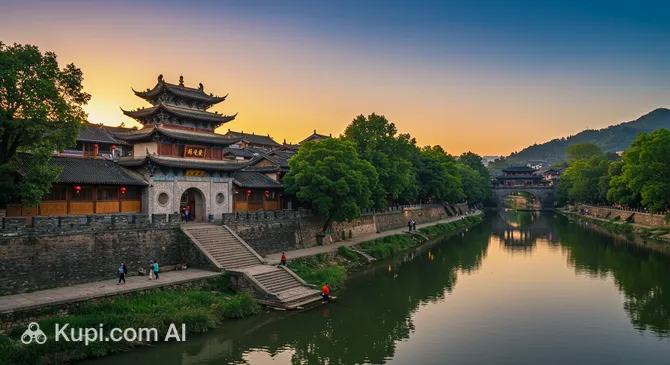
Langzhong. Source: Kupi.Binoculars

Stepping into the old town feels like a journey back in time. The history of Langzhong spans over 2,300 years, with a legacy deeply rooted in the Three Kingdoms period and traditional Feng Shui culture. The city's layout is meticulously preserved, featuring a chessboard pattern of streets and courtyards that reflect ancient architectural wisdom. Walking through the slate-paved alleys, visitors can admire the well-kept wooden buildings and experience an atmosphere of tranquility that is rare in larger metropolises.

Travelers are drawn to the city's remarkable landmarks, such as the Zhang Fei Temple, dedicated to the legendary general who once governed the area. Another highlight is the Sichuan North Imperial Examination Hall, one of the best-preserved facilities of its kind, offering a fascinating glimpse into the imperial civil service system. Don't miss the chance to climb the Huaguang Tower for a panoramic view of the tiered rooftops and the winding river below.

Whether you are exploring its rich cultural heritage or simply enjoying the local cuisine—famous for its distinctive vinegar—Langzhong offers an unforgettable experience. It is a perfect destination for those seeking to immerse themselves in the authentic spirit and timeless beauty of the region.

Weather Overview

Understanding the local climate is essential for planning a comfortable trip to this historic part of Sichuan. For detailed forecasts and seasonal trends, visitors can consult the guide to the weather in Langzhong. The city experiences distinct seasons, transitioning from cool winters to hot, humid summers.

During the warmest months, particularly August, average temperatures reach 28.2°C, with highs often climbing above 32°C. This period also brings the most frequent precipitation, with July recording up to 19 wet days, though rainfall volume remains moderate. Conversely, January is the coldest month, where temperatures average around 6.2°C and can drop to near 2.2°C. Spring and autumn offer a pleasant middle ground with mild temperatures ranging between 14°C and 23°C. Expect warm summers with frequent wet days and cold, drier winters.

Interesting Facts

Beyond its well-preserved architecture and scenic river views, Langzhong holds fascinating secrets that add depth to its ancient allure. From astronomical milestones to unique wellness traditions, here are some intriguing details about this historic city.

  • The Birthplace of the Spring Festival: Langzhong is often celebrated as the origin of the Chinese New Year. Luo Xiahong, a renowned astronomer from the Western Han Dynasty born here, formulated the Taichu Calendar. This system established the first month of the lunar year, effectively setting the date for the Spring Festival that is celebrated globally today.

  • Vinegar for Wellness: While Baoning Vinegar is a culinary staple across the country, in Langzhong, it serves a therapeutic purpose as well. It is a local tradition to indulge in hot vinegar foot baths. Spas and hotels throughout the city offer this treatment, which is believed to reduce fatigue and promote better health.

  • A Feng Shui Masterpiece: The city is frequently cited as the premier example of Feng Shui urban planning in China. Its location was chosen for the specific alignment of the surrounding mountains and the Jialing River, creating a natural "armchair" formation that was believed to trap positive energy, or Qi, protecting the inhabitants and ensuring prosperity.

  • The Legend of Zhang Fei: The famous general from the Three Kingdoms period governed this city for seven years. According to local legend, after his assassination, his body was buried in Langzhong while his head was taken to Yunyang. This has led to the popular saying that Zhang Fei "slept in Langzhong and woke up in Yunyang."

How to Get There

Planning a trip to this ancient city requires some logistical preparation, but the journey offers a chance to see the diverse landscapes of Sichuan. Whether you prefer flying directly or combining rail travel with a scenic drive, there are several options available. For a detailed breakdown of routes and schedules, you can read more about how to get to Langzhong to find the best itinerary for your needs.

For air travelers, the most convenient option is the local Langzhong Gucheng Airport (IATA: LZG). Located directly in Langzhong, it is a small but modern facility situated just 6.7 km from the city center. A taxi or bus ride from here typically takes about 30 minutes. Alternatively, you can fly into Nanchong Airport (IATA: NAO) in the neighboring city of Nanchong. This airport handles a medium volume of passenger traffic and is located approximately 89.1 km away. The transfer by road from Nanchong to Langzhong generally takes around 2 hours and 35 minutes.

For clarity, here is a summary of the main airports:

Airport Name City Passenger Traffic Km from City
Mianyang Nanjiao AirportMianyangLarge121.0
Dazhou Jinya AirportDazhouMedium147.8
Nanchong AirportNanchongMedium89.1
Guangyuan AirportGuangyuanSmall96.7
Langzhong Gucheng AirportLangzhongSmall6.7

If you are traveling by train to the wider region, you might consider arriving at one of the major railway hubs in nearby cities, as Langzhong is accessible from these larger terminals via road transfers. One significant option is the Chongqing West Railway Station (IATA: CKJ) in the city of Chongqing. It is a very large transport hub located about 226.1 km from Langzhong. From there, a long-distance taxi or bus ride would take approximately 6 hours. Another option is the Chongqingbei Railway Station (IATA: CKP), also in Chongqing, situated roughly 222.0 km away.

Below is a list of major railway stations in the region:

Station City Passenger Traffic Km to Center
Chongqing West Railway StationChongqingVery Large226.1
Wanzhou North Railway StationWanzhouLarge237.4
Neijiang North Railway StationNeijiangMedium237.4
Chongqingbei Railway StationChongqing222.0
Shapingba Railway StationChongqing231.6

Main Attractions

Attractions:

Langzhong is a treasure trove of history, offering a dense concentration of preserved sites that reflect its military, political, and spiritual heritage. While the ancient streets themselves are a living museum, several specific locations are essential for a complete understanding of the city's significance.

Zhang Fei Temple (Huanhou Temple) is the city's most prominent landmark, dedicated to the legendary general of the Shu Kingdom who governed the area during the Three Kingdoms period. The complex is a masterpiece of early architecture, featuring powerful statues, intricate wood carvings, and steles that narrate the general's life and tragic death. It serves not just as a memorial, but as a deep dive into one of the most turbulent eras in Chinese history.

A short walk away lies the Sichuan North Imperial Examination Hall, a site of immense cultural value. As one of the two best-preserved ancient examination centers in China, it offers a rare glimpse into the rigorous civil service system of the imperial dynasties. Visitors can explore the rows of narrow cells where scholars once spent days composing essays, hoping to secure a future in the government.

Zhongtian Tower stands at the geometric heart of the old town. Known as the "Feng Shui Coordinate," it marks the center from which the city's main streets radiate. Climbing this tower provides a unique vantage point to appreciate the "chessboard" urban planning and the sea of traditional grey tile rooftops that define the city's skyline.

For a broader perspective, a visit to the Grand Buddha Temple (Dafo Si) is highly recommended. Located across the Jialing River, this hillside sanctuary offers the finest panoramic view of Langzhong. From here, travelers can clearly see the natural "armchair" formation created by the river loop and mountains, visually explaining why the city is celebrated for its perfect Feng Shui.

Huaguang Tower, situated near the riverbank, is another architectural gem. As the tallest structure in the ancient city, it serves as a majestic gateway. The tower is particularly striking at sunset, offering sweeping views of the Jialing River and the bustling activity along the waterfront.

Local Cuisine

The culinary landscape of Langzhong is a delightful exploration of sour and spicy flavors, deeply influenced by its location in Sichuan Province but distinguished by its own unique heritage. As you walk through the ancient streets, the faint, savory aroma of fermentation often fills the air, hinting at the city's most famous product. The local food scene is unpretentious and vibrant, with a strong focus on street snacks, preserved meats, and the creative use of vinegar.

The most iconic dish you must try is Zhang Fei Beef (Zhang Fei Niu Rou). Named after the legendary general who once guarded the city, this dried beef is easily recognized by its distinctive appearance: a jet-black outer coating (often dyed with charcoal or dark soy) that contrasts with the tender, red meat inside. The look is said to resemble the general's dark complexion and loyal heart. It is typically savory, slightly spicy, and numbing, making it a perfect protein-rich snack to carry while exploring.

Another staple that might surprise visitors is Baoning Vinegar. While vinegar is usually just a condiment, in Langzhong, it is a way of life. As one of the "Four Famous Vinegars" in China, it is brewed using a mix of grains and medicinal herbs. Locals don't just cook with it; they drink it. You will find "vinegar bars" serving it as a refreshing beverage, often diluted with water and honey to balance the acidity. It is believed to have health benefits and is a must-try for the adventurous palate.

For a softer, sweeter treat, look for White Sugar Steamed Buns (Baitang Zhengmo). Unlike typical northern Chinese buns, these are made with a special starter that gives them a dense, chewy texture and a pure white color, often stamped with a red design for good luck. They provide a gentle, sweet counterpoint to the region's fiery dishes. Additionally, don't miss the Northern Sichuan Bean Jelly (Chuanbei Liangfen), a cold, jelly-like dish drenched in bright red chili oil, vinegar, and aromatics.

Dining in Langzhong is largely a street-side affair. The ancient town is packed with small eateries and stalls where you can watch vendors slicing beef or steaming buns in real-time. Locals often gather at small wooden tables along the stone-paved alleys to enjoy a bowl of beef noodles or spicy river fish, soaking in the atmosphere of the historic architecture while they eat.

Travel Tips

Welcome to Langzhong, where history comes alive in every alleyway and courtyard. To help you navigate this ancient city with ease and make the most of your journey through time, here are some essential practical tips for your visit.

  1. Clothing and Gear: Since the Old Town is paved with slate and cobblestones, bring your most comfortable walking shoes; high heels or stiff soles will make exploring difficult. If visiting in summer, pack lightweight, breathable fabrics and rain gear, as it can be hot and humid with frequent showers. For winter trips, layers are essential to handle the chilly, damp weather. When visiting sites like the Zhang Fei Temple, dress modestly out of respect.

  2. Transportation: The heart of Langzhong, the Ancient City, is best explored on foot as many streets are pedestrian-only or too narrow for cars. For longer distances outside the historic core, taxis and ride-hailing apps like Didi are readily available and affordable. Within the scenic area, electric sightseeing cars can shuttle you between major attractions if your feet get tired.

  3. Finances: The local currency is the Chinese Yuan (CNY). While major hotels may accept international credit cards, most shops and restaurants do not. The economy is heavily digital, so setting up Alipay or WeChat Pay on your phone before arrival is highly recommended. However, always carry some cash for small street vendors or entrance fees at smaller attractions.

  4. Health and Safety: Langzhong is generally very safe for tourists, but standard precautions apply. Do not drink tap water; stick to bottled or boiled water. Pharmacies are easily identifiable by a green cross, though English-speaking staff may be rare. In summer, bring mosquito repellent, especially if you plan to walk along the Jialing River in the evening.

  5. Communication: English is not widely spoken outside of high-end hotels and major tourist centers. It is crucial to download a translation app that works offline. Having your destination names written in Chinese characters (Hanzi) will be incredibly helpful when asking for directions or instructing taxi drivers.

  6. Local Etiquette: The pace of life here is slower than in big cities like Chengdu or Chongqing. When greeting locals, a nod or a smile is polite. If you are invited to tea or a meal, remember that sharing food is the norm; wait for the host to signal the start of the meal. Avoid leaving your chopsticks sticking upright in your rice bowl, as this resembles incense burning for the dead.

  7. What to Avoid: Avoid visiting during major Chinese holidays like the National Day Golden Week (early October) or the Spring Festival if you dislike large crowds. The narrow streets of the ancient town can become extremely congested, making it hard to appreciate the architecture and atmosphere.

  8. Local Experience: After a long day of walking, do as the locals do and treat yourself to a vinegar foot bath. Langzhong is famous for its medicinal vinegar, and many foot massage parlors offer this unique therapy, which is believed to relieve fatigue and improve circulation.

With these tips in hand, you are ready to immerse yourself in the rich heritage and relaxed lifestyle of Langzhong. Enjoy the stunning river views, the historic charm, and the warm hospitality of this unique corner of Sichuan!

Entertainment & Nightlife

As dusk falls and the red lanterns illuminate the eaves of the ancient wooden buildings, Langzhong transforms into a mesmerizing spectacle of light and shadow. The city's nightlife is less about thumping bass and neon strobes and more about soaking in a relaxed, cultural atmosphere. The shimmering reflections on the Jialing River create a romantic backdrop, making the evening the perfect time for leisurely strolls and social gatherings.

The heartbeat of the local nightlife is undoubtedly Binjiang Road, the scenic promenade stretching along the riverbank. This area is lined with numerous open-air tea houses and "Qing bars" (quiet bars), where the vibe is laid-back and welcoming. Unlike the high-energy clubs of larger cities, these venues often feature live acoustic performances by local folk singers. Patrons sit on low wooden chairs, sipping local beer or tea, and enjoying the cool river breeze. The dress code is casual, and the crowds are a mix of friendly locals and tourists unwinding after a day of sightseeing.

For a truly immersive experience, visitors should not miss the Jialing River Night Cruise. Boarding from the main wharf, this boat ride offers a unique vantage point to view the illuminated skyline of the Ancient City and the glowing pagodas on the surrounding hills. Another highlight is the Nanjin Pass Ancient Town located across the river. At night, it often hosts the spectacular "Langzhong Source" live-action performance, which uses the natural landscape as a stage to narrate the city's history through music, dance, and impressive lighting effects.

Practicalities for a night out in Langzhong are straightforward. The Ancient City is extremely safe for night walks, even late into the evening. Most bars and riverside venues stay open until around 1:00 AM or 2:00 AM. Prices are generally affordable; a beer or a pot of tea in a riverside bar typically costs between 30 and 60 CNY. Since cars are restricted within the core historic zone, getting around is best done on foot. If you need to return to a hotel outside the old town, taxis are readily available at the main gates, and ride-hailing apps work well.

While the nights are enchanting, daytime entertainment in Langzhong offers its own cultural richness. The city is famous for its traditional North Sichuan Shadow Puppetry, and catching a show at a local theater is a must for art lovers. Visitors can also explore the numerous museums scattered throughout the alleys or enjoy a peaceful afternoon in the city's parks. Whether it is the vibrant history by day or the serene charm by night, the city ensures there is never a dull moment.

Parks & Museums

Langzhong balances its dense historic urban core with lush natural surroundings and deep cultural repositories. Beyond the bustling ancient streets, the city offers serene parks that take advantage of the mountainous terrain and museums that carefully preserve its unique heritage, ranging from geomancy to revolutionary history.

Jinping Mountain Park is the premier natural escape in the area, located just across the Jialing River from the Ancient City. Often referred to as a "Fairyland on Earth," this park is not just a green space but a vantage point offering the most iconic view of Langzhong’s "chessboard" layout. The park is a complex of lush forests, winding stone paths, and pavilions. It is an ideal spot for hiking, where visitors can breathe in the fresh mountain air and explore historical sites nestled within the greenery, including ancient calligraphy engravings and secluded temples.

Another significant green space is the Tengwang Pavilion Scenic Area, situated on a hill to the north of the city. While it shares its name with a more famous counterpart in Nanchang, this pavilion has its own distinct charm and history dating back to the Tang Dynasty. The surrounding parkland offers a quieter, more contemplative atmosphere compared to the main tourist hubs. It is a fantastic location for photography enthusiasts looking to capture the sweeping curves of the river and the city nestled within them.

For a deep dive into the intellectual history of the region, the Sichuan North Imperial Examination Museum (Gongyuan) is an essential stop. While the site is a historic landmark, it functions as a comprehensive museum detailing the grueling civil service examination system of imperial China. The exhibits include original examination papers, cheating tools used by desperate candidates, and lifelike wax figures that recreate the intense atmosphere of the testing days. It provides a fascinating, humanizing look at the scholars who shaped China's bureaucracy.

Langzhong is famously known as the "Feng Shui City," and the Feng Shui Museum is the best place to understand why. Located within the ancient town, this museum is dedicated to the principles of Chinese geomancy and astronomy. Through models, diagrams, and ancient instruments, it explains how Langzhong’s location was selected and designed to align with astronomical phenomena and geographical features. It is a unique institution that demystifies the complex cultural beliefs that have governed the city's layout for centuries.

History buffs interested in more recent events should visit the Red Army Memorial Park. Langzhong was a significant base during the revolutionary period, and this site honors that legacy. The park features a museum housing artifacts, weapons, and photographs from the 1930s, alongside a majestic monument. It offers a different perspective on the city's strategic importance beyond the ancient dynasties.

For a quieter, authentic experience, try taking a morning walk along the Jialing River Wetlands outside the main tourist zones. Here, you can watch locals practicing Tai Chi or fishing in the mist, offering a peaceful glimpse into the everyday life of the city away from the crowds.

Getting Around

Navigating Langzhong is straightforward and convenient, primarily relying on a well-connected network of public buses rather than a complex metro system. The city’s bus lines cover most key areas, including the railway station, the airport, and the outskirts of the historic center. For tourists, the most relevant routes are those connecting the modern transportation hubs to the entrances of the Ancient City. Buses are generally clean, frequent, and offer an authentic way to observe local life as you travel between districts.

The payment system for public transport is designed for efficiency. A standard bus ride typically costs a flat rate of approximately 1 to 2 CNY, regardless of the distance traveled. While you can pay with cash, it is essential to have the exact fare in coins or small notes, as drivers do not provide change. For a more seamless experience, most buses are equipped with QR code scanners that accept mobile payments via Alipay or WeChat Pay. Tourists can often activate a "transport code" within these apps, eliminating the need to carry loose change.

Since the heart of Langzhong is the preserved Ancient City, standard motor vehicles are restricted within its historic streets to protect the architecture and maintain the atmosphere. To help visitors navigate this pedestrian-only zone, a dedicated fleet of electric sightseeing cars operates within the area. These eco-friendly shuttles follow specific loops, stopping at major attractions like the Zhang Fei Temple and the Imperial Examination Hall. They are an excellent option if you wish to save energy or travel quickly between landmarks without walking the entire distance.

A unique and scenic mode of transport in the city is the ferry service across the Jialing River. Small passenger boats and ferries connect the main waterfront of the Ancient City to the scenic spots on the opposite bank, such as Jinping Mountain and the Grand Buddha Temple. Taking a ferry is not just a practical way to cross the river; it offers stunning views of the city’s skyline and the surrounding natural amphitheater, making the journey an attraction in itself.

For those preferring more privacy or direct routes, taxis are plentiful and relatively inexpensive. You can hail them on the street in the modern parts of the city, and they are strictly metered. Alternatively, ride-hailing apps like DiDi are widely used and can be more convenient for non-Chinese speakers, as you can input your destination in the app to overcome language barriers. Shared bicycles are also available throughout the newer districts, perfect for short trips along the river promenade, though they are generally not permitted inside the narrow, crowded alleys of the Old Town.

Public transport generally operates from early morning, around 6:30 AM, until early evening, with most bus lines winding down by 7:30 PM or 8:00 PM. If you plan to stay out late enjoying the riverside nightlife, be prepared to take a taxi back to your accommodation. When boarding buses, remember to enter through the front door and exit through the rear. With these simple options, getting around this historic city is both affordable and stress-free.

Accommodation

Where to Stay:

Accommodation in Langzhong is an integral part of the travel experience, offering a delightful mix of historical immersion and modern comfort. The city caters to a wide spectrum of travelers, from backpackers seeking budget-friendly hostels to families and couples looking for boutique cultural stays. While ultra-luxury international chains are less common here than in major metropolises, the charm of the local lodging more than makes up for it.

The most popular area to stay is undoubtedly within the Ancient City (Gucheng). Here, the accommodation scene is dominated by traditional courtyard inns, known locally as Kezhan. These establishments are often set in restored wooden residences dating back to the Ming and Qing dynasties. Staying here means waking up to the sound of birds in a central courtyard, sleeping in carved wooden beds, and stepping directly out onto the slate-paved streets. It is the best choice for those who want to fully absorb the historic atmosphere and be within walking distance of major attractions.

For visitors who prioritize modern amenities such as elevators, on-site parking, and spacious western-style bathrooms, the New District and the areas along the Jialing River outside the pedestrian zone are ideal. These locations offer contemporary hotels and resorts that provide sweeping river views and easier access for taxis and private vehicles. This area is often quieter at night compared to the bustling alleys of the old town and serves as a convenient base for exploring the surrounding mountains.

Booking Tip: Langzhong is a favorite destination for domestic tourists, especially during major holidays like the Spring Festival and the National Day Golden Week in October. During these peak periods, the best courtyard inns fill up weeks in advance, and prices can rise significantly. It is highly recommended to book your room well ahead of time if you plan to visit during these busy seasons.

In terms of pricing, the city is generally very affordable. Budget travelers can find clean and comfortable guesthouses for a modest fee, while mid-range boutique inns offer excellent value for the level of character and service provided. Booking is easily done through major online travel platforms, though some smaller, family-run inns may prefer direct contact or payment via mobile apps upon arrival.

Nearby Cities

For those looking to explore the surroundings, Langzhong serves as an excellent base for day trips to several interesting nearby locations:

City Population Distance (km)
Chengdu 14,645,000 215
Nanchong 6,278,614 81
Dazhou 5,468,097 144
Mianyang 4,868,243 126
Deyang 3,877,000 160

The closest and most convenient option for a quick excursion is Nanchong, situated just downstream along the Jialing River. As the administrative center for the region, it is known as the "Silk City" due to its thousands of years of sericulture history. Visitors can enjoy a relaxing walk along the extensive riverfront parks or explore the local museums dedicated to the silk industry and regional culture.

For travelers willing to venture a bit further, the provincial capital, Chengdu, is accessible via high-speed train. It is a world-renowned destination famous for the Giant Panda Breeding Research Base, where visitors can see these beloved animals in a semi-natural habitat. The city is also celebrated for its laid-back teahouse culture and spicy hotpot, making it a culinary paradise worth the journey.

Another excellent destination is Mianyang, the second-largest city in Sichuan. While known as a hub for science and technology, it offers rich historical sites and natural beauty. Nearby attractions include the scenic Mount Luofu, famous for its hot springs and mist-covered peaks, which provide a perfect setting for relaxation and hiking.

These nearby destinations offer a glimpse into the diverse culture and landscapes of the region.

Shopping & Souvenirs

Shopping in Langzhong offers a delightful contrast between the historic and the modern, reflecting the city's dual identity. While it is not a destination for high-end international luxury brands, it excels in offering unique local specialties, traditional crafts, and a culturally immersive retail experience. Visitors can expect to find bustling pedestrian streets lined with centuries-old wooden storefronts in the historic core, while the newer parts of the city provide contemporary conveniences and standard retail chains.

The primary shopping destination for tourists is undoubtedly the Ancient City itself. The narrow, slate-paved streets that radiate from the central Zhongtian Tower are packed with small boutiques and family-run shops. As you wander through these alleys, you will be surrounded by the aromas of local spices and the sight of colorful handicrafts. This area is perfect for leisurely browsing, where you can watch artisans at work and sample local snacks directly from the vendors.

For a more modern shopping experience, travelers should head to the New District. Here, you will find larger commercial complexes and department stores that cater to the daily needs of the local population. These venues offer clothing, electronics, and cosmetics, providing a break from the traditional atmosphere of the old town. While they may lack the historic charm, they are the best places to find familiar brands and supermarkets for travel essentials.

Markets play a significant role in the daily life of Langzhong's residents. In the mornings, the local food markets bustle with activity as vendors sell fresh produce, river fish, and seasonal fruits. For tourists, the night markets within the Ancient City and along the riverfront are particularly appealing. These lively spots offer a mix of souvenirs, street food, and trinkets, creating a vibrant atmosphere illuminated by red lanterns.

When it comes to souvenirs, Langzhong is famous for its "Four Treasures." The most iconic item to bring home is Baoning Vinegar. Unlike standard vinegar, it is often sold in beautiful ceramic bottles and is valued for its medicinal properties. Another must-buy is Zhang Fei Beef, the savory dried beef that is vacuum-packed for easy transport. For non-food items, look for North Sichuan Shadow Puppets, which are intricate works of art cut from leather, or local silk embroidery, reflecting the region's rich artistic heritage.

Most shops in the Ancient City open around 9:00 AM and stay busy until late in the evening, often closing around 9:00 PM or 10:00 PM, especially during peak tourist seasons. Payment methods are heavily digital; WeChat Pay and Alipay are universally accepted, even by small street vendors. While some larger hotels and modern malls may accept credit cards, it is rare in the old town, so carrying some cash (CNY) is advisable for small purchases.

Regarding tax refunds, Langzhong is a smaller inland city and typically does not offer Tax-Free shopping services for international tourists. The tax refund schemes found in major metropolises like Beijing or Shanghai are generally not available here, so visitors should not expect to claim VAT refunds on their purchases.

Reached the end of the page?

That means the route is fully explored