Support

Neijiang

About

Nestled in the southeastern part of the Sichuan Basin, Neijiang is a vibrant and culturally rich destination in China. Often referred to as the "Sweet City" due to its long-standing tradition of sugarcane cultivation and sugar production, this bustling metropolis offers a unique blend of industrial heritage and scenic beauty. With its strategic location along the Tuo River, Neijiang serves as an important transportation hub connecting the major cities of Chengdu and Chongqing, making it an accessible and intriguing stop for travelers exploring the region.
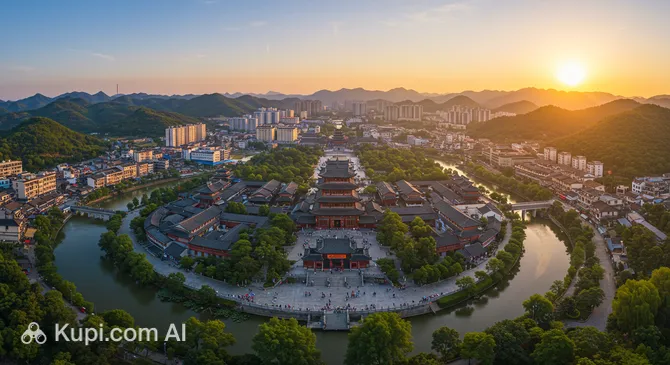
Neijiang. Source: Kupi.Binoculars

The city is home to a population of over 3.7 million people, creating a lively atmosphere filled with local activity. Geographically, Neijiang is characterized by its rolling hills and the winding river that shapes its landscape, providing a picturesque backdrop for urban life. The climate here is typically subtropical, featuring mild winters and warm, humid summers, which allows for lush greenery and blooming flowers throughout much of the year.

Cultural enthusiasts will find plenty to admire as they delve into the history of Neijiang. The city is celebrated as the hometown of Zhang Daqian, one of the most renowned Chinese artists of the 20th century. Visitors can explore the Zhang Daqian Memorial Hall, a tranquil garden and museum dedicated to his life and masterpieces. Another spiritual and architectural highlight is the Shengshui Temple, a serene Buddhist complex known for its impressive statues and peaceful surroundings.

Whether you are interested in exploring the artistic legacy of famous painters, tasting the local cuisine known for its distinct Sichuan flavors, or simply enjoying a riverside stroll, Neijiang welcomes you with open arms. It is a destination that perfectly captures the dynamic spirit of the province, offering an authentic and memorable experience for every visitor.

Weather Overview

Neijiang experiences a subtropical climate defined by distinct seasons, offering generally mild conditions that make travel possible throughout the year. To help you plan your activities and packing list, it is useful to review the detailed weather in Neijiang before your departure.

Summers in the city are warm and can be humid. August is typically the hottest month, with average temperatures around 28.9°C and highs peaking at 32.9°C. This season also sees the highest frequency of rainfall, particularly in July, which features about 20 wet days, so keeping an umbrella handy is recommended. Conversely, winter is gentle rather than harsh; January is the coolest month with an average of 8.1°C and minimums around 4.7°C, meaning heavy freezing gear is rarely necessary.

The transitional seasons of spring and autumn are particularly inviting for travelers. April and May see temperatures rising comfortably from 19.5°C to 22.8°C, while October cools down to a pleasant 18.1°C. In general, expect warm summers with frequent rain and mild, relatively dry winters.

Interesting Facts

Beyond its reputation as a sugar production hub and an artist's haven, Neijiang holds fascinating secrets that range from ancient architectural marvels to unique geological phenomena. The city’s depth goes far past its "Sweet City" nickname, revealing a tapestry of history and local culture that surprises many visitors.

  • The "Museum" of Stone Archways: Neijiang is home to the Longchang Stone Archways, the largest preserved cluster of these traditional structures in China. Dating back to the Ming and Qing dynasties, these 17 imposing stone gates serve as a "three-dimensional history book," honoring virtues such as benevolence, filial piety, and integrity. Uniquely, this collection includes rare archways dedicated specifically to women and even centenarians, offering a distinct glimpse into the social values of imperial China.

  • A Legendary Teacher’s Home: The area is historically significant as the hometown of Chang Hong, a renowned scholar, astronomer, and musician of the Eastern Zhou Dynasty. He is celebrated in history as a teacher of Confucius, who is said to have visited Chang Hong specifically to learn about music and astronomy, marking Neijiang as a cradle of early Chinese intellectual thought.

  • The Distinctive Beef Noodle Culture: While Sichuan is famous for spicy food, Neijiang has its own culinary icon: Neijiang Beef Noodles. Unlike the soupless Dan Dan noodles common elsewhere in the province, this local breakfast staple features a rich, savory broth made with braised beef, eel-like alkaline noodles, and a heavy dose of chili oil, reflecting the city's robust and energetic lifestyle.

  • A Geological Wonder: The region boasts the Weiyuan Dome, a rare geological structure often described as a "natural fortress." Within this area lies the Shiban River, famous for its long, flat riverbed made of a single continuous slab of stone. During the summer, visitors can hike directly in the shallow, crystal-clear water for kilometers, a natural experience that is virtually unique to this landscape.

How to Get There

Reaching this dynamic city in Sichuan is relatively straightforward, thanks to its strategic location between the major provincial hubs of Chengdu and Chongqing. Whether you prefer flying or taking the train, there are convenient options available. For a detailed breakdown of routes and tips, you can read more about how to get to Neijiang.

The city of Neijiang does not have its own commercial airport, so most air travelers fly into one of the major international airports in neighboring cities. The closest major hub is Chengdu Tianfu (IATA: TFU), located in Chengdu. It is approximately 101 km from Neijiang. From there, a journey by taxi or bus takes about 2 hours and 50 minutes. Another excellent option is Chongqing Jiangbei International Airport (IATA: CKG) in Chongqing, which handles a vast amount of passenger traffic. It is situated about 154 km away, with a road travel time of approximately 4 hours and 10 minutes. Both airports offer extensive domestic and international connections, making them viable gateways to the region.

For clarity, here is a summary of the main airports serving the area:

Airport Name City Passenger Traffic Km from City
Chengdu Tianfu Chengdu Major International 100.9
Chongqing Jiangbei International Airport Chongqing Major International 154.1
Chengdu Shuangliu International Airport Chengdu International 154.0
Mianyang Nanjiao Airport Mianyang Regional 207.1
Nanchong Airport Nanchong Regional 162.2

Traveling by train is often the most convenient method for the final leg of the journey. The city is served by Neijiang North Railway Station (IATA: NJB), which is conveniently located just 2.3 km from the city center. This station connects Neijiang to the high-speed rail network, offering quick access from Chengdu and Chongqing. Additionally, travelers might pass through the massive Chongqing West Railway Station (IATA: CKJ) in Chongqing, situated about 135 km away. While it is a major transit point, arriving directly at Neijiang North is far more practical for visiting the city itself.

Below is a list of the key railway stations in the vicinity:

Station City Passenger Traffic Km to Center
Chongqing West Railway Station Chongqing Major Hub 135.2
Neijiang North Railway Station Neijiang Regional Hub 2.3
Chongqingbei Railway Station Chongqing - 144.3
Shapingba Railway Station Chongqing - 133.4

Main Attractions

Neijiang offers a compelling journey through Chinese art, ancient traditions, and spiritual serenity. The city's main attractions provide a deep dive into the cultural heart of Sichuan, ranging from tributes to legendary painters to rare historical structures that have withstood the test of time.

Zhang Daqian Memorial Hall is one of the city's most significant cultural landmarks. Situated on the scenic Xilin Mountain, this complex is dedicated to Zhang Daqian, one of the most celebrated Chinese artists of the 20th century. The memorial is designed in a traditional garden style, featuring elegant pavilions, winding paths, and lush vegetation that mirror the aesthetic of his paintings. It is a must-visit for art lovers, housing hundreds of his artworks and personal items, which offer a profound insight into his life and his famous "splash-ink" technique.

For those interested in history and architecture, the Longchang Stone Archways are a truly unique sight. Located a short distance from the main city area, this site features a remarkable cluster of 17 well-preserved stone archways (paifang) dating back to the Ming and Qing dynasties. These imposing structures were built to honor virtues such as philanthropy, filial piety, and integrity. Tourists are drawn here by the intricate stone carvings and the sheer scale of the collection, which serves as a rare "three-dimensional history book" of imperial Chinese social values.

Shengshui Temple, often referred to as the "First Zen Forest in Central Sichuan," is a spiritual sanctuary with a history spanning over a thousand years. Nestled among green hills, the temple is renowned for its large scale and an impressive collection of Buddhist statues, including a magnificent thousand-armed Guanyin. Visitors appreciate the tranquil atmosphere and the opportunity to admire ancient calligraphy and architectural details that have survived through the centuries, making it a perfect spot for quiet reflection.

Daqian Garden is an expansive ecological and cultural park that serves as a green lung for the city. Integrating the memorial hall within its grounds, the park offers beautifully landscaped areas, lotus ponds, and walking trails along the Tuo River. It is an excellent location for a leisurely stroll to soak up the local lifestyle, watch residents practicing Tai Chi, and enjoy the harmonious blend of nature and urban planning.

Local Cuisine

Neijiang’s culinary scene is a fiery and flavorful extension of the renowned Sichuan cuisine, yet it boasts distinct characteristics that make it a paradise for food lovers. While historically nicknamed the "Sweet City" due to its sugarcane industry, the local palate is dominated by the bold, spicy, and numbing flavors typical of the region. The city’s food culture is unpretentious and vibrant, with aromas of chili oil and Sichuan peppercorns wafting from street corners, inviting travelers to dive into a world of intense tastes.

The absolute signature dish that defines the city's gastronomy is Neijiang Beef Noodles (Neijiang Niu Rou Mian). Unlike the dry noodles popular in other parts of the province, this local breakfast staple is famous for its rich, savory broth made from pork bones and spices. It is served with thin, alkaline noodles that have a unique chewiness, topped with tender braised beef and a heavy layer of red chili oil. It is traditionally eaten in the morning, fueling locals with a hearty, spicy kick to start the day.

Another dish with deep cultural roots is Daqian Chicken, named after the city’s most famous resident, the master artist Zhang Daqian, who was also a celebrated gourmand. This dish reflects his personal culinary preferences, featuring chicken braised with plenty of ginger, garlic, scallions, and peppers. The result is a flavor profile that is fresh, spicy, and savory without being overly greasy. Visitors should also try the region's Cold Diced Rabbit, a popular snack consisting of rabbit meat tossed in a numbing and spicy sauce, often enjoyed with beer or tea.

Dining in Neijiang is often a communal and outdoor affair. Locals love to frequent "fly restaurants"—small, hole-in-the-wall eateries known for exceptional taste rather than fancy decor—and bustling night markets where skewers and snacks are sold late into the evening. To cool down the palate, tea culture is an essential part of daily life. Teahouses are scattered throughout the city, particularly along the river, where people spend hours sipping locally grown Jasmine or Green tea. For a stronger drink, local Baijiu (white spirit) is the standard accompaniment to festive dinners, often shared generously among friends.

Travel Tips

Visiting Neijiang offers a genuine glimpse into the lifestyle of the Sichuan Basin, but navigating a city that is less commercialized than Beijing or Shanghai requires a bit of preparation. To help you make the most of your time in the "Sweet City," here are some practical tips to ensure a smooth and enjoyable journey.

  1. Clothing and Gear: Neijiang has a humid subtropical climate, so lightweight, breathable fabrics are essential for the hot and sticky summers. Since rainfall is frequent, especially in July and August, always carry a compact umbrella or a light raincoat. Winters are mild but damp, so a warm jacket and layers are sufficient; heavy thermal gear is rarely needed. Be sure to pack sturdy walking shoes, as exploring attractions like the Longchang Stone Archways or the hilly terrain of Daqian Garden involves a fair amount of walking.
  2. Transportation: The most convenient way to get around is by using ride-hailing apps like DiDi (the local equivalent of Uber), which has an English interface and accepts international credit cards. Taxis are also plentiful and affordable, but drivers rarely speak English, so have your destination written in Chinese characters. Public buses are very cheap (usually 1-2 RMB) but can be confusing for non-locals; the city is not large enough to necessitate a car rental, which is generally not recommended for tourists due to complex traffic patterns.
  3. Finances: The local currency is the Renminbi (CNY). While credit cards are accepted at major hotels, most shops, restaurants, and street vendors strictly use mobile payments. It is highly recommended to download Alipay or WeChat Pay and link your international bank card before you arrive, as this is how locals pay for everything from noodles to taxi rides. Keep a small amount of cash for emergencies, but don't rely on it exclusively.
  4. Health and Safety: Neijiang is generally very safe for travelers. However, never drink tap water; always buy bottled water or boil it first. Pharmacies are marked with a green cross and are easy to find, though you may need a translation app to describe your symptoms. Be cautious with the local cuisine if you have a sensitive stomach; the heavy use of chili oil and Sichuan peppercorns can be intense for the uninitiated.
  5. Communication: Mandarin is the official language, but locals speak a distinct Sichuan dialect that can be hard to understand even for Mandarin speakers. English is not widely spoken outside of 4-star hotels. You must have a reliable translation app (like Baidu Translate or a downloaded Google Translate pack) and a VPN-enabled SIM card or roaming plan to access western apps. Maps like Baidu Maps or Amap (Gaode) are far more accurate here than Google Maps.
  6. Local Etiquette: Dining is a communal affair; wait for the host or the eldest person to start eating before you do. When using chopsticks, never stick them vertically into your rice bowl, as this resembles incense burning for the dead and is considered very bad luck. In tea houses, which are central to Neijiang's social life, it is polite to refill others' cups before your own.
  7. What to Avoid: Do not leave a tip at restaurants or for taxi drivers. Tipping is not part of the culture in mainland China and can sometimes be confusing or even offensive, as it implies the employer doesn't pay them enough. Also, avoid losing your temper or shouting in public, as causing someone to "lose face" is a major social faux pas.
  8. Dining Tip: When ordering food, unless you have a high tolerance for heat, ask for "wei la" (mildly spicy). In Sichuan, "mild" is still quite hot by international standards. If you cannot handle spice at all, ask for "bu la" (not spicy), though be aware that even non-spicy dishes might still have a touch of pepper or oil.

By keeping these practicalities in mind, you will be well-equipped to navigate the streets of Neijiang with confidence. Embrace the local pace of life, enjoy the fiery flavors, and you are sure to have an unforgettable experience in this charming corner of Sichuan.

Entertainment & Nightlife

Nightlife in Neijiang is less about thumping bass and neon-lit dance floors and more about the vibrant, communal atmosphere of late-night dining and riverside relaxation. While the city does not have the massive clubbing scene of nearby Chengdu, it offers a lively evening culture centered around the banks of the Tuo River and bustling commercial districts. The locals love to socialize over spicy food and tea well into the night, creating a warm and welcoming environment for visitors.

The most popular area for an evening out is the Tuo River Riverside. As the sun sets, the promenade comes alive with locals taking strolls, and the many tea houses along the water transform into casual bars and social hubs. This area offers a relaxed vibe where you can enjoy a cold beer or a cup of local tea while admiring the city lights reflecting off the water. For a more modern entertainment experience, the area around Wanda Plaza is the city's commercial heartbeat. Here, you will find a concentration of KTVs (karaoke clubs), cinemas, and trendy restaurants that stay open late.

For a unique cultural experience at night, you should visit the Nanguan Memorial Arch Ancient Town in the Longchang area. Unlike typical daytime tours, this site is beautifully illuminated after dark, highlighting the intricate carvings of the stone archways. The atmosphere is serene yet impressive, offering a "night tour" experience where the ancient stone structures stand out dramatically against the night sky. It is a perfect spot for photography and a quiet evening walk away from the city center's noise.

If you are looking for a one-stop destination for entertainment, Neijiang Wanda Plaza is the place to go. Located in the city center, this massive complex houses a variety of evening activities under one roof. You can catch the latest blockbuster at the cinema, sing your heart out at a high-end KTV, or explore the third-floor dining precinct which features numerous barbecue and hotpot restaurants. It is bustling with young crowds and families, providing a safe and energetic atmosphere.

Food is an integral part of Neijiang's nightlife. The city is famous for its late-night street food, particularly the renowned Neijiang Beef Noodles, which are often eaten as a midnight snack. Look for small eateries with steam rising from large pots; these "fly restaurants" (small, hole-in-the-wall spots) are where the real action happens. The dress code everywhere is casual; you will fit in perfectly in jeans and a t-shirt.

Regarding safety and transport, Neijiang is very safe for night walks, especially in well-lit areas like the riverside and major shopping plazas. Taxis are affordable and easy to flag down, but for convenience, using the DiDi app (the local ride-hailing service) is recommended as it overcomes language barriers. Fares within the city center are generally low, rarely exceeding 20-30 RMB.

For daytime entertainment, the city offers a mix of culture and nature. You can explore the artistic heritage of the region at the Zhang Daqian Memorial Hall, dedicated to the master painter, or visit the serene Shengshui Temple to admire its ancient Buddhist statues. For a relaxing afternoon, People's Park is a great spot to observe local life, drink tea, and enjoy the greenery before the evening festivities begin.

Parks & Museums

Neijiang is a city where natural beauty and deep cultural roots intertwine, offering visitors a refreshing mix of scenic green spaces and profound historical venues. From serene gardens dedicated to legendary artists to bustling public parks that showcase the local lifestyle, the city provides ample opportunities to explore its heritage while enjoying the outdoors.

Daqian Garden is undoubtedly the crown jewel of Neijiang’s green spaces. Located along the banks of the Tuo River, this expansive park is named after the renowned artist Zhang Daqian and serves as a cultural and ecological landmark. It is not just a place for a walk; it is a landscaped masterpiece featuring lotus ponds, traditional pavilions, and winding paths that mimic the aesthetic of Chinese ink paintings. Tourists will appreciate the seamless blend of art and nature, making it a perfect spot for photography and relaxing strolls.

For a more local experience, People's Park in the city center is the beating heart of Neijiang’s daily life. It is a vibrant hub where residents gather to practice Tai Chi, play chess, and sing folk songs. The park features lush shaded areas and tea houses where you can sit back and observe the authentic "slow life" of the Sichuan Basin. It is an excellent place for travelers to immerse themselves in the local community atmosphere and enjoy a cup of tea by the lake.

When it comes to museums, the Zhang Daqian Memorial Hall is the city's most prestigious cultural institution. Situated on Xilin Mountain within the Daqian Garden complex, this museum honors the life and work of Zhang Daqian, one of the most celebrated Chinese painters of the 20th century. The facility itself is an architectural gem, designed with the elegance of a traditional courtyard. Inside, visitors can view hundreds of his artworks, personal belongings, and historical documents, offering a fascinating insight into his "splash-ink" technique and his global influence on art.

While not a traditional indoor museum, the Longchang Stone Archways function as a magnificent open-air museum of history and sociology. This collection of 17 ancient stone gates, dating back to the Ming and Qing dynasties, is unrivaled in China for its preservation and scale. Each archway tells a specific story, honoring virtues such as philanthropy and filial piety. Walking among these imposing stone structures provides a tangible connection to the past, acting as a "three-dimensional history book" that fascinates history buffs and architecture enthusiasts alike.

Among the city's historical landmarks, Shengshui Temple stands out for its spiritual significance and architectural grandeur. Known as the "First Zen Forest in Central Sichuan," this ancient temple complex is nestled among verdant hills and features intricate carvings and massive Buddhist statues. It is a place of tranquility where visitors can admire the craftsmanship of past eras and find a moment of peace away from the urban bustle.

For an authentic insider experience, venture out to the Shiban River in the Weiyuan Dome area during the warmer months. This geological wonder is famous for its riverbed, which is formed from a single, continuous slab of stone. Locals love to hike directly in the shallow, crystal-clear water, a refreshing and unique activity known as "water hiking" that is rarely found elsewhere.

Getting Around

Navigating Neijiang is straightforward and affordable, with the public bus network serving as the primary mode of transportation for most residents and visitors. Unlike larger Chinese metropolises, the city does not currently operate an urban metro system, so the bus lines are the backbone of daily commute. These buses cover all major districts, including connections to the railway stations, the commercial centers around Wanda Plaza, and tourist sites like the Zhang Daqian Memorial Hall. The vehicles are generally modern and air-conditioned, providing a comfortable respite from the humid Sichuan weather.

The payment system in Neijiang is highly digitized, reflecting the broader trend across the country. While traditional cash is still accepted, you must have the exact fare—typically 2 RMB per ride—as drivers do not carry change. For a more seamless experience, the vast majority of passengers use mobile payment apps like Alipay or WeChat Pay. To use these, you simply open the "Transport" or "Ride Code" section within the app and scan the QR code reader located near the bus entrance. Physical IC transport cards exist but are primarily used by long-term residents and are not necessary for short-term visitors.

For those who prefer a more direct and private way to travel, taxis are abundant and relatively inexpensive compared to Western standards. You can easily flag down a taxi on the street; look for the illuminated sign on the roof indicating availability. Alternatively, ride-hailing apps are extremely popular and convenient. DiDi Chuxing, available within the Alipay and WeChat apps or as a standalone app with an English interface, allows you to book rides without needing to speak Chinese. This is often the best option for tourists, as it removes the language barrier regarding your destination.

If you enjoy exploring at your own pace, shared bicycles are a fantastic alternative for short trips, especially along the scenic Tuo River promenade. You will find rows of yellow or blue bikes parked on sidewalks throughout the city. These can be unlocked by scanning the QR code on the bike using Alipay or WeChat. It is an eco-friendly way to move between nearby attractions or to get from a bus stop to your final destination, offering a breezy perspective of the city's street life.

When planning your travel, keep in mind that most bus lines operate from approximately 6:00 AM to 9:00 PM or 10:00 PM, depending on the route. During peak hours, roughly from 7:30 AM to 9:00 AM and 5:30 PM to 7:00 PM, traffic can be heavy, and buses may be crowded. A crucial tip for international tourists is to have the name of your destination written in Chinese characters (or saved as a screenshot on your phone) to show to taxi drivers or helpful locals, as English proficiency among transport staff is limited.

Accommodation

Neijiang offers a practical range of accommodation options that cater primarily to business travelers and tourists exploring the Sichuan Basin. While the city may not possess the ultra-luxury resorts found in larger provincial capitals like Chengdu, visitors can expect a solid selection of modern mid-range hotels, reliable business chains, and budget-friendly guesthouses. The hospitality standards here are generally high, with many establishments providing comfortable amenities and English-speaking staff in the larger hotels, ensuring a pleasant stay for international guests.

For those prioritizing convenience and atmosphere, the city center (Shizhong District) and the areas along the Tuo River are excellent choices. Staying near the river offers scenic water views and easy access to the vibrant evening promenades and tea houses that define the local lifestyle. Alternatively, the area around Wanda Plaza is perfect for travelers who want immediate access to shopping, dining, and entertainment complexes. For visitors in transit or those with early train connections, the district surrounding Neijiang North Railway Station provides numerous modern hotels that are just a short distance from the high-speed rail links, making arrival and departure seamless.

Prices in Neijiang are generally very reasonable compared to major tourist hubs in China. Budget travelers can find clean and basic rooms for a modest fee, while mid-range establishments offer spacious rooms and breakfast services at a great value. High-end options are available, typically in the form of 4-star or 5-star standard local hotels, offering premium services at prices that are often surprisingly affordable. Most accommodations can be booked via major international travel platforms, though carrying your passport is essential for check-in at any lodging in China.

Booking Tip: It is highly advisable to book your accommodation in advance if you are visiting during major Chinese holidays, such as the Spring Festival (Chinese New Year) or the National Day Golden Week in October. During these peak times, domestic tourism surges, and the best rooms can fill up quickly.

Nearby Cities

Neijiang is strategically positioned in the heart of the Sichuan Basin, serving as a vital link between several of the region's most prominent urban centers. Its location makes it an excellent base for travelers who wish to explore the diversity of the province, from bustling megacities to historically rich regional hubs. The city sits almost exactly equidistant from two of western China's economic powerhouses, allowing for convenient travel in either direction.

To the northwest lies Chengdu, the provincial capital renowned for its giant pandas and relaxed teahouse culture. Approximately the same distance to the southeast is the sprawling municipality of Chongqing, famous for its dramatic mountain terrain and spicy hotpot. For those looking to explore closer destinations, Luzhou and Yibin are neighboring cities known for their liquor production and river heritage, respectively. To the north, Nanchong offers further insight into the rich history of the Jialing River area.

The table below provides an overview of these nearby cities, detailing their population and distance from Neijiang:

City Name Population Distance (km)
Chengdu 14,645,000 146
Chongqing 12,135,000 145
Nanchong 6,278,614 172
Yibin 4,588,804 100
Luzhou 3,780,000 87

Shopping & Souvenirs

Shopping in Neijiang offers a delightful mix of modern convenience and traditional Sichuanese flavor. While the city may not have the high-end luxury boutiques of a global metropolis, it provides a genuine retail experience where gleaming shopping malls stand just blocks away from bustling local markets. Known historically as the "Sweet City," Neijiang is particularly famous for its sugar culture and unique local specialties, making it an excellent destination for travelers looking to buy authentic food souvenirs rather than international fashion brands.

The main commercial activity is concentrated in the Shizhong District, the city's central urban area. Here, the streets are lined with a variety of shops selling clothing, electronics, and daily necessities. The pedestrian-friendly zones in the city center are lively day and night, offering a great atmosphere for window shopping and observing local life. Visitors will find a blend of domestic Chinese brands and smaller independent boutiques that offer affordable fashion and accessories.

For a comprehensive one-stop shopping experience, Neijiang Wanda Plaza is the premier destination. Located in the bustling business district, this large modern complex houses everything a traveler might need, from international fast-fashion retailers and sports brands to a supermarket and a cinema. It is a popular gathering spot for locals, especially on weekends, and provides a comfortable, air-conditioned environment to browse for goods or enjoy a meal in the extensive food court.

To truly understand the local culture, visiting a traditional market is a must. The city's wet markets and street stalls are vibrant hubs of activity where residents buy fresh produce, spices, and tea. These markets are the best places to find high-quality Sichuan peppercorns, dried chilies, and local tea leaves at a fraction of the price you would pay in a tourist shop. The sensory experience of the sights, smells, and sounds in these markets offers a deep dive into the region's culinary soul.

When it comes to souvenirs, Neijiang lives up to its nickname with its famous preserved fruits (mijian). These candied treats, made from various fruits and vegetables coated in sugar, have a history spanning centuries and are the city's most iconic product. Additionally, due to the region's artistic heritage linked to Zhang Daqian, you can often find high-quality calligraphy supplies, brushes, and ink stones in specialized stationery shops. Local chili sauces and packaged beef products also make for excellent, fiery gifts to take home.

Store hours in Neijiang are generally tourist-friendly. Most shopping malls and large department stores open around 10:00 AM and remain open until 10:00 PM. Smaller street shops may have more flexible hours, often staying open late into the evening to cater to the post-dinner crowd. Payment is almost exclusively digital; while some larger stores may accept credit cards, the vast majority of vendors, including market stalls, rely on WeChat Pay or Alipay. It is highly recommended to have one of these apps set up on your phone.

Tax-free shopping for tourists is not widely available in Neijiang compared to major international hubs like Shanghai or Beijing. Visitors should not expect to find "Tax Free" counters in local malls. It is best to assume that the price listed is the final price, although bargaining is common and expected in outdoor markets and smaller independent stalls.

Reached the end of the page?

That means the route is fully explored