Support

Bijie

About

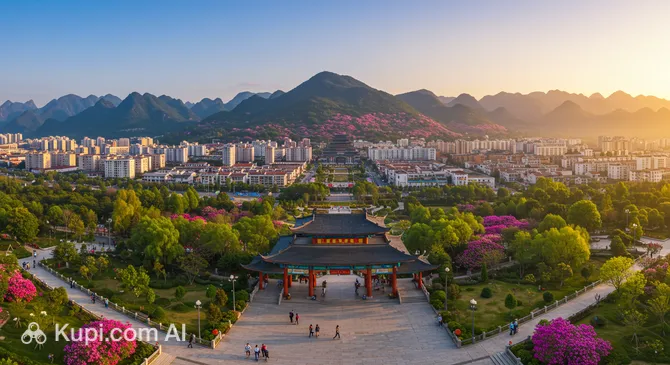
Bijie is a captivating destination nestled in the majestic mountains of northwestern Guizhou province. Known for its breathtaking karst landscapes and rich ethnic culture, this city offers a serene escape for travelers exploring the diverse natural beauty of China. It serves as a vital gateway connecting the provinces of Guizhou, Yunnan, and Sichuan, making it a unique cultural crossroads.

Bijie. Source: Kupi.Binoculars

With a population of nearly 7 million, Bijie is a significant regional hub, yet it maintains a refreshing atmosphere thanks to its subtropical highland climate. The weather is generally mild, with cool summers that provide a welcome respite from the heat found elsewhere in the region. Delving into the history of Bijie reveals a vibrant tapestry of local traditions and a deep connection to the land, influenced by the various ethnic groups that call this area home.

The city is renowned for its spectacular natural attractions. The Zhijin Cave is a must-see, often hailed as one of the most magnificent underground caverns in the world, featuring immense stalactites and stone formations. In the spring, the Baili Azalea Forest Park transforms the hills into a stunning sea of colorful blossoms, creating a photographer's paradise. For those seeking tranquility, Caohai Lake offers a pristine wetland environment that is perfect for birdwatching, particularly for spotting the rare black-necked crane. Bijie invites nature lovers and adventurers alike to discover its hidden wonders.

Weather Overview

Bijie generally experiences a mild climate with distinct seasonal variations, making it a pleasant destination for much of the year. To get a comprehensive forecast for your specific travel dates, it is helpful to consult the detailed guide on weather in Bijie. Summers are comfortably warm rather than scorching, with July averages peaking around 22.1°C, while winters can be quite chilly, with January temperatures dropping to an average of 3.2°C and occasionally dipping towards freezing.

The region is characterized by frequent moisture, so carrying an umbrella or raincoat is highly recommended regardless of when you visit. Expect a pattern of consistent dampness, as the city records a high number of wet days throughout the year—often between 18 and 24 days per month—though the precipitation frequently falls as light rain or mist rather than heavy downpours.

Interesting Facts

Beyond the main attractions, Bijie holds fascinating secrets and geographical distinctions that set it apart from other destinations in the region. Here are some intriguing facts about this highland city:
  • The Roof of Guizhou: Bijie is home to the highest point in the entire province, located at Tubufeng on Little Jiucaiping Mountain. Rising approximately 2,900 meters above sea level, this peak is famous not just for its height but for the vast fields of wild purple chives that bloom in late summer, turning the mountaintop into a vibrant sea of purple.

  • A Border of Three Realms: There is a specific spot in the city's jurisdiction known as the "Cock Crowing for Three Provinces." At this unique geographical intersection, the borders of Guizhou, Yunnan, and Sichuan meet, meaning a rooster's crow from this village can theoretically be heard by residents in all three provinces simultaneously.

  • The Millennium-Old Azalea: Within the world-famous Baili Azalea Forest, visitors can find the "Azalea King," a massive tree believed to be over 1,200 years old. What makes this ancient specimen truly remarkable is its ability to produce flowers of several different colors on a single tree, a rare botanical phenomenon.

  • A Crystalline Treasure: The Zhijin Cave contains a rare geological formation known as the "Silver Rain Tree." Standing 17 meters tall, this transparent, flower-like column is not a typical stalactite but a rare crystalline deposit that geologists consider a national treasure of China.

How to Get There

Reaching this scenic destination in the Guizhou mountains is becoming increasingly accessible for travelers. For a complete overview of travel options and routes, you can read more about how to get to Bijie in our dedicated guide.

The most convenient way to arrive is by flying directly into Bijie Airport (BFJ). This regional hub is located very close to the city center, just 0.4 km away, placing you virtually at your destination upon arrival. While it is a smaller facility with an annual passenger traffic of around 390,000, it offers the distinct advantage of landing right in Bijie without the need for long overland transfers.

Alternatively, travelers can fly into Zunyi (Maotai) (WMT). Located in the city of Zunyi, approximately 116 km away from Bijie, this airport handles significantly more traffic, serving over 1.6 million passengers annually. It may offer more flight connections depending on your origin, though a transfer by road is required to reach the city.

For clarity, here is a summary of the main airports:

Airport Name City Passenger Traffic Km from City
Zunyi (Maotai)ZunyiMedium116.6
Zhaotong AirportZhaotongSmall153.5
Bijie AirportBijieSmall0.4
Weining Caohai AirportBiandanshanSmall107.3
Anshun Huangguoshu AirportAnshunSmall128.2

For those preferring rail travel, please note that the closest major railway hubs listed are located in neighboring cities, requiring a subsequent road transfer. You can arrive at the Guiyang Railway Station (IATA: EMJ) in the city of Guiyang, which is about 160.8 km from Bijie. As a major station serving around 7 million passengers, it offers extensive connections.

Another option is the Chongqing West Railway Station (IATA: CKJ) in Chongqing. Although it is further away at approximately 274.4 km, it is a massive transport hub with very high passenger volume. Travelers arriving here should be prepared for a longer transfer to reach Bijie.

Below is a list of the nearest railway stations:

Station City Passenger Traffic Km to Center
Chongqing West Railway StationChongqingHigh274.4
Guiyang Railway StationGuiyangHigh160.8
Neijiang North Railway StationNeijiangMedium255.1
Duyun Railway StationDuyunMedium249.0
Shapingba Railway StationChongqing-268.1

Main Attractions

Zhijin Cave is widely considered one of the most magnificent underground spectacles in the world, often referred to as the "King of Caves." This massive karst cavern extends for over 12 kilometers and houses an incredible array of stalactites, stalagmites, and stone curtains. Visitors are often struck by the sheer scale of the chambers, particularly the vast "Reception Hall," and the delicate beauty of the "Silver Rain Tree," a rare crystalline formation that resembles a flowering plant. It is a fascinating destination for geology enthusiasts and anyone looking to explore the hidden depths of China.

Baili Azalea Forest Park offers a stunning natural display that justifies its reputation as the "largest natural garden in the world." Spanning over 125 square kilometers, this primal forest bursts into a riot of color every spring, typically from late March to May. What makes it truly unique is the phenomenon of a single tree bearing flowers of several different colors. Walking through these "Hundred Miles of Azaleas" provides not only a visual feast for photographers but also a chance to experience the vibrant local culture of the Yi and Miao ethnic groups who hold festivals during the blooming season.

Caohai Lake, known as the "Sea of Grass," is a pristine high-altitude freshwater lake located in Weining County. It is a globally significant wetland that serves as a crucial wintering habitat for migratory birds, most notably the rare and endangered black-necked crane. From November to March, birdwatchers flock here to observe these graceful creatures dancing amidst the reeds. The lake's tranquil waters and the surrounding wetlands offer a peaceful retreat for nature lovers seeking a break from the bustle of city life.

Jiucaiping, specifically the "Little Jiucaiping" peak, is known as the "Roof of Guizhou" and offers breathtaking panoramic views. In late summer and early autumn, the mountain transforms into a sea of purple as the wild chives (jiucai) bloom across the slopes. This natural carpet of flowers creates a romantic and surreal landscape that is perfect for hiking and landscape photography, allowing visitors to stand atop the province's highest point surrounded by vibrant color.

Local Cuisine

The local cuisine of Bijie is a vibrant reflection of Guizhou's renowned flavor profile, characterized by its bold use of spiciness and sourness, yet it distinguishes itself with unique ingredients native to the high-altitude region. Food here is not just sustenance but a celebration of ethnic diversity, with heavy influences from the Yi and Miao traditions. Visitors should prepare their palates for robust flavors, where chili peppers are a staple and fermentation plays a key role in creating deep, savory tastes.

One of the most famous delicacies you must try is Dafang Hand-shredded Tofu (Shousi Doufu). Unlike the soft tofu found elsewhere, this local variety is firm and typically grilled over charcoal until golden and bubbling. It is served with a dry dipping dish of crushed chili, Sichuan pepper, and salt, making it a beloved street food snack. Another culinary gem is Weining Ham, considered one of the top three hams in China. Cured in the cool mountain air, it has a rich, savory depth and is often stir-fried with green peppers or steamed to highlight its natural flavor.

For a comforting meal, look for Bijie Tangyuan. While these glutinous rice balls are common across the country, the Bijie version is celebrated for its delicate, thin skin and generous fillings, which can range from sweet sesame and peanut to savory pork. Noodle lovers should sample the local Buckwheat Noodles, particularly those from Weining. Due to the region's climate, buckwheat grows abundantly here, resulting in noodles that are nutty, nutritious, and often served in a spicy and sour broth that warms you up instantly.

When it comes to beverages, Tartary Buckwheat Tea is the signature non-alcoholic drink of the region. Roasted grains of buckwheat are steeped to produce a golden, aromatic tea that is believed to be healthy and refreshing. On the stronger side, locally brewed corn or rice wine is a staple at social gatherings, especially during ethnic festivals. These homemade spirits are potent and are traditionally offered as a gesture of warm hospitality to guests.

The food culture in Bijie is communal and unpretentious. While there are standard restaurants, the true heart of the city's dining scene lies in its night markets and street stalls. Here, locals gather around low tables to enjoy "hotpot" style dining or charcoal barbecues. A defining feature of eating here is the zanshui—a customized dipping sauce bowl that every diner mixes themselves, usually consisting of chili, scallions, soy sauce, and vinegar, allowing you to adjust the spice level to your own liking.

Travel Tips

Visiting Bijie offers a unique opportunity to explore the "Roof of Guizhou," but the region's distinct climate and mountainous terrain require a bit of preparation. To help you navigate this fascinating city and its surrounding natural wonders with ease, we have compiled a set of essential practical tips for your journey.

  1. Clothing and Gear: Due to Bijie's subtropical highland climate, the weather is often cooler than in other parts of the province. Even in summer, evenings can be chilly, so dressing in layers is the best strategy. Since the region experiences frequent moisture and mist, packing a sturdy umbrella or a high-quality raincoat is non-negotiable. If you plan to explore the Zhijin Cave or hike in the Baili Azalea Forest, bring durable, non-slip walking shoes, as the paths can be damp and uneven.

  2. Transportation: The city center is relatively compact, and taxis are an affordable and convenient way to get around. Ride-hailing apps like Didi are widely used and can be easier for foreigners as they overcome the language barrier. While public buses are available, navigating the routes without reading Chinese can be challenging. For visiting distant attractions like Caohai Lake or the caves, it is often best to hire a private driver or join a local tour, as public transport to these specific scenic spots can be infrequent.

  3. Finances: The official currency is the Renminbi (CNY). While mobile payments via Alipay and WeChat Pay are dominant everywhere—from shopping malls to street food stalls—it is wise to carry some cash, especially smaller denominations. International credit cards are rarely accepted outside of major hotels. ATMs are available in the city center, but it is safer to withdraw sufficient cash before heading into more rural areas or scenic parks.

  4. Health and Safety: Bijie is generally a very safe city for tourists. Pharmacies are easily engaging and can be identified by a green cross symbol, though prescription medication should be brought from home. While the city itself is not at an extreme altitude, some surrounding peaks are high; drink plenty of water and pace yourself if you plan on strenuous hiking. Always drink bottled water rather than tap water.

  5. Communication: English is not widely spoken in Bijie, particularly by taxi drivers and shop owners. It is essential to download an offline translation app on your phone before you arrive. Having your destination names written in Chinese characters (Hanzi) to show drivers is a lifesaver. Purchasing a local SIM card is recommended for internet access, which is vital for navigation and translation tools.

  6. Local Etiquette: The region is home to many ethnic minorities, including the Yi and Miao people. When visiting ethnic villages or attending festivals, always ask for permission before taking close-up photos of locals in traditional dress. In dining situations, it is polite to wait for the host or the eldest person to start eating. If you are offered a toast of local rice wine, accepting it—even just a sip—is considered a gesture of respect and friendship.

  7. What to Avoid: Avoid underestimating the spiciness of the local food. Guizhou cuisine is famous for its sour and spicy kick; if you cannot handle heat, explicitly ask for "bu la" (no spice) or "wei la" (mild), though even "mild" might be strong for some. Additionally, avoid discussing sensitive political topics or criticizing local customs, as this is considered rude.

  8. Seasonal Tip: If you are planning to see the famous Baili Azalea Forest in full bloom (typically March to May), be aware that this is the peak tourist season. Accommodation and transport can book up weeks in advance, so it is highly recommended to secure your reservations early rather than relying on last-minute availability.

By keeping these practical tips in mind, you will be well-equipped to enjoy the stunning karst landscapes and warm hospitality that Bijie has to offer. A little preparation goes a long way in ensuring your adventure in this mountainous gem is both comfortable and unforgettable.

Entertainment & Nightlife

Entertainment in Bijie offers a distinct shift from the high-energy pulse of the coastal metropolises of China. Here, the nightlife is less about thumping basslines and exclusivity, and more about communal relaxation, vibrant street life, and the enjoyment of local flavors. The evening atmosphere is welcoming and casual, reflecting the city's laid-back mountain culture where locals gather to unwind after the sun sets behind the karst peaks.

The heart of the city's evening activity is concentrated in the Qixingguan District. As twilight falls, the area around Renmin Park (People's Park) comes alive. This district serves as a central hub for entertainment, integrating cinemas, bookstores, and trendy tea shops. It is a fantastic place to observe local life, where families stroll, young people gather for milk tea, and the city's lights reflect against the surrounding hills. The vibe here is energetic yet safe, making it perfect for a leisurely night walk.

For those seeking a more bustling commercial atmosphere, the central shopping districts offer a mix of late-night retail and dining. These pedestrian-friendly zones are a "shopper's paradise" where you can find everything from local souvenirs to modern fashion. In the evenings, the restaurants here fill up with diners enjoying hotpot and grilled fish. The dress code throughout the city is very relaxed; smart-casual or comfortable travel wear is entirely appropriate for almost any venue you visit.

A true Bijie night is incomplete without exploring the culinary side of nightlife. The city is dotted with lively night markets and food streets where the air is thick with the scent of charcoal and spices. You can find open-air barbecue stands serving "Shao Kao" (Chinese BBQ) and the famous local hand-shredded tofu. Sitting on low stools, sharing skewers and local beer with friends is the quintessential nightlife experience here. Prices are generally very affordable, with a hearty meal costing significantly less than in larger cities.

While the city is generally safe for night walks, it is always wise to stay in well-lit, populated areas like the main pedestrian streets. Taxis are plentiful and inexpensive at night, often costing just a starting fee for short trips within the city center. Ride-hailing apps are also a reliable way to get back to your hotel if you venture further out. Most venues close around midnight, though some karaoke (KTV) bars and barbecue stalls may stay open later.

During the day, entertainment options lean towards cultural and recreational activities. The Bijie Museum is an excellent spot to spend an afternoon learning about the region's history and ethnic diversity. For a breath of fresh air within the city limits, Bishan Park offers a lovely green space with monuments and walking paths, providing a peaceful contrast to the evening's lively markets.

Parks & Museums

Bijie offers a harmonious blend of lush urban greenery and profound historical depth, providing visitors with ample opportunities to explore both nature and culture. While the region is famous for its massive natural wonders, the city itself and its immediate surroundings are dotted with serene parks and insightful museums that narrate the rich heritage of the Yi and Miao ethnic groups alongside the area's geological evolution.

Bishan Park is the most prominent green space within the city center, acting as a daily retreat for locals and a scenic viewpoint for visitors. Located on a hill, the park features a series of stone steps leading up to traditional pavilions and shaded walkways. It is an excellent spot for a morning hike, where you can observe residents practicing Tai Chi or playing traditional instruments. Reaching the summit rewards you with a panoramic view of the sprawling cityscape set against the backdrop of distant karst mountains.

For a more immersive nature experience near the urban area, Gonglongping National Forest Park is a fantastic choice. Known as a "natural oxygen bar," this park features dense forests, peculiar sandstone formations, and tranquil streams. It is less crowded than the major tourist sites, offering a peaceful environment for hiking and picnicking. The park is particularly refreshing in the summer, providing a cool escape with its shaded trails and rich biodiversity.

The Bijie Museum serves as the primary custodian of the region's history and is an essential stop for culture enthusiasts. The museum houses a diverse collection of artifacts ranging from prehistoric fossils found in local caves to exquisite bronze ware and pottery. A significant portion of the exhibition is dedicated to the colorful costumes, musical instruments, and customs of the local ethnic minorities, providing context to the diverse cultural tapestry you see on the streets.

Another cultural gem is the Datun Tusi Manor, which functions as a living museum of the Tusi (chieftain) system that once governed this region. This well-preserved architectural complex dates back to the Qing Dynasty and showcases the unique building style of the Yi people, blending military defense features with residential elegance. Walking through its courtyards and halls offers a vivid glimpse into the lives of the powerful chieftain families who historically ruled the area.

In terms of historical landmarks, the Tomb of Madame Shexiang is a site of great significance. Madame Shexiang was a legendary female politician of the Yi people during the Ming Dynasty, celebrated for promoting national unity and constructing infrastructure. The site includes a museum and a memorial hall surrounded by peaceful gardens, honoring her contributions to the development of Guizhou.

For a truly authentic experience, try visiting Renmin Park (People's Park) in the early evening. Unlike the more rugged Bishan Park, this is a flat, leisure-oriented space where the city's social life comes alive. It is the perfect place to witness "square dancing" (guangchang wu), where dozens of locals dance in unison to upbeat music—a quintessential slice of modern life in China that welcomes spectators and even participants.

Getting Around

Public transport in Bijie is primarily reliant on an extensive network of buses, as the city does not currently operate a metro or light rail system. The bus network serves as the backbone of urban mobility, connecting the central districts with key locations such as the railway station, the airport, and major residential areas. For tourists, the bus system is a cost-effective way to navigate the city, with routes that cover most major attractions and commercial zones within the urban center.

The buses are generally modern and air-conditioned, providing a comfortable ride even during the warmer months. Most routes operate from early morning, typically around 6:30 AM, until approximately 9:30 PM or 10:00 PM. However, it is important to check specific schedules at bus stops, as times can vary depending on the line. Route information is displayed in Chinese characters, so having a translation app or a map with your destination written in the local language is highly recommended for navigation.

When it comes to payment, the system is designed for efficiency. The standard fare for most bus lines within the city is very affordable, usually a flat rate of 2 RMB per ride, regardless of distance. You can pay using cash by dropping the exact amount into the fare box upon entry; note that drivers do not carry change, so preparing coins or small notes in advance is essential. Alternatively, mobile payments via Alipay or WeChat Pay are widely accepted. You simply scan the QR code located near the entrance of the bus using the "Transport" or "Ride Code" feature within these apps.

For those seeking a more direct and private mode of transport, taxis are abundant and relatively inexpensive compared to many Western cities. You can easily flag them down on the street; a lit sign on the roof indicates availability. Taxis are required to use a meter, and it is advisable to ensure the driver turns it on at the start of your journey. If you prefer digital convenience, ride-hailing apps like Didi Chuxing are extremely popular and often easier for travelers, as they allow you to input your destination in English (in the app's international version) and pay automatically, eliminating language barriers and currency handling.

Another convenient option for short trips is the shared bicycle system. You will find bicycles docked on sidewalks throughout the city, operated by major platforms like HelloBike or Meituan. To use them, you need to scan the QR code on the bike using the respective app or through Alipay/WeChat. This is an excellent way to explore the city at a leisurely pace or to cover the "last mile" from a bus stop to your final destination, provided you are comfortable cycling in urban traffic.

Travelers should be aware that during peak hours—typically from 7:30 AM to 9:00 AM and 5:00 PM to 7:00 PM—traffic congestion can be significant, and buses may be crowded. If you have a train or flight to catch during these times, it is wise to leave early or opt for a taxi to ensure punctuality. While the lack of a subway might seem limiting, the combination of frequent buses, affordable taxis, and walkable districts makes getting around Bijie quite manageable for visitors.

Accommodation

Bijie offers a growing variety of accommodation options that cater to different travel styles, though the hospitality scene is primarily focused on functional and comfortable stays rather than ultra-luxury experiences. Visitors can expect to find a solid selection of mid-range business hotels, budget-friendly inns, and an increasing number of boutique guesthouses, particularly in the areas surrounding major scenic spots.

For most travelers, the most convenient area to stay is the Qixingguan District, which serves as the city center. Staying here offers easy access to transportation hubs, night markets, and dining options, making it a practical base for day trips to surrounding attractions. Alternatively, if your primary goal is to explore specific natural wonders like the Zhijin Cave or the Baili Azalea Forest, you might consider staying in the respective counties of Zhijin or Dafang. Accommodation in these areas often consists of smaller, locally-run hotels or "nongjiale" (rural guesthouses) that offer a more authentic, albeit simpler, experience close to nature.

The cost of accommodation in Bijie is generally very reasonable compared to major metropolises in China. Budget travelers can find clean and basic rooms for very low rates, while mid-range hotels offering modern amenities like air conditioning and breakfast are also quite affordable. Luxury options are limited but present, typically in the form of high-end local hotels or a few international chains in the city center.

When planning your trip, it is highly recommended to book your accommodation in advance, especially if you are visiting during the peak blooming season of the Baili Azalea Forest (typically March to May). During this time, hotels in the vicinity can fill up weeks ahead of time. For international travelers, using major online booking platforms is the most reliable method to secure a room, as these sites often indicate whether a hotel is authorized to host foreign guests.

Nearby Cities

For those looking to explore the surroundings, Bijie serves as an excellent base for day trips to several interesting nearby locations:

City Population Distance (km)
Guiyang3,299,724150
Anshun2,353,100132
Qianxi695,94779
Qingzhen467,992142
Yingzhong334,97731

Anshun is a premier destination for nature enthusiasts, located roughly 132 kilometers from Bijie. It is world-famous for being the home of the Huangguoshu Waterfall, one of the largest waterfalls in Asia and a spectacular sight that draws visitors from across the globe. Beyond the falls, the city offers the fascinating Dragon Palace Cave and a glimpse into the unique Tunpu culture, which preserves the traditions of Ming Dynasty soldiers who settled in the region centuries ago.

Guiyang, the provincial capital, is a vibrant metropolis that blends modern urban life with lush greenery. Known as the "Forest City," it features attractions like Qianling Mountain Park, where wild macaques roam freely, and the iconic Jiaxiu Pavilion perched on the Nanming River. It is also a culinary hotspot where travelers can dive into the spicy and sour flavors of Guizhou cuisine, making it well worth the journey for food lovers.

Qianxi offers a closer retreat for those who prefer a shorter travel time. Situated just 79 kilometers away, it is often visited for its beautiful water landscapes, particularly along the Wujiang River. The area is known for the Baili Gallery, a scenic stretch of river that resembles a traditional Chinese ink painting, providing a peaceful atmosphere for boat tours and photography.

These nearby destinations offer a glimpse into the diverse culture and landscapes of the region.

Shopping & Souvenirs

Shopping in Bijie is a delightful exploration of local culture rather than a hunt for international luxury brands. While the city possesses modern conveniences, the true treasures are found in its unique regional handicrafts and agricultural specialties. Visitors will discover that purchasing souvenirs here is an opportunity to connect with the rich heritage of the Yi and Miao ethnic groups and the bountiful produce of the Guizhou mountains.

The most celebrated local craft is undoubtedly Dafang Lacquerware. Originating from the nearby Dafang County, this art form boasts a history of over 600 years and is renowned throughout China. These lacquer pieces are characterized by their durability, exquisite decorative patterns, and artistic value. Items range from functional bowls and tea sets to elaborate vases and jewelry boxes, making them perfect, sophisticated gifts that carry a piece of local history.

For those interested in traditional Chinese medicine and wellness, Bijie is a significant production hub. The region is famous for Dafang Gastrodia Elata (locally known as Tianma), a prized herb believed to have various health benefits. You will find it sold in dried forms or as processed health products in specialty shops and pharmacies. Another agricultural gem is Weining Ham. While you may have tasted it in local restaurants, vacuum-packed portions are widely available for tourists to take home, allowing you to share its rich, savory flavor with friends and family.

The city's diverse ethnic tapestry is reflected in its artisanal goods. In local markets and specialty boutiques, look for Miao embroidery and batik (wax printing) textiles. These handcrafted items, often featuring intricate geometric patterns and nature motifs, appear on everything from clothing and bags to wall hangings. Silver jewelry, traditionally worn by the Miao people during festivals, is another popular purchase, known for its elaborate designs and craftsmanship.

When it comes to shopping venues, the Qixingguan District acts as the commercial heart of the city. The area features lively pedestrian streets lined with tea shops, clothing boutiques, and snack stalls, offering a vibrant atmosphere for window shopping. For a more contemporary experience, modern complexes like Wanda Plaza provide a one-stop destination with familiar fashion brands, supermarkets, and entertainment facilities, offering a comfortable environment for browsing.

Traveler's Tip: While prices in modern malls and supermarkets are fixed, bargaining is a common practice in street markets and independent souvenir shops. Engaging in friendly negotiation is often expected and can be a fun way to interact with local vendors. Most shops operate daily from around 10:00 AM to 9:30 PM, giving you ample time to explore after a day of sightseeing.

Reached the end of the page?

That means the route is fully explored