Support

Guiyang

About

Guiyang, the bustling capital of Guizhou province, is a hidden gem located in southwest China. Often referred to as the "Forest City," it is renowned for its lush vegetation, pleasant climate, and a seamless blend of modern urban development with breathtaking natural beauty. Unlike many other sweltering metropolises, Guiyang offers a refreshing escape with its abundant parks, clean air, and scenic surroundings.

Geographically, the city sits on the eastern side of the Yunnan-Guizhou Plateau, which grants it a mild and moist climate year-round. It is particularly famous for its cool summers, making it a popular summer resort destination for travelers seeking relief from the heat. With a population of over 3 million people, Guiyang serves as a major economic and commercial hub while maintaining a surprisingly relaxed and welcoming atmosphere.

The history of Guiyang dates back centuries, originally serving as an important military outpost. Today, it stands as a cultural melting pot, home to numerous ethnic minority groups such as the Miao and Bouyei. Their rich traditions, colorful festivals, and distinctive architecture add a unique vibrancy to the city's character, offering visitors a glimpse into the diverse heritage of the region.
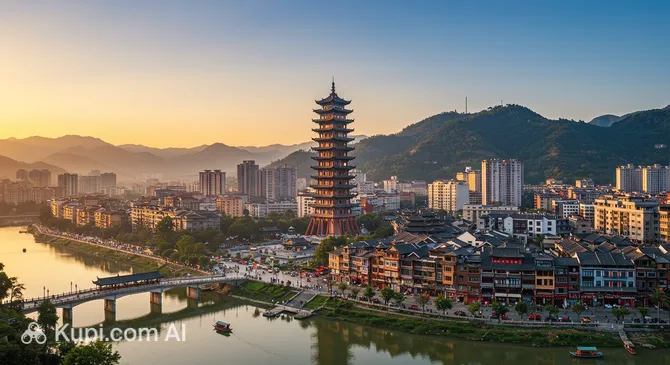
Guiyang. Source: Kupi.Binoculars

Travelers will find plenty to explore within the city limits. The iconic Jiaxiu Pavilion, a magnificent three-story structure built on a rock in the Nanming River during the Ming Dynasty, is a must-see landmark, especially when illuminated at night. For nature lovers, Qianling Mountain Park offers a sprawling urban oasis featuring ancient temples, a zoo, and playful wild macaques. The city is also a paradise for food enthusiasts, famous for its spicy and sour cuisine, particularly the mouthwatering sour fish soup.

Whether you are seeking cultural immersion, culinary adventures, or simply a respite in nature, Guiyang provides a memorable travel experience. It is a destination that invites you to slow down and appreciate the harmonious balance between vibrant city life and the great outdoors.

Weather Overview

Guiyang is famous for its mild and agreeable climate, often described as "spring-like" all year round. The city avoids extreme temperature fluctuations, making it a comfortable destination whenever you choose to visit. For a more detailed breakdown of seasonal conditions and forecasts, you can check the weather in Guiyang before packing your bags.

Summers are pleasantly warm rather than scorching, with average temperatures in July and August hovering around 23.7°C and highs rarely exceeding 28°C, making it an ideal summer retreat. Winters are generally cool and damp, with January being the coldest month, seeing average temperatures of about 4.9°C. Rainfall is a consistent feature of the local climate; regardless of the season, the number of wet days is high, ranging from 12 to 23 days per month. Travelers should expect frequent cloudy skies and occasional drizzle, so carrying an umbrella is always a good idea.

Interesting Facts

Beyond the well-known scenic spots and spicy cuisine, Guiyang holds several intriguing secrets that surprise many visitors. From modern technological marvels to architectural mysteries, the city offers more than meets the eye.
  • China's Big Data Valley: Thanks to its cool annual temperature and stable geological structure, Guiyang has become the surprising hub of China's big data industry. Tech giants like Apple, Tencent, and Huawei host massive data centers here because the natural climate significantly reduces the energy needed to cool their servers.

  • The Mysterious "White House": The city skyline is dominated by a colossal, European-style castle complex officially known as the Guiyang Art Centre, though locals simply call it the "White House." Despite its grandeur and prime location, it remains largely private and mysterious, fueling endless curiosity and urban legends among residents and tourists alike.

  • A Geographic Anomaly: An old folk saying describes the region's unique geography and weather as having "no three days without rain and no three acres without a mountain." This perfectly encapsulates Guiyang's character as a metropolis built directly amidst karst peaks, often shrouded in a photogenic, misty atmosphere.

How to Get There

Reaching this vibrant capital of Guizhou province is convenient thanks to its well-developed transport network. Whether you prefer flying or taking the train, there are several options available. For a complete overview of all travel methods, you can read more about how to get to Guiyang.

The primary gateway for air travelers is the Guiyang Longdongbao International Airport (KWE). It is a major international airport located directly in Guiyang, approximately 21 km from the city center. A taxi or shuttle bus ride from here typically takes around 50 minutes, making it the most direct and efficient entry point. Alternatively, you can fly into Anshun Huangguoshu Airport (AVA), which is situated in the city of Anshun. This airport is about 87 km away from Guiyang, and the journey by ground transport takes roughly 2.5 hours.

For clarity, here is a summary of the main airports serving the region:

Airport Name City Passenger Traffic Km from City
Guiyang Longdongbao International Airport Guiyang Very High 20.8
Zunyi (Maotai) Zunyi Medium 132.8
Zunyi Xinzhou Airport Zunyi Medium 110.7
Anshun Huangguoshu Airport Anshun Low 86.9
Kaili Huangping Kaili Low 139.0

Traveling by train is another excellent way to reach the city, offering scenic views of the surrounding karst landscapes. The most central hub is the Guiyang Railway Station (EMJ), located just 12 km from the heart of the city. It serves a large volume of passengers, and a taxi ride to the downtown area takes approximately 40 minutes. If you are arriving from the east, you might transit through the Duyun Railway Station (OCD) in the city of Duyun. However, it is situated about 99 km from Guiyang, requiring a subsequent transfer of around 3 hours by road.

Below is the information regarding the nearest railway stations:

Station City Passenger Traffic Km to Center
Guiyang Railway Station Guiyang High 11.9
Duyun Railway Station Duyun Medium 99.0

Main Attractions

While the city center offers its own charms, the surrounding area is home to Qingyan Ancient Town, one of the most celebrated historical sites in the province. Originally established as a military garrison in 1378 during the Ming Dynasty, this well-preserved settlement invites visitors to wander through its maze of stone-paved streets and admire the weathered architecture. It is particularly fascinating for its cultural diversity, featuring Buddhist and Taoist temples alongside Christian and Catholic churches. Food lovers also flock here to taste the town's signature dish, braised pig's trotters.

For a concentrated experience of the region's famous karst geography, Tianhetan Scenic Area is a must-visit destination located just a short drive from the city. Often referred to as a miniature version of Guizhou's natural landscape, it boasts an impressive array of waterfalls, deep pools, and dramatic limestone formations. A highlight for many tourists is the boat tour that takes you through mysterious water caves filled with stalactites, offering an adventurous yet accessible way to explore the earth's depths.

Travelers interested in the rich heritage of southwest China should not miss the Guizhou Provincial Museum. This modern facility provides a comprehensive look into the region's history, from prehistoric times to the present day. The museum is renowned for its colorful exhibits on the diverse ethnic minority groups of Guizhou, displaying intricate traditional costumes, silver jewelry, and festivals. Additionally, it houses a significant collection of paleontological fossils, including the famous Guizhou dragon, making it an educational stop for visitors of all ages.

Local Cuisine

The culinary landscape of Guiyang is a fiery and tangy adventure that perfectly defines the spirit of Guizhou cuisine. Distinct from the numbing spice of neighboring Sichuan, the local flavor profile is characterized by a unique combination of "sour and spicy." This appetite-whetting taste comes from the extensive use of fermented ingredients, pickled vegetables, and locally grown chilies, creating dishes that are vibrant, aromatic, and deeply satisfying.

One of the most iconic dishes you must try is Siwawa, often translated as "Silk Doll." These are small, vegetarian wraps that diners assemble themselves, offering a fun and interactive dining experience. You are served a stack of paper-thin rice pancakes surrounded by numerous small bowls of shredded vegetables like radishes, cucumbers, and kelp. The flavor explosion comes from the dipping sauce—a sour and spicy concoction often infused with zhe'ergen (fish mint), a distinctive local herb that adds a unique kick.

Another staple of the local diet is Changwang Noodles, a popular breakfast choice that might sound adventurous to some travelers. The name refers to its key ingredients: pig intestines (chang) and blood curd (wang). Served with chewy egg noodles in a savory, chili-oil-infused broth, it is a beloved comfort food known for its rich texture and complex taste. For a communal feast, Sour Soup Fish is ubiquitous in the city. The soup base is made from fermented tomatoes and rice water, resulting in a bright red, tangy broth that perfectly complements tender river fish cooked hot-pot style.

When it comes to beverages, Guizhou province is legendary as the home of Maotai (Moutai), China's most famous and prestigious brand of baijiu (sorghum liquor). While it is a potent spirit often reserved for special toasts and banquets, it is deeply ingrained in the region's heritage. For a non-alcoholic refreshing option, the region's high-altitude tea plantations produce excellent green teas, such as Duyun Maojian, which serve as a perfect palate cleanser after a spicy meal.

The true heart of Guiyang's food culture beats in its vibrant night markets and street stalls. Locals prefer to graze late into the night rather than sit for a single large dinner, a habit that makes the city's night markets, such as Erqi Road, incredibly lively. Here, you can sample street snacks like Love Tofu (roasted tofu stuffed with spices) and grilled skewers while soaking in the bustling atmosphere. It is a casual, social environment where the air is thick with the scent of chilies and the sound of sizzling woks.

Travel Tips

Visiting Guiyang is a delightful immersion into a city where urban life harmonizes with lush mountains, but a little preparation goes a long way in navigating its unique terrain and local customs. To help you make the most of your journey through the "Forest City," here are some essential practical tips to keep in mind.

  1. Clothing and Gear: Since Guiyang is known for its "spring-like" climate and frequent rain, layering is key. Even in summer, evenings can be cool, so bring a light jacket. An umbrella or raincoat is an absolute necessity year-round due to the unpredictable drizzle. Most importantly, pack sturdy, comfortable walking shoes; the city is built on hilly terrain with many stairs and slopes, making high heels or stiff footwear impractical for sightseeing.
  2. Transportation: The city has a rapidly expanding Metro system that connects major hubs like the railway station and airport, offering a traffic-free way to get around. For direct travel, ride-hailing apps (integrated into Alipay or WeChat) are often more convenient than hailing street taxis, as they overcome language barriers by allowing you to input destinations in English. Avoid renting a car unless you are familiar with Chinese traffic laws and mountain roads.
  3. Finances: While the currency is the Renminbi (CNY), physical cash is becoming increasingly rare in daily life. International credit cards are accepted at major hotels, but for local shops, restaurants, and transport, mobile payments via Alipay or WeChat Pay are the standard. It is highly recommended to link your foreign card to one of these apps before arrival. Keep a small amount of cash for emergencies, but do not rely on it exclusively.
  4. Health and Safety: Guiyang is generally very safe for tourists. However, never drink tap water; always opt for bottled or boiled water. Pharmacies are marked with a green cross, but English-speaking staff are rare, so have a translation app ready or a photo of the medicine you need. If you have a sensitive stomach, be cautious with street food, as the local cuisine is famous for being oily and spicy.
  5. Communication: English is not widely spoken outside of 5-star hotels and major tourist centers. A reliable translation app (like Baidu Translate or a voice translation tool) is indispensable for asking directions or ordering food. Buying a local SIM card upon arrival at the airport is recommended to ensure you have data access for maps and translation tools, as public Wi-Fi can be spotty and often requires a Chinese phone number to log in.
  6. Local Etiquette: Dining is often a communal affair in Guizhou. It is polite to wait for the host or the eldest person to start eating before you do. When using chopsticks, never stick them vertically into your rice bowl, as this resembles incense burning for the dead and is considered bad luck. A simple nod or a smile is a common and polite way to greet locals.
  7. What to Avoid: Avoid taking unlicensed taxis, often referred to as "black cars," especially outside train stations or the airport. They may overcharge or take longer routes. Stick to official taxi stands or use reputable ride-hailing apps to ensure a fair price and safety.
  8. Dining Tip: When locals say a dish is "not spicy" (bu la), it might still contain a fair amount of heat by Western standards. If you cannot handle spice, be very explicit and ask for "absolutely no chili," though in Guiyang, the chef might still add a little for flavor! Carrying a pack of tissues is also smart, as smaller local eateries often do not provide napkins.

By keeping these practicalities in mind, you will be well-equipped to navigate the winding streets and misty hills of Guiyang with confidence. Embrace the local pace of life, enjoy the fresh mountain air, and get ready for a truly authentic adventure in southwest China.

Entertainment & Nightlife

Guiyang transforms into a vibrant playground after sunset, fueled by a local culture that loves to socialize late into the night. The city's "night economy" is booming, offering a mix of neon-lit markets, craft beer sanctuaries, and energetic clubs. Unlike the rushed pace of some coastal metropolises, the nightlife here is relaxed yet lively, often centering around a table full of spicy snacks and good drinks.

For a quintessential Guiyang evening, head straight to Qingyun Market (Qingyun Bazaar). Recently renovated from a traditional street food strip into a trendy pedestrian zone, it is the beating heart of the city's nightlife. The atmosphere here is electric, often described as having a "cyberpunk" vibe due to the dazzling neon signs and retro decor. It is not just about food; you will find open-air bars, live music spots, and stalls selling creative handicrafts. It is the perfect place to start your night with local snacks before settling in for a drink.

If you prefer a more modern setting with river views, the Future Ark (Weilai Fangzhou) district is another major hub. Located along the Nanming River, this area is packed with stylish restaurants and bars that offer a scenic backdrop for evening entertainment. Similarly, the Huaguoyuan district is unmissable, primarily for the spectacular night view of the "White House" (Guiyang Art Centre). The plaza here is always crowded with locals dancing, filming videos, and enjoying the cool evening air, making it a safe and bustling area for a night walk.

Beer enthusiasts should not miss Trip Smith, Guiyang's pioneer in the craft beer scene. With locations in the city (including Future Ark), this local brewery has gained a stellar reputation for its high-quality IPAs and stouts, offering a sophisticated alternative to the standard light lagers found elsewhere. For those looking to dance, clubs like Soho Bar or Muse provide a classic high-energy nightclub experience with DJs and dance floors, typically peaking after 11:00 PM.

When planning your night out, keep in mind that things kick off late. Dinner often extends until 9:00 PM or later, and bars get busy around 10:00 PM. The dress code is generally casual; you will fit in perfectly in smart-casual attire. The city is very safe at night, even in the early hours, but it is always wise to stick to well-lit main roads. Taxis and ride-hailing apps (like Didi) are plentiful and affordable, making it easy to hop between districts without worrying about the last bus.

For daytime entertainment, the city offers plenty of excitement before the sun goes down. Guiyang Happy World is a massive anime-themed amusement park featuring thrill rides, including a four-ring roller coaster and a 108-meter tall Ferris wheel that offers panoramic views of the city. For a touch of culture, the Guizhou Grand Theatre hosts spectacular performances that showcase the region's ethnic minority songs and dances, providing a colorful contrast to the modern nightlife.

Parks & Museums

As a city famously dubbed the "Forest City," Guiyang lives up to its name with an impressive array of lush green belts, ecological reserves, and well-curated cultural spaces. The city seamlessly integrates nature into its urban fabric, offering visitors easy access to serene parks and educational museums that celebrate the region's unique geology and history.

Qianling Mountain Park is arguably the most beloved green space in the city, often cited as one of the most accessible urban mountain parks in the country. While known for its playful wild macaques, the park offers much more for the contemplative traveler. A hike to the summit reveals the historic Hongfu Temple, a significant Buddhist site dating back to the 17th century. Visitors can wander through peaceful courtyards, admire ancient calligraphy carved into the cliffs, and enjoy a panoramic view of the Guiyang skyline. The park also features the serene Qianling Lake, where locals enjoy boating and singing folk songs, creating a lively yet relaxing atmosphere.

For a deeper immersion in nature, the Huaxi National Urban Wetland Park is a standout destination located in the southern part of the city. This expansive ecological zone is centered around the Huaxi River and is renowned for its picturesque scenery, which includes rolling hills, clear waters, and traditional stone bridges. A highlight here is the "Stepping Stone Bridge," a classic feature often captured in photographs. It is an ideal spot for cycling or a leisurely long walk, allowing tourists to observe local flora and fauna in a protected, pristine environment.

Another excellent outdoor venue is Guanshanhu Park, which represents the modern, ecological face of Guiyang. Situated in the newer district, this park is massive and beautifully landscaped, featuring specialized gardens that bloom in different seasons, such as plum blossoms in late winter and peach blossoms in spring. It serves as the city's "green lung" and is a favorite among residents for jogging and family picnics, offering a quieter, more spacious alternative to the busier city center parks.

In terms of cultural institutions, the Guizhou Geological Museum is a fascinating stop that highlights the province's reputation as a "Kingdom of Paleontology." Guizhou is incredibly rich in fossils, and this museum showcases an extensive collection of prehistoric marine reptiles, crinoids, and the famous Guizhou dragon. The exhibits explain the geological evolution of the karst landscape that defines the region today. It is a captivating place for science enthusiasts and families, providing context to the dramatic stone forests and caves seen elsewhere in the province.

For history buffs interested in traditional architecture and philosophy, the Guiyang Confucian Temple (Guiyang Wen Miao) is a hidden cultural jewel. Originally built during the Yuan Dynasty and reconstructed over centuries, it stands as a testament to the region's educational history. The complex is known for its exquisite stone and wood carvings, particularly the dragon pillars, which are considered some of the finest examples of their kind in China. It offers a quiet retreat from the city noise and a chance to appreciate classical Chinese aesthetics.

For a truly authentic local experience, try visiting Hebin Park in the early morning. Located right along the Nanming River, it is less of a tourist attraction and more of a community living room. Here, you can witness the city waking up as elderly residents practice Tai Chi, whip tops, or dance in unison to traditional music. It is a perfect spot to observe the genuine, laid-back lifestyle of Guiyang's people before starting your day of sightseeing.

Getting Around

Navigating Guiyang is becoming increasingly convenient thanks to significant investments in modern infrastructure. The city's public transport network is designed to handle its unique hilly terrain and growing population, relying primarily on a rapidly expanding metro system and an efficient bus network. For visitors, the combination of these two modes usually covers all major tourist attractions, shopping districts, and transportation hubs.

The Guiyang Metro (Guiyang Urban Rail Transit) is the fastest and most comfortable way to get around. Currently, the network includes several active lines, with Line 1 and Line 2 being the most useful for tourists as they connect the city center with key locations like the Longdongbao International Airport and the high-speed railway stations. The stations are modern, clean, and equipped with bilingual signs in English and Chinese, making navigation straightforward for international travelers. Trains typically run from early morning, around 6:30 AM, until approximately 11:00 PM.

Complementing the subway is the city's extensive bus system, which includes a notable Bus Rapid Transit (BRT) network. The BRT is particularly effective in Guiyang; these buses run on dedicated elevated lanes or expressways, bypassing much of the regular street traffic. This makes them a reliable alternative to the metro for reaching areas not yet served by rail. Regular city buses also crisscross the entire metropolis, but they can be slower due to congestion during peak hours. Bus stops generally display route information in Chinese, so having a translation app or a map on your phone is highly recommended.

When it comes to paying for rides, digital payments are the standard. The vast majority of locals use QR codes generated within the Alipay or WeChat apps to scan at metro turnstiles and bus card readers. For tourists, activating the "Transport" feature in these apps is the easiest method. Physical travel cards, known as the Guiyang Tong, are available and offer slight discounts, but obtaining and refunding them can be a hassle for short-term visitors. If you prefer cash, you must have exact change (usually 2 RMB) for buses, while metro stations have ticket machines that accept cash to issue single-journey tokens.

For those seeking more direct transport, taxis and ride-hailing services are plentiful. Official metered taxis are easily recognizable and relatively inexpensive compared to Western standards. However, drivers rarely speak English, so having your destination written in Chinese is essential. Alternatively, ride-hailing apps like DiDi are extremely popular and often more convenient for foreigners, as the interface can be used in English and payment is handled automatically through the app, eliminating communication barriers regarding the fare.

While bike-sharing services are ubiquitous in many Chinese cities, Guiyang's mountainous topography means they are less common here than in flatter regions. However, you may still find shared electric bikes in certain districts, which can be a fun way to explore shorter distances. Walking is also a viable option within specific commercial areas, but be prepared for plenty of stairs and slopes due to the city's geography.

Accommodation

Finding the perfect place to stay in Guiyang is surprisingly easy, as the city offers a diverse spectrum of accommodation options to suit every budget and travel style. From backpacker-friendly hostels and efficient business hotels to opulent 5-star resorts, the "Forest City" is well-equipped to host its growing number of visitors. Compared to China's first-tier cities like Beijing or Shanghai, hotel prices here are generally more affordable, allowing travelers to enjoy higher-standard amenities for a reasonable cost.

For most tourists, the best area to stay is the City Center, specifically within the Nanming or Yunyan districts. Staying here places you in the heart of the action, within walking distance of major landmarks like the Jiaxiu Pavilion and the vibrant street food scene at Qingyun Market. This area is bustling, convenient, and packed with local character, making it ideal for those who want to immerse themselves in the city's energetic atmosphere.

Travelers seeking a more modern, quiet, and upscale experience might prefer the Guanshanhu District. As the city's new Central Business District (CBD), it features wider streets, greener surroundings, and a concentration of high-end international hotels. While it is further from the historical center (about a 30-40 minute drive), it is close to the Guizhou Provincial Museum and offers a more relaxed, polished environment.

In terms of specific properties, Guiyang hosts several renowned international brands that ensure a comfortable stay. Visitors looking for luxury often choose hotels like the Kempinski Hotel Guiyang or the Sofitel Guiyang Hunter, both of which are famous for their central locations and high-altitude views of the city skyline. For a resort-style experience closer to nature, the Hyatt Regency in the Guanshanhu district is a popular choice. On the budget side, the city is dotted with reliable chains and clean youth hostels, particularly near Qianling Mountain Park.

Booking Tip: Guiyang is a top destination for domestic tourists escaping the summer heat, so July and August are considered peak season. It is highly recommended to book your accommodation at least a few weeks in advance during these months, as well as during major Chinese holidays like the National Day "Golden Week" in October.

Booking platforms are widely accessible, with major international sites like Trip.com or Booking.com serving foreign travelers well. Most hotels accept international credit cards, but smaller guesthouses may prefer mobile payments via Alipay or WeChat. Whether you choose a high-rise room with a view of the Nanming River or a cozy inn tucked away in a quiet alley, you will find warm hospitality awaiting you.

Nearby Cities

For those looking to explore the surroundings, Guiyang serves as an excellent base for day trips to several interesting nearby locations:

One of the most popular excursions is to Anshun, located just west of Guiyang. It is world-renowned as the home of the majestic Huangguoshu Waterfall, one of the largest waterfalls in Asia. Beyond this natural wonder, Anshun offers the Dragon Palace Cave, a magnificent underground water cave system. The city is also a gateway to exploring the unique Tunpu culture, preserved by descendants of Ming Dynasty soldiers who settled in the region centuries ago.

For a quick and relaxing getaway, Qingzhen is an ideal choice situated extremely close to the city center. It is best known for Hongfeng Lake (Red Maple Lake), a sprawling man-made reservoir dotted with numerous islets. In autumn, the maple trees along the shore turn a vibrant red, creating a stunning reflection on the water. It is a favorite spot for locals to enjoy boat rides, picnics, and fresh air without venturing too far.

Heading north, travelers can visit Zunyi, a city of great historical importance in modern Chinese history. Apart from its famous historical museums, the region is celebrated for its lush bamboo forests and scenic natural landscapes. It is also the gateway to the town of Maotai, the birthplace of China's most prestigious liquor, making it a culturally rich destination for a deeper dive into Guizhou's heritage.

City Population Distance (km)
Zunyi 6,606,675 123
Anshun 2,353,100 81
Qianxi 695,947 72
Duyun 493,574 98
Qingzhen 467,992 19

These nearby destinations offer a glimpse into the diverse culture and landscapes of the region.

Shopping & Souvenirs

Shopping in Guiyang offers a fascinating mix of modern retail experiences and traditional ethnic charm. As the commercial hub of Guizhou province, the city caters to all tastes, ranging from high-end luxury brands in gleaming skyscrapers to bustling street markets filled with local handicrafts. Visitors will find that the city is not just a place to buy international goods but also the perfect destination to discover the unique cultural heritage of southwest China through its artisan products.

For a concentrated shopping experience, the area around Zhonghua Road (Zhonghua Lu) serves as the city's primary commercial artery. Stretching through the downtown district, this vibrant street is lined with department stores, boutique shops, and sportswear outlets. It is a lively place to walk, especially in the evening when the neon lights are bright and the sidewalks are crowded with locals. Another key area is Yan'an Road, which intersects with the city center and offers a variety of mid-range shops and electronic markets.

Travelers looking for a comprehensive, modern retail environment should head to the city's major shopping malls. Hunter City Shopping Center is one of the most popular upscale destinations, offering a wide selection of international fashion brands, a cinema, and diverse dining options. It is conveniently located near the Hunter Plaza skyscraper. Another massive complex is the Huaguoyuan Shopping Center (often referred to as "The Garland"), situated near the famous "White House." This mall is a landmark in itself, featuring stunning architecture and a vast array of entertainment and retail facilities that can easily occupy an entire afternoon.

To experience the local atmosphere, exploring the city's markets is a must. The Yangming Flower and Bird Market offers a glimpse into the leisurely lifestyle of Guiyang's residents. While you might not buy a bird, the market sells antiques, calligraphy tools, and curious knick-knacks that make for interesting browsing. For a more energetic vibe, the night markets, such as those on Qingyun Road, are primarily focused on food but often feature stalls selling small accessories, toys, and local crafts, providing a fun environment to hunt for inexpensive trinkets.

When it comes to souvenirs, Guiyang is the best place to purchase authentic Guizhou specialties. Miao Silver jewelry is a top choice; these intricate, hand-forged pieces are culturally significant and visually stunning. Batik and embroidery fabrics, created by the Bouyei and Miao ethnic groups, are also highly prized for their indigo patterns and craftsmanship. Food items are equally popular, particularly Duyun Maojian Tea, one of the country's top green teas, and the famous Laoganma chili sauce, which originated in Guizhou. Additionally, bottles of Maotai liquor are a prestigious, albeit expensive, gift option.

Most shops and malls in Guiyang operate from approximately 10:00 AM to 10:00 PM daily. While large shopping centers and supermarkets accept major credit cards (UnionPay is standard, Visa/Mastercard less so), the most convenient way to pay is undoubtedly via mobile apps like Alipay or WeChat Pay. Cash is accepted but is becoming less common for small transactions.

Tax-free shopping is available for international tourists at select large department stores and designated retailers in Guiyang. If you spend over a certain amount (usually 500 CNY) in one day at a participating store, you may be eligible for a VAT refund. Look for the "Tax Free" signage at the entrance or service desk, and ensure you have your passport handy to process the necessary forms before leaving the country.

Reached the end of the page?

That means the route is fully explored