Support

Duyun

About

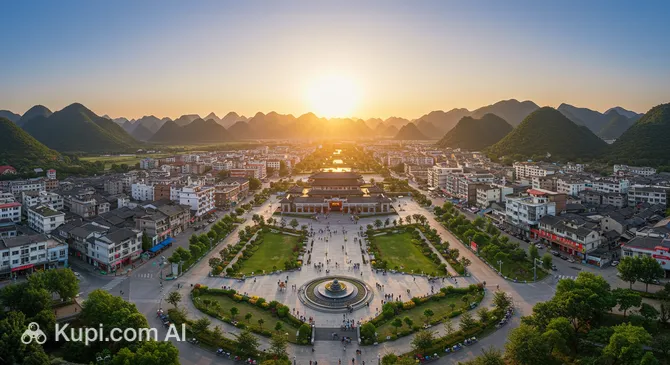
Welcome to Duyun, a captivating city that serves as the administrative center of the Qiannan Buyei and Miao Autonomous Prefecture in Guizhou Province. Known for its lush landscapes and vibrant ethnic culture, this city offers a unique glimpse into the diverse heritage of southern China. With a population of approximately 490,000 residents, Duyun maintains a welcoming atmosphere that balances modern development with traditional charm.

Duyun. Source: Kupi.Binoculars

The city is geographically defined by the winding Jian River, which is spanned by numerous architectural marvels, earning Duyun the nickname "The City of Bridges." The local climate is pleasantly mild, influenced by the subtropical monsoon zone, making it a comfortable destination year-round. Visitors delving into the history of Duyun will discover a legacy deeply intertwined with the region's ethnic tapestry and ancient trade routes.

One of the city's most celebrated treasures is the exquisite Duyun Maojian tea, a green tea that has won international acclaim and is a source of great local pride. Beyond its culinary delights, the city boasts scenic attractions such as the historic Wenfeng Pagoda and the majestic Doupeng Mountain located nearby. Whether you are exploring the riverside promenades or immersing yourself in the traditions of the Buyei and Miao people, Duyun invites you to experience its serene beauty and warm hospitality.

Weather Overview

Duyun experiences a mild, subtropical climate influenced by monsoons, ensuring that the city remains lush and green year-round. The weather is generally temperate, avoiding the extremes of scorching heat in the summer or bitter cold in the winter. For travelers who want to plan their activities with precision, checking the detailed weather in Duyun is highly recommended.

Winters, spanning from December to February, are cool but rarely freezing. Average temperatures typically range from 5.0°C to 6.8°C, with lows seldom dipping below 2°C. Despite the cooler air, the season is quite damp, with January and February seeing around 17 wet days each, though the total rainfall volume remains relatively low.

Summer brings warmer days and the peak of the rainy season. From June to August, average temperatures sit comfortably around 24°C, with maximum highs reaching approximately 28°C. This period is characterized by frequent precipitation; June alone can have up to 24 wet days. Travelers should expect warm summers with frequent rain and cool, damp winters, making an umbrella or raincoat an essential item for any packing list.

Interesting Facts

Beyond the main attractions, Duyun holds many fascinating secrets that surprise even seasoned travelers. From pop-culture fame to imperial-level tea history, the city offers unique stories waiting to be discovered.
  • A Fantasy Drama Hub: The city is a major filming location for historical dramas, most notably the global phenomenon The Untamed (Chen Qing Ling). The massive Qin Han Movie and TV City and the surrounding natural waterfalls served as the real-life backdrop for the magical "Cloud Recesses," making Duyun a pilgrimage site for fans from around the world.

  • The Bridge Museum: Duyun is affectionately known as the "Museum of Bridges" due to the extraordinary density of crossings over the Jian River. In just a short stretch of the river, visitors can admire over 100 bridges ranging from ancient stone structures and traditional ethnic "Wind and Rain" bridges to contemporary architectural marvels.

  • A Tea Named by Mao: The local Maojian tea is one of the top ten famous teas in China and holds a special place in modern history. It was reportedly named "Duyun Maojian" by Chairman Mao Zedong himself in 1956 after he tasted it. Furthermore, this tea shares a prestigious honor with Maotai liquor, having won a Gold Medal at the 1915 Panama-Pacific International Exposition.

How to Get There

Reaching this scenic part of Guizhou Province is relatively straightforward, thanks to the region's developing infrastructure. Visitors can choose between flying into neighboring transport hubs or taking a scenic train ride directly into the city. For a complete guide on logistics and routes, you can read more about how to get to Duyun on our detailed transportation page.

The city of Duyun does not have its own airport, so most air travelers arrive via Guiyang Longdongbao International Airport (KWE) in the provincial capital, Guiyang. Located approximately 78 km from Duyun, this large international hub offers extensive connections. The journey from the airport to Duyun by taxi or shuttle bus typically takes around 2 hours and 20 minutes. Alternatively, for those looking for regional connections, Kaili Huangping (KJH) is another option. Situated in the city of Kaili, about 91.5 km away, it is a smaller airport, and the transfer by road generally takes roughly 2.5 hours.

For clarity, here is a summary of the main airports serving the region:

Airport Name City Passenger Traffic Km from City
Guiyang Longdongbao International Airport Guiyang Very High 78.0
Kaili Huangping Kaili Low 91.5
Zunyi Xinzhou Airport Zunyi Medium 156.3
Anshun Huangguoshu Airport Anshun Low 164.4
Zunyi (Maotai) Zunyi Medium 208.8

Traveling by train is often the most convenient method for reaching the city directly. The Duyun Railway Station is centrally located, sitting just 2.8 km from the heart of the city, making arrival very easy. For those coming from further afield who cannot find a direct ticket, the Guiyang Railway Station in Guiyang serves as a major transit point. It is located about 88.3 km away, and travelers can easily transfer to a bus or a connecting train to complete their journey to Duyun.

Below is a list of the nearest and most significant railway stations:

Station City Passenger Traffic Km to Center
Duyun Railway Station Duyun Medium 2.8
Guiyang Railway Station Guiyang High 88.3
Huaihua Railway Station Huaihua High 282.1
Liuzhou Railway Station Liuzhou Very High 286.2
Guilin Railway Station Guilin High 298.0

Main Attractions

Duyun offers a delightful mix of natural wonders, historical depth, and modern cultural attractions. From the misty peaks of ancient mountains to the bustling movie sets that transport you back thousands of years, the city provides a diverse itinerary for every type of traveler. Here are some of the most compelling places to visit during your stay.

Qin Han Movie and TV City is arguably the most famous modern attraction in Duyun, drawing fans of Chinese drama from all over the world. As the largest film studio complex dedicated to the Qin and Han dynasties, it features massive, historically accurate replicas of imperial palaces, city walls, and bustling market streets. Visitors can wander through the majestic Weiyang Palace or stroll down Zhuque Street, often recognizing scenes from hit series like The Untamed and Joy of Life. It is an immersive experience that offers fantastic photo opportunities and a chance to "travel back" to ancient Chang'an.

For nature enthusiasts, Doupeng Mountain offers a pristine escape just a short distance from the city center. Standing as one of the highest peaks in the region, it is renowned for having the closest virgin forest to a city at this latitude. The mountain is a sanctuary of biodiversity, featuring rushing waterfalls, clear streams, and a "Heavenly Lake" at the summit. Hiking here provides a refreshing break from urban life, allowing you to breathe in the cool, oxygen-rich air while surrounded by lush greenery and ancient trees.

The soul of the city flows through the Jian River Scenic Belt, a riverside area that truly comes alive at night. Duyun is often called the "Museum of Bridges," and a walk along the river reveals why. You can admire over a hundred bridges spanning the water, ranging from modern architectural feats to traditional structures like the Baizi Bridge and the Xishan Bridge. The latter is a classic "Wind and Rain" bridge that glows with golden lights in the evening, creating a romantic atmosphere perfect for a leisurely promenade.

To experience the local history and daily life, a visit to Shibangu Street (Stone Plate Street) is essential. This ancient street, paved with thousands of bluestone slabs, dates back to the Ming Dynasty and was once a vital part of the trade route between Guizhou and Guangxi. Today, it is a vibrant pedestrian zone lined with traditional architecture, shops selling ethnic handicrafts, and stalls offering local snacks. Walking up its sloping path gives you a sense of the city's past while letting you taste the flavors of the present.

Local Cuisine

The culinary landscape of Duyun is a vibrant reflection of Guizhou’s famous "sour and spicy" flavor profile, heavily influenced by the traditions of the local Buyei and Miao ethnic groups. Food here is not just sustenance; it is an adventure for the palate, characterized by the use of fermented ingredients, fresh river catches, and aromatic mountain herbs. The local philosophy often revolves around the idea that "without sourness, meals are tasteless," making every dining experience a zesty and invigorating affair.

When it comes to main dishes, Sour Soup Fish (Suantang Yu) is the undisputed star of the region. This hotpot-style delicacy features fresh fish simmered in a rich, tangy broth made from fermented tomatoes and chilies, often seasoned with a local herb called "litsea" (mountain pepper oil). Another unique specialty for adventurous eaters is Shrimp Sour Beef. This dish uses a pungent fermentation base made from river shrimp, which creates a strong aroma similar to stinky tofu but delivers an incredibly savory and complex flavor once cooked with tender beef slices and vegetables.

No culinary tour of Duyun is complete without experiencing its legendary tea culture. Duyun Maojian Tea is one of China’s top green teas, celebrated for its "three greens and three yellows" appearance and its refreshing, chestnut-like finish. It is the quintessential local beverage, often enjoyed throughout the day. For something stronger, locally brewed rice wine is a staple at festive gatherings, often offered by locals as a warm gesture of hospitality to welcome guests.

The city's food scene comes alive in its bustling markets and riverside promenades. Shibangu Street (Stone Plate Street) is a gastronomic hub where tourists can sample an array of street snacks, such as Chong Chong Cake (a steamed rice flour dessert) and grilled tofu stuffed with fish mint and chilies. In the evenings, the banks of the Jian River transform into a lively dining area. Here, locals gather at open-air stalls to enjoy charcoal-grilled fish and spicy barbecue while soaking in the illuminated views of the city's famous bridges.

Travel Tips

To help you make the most of your visit to Duyun, we have compiled a set of practical recommendations tailored to the city's unique environment and culture. These tips will ensure your journey through the "City of Bridges" is as smooth and enjoyable as possible.

  1. Clothing and Gear: Since Duyun is located in a subtropical monsoon zone, rain can occur unexpectedly at any time of year. It is highly advisable to carry a sturdy umbrella or a lightweight raincoat. Comfortable, waterproof walking shoes are essential, especially if you plan to explore the expansive Qin Han Movie and TV City or hike up Doupeng Mountain. If visiting in winter, bring thermal layers, as the damp cold can feel chillier than the thermometer suggests.
  2. Transportation: The most convenient way to navigate the city is by taxi or ride-hailing apps like Didi, which are generally affordable and reliable. Duyun also has an extensive network of public buses that are very cheap, though routes are typically listed only in Chinese. Unlike larger metropolises, there is no metro system here, but the city center is compact enough to explore pleasantly on foot, particularly along the Jian River.
  3. Finances: The local currency is the Chinese Yuan (RMB). While major hotels may accept international credit cards, most local shops, restaurants, and street vendors do not. The most effective payment method is setting up Alipay or WeChat Pay on your phone and linking your international card, as this is the standard way to pay for everything from snacks to taxi rides. It is also wise to carry a small amount of cash for smaller transactions.
  4. Health and Safety: Duyun is a safe city for tourists, but standard precautions regarding personal belongings apply in crowded areas like Shibangu Street. Pharmacies are easily identifiable by a green cross sign; however, staff may not speak English, so having a translation app is crucial. Important: Do not drink tap water; always opt for bottled or boiled water to avoid stomach issues.
  5. Communication: English is not widely spoken outside of high-end hotels. It is essential to download a reliable translation app (like Baidu Translate or a translation tool that works offline) before you arrive. You will also need a local SIM card or an international roaming plan to access maps and translation services, as many Western apps and websites are blocked in China without a roaming solution or VPN.
  6. Local Etiquette: When interacting with the local Buyei and Miao people, always show respect for their customs. If you are invited to a meal or a home, it is polite to accept a toast of rice wine, which is a traditional gesture of welcome. When handing over money or a business card, use both hands as a sign of respect.
  7. What to Avoid: Do not underestimate the spice level of local food. Guizhou cuisine is famous for being sour and spicy; if you have a low tolerance for heat, explicitly ask for "bu la" (no spice) or "wei la" (mild spice), though even "mild" can be quite hot for the uninitiated.
  8. Tea Buying Tip: If you plan to buy the famous Duyun Maojian tea as a souvenir, visit specialized tea shops rather than tourist stalls. It is customary to ask to taste the tea before purchasing. Look for the "new tea" harvested in spring for the best flavor and aroma.

By keeping these practical tips in mind, you will be well-prepared to embrace the local lifestyle and navigate Duyun with confidence. Enjoy the stunning bridges, the fragrant tea, and the warm hospitality that make this city a hidden gem in Guizhou.

Entertainment & Nightlife

As the sun sets, Duyun transforms from a tranquil riverside city into a luminous spectacle of lights and social activity. The nightlife here is less about thumping techno clubs and more about vibrant social gatherings, open-air dining, and scenic leisure. The atmosphere is distinctly local and welcoming, characterized by the clinking of glasses along the riverbanks and the enthusiastic sounds of karaoke echoing from entertainment venues.

The epicenter of evening entertainment is undoubtedly the Jian River Scenic Belt. As darkness falls, the city’s famous bridges, including the iconic Xishan Bridge and Baizi Bridge, are illuminated with colorful LED lights, creating a stunning backdrop for night owls. The promenades lining the river are dotted with numerous riverside bars, tea houses, and beer gardens. Unlike the exclusive nightclubs found in larger metropolises, these venues are casual and laid-back. Locals and tourists alike gather here to enjoy local beer, play dice games, and soak in the cool river breeze. The dress code is universally casual; comfortable walking shoes and relaxed attire are perfect for a night out in Duyun.

For those seeking a more energetic vibe, the area around Wenfeng Tower and the central Dashizi district offers a mix of modern entertainment options. This is where you will find a concentration of KTVs (Karaoke TV), which are the most popular form of nightlife in the region. These venues range from opulent private rooms to budget-friendly spots, often open until the early hours of the morning. If you prefer a pub atmosphere, there are several music bars scattered near the Global Harbor shopping area, where live bands often perform Chinese pop and rock covers.

A huge part of Duyun's nightlife revolves around food. The night markets are bustling entertainment hubs in their own right. The streets near Shibangu Street come alive with vendors selling charcoal-grilled fish, spicy barbecue (Shao Kao), and various fried snacks. It is common for groups of friends to spend the entire evening at these outdoor stalls, eating and drinking until well past midnight. Prices are generally very affordable, with a hearty night out costing significantly less than in China's coastal cities.

Practical Advice and Safety:

  • Best Time to Go: The riverside area starts getting busy around 8:00 PM and remains lively until midnight. Night markets and KTVs often stay open as late as 2:00 AM or 3:00 AM.
  • Getting Around: Taxis are readily available at night and are very cheap. Ride-hailing apps are also a safe and convenient option. Most nightlife districts are centrally located, making them safe for walking, though it is always wise to stay in well-lit areas.
  • Safety: Duyun is considered very safe for tourists. Violent crime is rare, but standard precautions against pickpocketing should be taken in crowded markets.

While the night belongs to lights and food, daytime entertainment in Duyun offers its own charm. Visitors can explore the Qiannan Prefecture Museum to gain deeper insights into the region's ethnic history or catch a film at one of the modern cinemas in the city center. For families, the parks surrounding the Jian River offer boat rides and amusement facilities, providing a relaxed way to spend the afternoon before the city lights up again.

Parks & Museums

Duyun is a city where lush greenery and rich cultural heritage seamlessly intertwine. Visitors will find that the city preserves its natural beauty through well-maintained parks and forest areas, while its museums offer a deep dive into the colorful traditions of the ethnic minorities that call this region home. Whether you are looking for a quiet morning stroll or a history lesson, the city's public spaces provide a perfect introduction to local life.

Wenfeng Park is perhaps the most iconic green space in the city, situated gracefully along the banks of the Jian River. It serves as a cultural and recreational hub for locals, who gather here in the early mornings for Tai Chi, dancing, and exercise. The park is beautifully landscaped with willow trees and flower beds, offering a serene environment for a leisurely walk. It is an excellent spot for tourists to observe the daily rhythms of Duyun’s residents while enjoying the fresh river breeze.

For those seeking a more immersive nature experience without leaving the urban area, Qingyun Lake National Forest Park is a must-visit. Known as the "Green Lungs" of Duyun, this expansive park features a tranquil lake surrounded by dense forests and rolling hills. It offers a network of hiking trails that range from easy walks to more challenging climbs, rewarding visitors with panoramic views of the city and the surrounding karst landscape. It is a favorite spot for picnics and boating, providing a peaceful escape from the bustling city center.

To understand the soul of the region, a visit to the Qiannan Nationalities Museum is essential. This institution is dedicated to preserving and showcasing the history and culture of the Qiannan Buyei and Miao Autonomous Prefecture. The museum houses an impressive collection of artifacts, including exquisite traditional costumes, intricate silver jewelry, and ancient tools. Through its exhibits, visitors can learn about the unique festivals, architectural styles, and folk customs of the Buyei, Miao, and Shui ethnic groups, offering context that enriches the rest of your travels in Guizhou.

Within Wenfeng Park stands the city's most prominent historical landmark, the Wenfeng Pagoda. Built during the Ming Dynasty, this stone structure is architecturally unique due to its square base and retaining walls, a style rarely seen in other pagodas of the same era. Rising elegantly against the backdrop of the city, it symbolizes Duyun's emphasis on culture and education ("Wenfeng" translates to "Cultural Peak"). Climbing the steps around the base offers a closer look at the intricate stone carvings that have withstood centuries of history.

For a unique cultural experience, consider visiting the Duyun Maojian Tea Expo Garden. While it functions partly as a scenic area and partly as a cultural venue, it offers an insider's look into the production of the city's famous tea. Visitors can walk through tea plantations, watch traditional tea-frying demonstrations, and learn about the meticulous process that goes into creating one of China's finest green teas.

Getting Around

Navigating Duyun is a straightforward and stress-free experience, as the city’s public transport system is designed to serve a compact urban layout. Unlike the sprawling metropolises found elsewhere, Duyun does not have a metro system. Instead, the city relies on a comprehensive network of public buses and an abundance of affordable taxis, making it easy for visitors to move between the historic downtown, the scenic riverbanks, and the outlying attractions.

The public bus network is the backbone of local transportation, covering virtually every corner of the city. Routes are numbered and generally run from early morning, around 6:30 AM, until approximately 9:30 PM or 10:00 PM, depending on the line. The buses are modern and air-conditioned, offering a comfortable ride even during the humid summer months. Stops are marked with signs, though route information is almost exclusively in local characters, so having a navigation app on your phone is essential for determining which number to take.

The payment system for public transport is highly digitalized. While you can still pay with cash by dropping the exact fare—typically 1 or 2 RMB—into the coin box upon entry, drivers do not carry change. The most convenient method for tourists is to use mobile payment apps like Alipay or WeChat Pay. Both apps have "Transport" mini-programs that generate a QR code, which you simply scan at the reader near the bus entrance. This cashless method is fast, efficient, and used by the vast majority of locals.

For those who prefer a more direct route, taxis are ubiquitous and extremely affordable compared to Western standards. You can easily hail a taxi on the street; they are typically painted green or yellow. All legal taxis use a meter, and the flag-fall price is very low, making even longer cross-town journeys quite economical. Alternatively, ride-hailing apps like Didi Chuxing (often available within the Alipay interface) are widely used. These are particularly helpful for tourists as you can input your destination in English (or via map pin) and pay automatically, bypassing the language barrier with the driver.

For short distances, especially along the picturesque Jian River, shared bicycles are a popular and pleasant option. You will find rows of yellow (Meituan) or blue (HelloBike) bicycles parked on sidewalks throughout the city. To use them, you simply scan the QR code on the bike using your payment app to unlock it for a nominal fee. Riding along the river promenades offers a unique perspective of the city's famous bridges and allows you to explore at your own pace.

Practical advice for travelers includes avoiding the morning and evening rush hours (roughly 7:30–9:00 AM and 5:30–7:00 PM) if you plan to take a bus or taxi, as traffic congestion can slow down travel times. Additionally, if you plan to visit the Qin Han Movie and TV City or Doupeng Mountain, be aware that these are located further from the center. While specialized tourist buses or long-distance lines may serve these routes, hiring a taxi or a private driver for the day is often the most efficient solution for these specific excursions.

Accommodation

Accommodation in Duyun caters to a diverse range of travelers, offering everything from cost-effective guesthouses to modern, high-end hotels. As a developing tourist destination and an administrative center, the city has seen a significant improvement in its hospitality infrastructure. While you may not find an abundance of famous international luxury chains, there are numerous reputable domestic brands and local star-rated hotels that provide excellent service, comfort, and amenities suitable for both leisure and business travelers.

For the most convenient experience, staying in the City Center near Wenfeng Tower or the Dashizi commercial district is highly recommended. This area places you in the heart of the action, surrounded by shopping malls, restaurants, and easy access to public transport. It is the perfect base for those who want to explore the urban highlights and enjoy the local food scene right at their doorstep.

Another popular option is to choose accommodation along the Jian River Scenic Belt. Hotels in this area often offer rooms with views of the river and the city's famous bridges, which light up beautifully at night. Staying here allows for a more scenic and relaxed atmosphere, where you can easily step out for an evening promenade along the water. For visitors prioritizing logistics, there are also practical hotel options located near the Duyun Railway Station, though these are generally further from the main scenic spots and nightlife.

Booking Tips and Prices:

Accommodation prices in Duyun are generally very reasonable compared to China's major metropolises. Budget travelers can find clean and comfortable rooms for a very low cost, while mid-range and upscale hotels remain surprisingly affordable. When booking, it is crucial to use major online travel platforms (such as Trip.com) and explicitly check if the hotel is licensed to accept international guests, as some smaller inns in lower-tier cities may only be authorized to host mainland Chinese citizens.

It is advisable to book your stay in advance, especially if you plan to visit during Chinese public holidays or the peak summer season. Additionally, while higher-end hotels typically have English-speaking staff, smaller establishments may not; having a translation app ready at check-in can ensure a smooth arrival process.

Nearby Cities

Nearby Cities:

Duyun’s central location in Guizhou Province makes it an excellent base for exploring the surrounding region. The city is flanked by vibrant urban centers, historic towns, and gateways to some of China's most spectacular natural scenery. Whether you are looking to dive into the bustle of the provincial capital or explore the rich ethnic heritage of neighboring prefectures, several fascinating destinations are just a short journey away.

The closest major destination is Kaili, located approximately 57 km to the east. Known as the gateway to the Qiandongnan Miao and Dong Autonomous Prefecture, Kaili is a cultural treasure trove famous for its colorful festivals, traditional silver jewelry, and unique architecture. Even closer is Fuquan, sitting just 47 km away. This smaller city is steeped in history, renowned for its ancient city walls and deep cultural roots, making it a perfect spot for a quick day trip.

To the northwest lies Guiyang, the provincial capital and a major transport hub, situated about 98 km from Duyun. As a modern metropolis known as the "Forest City," it offers extensive shopping, dining, and entertainment options, along with convenient connections to the rest of the country. Further west, travelers can reach Anshun, famous for its proximity to the magnificent Huangguoshu Waterfall and its distinct Tunpu culture.

Below is a list of nearby cities that are easily accessible from Duyun:

City Population Distance (km)
Fuquan 283,904 47
Kaili 600,000 57
Guiyang 3,299,724 98
Qingzhen 467,992 110
Anshun 2,353,100 157

Shopping & Souvenirs

Shopping in Duyun offers a delightful mix of modern convenience and rich ethnic tradition, reflecting the city's status as a hub for the Buyei and Miao people. While it may not boast the massive luxury avenues of China's coastal metropolises, the city provides a genuine retail experience where visitors can find everything from contemporary fashion to exquisite local handicrafts. The shopping scene is intimately tied to the local culture, with a strong emphasis on tea, silver, and traditional textiles.

The commercial heart of the city is centered around the Dashizi (Grand Cross) area. This bustling district serves as the main artery for local commerce, lined with a variety of department stores, clothing boutiques, and electronics shops. It is a lively place to walk around, offering a blend of well-known Chinese brands and smaller independent retailers. The streets radiating from this central intersection are often packed with pedestrians, creating a vibrant atmosphere that continues well into the evening.

For those seeking a comprehensive modern shopping experience, Global Harbor (Huanqiu Gang) is a prominent destination. As one of the city's larger commercial complexes, it houses a wide array of retail outlets, restaurants, and entertainment facilities under one roof. Here, tourists can find familiar international sports brands, cosmetics, and casual wear. It is also a popular spot for locals to gather, offering a comfortable, air-conditioned environment perfect for escaping the summer heat or winter dampness.

Travelers looking for a more traditional vibe should head to Shibangu Street (Stone Plate Street). While it is a major attraction for its history, it is also a prime location for shopping. The street is flanked by wooden storefronts selling unique ethnic souvenirs, including colorful batik fabrics, intricate embroidery, and handmade silver ornaments typical of the Miao culture. It is an excellent place to browse for gifts that carry the authentic spirit of Guizhou.

When it comes to souvenirs, Duyun Maojian Tea is the undisputed choice. As one of China's top ten famous teas, it is renowned for its high quality and refreshing taste. Visitors will find numerous specialty tea shops throughout the city, particularly near the city center and major tourist spots. Apart from tea, Miao silver jewelry is highly prized for its craftsmanship. These intricate pieces are entirely handmade and hold significant cultural value. Local batik and embroidery products also make for lightweight and beautiful keepsakes.

Standard operating hours for most shopping malls and large stores in Duyun are typically from 10:00 AM to 10:00 PM. Smaller street shops and boutiques may open earlier, around 9:00 AM, and close later depending on the flow of customers. Payment methods are heavily digital; while cash (RMB) is accepted, the vast majority of transactions are conducted via WeChat Pay or Alipay. It is highly recommended to have one of these apps set up on your phone, as international credit cards are rarely accepted outside of major hotels.

Regarding tax refunds, tourists should be aware that tax-free shopping is generally not available in Duyun. The tax refund schemes for international visitors are typically limited to designated large department stores in major gateway cities like Beijing or Shanghai. Therefore, visitors should not expect to claim VAT refunds on purchases made within the city.
Reached the end of the page?

That means the route is fully explored