Support

Baise

About

Baise is a captivating destination located in the west of the Guangxi Zhuang Autonomous Region of China. Known as the "Goose City" in local folklore, it serves as a vital gateway connecting the region with neighboring provinces and countries. The city offers a unique blend of lush natural scenery, vibrant ethnic culture, and significant historical heritage, making it an intriguing stop for travelers exploring the southern part of the country.

Geographically, Baise is situated in a basin surrounded by mountains, enjoying a monsoon-influenced humid subtropical climate that keeps the area green and fertile year-round. With a population of approximately 400,000, the city maintains a welcoming atmosphere that balances urban convenience with the tranquility of its natural surroundings. Its location near the border creates a diverse cultural tapestry, influenced by the traditions of the Zhuang people and other ethnic groups.
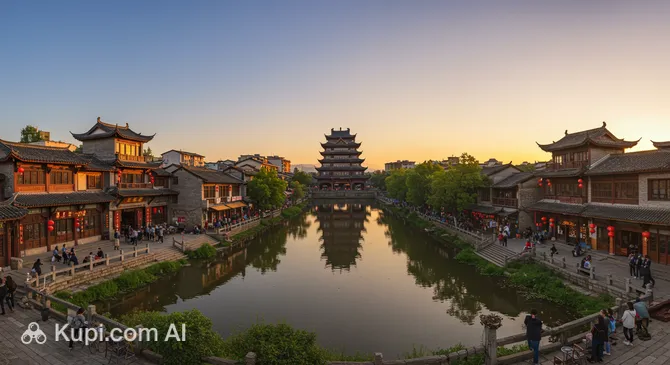
Baise. Source: Kupi.Binoculars

For those keen on understanding the region's past, exploring the history of Baise is essential. The city holds a prominent place in the nation's 20th-century narrative, featuring several well-preserved memorial sites and museums that attract visitors interested in "Red Tourism." Beyond its revolutionary legacy, the area is historically significant for its ancient trade routes and the enduring customs of its local communities.

Nature enthusiasts will find plenty to admire here, particularly the spectacular Leye-Fengshan Global Geopark. This area is world-renowned for its massive natural sinkholes, or tiankengs, and intricate underground river systems. Additionally, the Tongling Grand Canyon offers breathtaking views of waterfalls and diverse plant life, providing a perfect escape into the wild.

Whether you are drawn by the geological wonders of giant craters or the rich cultural tapestry of the Zhuang people, Baise promises a memorable journey. It is a destination that invites you to slow down and appreciate the harmonious blend of history and nature.

Weather Overview

Baise experiences a humid subtropical climate characterized by distinct seasonal changes and a generally mild atmosphere. For travelers planning outdoor activities, understanding the weather in Baise is key to packing the right gear. The city enjoys comfortable temperatures for most of the year, avoiding extreme cold even during the winter months.

The summer season, spanning from June to August, is the warmest time of year. Average temperatures typically range between 27.3°C and 27.9°C, with daytime highs peaking around 31.6°C in July. This period is also characterized by frequent precipitation; travelers should be prepared for rain, as there can be up to 24 wet days per month, although the overall rainfall volume is often moderate.

Winter, from December to February, brings cooler but manageable conditions. Average temperatures dip to approximately 13°C to 15°C, with nighttime lows rarely falling below 9°C. While drier than the summer months, the winter season still sees about 10 to 15 rainy days per month, so a light jacket and an umbrella are recommended.

Spring and autumn serve as pleasant transition periods with average temperatures rising from 19.7°C in March to 26.0°C in September. Overall, visitors can expect warm summers with frequent rain and mild winters.

Interesting Facts

To uncover the true character of this region, one must look beyond its scenic hills and rivers. Baise holds a collection of fascinating secrets, ranging from groundbreaking archaeological discoveries to its status as an agricultural powerhouse.

  • The city is globally significant in the field of archaeology due to the discovery of the "Baise Handaxes." These stone tools, dating back approximately 800,000 years, challenged the long-held "Movius Line" theory. Their discovery proved that early humans in East Asia possessed advanced tool-making technology comparable to that of their counterparts in Africa and Europe, rewriting a chapter of human evolution.

  • Baise is affectionately known as the "Mango Hometown" of China. The region's unique subtropical microclimate is perfect for cultivating this fruit, and it produces a massive portion of the country's supply. The "Baise Mango" is a protected geographical indication product, celebrated for its exceptional size and sweetness.

  • Beneath the lush greenery lies a wealth of mineral resources, earning the city the title of the "Aluminum Capital of Southern China." It sits on one of the country's largest bauxite reserves, making it a critical hub for the aluminum industry and a key player in the regional economy.

  • The area is a vibrant stronghold of the Zhuang ethnic group, who make up the vast majority of the population—around 80%. This demographic concentration makes it one of the most culturally distinct areas in the region, where ancient traditions, dialects, and folk festivals like the "March 3rd" singing festival remain an integral part of daily life.

How to Get There

Reaching this scenic part of the Guangxi Zhuang Autonomous Region has become increasingly convenient thanks to modern infrastructure developments. Baise is well-integrated into the regional transportation network, offering travelers a choice between direct connections and efficient transfers from major hubs. You can find more about how to get to Baise to help you plan the most suitable route for your itinerary.

For air travelers, the city is served by its own facility, Baise Bama Airport, which accommodates flights from several domestic cities. However, for a wider range of schedules and international connections, many visitors opt to fly into larger regional airports nearby. Nanning Airport (IATA: NNG) in Nanning is a primary gateway, located approximately 214 km away. From there, you can easily transfer to a high-speed train or an intercity bus to reach Baise comfortably, avoiding long taxi rides. Alternatively, Xingyi Airport (IATA: ACX) in Xingyi offers another accessible entry point roughly 213 km from the city.

The following table lists the nearest major airports that serve as convenient transit points:

Airport Name City Passenger Traffic Km from City
Nanning AirportNanningLarge214.1
Liuzhou AirportLiuzhouMedium284.0
Xingyi AirportXingyiMedium213.3
Wenshan Puzhehei AirportWenshanSmall237.0
Anshun Huangguoshu AirportAnshunSmall271.7

Traveling by train is one of the most popular ways to arrive, as Baise is connected to China's extensive high-speed rail network. Direct high-speed trains run frequently from major cities like Nanning, Kunming, and Guangzhou, making the journey fast and scenic. If you are coming from other provinces, you might connect through major railway hubs such as Liuzhou Railway Station in Liuzhou or Guiyang Railway Station in Guiyang. These stations serve as key transit nodes where you can seamlessly transfer to a train bound for Baise.

Below is a summary of the nearest major railway hubs for reference:

Station City Passenger Traffic Km to Center
Liuzhou Railway StationLiuzhouHigh284.8
Guiyang Railway StationGuiyangHigh294.5
Duyun Railway StationDuyunMedium273.7

Main Attractions

Baise is a destination where dramatic karst landscapes meet profound historical significance. The city and its surrounding counties offer a diverse range of experiences, from exploring massive geological sinkholes to walking through sites pivotal to the region's 20th-century history. Here are some of the most compelling places to visit during your stay.

Baise Uprising Memorial Park is the city's most prominent historical landmark, located on a hill overlooking the urban area. It commemorates the 1929 Baise Uprising and serves as a major cultural site. The park features a comprehensive memorial hall, a towering monument, and lush gardens. For tourists, it offers not only a deep dive into local history but also a peaceful environment for walking and enjoying panoramic views of the city below.

For nature lovers, the Leye-Fengshan Global Geopark is an absolute must-see. This UNESCO-recognized site is world-famous for its high density of "tiankengs," or giant natural sinkholes. The Dashiwei Tiankeng Group here is particularly spectacular, featuring vertical cliffs and ancient underground forests. Exploring this area allows visitors to witness some of the most unique karst geology on the planet, including vast cave systems and underground rivers.

Another natural wonder is the Tongling Grand Canyon, located in the nearby Jingxi area under Baise's administration. This closed canyon is a hidden paradise filled with lush, prehistoric-like vegetation and towering cliffs. The highlight is the Tongling Waterfall, which cascades down nearly 190 meters, creating a breathtaking scene. A trek here feels like stepping into a lost world, making it perfect for photographers and outdoor enthusiasts.

Haokun Lake offers a more serene experience, characterized by crystal-clear waters reflecting the surrounding limestone peaks. Often compared to the famous landscapes of Guilin, this wetland park is ideal for a relaxing boat tour or a leisurely hike along the shore. It is a fantastic spot to appreciate the tranquility of the region's natural beauty away from the busier tourist hubs.

Local Cuisine

The culinary landscape of Baise is a vibrant reflection of its rich ethnic diversity, particularly influenced by the traditions of the Zhuang people. The local cuisine is characterized by its fresh ingredients, colorful presentation, and a palate that favors sour and spicy flavors. Food here is not just sustenance but a celebration of culture, often used to mark festivals and welcome guests.

One of the most iconic dishes you must try is Five-Color Glutinous Rice. This visually striking staple is prepared by dyeing sticky rice with natural plant extracts to create black, red, yellow, purple, and white grains. It is fragrant, slightly sweet, and symbolizes a bountiful harvest and good fortune. Another regional specialty is the cuisine from Bama County, famous for its longevity-promoting properties. Visitors often seek out Hemp Seed Soup (Huoma Tang), a nutritious broth made from local hemp seeds and vegetables, believed to contribute to the local population's long life expectancy.

Given Baise's reputation as the "Mango Hometown," fruit plays a significant role in the local diet. The Baise Mango is celebrated for its immense size, thin skin, and incredibly sweet, juicy flesh. While often eaten fresh, you will also find it incorporated into various desserts, dried snacks, and beverages, making it a refreshing treat during the warmer months.

When it comes to drinks, Sweet Rice Wine is central to the local hospitality. Lower in alcohol content and possessing a mellow, sweet taste, it is frequently homemade and served to guests as a gesture of warmth and friendship. For a non-alcoholic option, the region's herbal teas and the aforementioned hemp-based soups offer unique, health-conscious alternatives that are deeply rooted in traditional Chinese medicine concepts.

The food culture in Baise is best experienced in its bustling markets and street food stalls. As evening falls, night markets come alive with the aroma of barbecue, spicy rice noodles, and sizzling woks. Locals enjoy dining in a communal style, often gathering at open-air tables to share dishes and toast with rice wine. For an authentic experience, look for small, family-run eateries where you can taste traditional Zhuang dishes prepared with recipes passed down through generations.

Travel Tips

Preparing for a trip to Baise means getting ready for a subtropical adventure rich in ethnic culture and stunning geology. Here are some practical insights to help you navigate the "Goose City" and its surrounding natural wonders with ease.

  1. Clothing and Gear: Light, breathable fabrics are essential for the hot and humid summers, along with a reliable raincoat or umbrella, as sudden downpours are frequent. If you plan to explore the Leye-Fengshan Geopark or other karst landscapes, bring sturdy, non-slip hiking boots. For winter visits, pack a warm jacket and layers, as the dampness can make the mild temperatures feel significantly chillier.
  2. Transportation: Within the city center, taxis and ride-hailing apps like DiDi are affordable and convenient. However, many top attractions like the Tongling Grand Canyon are located in outlying counties far from the urban core. For these day trips, taking a regional bus from the main bus station or hiring a private driver for the day is often the most efficient option.
  3. Finances: The local currency is the Chinese Yuan (RMB). While international credit cards are rarely accepted outside of high-end hotels, mobile payments via Alipay or WeChat Pay are ubiquitous; it is highly recommended to link your foreign card to these apps before arrival. Always carry some physical cash for small purchases in local markets or rural villages where digital signals might be weak.
  4. Health and Safety: Baise is generally very safe for travelers, but the humid climate and lush vegetation mean mosquitoes can be an issue. Carry strong insect repellent, especially when hiking or visiting water features. Pharmacies are easily identified by a green cross, but it is wise to bring your own basic digestion aids and prescription medications.
  5. Communication: English is not widely spoken, particularly by taxi drivers or in rural scenic areas. It is crucial to have a translation app installed on your phone that works offline. Learning a few basic Mandarin phrases like "Ni hao" (Hello) and "Xie xie" (Thank you) will be warmly received by the locals.
  6. Local Etiquette: The region is home to a large population of the Zhuang ethnic group. When interacting with locals, it is polite to accept tea, food, or business cards with both hands as a sign of respect. If you are invited to join a toast with local rice wine, a cheerful "Ganbei" is the customary response.
  7. What to Avoid: Do not drink tap water; always opt for bottled or boiled water. Additionally, avoid getting frustrated if things move at a more relaxed pace than in major metropolises like Shanghai; patience and a smile are your best tools for resolving any misunderstandings.
  8. Seasonal Tip: If your visit falls between June and August, do not miss the mango season. Baise is famous for producing some of the sweetest and largest mangoes in China. You can buy them cheaply at street stalls, and vendors are often happy to peel and slice them for you on the spot.

Baise is a destination that rewards the adventurous and the curious with its breathtaking scenery and vibrant traditions. With these practical preparations in mind, you are all set to immerse yourself in the unique charm and warm hospitality of this captivating corner of Guangxi.

Entertainment & Nightlife

Nightlife in Baise offers a relaxed yet vibrant atmosphere that reflects the city's blend of modern development and deep-rooted ethnic traditions. Unlike the frenetic pace of China's coastal metropolises, the evening scene here is more about socializing over food, enjoying riverside breezes, and immersing oneself in the local community spirit. The city comes alive after sunset, with temperatures cooling down and locals heading out to pedestrian streets and open-air plazas.

For a taste of the most authentic local vibe, Jiefang Street (Liberation Street) is the place to be. This historic pedestrian thoroughfare in the Youjiang District transforms into a bustling hub of activity as evening approaches. It is lined with preserved arcade-style buildings that house a variety of shops and eateries. Here, you can wander through the night market stalls selling everything from local handicrafts to delicious street snacks. The atmosphere is casual and lively, making it an excellent spot for a night walk to observe local life and try regional specialties like barbecue skewers and spicy rice noodles.

If you prefer a more modern entertainment experience, the area around Aegean Shopping Park offers a contemporary mix of leisure options. This large commercial complex is a popular destination for younger crowds and families, featuring a wide array of restaurants, including hot pot chains and international fast food. Beyond dining, the mall and its surroundings are home to cinemas and KTV (karaoke) clubs, which are the cornerstone of Chinese nightlife. These venues are typically open late, providing a private and comfortable space to sing and socialize with friends.

The banks of the Youjiang River provide a scenic backdrop for a more low-key evening. The riverside promenades are illuminated at night, attracting residents for post-dinner strolls, square dancing, and jogging. You will often find small open-air tea stalls or casual bars near the water where you can sit, enjoy a drink, and watch the city lights reflect on the river. The dress code throughout the city is very casual; comfort is key, and there is no need to dress up unless you are attending a specific high-end venue.

Regarding practicalities, the best time to experience the nightlife is between 8:00 PM and midnight. Prices in Baise are generally very affordable compared to larger cities. A taxi ride across the city center is inexpensive, and ride-hailing apps like DiDi are widely available and safe to use at night. The city is safe for walking, even in the late hours, but it is always wise to stay in well-lit, populated areas.

While the nights are for dining and socializing, daytime entertainment in Baise offers its own charm. The Baise Expo Garden (Yuanboyuan) is a sprawling park that showcases the diverse landscapes and architectural styles of the Guangxi region. It is a fantastic place for a leisurely afternoon walk or a boat ride on the park's lakes. For those interested in culture, the city's museums provide deep insights into the region's revolutionary history and ethnic diversity, offering a quiet respite from the midday heat.

Parks & Museums

Baise offers a compelling mix of natural tranquility and profound cultural heritage, making it a city where visitors can easily transition from lush, open spaces to educational historical sites. The city’s parks provide green escapes that celebrate the local geography, while its museums serve as custodians of the region’s rich ethnic diversity and its pivotal role in 20th-century history.

Chengbi Lake is one of the premier natural retreats located just north of the city center. Often referred to as a "bright pearl" of the region, this expansive man-made lake is surrounded by rolling green hills and karst peaks. It is an ideal spot for a leisurely boat cruise, allowing visitors to navigate around small islands and enjoy the reflection of the blue sky on the calm water. The area is perfect for picnics and offers a refreshing break from the urban environment, with plenty of walking paths along the shore.

Another significant green space is the Baise Uprising Memorial Park. While famous for its historical monuments, the park itself is a beautifully landscaped area situated on a hill overlooking the city. It features wide, tree-lined avenues, manicured gardens, and quiet spots for contemplation. The climb to the top is rewarded with a panoramic view of Baise and the Youjiang River, making it a favorite location for both history buffs and those simply seeking a scenic vantage point.

For a deep dive into the local culture, the Youjiang Museum of Nationalities is an architectural landmark in its own right. Designed to resemble traditional ethnic dwellings, the museum houses an impressive collection of artifacts representing the Zhuang, Yao, and other minority groups living in the region. Highlights include ancient bronze drums, colorful traditional costumes, and intricate brocade weavings. It provides a fascinating insight into the folklore, festivals, and daily lives of the people who call this land home.

The Baise Uprising Memorial Hall stands as the city's most visited cultural institution. It preserves the legacy of the 1929 revolutionary events that put Baise on the map. The museum utilizes modern exhibits, including photographs, weapons, and multimedia displays, to narrate the story of the uprising. Even for those less familiar with the specific history, the museum offers a well-curated look at the challenges and lifestyle of the era.

Architecture enthusiasts should not miss the Yue Dong Guild Hall. Built during the Qing Dynasty, this complex originally served as a gathering place for merchants from Guangdong province. It is renowned for its exquisite brick carvings, painted beams, and traditional courtyard layout. Today, it stands as a well-preserved example of southern Chinese architecture and plays a dual role as a historical site connected to the city's revolutionary past.

For a unique experience, look out for the collection of bronze drums at the Youjiang Museum. These are not just musical instruments but symbols of power and wealth in ancient local culture. If you visit the parks early in the morning, you might also witness locals practicing Tai Chi or traditional sword dancing, offering a candid glimpse into the authentic daily rhythm of the city.

Getting Around

Navigating Baise is a straightforward experience, as the city is relatively compact compared to the sprawling metropolises found elsewhere in the region. The public transportation system primarily relies on an extensive network of buses, which serves as the lifeline for locals and visitors alike. There is no metro or subway system in the city, but the bus routes are well-planned, covering major attractions, the railway station, and key commercial districts efficiently.

The city buses are generally modern, air-conditioned, and comfortable. They operate frequently throughout the day, making them a reliable option for getting around the urban center. Route information is typically displayed in Chinese at bus stops, so it is highly advisable to use a navigation app to identify the correct bus number and direction before you travel. Fares are incredibly affordable, usually costing a flat rate of 1 to 2 RMB per ride, regardless of the distance traveled.

When it comes to payment, digital methods are the standard. Most locals use mobile apps like Alipay or WeChat Pay to scan a QR code upon boarding. For international tourists, the "Transport" feature within the Alipay app is extremely useful, as it allows you to generate a transit QR code linked to your foreign credit card. If you prefer not to use apps, you can still pay with cash, but you must have the exact change ready to drop into the fare box, as drivers do not carry change. Physical transit cards exist but are generally not necessary for short-term visitors.

For a more direct and private mode of transport, taxis are widely available and inexpensive. You can hail them on the street; they are easily recognizable by their uniform colors. All legitimate taxis are equipped with meters, and you should ensure the driver turns the meter on at the start of the trip. Alternatively, ride-hailing apps like DiDi (often accessible via a mini-program in Alipay) offer a convenient way to book a car in English, providing price estimates and eliminating the need to explain your destination to the driver.

For short trips or leisurely sightseeing along the river, shared bicycles are a popular alternative. You will see rows of colorful bikes parked on sidewalks throughout the city. These can be unlocked by scanning a QR code with a mobile payment app. It is an eco-friendly way to explore the city at your own pace, perfect for bridging the gap between your hotel and a nearby park or restaurant.

A few practical tips will help ensure a smooth journey: public buses typically operate from around 6:30 AM to 10:00 PM, though times can vary by route. Be aware that traffic can be heavy during morning and evening rush hours. Since English is not widely spoken by bus drivers or taxi operators, it is essential to have the name and address of your destination written in Chinese characters on your phone or a piece of paper to show them.

Accommodation

Where to Stay:

Finding a place to stay in {entity_name} is relatively straightforward, with a growing hospitality sector that caters to a mix of business travelers and tourists. The city offers a range of options, from modern hotels with comprehensive amenities in the urban center to quieter, more rustic guesthouses near the major scenic attractions in the surrounding counties.

For most visitors, the most convenient area to base yourself is the Youjiang District, which serves as the commercial and transportation heart of the city. Staying here ensures easy access to the railway station, bus terminals, and shopping hubs like the Aegean Shopping Park. The city center features several 4-star and high-end business hotels that provide comfortable rooms, Western-style breakfasts, and English-speaking staff, making them a reliable choice for international travelers seeking convenience and comfort.

If your primary reason for visiting is to explore the region's famous natural landscapes, you might prefer accommodation outside the main city. Bama County, renowned for its "longevity villages," offers numerous wellness resorts and riverside hotels where you can enjoy the tranquil environment. Similarly, travelers heading to the Leye-Fengshan Global Geopark will find a selection of local guesthouses and eco-lodges in Leye County. These options are often simpler than city hotels but provide a unique opportunity to experience local culture and wake up closer to nature.

When choosing accommodation, it is helpful to manage expectations regarding amenities. While major hotels in the city center offer soft mattresses and international facilities, smaller establishments and budget business hotels often feature traditional firm beds and Chinese-style bathrooms. Breakfasts in these local spots typically consist of rice noodles, congee, and steamed buns rather than continental options.

A practical tip for international tourists in China is to confirm that your chosen hotel is authorized to accept foreign guests. While policies are becoming more open, some smaller inns or budget chains may not have the necessary registration systems for non-mainland ID holders. It is advisable to book through major international travel platforms or contact the property in advance to verify. Additionally, during peak travel seasons like the Lunar New Year or the National Day holiday in October, booking well in advance is essential to secure your preferred room.

Nearby Cities

For those looking to explore the surroundings, Baise serves as an excellent base for day trips to several interesting nearby locations.

Just a few hours away lies Nanning, the vibrant capital of the Guangxi region. Known as the "Green City" due to its lush tropical foliage, it offers a lively contrast to Baise with its bustling night markets and modern shopping districts. For nature enthusiasts, Chongzuo is an unmissable destination, famous for its dramatic karst landscapes and the majestic Detian Transnational Waterfall on the border with Vietnam. Alternatively, crossing into Guizhou province brings you to Xingyi, home to the spectacular Forest of Ten Thousand Peaks and the scenic Maling River Canyon.

City Population Distance (km)
Nanning 3,837,978 215
Hechi 3,545,700 173
Chongzuo 2,099,400 185
Xingyi 1,004,132 219

These nearby destinations offer a glimpse into the diverse culture and landscapes of the region.

Shopping & Souvenirs

Shopping:

Shopping in Baise offers a delightful mix of agricultural bounty, ethnic craftsmanship, and modern retail convenience. While the city may not rival the mega-malls of China's coastal metropolises, it provides a unique opportunity to purchase authentic local products that reflect the region's rich cultural and natural heritage. Visitors can expect to find everything from fresh tropical fruits to intricate handmade souvenirs, making it easy to take a piece of Guangxi home with you.

The most famous local product is undoubtedly the Baise Mango. As the "Mango Hometown," the city is awash with this sweet fruit during the harvest season from June to August. Travelers can buy fresh mangoes in bulk at local fruit markets, where the aroma is intoxicating and the prices are incredibly affordable. For those visiting out of season or looking for easier transport, dried mango slices and mango cakes are widely available in supermarkets and specialty shops, offering a taste of the region's sunshine year-round.

Beyond fruit, the region is renowned for its high-quality tea, particularly Lingyun White Downy Tea (Baihao Tea). Grown in the high-altitude mountains of the nearby Lingyun County, this organic tea is celebrated for its fresh aroma and sweet aftertaste. It makes for an excellent gift for tea connoisseurs. Additionally, local camellia oil and various herbal medicines, gathered from the surrounding karst mountains, are popular purchases for those interested in traditional Chinese wellness practices.

The cultural influence of the Zhuang people is evident in the local handicrafts. Zhuang Brocade is a must-buy souvenir; this sturdy, colorful fabric features intricate geometric patterns and is fashioned into bags, table runners, and wall hangings. You will also find Embroidered Balls (Xiuqiu), which are traditional symbols of love and friendship in Zhuang culture. These spherical, handmade ornaments are often sold in tourist areas and make for beautiful, lightweight keepsakes.

For a traditional shopping atmosphere, a stroll down Jiefang Street (Liberation Street) is highly recommended. While it is a hub for nightlife, during the day it offers a selection of small shops selling local curios, antiques, and regional snacks. It is the perfect place to hunt for unique items while admiring the historic architecture. Conversely, for modern necessities, clothing, and electronics, large commercial complexes like the Aegean Shopping Park provide a standard mall experience with air conditioning, brand-name stores, and supermarkets.

When shopping in street markets or small independent stalls, bargaining is a common practice and can be a fun way to interact with locals. However, prices in supermarkets, convenience stores, and shopping malls are fixed. Most vendors, even in outdoor markets, accept mobile payments via Alipay or WeChat Pay, so having your phone ready is the most convenient way to shop.

Reached the end of the page?

That means the route is fully explored