Support

Wenshan

About

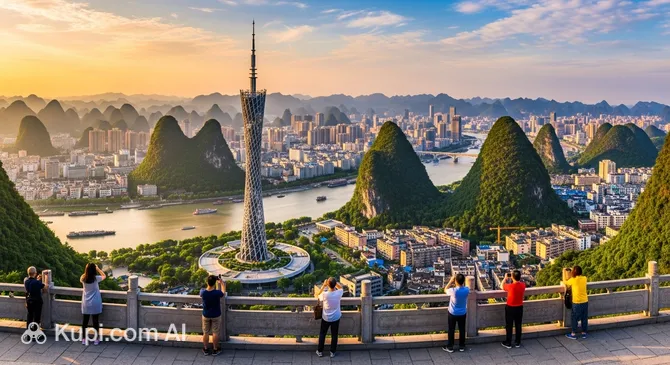
Wenshan. Source: Kupi.Binoculars

Welcome to Wenshan, a captivating destination nestled in the southeastern part of the Yunnan Province. As the seat of the Wenshan Zhuang and Miao Autonomous Prefecture, this city offers a unique blend of modern development and rich ethnic traditions. Located in China, Wenshan serves as a fascinating gateway for travelers looking to explore a region known for its stunning karst landscapes and diverse cultural heritage. With a population of approximately 500,000 inhabitants, the city maintains a lively yet welcoming atmosphere that perfectly balances urban energy with a relaxed pace of life.

The region is renowned for its mild, subtropical climate, often described as "eternal spring," making it a pleasant destination to visit year-round. One of the city's most significant claims to fame is its status as the "Home of Sanqi" (Notoginseng), a precious herb highly valued in traditional Chinese medicine. Visitors interested in the deep roots of this area can explore the history of Wenshan, which is intricately tied to the customs of the local Zhuang and Miao people. The colorful ethnic festivals, distinct attire, and local architecture provide a glimpse into the past while celebrating the vibrant community of today.

Nature lovers will appreciate the city's proximity to breathtaking scenery. The surrounding area is dotted with lush mountains and unique karst formations that define the landscape of southeastern Yunnan. Within the city, you can find vibrant markets selling local handicrafts and the famous Sanqi flowers. Whether you are wandering through the bustling streets to sample local cuisine or venturing out to nearby scenic spots like the Puzhehei scenic area in the broader prefecture, Wenshan promises an authentic and memorable travel experience. We invite you to step off the beaten path and discover the hidden gems of this enchanting city.

Weather Overview

Wenshan typically enjoys a mild climate with distinct seasonal variations, often described as having an "eternal spring" quality. The summer months, particularly from June to August, are the warmest, with average temperatures hovering around 22°C and daily highs reaching approximately 26°C. This period is also the wettest, with frequent rainfall occurring on more than 20 days each month, especially in August.

In contrast, the winter season is much drier and significantly cooler, though rarely freezing. January is usually the coldest month, with an average temperature of 11.0°C and lows dipping to roughly 6.5°C. For travelers planning their trip, checking the detailed weather in Wenshan can help with packing appropriate clothing. Generally, you can expect warm, humid summers with frequent rain and mild, dry winters.

Interesting Facts

Beyond the lush landscapes and urban energy, Wenshan holds many fascinating secrets that deepen its allure for intrepid travelers. From legendary medicinal roots to villages hidden from the world, the region is full of surprises waiting to be uncovered.

  • The Global Capital of Sanqi: Wenshan is famously known as the "Hometown of Sanqi" (Panax notoginseng), a plant often regarded as more valuable than gold in Traditional Chinese Medicine. The city and its surroundings produce the vast majority of the world's supply of this miraculous herb, which has been cultivated here for hundreds of years due to the region's specific soil and climate conditions.

  • A Real-Life Utopia: In the broader Wenshan prefecture lies the village of Bamei, often compared to the legendary "Peach Blossom Spring" from ancient Chinese literature. For generations, this secluded settlement was accessible only by taking a small boat through a dark, natural limestone cave, effectively cutting it off from the outside world and preserving its traditional way of life.

  • A Famous Filming Location: The breathtaking karst peaks and wetlands of the nearby Puzhehei Scenic Area have captured the imagination of millions as a key filming location for the hit Chinese TV drama Eternal Love (Three Lives, Three Worlds, Ten Miles of Peach Blossoms). The ethereal scenery has since become a pilgrimage site for fans of the show.

  • Culinary Art of the Zhuang People: The local culture is vibrant with the tradition of "Five-Colored Glutinous Rice." The Zhuang ethnic group in China prepares this festive dish by using natural plant extracts to dye rice in brilliant shades of black, red, yellow, purple, and white, symbolizing a wish for a bountiful harvest and a colorful life.

How to Get There

Reaching this part of Yunnan Province involves a journey through some of China's most scenic landscapes. For travelers looking for a complete guide on all available transport options, you can read more about how to get to Wenshan. The most convenient and direct entry point is Wenshan Puzhehei Airport (IATA: WNH). Located just 21 km from the city center, this regional airport connects the area with other Chinese cities. Upon arrival, a taxi or bus ride to downtown Wenshan typically takes about 50 minutes.

For international travelers or those coming from further afield, Kunming Changshui International Airport (IATA: KMG) is the primary major hub in the region. Although it is located in the city of Kunming, approximately 231 km away, it handles a massive volume of passenger traffic and offers extensive flight connections. From Kunming, the transfer to Wenshan by road is a scenic journey, taking approximately 4 hours via the highway, allowing you to enjoy the beautiful countryside of Yunnan.

For clarity, here is a summary of the main airports:

Airport Name City Passenger Traffic Km from City
Kunming Changshui International Airport Kunming Large 230.9
Noi Bai International Airport Hanoi Large 289.5
Xingyi Airport Xingyi Medium 202.0
Wenshan Puzhehei Airport Wenshan Small 21.0
Dien Bien Airport Dien Bien Phu Small 254.0

Main Attractions

While Wenshan City itself is a bustling hub of commerce and culture, it primarily serves as the gateway to some of Yunnan's most spectacular natural wonders. The region is celebrated for its dramatic karst landscapes, serene lakes, and unique ethnic villages. Visitors to the city can enjoy a mix of local urban parks and museums, while short journeys into the surrounding prefecture reveal breathtaking scenery that rivals the most famous spots in China.

Undoubtedly the most famous destination in the area is the Puzhehei Scenic Area. Although located in nearby Qiubei County, it is the crown jewel of the region and the primary reason many travelers fly into Wenshan. The name "Puzhehei" means "a pond full of fish and shrimp" in the local Yi language. This stunning landscape is characterized by isolated karst peaks rising from extensive wetlands and lakes. It is particularly magical during the summer months when thousands of acres of wild lotus flowers bloom, creating a sea of pink and green. Visitors can take boat rides through the waterways, explore limestone caves, and witness the traditional lifestyle of the Yi people who live by the water.

Another "must-see" experience is Bamei Village, often described as a real-world "Peach Blossom Spring." This secluded village offers a travel experience like no other, as it is traditionally accessible only by taking a small boat through a natural limestone cavern. Emerging from the darkness of the cave into the hidden valley feels like stepping back in time. The village has preserved its ancient Zhuang architecture, waterwheels, and farming traditions due to its isolation. It provides a peaceful retreat and a rare glimpse into a way of life that has remained largely untouched by the modern world.

For those interested in delving deeper into the local history and culture without leaving the city center, the Wenshan Prefecture Museum is an excellent stop. The museum houses a comprehensive collection of artifacts that tell the story of the region, including ancient bronze drums which are significant cultural symbols in southern China and Southeast Asia. Exhibits also showcase the colorful traditional costumes, jewelry, and tools of the Zhuang, Miao, and other ethnic groups that call this area home, offering valuable context to the vibrant culture you see on the streets.

Within the city limits, Xihua Park (West Mountain Park) offers a refreshing escape and panoramic views of Wenshan. Perched on a hill, the park features lush greenery, traditional pavilions, and winding paths. It is a favorite spot for locals to exercise, practice tai chi, or simply relax. Climbing to the top provides a fantastic vantage point to see the urban layout of Wenshan nestled amidst the surrounding mountains, making it a perfect spot for photography or a quiet sunset.

Local Cuisine

The culinary landscape of Wenshan is a vibrant reflection of its diverse ethnic heritage and its location in southeastern Yunnan. As a melting pot of Zhuang, Miao, and Han cultures, the local food scene is defined by bold flavors, fresh mountain ingredients, and a penchant for sour and spicy profiles. Dining here offers a chance to taste dishes that are deeply rooted in tradition, often utilizing the region's abundant medicinal herbs and wild vegetables to create meals that are both delicious and nourishing.

The undisputed star of the local table is Sanqi Steam Pot Chicken (Sanqi Qiguoji). Given Wenshan's status as the "Home of Sanqi," it is no surprise that this precious root finds its way into the kitchen. The dish is prepared in a unique ceramic pot with a central chimney, which steams the chicken using condensation rather than boiling water. The addition of Sanqi roots infuses the broth with a slightly bitter yet aromatic flavor, believed to have health benefits. It is a savory, warming soul food that every visitor should try at least once.

Another visually stunning specialty is Five-Colored Glutinous Rice. A staple of the Zhuang people, particularly during festivals, this dish is made by dyeing rice with natural extracts from local plants to create bright shades of black, red, yellow, purple, and white. It is not only a feast for the eyes but also offers a fragrant, herbal aroma. For a quick and popular local breakfast, look for Rice Noodles served in a sour and spicy beef broth, often garnished with fresh mint, coriander, and pickled vegetables, capturing the quintessential taste of Yunnan.

When it comes to beverages, Sanqi Flower Tea is a ubiquitous local drink. Made from the dried flowers of the Sanqi plant, this non-alcoholic infusion is prized for its cooling properties and slight sweetness, making it a perfect refreshment after a spicy meal. On the stronger side, homemade Rice Wine is common during social gatherings and celebrations. It is often served in small bowls as a gesture of hospitality, playing a central role in the warm toasts exchanged between hosts and guests.

The food culture in Wenshan is communal and unpretentious. Locals love to gather at bustling night markets and street food stalls, where the air is filled with the scent of charcoal-grilled meats and tofu. These lively spots are the best places to immerse yourself in the city's atmosphere, rubbing shoulders with residents while sampling skewers or bowls of cold rice noodles. For a more formal experience, numerous restaurants specialize in "medicinal cuisine," offering a unique opportunity to explore the intersection of Chinese gastronomy and traditional wellness.

Travel Tips

Exploring Wenshan is an adventure into the heart of Yunnan's rich ethnic culture and stunning natural landscapes. To ensure your journey through this "eternal spring" city is as smooth and enjoyable as possible, we have compiled a set of essential practical tips for your trip.

  1. Clothing and Gear: Since the region enjoys a mild subtropical climate, pack breathable layers that can be easily added or removed. Summers (June to August) are wet, so a high-quality raincoat and waterproof shoes are indispensable. If you plan to visit the karst caves or Puzhehei, bring sturdy, comfortable walking shoes to navigate uneven terrain safely.
  2. Transportation: Wenshan does not have a metro system, so the most convenient way to get around is by taxi or ride-hailing apps like DiDi (the local equivalent of Uber). Public buses are available but can be challenging to navigate without reading Chinese. For day trips to scenic areas like Puzhehei, hiring a private driver or taking a dedicated shuttle bus from the city center is often the most efficient option.
  3. Finances: The local currency is the Chinese Yuan (RMB). While cash is still accepted, digital payments via Alipay or WeChat Pay are the norm everywhere, from malls to street stalls. It is highly recommended to set up the "TourPass" or international card linkage on these apps before arrival. International credit cards are rarely accepted outside of major hotels, so always carry some cash for small vendors in remote villages.
  4. Health and Safety: Wenshan is generally very safe for tourists. Pharmacies are widespread and usually marked with a green cross, but bring your own prescription medications as specific brands may be unavailable. Since this is the "Home of Sanqi," you will see many herbal remedies; however, rely on professional medical advice for serious issues. Always drink bottled or boiled water, never straight from the tap.
  5. Communication: Mandarin is the primary language, though many locals speak regional dialects like Zhuang or Miao. English is not widely spoken, even in tourism sectors. It is crucial to download a reliable translation app that works offline. Purchasing a local SIM card or an eSIM with data roaming is essential for navigation and translation on the go.
  6. Local Etiquette: The region is home to diverse ethnic groups, including the Zhuang and Miao people. When visiting villages, show respect for local customs; for instance, always ask for permission before taking close-up photos of residents in traditional attire. If invited into a local home, it is polite to remove your shoes unless told otherwise and to accept offered tea or wine with both hands.
  7. What to Avoid: Avoid relying solely on international maps or search engines, as they may not be accurate or accessible within China. Additionally, do not be offended if locals stare curiously; it is rarely malicious and usually stems from a genuine interest in foreign visitors in this less-traveled part of the country.
  8. Shopping Tip: If you intend to buy Sanqi (Notoginseng) products as souvenirs, purchase them from reputable pharmacies or certified specialty stores in the city center rather than roadside stalls. This ensures you get authentic, high-quality herbs at a fair price.

By keeping these practical tips in mind, you will be well-prepared to navigate the unique blend of modern life and ancient tradition that defines Wenshan. Embrace the local lifestyle, taste the unique flavors, and enjoy a worry-free exploration of this hidden gem in Yunnan.

Entertainment & Nightlife

When the sun sets over Wenshan, the city transforms from a busy administrative hub into a lively, illuminated landscape perfect for relaxation and socialization. Unlike the frenetic energy of large metropolises, the nightlife here is characterized by a laid-back, welcoming atmosphere that reflects the region's "eternal spring" climate. Locals and visitors alike take to the streets to enjoy the cool evening air, making it an ideal time to experience the authentic lifestyle of southeastern Yunnan.

The heart of the city's evening entertainment is centered around Qihua Square (Seven Flower Square) and the surrounding central pedestrian streets. This bustling district serves as the primary gathering spot for fashionable youth and families. Here, you will find a vibrant mix of modern cinemas, cozy coffee shops, and energetic KTV (karaoke) lounges, which are a staple of local nightlife. It is the perfect place to immerse yourself in the crowd, do some late-night shopping, or simply people-watch as neon lights illuminate the cityscape.

For a more scenic experience, a walk along the Panlong River is highly recommended. The riverbanks are beautifully landscaped and lit up at night, creating a romantic backdrop for a leisurely stroll. This area often hosts impromptu open-air dances and elderly residents practicing Tai Chi, offering a charming glimpse into community life. Nearby, the city's bustling commercial districts offer a cluster of dining and entertainment options, where you can find everything from tea houses to lively bars serving local beverages.

Food is an integral part of Wenshan's nightlife. As evening approaches, the aroma of charcoal-grilled skewers and spicy dips fills the air. The city's night markets are packed with vendors selling "shao kao" (Chinese BBQ), where you can try local specialties like grilled tofu, beef skewers, and even dishes infused with the region's famous Sanqi herbs. These markets are not just places to eat; they are social hubs where friends gather around low tables on the sidewalk to toast with rice wine or herbal tea until late into the night.

Practicalities for a night out in Wenshan are straightforward. The city is generally very safe for walking, even late at night, though it is always wise to stay in well-lit, populated areas. Taxis are plentiful and affordable, making them the best way to hop between districts. Ride-hailing apps are also widely used and convenient if you have mobile data. Most bars and clubs do not have a strict dress code, favoring a casual and comfortable style suitable for the mild weather.

While the nights are for unwinding, Wenshan offers plenty of daytime diversions as well. Before the sun goes down, you might visit the Wenshan Prefecture Museum to learn about the region's ethnic history or take a hike up Xihua Park for a panoramic view of the city. These spots provide a cultural and natural context that enriches your appreciation of the city's vibrant evening energy.

Parks & Museums

Exploring Wenshan offers a delightful balance between immersing oneself in nature and diving deep into the region's storied past. The city is designed with ample green spaces that invite relaxation, while its cultural institutions serve as proud custodians of the diverse ethnic heritage that defines this corner of Yunnan. Whether you are looking to hike up a scenic hill for a panoramic view or wander through halls filled with ancient artifacts, Wenshan provides enriching experiences for every type of traveler.

For those seeking fresh air and scenic vistas, Dongshan Park (East Mountain Park) is a standout destination. Located opposite the well-known Xihua Park, this area is particularly favored by locals for catching the sunrise. A climb to the top rewards visitors with sweeping views of the entire city nestled in the valley below. The park is densely forested, offering cool shade during the warmer months, and features winding stone paths that lead to quiet pavilions perfect for meditation or rest.

Running through the heart of the city, the Panlong River Scenic Belt acts as Wenshan's green artery. The riverbanks have been transformed into linear parks lined with weeping willows and landscaped gardens. It is an excellent spot for a leisurely afternoon stroll or a morning jog. Along the water, you will often see residents fishing, playing traditional instruments, or engaging in spirited games of chess, providing a genuine slice of local life amidst a natural setting.

To understand the rich cultural tapestry of the region, a visit to the Wenshan Prefecture Museum is essential. As the premier cultural institution in the area, it houses an impressive collection that spans thousands of years. The museum is particularly renowned for its exhibits on bronze drums, which hold deep spiritual and social significance in local history. Additionally, the galleries showcasing the colorful traditional attire, silver jewelry, and farming tools of the Zhuang and Miao ethnic groups offer a fascinating insight into the daily lives and artistic expressions of the people who call this land home.

Architecturally, the Wenbi Tower, perched atop Dongshan, stands as a significant historical landmark. This pagoda-style structure symbolizes the city's respect for literature and learning. Its traditional design, with upturned eaves and intricate detailing, contrasts beautifully with the modern skyline of the city below. It serves not only as a scenic lookout point but also as a reminder of the region's emphasis on education and culture throughout history.

For a truly authentic experience, try visiting the public squares within these parks around 7:00 AM. You will witness a captivating scene of hundreds of locals practicing Tai Chi, dancing with fans, or whipping tops. Joining in or simply observing these morning rituals offers a unique connection to the community's energetic spirit that you won't find in any guidebook.

Getting Around

The public transport system in Wenshan is relatively straightforward and compact, reflecting the city's size and layout. Unlike China's massive metropolises, Wenshan does not operate a metro or light rail system within the urban center. Instead, the city relies heavily on an extensive network of public buses as the primary mode of mass transit. These buses connect residential areas with commercial districts, government offices, and major parks. They are generally reliable and frequent during peak hours, offering an authentic way to observe local daily life while moving around the city.

For tourists, the most critical aspect of using public transport here is the payment system. While traditional cash boxes still exist at the front of the bus, the city has largely transitioned to digital payments. The fare is typically a flat rate, usually around 1 to 2 RMB per ride, regardless of distance. If you choose to pay with cash, you must have the exact change ready, as drivers do not carry coins or bills to provide change. However, the most convenient method is using the "Transport" mini-app within Alipay or WeChat. You simply generate a transit QR code on your phone and scan it at the card reader upon boarding.

Taxis are a ubiquitous and affordable alternative to buses, offering a more direct and comfortable way to navigate the hilly terrain. You can easily flag down a taxi on the street; they are typically marked and have a lighted sign on the roof. All legitimate taxis are equipped with meters, and it is advisable to ensure the driver engages it at the start of your journey. For those who prefer a digital approach, ride-hailing apps like DiDi are widely available and extremely popular. Using an app is often recommended for international visitors, as it eliminates language barriers by allowing you to input your destination in English or pinpoint it on a map.

Another popular way to get around for short distances is the shared electric bike and bicycle system. You will find rows of colorful dockless bikes (often blue or yellow) parked on sidewalks throughout the city. These can be unlocked by scanning a QR code using the Alipay or Meituan apps. They are perfect for "last-mile" connectivity or for leisurely exploring the riverside promenades, though you should be cautious of local traffic patterns and always park in designated zones to avoid penalties.

When planning your travel, keep in mind that the operating hours for public transport in Wenshan are shorter than in larger cities. Most bus lines begin service around 6:30 AM and stop running between 9:00 PM and 10:00 PM. Since English signage at bus stops is rare, it is highly practical to have your destination written in Chinese characters or to use a navigation app like Amap (Gaode Maps) or Baidu Maps to track your route in real-time. This ensures you know exactly when to get off, as announcements may only be in Mandarin.

Accommodation

Finding accommodation in Wenshan is generally a straightforward and affordable experience, catering to a mix of business travelers and tourists exploring the wider prefecture. The city offers a decent range of options, primarily focusing on comfortable mid-range business hotels and budget-friendly guesthouses. While you may not find ultra-luxury international chains here, many local 4-star and high-end 3-star establishments provide modern amenities, cleanliness, and excellent service at a fraction of the cost found in China's major metropolises.

For the most convenient stay, it is best to look for hotels in the city center, particularly around the bustling Qihua Square or along the commercial streets nearby. Staying in this area places you within walking distance of shopping centers, night markets, and entertainment venues. Alternatively, choosing a hotel along the Panlong River can offer a more scenic and tranquil environment. Rooms with river views provide a lovely backdrop of the illuminated waterfront at night, while still keeping you close to the morning exercise spots and walking paths.

A crucial tip for international travelers visiting Wenshan is to verify the hotel's policy on hosting foreign guests. In smaller Chinese cities, not all accommodations are authorized to register non-Chinese passport holders (a status known as "shewai"). It is highly recommended to book your stay in advance through major international travel platforms or to contact the hotel directly to confirm they can process your registration. This is especially important during peak travel periods or local festivals when availability might be tighter.

In terms of pricing, Wenshan is very budget-friendly. A comfortable stay in a well-rated mid-range hotel typically costs significantly less than in provincial capitals like Kunming. Budget travelers can find clean and basic rooms for very reasonable rates. Booking is most easily done via online travel apps, which often offer better rates than walk-ins and allow you to filter specifically for properties that welcome international visitors.

Nearby Cities

For those looking to explore the surroundings, Wenshan serves as an excellent base for day trips to several interesting nearby locations.

Travelers can venture to Kunming, the provincial capital known as the "Spring City," which offers a rich mix of history, culture, and natural wonders like the famous Stone Forest. Another notable destination is Qujing, the second-largest city in the province, often serving as a gateway to the spectacular Luoping rapeseed flower fields that turn the landscape into a sea of gold in early spring. For a change of scenery, Baise in neighboring Guangxi offers unique karst mountains and significant historical sites related to the region's revolutionary past.

City Population Distance (km)
Qujing 6,155,400 237
Kunming 4,422,686 218
Yuxi 2,386,000 204
Baise 1,508,000 195
Xishan 1,060,000 243

These nearby destinations offer a glimpse into the diverse culture and landscapes of the region.

Shopping & Souvenirs

Shopping in Wenshan offers a unique experience that focuses less on international luxury brands and more on authentic local specialties and regional trade. As a city deeply rooted in agriculture and ethnic culture, the retail scene is a vibrant mix of modern convenience and traditional commerce. Visitors will find that shopping here provides an excellent opportunity to engage with the local community, whether browsing through bustling street stalls or exploring specialty shops dedicated to the region's famous medicinal herbs.

The heart of the city's commercial activity is concentrated in the downtown area, particularly around the central pedestrian streets near Qihua Square. This district serves as the main open-air shopping hub where locals go for clothing, shoes, and daily necessities. The streets are lined with a variety of independent boutiques and domestic brand outlets, making it a lively place to walk around, window shop, and soak in the energetic atmosphere of the city center.

For a more modern retail experience, Wenshan features several shopping malls and department stores located within the central business district. These multi-story complexes offer a comfortable, air-conditioned environment where you can find fashion retailers, electronics, and cosmetics. They often house supermarkets on the lower levels and food courts on the upper floors, providing a convenient one-stop destination for travelers looking to pick up supplies or enjoy a quick meal between shopping sprees.

Markets play a crucial role in the daily life of Wenshan's residents and are a must-visit for tourists seeking local flavor. The city's night markets are particularly famous, coming alive after sunset with vendors selling everything from inexpensive accessories to delicious street food. Additionally, given the region's reputation, there are specialized markets and trading centers dedicated to medicinal herbs. While some are wholesale-focused, they offer a fascinating glimpse into the scale of the local herbal industry.

When it comes to souvenirs, the undisputed king of Wenshan products is Sanqi (Panax notoginseng). As the "Hometown of Sanqi," the city offers the highest quality roots, powders, and flower teas, which are highly prized in Traditional Chinese Medicine for their blood-circulation properties. Apart from herbs, visitors should look for exquisite ethnic handicrafts made by the Zhuang and Miao people. Intricate silver jewelry, hand-embroidered textiles, and the colorful dyed glutinous rice (often sold dried or as kits) make for meaningful and culturally rich gifts.

Store opening hours in Wenshan generally follow standard Chinese practices. Large shopping malls and department stores are typically open from around 10:00 AM to 10:00 PM daily. Smaller independent shops and street vendors may open earlier and close later, especially in the night market areas. Payment methods are overwhelmingly digital; WeChat Pay and Alipay are accepted almost everywhere, from large malls to small roadside stalls. While some larger establishments may accept credit cards, it is rare, and cash is still useful for small purchases, though carrying large amounts is unnecessary.

Tourists should be aware that tax-free shopping schemes (such as VAT refunds) are generally not available in Wenshan. Unlike major international hubs like Shanghai or Beijing, the retail infrastructure here is primarily geared towards domestic consumption. Therefore, visitors should not expect to process tax refunds at local stores or upon departure from the regional airport.

Reached the end of the page?

That means the route is fully explored