Support

Liuzhou

About

Liuzhou is a captivating city located in the north-central part of the Guangxi Zhuang Autonomous Region in China. Often referred to as the "Dragon City," it offers a fascinating blend of robust industrial development and breathtaking natural beauty. Unlike many typical industrial hubs, Liuzhou has managed to maintain a "garden city" atmosphere, where lush green hills rise dramatically from the urban landscape and the crystal-clear water of the winding river reflects the city lights at night.

Geographically, the city is defined by the meandering Liu River, which loops around the city center in a distinct U-shape, creating a peninsula that serves as the heart of the metropolis. With a population of over 4 million inhabitants, Liuzhou is a bustling regional center with a humid subtropical climate, ensuring mild winters and long, hot summers. The surrounding topography is characterized by typical karst formations, providing a stunning backdrop of limestone peaks that seem to guard the city.
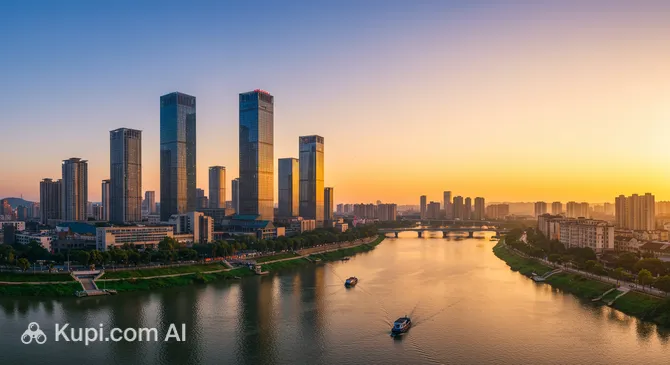
Liuzhou. Source: Kupi.Binoculars

The cultural depth of the region is profound. Those interested in the past will find the history of Liuzhou rich with stories of ancient settlers and renowned poets. The city was famously the place of exile for the celebrated Tang Dynasty scholar Liu Zongyuan, who served as the city's governor and is still honored today for his contributions to the local culture and administration. His legacy is preserved in the memorial temple located in Liuhou Park, a serene spot for reflection amidst the city's energy.

Travelers visiting Liuzhou should not miss its unique local highlights. The city is famous across the country for Luosifen, a spicy river snail rice noodle dish that has become a culinary sensation. Beyond gastronomy, visitors can explore Longtan Park, a massive scenic area featuring karst mountains, clear lakes, and ethnic minority culture displays. The city is also historically known for its high-quality wood, giving rise to the old saying "Born in Suzhou, live in Hangzhou, eat in Guangzhou, die in Liuzhou," referring to the excellent coffins once made here, which are now sold as miniature souvenirs symbolizing longevity and good luck.

Whether you are drawn by the dramatic karst scenery, the spicy local cuisine, or the unique mix of modernity and tradition, Liuzhou offers a memorable experience. It is a perfect destination for those looking to explore an authentic side of Guangxi beyond the usual tourist trails.

Weather Overview

Liuzhou typically experiences a humid subtropical climate, characterized by distinct seasonal changes that remain relatively mild year-round. For travelers wanting to time their visit perfectly, checking the detailed weather in Liuzhou is highly recommended. The city generally sees long, hot summers and short, cool winters, avoiding the extreme freezing temperatures found in northern China.

During the peak summer months of July and August, average temperatures hover around 28°C to 29°C, with daytime highs frequently reaching 32°C. In contrast, January is usually the coldest month, with average temperatures dropping to approximately 11.2°C and lows around 8.0°C. Rainfall is a constant companion throughout the year, peaking in June with up to 26 wet days, while December and January are significantly drier. Overall, visitors can expect warm, humid summers with frequent rain and mild, relatively dry winters.

Interesting Facts

Beyond the famous river bends and spicy noodles, Liuzhou conceals fascinating details that highlight its unique position in Chinese culture and industry. Here are some surprising facts about this dynamic city:

  • The Capital of Strange Stones: Liuzhou is widely recognized as China's "Capital of Rare Stones." The region's unique karst geology yields an abundance of oddly shaped rocks and fossils that are highly prized by collectors. The city is home to the Liuzhou Rare Stone Museum, which boasts a massive collection of these natural artistic formations.

  • A Museum of Bridges: Due to the winding U-shape of the Liu River that separates the city districts, Liuzhou has constructed a remarkable number of bridges. With over 20 major bridges spanning the river, each featuring distinct architectural designs, the city is often affectionately called a "Museum of Bridges" by locals and visitors alike.

  • Electric Vehicle Hub: While traditional industry is strong, Liuzhou is also a pioneer in green mobility. It is the headquarters of major automotive manufacturers like SAIC-GM-Wuling. The city is famous for its incredibly high density of compact, locally made electric cars, which are seen everywhere on the streets, marking it as a model for electric vehicle adoption in China.

  • The Singing Festival: Liuzhou is a vibrant center for the "San Yue San" festival, a traditional celebration for the Zhuang ethnic minority. On the third day of the third lunar month, the city's parks and public squares transform into stages for antiphonal folk singing, where people sing improvised songs to one another to express emotions and celebrate their heritage.

How to Get There

Reaching this dynamic industrial and scenic hub in Guangxi is relatively straightforward, thanks to its well-developed transport network. Whether you prefer flying or taking China's efficient high-speed rail, there are several convenient options available. You can find detailed information on routes and schedules on our page with all ways to reach the city.

For air travel, the most direct entry point is Liuzhou Airport (LZH), located just 13.3 km from the city center. While it is a smaller regional hub, it offers convenient domestic connections. A taxi ride from here to the downtown area typically takes around 40 minutes. For travelers seeking more extensive international or domestic flight options, the neighboring city of Guilin offers Guilin Liangjiang International Airport (KWL). Situated approximately 117 km away in Guilin, this airport handles significantly more traffic. From Guilin, you can easily transfer to Liuzhou by high-speed train or bus. Another major alternative is Nanning Airport (NNG) in the regional capital, Nanning, located about 228 km away, which serves as a major gateway for the region.

For clarity, here is a summary of the main airports:

Airport Name City Passenger Traffic Km from City
Nanning AirportNanningLarge228.7
Guilin Liangjiang International AirportGuilinMedium117.4
Liuzhou AirportLiuzhouSmall13.3

Liuzhou is also a major railway hub in southern China, making train travel an excellent choice. The primary gateway is Liuzhou Railway Station (RLZ), conveniently located just 3.6 km from the city center. With a massive annual passenger volume, this station connects the city to major destinations across the country via high-speed and conventional lines. A taxi from the station to the central business district is very quick, taking only about 25 minutes. If tickets are unavailable directly to Liuzhou, travelers might consider arriving at Guilin Railway Station in Guilin, about 135 km away, and transferring from there.

Below is a list of relevant railway stations in the vicinity:

Station City Passenger Traffic Km to Center
Liuzhou Railway StationLiuzhouVery Large3.6
Guilin Railway StationGuilinLarge135.6
Duyun Railway StationDuyunMedium285.6
Wuzhou Railway StationWuzhouUnknown207.1

Main Attractions

Liuzhou offers a surprising array of attractions that blend its rich industrial heritage with stunning karst landscapes and deep-rooted cultural history. Visitors can explore lush parks, historical sites, and unique museums that showcase the city's diverse character.

One of the most scenic spots in the city is Longtan Park (Dragon Tan Park). Situated in the southern part of Liuzhou, this expansive area is a masterpiece of natural beauty, featuring dramatic limestone peaks surrounding a crystal-clear lake. It is particularly interesting for tourists because it also serves as a cultural showcase for the ethnic minorities of Guangxi. Visitors can wander through authentic recreations of Dong and Miao villages, complete with traditional wooden drum towers and iconic "Wind and Rain" bridges, offering a glimpse into the region's diverse anthropological heritage without leaving the city limits.

For the best panoramic views, a trip to Ma'anshan Park is essential. Named "Horse Saddle Mountain" due to its distinctive shape, this peak rises sharply near the city center. It is the premier location for photographers and sightseers, offering a breathtaking vantage point to observe the famous U-shaped bend of the Liu River embracing the city. The view is especially magical at night when the city lights illuminate the riverbanks and bridges, creating a vibrant contrast against the dark silhouettes of the surrounding mountains.

History enthusiasts will appreciate Liuhou Park, a serene oasis in the heart of the city dedicated to Liu Zongyuan, the celebrated Tang Dynasty poet and scholar who once governed Liuzhou. The park is a fine example of classical Chinese gardening, featuring elegant pavilions, ancient trees, and the ancestral temple of Liu Zongyuan. It provides a peaceful retreat from the urban bustle and allows visitors to connect with the literary and administrative history that shaped the region.

Reflecting the city's modern identity, the Liuzhou Industrial Museum offers a fascinating look at the development of one of southern China's most important industrial bases. Located in a converted textile factory, the museum displays everything from historic steam locomotives to the city's famous mini-electric vehicles. It is a unique attraction that tells the story of Liuzhou's transformation from a traditional trading town to a powerhouse of manufacturing and innovation.

Local Cuisine

The culinary landscape of Liuzhou is a vibrant explosion of flavors, defined primarily by a love for sour and spicy combinations that reflect the region's humid climate. The city's food scene is unpretentious and deeply rooted in street culture, where the aroma of spices and pickled ingredients fills the air. For any traveler, eating here is not just about sustenance; it is an adventure into one of China's most distinctive and bold regional cuisines.

The absolute undisputed king of Liuzhou dining is Luosifen (River Snail Rice Noodles). This dish has gained fame worldwide, but tasting it in its birthplace is a unique experience. It consists of chewy rice noodles served in a rich, savory broth made from river snails and pork bones, simmered for hours with various spices. The bowl is then piled high with toppings like fried peanuts, dried tofu skin, fresh green vegetables, and, most importantly, pickled bamboo shoots. These shoots give the dish its infamous, pungent aroma—often described as "stinky" by first-timers—but they provide a delicious, tangy crunch that makes the dish addictive.

Beyond the famous noodles, the city makes excellent use of its river location. Braised River Snails are a popular evening snack, typically cooked with sour bamboo shoots, ginger, garlic, and chili to create a zesty and appetizing flavor. Another local favorite worth trying is Braised Duck Paws. Unlike traditional preparations, these are often deep-fried first to loosen the skin and then slow-cooked in a snail-based broth, allowing them to absorb the complex, spicy flavors until they are tender enough to melt in your mouth.

To cool down the palate after a spicy meal, locals often turn to specific beverages. Soy milk is the classic partner for a steaming bowl of Luosifen, as its mild sweetness helps counteract the chili heat. For something more traditional, you might encounter Oil Tea (Youcha), a soup-like tea concoction famous among the ethnic minorities of Guangxi, often served with puffed rice and nuts. In the evenings, the lively street food atmosphere is best enjoyed with a cold local beer, which pairs perfectly with the salty and spicy snacks found at night markets.

The food culture in Liuzhou is incredibly social and revolves largely around street food stalls and night markets rather than fancy establishments. As the sun sets, the streets come alive with vendors and diners sitting on small plastic stools, enjoying their meals in the open air. This communal dining style is the heartbeat of the city, offering tourists an authentic glimpse into the daily life of the locals while providing a feast that is both delicious and affordable.

Travel Tips

Visiting Liuzhou is an exciting immersion into authentic southern Chinese culture, but like any destination off the main international tourist trail, it requires a bit of specific preparation to navigate smoothly. To help you enjoy the "Dragon City" like a pro, here are some essential practical tips to keep in mind before you pack your bags.

  1. Clothing and Gear: Liuzhou has a humid subtropical climate, meaning summers are long, sweltering, and often rainy. Pack lightweight, breathable fabrics and a sturdy umbrella or raincoat if visiting between May and September. Winters are short but can feel surprisingly chilly due to the dampness and lack of central heating in many buildings; bring warm layers and a windproof jacket. Since you will likely be climbing karst peaks like Ma'anshan for views, comfortable, non-slip walking shoes are a must.
  2. Transportation: The city does not have a metro system, but getting around is easy and affordable. Taxis and ride-hailing apps like DiDi are the most convenient options for tourists. You will notice thousands of colorful mini electric vehicles on the streets; while you likely cannot rent one without a Chinese license, they make the air cleaner. For a scenic commute, try the Water Bus on the Liu River—it functions as public transport but offers cruise-like views for a fraction of the price.
  3. Finances: The currency is the Renminbi (RMB/CNY). While cash is still accepted, Liuzhou is a digital-first society. It is highly recommended to set up Alipay or WeChat Pay and link your international credit card before arrival, as even small street food vendors prefer mobile payments. International credit cards (Visa/Mastercard) are rarely accepted at shops or restaurants, so rely on ATMs at major banks to withdraw cash if needed. Tipping is not part of the culture and is not expected.
  4. Health and Safety: Liuzhou is generally very safe for travelers. However, tap water is not potable; always drink bottled or boiled water. Pharmacies are widely available and recognizable by a green cross sign, but staff may not speak English, so have a translation app ready or a photo of the medicine you need. Mosquito repellent is essential, especially if you plan to visit parks or riverbanks in the evening.
  5. Communication: Mandarin is the official language, though locals often speak the Liuzhou dialect among themselves. English proficiency is limited outside of high-end hotels. You must download an offline translation app and a map app that works in China (like Baidu Maps or Apple Maps) before you arrive. Also, ensure you have a roaming plan or a travel SIM card that allows access to blocked international apps and websites.
  6. Local Etiquette: Dining is a communal affair. When eating with locals, wait for the host or the eldest person to start eating before you do. If you are sharing dishes, it is polite to take food from the side of the plate closest to you. In public, "saving face" is important; avoid loud confrontations or public displays of anger, as staying calm and smiling will get you much further in resolving issues.
  7. What to Avoid: Never leave your chopsticks sticking vertically into a bowl of rice, as this resembles incense burned for the dead and is considered extremely taboo. Additionally, avoid openly complaining about the strong smell of Luosifen (snail noodles) in public. It is the city's pride and joy, and locals are very protective of their culinary heritage.
  8. Additional Tip: Take advantage of the night scenery. Liuzhou is famous for its illuminated bridges and mountains after dark. A great local hack is to visit the riverside promenade in the evening; it is free, the lights are spectacular, and you can join locals dancing or exercising in the squares, offering a genuine slice of daily life.

With these tips in hand, you are ready to navigate Liuzhou with confidence and ease. Embrace the spicy flavors, the stunning river views, and the warm hospitality of Guangxi for an unforgettable travel experience.

Entertainment & Nightlife

When the sun sets over the karst peaks, Liuzhou transforms into a dazzling spectacle of lights and energy. The city is renowned for its "Night View," where the numerous bridges spanning the Liu River are illuminated in vibrant colors, and the mountains themselves are lit up to create a dramatic backdrop. For tourists, the nightlife here is less about exclusive, high-end clubbing and more about vibrant social districts, riverside relaxation, and immersive cultural experiences.

The epicenter of evening entertainment is undoubtedly Yaobu Ancient Town. Located on the east bank of the river, this reconstructed historic district comes alive at night. It is not just a scenic spot but a bustling complex filled with trendy bars, live music venues, and teahouses housed in traditional-style buildings. Visitors can wander through the illuminated lanes, enjoy a cocktail while listening to a local band, or simply admire the reflection of the glowing pagodas on the water. It offers a perfect blend of modern nightlife and classic Chinese aesthetics.

For those who prefer a more local and energetic atmosphere, Wuxing Pedestrian Street in the city center is the place to be. This area is the commercial heart of Liuzhou and remains bustling late into the evening. Here, the nightlife is driven by shopping, street food, and the sheer volume of people enjoying the cool night air. It is an excellent spot to try late-night snacks, shop for souvenirs, or find a casual KTV (karaoke) venue, which is a favorite pastime for locals of all ages.

A unique feature of Liuzhou's evening entertainment is the Musical Fountain on the Liu River. Often cited as one of the largest floating fountains in the world, it puts on a spectacular show typically twice a night (around 8:00 PM and 9:00 PM). The water jets dance to music and are illuminated by lasers, creating a mesmerizing display that can be viewed for free from the riverside promenades or the nearby viewing platforms. It is a family-friendly event that defines the city's evening charm.

Practical Advice for Nightlife:

  • Timing and Prices: Bars in Yaobu Ancient Town typically get busy around 9:30 PM. Prices are generally affordable compared to megacities like Shanghai; expect to pay between 30–50 RMB for a beer or a simple cocktail.
  • Dress Code: The vibe in Liuzhou is relaxed. Smart casual is appropriate for most bars and clubs, while casual wear is perfectly fine for night markets and walking streets.
  • Getting Around: Liuzhou is very safe at night, and walking along the well-lit riverside is a popular activity. Taxis and ride-hailing apps are plentiful and cheap. If you stay late in Yaobu, getting a taxi back to the city center is easy and usually takes less than 15 minutes.

While the nights are vibrant, Liuzhou offers plenty of excitement during the day as well. Thrill-seekers should visit Liuzhou Fantawild Asian Legend, a high-tech theme park that focuses on the folklore and myths of Southeast Asian countries. It features modern roller coasters, 4D theaters, and cultural performances. For a more educational experience, the Bailian Cave Science Museum offers fascinating insights into the region's prehistoric human activity, providing a quiet contrast to the lively evenings.

Parks & Museums

Liuzhou is a city where urban life and nature coexist in remarkable harmony, earning it the reputation of a "Garden City" amidst its industrial strength. Beyond the well-known landmarks, the city is dotted with lush green spaces and cultural institutions that offer a deeper understanding of its geological uniqueness and rich ethnic heritage. For travelers, exploring these parks and museums provides a quiet respite from the bustling streets and a fascinating look into the soul of the region.

While the famous Ma'anshan and Longtan parks draw many visitors, Yufeng Park (Fish Peak Park) is another gem located right in the city center. Dominated by Yufeng Hill, which resembles a large fish standing upright in a pond, this park is steeped in local folklore. It is celebrated as the site where the legendary singing fairy, Liu Sanjie, is said to have ascended to heaven. Today, it serves as a vibrant cultural hub where locals gather to sing folk songs, keeping the tradition alive. Visitors can climb the stone steps for a panoramic view or take a cable car that connects Yufeng Hill to the neighboring Ma'anshan, offering a unique aerial perspective of the city's karst topography.

For a more recreational experience, Que'ershan Park (Sparrow Mountain Park) in the northern part of the city is a favorite among local families. Unlike the steep, solitary karst peaks found elsewhere, this expansive park features a more rolling landscape covered in dense forest. It is a comprehensive leisure destination, housing an amusement park, a water world, and peaceful walking trails. It is an excellent spot for tourists traveling with children or those looking to observe the relaxed daily life of Liuzhou's residents away from the main tourist hubs.

To truly understand the history of the region, a visit to the Liuzhou Museum is essential. Located on the east side of the People's Square, this modern facility houses an impressive collection that spans from prehistoric times to the present day. Its exhibits on the ethnic minorities of Guangxi are particularly engaging, showcasing colorful traditional costumes, silver ornaments, and intricate handicrafts of the Zhuang, Dong, Miao, and Yao people. The museum also features a significant collection of ancient bronze drums, which are iconic symbols of power and ritual in southern Chinese culture.

Liuzhou is famous as the "Capital of Strange Stones," and the Liuzhou Bagui Kistler Museum is the premier place to appreciate this unique geological heritage. "Kistler" refers to collectors of rare stones, and this museum is dedicated entirely to natural rock formations that resemble animals, landscapes, or abstract art. The exhibits highlight the incredible variety of stones found in the Hongshui River, prized for their shape, color, and texture. It is a distinctively local cultural experience that combines geology with traditional Chinese aesthetics.

For an authentic local experience, take a stroll through Jiangbin Park along the banks of the Liu River. This linear park stretches for kilometers and acts as the city's living room. In the early mornings and evenings, it is filled with people practicing Tai Chi, dancing, or playing instruments. It is the perfect place to unwind, offering unobstructed views of the river and the city's illuminated bridges without any entrance fee.

Getting Around

Navigating Liuzhou is straightforward and affordable, primarily relying on a well-developed network of buses and taxis. Unlike some larger metropolises, the city does not currently have an operational metro system for public use, though construction projects have been visible. As a result, the public bus system serves as the backbone of urban mobility, complemented by a unique water transport option that takes advantage of the river encircling the city center.

The bus network is extensive, covering every corner of the city with regular lines and a Bus Rapid Transit (BRT) system. The BRT lanes allow buses to bypass traffic congestion on major roads, making them a fast and efficient way to travel between districts. Bus stops are clearly marked, often with electronic boards displaying arrival times, though the route information is typically in local characters. Standard fares are very low, usually costing around 1 to 2 RMB per ride regardless of the distance, making it an incredibly budget-friendly way to explore.

A distinctive feature of Liuzhou's transport network is the Water Bus system operating on the Liu River. These boats function as public transit, connecting various piers along the riverbanks, but they also double as a scenic experience for visitors. Taking the water bus offers a traffic-free commute with stunning views of the city's bridges and skyline. It is particularly popular in the evenings when the city lights reflect off the water, offering a cruise-like experience for the price of a public transport ticket.

When it comes to payment, the city is highly digitized. The most convenient method for tourists is to use mobile payment apps like Alipay or WeChat Pay. Both apps have "Transport" mini-programs that generate a QR code, which you simply scan upon boarding the bus or water bus. Physical transit cards exist but are less practical for short-term visitors. If you do not have mobile payments set up, you can still pay with cash, but you must have the exact change ready to drop into the fare box, as drivers do not provide change.

For those seeking more direct and comfortable travel, taxis and ride-hailing services are abundant. Taxis can be hailed on the street and are strictly metered; always ensure the driver turns the meter on at the start of the trip. Alternatively, ride-hailing apps like DiDi are widely used and often preferred by tourists because they allow you to input your destination in English (or via map pin) and see the estimated fare beforehand, eliminating language barriers and potential misunderstandings.

For short distances, shared bicycles and electric scooters are a popular alternative. You will find rows of colorful bikes parked on sidewalks throughout the city, which can be unlocked using the same mobile payment apps used for buses. This is an excellent way to navigate the riverside promenades or travel between nearby attractions at your own pace. However, be mindful of designated parking zones when ending your ride to avoid extra fees.

Accommodation

Where to Stay:

Accommodation in Liuzhou caters to a wide spectrum of travelers, ranging from cost-effective hostels and efficient business hotels to upscale riverside resorts. As a city that balances industry with tourism, the hospitality sector is well-developed, ensuring comfortable stays whether you are visiting for business or leisure. Generally, the options here offer excellent value for money, often costing significantly less than comparable hotels in nearby tourist hubs like Guilin.

For the most convenient experience, the City Center (specifically around Wuxing Pedestrian Street and the People's Square) is the most popular area to stay. Choosing a hotel here places you within walking distance of the bustling night markets, major shopping malls, and the best street food spots. Alternatively, the Riverside Area along the banks of the Liu River is highly recommended for those seeking a more scenic atmosphere. Many properties in this zone offer rooms with panoramic views of the river and the illuminated bridges, providing a stunning backdrop to wake up to.

Travelers can expect a reasonable price structure across the board. Budget accommodations, such as clean chain express hotels, typically range from 150 to 250 RMB per night. Mid-range establishments, which often include amenities like breakfast buffets and gyms, usually cost between 300 and 500 RMB. Luxury options, including well-known international brands and high-end local 5-star hotels, generally start from 600 RMB. Reservations can be easily made through major international travel platforms or Chinese booking apps, which often offer the most competitive rates.

Booking Tip: While finding a room is rarely an issue during regular weeks, it is highly advisable to book well in advance if you plan to visit during the San Yue San Festival (typically in April) or the major Chinese holidays like the Spring Festival and National Day. During these vibrant celebrations, the city fills with visitors eager to witness the folk singing competitions, causing prime locations to sell out quickly.

Nearby Cities

For those looking to explore the surroundings, Liuzhou serves as an excellent base for day trips to several interesting nearby locations. The region is well-connected by high-speed rail and highways, making it easy to discover the diverse landscapes and cultures of Guangxi.

One of the most popular destinations is Guilin, located just a short train ride away. World-renowned for its breathtaking karst scenery and the winding Li River, it offers iconic views that have inspired Chinese artists for centuries. Another great option is the regional capital, Nanning. Known as the "Green City" due to its abundance of lush tropical foliage, it serves as a vibrant gateway to Southeast Asia and offers a mix of modern urban parks and rich ethnic heritage. For travelers interested in unspoiled nature, Hechi provides a more rugged experience with its dramatic mountains and famous longevity villages.

City Population Distance (km)
Yulin 5,849,700 201
Guilin 5,085,500 137
Guigang 4,409,200 136
Nanning 3,837,978 198
Hechi 3,545,700 141

These nearby destinations offer a glimpse into the diverse culture and landscapes of the region, allowing visitors to easily expand their itinerary beyond Liuzhou.

Shopping & Souvenirs

General Overview: Shopping in Liuzhou offers a fascinating mix of modern retail experiences and deeply rooted local traditions. While the city boasts large, contemporary shopping malls similar to those found in China's major metropolises, its true charm lies in its unique specialty goods. Visitors can find everything from high-end fashion brands to quirky local handicrafts. The city is particularly renowned across the country for its "strange stones" and a rather unusual historical craft—woodworking—which has given rise to one of the most distinctive souvenirs in the region.

Main Shopping Areas/Streets: The commercial heartbeat of the city is undoubtedly Wuxing Pedestrian Street. Located in the city center, this bustling thoroughfare is closed to traffic and packed with department stores, boutique clothing shops, and sporting goods outlets. It is a vibrant place to walk around, especially in the late afternoon and evening when the neon lights come on. The area connects seamlessly with the city's central square, making it a convenient one-stop destination for shopping, dining, and people-watching.

Shopping Malls: For a comprehensive modern shopping experience, Liuzhou MixC (The Vientiane City) is one of the premier destinations. It houses a wide array of international and domestic brands, a cinema, and numerous restaurants, offering a comfortable, air-conditioned environment perfect for escaping the summer heat. Another popular spot is the Wanda Plaza, which follows the standard, reliable format of large malls with extensive retail options, supermarkets, and entertainment facilities.

Markets: Given Liuzhou's reputation as the "Capital of Strange Stones," visiting a stone market is a must, even if you don't plan to buy. The Liuzhou Strange Stone City is a massive market dedicated to the trade of ornamental rocks, fossils, and mineral crystals. Here, collectors from all over the country haggle over rocks that resemble landscapes, animals, or abstract art. For a more general local vibe, the night markets near the city center offer inexpensive clothes, accessories, and plenty of street food.

Souvenirs: The most iconic—and surprising—souvenir from Liuzhou is the miniature coffin. Stemming from the old saying "Die in Liuzhou" (due to the high quality of local wood and craftsmanship historically used for coffins), these have evolved into lucky charms. In Chinese, the word for coffin ("Guan Cai") sounds similar to the words for "official" and "wealth," so these small, intricately carved wooden models are gifted to wish for promotion and prosperity. Besides this, Strange Stones are a classic choice, ranging from small pebbles to massive boulders. Foodies should definitely pick up gift boxes of pre-packaged Luosifen (river snail rice noodles), allowing you to recreate the city's signature spicy dish at home.

Opening Hours and Payment: Most shopping malls and department stores in Liuzhou are open daily from around 10:00 AM to 10:00 PM. Independent street shops may open earlier and close later, especially in busy pedestrian areas. When it comes to payment, cash is becoming increasingly rare. The vast majority of transactions, from high-end malls to street vendors, are conducted via mobile apps like Alipay and WeChat Pay. It is highly recommended to set these up on your phone before shopping. International credit cards are generally only accepted in major shopping malls or luxury hotels.

Tax-Free: While the country does have a tax refund scheme for international tourists, it is primarily available in large designated department stores in major gateway cities. In Liuzhou, "Tax Free" signage is less common. If you are making significant purchases at a large upscale mall, it is worth enquiring at the customer service desk if they participate in the tax refund program, but it is best not to rely on it for general shopping.

Reached the end of the page?

That means the route is fully explored