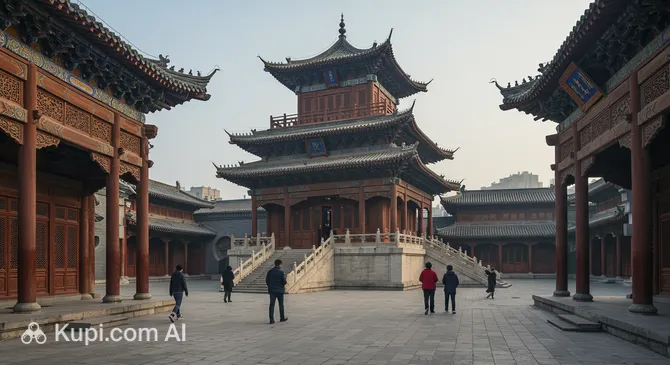
Xian is a city where ancient legends come to life amidst a bustling modern metropolis. As the starting point of the legendary Silk Road, it holds a pivotal place in the cultural heritage of China. Visitors are often captivated by its unique atmosphere, which seamlessly blends the grandeur of imperial dynasties with the energy of contemporary urban life.
Located in the heart of the Shaanxi Province, Xian sits in the fertile Guanzhong Plain. It is a major economic and industrial hub with a population of approximately 12 million people. The city experiences a temperate continental monsoon climate, offering distinct seasonal changes that add to its charm throughout the year.
Xian. Illustration.
Source: Kupi.com AI
The history of Xian is nothing short of spectacular, having served as the capital for 13 different dynasties. This rich past is evident in the sheer number of historical sites scattered throughout the region. The most famous of these is undoubtedly the Museum of Qin Terra-cotta Warriors and Horses, a breathtaking archaeological site that attracts travelers from all over the globe.
Beyond the warriors, the city boasts the remarkably well-preserved Ancient City Wall, which visitors can cycle atop for a unique view of the city. The vibrant Muslim Quarter is another highlight, famous for its lively street food scene and the Great Mosque, offering a delicious taste of local culture. Whether you are exploring ancient tombs or enjoying savory local snacks, Xian invites you to discover its timeless wonders.
Weather Overview
Xian experiences distinct seasonal changes, offering travelers a different atmosphere depending on when they visit. For a detailed forecast and monthly breakdown to help plan your trip, you can consult the guide to the weather in Xian. Generally, the city is characterized by warm summers with frequent wet days and cold, dry winters.
The summer months of June through August are the warmest, with July seeing an average temperature of 27.1°C and highs reaching up to 31.7°C. This season also brings the highest frequency of precipitation, with July recording about 13 wet days. Conversely, winters are quite chilly. In January, the average temperature drops to 1.3°C, with minimums falling to -3.6°C, and the air remains very dry with almost no precipitation.
Spring and autumn are often considered comfortable transition periods. By April, average temperatures rise to a pleasant 16.6°C, continuing to warm up through May. September retains the summer's warmth with an average of 21.5°C, before cooling down to 14.3°C in October, providing mild conditions for exploring the city's outdoor attractions.
Average monthly temperature
Average monthly precipitation
Interesting Facts
Beyond its status as an ancient capital, Xian holds many fascinating secrets and cultural nuances that surprise even seasoned travelers. Here are some intriguing details that reveal the depth of this historic city.
One of the most famous local dishes, "Biangbiang" noodles, is named after a Chinese character so complex—consisting of nearly 60 strokes—that it cannot be typed on standard computer keyboards and does not appear in most dictionaries.
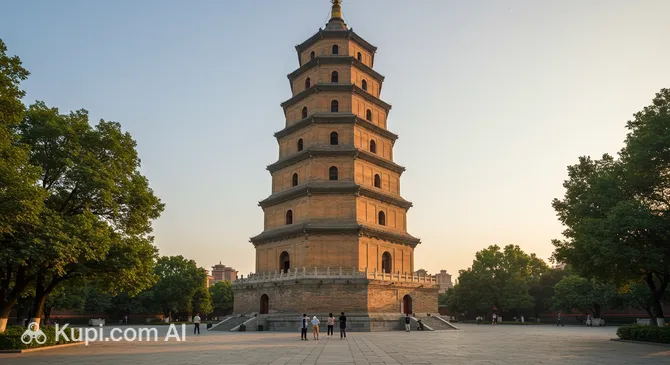
The historic Giant Wild Goose Pagoda was originally built to house Buddhist sutras brought from India by the monk Xuanzang, whose epic journey inspired one of China's four great classical novels, Journey to the West.
Unlike most mosques worldwide, the Great Mosque of Xi'an features no domes or traditional minarets; instead, it is built entirely in a traditional Chinese architectural style with courtyards and pagodas, blending Islamic function with local aesthetics.
The iconic Bell Tower of Xi'an is a masterpiece of timber construction, originally built without the use of a single iron nail, relying instead on complex mortise and tenon joinery to remain standing for centuries.
Giant Wild Goose Pagoda. Illustration.
Source: Kupi.com AI
Traveler photos:
How to Get There
Reaching Xian is convenient due to its status as a major cultural and economic hub in China. Whether you are arriving by air or considering other modes of transport, the city is well-connected to the rest of the country and the world. You can find more about how to get to Xian and the specific transport options available to help plan your journey.
The primary gateway for most visitors is Xianyang International Airport (XIY). Located just 27 km from the city center, it is a major international facility handling a very large volume of passengers annually. The journey from the airport to downtown Xian typically takes around 60 minutes by taxi or shuttle bus, making it the most direct and efficient option for travelers.
For those traveling through the wider region, there are other airports situated in neighboring cities, though they require a significantly longer transfer time. For instance, Ankang Airport (AKA) is located in Ankang, approximately 173 km away, which translates to a travel time of about 4.5 hours by road. Similarly, Yuncheng Airport (YCU) in Yuncheng is roughly 213 km from Xian, requiring a transfer of nearly 5.5 hours.
For clarity, here is a summary of the main airports:
Travelers may also arrive via the rail network. One of the regional options is Shiyan Railway Station (EJQ). It is important to note that this station is located in the city of Shiyan, not in Xian itself. The distance to Xian is approximately 250 km. From there, you can get a taxi or bus, which takes about 6.5 hours to reach the city.
Below is the information regarding the railway station:
While the Terracotta Warriors often steal the spotlight, the city center of Xian is a treasure trove of historical marvels that are equally captivating. The city's layout itself is a testament to its imperial past, with grand structures and ancient defenses integrated into the modern urban fabric.
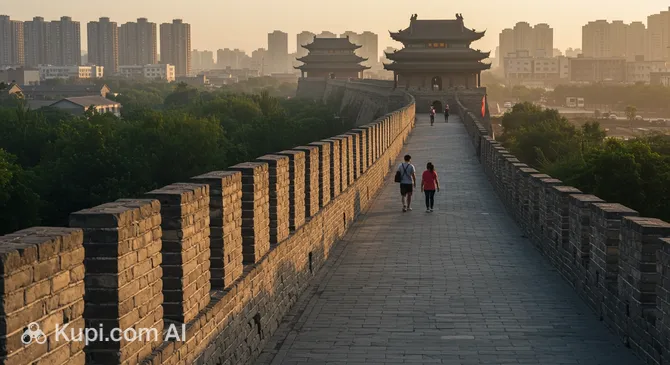
One of the most impressive sights is the Xi'an City Wall, which stands as one of the largest and best-preserved ancient military defensive systems in the world. Enclosing the old city center, this massive fortification offers a unique perspective on the city. Visitors can walk along the ramparts or, for a truly memorable experience, rent a bicycle to ride the entire 14-kilometer loop, enjoying views of traditional architecture on one side and modern skyscrapers on the other.
Xi'an City Wall. Illustration.
Source: Kupi.com AI
Traveler photos:
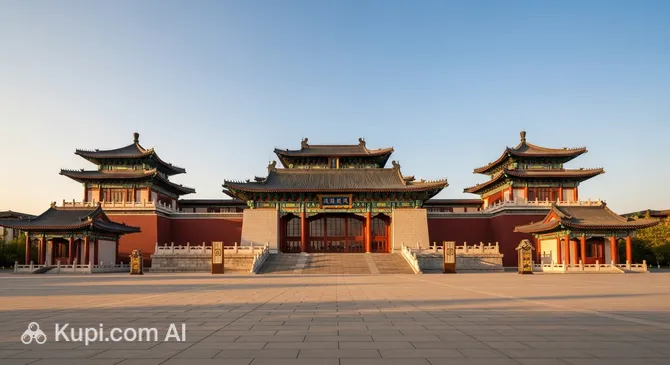
For those eager to delve deeper into the region's rich heritage, the Shaanxi History Museum is an essential stop. Regarded as one of China's best museums, it houses a staggering collection of over 370,000 artifacts. From intricate bronze wares and gold, silver, and jade objects to terracotta figures and murals from the Tang Dynasty, the exhibits provide a comprehensive timeline of Chinese civilization in the region.
Shaanxi History Museum. Illustration.
Source: Kupi.com AI
Traveler photos:
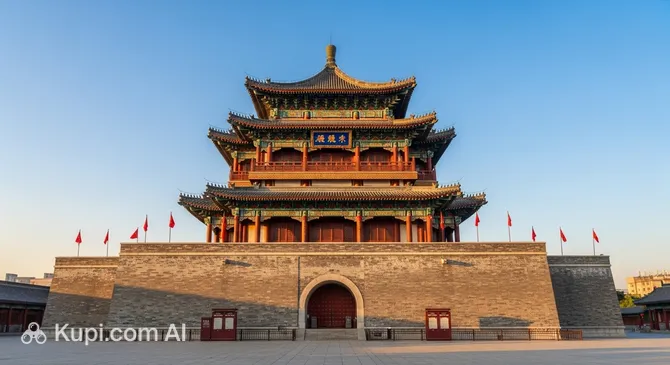
Another iconic landmark is the Drum Tower Museum, located in the heart of the city. Built in 1380 during the Ming Dynasty, it was historically used to signal the passing of time with the beat of huge drums. Today, it houses a fascinating collection of drums and offers traditional musical performances. Its location also marks the entrance to the vibrant Muslim Quarter, making it a perfect starting point for a culinary adventure after exploring the tower.
Local Cuisine
The culinary landscape of Xian is a dream for lovers of hearty, wheat-based dishes, setting it apart from the rice-centric cuisine of southern China. Situated in the fertile Shaanxi Province, the city is famous for its noodles, dumplings, and breads. The local palate favors robust flavors, often combining savory, sour, and spicy elements—known locally as suan la—enhanced by liberal amounts of vinegar, garlic, and chili oil.
Among the must-try specialties is Roujiamo, widely regarded as the Chinese hamburger. This savory snack consists of chopped, slow-braised meat stuffed into a crispy, oven-baked bun, offering a satisfying crunch with every bite. Another definitive dish is Yangrou Paomo, a rich mutton stew served with unleavened flatbread. The dining experience is interactive: you break the bread into small crumbs yourself before it is soaked in the flavorful broth, allowing it to absorb the essence of the stew.
For a true taste of the city's vibrant food culture, head to the bustling Muslim Quarter. Located just behind the Drum Tower Museum, this area is a maze of narrow streets packed with vendors selling everything from spicy squid skewers to sweet persimmon cakes. It is also home to the Great Mosque of Xi'an, making it easy to combine a visit to this historic architectural gem with a delicious exploration of local street food.
Travel Tips
Planning a trip to the ancient capital of the Shaanxi Province can be an exhilarating experience, but a little preparation goes a long way in ensuring a smooth journey. To help you navigate the local customs and logistics with ease, here are some practical tips designed to make your visit to Xian as enjoyable and hassle-free as possible.
Clothing and Gear: The city has four distinct seasons, so pack accordingly. Summers are hot and humid, requiring light, breathable fabrics, while winters can be freezing, so a heavy coat and layers are essential. Since you will likely do a lot of walking—especially at the Terracotta Warriors site or while cycling the City Wall—bring sturdy, comfortable walking shoes. If you plan to visit the Great Mosque, dress modestly by covering your shoulders and knees.
Transportation: The traffic in Xian can be heavy, so the Metro is often the fastest and most reliable way to get around; it connects major attractions like the Bell Tower and the Giant Wild Goose Pagoda. Taxis and ride-hailing apps are available and affordable, but few drivers speak English. It is highly recommended to have your destination written in Chinese characters to show the driver.
Finances: The local currency is the Renminbi (RMB). While cash is still accepted, China has largely moved to mobile payments. It is advisable to download Alipay or WeChat Pay and link your international credit card, as this is how most locals pay for everything from street food to museum tickets. ATMs are widely available, but carrying small denominations of cash is still a good backup.
Health and Safety: Xian is generally a very safe city for tourists. Pharmacies are easy to spot, usually marked with a green cross, though English service may be limited. Tap water is not safe to drink, so always stick to bottled or boiled water. Additionally, the air can be dry and dusty, so carrying a moisturizing lip balm and a face mask is a practical precaution.
Communication: Mandarin is the primary language, and English proficiency is not widespread outside of major hotels and tourist centers. A translation app that works offline or with image recognition (like Baidu Translate or a configured Google Translate) is indispensable. To stay connected, purchase a local SIM card at the airport or ensure your international roaming plan covers data usage.
Local Etiquette: Tipping is not a part of the culture and is generally not expected in restaurants or taxis. When handing over money, a business card, or a gift, use both hands as a sign of respect. Dining etiquette is communal; wait for the host to start eating, and never stick your chopsticks upright in a bowl of rice, as this resembles incense burning for the dead.
What to Avoid: Be wary of overly friendly strangers approaching you near major tourist sites inviting you to a "tea ceremony" or an "art gallery," as this is a common tourist scam known as the tea house scam. Also, avoid visiting popular attractions during Chinese national holidays (like the Golden Week in October) if possible, as the crowds can be overwhelming.
Additional Tip: For a magical experience, visit the Bell Tower and Drum Tower area at night. The structures are beautifully illuminated, and the cooler evening temperatures make exploring the adjacent Muslim Quarter for a late-night snack much more pleasant than in the heat of the day.
Armed with these practical insights, you are ready to dive into the rich history and vibrant culture of Xian. Whether you are marveling at ancient artifacts or savoring a bowl of spicy noodles, these preparations will help you focus on creating unforgettable memories in this magnificent city.
Entertainment & Nightlife
While the daylight hours in Xian are typically dedicated to exploring ancient wonders like the museums and historical sites, the city does not sleep when the sun goes down. In fact, the nightlife here is a vibrant mix of modern energy and traditional charm, offering everything from lively bar streets to spectacular light shows that illuminate the imperial architecture.
For those seeking a classic nightlife experience with music and drinks, Defu Lane (Defu Xiang) is the place to be. Located near the South Gate, this cobblestone street is lined with a high concentration of bars, pubs, and tea houses. The atmosphere here ranges from relaxed acoustic venues to energetic clubs. It is a favorite spot for both locals and expatriates, making it easy to strike up a conversation. Most venues open in the late afternoon and stay busy until 2:00 AM or later. The dress code is generally casual, and prices are comparable to other major Chinese cities—expect to pay around 30-50 RMB for a beer.
A different kind of evening entertainment can be found at the North Square of the Giant Wild Goose Pagoda. This area transforms into a dazzling spectacle at night, featuring the largest musical fountain in Asia. The show combines water, lights, and music in a breathtaking performance that is free to the public. Adjacent to this is the Grand Tang All Day Mall, a pedestrian street that immerses visitors in the glory of the Tang Dynasty with stunning light installations, street performances, and food stalls, creating a festive atmosphere that lasts well into the night.
In the city center, the illuminated Bell Tower of Xi'an stands as a glowing landmark that anchors the night scene. It is particularly beautiful after dark when the lights accentuate its traditional architectural details. Just a short walk away, the Drum Tower Museum marks the entrance to the bustling Muslim Quarter, which becomes a sensory overload of sizzling street food and neon lights in the evening. It is the perfect spot for a late-night snack after sightseeing.
Bell Tower of Xi'an. Illustration.
Source: Kupi.com AI
Traveler photos:
Regarding safety, Xian is very safe for tourists at night, even in busy districts. Violent crime is rare, but standard precautions against pickpocketing should be taken in crowded markets. The subway usually stops running around 11:00 PM, so if you stay out late, taxis or ride-hailing apps like DiDi are the best way to get back to your hotel. Always have your destination written in Chinese characters to show the driver.
Before the night begins, daytime entertainment offers its own variety. Beyond the famous historical sites, visitors can enjoy traditional cultural performances, such as the Tang Dynasty Music and Dance Show, or explore the various theme parks around the city. Whether you prefer the quiet contemplation of a museum or the thrill of a modern amusement park, the city offers diverse options to fill your day before the nightlife takes over.
Parks & Museums
Xian is a city where history is not just preserved in glass cases but is also woven into the landscape itself. The city offers a splendid array of cultural institutions and green spaces, allowing visitors to explore its artistic heritage or simply relax in gardens built upon the foundations of ancient imperial palaces.
For those seeking to delve deeper into Chinese culture, the Forest of Stone Steles Museum (Beilin Museum) is a fascinating stop. It houses the largest collection of stone tablets in China, effectively serving as a library of ancient calligraphy and historical records. Another significant site is the Xi'an Banpo Museum, located east of the city. This museum is built over the remains of a 6,000-year-old Neolithic village, providing a unique window into the lives of the region's earliest inhabitants.
In the heart of the city, the Drum Tower Museum offers a more interactive historical experience. Situated within the historic tower that once marked the passing of time for the city, the museum displays a variety of traditional drums, some of which are massive in scale. Visitors can often catch traditional musical performances here, adding an auditory dimension to their sightseeing.
Drum Tower Museum. Illustration.
Source: Kupi.com AI
Traveler photos:
The parks in Xian are grand in scale and rich in history. Daming Palace National Heritage Park is a vast expanse protecting the site of the Tang Dynasty's main royal palace. It is a popular spot for locals and tourists alike to walk, cycle, or fly kites amidst the archaeological ruins. Nearby, the Shaanxi History Museum stands as a modern architectural tribute to the Tang style, housing a world-class collection of artifacts that chronicle the civilization of the province.
For a picturesque escape, Tang Paradise is a large cultural theme park located near the Giant Wild Goose Pagoda. It features comprehensive reconstructions of royal gardens, pavilions, and lakes, designed to immerse visitors in the glory of the Tang Dynasty. The area surrounding the pagoda itself is also beautifully landscaped, offering a serene environment for a leisurely stroll day or night.
Getting Around
Navigating Xian is relatively straightforward thanks to its well-developed and modern public transport network. For most tourists, the Metro is the most efficient and comfortable way to travel between major attractions. The system is clean, punctual, and features signs and announcements in English. Lines connect key hubs such as the Railway Station, the Bell Tower in the city center, and the Giant Wild Goose Pagoda. The metro typically operates from approximately 6:00 AM to 11:00 PM, making it a reliable option for full days of sightseeing.
For destinations not covered by the subway, the public bus system offers extensive coverage. Buses are very affordable, often costing as little as 1 or 2 RMB per ride. However, routes can be complex for non-Chinese speakers, and traffic congestion can delay travel times. If you choose to take the bus and pay with cash, be aware that drivers do not carry change; you must drop the exact fare into the box upon entry. Many stops have route information in English, but having your destination written in Chinese characters is highly recommended to ensure you are on the right bus.
When it comes to paying for rides, the city has largely moved towards digital solutions. While single-journey tickets can be purchased at metro stations using automatic vending machines (which accept cash and have English interfaces), long-term visitors might prefer the Xi'an Transportation Card (Changan Tong). This rechargeable smart card can be used on the metro, buses, and even in some taxis, offering a slight discount on fares. It can be purchased at metro stations and select convenience stores. Alternatively, mobile payment apps like Alipay and WeChat Pay are ubiquitous; you can scan a QR code to pay for your ride directly, which is the method preferred by locals.
Taxis and ride-hailing services provide a convenient alternative, especially late at night or when traveling with luggage. Taxis are generally green or yellow and are metered. It is advisable to ignore unmetered cars waiting near tourist sites to avoid overcharging. Ride-hailing apps like DiDi are extremely popular and often easier for foreigners to use, as the app allows you to input your destination in English and pays automatically through your linked digital wallet.
For short distances, shared bicycles are a fantastic way to see the city. You will find rows of dockless bikes (usually blue, yellow, or green) on sidewalks throughout the city. These can be unlocked using the associated apps (often integrated into Alipay or WeChat) for a very small fee. Riding a bike is particularly pleasant around the old city center or for cruising along the top of the City Wall, which is a unique transport experience that doubles as a major sightseeing activity.
A special mention should be made for the dedicated tourist bus lines. To reach the famous Terracotta Warriors, which are located outside the city center, special tourist buses (often labeled as "Tourist Line 5" or similar) depart from the main railway station area. These are a reliable and cost-effective alternative to private tours, specifically designed to shuttle visitors directly to the archaeological site.
Accommodation
Where to Stay:
Accommodation in Xian caters to a wide spectrum of travelers, ranging from budget-friendly youth hostels to opulent five-star luxury resorts. As a major international tourism destination, the city is well-equipped with modern facilities, and visitors will find that the hospitality standards are generally high. Whether you prefer the charm of a traditional courtyard guesthouse or the amenities of a contemporary high-rise hotel, there is something to suit every preference and budget.
For most first-time visitors, the best place to stay is the City Center, particularly within the area enclosed by the ancient fortifications. Staying here puts you within walking distance of iconic landmarks like the Bell Tower of Xi'an and the Drum Tower Museum. This district is the beating heart of the city, offering easy access to the metro and the bustling Muslim Quarter, where food and culture converge.
If you prefer a more modern and upscale atmosphere, consider the Yanta District, located to the south of the historic center. This area surrounds the Giant Wild Goose Pagoda and is characterized by wide boulevards, shopping malls, and a high concentration of luxury international hotel chains. It is a fantastic choice for those who enjoy evening strolls through illuminated plazas and want to be close to the Tang Paradise theme park.
Another popular option is the area near the South Gate of the Xi'an City Wall. This location offers a perfect blend of history and nightlife. You can enjoy the view of the illuminated wall at night and easily access the trendy bars and cafes of Defu Lane. It is a strategic base that balances sightseeing during the day with entertainment in the evening.
When planning your stay, it is highly recommended to book in advance, especially if you are traveling during peak Chinese holidays such as the Spring Festival (Chinese New Year) or the National Day Golden Week in October. During these times, prices can skyrocket, and the best rooms sell out months ahead. Additionally, always ensure that your chosen accommodation accepts foreign guests, as some smaller budget inns may not be licensed to host international travelers.
In terms of pricing, Xian is generally more affordable than Beijing or Shanghai. Budget travelers can find comfortable hostel beds or simple rooms for a very reasonable price, while mid-range hotels offer excellent value with good amenities. Luxury options are available at a fraction of the cost compared to Western cities. Reservations can be easily made through major global online booking platforms, which usually offer the most reliable confirmation for international tourists.
Nearby Cities
For those looking to explore the surroundings, Xian serves as an excellent base for day trips to several interesting nearby locations.
One of the most immediate options is Xianyang, located just a short distance to the northwest. As the capital of the Qin Dynasty—the first dynasty of imperial China—it is steeped in history. Visitors can explore the Xianyang Museum, which houses thousands of cultural relics, or visit the majestic imperial tombs scattered throughout the area. It offers a quieter, yet equally historically significant, alternative to the bustling center of Xian.
To the east lies Weinan, a city that serves as the gateway to one of China's most famous natural wonders: Mount Huashan. Known for its steep cliffs and breathtaking vistas, Huashan is one of the Five Great Mountains of China and attracts hikers and nature lovers from around the world. While the climb is challenging, the scenery provides a dramatic contrast to the urban landscape of the plains.
Further west is Baoji, often referred to as the "Hometown of Bronzeware." This city is a haven for archaeology enthusiasts, boasting the Baoji Bronzeware Museum, which displays an extensive collection of ancient artifacts. It is also the access point for the renowned Famen Temple, a significant Buddhist site that houses a finger bone relic of the Sakyamuni Buddha.
These nearby destinations offer a glimpse into the diverse culture and landscapes of the region, making them perfect additions to your itinerary.
Shopping & Souvenirs
Shopping:
Shopping in Xian is a delightful exploration that bridges the gap between the ancient and the modern. The city offers a diverse retail landscape where high-end international boutiques stand just blocks away from bustling traditional bazaars. Whether you are looking for luxury fashion, electronic gadgets, or unique cultural handicrafts, the city provides a wealth of options to satisfy every type of shopper.
The primary commercial hub is centered around East Street (Dong Dajie), which has traditionally been the city's most famous shopping thoroughfare. Connecting the Bell Tower to the eastern city gate, this vibrant street is lined with large department stores, fashion outlets, and restaurants. Another key area is South Street (Nan Dajie), known for its upscale atmosphere and luxury brands, making it the destination for those seeking high-quality goods and designer labels.
For a modern retail experience, the city boasts several impressive shopping malls. The Saga International Shopping Center is one of the most popular, renowned not only for its vast array of shops and restaurants but also for housing one of the longest indoor escalators in Asia and a massive indoor waterfall. Century Ginwa is another prominent name, offering a premium shopping environment often situated near major landmarks like the Bell Tower.
However, the true charm of shopping in Xian lies in its vibrant markets. The Muslim Quarter is the most famous of these, a labyrinth of narrow lanes located behind the Drum Tower Museum. Here, the air is filled with the scent of spices and street food, while stalls overflow with local crafts. It is the perfect place to hunt for bargains and immerse yourself in the local atmosphere. In the heart of this district lies the Great Mosque of Xi'an, surrounded by small shops selling everything from dried fruits to traditional artwork.
Great Mosque of Xi'an. Illustration.
Source: Kupi.com AI
Traveler photos:
When it comes to souvenirs, the city is famous for replicas of the Terracotta Warriors, which come in all sizes and qualities. Other popular items include Tang Dynasty-style tri-color pottery, intricate paper cuttings, and peasant paintings from the nearby Huxian County. For those interested in calligraphy, the Shu Yuan Men Ancient Culture Street is an excellent spot to find brushes, ink stones, and beautiful hand-painted scrolls. Local food products like dried persimmons, walnuts, and dates also make for excellent gifts.
Most shops and malls typically open around 10:00 AM and close between 9:30 PM and 10:00 PM. While large department stores and malls accept major credit cards, smaller shops and market stalls generally prefer mobile payments like Alipay or WeChat Pay. Cash is still accepted, but carrying small denominations is advisable when bargaining in the markets.
Tax-free shopping is available for international tourists at select designated department stores in the city. If you spend over a certain amount (usually 500 RMB) in one day at a participating store, you may be eligible for a VAT refund. Be sure to look for the "Tax Free" signage and have your passport ready to request the necessary tax refund form at the time of purchase.