Support

Dalanzadgad

About

Dalanzadgad stands as a vital urban oasis in the heart of the Gobi Desert. As the capital of the Ömnögovi Province, this city serves as the primary gateway for travelers exploring the southern reaches of Mongolia. With a population of approximately 20,704 residents, it offers a fascinating blend of modern amenities and traditional nomadic culture, providing a comfortable and essential base before venturing into the rugged wilderness surrounding it.
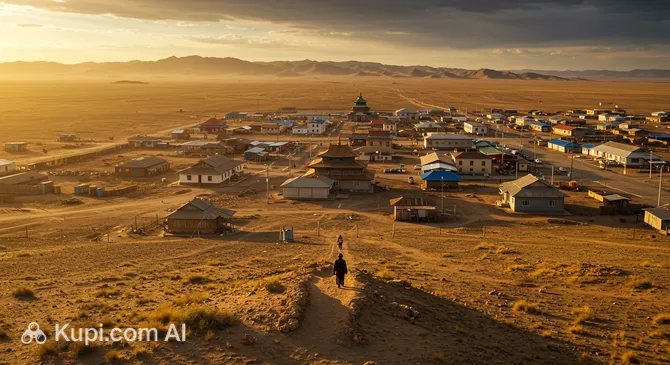
Dalanzadgad. Source: Kupi.Binoculars

The city is situated at an elevation of about 1,470 meters, which contributes to its semi-arid cold desert climate, characterized by warm summers and chilly winters. While the history of Dalanzadgad is relatively modern compared to ancient settlements, it has grown significantly as a logistical hub connecting the vast steppe with the rest of the country. Visitors will find a surprisingly well-developed infrastructure here, including paved roads, a modern airport, and various dining options that showcase warm local hospitality.

Most tourists flock to Dalanzadgad to access the stunning natural wonders of the Gurvan Saikhan National Park. It is the perfect starting point for excursions to the famous Yolyn Am, also known as Eagle Valley, a deep gorge where thick ice fields can persist well into the summer. Nearby, the fiery red sandstone of the Flaming Cliffs (Bayanzag) offers a glimpse into prehistoric times, famous worldwide for the discovery of the first dinosaur eggs.

Whether you are passing through on a grand overland expedition or arriving specifically to witness the majestic Gobi, Dalanzadgad welcomes you with open arms. Its unique position as a civilized outpost on the edge of the wild makes it an essential stop for anyone seeking to experience the true spirit of the Mongolian landscape.

Weather Overview

The climate in Dalanzadgad is characterized by significant seasonal contrasts, typical of the Gobi Desert region. Winters are generally cold and dry, while summers bring warmer weather and the majority of the year's limited moisture. Expect warm summers with occasional rain and cold, dry winters.

January is usually the coldest month, with average temperatures hovering around -12.4°C and nighttime lows plunging to -18.2°C. Conversely, July is the warmest time of year, offering comfortable average temperatures of 22.1°C and highs reaching up to 28.0°C, making it a popular season for exploration.

Rainfall is scarce year-round, with winter months like December and January often seeing zero precipitation. The summer months are slightly wetter, with July experiencing about 8 wet days, although the total rainfall remains minimal. To help you pack the right gear for your trip, you can consult the detailed forecast and historical trends for the weather in Dalanzadgad.

Interesting Facts

Beyond the main attractions, Dalanzadgad holds many fascinating secrets that reveal its deep connection to the history and nature of the Gobi.
  • The name "Dalanzadgad" literally translates to "Seventy Springs" in the Mongolian language. This poetic moniker refers to the area's historical status as a lush oasis where numerous underground springs once surfaced, serving as a critical lifeline for nomads traversing the arid desert.

  • Despite being a modern administrative center, the city embraces its identity as the gateway to the "Land of Dinosaurs." You can find dinosaur-themed sculptures and art installations throughout the town, paying homage to the nearby Flaming Cliffs where the first dinosaur eggs were historically discovered.

  • Dalanzadgad is the central hub for the unique "Thousand Camel Festival," typically held in winter. This event celebrates the endangered two-humped Bactrian camel and features extraordinary activities such as camel polo and beauty pageants for these "ships of the desert."

  • The city serves as the capital of Ömnögovi, which is the largest province in the country by area yet has the lowest population density. This makes Dalanzadgad a bustling island of civilization surrounded by hundreds of kilometers of virtually uninhabited wilderness.

How to Get There

Reaching this remote provincial capital is an adventure in itself, serving as the primary logistical hub for the Gobi Desert. While the city is isolated in the vast steppe, it is well-connected to Mongolia's capital, Ulaanbaatar, making it accessible for tourists. For a comprehensive guide on all available transport options, you can read more about how to get to Dalanzadgad.

The fastest and most popular method for travelers is flying into the local airport. Dalanzadgad (IATA: DLZ) is a regional airport located approximately 5.9 km from the city center. It receives regular domestic flights from Ulaanbaatar, especially during the peak summer tourist season. Upon arrival, the transfer to the town center is short and convenient, typically taking about 20 to 30 minutes by taxi. Although the airport is small, handling around 45,000 passengers annually, it is the crucial gateway for expeditions into the Gurvan Saikhan National Park.

For clarity, here is a summary of the main airport:

Airport Name City Passenger Traffic Km from City
DalanzadgadDalanzadgadSmall5.9

There are currently no passenger railway stations serving Dalanzadgad. The train lines in the South Gobi region are primarily dedicated to mining and industrial transport and do not offer services for tourists. Consequently, if you are not flying, the only alternative is road travel. A paved road connects Ulaanbaatar to Dalanzadgad, allowing for a comfortable journey by bus or private car, which generally takes between 8 to 10 hours.

Main Attractions

While Dalanzadgad is primarily known as the logistical hub for the Gobi Desert, the city itself and its immediate surroundings offer several worthwhile stops for travelers. Before venturing deep into the wilderness, visitors can explore local culture, history, and the stunning natural landscapes that sit right on the city's doorstep.

Ömnögovi Aimag Museum is a must-visit cultural institution located in the heart of the city. This comprehensive museum offers a fascinating introduction to the region, featuring two main halls dedicated to natural history and ethnography. Tourists are particularly drawn to the impressive collection of dinosaur fossils and eggs found in the nearby Flaming Cliffs, as well as the intricate displays of local flora, fauna, and traditional nomadic costumes. It serves as an excellent educational starting point for understanding the rich heritage of the South Gobi.

Just a short drive from the city center lies the majestic Gurvan Saikhan National Park. As the city sits at the foothills of the "Three Beauties" mountain range, this park is the most accessible natural attraction for anyone staying in Dalanzadgad. The park offers breathtaking views of rugged peaks rising from the desert floor, providing ample opportunities for photography, short hikes, and spotting wildlife such as the Siberian ibex and Argali sheep.

Located within the national park, approximately an hour's drive from the city, is the famous Yolyn Am, or Eagle Valley. This deep, narrow gorge is one of the region's most popular sights, known for its dramatic rock walls that shelter a thick field of ice for most of the year. Walking through the lush, green canyon offers a cool respite from the desert heat and the chance to see the valley's namesake lammergeiers (bearded vultures) soaring overhead.

For a quick and quirky local experience, visitors should check out the Dinosaur Park scattered within the city limits. Embracing its identity as the gateway to the "Land of Dinosaurs," Dalanzadgad features several large, open-air sculptures of dinosaurs that once roamed this land. These statues provide a fun photo opportunity and highlight the paleontological significance of the Ömnögovi Province to the world.

Local Cuisine

The local cuisine in Dalanzadgad is a reflection of the nomadic lifestyle and the harsh, arid environment of the Gobi Desert. Food here is designed to be hearty and energy-rich, primarily centered around meat and dairy products. While you can find international options in the city's modern hotels, the true flavor of the region lies in its traditional Mongolian fare, which offers a warm and savory welcome after a long day of exploring the steppe.

Meat is the staple of almost every meal, with mutton and goat being the most common, though the Gobi region is also known for the use of camel meat. Visitors should definitely try Khuushuur, deep-fried dough pockets filled with minced meat, onions, and garlic. These are widely available and serve as a perfect, filling snack. Another favorite is Tsuivan, a stir-fried noodle dish with meat and vegetables that is a staple in local households and canteens alike. For a special culinary experience, seek out Khorkhog, an authentic barbecue where meat and vegetables are cooked inside a container with hot stones, often prepared at tourist camps or for special occasions.

Given the prevalence of camels in the Ömnögovi Province, dairy products made from camel milk are a unique local specialty. You might encounter Aaruul, dried curds that are often harder and have a distinct flavor compared to those made from cow or yak milk. These serve as a traditional travel snack for nomads and are an acquired taste worth trying for the adventurous eater.

When it comes to beverages, the most ubiquitous drink is Suutei Tsai, a salty milk tea served hot with every meal. It is refreshing and helps replenish salts lost in the dry desert heat. A drink specific to this region is Khoormog, fermented camel milk. Similar to the famous Airag (fermented mare's milk), Khoormog is rich in probiotics and vitamins, known for its therapeutic properties and slightly sour, fizzy taste. It is a true signature of the Gobi summer.

The food culture in Dalanzadgad is a mix of casual dining and traditional hospitality. For a quick and authentic meal, look for a Guanz, a small local canteen often found near markets or along the road. These spots serve fresh, affordable dishes like steamed dumplings (Buuz) and soups. In the city center, there are several sit-down restaurants that offer a broader menu, including Western and Asian dishes to cater to the growing number of tourists passing through to the national parks.

Travel Tips

Welcome to Dalanzadgad, the last major outpost of civilization before you venture into the vastness of the Gobi Desert. To ensure your expedition is as comfortable and memorable as possible, we have compiled a list of essential practical tips tailored to the unique conditions of this remote region.

  1. Clothing and Gear: The desert climate is extreme and unpredictable. Even in summer, the temperature difference between day and night can be drastic, so dressing in layers is crucial. Bring a windproof jacket, a sun hat, and high-quality sunglasses to protect against the intense glare. If you plan to hike in Yolyn Am, sturdy, closed-toe walking shoes are mandatory, as the terrain is rocky and can be icy even in warm months. For winter visits, heavy thermal gear is non-negotiable.

  2. Transportation: Within the city limits of Dalanzadgad, you can easily get around by walking or flagging down a local taxi; fares are generally cheap, but it is best to agree on the price beforehand. However, to reach the main attractions like the Flaming Cliffs or the National Park, public transport is non-existent. You must hire a private vehicle, ideally a 4x4 with an experienced driver, or join an organized tour, as the desert tracks are unmarked and treacherous for the uninitiated.

  3. Finances: The local currency is the Mongolian Tugrik (MNT). While there are banks and ATMs in Dalanzadgad that accept international cards (Visa/Mastercard), this city is your "last chance" to withdraw cash before heading into the desert. Tourist camps and nomadic families in the countryside rarely accept cards, so ensure you withdraw enough cash here to cover tips, snacks, and souvenirs for the duration of your Gobi trip.

  4. Health and Safety: The air in the Gobi is incredibly dry, so dehydration is a silent risk; carry and drink more water than you think you need. Pharmacies are available in the city center near the main square, but they may not carry specific prescription brands, so bring your own personal supply. Dalanzadgad is generally very safe, but be cautious around stray dogs, which can be aggressive, especially on the outskirts of town.

  5. Communication: English is spoken by tour guides and hotel staff, but very few locals in shops or taxi drivers will be fluent. It is highly recommended to buy a local SIM card (Unitel or Mobicom have the best coverage in the south) in the city center before leaving for the wilderness. Download an offline map app like Maps.me and a translation app, as mobile data can be spotty once you leave the paved roads.

  6. Local Etiquette: When interacting with locals, always use your right hand (or both hands) to give or receive items; using only the left hand is considered impolite. If you are invited into a local home or a ger (yurt), remember to never step on the threshold of the door—step over it. It is also customary to accept a sip of milk tea or a piece of dried curd if offered, as a sign of respect for their hospitality.

  7. What to Avoid: Avoid whistling indoors or inside a ger, as it is believed to summon bad spirits or cause storms—a superstition taken seriously in the Gobi. Additionally, do not throw trash or water into a fire; fire is considered sacred in Mongolia, and disrespecting it is a major offense.

  8. Stock Up Here: Treat Dalanzadgad as your supply base. The city has several well-stocked supermarkets where you can buy large bottles of water, snacks, wet wipes, and toiletries at standard prices. Once you head out to the tourist camps in the desert, prices for these basic items can double or triple, if they are available at all.

By keeping these practicalities in mind, you will be well-prepared to embrace the rugged beauty of the South Gobi without unnecessary hassles. Dalanzadgad is a friendly and fascinating starting point, so stock up, buckle up, and get ready for the adventure of a lifetime!

Entertainment & Nightlife

While Dalanzadgad is primarily a quiet administrative hub rather than a bustling metropolis, it offers a distinct and authentic slice of local evening culture. The nightlife here is modest and centered mainly around social dining, hotel bars, and the ubiquitous Mongolian pastime: karaoke. Travelers returning from the Gobi Desert will find a few welcoming spots to unwind, enjoy a cold drink, and mingle with locals in a relaxed atmosphere.

The city does not have a designated "nightlife district" in the Western sense, but most activity is concentrated in the city center near the main administrative buildings and the central square. This area is safe and walkable, housing the majority of the town's dining and entertainment venues. The vibe is decidedly casual; hiking boots and travel gear are the standard dress code, and the crowd is a mix of international tourists, mining workers, and local families.

For a comfortable evening out, the Gobi Sands Hotel is one of the premier spots in town. Its restaurant and bar area offer a modern setting where you can enjoy international spirits and local beers in a relatively upscale environment. It is an excellent place to relax after a dusty day on the road. Another reliable option is the Khan Uul Hotel, which features a restaurant that often stays open late, serving hearty meals and drinks to travelers. If you are looking to experience how locals party, keep an eye out for signs saying "Karaoke" or "VIP Rooms" along the main streets; these private singing rooms are the heart of local nightlife and are incredibly popular on weekends.

Practicalities for a night out in Dalanzadgad are straightforward. Most venues close by midnight or 1:00 AM, so it is best to start your evening early, around 7:00 or 8:00 PM. Prices are very affordable compared to the capital, Ulaanbaatar. Transportation at night is simple; you can usually flag down a private car acting as a taxi on the main road, but for safety, it is recommended to ask your hotel or restaurant to call a verified driver for you. While the city is generally safe, it is advisable to avoid unlit outskirts late at night and be cautious around intoxicated individuals leaving bars.

Regarding daytime entertainment, the city offers a few cultural gems. The Music and Drama Theatre of Ömnögovi Province is a key cultural landmark. Although schedules can be sporadic, it hosts concerts, traditional folk performances, and plays that showcase the rich artistic heritage of the region. Additionally, the central public park and the town square provide pleasant spaces for a leisurely afternoon stroll, often bustling with local life and small seasonal markets.

Parks & Museums

While Dalanzadgad is best known as the gateway to the Gobi Desert's vast wilderness, the city itself cultivates a surprising array of green spaces and cultural institutions. Visitors spending a day here before or after their desert expeditions can explore well-maintained public areas and museums that offer a deep dive into the region's paleontological fame and nomadic heritage.

Key Parks and Green Spaces

Given the arid climate of the Ömnögovi Province, lush gardens are a rarity, but the city has developed unique urban spaces that celebrate its identity. The most prominent is the Dinosaur Park, located within the city limits. Rather than a traditional botanical garden, this open-air space serves as a tribute to the region's prehistoric significance. It features large-scale sculptures of dinosaurs, including the Tarbosaurus and Protoceratops, which historically roamed this land. It is a favorite spot for families and tourists looking for a fun, thematic photo opportunity that perfectly sets the mood for a trip to the nearby Flaming Cliffs.

Another central gathering point is Ajnai Square, the city's main plaza. While more of a paved civic space than a forest park, it functions as the social heart of Dalanzadgad. In the evenings, locals gather here to socialize, and children play around the monuments. During the warmer months, the square occasionally features operating fountains, providing a rare and refreshing sight of flowing water in the middle of the desert.

Museums and Galleries

The cultural highlight of the city is undoubtedly the Ömnögovi Aimag Museum (Museum of South Gobi Province). This institution is surprisingly comprehensive for a provincial capital and is divided into two main sections: Natural History and Ethnography. The Natural History hall is world-class in its relevance, displaying authentic dinosaur fossils, petrified wood, and dinosaur eggs discovered in the surrounding desert. It provides essential context for travelers heading to the excavation sites.

The Ethnography section of the museum offers an intimate look at the human history of the Gobi. Visitors can examine traditional Mongolian musical instruments, intricate silver jewelry, and the distinct costumes of the local ethnic groups. The displays also include a fully furnished ger (yurt), showcasing the tools and lifestyle of the nomadic herders who have thrived in this harsh environment for centuries.

Historical and Architectural Sites

For those interested in spiritual architecture, the Dashchoimbel Monastery is a significant landmark. Like many religious sites in Mongolia, it was rebuilt following the democratic changes in the 1990s. Today, it stands as an active place of worship where visitors can observe the daily rituals of the monks. The architecture reflects the traditional Tibetan-Mongolian style, and the peaceful atmosphere offers a quiet retreat from the bustle of the town center.

Authentic Experiences

For a glimpse into local life, take a walk through the city's "ger districts" on the outskirts, where traditional felt tents sit side-by-side with brick houses. Additionally, if you visit the Aimag Museum on a weekday morning, you might have the entire collection to yourself, allowing for a private and unhurried exploration of the Gobi's treasures before the tour groups arrive.

Getting Around

The public transport infrastructure in Dalanzadgad is modest and reflects the city's small size and remote location. Unlike large metropolitan areas, there is no metro, tram, trolleybus, or complex municipal bus network here. For visitors, the system is straightforward and informal, relying primarily on taxi services and private vehicles rather than scheduled public transit routes to navigate the urban area.

Taxis are the most convenient and common mode of transport for distances that are too far to walk. It is important to note that you will rarely see formal, marked taxi cabs with meters. Instead, the city operates on an informal system where locals use their personal cars to ferry passengers. To catch a ride, simply stand by the side of the road and hold out your hand. A driver will stop, and you can state your destination. This method is efficient, widely used by residents, and generally safe for tourists.

Regarding the payment system, cash is the absolute rule for all local transport within the city. There are no electronic travel cards, passes, or mobile ticketing apps available for city transit. Fares are typically calculated based on a standard flat rate for trips within the city limits, which is quite affordable. You should always carry small denominations of the local currency, as drivers often do not have change for large bills. It is highly advisable to confirm the price with the driver before entering the vehicle to ensure clarity.

For most tourists, walking is a viable and pleasant alternative to driving. The city center, which houses the main square, the museum, and several key hotels, is compact and easy to navigate on foot. You can walk between most major urban points of interest in 15 to 20 minutes. Bike rentals and car-sharing services are not standard features in the city, so relying on walking or the local taxi system are your primary options.

While navigating the city itself is simple, it is worth mentioning that public transport does not extend to the major tourist attractions located outside the city limits, such as the national parks or the Flaming Cliffs. For these excursions, the standard practice is to hire a private driver with a 4x4 vehicle or join an organized tour. These arrangements can typically be made through your hotel or at the airport upon arrival.

Accommodation

Where to Stay:

Accommodation in Dalanzadgad is designed primarily to serve travelers heading into or returning from the Gobi Desert. The options generally reflect the city's status as a logistical base rather than a luxury resort destination. Visitors can expect a mix of functional mid-range hotels, budget-friendly guesthouses, and traditional ger camps located on the outskirts. While the selection is not vast, the standards have improved significantly in recent years to cater to international tourists.

Most travelers choose to stay in the city center, particularly near the main square and administrative buildings. Staying in this area offers the convenience of being within walking distance of supermarkets, the local museum, and the few available restaurants. This is the most practical choice for those who want easy access to supplies and reliable electricity. Alternatively, for a more authentic experience, there are ger camps (yurt camps) located just outside the city limits. These offer a chance to sleep in traditional nomadic dwellings while still having access to city amenities, serving as a gentle introduction to camp life before heading deeper into the wilderness.

The hotel scene is dominated by functional establishments that provide essential comforts such as hot showers and Wi-Fi. The city features a few prominent hotels that are well-known among tour operators and frequent travelers. Places like the Gobi Sands Hotel are often considered the top choice for comfort, offering modern rooms and Western-style amenities. Other establishments, such as the Khan Uul Hotel, provide reliable mid-range services. These hotels are typically the go-to spots for organized tour groups and travelers seeking a solid night's rest.

The price range in Dalanzadgad is generally affordable by international standards, though it can be slightly higher than in other provincial Mongolian towns due to the high volume of tourists. Budget guesthouses are very cheap, while mid-range hotels command moderate prices that rise during the peak season. Booking methods vary; the larger hotels can often be booked via major online platforms, but many smaller guesthouses and camps rely on direct contact or arrangements made through tour agencies.

Traveler Tip: The tourist season in the Gobi is relatively short, peaking from June to August. During this time, and especially during the Naadam Festival in July, accommodation can sell out weeks in advance. It is highly recommended to book your stay well ahead of time if you plan to visit during the summer months to avoid being left with limited or sub-par options.

Nearby Cities

For those willing to venture further into the desert surroundings, Bayanzag (Flaming Cliffs) offers a spectacular journey into prehistoric times. Situated approximately 90 kilometers from Dalanzadgad, this site is world-renowned for the discovery of the first dinosaur eggs in the 1920s. The area is named for its glowing red sandstone cliffs, which are particularly breathtaking at sunset, allowing visitors to walk through a landscape that has remained largely unchanged for millions of years.

Khongoryn Els (Singing Sands) constitutes a longer expedition but is a highlight for those with a full day or more to spare. These massive sand dunes, some reaching heights of up to 300 meters, are famous for the "singing" sound they produce when the wind blows or the sand shifts. The dramatic scenery and the opportunity to ride camels along the dunes make the long drive worthwhile for adventurous travelers.

While these natural sites are accessible for excursions, Dalanzadgad also serves as a logistical node for reaching other major urban centers in Mongolia. However, due to the vast scale of the country, the cities listed below are not suitable for day trips. Instead, they represent distant major hubs that require significant travel time, making them ideal destinations for the next leg of a broader itinerary.

City Population Distance (km)
Ulaanbaatar 1396288 521
Muren 134530 749
Erdenet 106810 610
Darkhan 74738 666
Nalaikh 37659 517

Planning your route to these distant locations carefully is essential, as they involve crossing large stretches of the Mongolian steppe.

Shopping & Souvenirs

Shopping in Dalanzadgad is primarily functional rather than recreational, serving as a critical supply run for travelers heading into the Gobi Desert. While you will not find high-end fashion boutiques or sprawling luxury complexes, the city offers a reliable selection of stores to stock up on essentials. It is the best place in the region to purchase camping gear, imported snacks, bottled water, and local handicrafts before venturing into the remote wilderness where shops are non-existent.

Main Shopping Areas

The retail activity is concentrated in the city center, particularly along the main avenues surrounding the central square and the administrative buildings. This area is compact and walkable, housing a variety of small convenience stores, pharmacies, and clothing shops. A stroll down these streets offers a glimpse into local life, with shops often selling a mix of everyday household items and traditional Mongolian goods.

Shopping Centers and Supermarkets

For a more modern shopping experience, the Nomin Supermarket is the most prominent establishment in town. It functions as a small department store and is the go-to destination for tourists. Here, you can find a wide range of Western food products, toiletries, alcohol, and camping supplies. It is clean, well-organized, and offers a level of convenience similar to what you might find in the capital, making it the perfect stop for last-minute expedition preparations.

Markets

To experience the authentic local commerce of the South Gobi, a visit to the local Black Market (known locally as the Zakh) is essential. Located a short distance from the center, this bustling area consists of rows of shipping containers and stalls selling everything from riding boots and traditional dels (robes) to fresh meat and hardware. It is a vibrant, somewhat chaotic place where you can find practical goods at local prices and observe the daily trade of the nomadic herders.

Souvenirs and Local Specialties

Dalanzadgad is an excellent place to buy authentic goods made from camel wool, a specialty of the Ömnögovi Province. Camel wool socks, scarves, and blankets are incredibly warm, durable, and make for practical souvenirs. You can also find high-quality cashmere products, though the selection is smaller than in Ulaanbaatar. Additionally, look for Aaruul (dried curds) and other camel dairy products if you want to bring home a taste of the Gobi.
Note: You may see rocks or "fossils" for sale; never purchase real fossils, as exporting them is strictly illegal and contributes to the destruction of heritage sites. Stick to certified replicas or handicrafts.

Opening Hours and Payment

Most shops and supermarkets in Dalanzadgad open around 09:00 or 10:00 AM and close between 20:00 and 22:00 PM. The local market typically operates from morning until late afternoon and may close earlier on designated days (often Tuesdays, but it is best to check locally). While the Nomin Supermarket and larger hotels accept major credit cards (Visa/Mastercard), cash is king in Dalanzadgad. Small shops, the market, and local canteens deal exclusively in Mongolian Tugriks (MNT), so ensure you withdraw sufficient cash from the city's ATMs before shopping.

Tax-Free Shopping

There is no tax-free or VAT refund system available for tourists in Dalanzadgad. The prices displayed are final, and bargaining is generally only acceptable in the open market or with private vendors, not in supermarkets or established stores.

Reached the end of the page?

That means the route is fully explored