Support

Afghanistan

About the Country

Afghanistan is a country located in the heart of Asia, at the crossroads of ancient trade routes that connected the East and the West. It is a land with a rich and multi-layered history, where diverse cultures and civilisations have intertwined for millennia. The mountainous terrain, dominated by the majestic Hindu Kush range, shapes the country's unique landscape. The capital of Afghanistan, Kabul, is an ancient city that holds traces of many eras and cultural influences.
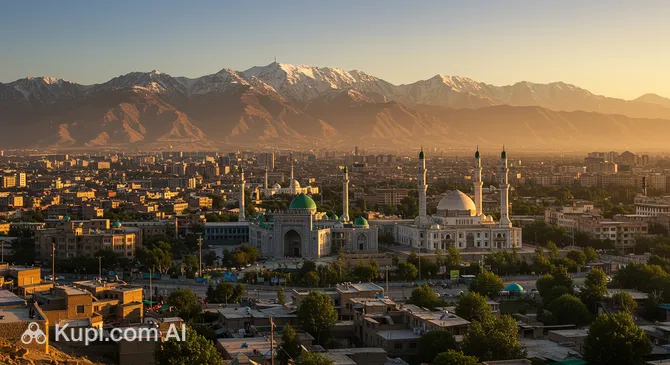
Kabul. Source: Kupi.com Binoculars

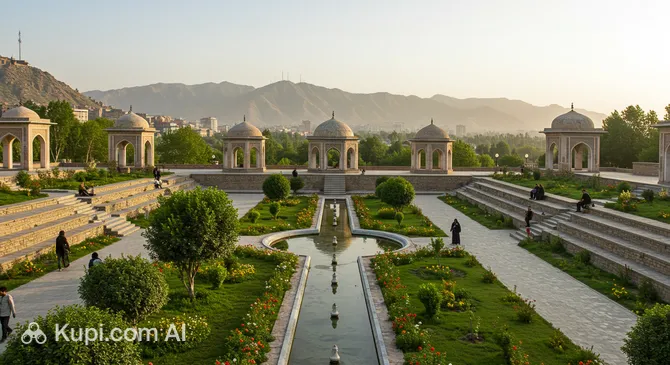
Afghanistan's cultural heritage is vividly expressed in its traditional art, music, poetry, and, of course, the renowned hospitality of its people. The country offers travellers a unique opportunity to experience ancient traditions and see historical monuments that testify to its former grandeur. Besides the capital, the city of Herat is of significant interest to history enthusiasts, known for its medieval citadel and beautiful mosques. In Kabul itself, it is worth visiting iconic sites such as the Gardens of Babur, which offer not only historical value but also a tranquil atmosphere with beautiful views.

Afghanistan is a land of striking contrasts, where the rugged and breathtaking beauty of nature, with its high mountains and fertile valleys, combines with a deep historical and cultural heritage. A journey here can be a true discovery for inquisitive tourists ready to immerse themselves in the atmosphere of an ancient land and get acquainted with its unique character and the resilient spirit of its people.
Currency

The national currency of Afghanistan is the Afghani (AFN). Banknotes of various denominations are in circulation, which typically feature significant historical figures, architectural monuments, or national symbols of the country. Coins are also used, but mainly for small transactions.

When planning your trip, it is important to know that exchanging foreign currency for Afghanis should be done at official banks or licenced exchange offices, which can be found in major cities, including Kabul. The most widely accepted foreign currency for exchange is the U.S. dollar (USD). It is advisable to bring clean, new banknotes, as torn or old notes may be rejected. Try to avoid exchanging money with street money changers, as this carries the risk of receiving an unfavourable exchange rate or encountering fraud. The use of credit cards in Afghanistan is extremely limited and is only possible in a very few places, such as large hotels or some shops in the capital. Therefore, for most daily expenses, travellers need to carry a sufficient amount of cash. It can be difficult to exchange Afghanis outside of the country, so it is best to use most of your local currency before you depart.

Visa Requirements

A visa is generally required for most nationalities to enter Afghanistan, including citizens of the EU, USA, and CIS countries. For UAE citizens and residents, a visa must be arranged in advance through the Consulate General of Afghanistan in Dubai. Currently, visa-on-arrival or online visa services may be limited or unavailable, making it essential to apply through the diplomatic mission before your travel.

The primary document for your visa application and for crossing the border is a valid passport. You may also need to provide standard supporting documents, such as return flight tickets, hotel booking confirmation, and medical insurance. As visa rules and requirements can change, it is strongly recommended to verify the latest information on the official website of the Consulate General of Afghanistan in Dubai before planning your trip.

We'll tell you if you need a visa

Specify where you are going, or
Your citizenship
Destination

Time Zones

When planning a trip to Afghanistan, you will not have to worry about changing time zones within the country. The whole of Afghanistan operates on a single time zone — UTC+4:30, also known as Afghanistan Time (AFT). For travellers from the UAE, this means Afghanistan is 30 minutes ahead of Gulf Standard Time (UTC+4). This simplifies planning transfers and activities, as the time will be the same in all regions of the country, including the capital, Kabul.

How to Get There

Important Notice: Due to the volatile security situation, foreign governments, including the UAE, strongly advise against all travel to Afghanistan. Travellers should consult the latest official government travel advisories before considering a trip. The UAE has also periodically suspended the issuance of new visas for Afghan nationals.

When planning a trip to Afghanistan, most travellers opt for air travel, as this is the most common and practical way to reach the country. For those travelling from the UAE, direct flights are available to the nation's capital, Kabul. Afghanistan's flag carrier, Ariana Afghan Airlines, and Kam Air operate services from Dubai (DXB) to Kabul International Airport (KBL). Additionally, Etihad Airways is scheduled to resume flights from Abu Dhabi (AUH) to Kabul. While direct flights from other parts of the world are limited, the UAE's airports serve as major hubs for connecting flights into Afghanistan.

Although Afghanistan shares land borders with several countries, overland travel is fraught with difficulties and is generally not recommended for tourists. Crossings can be unpredictable, subject to sudden closures, and require special permits and visas. The security situation at border regions remains extremely volatile. There is no international passenger rail or sea service to Afghanistan. Regardless of your chosen method of travel, it is essential to book tickets and arrange all necessary documentation well in advance.

For reference, here is a summary of the main international airports in the country:

Airport Name City Passenger Traffic
Kabul International AirportKabulMajor
Mazar-i-Sharif International AirportMazar-i-SharifMedium
Kandahar International AirportKandaharMedium
Herat International AirportHeratSmall
Khost AirportKhostSmall

Afghanistan, a nation with a profound history and culture, offers a fascinating insight into ancient cities, each safeguarding unique treasures. Both the UK and UAE governments currently advise against all travel to the country, but its rich historical heritage remains a subject of great interest for any historian or cultural enthusiast.

Kabul. Source: Kupi.com Binoculars

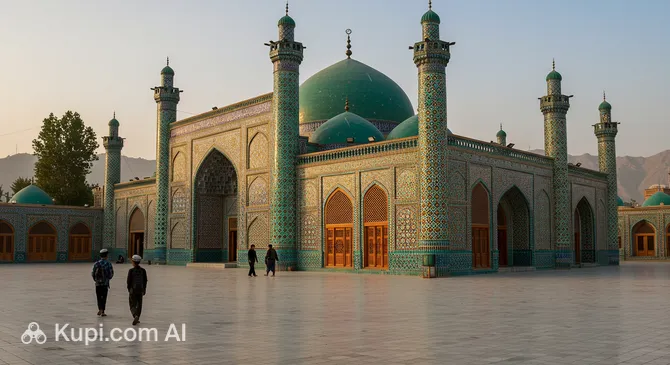
The nation's capital, Kabul, serves as its administrative and cultural heart, offering a glimpse into the daily life of the Afghan people in its historic bazaars. The city of Mazar-i-Sharif is renowned for its magnificent Blue Mosque, also known as the Shrine of Ali, a significant site for pilgrims. It is important to note that access to the shrine itself may be restricted to the faithful, and visitors to any religious site should always dress modestly. In the west, the ancient city of Herat is famed for its formidable citadel, believed to stand on foundations laid by Alexander the Great. Meanwhile, Bamiyan is known for its dramatic landscapes and the cliff-carved niches that once housed two colossal Buddha statues. These were tragically destroyed in 2001, but the valley remains a UNESCO World Heritage site, recognised for its cultural and archaeological importance.

Each of these cities provides a unique window into the history and culture of Afghanistan. Exploring their stories allows for a deeper appreciation of the region's centuries-old traditions and architectural marvels. Understanding these destinations reveals the rich and complex identity of Afghanistan.

Top Attractions

Afghanistan, a country of ancient history and rich cultural heritage, offers travellers unique attractions, each telling a part of its centuries-old story. Exploring them provides a deeper understanding of the character and soul of this land.

One of the jewels of Kabul and all of Afghanistan is the Gardens of Babur. This historic park complex is where, according to tradition, the founder of the Mughal Empire, Babur, is buried. Today, it is a popular spot for relaxation, leisurely strolls, and connecting with history, offering peace and beautiful views amidst its terraced gardens and water channels.

Babur's Gardens. Source: Kupi.com Binoculars

For those wishing to gain a deeper understanding of the country's rich history and culture, a visit to the National Museum of Afghanistan is essential. Located in Kabul, it houses thousands of unique artefacts spanning various eras, from prehistoric times to the Islamic period. The museum's exhibits narrate the stories of ancient civilisations, Buddhist heritage, and the rich traditions of the Afghan people.

National Museum of Afghanistan. Source: Kupi.com Binoculars

The majestic Darul Aman Palace, situated on the outskirts of Kabul, stands as a symbol of the country's modernisation in the early 20th century. Built in a European neoclassical style, the palace was intended to house a future parliament. Despite the damage sustained during years of conflict, its monumental ruins remain deeply impressive, recalling its former splendour.

Darul Aman Palace. Source: Kupi.com Binoculars

In the heart of old Kabul lies the Pul-e Kheshti Mosque, the largest mosque in the city. Its striking blue dome and elegant minarets are a prominent feature of the urban landscape. The mosque is not only an active religious centre but also an outstanding example of Islamic architecture, admired for its beauty and serene atmosphere. Visitors are welcome, and to respect local customs, modest attire is required. Women should cover their hair, and all visitors should remove their shoes before entering the prayer hall.

Pul-e Kheshti Mosque. Source: Kupi.com Binoculars

Best Time to Visit

When planning a trip to Afghanistan, it is important to consider its sharply continental climate. The most comfortable times to visit are traditionally considered to be spring (April–May) and autumn (September–October). During these periods, the weather is usually pleasant with moderate warmth, sunny days, and an absence of scorching heat or severe cold, creating excellent conditions for sightseeing and exploring the country's rich culture. This is the ideal time to visit historic centres such as Herat or Balkh, as well as for trips to mountainous areas, for example, the vicinity of Paghman. However, it is worth noting that due to these favourable conditions, these seasons may attract more travellers, and consequently, prices for the limited tourist services may be slightly higher.

The summer months, from June to August, in Afghanistan, especially in lowland cities like Mazar-i-Sharif or Jalalabad, are characterised by intense heat, with temperatures that can rise above +40°C. Winter (from November to March) brings significant cold and snowfall, particularly in high-altitude regions such as Bamiyan, which can make travel difficult. These seasons can be considered the low season for tourism; although there may be fewer travellers and lower prices for services, the weather conditions can be uncomfortable, and access to some areas may be restricted.

One of the notable events that might influence the timing of your trip is the celebration of Nowruz (New Year), which occurs at the end of March. This is a time of colourful festivals and public festivities, offering a deeper immersion into local traditions. However, it is important to remember that the climate in Afghanistan varies greatly depending on the region—from desert zones to the high mountains of the Hindu Kush. Therefore, before your trip, it is always recommended to check the weather conditions for the specific places you plan to visit, whether it be the capital, Kabul, or the ancient city of Bamiyan.

Traditions

The culture of Afghanistan is deeply rooted in traditions of hospitality and respect, sharing many values with the Arab world. Greetings between men usually involve a handshake, often accompanied by placing the right hand on the heart as a sign of sincerity. When interacting with women, particularly those you do not know, it is best to offer a verbal greeting unless she initiates a handshake first. Hospitality, known as "mehman nawazi," is a cornerstone of Afghan culture; a guest is considered a messenger from God. Being invited into a home is a great honour. A small gift for the hosts, such as fruit or sweets, is a thoughtful gesture but not required. The most important thing is to show respect and accept the refreshments offered, as refusal can be seen as impolite.

Observing a modest dress code is important. Women are advised to wear conservative clothing that covers their arms and legs, along with a headscarf, especially in public and when visiting religious sites. Men should also avoid shorts and sleeveless tops. At the dining table, it is customary to eat with the right hand, as the left is traditionally considered unclean in Islamic culture. Before photographing local people, especially women, always ask for their permission. Demonstrating deference to elders, maintaining composure in public, and avoiding sensitive topics unless you are certain they are appropriate will help you navigate social situations respectfully and show appreciation for local customs.

Familiarising yourself with local festivals will also offer a deeper understanding of Afghanistan's culture. One of the most vibrant and significant is Nowruz, the celebration of spring's arrival and the new year according to the solar calendar, which occurs on 21 March. It is marked by public festivities, the preparation of special foods, and symbolises renewal. Islamic holidays, such as Eid al-Fitr, which concludes the month of Ramadan, and Eid al-Adha, are also widely celebrated, reflecting the nation's shared heritage with the UAE and the wider Muslim world. By showing interest in and respect for these traditions, you will not only enrich your travel experience but also earn the warm regard of the local people.

Entertainment

Afghanistan, a country with an ancient history and a distinctive culture, offers travellers unique opportunities to explore its heritage. While opportunities for active recreation, such as well-developed infrastructure for extreme sports, may be limited, the country's natural landscapes, particularly its mountainous regions, hold potential for trekking and wildlife exploration enthusiasts. However, prioritising safety and obtaining current information before planning such activities is essential. The primary focus of entertainment here is on cultural immersion and exploring the nation's rich past.

Cultural entertainment in Afghanistan is centred around its numerous historical monuments, ancient cities such as Balkh or Herat, and museums that house artefacts spanning millennia. In the capital, Kabul, you can visit the National Museum of Afghanistan or explore iconic landmarks like the Darul Aman Palace. Shopping in Afghanistan is primarily an introduction to local craftsmanship; the famous Afghan carpets, lapis lazuli items, traditional clothing, and jewellery make for excellent souvenirs. These can be found in vibrant souqs and at retail outlets such as the Gulbahar Center in Kabul.

For family outings, consider visiting parks such as the Gardens of Babur in Kabul, or the Kabul Zoo, which offer pleasant spaces for walks and outdoor recreation. As for nightlife, it is not prevalent in the Western sense; evenings are typically spent in a tranquil atmosphere with family and friends or enjoying a meal at a local restaurant. Here, you can sample authentic national cuisine, which is inherently halal. A notable example is the Bukhara Restaurant. When planning your activities, it is crucial to be mindful of local customs and traditions, such as dressing modestly, and to stay updated on the current security situation in the country.

Currency rates

Planning a trip? That's great! To avoid any financial surprises during your travels, it's important to remember that currency exchange rates are always changing. Therefore, we strongly advise you to track the latest rates, both before you depart and throughout your journey. You can use the data provided below to help you do this — we monitor currency rates 24/7 to provide the most current information available.

Reached the end of the page?

That means the route is fully explored