Support

Kabul

About

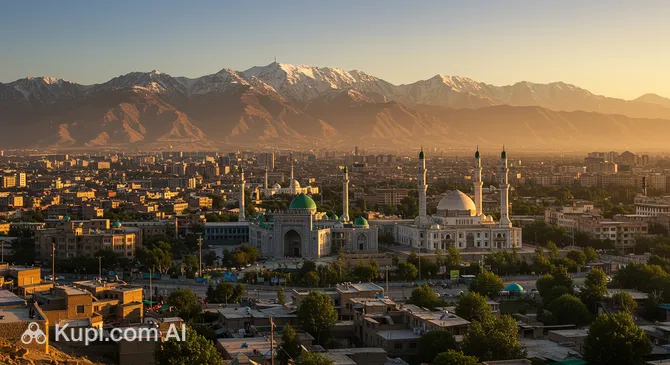
Kabul is the bustling capital and largest city of Afghanistan, serving as the nation's cultural and economic hub. Situated in the eastern part of the country, it is nestled in a high-altitude valley within the Hindu Kush mountains. With an elevation of approximately 1,790 meters (5,873 feet), it is one of the highest capital cities in the world, offering a climate characterized by warm summers and cold, snowy winters. The city is home to a population of over 4 million people, creating a lively and dynamic atmosphere.

The city boasts a heritage that stretches back over 3,500 years, having served as a strategic point along the ancient Silk Road. Those interested in the past can delve deeper into the fascinating history of Kabul, which reveals a tapestry of empires and cultures that have shaped its identity. From the Mughal era to modern times, the city has always been a crossroads of civilization.

Kabul. Source: Kupi.Binoculars

Travelers visiting the city can explore several remarkable landmarks. The historic Gardens of Babur (Bagh-e Babur) provide a peaceful retreat with terraced landscaping and stunning views of the city. Another key attraction is the National Museum of Afghanistan, which houses an impressive collection of artifacts reflecting the region's rich archaeological past. The city is also surrounded by majestic peaks, offering a dramatic backdrop to its busy streets and traditional bazaars.

With its unique blend of mountain scenery, ancient traditions, and resilient spirit, Kabul offers a distinct experience for visitors. It is a place where history meets the present, inviting travelers to discover the heart of the region.

Weather Overview

The climate in Kabul is influenced significantly by its high elevation, resulting in a distinct semi-arid continental pattern with four separate seasons. Travelers should be prepared for a wide range of conditions depending on the time of year, from snowy winters to pleasant, sunny summers. To help plan your packing list and daily activities, it is helpful to review the detailed forecast and typical weather in Kabul before your arrival.

Winters can be quite cold, with January being the chilliest month, averaging -5.3°C and seeing lows dip to -11.3°C. As the seasons shift, temperatures rise comfortably; July is usually the warmest time, with average highs reaching 29.1°C. Precipitation is most common in the spring, particularly in May which experiences around 17 wet days, whereas the summer months of July and August are typically very dry with virtually no rainfall.

Interesting Facts

Beyond the main attractions, Kabul holds many fascinating secrets and historical layers that often go unnoticed by the casual observer.
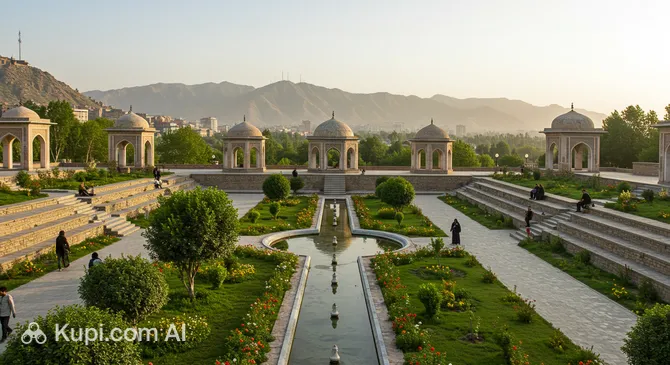
Babur's Gardens. Source: Kupi.Binoculars
  • The city was deeply loved by Emperor Babur, the founder of the Mughal Empire, who preferred its refreshing climate to the heat of India. He requested to be buried here, and today his tomb lies within the terraced Babur's Gardens, a site he personally laid out in the 16th century.

  • Kabul is guarded by the ancient Sher Darwaza and Asmai mountains, which are topped by historic defensive walls. These fortifications are believed to date back to the 5th century and are linked to the legend of the "Lion's Door," showcasing the valley's long-standing strategic importance.

  • The Kabul Zoo is known for the story of Marjan the lion, who lived there for decades and became a symbol of survival during difficult times. A bronze statue now stands at the entrance in his honor, celebrating his legacy as the city's most famous animal resident.

  • During the 1960s and 70s, the city was a legendary stop on the "Hippie Trail" between Europe and South Asia. The famous "Chicken Street" in the Shahr-e Naw district remains a hub for carpets, lapis lazuli, and antiques, preserving the memory of that vibrant era of travel.

How to Get There

Reaching the Afghan capital is the first step of your journey, and for most international travelers, flying is the most practical option. The city is well-connected to several regional hubs, ensuring that visitors can arrive relatively easily. You can find more detailed information about routes and logistics on our page about how to get to Kabul.

The primary gateway to the city is Kabul International Airport (IATA: KBL). As the country's main aviation hub, it handles the majority of international arrivals. Conveniently located just 1.2 km from the city center, the transfer to downtown is very short. A taxi or shuttle ride typically takes approximately 22 minutes, allowing you to reach your destination quickly after landing.

If your travel plans involve entering from neighboring regions, there are other airports to consider, though they require a significant overland journey to reach the capital. Bacha Khan International Airport (IATA: PEW) is located in the city of Peshawar, about 221 km away. The drive from there to Kabul takes roughly 6 hours. Alternatively, you can fly into Mazar-I-Sharif Airport (IATA: MZR) in the city of Mazar-i-Sharif. This airport is approximately 300 km from Kabul, and the road trip takes about 8 hours.

For clarity, here is a summary of the main airports:

Airport Name City Passenger Traffic Km from City
Kabul International AirportKabulMedium1.2
Bacha Khan International AirportPeshawarMedium221.4
Mazar-I-Sharif AirportMazar-i-SharifSmall299.6

Currently, there are no major railway services available for tourists traveling directly to Kabul. Visitors arriving at airports in other provinces or neighboring regions typically rely on hired drivers, taxis, or buses to reach the capital via the connecting highway network.

Main Attractions

Kabul offers a fascinating array of historical and cultural landmarks that reflect its position as a crossroads of ancient civilizations. Visitors can explore architectural marvels, spiritual centers, and museums that preserve the rich heritage of the region. While the city is known for its bustling atmosphere, these sites provide a glimpse into its artistic and royal legacy.

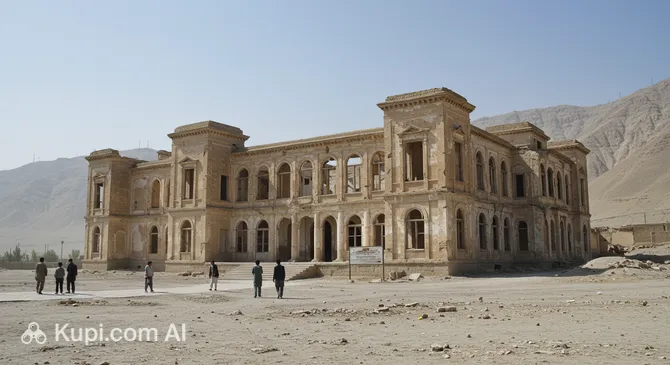
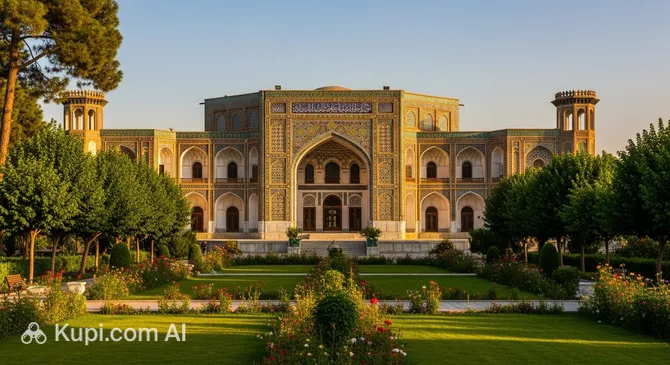
One of the most iconic structures in the city is the Darul Aman Palace. Built in the 1920s during the reign of King Amanullah Khan, this imposing neoclassical building stands on a hilltop on the outskirts of the capital. It was designed to symbolize the modernization of the country and features European-style architecture that contrasts distinctly with traditional local designs. Today, it remains a powerful symbol of national resilience and architectural ambition.

Darul Aman Palace. Source: Kupi.Binoculars

Just across from the palace lies the National Museum of Afghanistan, a treasure trove for history enthusiasts. The museum houses an extensive collection of artifacts that trace the country's history from prehistoric times through the Islamic period. Visitors can admire Greco-Bactrian coins, ancient Buddhist sculptures, and intricate Islamic art, all of which highlight Afghanistan's role as a vital cultural hub on the Silk Road.

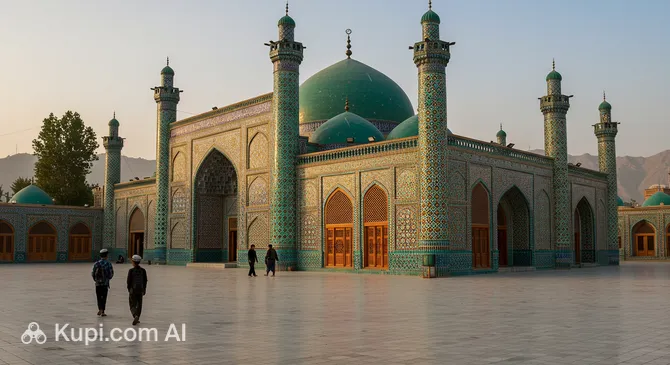
For those interested in religious architecture, the Pul-e Kheshti Mosque is a must-see. Located in the heart of the old city, it is easily recognizable by its striking blue dome. As one of the largest mosques in Kabul, it serves as a major spiritual center and a bustling gathering place. The surrounding area is lively and filled with local vendors, offering an authentic experience of daily life in the capital.

Pul-e Kheshti Mosque. Source: Kupi.Binoculars

Another significant historical site is the Bagh-e Bala Palace. Perched on a high hill, this former royal summer residence offers panoramic views of the city and the surrounding valley. Built in the late 19th century, the palace is surrounded by a large park that is popular with locals for picnics and leisure. The architecture blends traditional Mughal elements with Victorian influences, making it a unique spot to appreciate both nature and history.

Local Cuisine

Local Cuisine:

The culinary landscape of Kabul is a delightful reflection of its history as a cultural crossroads on the Silk Road. Afghan cuisine is renowned for its rich, aromatic flavors that are savory rather than overly spicy, making extensive use of ingredients like saffron, cardamom, and dried fruits. Meals are traditionally centered around rice and meat, particularly lamb and mutton, with hospitality playing a central role in the dining experience. Sharing a meal here is not just about sustenance; it is a time-honored social ritual.

No visit to the capital is complete without trying the city's namesake dish, Kabuli Pulao. This masterpiece of Afghan cooking consists of steamed long-grain rice mixed with tender meat and is beautifully garnished with caramelized carrots and raisins. Another local favorite is Mantu, delicate steamed dumplings filled with spiced minced meat and topped with a yogurt and tomato-based sauce. Freshly baked Naan bread is a staple accompaniment to almost every meal, often served hot from clay ovens.

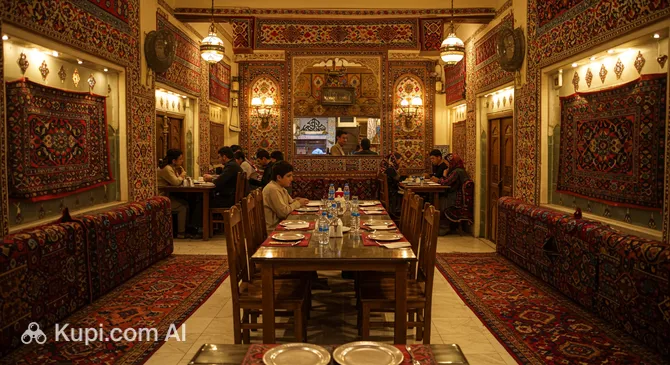
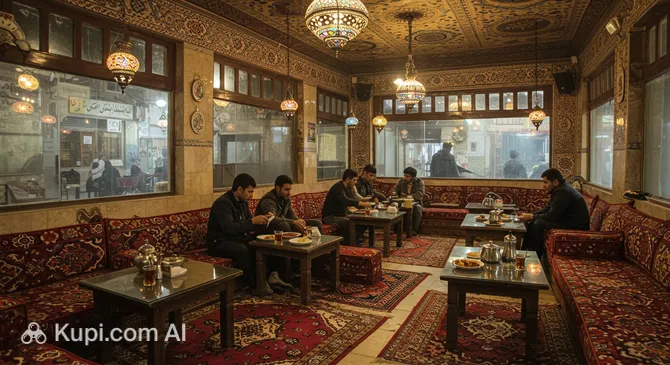
For those looking to experience the local dining scene, the city offers a variety of venues ranging from traditional eateries to modern cafes. One highly regarded establishment is the Bukhara Restaurant. Known for its authentic atmosphere and high-quality local dishes, it provides a perfect setting to sample the depth of Afghan flavors in a comfortable environment.

Bukhara Restaurant. Source: Kupi.Binoculars

If you are in the mood for international flavors mixed with local hospitality, the Turkish Family Restaurant & Cafe is another excellent option. It serves a delicious array of Turkish and Afghan cuisine, making it a popular choice for both locals and visitors seeking a relaxed meal with diverse menu options.

Travel Tips

Visiting Kabul is a journey into a deep cultural landscape, and a little preparation goes a long way in ensuring a smooth and respectful trip. These practical tips are designed to help you navigate local customs and logistics, allowing you to focus on the city's rich history and hospitality.

  1. Dress Conservatively. Respecting local culture is essential here. Men should wear long trousers and shirts, avoiding shorts entirely. For women, a headscarf is necessary in public spaces, along with loose-fitting clothing that covers the arms and legs. Wearing a local shalwar kameez is a great way to blend in and show respect.

  2. Transportation. The most convenient way to get around is by hiring a private driver or using taxis. Public buses can be crowded and difficult to navigate without knowing the language. Always agree on the taxi fare before getting into the vehicle, as meters are rarely used.

  3. Cash is King. The local currency is the Afghani (AFN). International credit and debit cards are rarely accepted outside of a few high-end establishments. It is best to bring US Dollars or Euros in cash and exchange them at authorized money changers or local banks upon arrival.

  4. Health and Hygiene. Tap water is generally not safe for tourists to drink. Stick to sealed bottled water for drinking and brushing your teeth. Dust can be an issue in the dry season, so carrying a face mask or scarf to cover your nose and mouth while walking outside is a practical idea.

  5. Communication. The main languages are Dari and Pashto. While some younger people and business owners may speak English, it is not widely spoken in general. Buying a local SIM card from providers like Roshan or Etisalat is highly recommended for maps and translation apps.

  6. Local Etiquette. Greetings are very important; placing your right hand over your heart while saying "Salam" is a polite and common gesture. Be mindful that men should not offer to shake hands with women unless the woman initiates it. Always remove your shoes when entering a home or a mosque.

  7. Photography Restrictions. Avoid taking photos of government buildings, military installations, or security checkpoints. Furthermore, never photograph locals, especially women, without asking for explicit permission first, as this is considered a serious breach of privacy.

  8. The Friday Weekend. Remember that the weekend in Afghanistan falls on Friday. Most government offices, banks, and many shops will be closed or have significantly reduced hours. Plan your major errands and shopping for other days of the week.

By keeping these practicalities in mind, you will be well-equipped to experience the warmth and resilience of Kabul's citizens. Approach your travels with an open mind and a respectful attitude, and you will uncover the fascinating character of this historic mountain capital.

Entertainment & Nightlife

Entertainment and nightlife in Kabul differ significantly from what many international travelers might expect in other capital cities. Due to strict cultural and legal observances, there are no nightclubs, bars, or discos in the city, and the consumption of alcohol is prohibited. Instead, the "nightlife" here revolves around social dining, family gatherings, and vibrant conversations in tea houses and restaurants. The atmosphere is conservative yet warm, with evenings dedicated to enjoying hearty meals and spending quality time with friends and family.

The most bustling district for evening activities is Shahr-e Naw (New City). This commercial hub is home to modern shopping centers, fast-food outlets, and upscale eateries that stay open late. It is a popular area for locals to stroll, shop for clothes, or enjoy ice cream and fresh juice. Another key area is Wazir Akbar Khan, known for its quieter, tree-lined streets and high-end restaurants catering to diplomats and expats, offering a secure and sophisticated dining environment.

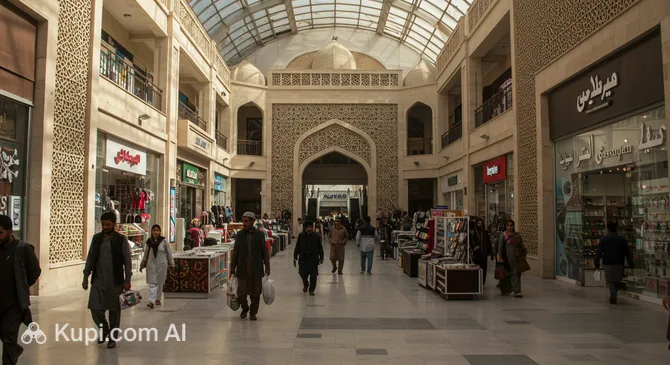
For a taste of modern leisure, many visitors head to the Gulbahar Business Center. As one of the city's prominent shopping malls, it offers a safe and lively environment where people gather in the evenings. You can browse through various shops, enjoy a coffee, or simply observe the local urban lifestyle. It is a hub of activity where the city's youth and families mix, providing a glimpse into the modernizing side of the capital.

Gulbahar Business Center. Source: Kupi.Binoculars

Dining out is the primary form of evening entertainment. Restaurants often feature traditional live music, known as ghazal, creating a soothing ambiance. For a relaxed evening with diverse menu options, the Turkish Family Restaurant & Cafe is a great choice. Venues like this typically stay open until around 10:00 PM or 11:00 PM. The dress code is modest; smart casual is appropriate, but men should wear long trousers, and women must adhere to local customs regarding head coverings.

Turkish Family Restaurant & Cafe. Source: Kupi.Binoculars

When planning a night out, safety and logistics are paramount. It is advisable to use pre-arranged private transport or reliable taxi services rather than hailing cabs on the street at night. Avoid walking alone after dark, even in busy districts. Most venues close relatively early compared to Western standards, so it is best to start your evening around 7:00 PM. Prices are generally affordable, with a high-end meal costing significantly less than in Europe or North America.

While evenings are for dining, daytime offers its own array of entertainment. Cultural enthusiasts can visit the Kabul Zoo, which is a popular recreational spot for local families. Additionally, the city has several parks and cinemas that screen local and Bollywood films, providing a lively escape during the day. Whether exploring a museum or sharing a kebab platter at night, the entertainment scene here is deeply rooted in community and hospitality.

Parks & Museums

While Kabul is often defined by its rugged mountains and busy streets, the city also offers several green spaces and cultural institutions where visitors can relax and connect with local life. These parks and recreational areas provide a welcome respite from the urban energy, serving as popular gathering spots for families and nature lovers.

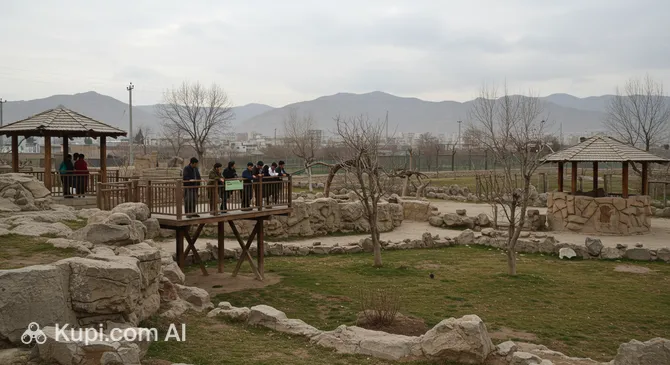
One of the most beloved destinations for locals is the Kabul Zoo. Situated along the banks of the Kabul River, this facility acts as a lush, shaded oasis in the heart of the city. Visitors can observe a variety of animal species, including indigenous birds, mammals, and the rare snow leopard. Beyond the wildlife, the zoo functions as a vibrant public park where families enjoy picnics and leisurely walks under the trees.

Kabul Zoo. Source: Kupi.Binoculars

For those seeking panoramic views combined with a peaceful atmosphere, the extensive grounds surrounding the Bagh-e Bala Palace are an exceptional choice. Perched on a high hill, the park is filled with mature cypress trees and offers a quiet escape from the city noise below. It is particularly beautiful in the late afternoon, when the setting sun casts a golden glow over the valley, making it a prime location for photography and quiet contemplation.

Bagh-e Bala Palace. Source: Kupi.Binoculars

Another significant green space is the Chihilsitoon Garden. Recently restored to its former glory, this historic walled garden covers a vast area and features modern sports facilities, winding walking paths, and beautifully landscaped flowerbeds. It stands as a testament to the city's efforts to create public spaces that blend historical heritage with modern leisure needs, drawing large crowds of residents during holidays and weekends.

Just a short drive from the city center lies Qargha Reservoir, a sprawling recreational area that feels like a world away from the capital. Although technically a dam, it functions as a major lakeside resort where visitors can rent boats, dine at waterside restaurants, or simply enjoy the fresh breeze coming off the water. It is a favorite getaway for Kabul residents looking to enjoy nature and outdoor activities.

Getting Around

Navigating the public transport system in Kabul can be a unique adventure, though it differs significantly from the structured networks found in many other capital cities. The city does not currently have a metro, tram, or train system. Instead, the transportation network relies almost entirely on road-based vehicles, creating a bustling and often chaotic flow of traffic. For the local population, the backbone of daily commute consists of government-run buses and a vast fleet of privately operated minibuses and vans.

The most common form of public transport is the Milli Bus (National Bus), a government-operated service that runs on major routes throughout the city. These large buses are an affordable option for residents. However, they are frequently supplemented by thousands of private minibuses and shared vans (often Toyota HiAce models) that weave through the streets. These smaller vehicles do not always have fixed stops; they pick up and drop off passengers along specific corridors based on demand. While efficient for locals who know the routes by heart, they can be confusing for visitors due to the lack of clear signage or route maps in English.

The payment system in Kabul is strictly cash-based. There are no travel cards, digital passes, or mobile apps for paying fares on public buses or vans. Passengers typically pay the driver or a conductor directly upon boarding or exiting. Fares are extremely low by international standards, usually costing just a few Afghanis depending on the distance. It is essential to carry small denominations of the local currency, as drivers often struggle to make change for large banknotes.

For tourists, the most practical and comfortable alternative is using taxis. You will easily recognize them by their distinctive yellow and white paint. Taxis are plentiful and offer a private, direct way to reach your destination without the crowding of public buses. Unlike in some countries, taxis here generally do not run on meters. It is standard practice to negotiate and agree on the fare with the driver before you get into the car. For a hassle-free experience, many visitors prefer to hire a private driver for the day through their hotel or a local travel agency, which ensures reliability and overcomes language barriers.

If you do choose to use public transport, keep in mind a few practical tips. Operating hours are generally from early morning until dusk; services become very scarce after dark. Cultural etiquette is strictly observed on buses: typically, the front seats are reserved for women and children, while men occupy the rear sections. Due to the high density of passengers and the informal nature of the stops, it is advisable for first-time visitors to stick to private taxis or arranged transport to navigate the city safely and efficiently.

Accommodation

Finding accommodation in Kabul requires a bit more planning than in typical tourist destinations, but the city offers a decent range of options to suit different needs. The hospitality sector here is primarily geared towards business travelers, diplomats, and NGO workers, which means that many facilities focus heavily on security and comfort. Visitors can find everything from budget-friendly local guesthouses to mid-range hotels and more upscale establishments that offer international standards of service.

For international travelers, the location is a critical factor when choosing where to stay. The district of Shahr-e Naw (New City) is one of the most popular areas. It serves as the commercial heart of the capital, teeming with restaurants, supermarkets, and shopping centers, making it a convenient base for exploring. Another favored neighborhood is Wazir Akbar Khan. Known as the diplomatic enclave, this area is quieter, characterized by tree-lined streets and high-walled compounds, and is generally considered one of the most secure parts of the city for foreign visitors.

While there are various local hotels scattered throughout the city, many international visitors prefer staying in established guesthouses or well-known hotels that provide integrated security measures and reliable amenities like backup power generators and Wi-Fi. These establishments often function as self-contained communities, offering dining and laundry services on-site, which adds a layer of convenience to your stay.

When it comes to booking, advance planning is essential. Unlike in many other cities, "walking in" to find a room is not recommended. It is best to secure your reservation weeks before your arrival. Many hotels in Kabul may not be listed on standard global booking platforms, so contacting them directly via phone or email is often the most effective way to confirm availability and arrange airport transfers.

In terms of pricing, costs can vary significantly. Budget guesthouses are quite affordable, while secure, high-end hotels can be relatively expensive due to the cost of providing security and imported goods. Be prepared to pay in cash (usually US Dollars or Afghanis), as credit card facilities are limited to only a few top-tier establishments. Always confirm the payment method when you make your booking to ensure a smooth check-in process.

Nearby Cities

For those looking to explore the surroundings, Kabul serves as an excellent base for day trips to several interesting nearby locations:

One of the most popular destinations for a quick escape is Paghman. Located just a short drive from the capital, this town is renowned for its cooler climate and the scenic Paghman Gardens, which are a favorite spot for picnics and relaxation. The area also features the impressive Victory Arch, a monument that stands as a symbol of the nation's history, set against a backdrop of lush greenery and mountains.

For history enthusiasts, the city of Ghazni offers a profound glimpse into the past. Once the capital of a vast empire, it is famous for its two stellar minarets, the ancient citadel, and the tomb of Sultan Mahmud. Although the journey takes a bit longer, the wealth of archaeological sites and architectural heritage makes it a rewarding destination for those interested in the region's golden age.

Another notable option is Jalalabad, often referred to as the "City of Evergreen." Situated to the east, it enjoys a milder climate during the winter months, making it a pleasant retreat when Kabul is covered in snow. The city is known for its citrus orchards, beautiful parks, and historical mausoleums, offering a distinctively different atmosphere from the high-altitude capital.

City Population Distance (km)
Jalalabad 263,312 116
Khost 160,214 151
Mehtarlam 144,162 93
Ghazni 143,379 133
Paghman 143,000 23

These nearby destinations offer a glimpse into the diverse culture and landscapes of the region, allowing travelers to experience the contrast between the bustling capital and the serene or historic towns that surround it.

Shopping & Souvenirs

Shopping:

Shopping in Kabul describes a vibrant journey that bridges the gap between ancient traditions and modern commerce. The city is renowned for its bustling bazaars, where the air is filled with the scent of spices and the sound of lively bargaining. Visitors can find an impressive array of goods, ranging from world-class handicrafts and gemstones to modern electronics and fashion. Whether you are looking for a unique keepsake or simply want to observe local trading culture, the capital offers a diverse retail landscape.

For international visitors, the most famous shopping destination is undoubtedly Chicken Street (Torabaz Khan Street) located in the Shahr-e Naw district. Despite its name, this street is the epicenter for antiques, handicrafts, and souvenirs rather than poultry. It is lined with small shops selling exquisite Afghan carpets, intricate jewelry, and leather goods. Adjacent to it is Flower Street, known for its fresh blooms and a few well-stocked bookstores, offering a colorful and fragrant detour for pedestrians.

If you prefer a more contemporary shopping experience, the city has seen the rise of several modern complexes. The Gulbahar Business Center is one of the largest and most prominent malls in the capital. Inside, you will find floors dedicated to clothing, footwear, cosmetics, and electronics. It provides a clean, climate-controlled environment that contrasts with the open-air markets, making it a popular spot for both shopping and socializing.

For a truly authentic local experience, a visit to the Mandawi bazaar is essential. Located near the old city, this sprawling market is the commercial heart of Kabul. It is a maze of narrow lanes packed with wholesalers and retailers selling everything from dried fruits and nuts to fabrics and household items. While it can be crowded and chaotic, it offers an unfiltered glimpse into daily life. Another unique spot is the Ka Faroshi (Bird Market), a narrow alley dedicated to selling songbirds, which has retained its medieval atmosphere for centuries.

When it comes to souvenirs, Afghanistan is famous for its high-quality craftsmanship. Afghan rugs and carpets are the most prized purchases, known globally for their durability and intricate red designs. Lapis lazuli, the deep blue semi-precious stone mined in the country's north, is crafted into beautiful jewelry and boxes found throughout the city's gem shops. Additionally, high-quality dried fruits and nuts—pistachios, almonds, and raisins—are excellent, consumable gifts to bring home.

Understanding local business hours and payment methods is crucial for a smooth experience. Most shops open around 8:00 AM or 9:00 AM and close by sunset, though modern malls may stay open until 9:00 PM or 10:00 PM. Remember that Friday is the weekly holiday; while some larger shops may open in the afternoon, many small businesses and markets remain closed or have reduced hours. Cash is king in Kabul. Credit cards are rarely accepted outside of a few high-end carpet shops or hotels. You should carry local currency (Afghanis) for daily purchases, though US Dollars are often accepted for larger ticket items like carpets. Bargaining is expected and is an integral part of the shopping culture in bazaars.

Tourists should be aware that formal tax-free shopping or VAT refund schemes for visitors are not currently available in the country. The price you negotiate is the final price you pay, so focus on honing your bargaining skills to get the best value for your money.
Reached the end of the page?

That means the route is fully explored