Support

Peshawar

About

Peshawar, the vibrant capital of the Khyber Pakhtunkhwa province, is a city that pulses with the rhythm of ancient traditions and modern life. Situated in the broad valley near the eastern end of the historic Khyber Pass, it has long served as a gateway between Central and South Asia. This strategic location in Pakistan has made it a melting pot of cultures, resulting in a unique atmosphere where hospitality is a way of life.

With a population of approximately 1.97 million people, the city is a bustling urban center that retains a strong connection to its roots. The climate here is semi-arid, characterized by hot summers and cool winters, making the transitional seasons of spring and autumn ideal for exploration. As one of the oldest living cities in South Asia, the history of Peshawar offers a fascinating journey through time, from the days of the Silk Road traders to the Mughal era.
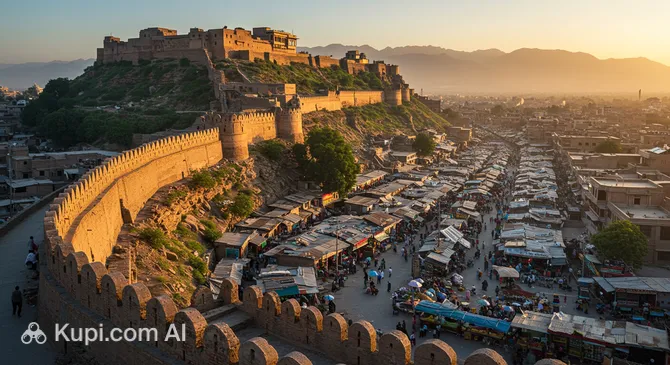
Peshawar. Source: Kupi.Binoculars

Travelers are often drawn to the legendary Qissa Khwani Bazaar, or the "Bazaar of Storytellers," where merchants once shared tales over cups of green tea. Today, the market remains a sensory delight, filled with the aroma of local spices and street food. Another architectural gem is the Mahabat Khan Mosque, a 17th-century masterpiece known for its intricate tile work and spiritual ambiance. For those interested in the region's artistic heritage, the Peshawar Museum houses one of the most significant collections of Gandhara art in the world.

Whether you are navigating its winding alleys, admiring its historical monuments, or enjoying the famous local cuisine, Peshawar offers an authentic and memorable experience. It is a destination that invites visitors to look beyond the surface and discover a city rich in stories and warmth.
Weather Overview

The weather in Peshawar is generally characterized by distinct seasons, shifting from intense heat to crisp, cool air. Summers are typically hot, with June being the warmest month, featuring average temperatures of 32.3°C and highs reaching up to 38.9°C. While the early summer is relatively dry, July and August bring a change in humidity and frequency of rain, recording up to 18 wet days per month.

Winters provide a stark contrast, offering much cooler conditions for travelers. January is usually the coldest time of year, with average temperatures dropping to 10.4°C and minimums falling as low as 4.3°C. Generally, expect hot summers with periods of frequent rainfall and cool, dry winters, making the transitional spring and autumn months the most pleasant for exploration.

Interesting Facts

Beyond its famous bazaars and historic gateways, Peshawar holds many fascinating secrets that surprise even the most seasoned travelers. This ancient city is layered with stories that go far deeper than its bustling surface suggests.
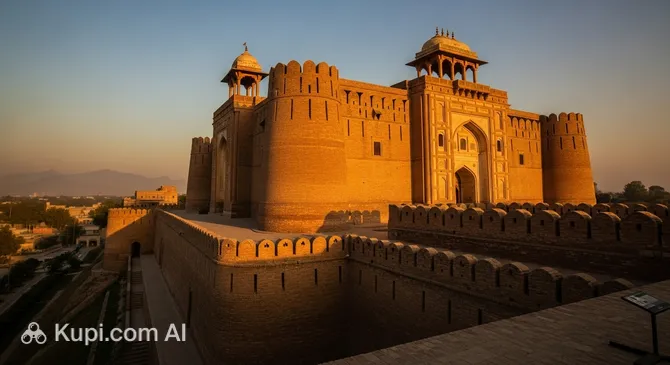
Bala Hisar Fort. Source: Kupi.Binoculars
  • The city was historically known as the "City of Flowers" because of its lush Mughal-era gardens. Remnants of this green heritage can still be explored at Shahi Bagh, a historic park that once served as a grand venue for royal gatherings and social events.

  • Hidden within the walled city lies the Sethi House Museum, a collection of homes built by wealthy merchants in the 19th century. These architectural marvels are famous for their intricate wooden carvings and unique underground rooms designed to keep residents cool during the hot summers.

  • The imposing Bala Hisar Fort stands on a high mound that has been fortified for centuries. Its name translates to "High Fort" in Dari, and it is said that the site has been used as a defensive citadel by various empires, including the Durranis and the Sikhs, long before the current structure was finalized.

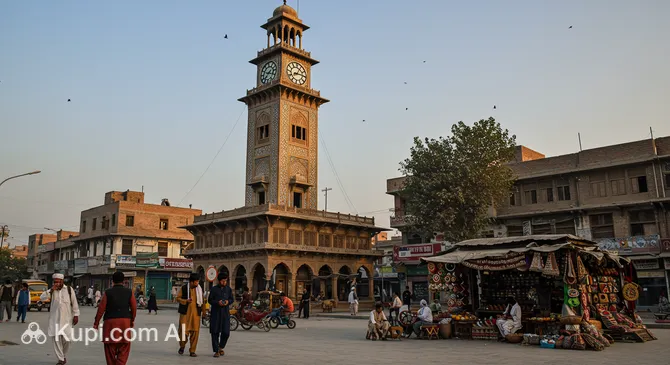
  • Standing tall in the city center is the Cunningham Clock Tower, constructed in 1900. A little-known fact is that this landmark was built specifically to commemorate the Diamond Jubilee of Queen Victoria, serving as a striking reminder of the colonial era amidst the local architecture.

How to Get There

Reaching this historic city is relatively straightforward, with several options available for international and domestic travelers. For those planning their journey, you can find more about how to get to Peshawar and choose the route that best suits your itinerary. Air travel remains the most convenient method for most visitors, connecting the city to major hubs in the region.

The most direct entry point is Bacha Khan International Airport (PEW), conveniently located within Peshawar itself, just 2.5 km from the city center. A taxi ride from here to the heart of the city is very quick, taking approximately 25 minutes. Alternatively, many travelers choose to fly into Islamabad International Airport (ISB) in the capital city of Islamabad. This major hub is situated about 131 km from Peshawar. The journey from Islamabad to Peshawar by taxi or bus typically takes around 3.5 to 4 hours via the motorway.

For clarity, here is a summary of the main airports serving the region:

Airport Name City Passenger Traffic Km from City
Islamabad International Airport Islamabad Large 131.0
Kabul International Airport Kabul Medium 221.5
Bacha Khan International Airport Peshawar Medium 2.5

For those preferring rail travel, the region is well-connected to the national railway network. While Peshawar has its own connections, a significant nearby hub is the Rawalpindi Railway Station located in Rawalpindi. It is approximately 148 km from Peshawar. Travelers arriving here can continue their journey to Peshawar by taxi or bus, which generally takes about 4 hours depending on traffic conditions.

Below is a summary of the nearby railway station options:

Station City Passenger Traffic Km to Center
Rawalpindi Railway Station Rawalpindi Large 148.4

Main Attractions

Peshawar is a city where history breathes through every corner, offering visitors a chance to walk through centuries of culture and tradition. The city's main attractions are a testament to its strategic importance on the Silk Road and its rich diverse heritage. From spiritual sanctuaries to bustling markets, the sites here provide a deep insight into the local way of life.

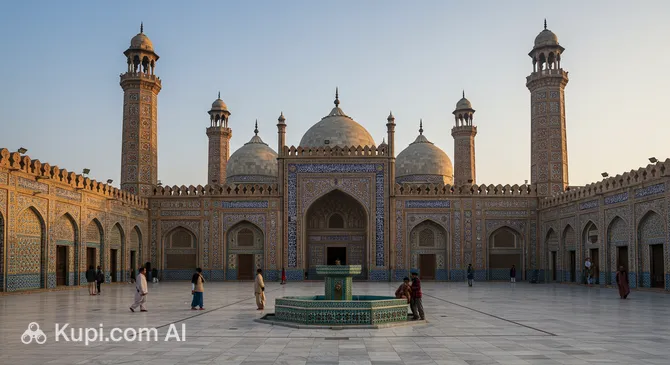
One of the most stunning examples of Mughal architecture in the region is the Mahabat Khan Mosque. Built in the 17th century, this spiritual landmark is tucked away in the narrow twists of the old city. Visitors are captivated by its white marble façade and the three majestic domes that crown the structure. The interior is equally impressive, featuring intricate floral frescoes and elegant calligraphy that create an atmosphere of peace amidst the city's hustle.

Mahabat Khan Mosque. Source: Kupi.Binoculars

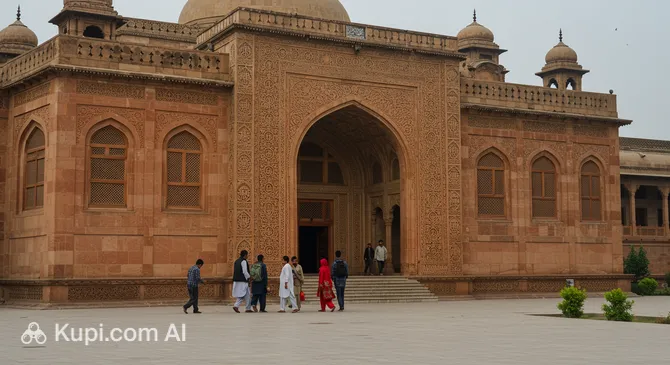
For history enthusiasts, the Peshawar Museum is an essential stop. Housed in a magnificent red-brick building that blends British and Mughal architectural styles, it contains one of the world's most significant collections of Gandhara art. The museum showcases statues, coins, and artifacts that narrate the region's Buddhist history, offering a fascinating glimpse into the ancient civilizations that once thrived in this valley.

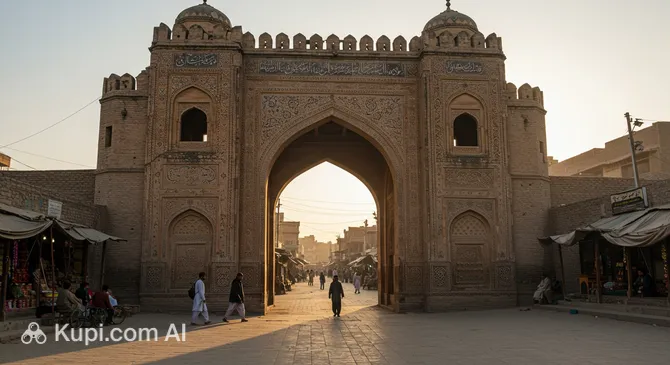
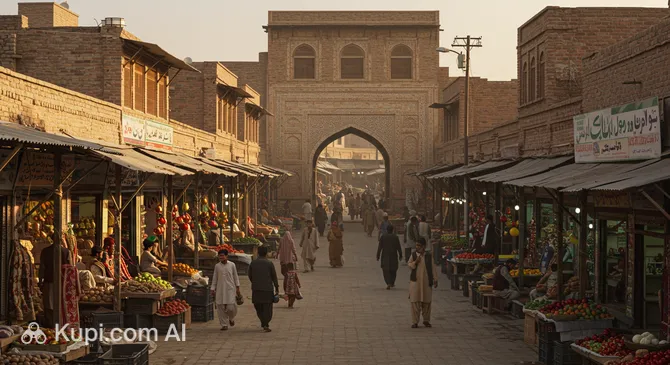
No trip to the city is complete without experiencing the legendary energy of the Kabuli Gate, Qissa Khwani Bazaar. Historically known as the "Market of Storytellers," this area was once the camping ground for caravans and traders who would share tales over cups of green tea. Today, it remains the cultural heart of Peshawar, where tourists can explore traditional shops, smell the aroma of freshly baked bread, and witness the vibrant daily life of the locals.

Kabuli Gate, Qissa Khwani Bazaar. Source: Kupi.Binoculars

For a change of pace, families and nature lovers often visit the Peshawar Zoo. As one of the newer attractions in the province, it offers a sprawling space dedicated to wildlife conservation and education. The zoo is home to a variety of animals, including leopards, lions, and exotic birds, making it a popular recreational spot for those looking to enjoy a relaxing afternoon outdoors.

Local Cuisine

The culinary landscape of Peshawar is legendary across the region, known for its emphasis on high-quality meat and minimal use of spices compared to other parts of South Asia. The food here reflects the rugged terrain and Pashtun hospitality, focusing on the natural flavors of the ingredients. Lamb and mutton are the stars of the show, often cooked in their own fat with just salt, tomatoes, and green chilies to preserve the authentic taste.

No visit to the city is complete without trying the world-famous Chapli Kebab. These large, flat patties are made from minced beef or buffalo meat, mixed with crushed coriander, pomegranate seeds, and onions, then shallow-fried to perfection in giant iron skillets. Another staple is Kabuli Pulao, a fragrant rice dish often topped with sweet carrots, raisins, and tender chunks of meat, showcasing the strong culinary influence from neighboring Afghanistan.

For a truly immersive experience, food lovers head to the historic Namak Mandi (Salt Market). Here, the signature dish is the Peshawari Karahi (or Namak Mandi Karahi), where fresh lamb is cooked quickly over a high flame. The dining style is often communal and relaxed, with meals served on a dastarkhwan (floor spread) or raised platforms, encouraging conversation and sharing.

Monal Peshawar. Source: Kupi.Binoculars

When it comes to beverages, the culture revolves around tea rather than alcohol, which is not part of the traditional local diet. The city runs on Peshawari Kahwa, a green tea brewed with cardamom and sometimes saffron. It is typically served in small bowls or cups, often accompanied by a piece of gur (jaggery) or sweets. This golden-hued drink is more than just a refreshment; it is a gesture of welcome offered to every guest.

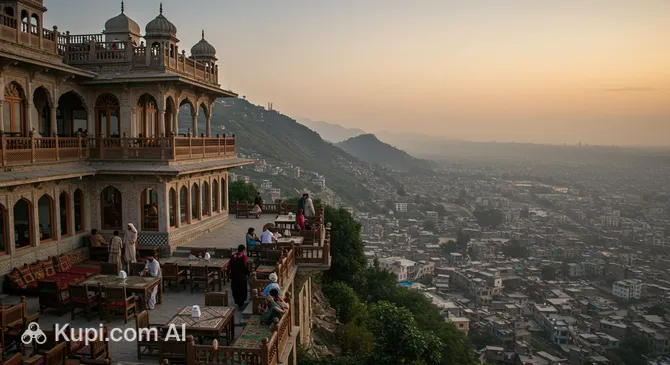
While street food stalls offer some of the best flavors, there are also established venues where families and tourists gather. For a mix of traditional taste and modern comfort, Tehkal Restaurant is a popular choice known for its authentic preparation of local rice and meat dishes. Alternatively, those seeking a dining experience with a panoramic view of the valley often visit Monal Peshawar, which offers a wide array of local and continental cuisines in a refined setting.

Travel Tips

Visiting Peshawar is a step into a world of legendary hospitality and rich history, where ancient traditions blend with modern life. To ensure your journey through this historic gateway is smooth, comfortable, and respectful of local customs, here are some essential practical tips to keep in mind.

  1. Clothing and Gear: Cultural norms in Peshawar are conservative, so modesty is key. Men should wear long trousers or the local Shalwar Kameez, while women should dress in loose-fitting clothing that covers arms and legs, with a scarf (dupatta) being an essential accessory. Since you will likely be exploring dusty, uneven streets in the old city, bring durable, comfortable closed-toe shoes.

  2. Transportation: The city boasts a modern Bus Rapid Transit (BRT) system known as Zu Peshawar, which is an affordable, safe, and air-conditioned way to travel across main districts. For navigating the narrow alleys of the bazaars, auto-rickshaws are the best option, though you should negotiate the fare before hopping in. Ride-hailing apps are also widely available and convenient.

  3. Finances: The currency is the Pakistani Rupee (PKR). While upscale hotels and restaurants in the cantonment area may accept cards, cash is king in the historic bazaars like Qissa Khwani. Ensure you carry sufficient cash in smaller denominations for street food, souvenirs, and tips. ATMs are readily available in commercial hubs like Saddar and University Road.

  4. Health and Safety: To stay healthy, strictly stick to bottled or boiled water and avoid tap water. Pharmacies are common throughout the city, with many 24-hour chemists located near major medical centers like Lady Reading Hospital. As a general precaution, stay in well-populated areas, keep your valuables secure, and avoid large crowds or political gatherings.

  5. Communication: The primary language is Pashto, but Urdu is the national language and is understood by almost everyone. English is widely spoken in hospitality and business circles. To stay connected, buy a local SIM card (Jazz and Zong have good coverage) at an official franchise, where you will need your passport for registration.

  6. Local Etiquette: Pashtun culture is rooted in Pashtunwali, a code of honor and hospitality. The standard greeting is "Assalam-o-Alaikum" (Peace be upon you). Be very mindful of gender norms; men should not attempt to shake hands with local women. If invited into a home or entering a mosque, always remove your shoes.

  7. What to Avoid: Strictly avoid taking photographs of military installations, police checkpoints, or government buildings. Additionally, never take photos of local women without explicit permission, and be cautious even when photographing general crowds to respect people's privacy.

  8. Additional Tip: Embrace the tea culture! You will likely be offered Peshawari Kahwa (green tea) by shopkeepers or hosts as a gesture of welcome. Accepting it, even if you only take a few sips, is considered polite and is a wonderful way to connect with the friendly locals.

By keeping these practical tips in mind, you will be well-prepared to navigate the bustling streets and vibrant markets of Peshawar with confidence. Enjoy the warmth of its people and the unforgettable atmosphere of one of South Asia's oldest living cities.

Entertainment & Nightlife

Entertainment and Nightlife:

Entertainment in Peshawar is deeply rooted in social connection, hospitality, and, above all, gastronomy. Unlike many international destinations, the concept of nightlife here does not revolve around bars, nightclubs, or discos, as alcohol is prohibited and Western-style clubbing is not part of the local culture. Instead, the city comes alive after sunset with bustling food streets, vibrant bazaars, and tea houses where conversations flow late into the night.

The epicenter of Peshawar’s evening activity is undoubtedly Namak Mandi. This legendary food street is where locals and visitors gather to feast on fresh meat dishes, particularly the famous Tikka and Karahi, cooked in animal fat with minimal spices. The atmosphere is electric, filled with the aroma of grilling meat and the chatter of large groups dining on charpoys (traditional woven beds) or floor cushions. It is a raw, authentic experience that defines the city's nocturnal character.

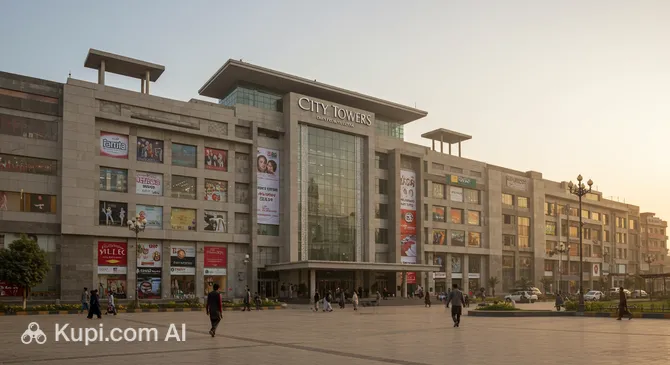
For those seeking a more modern environment for evening leisure, University Road and the Saddar district offer a different vibe. These areas are home to contemporary shopping centers and cafes that stay open late. One popular destination is City Towers, a bustling shopping mall where you can browse for clothing, electronics, and local handicrafts in air-conditioned comfort. It serves as a social hub for young people and families looking to shop and dine under one roof.

City Towers. Source: Kupi.Binoculars

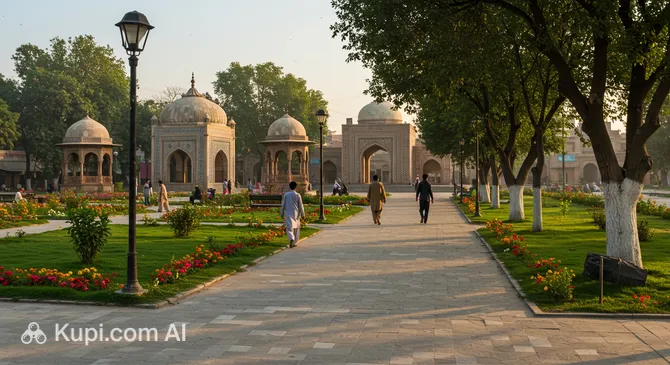
If you prefer a relaxing evening stroll, the city's parks provide a refreshing escape from the urban noise. Jinnah Park is a favorite spot for locals to unwind, offering well-maintained walking tracks and green spaces that are illuminated at night. Similarly, Khalid Bin Waleed Park attracts families with its pleasant atmosphere, making it a safe and enjoyable place to experience the local community spirit.

Jinnah Park. Source: Kupi.Binoculars

Another unique aspect of the night is the culture of Qahwa Khanas (tea houses). Scattered throughout the old city and bazaars like Gur Mandi, these establishments serve the traditional green tea, Kahwa, often accompanied by sweets. It is here that the true pulse of the city beats, as people discuss politics, poetry, and daily life until the early hours of the morning.

When venturing out at night, it is best to stick to well-lit and crowded areas like the main bazaars and food streets. The city is generally safe for tourists in these busy districts, but it is advisable to dress modestly and respect local customs. For transportation, ride-hailing apps like Uber and Careem are the most reliable and safe options for getting around after dark, as they provide tracked journeys and fixed prices. Avoid walking alone in dimly lit or secluded neighborhoods.

While the nights are dominated by food and tea, daytime entertainment in Peshawar leans towards cultural and historical exploration. The city has a few cinemas showing Pakistani and international films, but the primary attractions are its heritage sites. Amusement parks and the zoo are popular with families during the day, offering a lively contrast to the historical depth of the museums and forts.

Parks & Museums

Once celebrated as the "City of Flowers," Peshawar continues to honor its heritage through its historical gardens and impressive cultural institutions. The city offers a mix of Mughal-era greenery and well-curated museums that allow visitors to step back in time and explore the artistic and architectural legacy of the region.

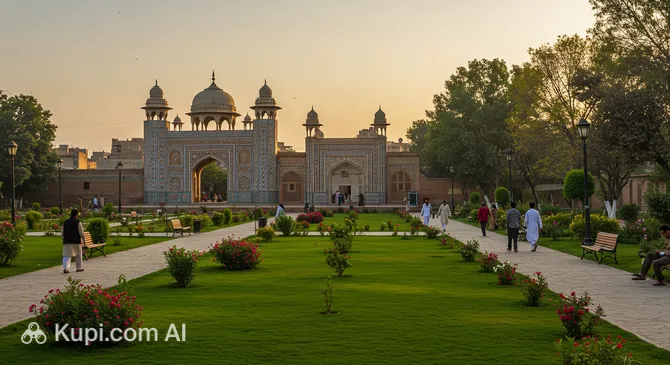
One of the most significant green spaces is Shahi Bagh, or the "Royal Garden." Located near the Arbab Niaz Stadium, this sprawling park dates back to the Mughal era and has long been a central hub for social gatherings and political meetings. Today, it serves as a vital recreational area for locals, offering shaded walkways and open spaces where students and families come to relax. It stands as a testament to the city's historical love for gardens and public leisure.

Shahi Bagh. Source: Kupi.Binoculars

Another historical gem is Wazir Bagh, built in the 18th century during the Durrani Empire. Although the city has grown around it, the garden remains an important landmark, featuring a large central pavilion and a layout that reflects the classic charbagh style. It provides a quiet escape from the noise of the city streets and offers a glimpse into the leisure lifestyle of Peshawar's past rulers.

For a deep dive into the region's rich history, the Peshawar Museum is an unmissable stop. Housed in the magnificent Victoria Memorial Hall, a red-brick building that blends British, Hindu, Buddhist, and Mughal architectural styles, the museum is world-renowned for its collection of Gandhara art. Beyond the Buddhist sculptures, it also features an ethnographic section displaying the jewelry, weapons, and costumes of the diverse tribes of Khyber Pakhtunkhwa and the Kalash Valley.

Peshawar Museum. Source: Kupi.Binoculars

A unique cultural experience awaits at the Sethi House Museum, located within the walled city. This 19th-century residence belonged to a wealthy merchant family and is a masterpiece of architectural design. Visitors can marvel at the intricate wooden carvings, colorful glass windows, and the ingenious ventilation system of the underground rooms, which kept the house cool during scorching summers. It offers an intimate look at the domestic life and opulence of Peshawar's trading elite.

For those interested in wildlife, the Peshawar Zoo is a newer addition to the city's attractions. While primarily a recreational spot for families, it plays a growing role in conservation awareness. A local insider tip is to visit the museums in the morning to avoid the crowds, and then spend the late afternoon in one of the historical gardens when the weather is cooler and the golden hour light illuminates the old trees.

Getting Around

The backbone of public transportation in Peshawar is the modern Bus Rapid Transit (BRT) system, locally known as Zu Peshawar. This system functions similarly to a surface metro, running on dedicated lanes that bypass city traffic. It connects the eastern and western ends of the city, from Chamkani to Karkhano Market, with numerous feeder routes extending into residential areas. The buses are air-conditioned, wheelchair-accessible, and offer a reliable schedule, making them the most comfortable option for getting around the main districts.

Complementing the BRT is a vast network of traditional minibuses and wagons. These vehicles operate on routes not covered by the main transit lines and are often decorated with colorful truck art. While they are a very affordable way to travel, they can be crowded and do not have fixed stops, picking up and dropping off passengers on demand. For short distances and navigating the narrow streets of the old city, auto-rickshaws are the most popular choice. They are everywhere and offer flexible, door-to-door service.

The payment system for Zu Peshawar is fully automated and cashless. Travelers must use a Zu Card, which can be purchased and topped up at ticket offices or vending machines located at every BRT station. Alternatively, you can download the Zu App, which allows you to manage your balance and use a QR code to pass through the turnstiles. Fares are calculated based on the distance traveled and are generally very low. For traditional minibuses and rickshaws, cash is the only accepted method of payment.

A unique feature of the city's transport network is the Zu Bicycle sharing system. This service is integrated with the BRT, allowing passengers to rent bicycles from docking stations located at various bus stops. It is an excellent option for tourists who want to explore the area around a station at their own pace. You can unlock a bike using the same Zu Card or mobile app used for the bus.

For those seeking alternatives to public transit, ride-hailing apps such as Uber, Careem, and InDrive are widely available and popular. These apps allow you to book a car, rickshaw, or motorbike with a fixed price, eliminating the need to haggle. If you choose to hail a traditional rickshaw from the street, remember that they usually do not use meters, so it is essential to negotiate and agree on the fare with the driver before starting your journey.

Practical advice for tourists includes being mindful of local customs regarding seating. Public buses and the BRT have designated sections for women and families, typically located at the front of the vehicle, while the rear section is for men. The BRT service generally operates from 6:00 AM to 10:00 PM, though hours may vary slightly on holidays. To avoid rush hour crowds, try to travel during the mid-morning or mid-afternoon.

Accommodation

Accommodation in Peshawar offers a welcoming mix of options, ranging from modern hotels with international standards to traditional guest houses that reflect the region's rich history. While the city does not have an extensive network of luxury resorts, visitors will find a variety of comfortable stays that cater to both business travelers and tourists. The emphasis here is often on hospitality, with many establishments providing a warm and personalized service.

For the most convenient and secure experience, travelers are generally advised to stay in the Saddar Cantonment area. This district is well-maintained and serves as the city's administrative heart, placing you within easy reach of major landmarks like the Peshawar Museum and the airport. Alternatively, University Road is an excellent choice for those who prefer a more modern atmosphere. This area is a commercial hub, home to shopping destinations like City Towers and numerous restaurants, making it easy to find everything you need close to your hotel.

It is recommended to book your accommodation in advance, particularly if you plan to visit during the pleasant spring or autumn months. While major hotels in the city accept credit cards and can be booked via popular online platforms, smaller guest houses and budget hotels often operate on a cash-only basis and may require direct contact for reservations. Prices are generally reasonable, offering good value for money compared to other major cities in the region.

Nearby Cities

For those looking to explore the surroundings, Peshawar serves as an excellent base for day trips to several interesting nearby locations:

City Population Distance (km)
Saidu Sharif 1,860,310 112
Mardan 358,604 52
Mingaora 279,914 114
Attock 220,000 82
Kohat 170,800 48

Located just a short drive away, Mardan is a significant destination for history enthusiasts. It serves as the primary gateway to the famous Takht-i-Bahi, a UNESCO World Heritage site. This ancient Buddhist monastic complex is perched atop a hill, offering not only a fascinating look into the region's Gandharan history but also panoramic views of the surrounding plains.

Further to the north lie the twin cities of Saidu Sharif and Mingaora, which act as the central hubs for the breathtaking Swat Valley. Often compared to the Alps for their scenic beauty, these towns offer access to lush green mountains, rushing rivers, and historical stupas. It is an ideal retreat for those seeking nature and tranquility away from the urban bustle.

To the east, situated at the strategic confluence of the Indus and Kabul rivers, lies Attock. This historic city is renowned for the imposing Attock Fort, built by the Mughal Emperor Akbar. The area offers dramatic river views and serves as a geographic and cultural bridge between the provinces of Punjab and Khyber Pakhtunkhwa.

These nearby destinations offer a glimpse into the diverse culture and landscapes of the region.

Shopping & Souvenirs

Shopping in Peshawar is an adventure that takes visitors through centuries of trade history. As a major stop on the ancient Silk Road, the city has maintained its reputation as a commercial hub where East meets West. The shopping scene here is a fascinating contrast between the labyrinthine alleys of the old walled city, filled with the aroma of spices and tea, and the more organized, modern commercial districts that have developed in recent decades.

The most authentic experience is found in the historic bazaars near the Cunningham Clock Tower. This area serves as a gateway to a network of specialized markets where craftsmanship is still highly valued. The most famous of these is the Kabuli Gate, Qissa Khwani Bazaar. While historically known for its storytellers, today it is a bustling center for everything from brassware to textiles, offering a vibrant atmosphere that defines the spirit of the city.

Cunningham Clock Tower. Source: Kupi.Binoculars

For those seeking a more contemporary shopping environment, the city offers several modern complexes, particularly along University Road. One of the prominent destinations is City Towers, a multi-story mall that caters to the needs of the modern consumer. Here, tourists can find a wide range of branded clothing, footwear, electronics, and accessories in an air-conditioned setting, providing a comfortable break from the heat of the open markets.

The city's specialized markets are a treasure trove for explorers. Gur Mandi is a unique spot, historically famous for the trade of jaggery (gur), sugar, and grains. Walking through these markets, visitors encounter a sensory overload of colors and scents. Other notable areas include the Andar Shehr (Inner City) for jewelry and the Copper Market, where artisans still hammer intricate designs into pots and plates, keeping ancient traditions alive.

Gur Mandi. Source: Kupi.Binoculars

When it comes to souvenirs, Peshawar offers items that are distinct to the region. The most iconic purchase is a pair of Peshawari Chappals, traditional leather sandals that are durable and stylish. The city is also a major hub for gemstones, with traders offering emeralds, rubies, and lapis lazuli from the northern mountains. Other popular items include hand-knotted carpets, embroidered fabrics, and dried fruits and nuts, which are of exceptional quality in this region.

Most shops in the city open later in the morning, typically around 10:00 AM or 11:00 AM, and remain open until late at night, often past 9:00 PM. Friday is the holy day, so expect many shops to close for a long break in the afternoon for prayers. While modern malls accept credit cards, cash is essential for shopping in the traditional bazaars. Bargaining is a norm in the markets, so do not hesitate to negotiate the price with a smile to get a fair deal.

Tax-free shopping or VAT refunds are not generally available for tourists in the local markets or standard retail stores. The prices displayed or negotiated are typically final, inclusive of any local taxes. Visitors should focus on the value and uniqueness of the goods rather than looking for tax reimbursement schemes.

Reached the end of the page?

That means the route is fully explored