Support

Khost

About

Nestled in the rugged mountains of eastern Afghanistan, Khost is a city that offers a unique glimpse into the region's cultural heart. As the capital of Khost Province, it serves as a bustling hub of activity, surrounded by a dramatic landscape of peaks and valleys that define its scenic character. The city radiates a lively energy, acting as a significant commercial and social center for the surrounding areas.
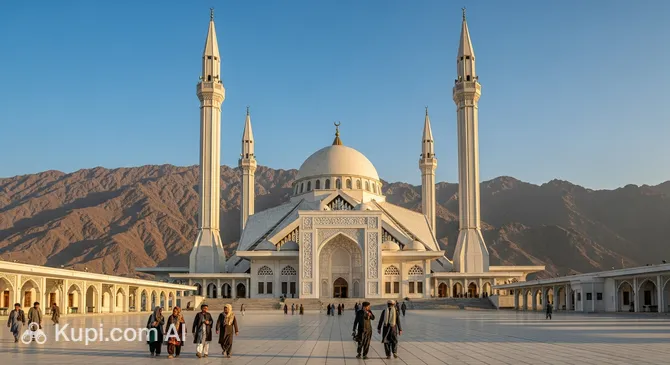
Khost. Source: Kupi.Binoculars

The city is situated in a plateau-like valley, giving it a distinctive geography compared to other parts of the country. With a population of approximately 160,000 residents, Khost is a significant urban center that balances its traditional roots with modern growth. The local climate is influenced by its elevation, offering pleasant springs and autumns that highlight the natural beauty of the terrain, making it an interesting destination for those who appreciate mountain landscapes.

For those keen on understanding the region's heritage, the history of Khost reveals a narrative of trade and resilience. The city has long been a crossroads for travelers and merchants, contributing to a diverse and welcoming local culture that values hospitality and community connection.

Visitors to Khost often appreciate the Khost Grand Mosque, a prominent architectural landmark that stands as a testament to the city's spiritual life. The area is also known for its deep passion for sports, particularly cricket, which brings the community together in spirited displays at local grounds. Additionally, the nearby hills and valleys offer opportunities for scenic views and enjoying the serene outdoor atmosphere that surrounds the urban center.

Whether you are passing through to admire the mountain vistas or stopping to experience local Pashtun hospitality, Khost provides a memorable stop on any journey through the region. It is a place where tradition meets the stunning natural world, inviting visitors to discover a different and authentic side of the country.

Weather Overview

The climate in Khost is marked by distinct seasonal variations, offering a range of conditions from chilly winters to pleasantly warm summers. Travelers can generally expect warm summers with frequent wet days and cold winters where temperatures often drop below freezing. To help plan your activities and packing list, it is helpful to consult the current weather in Khost before your trip.

Winter is the coldest season, particularly in January, when the average temperature hovers around 2.0°C and minimums can dip to -4.8°C. While the total precipitation volume is low during these months, the air is crisp, and warm clothing is essential for any outdoor exploration. As the season transitions into spring, temperatures rise steadily, reaching an average of 18.6°C by May.

Summer brings the warmest weather, with June and July seeing average highs between 28°C and 29.5°C. Interestingly, this period also corresponds with the highest frequency of wet days; July and August can experience up to 22 wet days each. Despite the frequency, the actual rainfall amount remains moderate, often resulting in refreshing showers rather than heavy downpours.

Interesting Facts

Beyond its scenic mountains and bustling markets, Khost holds several fascinating aspects that surprise many visitors. From its unique agricultural treasures to its vibrant sporting culture, the city offers more than meets the eye.

  • The "Black Gold" of the East: Khost is a primary trading hub for Chilgoza pine nuts, which are harvested from the ancient forests of the surrounding region. These nuts are highly prized and valuable to the local economy, earning them the nickname "black gold" among traders and locals alike.

  • A City of Cricket: The residents of Khost possess a legendary passion for cricket, often rivaling the enthusiasm found in major international capitals. The local cricket stadium is a source of immense pride and is frequently packed to capacity with thousands of cheering fans, illustrating the sport's role as a major social unifier.

  • The "Khost Bowl": Geographically, the city sits in a distinct valley formation often referred to as the "Khost Bowl." This depression, surrounded by mountain ranges, creates a unique microclimate that traps moisture, allowing for greener landscapes and more fertile agriculture than is typical for many other parts of Afghanistan.

  • Educational Hub: The city is home to Shaikh Zayed University, a prominent institution that serves as a beacon of learning for the entire southeast region. Its sprawling campus is a modern landmark, drawing students from various provinces and contributing significantly to the city's youthful energy.

How to Get There

Reaching this mountainous region typically involves a journey by road through the scenic landscapes of eastern Afghanistan. While the city itself is tucked away in a valley, it is accessible via connections from major urban centers. For travelers planning their route, you can find more about how to get to Khost and the specific transportation options available.

The city of Khost does not have its own international airport, but you can fly into Kabul International Airport (IATA: KBL) in the capital city of Kabul, which is about 152 km from Khost. As the primary gateway to the country, this airport handles a significant volume of domestic and international flights. From Kabul, the journey by taxi or bus typically takes approximately 4 hours, winding through mountain passes. Alternatively, for those approaching from across the border, Bacha Khan International Airport (IATA: PEW) in Peshawar is located roughly 164 km away. The drive from there would take around 4.5 hours, though border crossing times can vary. Another option for international travelers is Islamabad International Airport (IATA: ISB) in Islamabad, situated about 270 km from Khost, with a travel time of approximately 7 hours.

For clarity, here is a summary of the main airports:

Airport Name City Passenger Traffic Km from City
Islamabad International Airport Islamabad Large 269.7
Kabul International Airport Kabul Medium 152.2
Bacha Khan International Airport Peshawar Medium 163.6

Rail travel is not a common method for reaching this specific region directly. The city of Khost does not have a railway station, but you can arrive at the Rawalpindi Railway Station in the city of Rawalpindi, which is about 291 km from Khost. This station serves as a major rail hub in the neighboring country. From there, you can get a taxi or bus, which takes about 7.5 to 8 hours to reach the vicinity of Khost, subject to road conditions and border procedures.

Below is the information regarding the nearest railway connection:

Station City Passenger Traffic Km to Center
Rawalpindi Railway Station Rawalpindi Large 290.8

Main Attractions

While Khost is often recognized for its bustling trade routes and strategic location, the city also possesses a distinct charm defined by its landmarks and vibrant public spaces. Visitors to this part of Afghanistan will find a mix of modern educational institutions, spiritual centers, and lively recreational areas that reflect the resilience and spirit of the local community. The attractions here offer a blend of architectural beauty and social energy, set against the backdrop of the region's stunning mountain scenery.

Khost Grand Mosque stands as the city's most prominent spiritual and architectural landmark. Dominating the skyline with its impressive minarets and expansive prayer hall, this mosque is not only a place of worship but also a symbol of unity for the residents. Its design features intricate geometric patterns and a spacious courtyard that offers a sense of tranquility amidst the city's busy streets. For tourists, the mosque provides a window into the deep-rooted Islamic heritage of the province and serves as a serene spot to appreciate local craftsmanship.

Another significant site is the Khost Cricket Stadium, which represents the heartbeat of the city's modern culture. Cricket is more than just a sport in Khost; it is a passion that brings thousands of people together. The stadium is frequently filled with enthusiastic fans, creating an electric atmosphere during matches. Even when there are no games, the grounds are a testament to the region's love for the sport, and visiting it offers a unique insight into the social life and youthful energy that defines contemporary Khost.

The campus of Shaikh Zayed University is widely regarded as one of the most beautiful educational complexes in the country. With its modern architecture, well-maintained gardens, and wide boulevards, the university functions as a city within a city. It is a beacon of progress and learning, attracting students from across the region. Visitors are often impressed by the organized layout and the green spaces within the campus, which stand in contrast to the rugged terrain surrounding the valley.

For a taste of local life, the Central Bazaar is an essential stop. This sprawling market is the commercial soul of the city, where traders from nearby districts and across the border come to sell everything from fresh produce and dry fruits to textiles and electronics. Walking through the bazaar offers a sensory experience filled with the aroma of spices and the sounds of bargaining. It is the perfect place to observe the daily rhythm of the city and perhaps pick up some of the region's famous pine nuts.

Local Cuisine

The culinary landscape of Khost is deeply rooted in Pashtun tradition, offering hearty and flavorful meals that reflect the region's rugged geography and generous hospitality. The local diet is heavily centered around meat, rice, and fresh bread, with recipes that have been passed down through generations. Visitors will find that food here is not just sustenance but a central part of social life, often shared from a communal platter known as a dastarkhan.

One of the most beloved dishes in the region is Chapli Kebab. These spicy, flat meat patties, typically made from minced beef or mutton mixed with coriander, pomegranate seeds, and green chilies, are fried to perfection in large iron skillets found in street stalls. Another seasonal specialty unique to this part of the country is Landi (or Landhi). This consists of dried meat, usually mutton, which is preserved for the winter months and then cooked with rice to create a rich, savory pilaf that warms the body during the cold season.

For a simpler but equally delicious meal, travelers should try Rosh, a traditional meat stew that is slow-cooked in its own fats with minimal spices, allowing the natural flavor of the meat to shine. This is often accompanied by large, oval-shaped flatbreads fresh from the tandoor. Since Khost is a major trading hub for pine nuts (jalghoza), you will also find these roasted nuts served as a ubiquitous and nutritious snack throughout the city.

When it comes to beverages, tea culture is supreme. Green tea (chai sabz), often infused with cardamom, is consumed throughout the day and is the standard gesture of welcome for any guest. In the warmer months, Dugh, a savory yogurt-based drink often flavored with mint and cucumber, provides a refreshing way to cool down. It is important to note that alcohol is strictly prohibited in Khost, as in the rest of the country, and is not part of the local dining culture; soft drinks and juices are widely available alternatives.

The best place to experience the authentic flavors of Khost is in the bustling Central Bazaar and the surrounding streets. Here, the air is filled with the smoke of grilling kebabs and the scent of baking bread. While there are indoor restaurants with segregated family sections, the true spirit of Khost's food scene is found in the open-air tea houses (chaikhanas) and street stalls, where locals gather to discuss daily news over steaming cups of tea and hearty meals.

Travel Tips

Visiting Khost offers a rare opportunity to experience the authentic culture of eastern Afghanistan, but it requires careful preparation and respect for local customs. To help you navigate the city with confidence and ease, here are some essential practical tips for your journey.

  1. Clothing and Gear: Modesty is paramount in Khost. Men should wear long trousers and shirts, or opt for the traditional Perahan Tunban to blend in, while women must dress conservatively in loose-fitting clothing with a headscarf. Since the weather varies significantly, pack warm layers and a jacket for the freezing winters, and breathable fabrics for the hot summers.

  2. Transportation: The city does not have a formal public transport system like buses or trains for tourists. The best way to get around is by hiring yellow taxis or auto-rickshaws. Be sure to negotiate the fare clearly before getting in, as meters are generally not used or ignored.

  3. Finances: Khost operates almost entirely on a cash economy using the Afghani (AFN). International credit cards and ATMs are virtually useless for travelers here. Bring sufficient cash in US Dollars or Euros and exchange them at local money changers, known as Sarafi, which are easily found in the main bazaar.

  4. Health and Safety: Pharmacies are available in the city center, but they may not stock specific international brands, so bring a sufficient supply of your own prescription medications. It is strictly advised to drink only bottled water and avoid tap water to prevent health issues.

  5. Communication: The dominant language is Pashto. English is not widely spoken outside of academic circles or the university, so learning a few basic Pashto phrases will be incredibly helpful. Purchase a local SIM card (providers like Roshan or Etisalat are common) immediately upon arrival to ensure you have navigation and translation tools available.

  6. Local Etiquette: Hospitality is a core value, but social interactions follow strict norms. A common and respectful greeting is to place your right hand over your heart and nod slightly. Men should generally avoid initiating physical contact, such as handshakes, with women they do not know.

  7. What to Avoid: Do not take photographs of people, especially women, without asking for explicit permission first, as this is considered deeply offensive. Additionally, avoid photographing government buildings, security checkpoints, or military installations to prevent any misunderstandings with authorities.

  8. Local Insight: Khost is renowned for producing some of the world's best pine nuts (Jalghoza). A great local tip is to visit the markets during the harvest season in late autumn to buy them fresh and roasted; they are significantly cheaper here than anywhere else and make for a perfect travel snack.

By keeping these practical points in mind, you can ensure a respectful and smooth visit to this fascinating city. The people of Khost are known for their warmth and hospitality, and a little cultural awareness goes a long way in making your stay memorable and enjoyable.

Entertainment & Nightlife

Entertainment and nightlife in Khost offer a distinct cultural experience that differs significantly from Western concepts of evening leisure. Due to strict local laws and cultural norms, you will not find nightclubs, bars, or discos in the city. Instead, the "nightlife" here revolves around vibrant social interactions, communal dining, and the bustling energy of the markets. The evening is a time when the heat of the day subsides, and locals gather to unwind, creating a lively atmosphere centered on conversation and hospitality.

The heart of evening activity is undoubtedly the Central Bazaar. As the sun sets, this area transforms into a sensory hub illuminated by shop lights and lanterns. It is the perfect place to witness the local lifestyle, where shopkeepers and customers engage in animated bargaining. The streets are filled with the aromas of street food, particularly the sizzling Chapli Kebabs and freshly baked bread. For visitors, a stroll through these crowded lanes offers a safe and immersive way to experience the city's energy, provided you stick to the main, well-lit thoroughfares.

In the absence of bars, traditional Chaikhanas (tea houses) serve as the primary venues for socializing. These establishments are the cultural equivalent of pubs, where men gather to drink endless cups of green tea (chai sabz), play traditional games, and discuss news or sports. The atmosphere is welcoming but conservative; tourists are often greeted with curiosity and warmth. These tea houses are typically open late into the evening and offer a relaxed environment to rest and observe the local dynamics.

For those interested in the city's passion for sports, the Khost Cricket Stadium is a major focal point for entertainment. While matches are often played during the day, the excitement and crowds can extend into the evening, especially during tournaments. The enthusiasm of the fans is electric, and attending a match or simply being near the stadium during an event provides a unique insight into the modern recreational spirit of the region.

When planning a night out, practical considerations are essential. The best time to venture out is immediately after sunset until around 9:00 PM or 10:00 PM. After this time, the streets empty out quickly. The dress code is strictly conservative; men should wear long trousers and shirts, while women must dress modestly with a headscarf. Public transport is limited at night, so it is advisable to arrange a trusted taxi or auto-rickshaw for your return journey rather than trying to flag one down on empty streets.

Regarding safety, Khost is generally welcoming, but caution is necessary. It is best to remain in populated areas like the market district and avoid walking alone in dimly lit alleys or the city outskirts. Always carry cash in small denominations, as credit cards are not accepted. If you are looking for daytime entertainment to complement your evening, the city offers scenic opportunities for walking near the Khost Grand Mosque or exploring the natural beauty of the surrounding valley, which serves as a peaceful retreat from the urban bustle.

Parks & Museums

Khost offers a refreshing blend of natural beauty and cultural heritage, set against the backdrop of its unique valley geography. While the city is not known for grand national museums, it prides itself on vibrant community spaces and historical landmarks that reflect the resilience and traditions of its people. The green "bowl" of the valley itself serves as a natural park, but there are specific spots where locals gather to relax and celebrate their heritage.

Ostad Hakim Taniwal Park is the city's premier recreational space and a favorite destination for families. Named after a respected former governor, this park serves as a lively social hub where children enjoy amusement rides and families picnic on the lawns. It is a rare green oasis in the urban landscape, offering a safe and cheerful atmosphere where visitors can observe local leisure life. The park is particularly busy on Friday afternoons, filled with the sounds of laughter and conversation.

For a more tranquil experience, Faram Bagh offers a glimpse into the region's agricultural beauty. Located just a short distance from the city center in the Gurbuz district, this expansive garden is renowned for its fruit trees and serene environment. It is a traditional Afghan garden that provides a cool retreat during the warmer months, perfect for a quiet walk or a rest in the shade of ancient trees.

Cultural enthusiasts should visit the Khost Museum, located in the heart of the city. Although modest in size compared to national institutions, it houses a meaningful collection of artifacts that tell the story of the region's past. Exhibits typically include traditional Pashtun clothing, pottery, and historical tools that highlight the craftsmanship of the local tribes. It is an excellent place to gain insight into the ethnography and daily life of southeastern Afghanistan.

Another significant cultural landmark is the Khost Minar, a towering structure that stands as a symbol of the city's architectural history. This impressive minaret is often the subject of local photography and serves as a point of reference in the city. Its intricate brickwork and imposing height make it a must-see for anyone interested in the structural heritage of the province.

For an authentic local experience, take a drive to the surrounding hills of the Khost Bowl. While not a formal park, the elevated ridges offer panoramic views of the entire city and the lush valley floor. Locals often head to these high points at sunset to enjoy the cooling breeze and the spectacular scenery, making it an ideal spot for photography and quiet reflection.

Getting Around

Public transport in Khost differs significantly from the structured systems found in many international cities. There is no metro, tram, or formal municipal bus network operating within the city limits. Instead, the transportation system is informal and decentralized, relying heavily on a fleet of shared vehicles. The most common mode of getting around for locals and visitors alike is the auto-rickshaw, locally known as a zarang or tuk-tuk. These three-wheeled vehicles are agile, affordable, and perfect for navigating the busy, narrow streets of the city center.

For slightly longer distances or travel between districts, shared minibuses and vans are the backbone of the transit network. These vehicles typically wait at designated informal stands or major intersections until they are full before departing. They do not follow a strict timetable or have numbered stops; instead, they operate on fixed routes known to the locals. To use them, you simply wait by the roadside and flag one down, or head to a gathering point near the main bazaar.

The payment system in Khost is entirely cash-based. There are no travel passes, electronic cards, or mobile ticketing apps available. You must pay the driver directly in the local currency, the Afghani (AFN). Fares for shared transport are generally very low and fixed for specific routes, but for private hires, prices are not metered. It is essential to carry small denominations of cash, as drivers often struggle to provide change for large banknotes.

For tourists, the most practical advice is to negotiate the fare before starting any journey, especially when taking a private taxi or rickshaw. Since there are no meters, agreeing on a price upfront prevents misunderstandings later. Operating hours are generally limited to daylight hours. Public transport options dwindle rapidly after sunset, so it is advisable to complete your travel plans before evening sets in. Additionally, be aware of local cultural norms regarding seating; in shared vehicles, men and women typically do not sit next to each other unless they are related.

Yellow and white taxis serve as the primary alternative to shared transport. These are more comfortable and offer the flexibility of a private service, making them the best choice for travelers carrying luggage or those unfamiliar with the area. While ride-sharing apps like Uber or Careem do not operate here, taxis are abundant and can be easily hailed on the street. Walking is also a viable option for exploring the concentrated area of the Central Bazaar, allowing you to experience the city's atmosphere at your own pace.

Accommodation

Accommodation options in Khost are primarily functional and cater to local travelers, traders, and visiting officials. You will not find international luxury hotel chains or sprawling resorts in this part of the country. Instead, the city offers a selection of modest hotels and traditional guesthouses. These establishments focus on providing basic amenities, security, and warm hospitality rather than opulence, reflecting the practical needs of those traveling through the region.

The most convenient area to stay is the city center, particularly near the Central Bazaar and the main roads leading to the Khost Grand Mosque. Staying in this central district places you within walking distance of local markets, tea houses, and transport hubs, making it easier to navigate the city without a vehicle. The area around Shaikh Zayed University also tends to have some lodging options suitable for visitors.

Booking accommodation in Khost requires a different approach than in many global tourist destinations. Online booking platforms are rarely used by local establishments. It is generally best to book directly by phone if you have local contacts, or simply inquire upon arrival. During local festivals or major cricket tournaments, the limited number of rooms can fill up quickly, so having a reservation or a local guide to assist you is highly recommended.

Prices are typically very affordable by international standards, falling almost exclusively into the budget category. You can expect simple rooms with essential furniture and shared or private bathrooms. It is important to remember that payment is accepted almost exclusively in cash (Afghani), so ensure you have sufficient local currency on hand before checking in.

Nearby Cities

For those looking to explore the surroundings, Khost serves as an excellent base for day trips to several interesting nearby locations. The region is dotted with cities that offer a mix of historical depth, natural beauty, and vibrant urban life, allowing travelers to experience the broader cultural tapestry of eastern Afghanistan.

One of the most notable nearby destinations is Jalalabad, often celebrated as the "Evergreen City." Known for its pleasant climate and abundant citrus orchards, it offers a lush contrast to the more rugged terrain of Khost. Visitors can enjoy its beautiful parks and the serene banks of the Kabul River. Another historically significant option is Ghazni, a city that was once the capital of a vast empire. It is famous for its ancient citadel and the two towering 12th-century minarets, making it a fascinating stop for history enthusiasts. For those willing to travel a bit further, the capital city of Kabul provides a bustling metropolitan experience with its museums, gardens, and lively bazaars.

City Population Distance (km)
Kabul 4,273,156 151
Jalalabad 263,312 131
Mehtarlam 144,162 150
Ghazni 143,379 143
Paghman 143,000 166

These nearby destinations offer a glimpse into the diverse culture and landscapes of the region.

Shopping & Souvenirs

Shopping in Khost offers a vibrant and authentic experience that reflects its status as a significant commercial hub in eastern Afghanistan. Due to its proximity to the border, the city is a bustling trade center where goods from neighboring regions flow freely. Visitors will not find high-end luxury boutiques or international fashion chains here; instead, the shopping scene is dominated by traditional bazaars, busy street stalls, and local merchants who take pride in their trade. The atmosphere is energetic and loud, filled with the sounds of bargaining and the scents of local produce.

The primary destination for any shopper is the Central Bazaar. Located in the heart of the city, this sprawling market district is the commercial soul of Khost. It is a labyrinth of narrow streets and open squares lined with hundreds of small shops selling everything from fabrics and household goods to electronics and jewelry. Walking through these streets provides a deep dive into local culture, as this is where the residents come to buy their daily necessities and socialize.

While Khost does not have Western-style mega-malls, it has seen the development of several multi-story commercial plazas and shopping complexes in the city center. These buildings typically house a collection of independent retailers under one roof. They are good places to find mobile phones, imported electronics, and textiles. These plazas offer a slightly more organized shopping environment compared to the open streets, though the bargaining culture remains the same.

For food lovers, the local fresh produce markets are a highlight. These markets are colorful and fragrant, overflowing with seasonal fruits, vegetables, and spices. Of particular note are the dry fruit sections, which are essential stops for tourists. Here, you can find high-quality products that are locally sourced and renowned for their flavor. The markets are liveliest in the mornings when the freshest goods arrive from the surrounding farmlands.

When it comes to souvenirs, the undisputed star of Khost is the pine nut, locally known as Jalghoza. The region is famous for producing some of the highest quality pine nuts in the world, and buying them here is significantly cheaper than in international markets. Other excellent souvenirs include traditional Pashtun clothing, such as the Perahan Tunban, and the iconic wool hat known as the Pakol. Local honey and dried mulberries are also popular gifts to take home.

Shopping hours in Khost generally run from early morning, around 8:00 AM, until sunset or shortly after. Most shops remain open throughout the week, but Friday is the holy day, meaning many businesses may close for the main congregational prayers in the early afternoon, or remain closed for the entire day. It is always best to plan your shopping trips for the morning or late afternoon to avoid the midday lull.

Cash is the only method of payment accepted in virtually all shops and markets. Credit cards are not used, and there are no card terminals in the bazaars. You must carry sufficient local currency (Afghani) in small denominations. Bargaining is an integral part of the shopping experience; prices are rarely fixed, and negotiating with a smile is expected and respected. There is no tax-free shopping or VAT refund system available for tourists in the city.

Reached the end of the page?

That means the route is fully explored