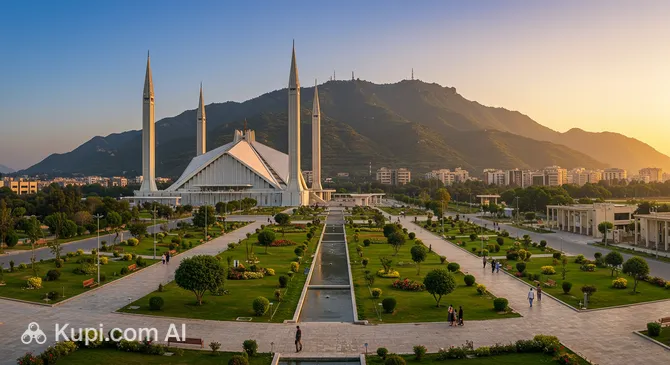
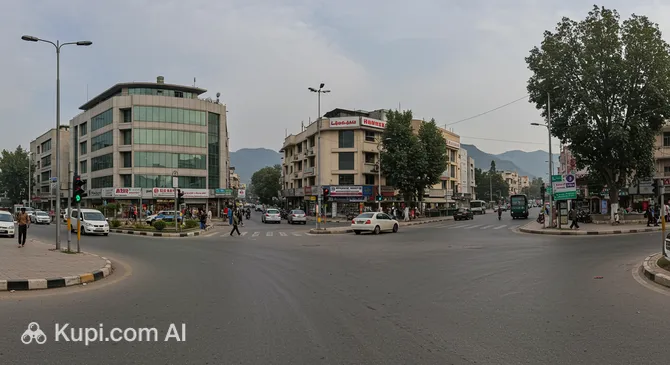
Welcome to Islamabad, the serene and lush capital of Pakistan. Known for its high standard of living, safety, and abundant greenery, this city offers a refreshing contrast to the bustling energy of the country's other metropolises. Nestled against the backdrop of the majestic Margalla Hills at the northern edge of the Pothohar Plateau, Islamabad is celebrated for its modern infrastructure and scenic beauty.
With a population of over 1 million residents, the city is spacious and well-organized. Unlike many ancient cities in the region, the history of Islamabad begins in the 1960s when it was master-planned to replace Karachi as the nation's capital. Its grid-based layout and careful zoning make it easy to navigate, while the surrounding hills provide a stunning natural environment and a pleasant climate.
Islamabad. Illustration.
Source: Kupi.com AI
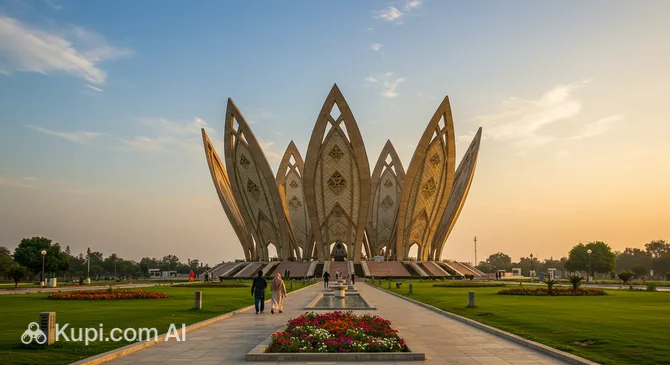
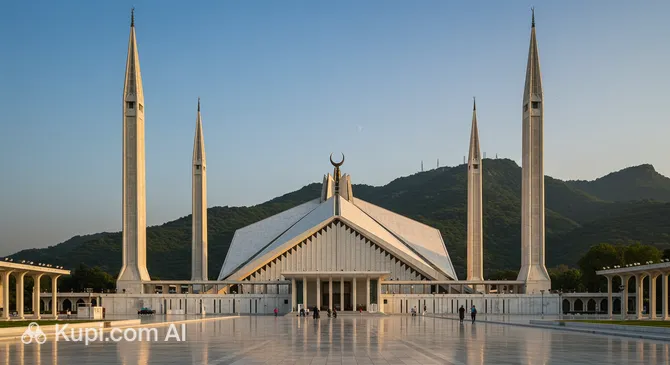
Visitors are often drawn to the iconic Faisal Mosque, one of the largest mosques in the world, featuring a unique contemporary design inspired by a Bedouin tent. For panoramic views of the city and the surrounding greenery, a trip to the Daman-e-Koh viewpoint is essential. The Pakistan Monument, shaped like a blooming flower, is another architectural gem that symbolizes national unity and offers insight into the country's heritage.
Whether you are interested in exploring modern architecture, hiking in the hills, or simply enjoying a peaceful atmosphere, Islamabad is the perfect starting point for your journey. Come and discover the unique charm and organized beauty of this captivating capital.
Weather Overview
The climate in this region features distinct seasonal changes, making it important to consider the timing of your visit. To help with your planning, you can view the detailed weather in Islamabad for specific forecasts. Generally, the city experiences its hottest conditions in June, with average temperatures around 29.7°C and highs reaching up to 36.0°C.
In contrast, the winter months are significantly cooler. January is typically the coldest month, with an average temperature of 9.9°C and lows dipping to 4.3°C. Rainfall is most frequent during the summer monsoon season; July and August are particularly rainy, recording over 20 wet days each. Travelers should expect warm summers with occasional rain and cold, dry winters.
Average monthly temperature
Average monthly precipitation
Interesting Facts
Beyond the meticulously planned sectors and scenic views, Islamabad holds many fascinating secrets that often go unnoticed by casual visitors. This modern capital is not just a political hub but a city of unique contrasts, deep symbolism, and surprising biodiversity.
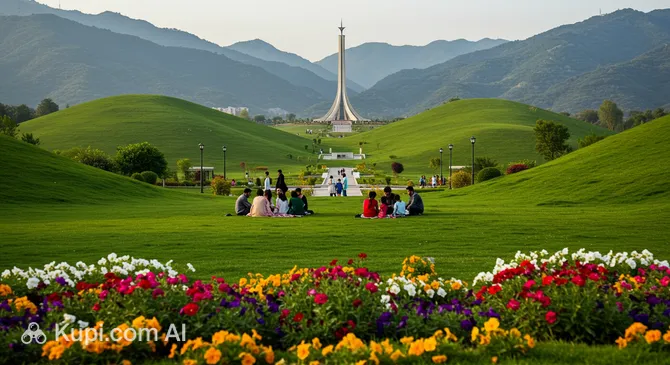
Pakistan Monument. Illustration.
Source: Kupi.com AI
Traveler photos:
While it is well known that the city was purpose-built, few realize that the master plan was designed by a Greek firm led by the architect Constantinos Apostolou Doxiadis. His vision created the city's unique triangular grid system, which integrates nature directly into the urban fabric.
The architecture of the Pakistan Monument is rich in symbolism; its four large petals represent the country's major provinces—Punjab, Sindh, Balochistan, and Khyber Pakhtunkhwa—while the three smaller petals stand for the territories, symbolizing national unity.
Islamabad forms a "Twin Cities" duo with the neighboring city of Rawalpindi. Despite their proximity, they offer completely different experiences: Islamabad is serene and modern, while Rawalpindi is a bustling historical hub with vibrant bazaars and ancient architecture.
The capital is surprisingly wild, with the Shakarparian National Park and the surrounding hills serving as natural habitats for diverse wildlife. It is not uncommon for residents to spot monkeys, porcupines, and wild boars, or even hear the calls of jackals near the city's edge.
Islamabad boasts the highest literacy rate in Pakistan, reflecting its status as a center for education and government. This focus on learning is supported by numerous universities and the Lok Virsa Heritage Museum, which houses one of the most extensive collections of cultural artifacts in the region.
How to Get There
Reaching the capital of Pakistan is relatively straightforward, thanks to its well-connected transport infrastructure. Whether you are arriving from international destinations or other parts of the country, there are several convenient options available. You can find more about how to get to Islamabad and plan the best route for your trip by exploring the detailed transport guide.
The primary entry point for most air travelers is Islamabad International Airport (ISB). Located approximately 25.6 km from the city center, it is the main aviation hub serving the capital region. The journey from the airport to downtown Islamabad typically takes about 60 minutes by taxi, depending on traffic. This modern facility handles a large volume of passengers annually and offers numerous international and domestic connections. For those who might find better flight options elsewhere, Bacha Khan International Airport (PEW) in Peshawar is another viable alternative. It is situated about 144.6 km away, with a travel time of roughly 3.5 to 4 hours by road. Additionally, Sialkot Airport (SKT) in Sialkot serves as a regional option, located approximately 178.9 km from Islamabad.
For clarity, here is a summary of the main airports:
For those preferring rail travel, it is important to note that the city of Islamabad does not have its own major intercity railway station. Instead, travelers arrive at the Rawalpindi Railway Station (RWP) in the neighboring city of Rawalpindi, which is only about 10.8 km from Islamabad. This historic station is a major hub connecting the twin cities to the rest of Pakistan. From the station, you can easily get a taxi or ride-hailing service to reach the center of Islamabad, a trip that usually takes around 35 minutes.
Below is the information for the nearest railway station:
Islamabad is a city where modernity harmonizes with nature, offering travelers a mix of architectural marvels, lush green spaces, and cultural treasures. Whether you are a history buff, a nature lover, or a shopping enthusiast, the capital provides a diverse array of sites to explore.
Undoubtedly the most recognizable symbol of the city is the Faisal Mosque. Nestled at the foot of the Margalla Hills, this architectural masterpiece deviates from traditional dome structures, featuring a contemporary design inspired by a Bedouin tent. It is one of the largest mosques in the world and offers a peaceful atmosphere for visitors. The white marble structure against the green backdrop of the hills creates a stunning visual contrast that is perfect for photography.
Faisal Mosque. Illustration.
Source: Kupi.com AI
Traveler photos:
For those seeking breathtaking panoramic views, a visit to Daman-e-Koh is a must. Located in the hills north of the city, this viewpoint provides a spectacular vantage point to see the organized grid layout of Islamabad and the raw beauty of the surrounding landscape. It is a popular spot for both tourists and locals to enjoy the cool breeze, watch the sunset, and occasionally spot wild monkeys that inhabit the area.
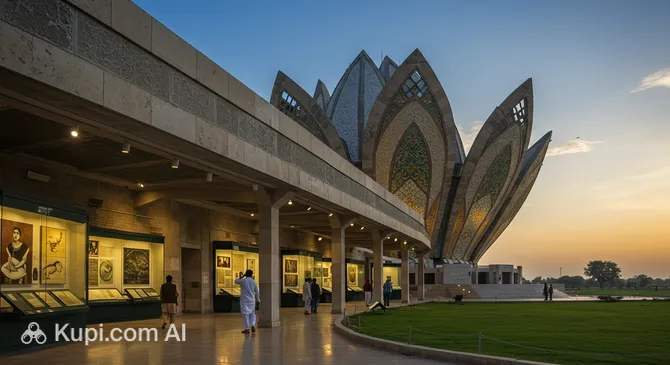
To dive deep into the rich cultural tapestry of the nation, you should visit the Lok Virsa Heritage Museum. This institution is dedicated to preserving the folk heritage of Pakistan. Through its extensive displays of traditional costumes, jewelry, woodwork, and musical instruments, the museum tells the stories of the diverse ethnic groups that make up the country's identity.
Lok Virsa Heritage Museum. Illustration.
Source: Kupi.com AI
Traveler photos:
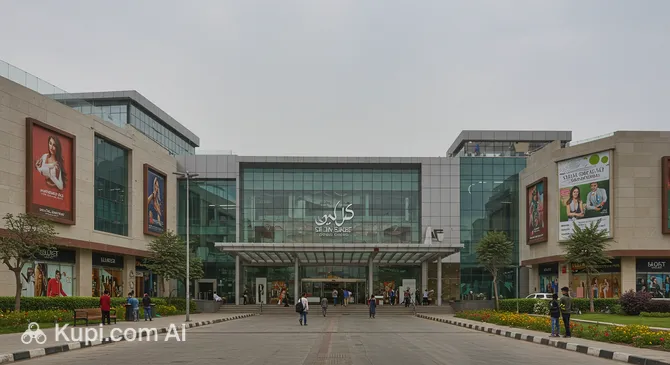
If you are looking for a blend of leisure and retail therapy, the Centaurus Mall stands out as a premier destination. Its iconic three-tower design dominates the skyline, housing international brands, a modern cinema, and a food court with a wide variety of cuisines. It is a great place to experience the modern, cosmopolitan side of the capital.
Finally, nature enthusiasts will appreciate the vast expanse of Fatima Jinnah Park, also known as F-9 Park. As one of the largest parks in Pakistan, it serves as a "green lung" for the city. With its walking tracks, sculptures, and the dedicated Kids Play Area, F-9 Park, it offers a relaxing escape from the urban routine for visitors of all ages.
Local Cuisine
The culinary scene in Islamabad is a sophisticated blend of traditional Pakistani flavors and modern gastronomy. As the capital city, it draws influences from the hearty, meat-heavy cuisine of the nearby Khyber Pakhtunkhwa province as well as the spicy, rich dishes of Punjab. The result is a diverse food landscape where you can enjoy everything from high-end dining in the hills to authentic street food in the bustling commercial sectors.
One of the most iconic dishes to try here is the Shinwari Karahi. Originating from the Pashtun culture, this dish consists of succulent mutton or chicken cooked in animal fat with tomatoes, green chilies, and salt, notably lacking the heavy spices found in other regional curries. Another local favorite is Pulao, a savory rice dish often served with shami kebabs, which serves as a staple comfort food for many residents. For barbecue enthusiasts, the city's markets offer sizzling Seekh Kebabs and Tikka, best enjoyed with fresh naan bread straight from the tandoor.
When it comes to beverages, Chai (tea) is an essential part of daily life. You will find locals enjoying Doodh Patti (milk tea) at all hours, or sipping on Kahwah (green tea) after a heavy meal to aid digestion. In the summer, a chilled glass of Lassi, a yogurt-based drink, provides a refreshing escape from the heat. Tourists should be aware that alcohol is strictly regulated in Pakistan. It is generally not available in standard restaurants or supermarkets and is typically accessible only to non-Muslim foreigners at licensed bars within 5-star hotels.
Centaurus Mall. Illustration.
Source: Kupi.com AI
Traveler photos:
The dining culture in Islamabad is centered around the various "Markaz" (commercial centers) in each sector. For a modern dining experience with a wide variety of international and local fast food chains, the food court at Centaurus Mall is a popular destination for families and tourists alike. Meanwhile, for those seeking a more relaxed atmosphere, places like MaiKada Cafe and Restaurant offer a spot to unwind. Whether you are looking for a quick snack at a street stall or a luxurious dinner with a view of the Margalla Hills, Islamabad has something to satisfy every palate.
Travel Tips
To ensure your visit to the serene capital of Pakistan is as smooth and enjoyable as possible, we have compiled a set of essential guidelines. These practical tips will help you navigate local customs, logistics, and daily life in Islamabad with confidence and ease.
Clothing and Gear: Pakistan is a conservative country, so modesty is key. Wear loose-fitting clothing that covers your shoulders and knees; a lightweight cotton shalwar kameez (traditional tunic and trousers) is the most comfortable option for the hot summers. Women should carry a scarf or shawl, which is necessary for entering mosques and appreciated in local markets. Don't forget comfortable walking shoes for the hiking trails in the Margalla Hills.
Transportation: The city is spread out, making walking impractical for long distances. The Metro Bus service is clean, efficient, and connects Islamabad with Rawalpindi, but it serves limited routes. For door-to-door convenience, ride-hailing apps like Careem, Uber, or InDrive are highly recommended over hailing regular taxis, as they offer fixed prices and tracked rides.
Finances: The local currency is the Pakistani Rupee (PKR). While high-end restaurants, hotels, and malls like Centaurus accept international credit cards, cash is essential for street food, local bazaars, and small shops. ATMs are widely available throughout the city. Tipping is customary; leaving around 5-10% or rounding up the bill is a polite gesture for good service.
Health and Safety: Islamabad is considered one of the safest cities in the country, but standard precautions apply. Stick to bottled water for drinking and avoid ice in street drinks. Pharmacies are plentiful, with major chains like Shaheen Chemist often operating 24/7. In case of a medical emergency, dialing 1122 connects you to ambulance services.
Communication:Urdu is the national language, but English is the official language and is widely spoken, especially in the capital's hospitality and business sectors. You can easily buy a SIM card from providers like Jazz or Zong at the airport or franchise centers using your passport. Public Wi-Fi is limited, so having mobile data is very useful for navigation.
Local Etiquette: The standard greeting is "As-salam-alaikum" (Peace be upon you). When interacting with locals, use your right hand for eating, shaking hands, or giving money. Be mindful of gender norms; men should generally wait for a woman to extend her hand first before initiating a handshake.
What to Avoid: Public displays of affection (PDA) are frowned upon and should be avoided. Additionally, as Islamabad is the seat of government, strictly avoid taking photographs of military installations, embassies, or sensitive government buildings, as this can lead to serious legal trouble.
Shopping Hours: Unlike many Western cities, life in Islamabad starts late. Most shops and markets do not fully open until 11:00 AM or noon, but they stay open late into the night. Plan your shopping sprees for the afternoon or evening to experience the markets at their liveliest.
By keeping these tips in mind, you will be well-prepared to experience the hospitality and orderly charm of Islamabad. Enjoy the blend of modern living and nature that makes this capital city truly unique.
Entertainment & Nightlife
Entertainment and Nightlife:
Nightlife in Islamabad is distinctively different from what you might expect in Western capitals. Rather than a scene dominated by dance clubs and pubs, the city's evening entertainment revolves around a vibrant dining culture, late-night cafes, and scenic drives. The atmosphere is sophisticated yet relaxed, with families, friends, and young professionals gathering to enjoy good food, live music, and conversation well past midnight.
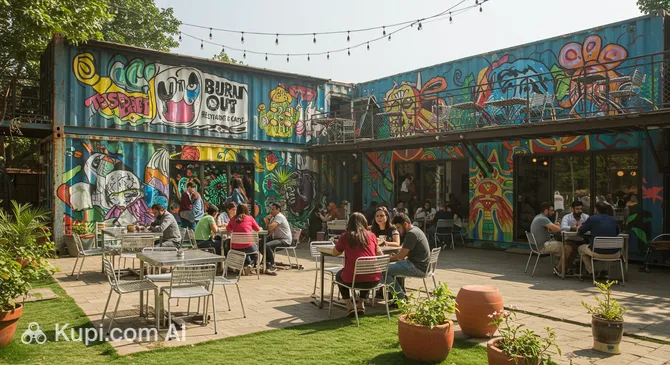
The heart of the action lies in the commercial centers of Sector F-6 (specifically Kohsar Market) and Sector F-7 (Jinnah Super Market). These areas are bustling with activity after dark, featuring upscale eateries and trendy coffee shops that spill out onto the sidewalks. For a unique thematic experience, you can visit Burn Out Restaurant & Cafe. Known for its automotive-inspired decor and lively ambiance, it is a popular spot for car enthusiasts and groups looking for a fun evening out.
Burn Out Restaurant & Cafe. Illustration.
Source: Kupi.com AI
Traveler photos:
If you are looking for a place with a spirited vibe, perhaps to catch a game or enjoy hearty comfort food, Wild Wings I-8 is a favorite among locals. It offers a bustling environment that mimics the energy of a sports lounge. Alternatively, for a more traditional yet modern social setting, MaiKada Cafe and Restaurant provides a cozy atmosphere perfect for unwinding with tea and snacks after a long day of exploring.
When planning your night out, keep in mind that the city comes alive late. Most venues start filling up around 8:00 PM and remain busy until 1:00 AM or later, especially on weekends. The dress code is generally smart casual; while Islamabad is modern, it is advisable to dress modestly to blend in comfortably. Safety is rarely an issue in these well-lit commercial zones, but for transportation, it is best to use ride-hailing apps like Careem or Uber. They offer reliable, tracked rides which are safer and more convenient than hailing random taxis off the street at night.
While the nights are for dining and socializing, the city also offers engaging daytime entertainment. Families and thrill-seekers can head to Fun City (Centaurus Mall), an indoor amusement park featuring arcade games and rides. Another excellent option for children is Play Land, which offers various recreational activities. These venues provide a perfect break from sightseeing and are great for escaping the afternoon heat.
Parks & Museums
Islamabad is often heralded as one of the greenest capitals in the world, where urban development has been carefully balanced with nature preservation. The city's master plan integrated vast green belts, gardens, and protected forests, creating a refreshing environment that invites exploration. Beyond its natural beauty, the capital also hosts several institutions that safeguard the artistic and historical heritage of the nation.
One of the most popular recreational areas is the Shakarparian National Park. Perched on a hill, this park offers terraced gardens, pleasant walkways, and a distinct vantage point overlooking both Islamabad and Rawalpindi. It is a historic site where many foreign heads of state have planted commemorative trees. The park serves as a favorite picnic spot for locals, especially on weekends when the weather is mild.
Shakarparian National Park. Illustration.
Source: Kupi.com AI
Traveler photos:
For families traveling with children, the Japanese Children Park is a delightful stop. Located near the foot of the Margalla Hills, this park was a gift from the people of Japan. It features unique, safe, and colorful play structures that differ from standard playground equipment, set amidst well-maintained lawns. It is an excellent place for kids to burn off energy while parents enjoy the peaceful surroundings.
Another gem for nature lovers is Kachnar Park, located in Sector I-8. This park is particularly special because of its abundance of Kachnar (Bauhinia variegata) trees. During the spring, the park transforms into a sea of purple and white blossoms. The locals not only admire the flowers but also harvest the buds, which are a traditional culinary delicacy. With its extensive jogging tracks and cycling paths, it promotes a healthy, active lifestyle.
In terms of cultural education, the Pakistan Monument Museum is a must-visit facility located within the Shakarparian complex. While the monument itself is an architectural icon, the museum below it offers a deep dive into the struggle for independence. It features lifelike wax figures, historical photographs, and relief work that narrate the events leading to the creation of Pakistan. It provides a moving and educational experience that contextualizes the country's history for international visitors.
Pakistan Monument Museum. Illustration.
Source: Kupi.com AI
Traveler photos:
For those interested in historical architecture, the Baradari offers a glimpse into the region's past. While Islamabad is a modern city, scattered sites like this pavilion remind visitors of the area's older heritage before the capital was built. It serves as a quiet spot to appreciate the architectural styles that prevailed in the subcontinent centuries ago.
Insider Tip: If you are a railway enthusiast, consider a short trip to the Golra Sharif Railway Museum on the outskirts of the city. It houses a fascinating collection of steam engines and colonial-era railway artifacts that are beautifully preserved, offering a nostalgic journey through the history of rail travel in the region.
Getting Around
Navigating Islamabad is largely defined by its modern road infrastructure and the recently expanded bus network. Unlike many other cities in the region, the public transport system here is relatively organized, with the Metro Bus Service serving as the backbone of daily commuting. This Bus Rapid Transit (BRT) system is the most efficient way for tourists to travel between key sectors and the neighboring city of Rawalpindi, offering a clean, air-conditioned, and reliable experience on dedicated lanes that bypass regular traffic.
The Metro Bus network currently consists of several lines that cover different parts of the city. The Red Line is the original route connecting the Secretariat to Rawalpindi, while the Orange Line is particularly useful for travelers as it connects the city center directly to the International Airport. Recently, the Blue Line and Green Line were introduced to serve other major expressways and sectors. These buses run frequently, typically every few minutes, making them a convenient option for getting around the main arteries of the capital.
For payment, the system is quite straightforward. You can purchase a single-journey token or a rechargeable smart card at the ticket offices or vending machines located at every Metro station. The smart card is recommended if you plan to use the bus multiple times, as it saves time queuing for tokens. Fares are fixed and very affordable. It is important to note that you must tap your token or card at the entry turnstile and again at the exit to validate your journey.
While the bus system is excellent for main routes, "last-mile" connectivity can sometimes be a challenge. For this reason, ride-hailing apps are extremely popular and often the preferred choice for international visitors. Services like Careem, Uber, and InDrive are widely available, offering safe, tracked rides with fixed prices. This eliminates the language barrier and the need to haggle, which is often required when taking traditional yellow taxis. These apps also allow you to choose between cars, rickshaws, or even motorbikes depending on your budget.
Traditional minibuses and wagons also operate throughout the city on specific numbered routes. While they are the most economical way to travel, they can be crowded and difficult for a visitor to navigate without local knowledge of the stops. If you do choose to use public buses, be aware that there are usually designated seating areas for women and families at the front of the vehicle, a cultural norm that is strictly observed.
The operating hours for the Metro Bus service are generally from 6:00 AM to 10:00 PM, though this can vary slightly by line and season. For late-night travel, ride-hailing apps or radio cabs are your best bet. Car rentals are available, but most tourists prefer renting a car with a driver, as this provides the freedom of a private vehicle without the stress of navigating local traffic laws and driving styles.
Accommodation
Finding the right place to stay in Islamabad is relatively easy, as the city offers a broad spectrum of accommodation options to suit various travel styles and budgets. The hospitality landscape ranges from high-end luxury hotels and diplomatic enclaves to comfortable mid-range guesthouses and budget-friendly hostels. Unlike many other cities in the region, Islamabad is particularly famous for its high-quality guesthouses, which are often converted large residential homes offering a cozy, personalized experience.
When choosing a location, understanding the city's sector-based grid is helpful. The most popular areas for tourists are generally Sector F-6 and Sector F-7. These neighborhoods are considered the heart of the city's social life, placing you within walking distance of trendy cafes, restaurants, and major markets like Kohsar and Jinnah Super. For business travelers, the Blue Area serves as the central business district, providing easy access to government offices and corporate headquarters. Those looking for more economical options might consider the G-Sectors (such as G-6 or G-9), which offer good connectivity at a lower price point.
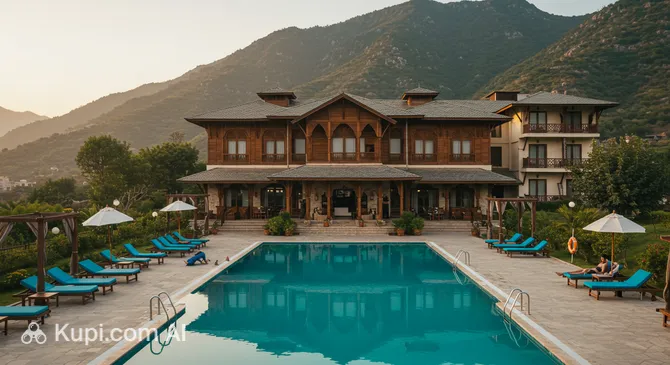
Luxury Moon Guest House. Illustration.
Source: Kupi.com AI
Traveler photos:
Among the available options, guesthouses remain a top choice for their blend of comfort and hospitality. For instance, the Luxury Moon Guest House is one such establishment that caters to visitors looking for a relaxed environment. These types of accommodations often provide a more home-like atmosphere compared to large commercial hotels, usually featuring gardens and home-cooked breakfasts.
Booking Tips and Prices: It is highly recommended to book your accommodation in advance, especially if you plan to visit during the pleasant spring (March-April) or autumn (October-November) seasons when tourism peaks. Prices in Islamabad can vary significantly; budget stays can start from as low as $20-$30 USD per night, while luxury international chains may charge upwards of $150-$200 USD. Most reputable hotels and guesthouses are listed on major online booking platforms, but contacting smaller properties directly can sometimes yield better rates.
Nearby Cities
For those looking to explore the surroundings, Islamabad serves as an excellent base for day trips to several interesting nearby locations:
Just a short drive away lies Rawalpindi, often referred to as the "Twin City" of Islamabad. While the capital is planned and serene, Rawalpindi offers a vibrant contrast with its bustling historical bazaars, ancient temples, and colonial-era architecture. It is the perfect place to experience the energetic pulse of traditional Pakistani urban life, particularly in the lively Raja Bazaar.
For a refreshing escape into nature, travelers can head north to Abbottabad. Nestled in the Orash Valley, this city is known for its pleasant climate, pine-covered hills, and colonial charm. It serves as a popular gateway to the northern areas and offers a cool retreat from the plains during the summer months.
Another fascinating destination is Jhelum, located on the banks of the river sharing its name. This city is steeped in history and is often visited by those on their way to the magnificent Rohtas Fort, a UNESCO World Heritage site located nearby. The area offers a mix of historical intrigue and scenic river views.
These nearby destinations offer a glimpse into the diverse culture and landscapes of the region.
Shopping & Souvenirs
Shopping in Islamabad offers a delightful mix of experiences, ranging from high-end modern malls to vibrant traditional bazaars. The city is well-organized into sectors, each having its own commercial center known as a "Markaz," but there are specific districts that stand out for their variety and quality of goods. Visitors can expect to find everything from international fashion brands to exquisite local handicrafts, making it a rewarding destination for retail therapy.
For a premium street shopping experience, Jinnah Super Market in Sector F-7 is the place to be. It is lined with boutiques, bookstores, and jewelry shops, offering a sophisticated atmosphere for strolling and browsing. Another key destination is the Super Market in Sector F-6, which is particularly famous among tourists for its handicraft shops, rug merchants, and antique stores. If you are looking for a more traditional and bustling vibe, the area around Aabpara Chowk hosts the city's oldest market. Here, you can find a vast array of affordable clothing, dry fruits, and household goods in a lively, authentic setting.
Aabpara Chowk. Illustration.
Source: Kupi.com AI
Traveler photos:
When it comes to modern shopping complexes, the Centaurus Mall is the undisputed icon of the city. Located centrally, this massive lifestyle destination houses hundreds of local and international brands, a large supermarket, and a diverse food court. It provides a comfortable, air-conditioned environment that is perfect for escaping the summer heat while browsing for luxury items, electronics, and fashion.
Markets play a significant role in the local culture, and the weekly Sunday Bazaar (Itwar Bazar) near Sector H-9 is a must-visit for bargain hunters. This sprawling open-air market is organized into sections selling fresh produce, second-hand clothing (known locally as "landa"), and household items. It is a colorful and chaotic experience where haggling is the norm. For those interested in regional crafts, the specialized stalls often feature unique finds at a fraction of the price you would pay in upscale boutiques.
If you are looking for souvenirs to take home, Islamabad has plenty to offer. Hand-knotted carpets and rugs are a top choice, showcasing incredible craftsmanship. Pashmina shawls and embroidered textiles are also highly prized. Additionally, Pakistan is famous for its Himalayan salt, so picking up a salt lamp or decorative item is a great way to bring a piece of the land back with you. "Truck art" items, such as painted kettles, mugs, and miniature trucks, are also colorful and quirky gifts that represent the local artistic flair.
Most shops in the main commercial areas open around 11:00 AM and stay open late, often until 10:00 PM or 11:00 PM. While credit and debit cards are widely accepted in shopping malls and larger stores in F-6 and F-7, cash is essential when visiting local markets like Aabpara or the Sunday Bazaar. Tax-free shopping or VAT refunds are not typically available for tourists in the standard retail sectors, so the price you see (or negotiate) is generally the final price.