Support

Lahore

About

Lahore is widely regarded as the cultural heart of Pakistan, offering a vibrant mix of history, art, and modern life. As the capital of the Punjab province, it is a bustling metropolis known for its lively atmosphere, welcoming locals, and deep-rooted traditions. The city pulsates with energy, from its busy bazaars to its serene gardens, making it a fascinating destination for travelers seeking an authentic experience.

Geographically situated on the banks of the Ravi River, Lahore is one of the country's most populous cities, with over 12 million inhabitants. The climate is characterized by hot summers and cool, pleasant winters, which is generally the best time to explore the outdoors. The sheer scale of the city contributes to its dynamic character, where ancient heritage sits side-by-side with contemporary developments.
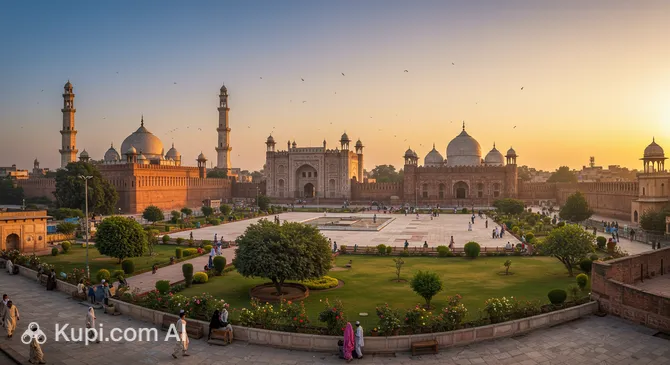
Lahore. Source: Kupi.Binoculars

The history of Lahore is legendary, spanning centuries of rule by various empires, most notably the Mughals and the British. This rich past is reflected in the city's stunning architecture. Visitors are often captivated by the majesty of the Lahore Fort and the grandeur of the Badshahi Mosque, which are iconic symbols of the city. The Walled City, with its narrow winding streets and historic gates, offers a glimpse into a bygone era that is still very much alive today.

Beyond its monuments, Lahore is famous for its food culture. The city is a paradise for gastronomes, offering everything from spicy street food at Gawalmandi to fine dining experiences. Whether you are exploring the lush Shalimar Gardens or enjoying the local cuisine, Lahore promises an unforgettable journey full of color and flavor. It is a city that truly never sleeps and invites everyone to discover its unique charm.
Weather Overview

Travelers planning a trip should be prepared for distinct seasonal shifts, as the city experiences a semi-arid climate. The weather in Lahore is generally characterized by sweltering summers, a humid monsoon season, and comfortable, cool winters. Packing appropriate clothing is essential, as conditions vary significantly depending on the time of year.

The heat peaks during May and June, where the average temperature reaches up to 33.0°C, and daily maximums often soar to 39.0°C. This intense heat is eventually broken by the arrival of the monsoon in July and August. While temperatures drop slightly during these months, humidity rises, and rainfall becomes frequent, with July typically seeing rain on about 21 days.

In contrast, the winter season from December to February offers the most pleasant conditions for exploring the city. During January, the average temperature is a cool 11.9°C, with nighttime lows dipping to roughly 6.4°C. Precipitation is minimal during this period, ensuring clear skies for sightseeing. Overall, you can expect hot summers with specific rainy periods and cool, dry winters.

Interesting Facts

Beyond the main attractions, Lahore holds many fascinating secrets and historical quirks that often escape the casual observer. Here are some intriguing facts that highlight the city's unique blend of ancient heritage and modern surprises.

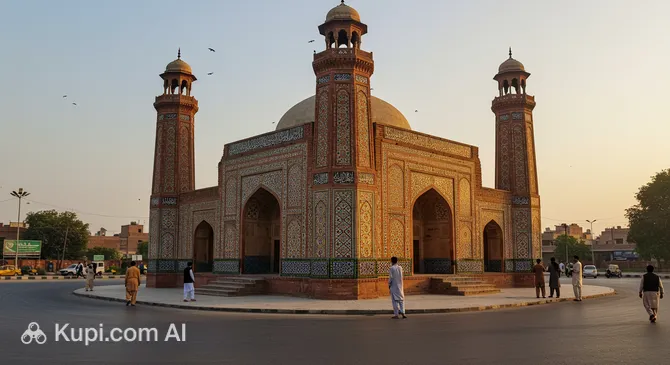
  • The name of the monument Chuburji literally translates to "Four Towers." Although the structure famously lost one of its minarets during a massive earthquake in 1843, it was later restored, and today it stands with its architectural form intact. It originally served as the majestic gateway to a vast Mughal garden that has long since vanished, and centuries ago, the River Ravi flowed directly beside its walls.

  • Established in 1872, the Lahore Zoo is widely considered one of the oldest zoos in the world still in operation. It began as a modest aviary donated by a philanthropist and has evolved into a beloved recreational spot for local families.

  • Visitors might be surprised to find a taste of Paris here in the form of the Eiffel Tower Lahore. This structure in Bahria Town is a notable replica that lights up the night sky and offers viewing decks for a unique perspective on the city's modern expansion.

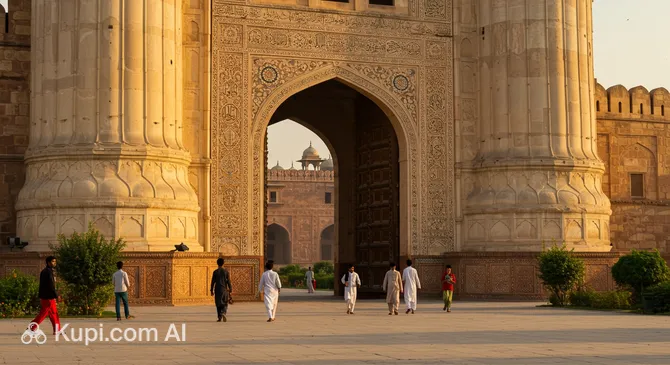
  • The historic Walled City was originally accessible through thirteen massive gates, which were shut every night for protection against invaders. While the encompassing walls have largely disappeared, iconic entryways like the Delhi Gate have been restored, preserving the memory of the ancient royal route from Delhi.

Chuburji. Source: Kupi.Binoculars

How to Get There

Reaching this vibrant cultural hub is relatively straightforward, as it serves as a major node in Pakistan's transport network. Whether you are arriving from international destinations or other parts of the country, there are several convenient entry points. For a detailed overview of all available routes and transportation methods, you can read more about how to get to Lahore.

The most convenient and direct option for air travelers is Allama Iqbal International Airport (IATA: LHE). Located directly in Lahore, it is situated just 4.3 km from the city center. As a major international facility, it handles a large volume of passenger traffic annually. The commute from the terminal to the heart of the city is quick, typically taking around 27 minutes by taxi, depending on traffic conditions.

For those exploring the broader Punjab province, there are viable regional alternatives. Sialkot Airport (IATA: SKT) is located approximately 112.6 km away and serves as a significant secondary hub. Travelers landing here should plan for a ground transfer of about 3 hours. Additionally, Faisalabad Airport (IATA: LYP) is situated roughly 130.8 km from Lahore, offering another entry point for visitors willing to travel by road to their final destination.

For clarity, here is a summary of the main airports in the region:
Airport Name City Passenger Traffic Km from City
Allama Iqbal International Airport Lahore Large 4.3
Sialkot Airport Sialkot Medium 112.6
Faisalabad Airport Faisalabad Small 130.8

For those considering rail travel from the northern parts of the country, the Rawalpindi Railway Station (IATA: RWP) is a key transport hub to be aware of. It is located in the city of Rawalpindi, approximately 261.6 km from Lahore. While it is a considerable distance away, it connects the capital region to the rest of the province. A journey by road from this station to Lahore takes approximately 7 hours.

For clarity, here is a summary of the nearby railway stations:
Station City Passenger Traffic Km to Center
Rawalpindi Railway Station Rawalpindi Large 261.6

Main Attractions

Attractions:

Lahore is a city where every corner tells a story, offering a treasure trove of sights for history buffs, culture enthusiasts, and nature lovers alike. From grand imperial structures to vibrant cultural hubs, the city's landmarks provide a deep dive into its glorious past and dynamic present.

One of the most significant landmarks is the majestic Lahore Fort, locally known as Shahi Qila. This sprawling citadel is a UNESCO World Heritage Site and a masterpiece of Mughal architecture. Visitors can wander through its opulent palaces, such as the Sheesh Mahal (Palace of Mirrors), and admire the intricate marble work and lush gardens that reflect the grandeur of the emperors who once resided here.

Lahore Fort. Source: Kupi.Binoculars

Deep within the Walled City lies the stunning Wazir Khan Mosque, often considered the most ornately decorated Mughal-era mosque. It is renowned for its intricate kashi-kari (fresco) tile work and calligraphy that covers almost every surface. Walking through its courtyard transports tourists back in time, offering a peaceful retreat from the bustling streets outside.

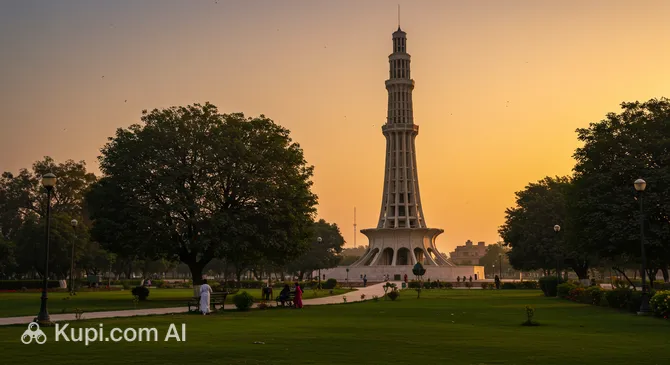
For a symbol of modern nationhood, the Minar-e-Pakistan is a must-visit. Located in Greater Iqbal Park, this towering monument marks the site where the Lahore Resolution was passed in 1940. The tower features a unique blend of Mughal and modern architectural styles, and the surrounding park is a popular spot for locals to relax and enjoy the outdoors.

Minar-e-Pakistan. Source: Kupi.Binoculars

A short drive from the city center takes you to the Wagah Border, where the daily flag-lowering ceremony takes place between Pakistan and India. This event is famous for its high energy, elaborate military drills, and the patriotic spirit of the crowds on both sides. It is a truly unique spectacle that offers a glimpse into the ceremonial traditions of the region.

History enthusiasts should not miss the Lahore Museum, which houses an extensive collection of artifacts dating back to the Gandhara civilization. The museum's red-brick building is an architectural gem in itself, and its galleries display everything from ancient Buddhist sculptures, including the famous Fasting Buddha, to rare manuscripts and colonial-era paintings.

Local Cuisine

Lahore is frequently hailed as the food capital of Pakistan, where eating is not just a necessity but a celebrated pastime. The phrase "Lahore Lahore Aye" (Lahore is Lahore) often alludes to its unparalleled hospitality and gastronomic richness. For tourists, the city offers an overwhelming variety of flavors, ranging from centuries-old recipes perfected in the Walled City to contemporary fusion dining in upscale neighborhoods. The local palate generally favors rich, spicy, and buttery flavors, with meat playing a central role in most meals.

No culinary journey here is complete without trying the legendary Nihari, a slow-cooked beef or mutton stew rich in spices and marrow, typically eaten with hot naan bread. Another breakfast staple that has gained cult status is Halwa Puri—a combination of sweet semolina pudding and savory deep-fried bread, usually served with chickpeas and potatoes. For dinner, the aroma of Lahori Chargha (whole fried chicken marinated in yogurt and spices) and Siri Paye (trotters cooked in a thick gravy) fills the air, tempting anyone nearby.

The street food culture in Lahore is vibrant and legendary. Areas like the historic Gawalmandi and the scenic Fort Road Food Street are bustling hubs where locals and tourists gather late into the night. Here, you can sit on rooftops with views of the illuminated mosques while enjoying Tak-a-Tak (minced meat cooked on a griddle) or fresh Tawa Chicken. The atmosphere is electric, with the sound of cooking utensils clashing and the buzz of enthusiastic diners creating a unique symphony.

When it comes to beverages, Lassi is the undisputed king of daytime drinks. This yogurt-based drink can be sweet or salty and is often served in large steel glasses, sometimes topped with a dollop of fresh cream (Malai). In the cooler months, Kashmiri Chai (Pink Tea), garnished with crushed pistachios and almonds, is a warm favorite. It is important to note that alcohol is generally not part of the local culture and is restricted; it is mostly available only to non-Muslim foreigners in high-end hotels with specific permits.

While traditional flavors dominate, the city also boasts a growing modern café culture, particularly in areas like Gulberg and DHA. Visitors looking for a blend of international tastes and trendy ambiance might visit places like Coco Cubano Gulberg, which represents the modern face of Lahore's dining scene. Whether you are sitting on a plastic stool in a narrow alley enjoying spicy fish or dining in a chic restaurant, the food in Lahore promises to be a memorable highlight of your trip.

Travel Tips

Welcome to Lahore, a city that thrives on its rich heritage and overwhelming hospitality. To help you navigate the bustling streets and cultural nuances of this vibrant metropolis with ease, here are some practical tips for your journey.

  1. Dress modestly and according to the season. Lahore is conservative, so it is respectful for both men and women to cover their shoulders and knees. Loose-fitting, breathable fabrics like cotton or linen are ideal for the scorching summers, while the winters (December to February) can be surprisingly chilly, requiring sweaters or jackets. Women should carry a scarf (dupatta) to cover their heads when visiting religious sites like the Badshahi Mosque.
  2. Choose the right mode of transport. For comfort and safety, ride-hailing apps like Uber, Careem, or InDrive are the best options for tourists, as they offer tracked rides and fixed prices. The city also has a modern Orange Line Metro Train and Metro Bus system that connects major areas efficiently. Traditional auto-rickshaws are fun for short distances, but be prepared to bargain hard before hopping in.
  3. Keep cash handy. While upscale restaurants and malls accept credit cards, the heart of Lahore lies in its street food and traditional bazaars, which operate almost exclusively on cash. Ensure you have enough Pakistani Rupees (PKR) in smaller denominations. ATMs are widely available, but international cards may occasionally face compatibility issues, so having a backup is wise.
  4. Prioritize health and hygiene. Tap water is generally not safe for drinking; always stick to sealed bottled water. When trying the famous street food, look for busy stalls where the food is cooked fresh in front of you. Pharmacies are plentiful and often open late, but for any serious medical needs, private hospitals offer better facilities for international travelers.
  5. Stay connected and communicate easily. English is widely spoken and understood, especially in service sectors and by younger locals. However, learning a few Urdu phrases like "Assalam-o-Alaikum" (Hello) will earn you warm smiles. You can purchase a local SIM card (Zong or Jazz are popular) at the airport or franchise centers, but you will need your passport for registration.
  6. Respect local etiquette and hospitality. Lahoris are known for their warmth and may often invite you for tea or a meal; accepting is a polite gesture. When eating traditional food, which is often enjoyed without cutlery, always use your right hand. It is also customary to remove your shoes before entering a home or a mosque.
  7. Be mindful of social norms. Public displays of affection (PDA) are culturally frowned upon and should be avoided. Additionally, always ask for permission before taking photographs of people, especially women, to respect their privacy.
  8. Prepare for the smog season. If you are visiting between November and January, be aware that Lahore often experiences heavy smog, which can affect air quality. It is highly recommended to carry N95 masks and check the air quality index (AQI) daily if you plan to spend long hours outdoors during these months.

By keeping these practicalities in mind, you can focus on what truly matters: soaking in the history, flavors, and energy of this magnificent city. Lahore is a place that welcomes visitors with open arms, and a little local knowledge will ensure your trip is as smooth as it is memorable.

Entertainment & Nightlife

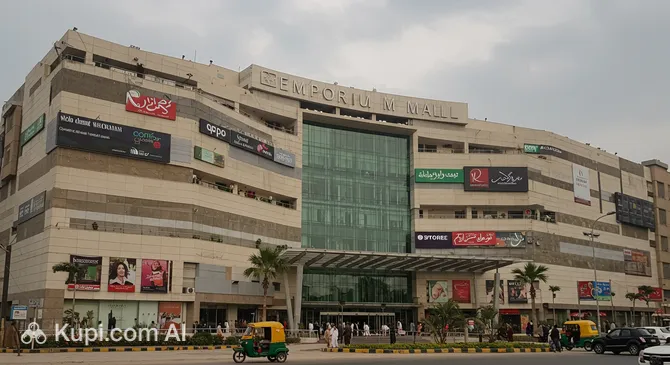
Lahore offers a diverse array of entertainment options that seamlessly blend modern leisure with the city's vibrant social culture. For those seeking a world-class shopping experience, the city is home to sprawling retail complexes. Emporium Mall is a standout destination, featuring international brands, a large food court, and a multiplex cinema, making it a complete lifestyle hub. Similarly, Packages Mall provides a premium environment for fashion enthusiasts and families looking for a day of indoor recreation.

Emporium Mall. Source: Kupi.Binoculars

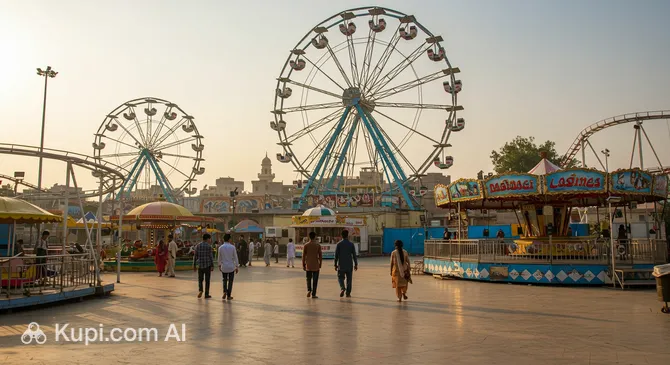
For families and thrill-seekers, the city boasts several exciting amusement parks. Joyland is one of the most popular spots, offering a variety of rides ranging from gentle carousels to adrenaline-pumping attractions. During the hotter months, locals and tourists alike flock to Sozo Water Park to cool off in its wave pools and exhilarating water slides, ensuring a fun-filled day for visitors of all ages.

Joyland. Source: Kupi.Binoculars

Wildlife enthusiasts will find plenty to explore in Lahore's zoological gardens. The historic Lahore Zoo, located in the heart of the city, houses a wide collection of animals and serves as a green oasis amidst the urban bustle. For a more immersive adventure, the Lahore Safari Zoo offers a drive-through experience where visitors can observe lions, tigers, and other species in open enclosures that mimic their natural habitats.

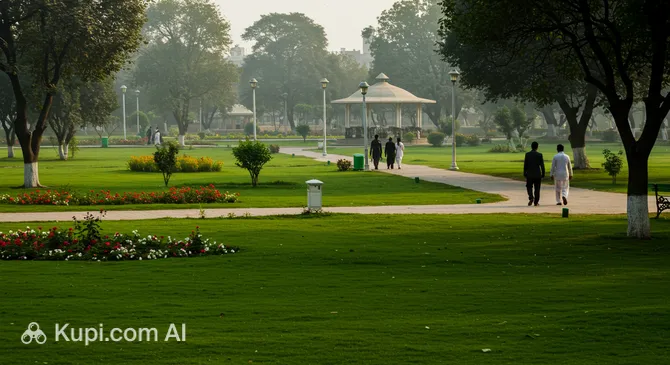
Known as the "City of Gardens," Lahore takes pride in its beautifully maintained public parks which serve as major recreational centers. Jilani Park (Race Course) is a favorite for evening walks, jogging, and its famous annual flower exhibitions. Another serene escape is Gulshan-e-Iqbal Park, which features an artificial lake and boating facilities, providing a perfect setting for a relaxing picnic away from the city noise.

Jilani Park (Race Course). Source: Kupi.Binoculars

As evening falls, the city's modern social scene comes alive in trendy neighborhoods like Gulberg. The area is dotted with stylish cafes and lounges such as Coco Cubano Gulberg, where people gather to enjoy the ambiance and conversation. Whether it is exploring a night market, catching a movie, or dining out, Lahore ensures that there is never a dull moment for its visitors.

Parks & Museums

Known affectionately as the "City of Gardens," Lahore lives up to its name with a rich array of green spaces that offer respite from the urban bustle, alongside a museum culture that preserves the region's complex history. From Mughal-era masterpieces to interactive modern galleries, the city provides ample opportunities for tourists to connect with nature and the past.

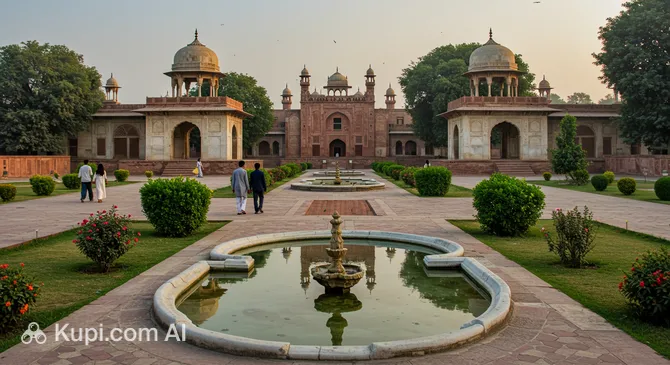
The crown jewel of the city's horticultural heritage is undoubtedly the Shalimar Gardens. A UNESCO World Heritage Site, this magnificent complex was laid out by Emperor Shah Jahan in the 17th century. It is a perfect example of a Persian paradise garden, featuring three terraced levels, over 400 fountains, and grand marble pavilions. Visitors are drawn here not just for the lush greenery, but to admire the intricate engineering of the water systems and the serene ambiance that transports them back to the Mughal era.

Shalimar Gardens. Source: Kupi.Binoculars

For a more contemporary outdoor experience, Model Town Park is a favorite among locals for its well-maintained walking tracks and expansive lawns. Unlike the historical sites, this park offers a glimpse into the daily life of Lahoris, who come here for morning jogs, boating in the central lake, or family picnics. It is a peaceful spot to relax, observe the local community, and enjoy the beautifully manicured flower beds.

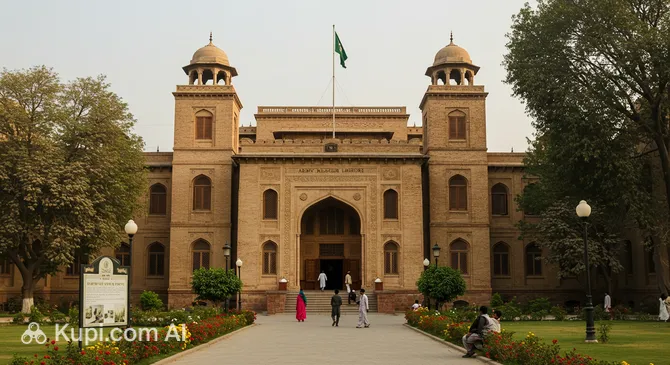
Lahore's museums are equally compelling, offering deep insights into the nation's journey. The Army Museum Lahore is a relatively new addition but has quickly become one of the most visited attractions. It offers a fascinating walk through military history with well-curated displays of tanks, helicopters, and weaponry, alongside life-sized sculptures depicting historical events. The museum is praised for its organized layout and immersive storytelling, making it interesting even for those who are not typically military history buffs.

Army Museum Lahore. Source: Kupi.Binoculars

Located in the heart of Greater Iqbal Park, the National History Museum stands out as Pakistan's first digital museum. Instead of traditional artifacts, it uses cutting-edge technology, holograms, and virtual reality to narrate the history of Pakistan's creation and the 1947 partition. It provides an emotional and educational experience, allowing visitors to listen to oral histories and view rare footage, making the past accessible and engaging for all ages.

For those interested in literary history, the Iqbal Museum (Javed Manzil) offers a more intimate cultural encounter. This was the residence of Allama Iqbal, the national poet of Pakistan, and it has been preserved to reflect his life and times. The museum displays his personal belongings, manuscripts, and photographs, offering a quiet space to reflect on the intellectual heritage of the region.

Insider Tip: If you plan to visit the Shalimar Gardens, try to go in the late afternoon. The golden hour light reflects beautifully off the marble structures and water channels, providing excellent photography opportunities and a cooler atmosphere for exploring the vast terraces.

Getting Around

Navigating Lahore can be an adventure in itself, with a transport system that ranges from ultra-modern rapid transit to colorful, traditional options. For tourists, the city offers a mix of efficient public transport and convenient private hire services, making it relatively easy to get around despite the heavy traffic often found on the main roads.

The backbone of the modern public transport network is the Orange Line Metro Train. As Pakistan's first mass rapid transit train system, it is clean, air-conditioned, and highly efficient. It spans a significant distance across the city, connecting Ali Town to Dera Gujran, and is an excellent way to bypass street-level congestion. Complementing the train is the Metrobus System, a Bus Rapid Transit (BRT) network characterized by its dedicated elevated tracks and bright red buses. This line runs primarily along Ferozepur Road, cutting through the heart of the city and linking key areas like Shahdara and Gajumata.

For those planning to use public transport frequently, the payment system is straightforward. You can purchase single-journey tokens (plastic coins) at ticket vending machines or counters at every station. If you plan to stay longer, it is worth buying a rechargeable Mass Transit Card, which can be used on both the Metrobus and the connecting "Speedo" feeder buses. Fares are incredibly affordable, typically costing a nominal fee per ride, making it a budget-friendly option for getting around.

When it comes to comfort and convenience, ride-hailing apps are the most recommended option for international visitors. Services like Uber, Careem, and InDrive are widely available and reliable. They offer the advantage of fixed prices, tracked journeys, and air-conditioned cars, eliminating the language barrier and the need to haggle. Traditional yellow taxis exist but are becoming less common compared to these app-based services.

For a more authentic local experience, you can hop into an auto-rickshaw. These three-wheeled vehicles are nimble and can navigate narrow streets that cars cannot reach. However, they do not have meters, so you must negotiate the fare before getting in. It is a noisy and bumpy ride, but often the quickest way to travel short distances.

A special highlight for tourists is the Sightseeing Lahore double-decker bus service. Run by the Tourism Development Corporation of Punjab (TDCP), these colorful buses offer guided tours to the city's major historical landmarks, including the Lahore Fort and Badshahi Mosque. The terminals are usually located at Gaddafi Stadium and near the Fort, providing a hassle-free and scenic way to view the city's architectural heritage.

Practical advice for travelers includes avoiding public transport during peak rush hours (8:00 AM to 10:00 AM and 5:00 PM to 7:00 PM), as buses and trains can become extremely overcrowded. Additionally, both the Metrobus and Orange Line trains have designated women-only sections (usually the front compartments), which female travelers should utilize for a more comfortable journey. Most public transport operates from early morning, around 6:00 AM, until approximately 10:00 PM or 11:00 PM.

Accommodation

Finding the perfect place to stay in Lahore is relatively easy, as the city offers a wide spectrum of accommodation options to suit every budget and preference. The hospitality sector here ranges from economical guesthouses and backpacker-friendly hostels to mid-range hotels and opulent luxury resorts. Whether you are looking for modern amenities or a stay that reflects the traditional warmth of Pakistani culture, the city has plenty to offer.

For tourists, choosing the right location is crucial for a convenient trip. Gulberg is widely considered the modern heart of the city and is a popular choice for travelers; it is packed with restaurants, shopping malls, and cafes, making it a lively base. For those seeking a quieter, more upscale environment, DHA (Defence Housing Authority) offers secure and serene surroundings, though it is situated further from the historical center. Alternatively, staying near The Mall Road provides easy access to the Walled City and major museums, ideal for history enthusiasts who want to minimize travel time to the main sights.

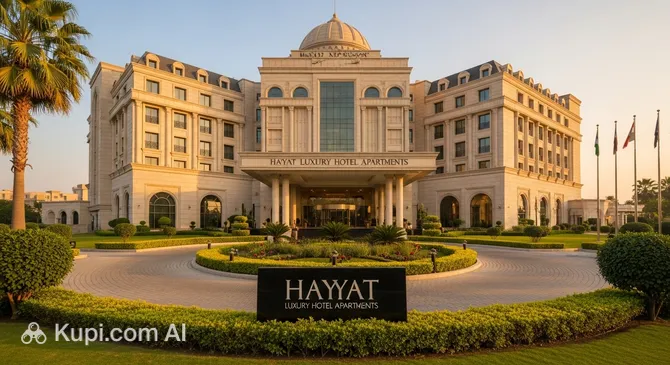
Among the notable accommodation options, Hayyat Luxury Hotel Apartments is an excellent choice for those seeking a blend of comfort and independence. These serviced apartments are particularly suitable for families or travelers planning a longer stay, offering a home-like atmosphere with high-end services. Another distinctive option is The Oasis, a resort hotel that provides a peaceful retreat from the city's energetic pace, featuring leisure facilities designed for relaxation.

Hayyat Luxury Hotel Apartments. Source: Kupi.Binoculars

Booking Tip: It is highly recommended to book your accommodation well in advance if you plan to visit during the winter months (November to February). This period coincides with the peak wedding season and the most pleasant weather for tourism, causing the best hotels to fill up very quickly.

In terms of pricing, Lahore is generally affordable by international standards. Budget options can be found for as little as $15 to $30 per night, while comfortable mid-range hotels typically cost between $40 and $80. Luxury stays and high-end resorts can go upwards of $100. While major hotels and resorts can be easily booked through international online platforms, smaller guesthouses may sometimes require direct contact or cash payments.

Nearby Cities

For those looking to explore the surroundings, Lahore serves as an excellent base for day trips to several interesting nearby locations:

City Population Distance (km)
Faisalabad 3,203,846 117
Gujranwala 2,027,001 76
Sialkot 655,852 109
Sheikhupura 473,129 42
Lahore Cantonment 374,872 7

One of the most historically significant stops nearby is Sheikhupura, located just a short drive away. It is famous for the Hiran Minar, a unique architectural complex built by the Mughal Emperor Jahangir in memory of his beloved pet antelope. The site features a massive water tank, a central pavilion, and a tall minaret, offering a serene environment for picnics and photography. The city is also home to the Sheikhupura Fort, another testament to the region's rich Mughal heritage.

Further afield lies Sialkot, a city globally renowned for its industrial prowess, particularly in the manufacturing of sports goods and surgical instruments. Beyond its factories, it holds deep cultural value as the birthplace of the philosopher-poet Allama Iqbal. Visitors can explore Iqbal Manzil, his ancestral home which has been converted into a museum displaying his personal belongings and library. The city's old cantonment area also offers a glimpse into colonial-era architecture.

For those interested in seeing a bustling industrial hub, Faisalabad (formerly Lyallpur) offers a different experience. Known as the "Manchester of Pakistan," it is the textile capital of the country. The city center is marked by the iconic Clock Tower (Ghanta Ghar), from which eight bazaars radiate outward like the Union Jack flag. These markets are vibrant and chaotic, perfect for travelers who want to experience the energetic pulse of Pakistani commerce and trade.

These nearby destinations offer a glimpse into the diverse culture and landscapes of the region.

Shopping & Souvenirs

Shopping in Lahore is an exhilarating experience that reflects the city's dual personality: deeply traditional yet rapidly modernizing. Visitors can wander through centuries-old bazaars where bargaining is an art form or stroll through air-conditioned malls housing global luxury brands. The city is particularly renowned for its high-quality textiles, intricate embroidery, leather goods, and vibrant wedding apparel, making it a paradise for fashion enthusiasts.

For a taste of the authentic local atmosphere, Liberty Market in Gulberg is a must-visit. It is the go-to place for fabrics, unstitched silk, and the latest fashion trends, bustling with activity until late at night. Another historic gem is Anarkali Bazaar, one of the oldest markets in South Asia. Divided into the "Old" and "New" sections, it offers everything from traditional jewelry and handicrafts to street food, providing a sensory overload of colors and sounds.

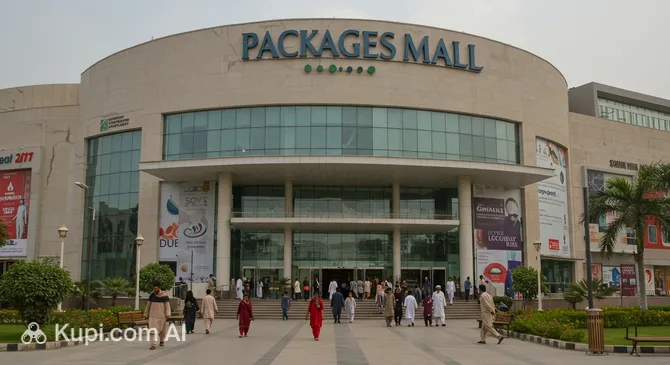
Those seeking a contemporary retail experience will find impressive options in the city. Packages Mall is one of the largest shopping complexes in the country, offering a vast array of international and local brands, a multiplex cinema, and diverse dining options. It is a favorite spot for families and fashion enthusiasts alike. Another major destination is Emporium Mall, known for its grand architecture and extensive range of retail outlets, making it a comprehensive lifestyle hub.

Packages Mall. Source: Kupi.Binoculars

When hunting for keepsakes, there are several unique items to look out for. A pair of Khussas (traditional hand-stitched leather shoes) is a popular souvenir, often embellished with beads or embroidery. Truck art miniatures, such as painted teapots or mugs, make for colorful gifts that capture the artistic spirit of Pakistan. Additionally, the city is a great place to buy high-quality Pashmina shawls and handcrafted wooden artifacts.

Store hours vary depending on the location. Shopping malls typically operate from 11:00 AM to 10:00 PM or 11:00 PM. In contrast, traditional bazaars often open later in the day, around noon, and remain busy well past midnight. While credit cards are widely accepted in malls and upscale boutiques, cash is essential for street markets. Bargaining is expected and necessary in bazaars, so do not hesitate to negotiate for a better price to get a fair deal.

Reached the end of the page?

That means the route is fully explored