Support

Ludhiana

About

Ludhiana, often hailed as the "Manchester of India," is a bustling industrial hub and the largest city in the state of Punjab. This vibrant metropolis is a powerhouse of manufacturing, particularly famous for its hosiery and textile industries, yet it retains a distinct charm that reflects the warm hospitality of India. Located on the former banks of the Sutlej River, the city serves as a major commercial center while offering travelers a glimpse into the authentic lifestyle of the region.

With a population exceeding 1.6 million, the city is alive with activity and commerce. Beyond its modern industrial facade, there are deep roots to explore. The history of Ludhiana is fascinating, tracing its origins back to the Lodhi dynasty in the 15th century, which has left a lasting imprint on the local culture and architecture.

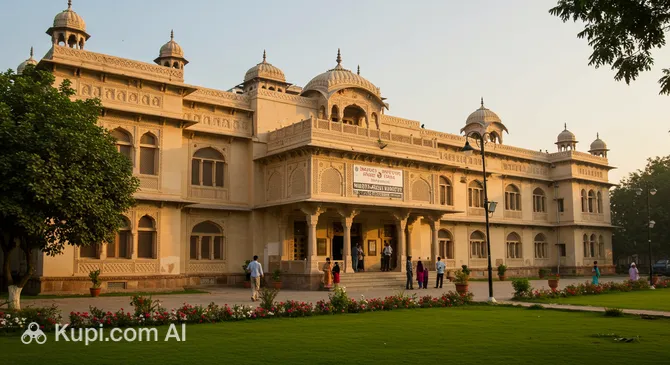
Ludhiana. Source: Kupi.Binoculars

Visitors will find several intriguing spots to explore. The Nehru Rose Garden is a standout attraction, boasting thousands of rose varieties and providing a serene escape from the city's busy streets. For those interested in local heritage, the Museum of Rural Life at the Punjab Agricultural University offers a captivating look at the traditional tools, household items, and arts of Punjab. Additionally, the city is a shopper's paradise, renowned for its woolen garments and bustling markets.

Whether you are visiting for business or leisure, Ludhiana offers a unique blend of urban energy and cultural richness. It is a destination where modern progress meets traditional Punjabi spirit, making it a noteworthy stop on any journey through the region.

Weather Overview

Ludhiana experiences a climate characterized by distinct seasonal variations, ranging from sweltering summers to brisk winters. The hottest months are typically May and June, where the average temperature peaks around 32.2°C, with daily highs often reaching up to 38°C. This period is generally dry and hot, requiring light clothing and sun protection if you plan to be outdoors.

The weather shifts dramatically with the arrival of the monsoon season in July and August. These months bring the majority of the region's rainfall, with July seeing approximately 24 wet days. While the rain brings relief from the extreme heat, humidity levels rise significantly during this time. By contrast, the autumn months of October and November see a return to drier conditions and milder temperatures.

Winter offers the most pleasant conditions for sightseeing, lasting from December through February. January is usually the coldest month, with average temperatures dropping to 12.0°C and nighttime lows dipping as far as 6.8°C. To help you pack the right gear for your trip, it is helpful to consult the detailed weather in Ludhiana. Overall, visitors can expect hot summers, a humid and rainy monsoon season, and cool, dry winters.

Interesting Facts

Beyond the busy industrial streets and shopping malls, Ludhiana holds several fascinating secrets and unique distinctions that often surprise visitors. Here are some intriguing insights into this dynamic Punjabi city:
  • The Rural Olympics: Just a short distance from the city, the village of Kila Raipur hosts an extraordinary annual sports festival known as the "Rural Olympics." This adrenaline-filled event features bullock cart races, tractor competitions, and acrobatic displays, drawing spectators from all over the world.

  • Luxury Car Capital: Ludhiana is often cited as having one of the highest densities of Mercedes-Benz cars in India. This abundance of luxury vehicles is a testament to the city's immense industrial wealth and the entrepreneurial success of its business community.

  • Cradle of the Green Revolution: The city played a pivotal role in India's agricultural history through the Punjab Agricultural University, which was instrumental in the Green Revolution. To understand the region's deep connection to farming and culture, a visit to the PAU Museum is essential.

  • Urban Wildlife: Unlike many other metropolitan areas, the city offers a chance to see big cats up close. The Ludhiana Zoo features a popular Tiger Safari, where visitors can travel through the enclosure in a secure van to spot tigers roaming in a semi-natural habitat.

PAU Museum. Source: Kupi.Binoculars

How to Get There

Ludhiana is a major industrial center in Punjab and is well-connected to the rest of India by various modes of transport. Whether you are arriving by air or train, there are several convenient options to reach the city. For a comprehensive guide and additional travel tips, you can read all ways to reach the city.

While the city has its own facility, Ludhiana (Halwara) (IATA: HWR), located approximately 27.6 km from the center, many travelers opt for larger regional hubs that offer more frequent connections. The travel time from this local airport to the city center is roughly 1 hour by taxi.

A popular choice for visitors is Chandigarh Airport (IATA: IXC), situated in the city of Chandigarh. It is a bustling hub located about 92.6 km from Ludhiana. The journey from Chandigarh to Ludhiana typically takes around 2 hours and 40 minutes by taxi or bus. Another significant option is Sri Guru Ram Dass Jee International Airport (IATA: ATQ) in the city of Amritsar. This international airport is approximately 135 km away, and the drive generally takes about 3 hours and 45 minutes.

For clarity, here is a summary of the main airports:

Airport Name City Passenger Traffic Km from City
Chandigarh Airport Chandigarh Large 92.6
Sri Guru Ram Dass Jee International Airport Amritsar Large 135.0
Gaggal Airport Dharamshala Medium 145.3
Simla Shimla Small 117.4
Ludhiana (Halwara) Ludhiana 27.6

Reaching Ludhiana by train is also a very convenient and popular option. The city is home to Ludhiana Junction, which is one of the busiest and most important railway stations in Punjab. It lies on the main line connecting New Delhi to Amritsar and Jammu, ensuring frequent rail connectivity with major metropolitan cities across India. Travelers can easily find taxis, auto-rickshaws, and local buses outside the station to reach any part of the city.

Main Attractions

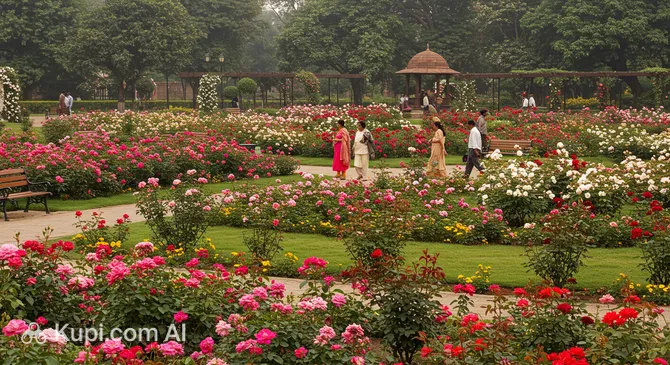
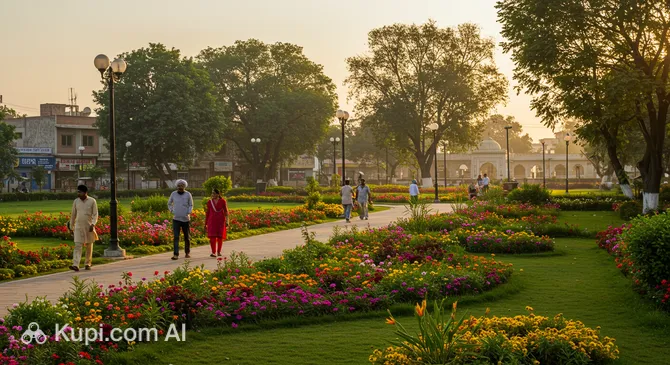
Ludhiana is a city where industrial dynamism meets rich cultural traditions, offering visitors a variety of interesting places to explore. From serene green spaces to spiritual centers and modern entertainment hubs, the city caters to diverse interests. One of the most celebrated spots is the Nehru Rose Garden, established in 1967. Spanning over 30 acres, this lush garden is a visual treat, home to thousands of rose plants representing more than 1,600 varieties. It is an ideal place for a leisurely walk, a family picnic, or simply to enjoy the musical fountain and the beautifully landscaped lawns.

Nehru Rose Garden. Source: Kupi.Binoculars

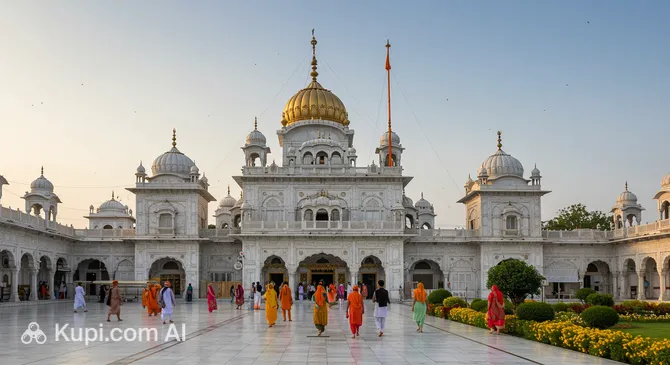
For those seeking spiritual solace, the city is home to several significant religious sites. The Gurudwara Nanaksar is a prominent Sikh shrine that attracts devotees from near and far. Known for its peaceful ambiance and stunning architecture, this Gurudwara was established by Baba Nand Singh Ji. Visitors are often moved by the devotional atmosphere and the community kitchen, or langar, which serves free meals to all, reflecting the core Sikh value of selfless service.

Gurudwara Nanaksar, Samrala Chowk, Ludhiana. Source: Kupi.Binoculars

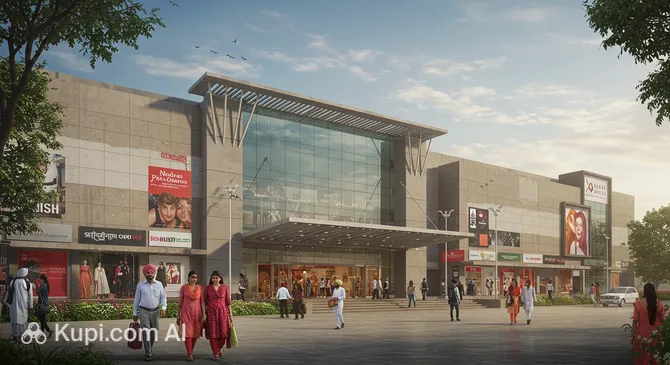
Reflecting the city's status as a wealthy commercial hub, Pavilion Mall stands as a testament to Ludhiana's modern lifestyle. Located near the Fountain Chowk, this premium shopping destination offers a mix of high-end international brands, fine dining restaurants, and a multiplex cinema. It is a popular hangout spot for both locals and tourists looking to enjoy some retail therapy or escape the heat in a comfortable, contemporary setting.

Pavilion Mall. Source: Kupi.Binoculars

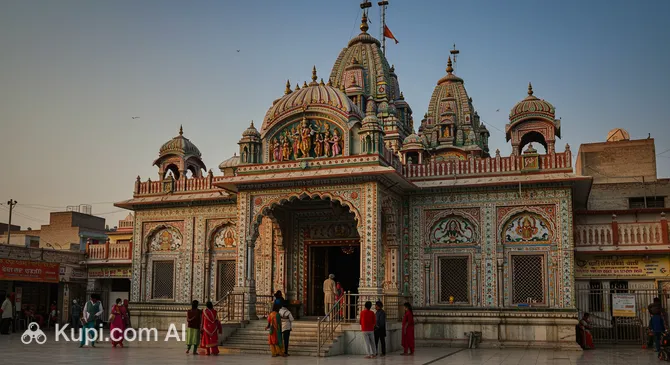
Another architectural and spiritual gem in the city is the Shri Krishna Temple. Dedicated to Lord Krishna, this temple is renowned for its artistic structure and serene environment. It becomes especially vibrant during festivals like Janmashtami, when it is beautifully decorated and thronged by devotees. The temple provides a quiet space for meditation and offers a glimpse into the local Hindu religious practices and community life.

Shri Krishna Temple. Source: Kupi.Binoculars

Local Cuisine

Ludhiana is a true paradise for food lovers, offering a rich culinary landscape that is deeply rooted in the hearty and flavorful traditions of Punjab. The city is famous for its robust dishes prepared with generous amounts of ghee (clarified butter) and aromatic spices. Gastronomic explorations here often begin with the legendary Butter Chicken, a creamy tomato-based curry that has put Punjabi cuisine on the global map. Another staple is Dal Makhani, a slow-cooked lentil dish that is both comforting and decadent. During the winter months, no visit is complete without trying Sarson da Saag (mustard greens curry) paired with Makki di Roti (cornmeal flatbread), a seasonal delight that defines the local palate.

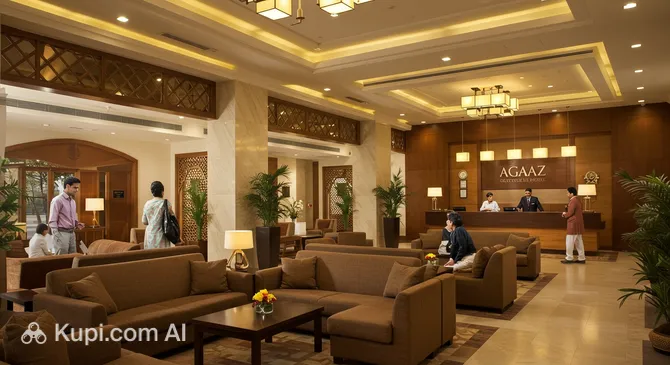
The food culture in Ludhiana is a vibrant mix of traditional roadside eateries, known as dhabas, and modern fine-dining establishments. Street food is an integral part of daily life, with locals flocking to stalls for spicy Chaat, crispy Golgappas, and fluffy Chole Bhature. For a more formal dining experience where you can savor authentic North Indian flavors in a comfortable setting, places like Aagaaz Hotel are well-regarded by residents and visitors alike.

Aagaaz Hotel. Source: Kupi.Binoculars

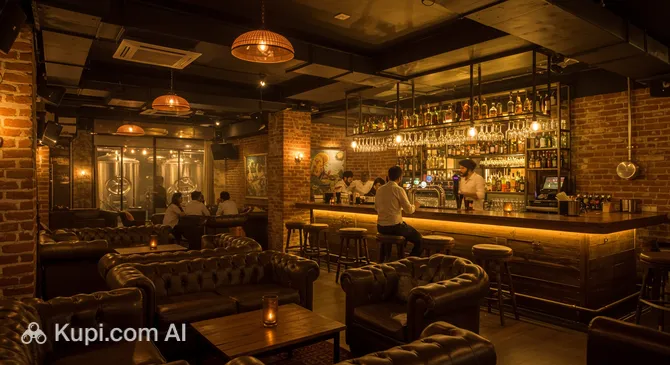
When it comes to beverages, the undisputed king of daytime drinks is Lassi. This thick, yogurt-based drink can be served sweet or salted and is often topped with a dollop of fresh cream, providing the perfect cooling balance to the spicy food. As the sun sets, the city's modern side comes alive with a growing microbrewery culture. Ludhiana has embraced the craft beer trend, and venues like The Brew Estate offer a lively atmosphere where tourists can enjoy freshly brewed beers and varied bar snacks alongside the local crowd.

The Brew Estate. Source: Kupi.Binoculars

Whether you are looking for a quick bite at a bustling market or a relaxed evening with friends, Ludhiana's dining scene caters to every mood. For those seeking a mix of good food and entertainment, Underdoggs Brewery & Kitchen is another popular spot that combines sports screening with a robust menu. The city's hospitality ensures that every meal is served with warmth, making the culinary experience here truly memorable.

Travel Tips

Welcome to Ludhiana, a vibrant city where industrial energy blends seamlessly with traditional Punjabi hospitality. To help you navigate the bustling streets and make the most of your visit, here are some practical tips designed to ensure a smooth and enjoyable experience.

  1. Clothing and Gear: The choice of attire depends largely on when you visit. For the scorching summers (May to June), pack breathable, light cotton clothes and a good hat. Winters (December to February) can be surprisingly chilly, so bring warm layers and a heavy jacket. Since Ludhiana is home to significant religious sites like Gurudwaras, it is essential to dress modestly; carry a scarf or handkerchief to cover your head, and be prepared to remove your shoes before entering.
  2. Transportation: Getting around the city is relatively easy with a mix of modern and traditional options. Ride-hailing apps like Ola and Uber are the most convenient and comfortable way to travel for tourists. For shorter distances, auto-rickshaws and cycle-rickshaws are ubiquitous; just remember to agree on the fare before starting the ride if there is no meter. Renting a car without a driver is less common and can be stressful due to traffic, so a hired car with a driver is recommended.
  3. Finances: The local currency is the Indian Rupee (INR). While credit and debit cards are widely accepted in malls, hotels, and upscale restaurants, cash is still king in local markets and for small transactions like rickshaw fares. ATMs are plentiful across the city. It is advisable to keep smaller denomination notes handy for tips and minor purchases. Tipping is appreciated but not mandatory; rounding up the bill or leaving a small amount is a kind gesture.
  4. Health and Safety: Ludhiana is generally safe for tourists, but standard precautions should be taken. Avoid drinking tap water; always opt for sealed bottled water. Pharmacies (often called "chemists") are easy to find, and many in major areas operate 24/7. In case of medical needs, the city has several reputable private hospitals. As with any busy city, keep an eye on your belongings in crowded market areas.
  5. Communication: The primary language spoken is Punjabi, followed closely by Hindi. English is widely understood in business circles, hotels, and tourist areas, so communication is rarely a barrier. A local SIM card (Airtel or Jio) is highly useful for maps and connectivity; you can purchase one at official stores with your passport and visa. Useful phrases include "Sat Sri Akal" (a traditional Sikh greeting) and "Dhanyavad" (Thank you).
  6. Local Etiquette: Punjabis are known for their warmth and friendliness. Greeting people with a smile and a "Sat Sri Akal" will go a long way. When visiting a local home, remove your shoes at the door. It is polite to use your right hand when giving or receiving money and gifts. If you are invited to a meal, accept the hospitality graciously, as feeding guests is a huge part of the local culture.
  7. What to Avoid: Be very mindful near religious sites. Smoking or consuming tobacco near Gurudwaras is strictly prohibited and considered deeply offensive. Additionally, avoid public displays of affection, as the culture is relatively conservative. When photographing locals, always ask for permission first to respect their privacy.
  8. Shopping Insight: Ludhiana is a major textile hub, making it an excellent place to buy woolens and hosiery. If you visit markets like Ghumar Mandi or Chaura Bazar, be prepared to bargain, as it is a standard part of the shopping experience. Shops generally open around 10:00 AM and stay open late into the evening.

Armed with these practical tips, you are ready to explore the "Manchester of India" with confidence. Embrace the chaos, savor the rich flavors, and enjoy the heartfelt warmth that makes Ludhiana a memorable destination.

Entertainment & Nightlife

As the sun sets over the industrial skyline, Ludhiana transforms into a lively hub of entertainment and leisure. The city's nightlife has evolved significantly in recent years, moving from traditional family dinners to a vibrant scene of lounge bars, high-energy clubs, and stylish cafes. The primary epicenters for evening action are Sarabha Nagar, particularly the Kipps Market area, and the bustling Ferozepur Road. These districts come alive after dark, drawing a mix of the city's youth, expatriates, and business travelers looking to unwind.

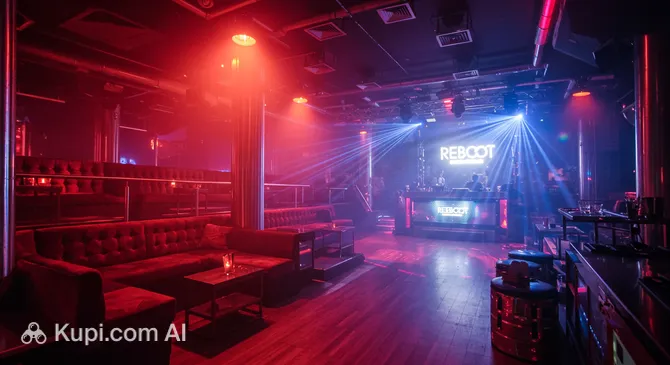
For those seeking a high-energy atmosphere with pulsing music and a lively crowd, Reboot Nightclub is a popular destination. It captures the modern spirit of the city, offering a space where guests can dance to the latest Bollywood and international tracks. The venue typically fills up late, with the peak hours being between 10:00 PM and midnight. The dress code here, as with most upscale venues in the city, leans towards smart casual or party wear, so it is best to avoid flip-flops or overly casual attire.

Reboot Nightclub. Source: Kupi.Binoculars

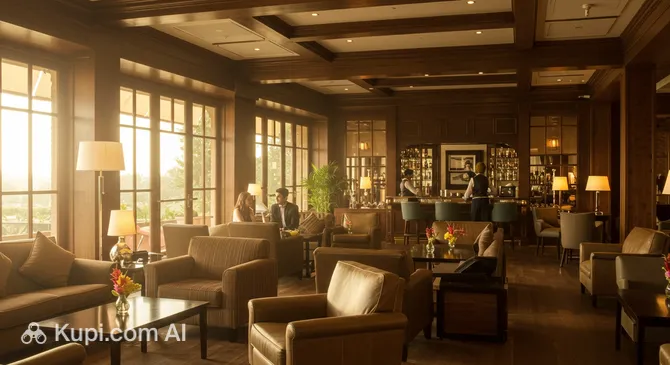
Ludhiana is also known for its elite social circles and prestigious members-only clubs, which occasionally host events or open specific areas for guests. The Sutlej Club stands out as one of the most prominent institutions in the region. While access is often restricted to members, it remains a landmark of the city's social life, known for its sophisticated ambiance, fine dining, and sports facilities. It represents the affluent side of Punjabi culture, where networking and leisure go hand in hand.

Sutlej Club. Source: Kupi.Binoculars

If you prefer a more relaxed evening of shopping, dining, and cinema, the city's modern malls are excellent options. Silver Arc Mall on Ferozepur Road is a favorite for families and couples. It houses a premium multiplex for catching the latest movies, along with a food court and standalone restaurants that stay open late. It offers a safe and air-conditioned environment to enjoy a night out without the intensity of a nightclub.

Silver Arc Mall. Source: Kupi.Binoculars

When planning a night out, safety and logistics are straightforward. The areas around Sarabha Nagar and the major malls are generally safe for walking, even late in the evening, due to the high footfall and security presence. However, for getting between venues, it is highly recommended to use app-based taxi services like Uber or Ola rather than hailing random auto-rickshaws at night. Prices for food and drinks in the nightlife districts are comparable to other major Indian cities; expect to pay a premium for imported spirits and entry fees at popular clubs on weekends.

Before the night begins, there are plenty of ways to entertain yourself during the day. Beyond the industrial tours, the city offers green spaces for relaxation. Leisure Valley is a sprawling park perfect for a late afternoon stroll before heading out for dinner. Additionally, families often visit nearby amusement parks on the city outskirts, which offer water slides and rides, providing a fun-filled contrast to the urban nightlife.

Leisure Valley. Source: Kupi.Binoculars

Parks & Museums

While Ludhiana is primarily known for its industrial prowess, the city offers a surprising array of verdant parks and cultural institutions that provide a welcome respite from the urban hustle. For travelers interested in peeling back the layers of this dynamic city, there are several green spaces and museums that showcase the region's natural beauty and rich heritage.

One of the city's most beloved green lungs is the Nehru Rose Garden. Established in 1967, this expansive garden is a horticultural delight, boasting thousands of rose bushes that bloom in a riot of colors. It is perfect for a morning jog or a leisurely evening walk amidst the fountains and landscaped lawns. Another popular spot for relaxation is Leisure Valley, a well-maintained park that serves as a social hub for locals. With its paved pathways and ample seating, it offers a tranquil environment for visitors to unwind after a day of sightseeing. Additionally, Rakh Bagh Park is a local favorite, especially for families, known for its lush greenery and a nostalgic toy train that has been delighting children for generations.

To understand the soul of rural Punjab, a visit to the PAU Museum (Museum of Rural Life) is indispensable. Located within the Punjab Agricultural University, this museum houses a fascinating collection of traditional pottery, musical instruments, and agricultural tools, offering a window into the daily life of the past. For history enthusiasts, the Maharaja Ranjit Singh War Museum is a significant landmark. It pays tribute to the gallant soldiers of Punjab with displays of war trophies, uniforms, and a light and sound show that narrates the region's martial history.

Ludhiana also bears the marks of its long history through its architectural sites. The ancient Lodhi Fort (Purana Qila), though now in a dilapidated state, stands as a reminder of the city's origins under the Lodhi dynasty. On the spiritual side, the architecture of the Gurudwara Nanaksar is truly striking, featuring intricate designs that reflect the grandeur of Sikh heritage.

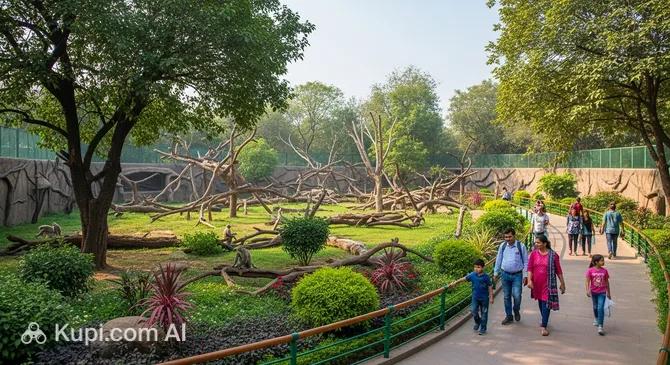
For a unique experience with nature, the Ludhiana Zoo offers an exciting Tiger Safari. Visitors can travel in a secure vehicle through the enclosure to see majestic tigers in a semi-natural habitat, making it a thrilling stop for wildlife lovers.

Ludhiana Zoo. Source: Kupi.Binoculars

Insider Tip: If you are visiting Rakh Bagh, try to go in the early evening when the park is liveliest with locals. Also, don't miss the annual Rose Festival held at the Nehru Rose Garden if you are in the city during February, as it transforms the park into a vibrant cultural carnival.

Getting Around

Navigating Ludhiana is an experience in itself, characterized by a bustling mix of traditional and modern transit options. Unlike some of India's metropolitan giants, the city does not currently have an operational metro system. Instead, the public transport network relies heavily on a combination of city buses, auto-rickshaws, and an increasing number of eco-friendly e-rickshaws. For a tourist, the system might seem a bit chaotic at first, but it is highly effective for getting around once you understand the basics.

The City Bus Service covers several key routes connecting major landmarks, the railway station, and bus terminals. These buses are generally color-coded and are an economical way to travel longer distances across the city. However, for short to medium distances, the undisputed kings of the road are the auto-rickshaws. You will see them everywhere; they are three-wheeled vehicles that can navigate through traffic with surprising agility. Recently, battery-operated e-rickshaws have become very popular for short hops, offering a quieter and pollution-free alternative.

When it comes to payment, cash is the primary mode of transaction for buses and rickshaws. There is no integrated travel card or digital pass system for the general public transport network. Tickets for buses are purchased directly from the conductor on board. For auto-rickshaws and cycle rickshaws, fares are usually negotiated beforehand. It is crucial to carry plenty of small denomination notes and coins, as drivers often do not have change for large bills.

For those who prefer a more comfortable and hassle-free experience, app-based taxi services like Uber and Ola are widely available and highly recommended. These services offer the convenience of booking a ride from your smartphone, tracking your journey in real-time, and paying digitally or via cash without the need to haggle over prices. They are particularly useful for moving between the city center and peripheral areas or for traveling late at night when other options might be scarce.

A few practical tips will help you navigate smoothly. If you choose to take a traditional auto-rickshaw, always agree on the fare before you get in to avoid disputes later. "Shared autos" are a cheaper option where you pay a fixed seat price, but be prepared to wait until the vehicle is full. Public transport generally operates from early morning (around 6:00 AM) until late evening (around 9:00 PM or 10:00 PM), after which private taxis are your best bet. While the city lacks a metro, the Ludhiana Junction railway station serves as a central reference point and transit hub, buzzing with activity and serving as a major landmark for orientation.

Accommodation

Where to Stay:

Ludhiana offers a diverse array of accommodation options suited to every type of traveler, ranging from economical guesthouses to plush, high-end resorts. Whether you are visiting for business or leisure, the city's hospitality sector is well-equipped to provide a comfortable stay. Visitors can choose from budget-friendly lodges near the railway station, efficient mid-range business hotels in the commercial districts, or luxurious properties on the outskirts that offer a resort-like atmosphere.

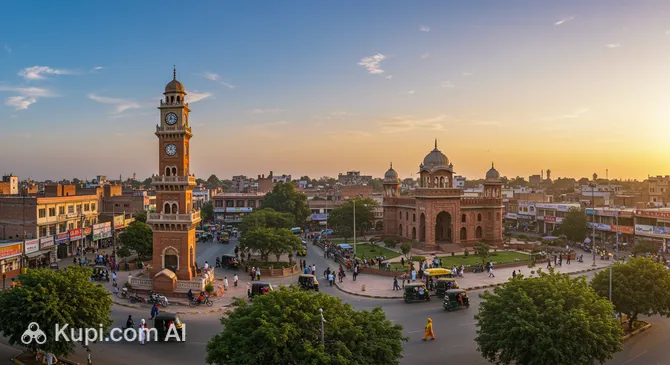
For those prioritizing convenience and connectivity, the areas surrounding the Ludhiana Junction railway station and the Clock Tower are popular choices. These neighborhoods place you right in the heart of the action, with easy access to local markets and public transport. Alternatively, the Ferozepur Road area is a prime location for tourists seeking a more upscale experience. This district is home to modern shopping malls and fine dining restaurants, making it a lively base for your trip.

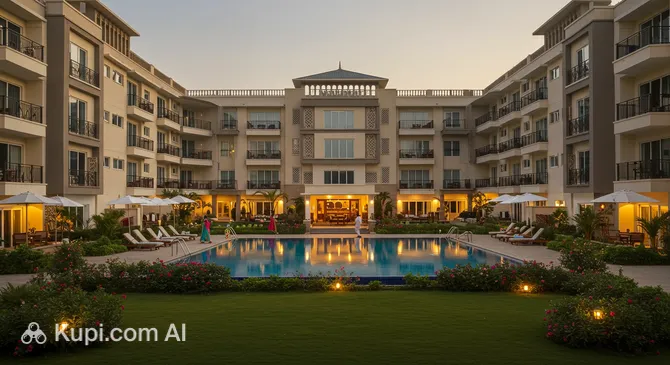
Travelers looking for a blend of comfort and amenities can consider staying at Alleys Greens Resort. This property is designed to offer a relaxing retreat from the city's hustle, often favored by families and those hosting events. It provides a serene environment while ensuring guests have access to modern facilities.

Alleys Greens Resort. Source: Kupi.Binoculars

Another notable option for a pleasant stay is the Benson Regency Hotel. Known for its hospitality, it caters well to both business travelers and tourists, offering a strategic location that makes exploring the city's attractions straightforward. Such hotels typically provide essential amenities like Wi-Fi, in-house dining, and travel assistance.

Booking Tip: If you plan to visit during the wedding season (typically late autumn to winter) or during major business expos, it is highly recommended to book your accommodation well in advance. Hotels can fill up quickly during these peak times, and securing a reservation early ensures you get the best rates and availability.

In terms of pricing, Ludhiana is generally affordable compared to India's major metros. Budget accommodations can be found for very reasonable rates, while mid-range hotels offer excellent value with air-conditioned rooms and breakfast included. Luxury stays are available at a higher price point but deliver superior service and comfort. Most properties can be booked easily via major online travel platforms, though contacting smaller hotels directly can sometimes yield better deals.

Nearby Cities

Nearby Cities:

Ludhiana's strategic location in the heart of Punjab makes it an excellent base for exploring the surrounding region. Several interesting towns and cities are situated just a short drive away, offering travelers a chance to experience the diverse culture and history of the state beyond the major industrial hubs. Whether you are interested in historical sites or simply want to observe the semi-urban lifestyle of Northern India, a quick excursion to these neighboring localities is well worth the time.

City Name Population Distance (km)
Mauli 176,152 32
Samrala 23,218 33
Nawanshahr 46,023 35
Banga 24,827 35
Phagwara 117,954 37

Phagwara is a prominent city located on the National Highway 1, situated between Ludhiana and Jalandhar. Known for its sugar mills and prestigious educational institutions, it is a bustling town that offers a mix of industrial energy and religious heritage. Visitors often stop here to admire its local temples and experience the vibrant market atmosphere that characterizes this part of the Doaba region.

Another notable destination is Nawanshahr (officially Shaheed Bhagat Singh Nagar), which holds deep historical significance. The district is associated with the legendary freedom fighter Bhagat Singh, whose ancestral village, Khatkar Kalan, is located nearby. The town provides a quieter, more traditional atmosphere compared to the busy streets of Ludhiana. Samrala and Banga are smaller towns that offer a glimpse into the authentic rural and semi-urban lifestyle of Punjab, perfect for those looking to see the lush agricultural landscapes that the state is famous for.

Shopping & Souvenirs

Shopping in Ludhiana is an exhilarating experience that reflects the city's dual identity as a traditional Punjabi town and a modern industrial powerhouse. Renowned as the textile capital of the region, the city is a treasure trove for anyone looking to update their wardrobe, particularly with winter wear. From bustling wholesale markets that have stood for decades to glittering modern complexes, the shopping scene offers a wide range of options catering to both budget hunters and luxury seekers.

For a taste of the local hustle and bustle, Chaura Bazar is the place to be. As one of the oldest commercial hubs in the city, it is famous for its narrow lanes packed with shops selling everything from clothing and shoes to household goods at wholesale prices. It is an excellent spot to witness the daily life of the locals. Another prominent district is Ghumar Mandi, which has evolved into a major market for bridal wear, jewelry, and fashionable apparel. It is widely frequented by those looking for the latest trends and traditional Indian ethnic wear.

Ludhiana has embraced the mall culture with enthusiasm, offering air-conditioned comfort and international brands. Pavilion Mall, located near the Old Session Court, is a premium destination housing global fashion retailers, a multiplex, and a diverse food court. It is a favorite among the youth and families alike. Similarly, Silver Arc Mall on Ferozepur Road provides a sophisticated shopping environment with a mix of high-end labels and lifestyle stores, making it a perfect stop for a relaxed afternoon of retail therapy.

Beyond the malls and main streets, the city's specialized markets are a major draw. Since Ludhiana is the hub of India's hosiery industry, markets like Mochpura Bazar and Kareempura Bazar are legendary for woolen garments. Here, visitors can find high-quality sweaters, cardigans, and shawls at factory prices. For a sweeter experience, Gur Mandi is a wholesale market dedicated to jaggery and dry fruits, offering a unique olfactory experience with the rich aroma of spices and sweets filling the air.

When it comes to souvenirs, the top choice is undoubtedly woolen clothing. Visitors often leave with bags full of knitwear, which is significantly cheaper here than in other parts of India. Another must-buy item is Phulkari, a traditional embroidery technique from Punjab. Colorful Phulkari dupattas (scarves) and shawls make for beautiful, lightweight gifts. Additionally, traditional Punjabi Juttis (leather footwear) are a stylish and cultural keepsake to bring back home.

Store hours in Ludhiana typically run from 10:00 AM to 9:00 PM. However, traditional markets like Chaura Bazar may open slightly later, around 11:00 AM, and are often closed on Sundays. Malls generally operate seven days a week from 10:00 AM to 10:00 PM. While credit and debit cards, as well as digital payments like UPI, are widely accepted in malls and showrooms, cash remains the preferred mode of payment in the older bazaars and street stalls. It is advisable to carry smaller denominations if you plan to explore the local markets.

Regarding taxes, the prices displayed in shops usually include the Goods and Services Tax (GST). There is typically no tax refund scheme available for international tourists for everyday purchases in local markets or malls. Therefore, the price you see or negotiate is the final price you pay.
Reached the end of the page?

That means the route is fully explored