Support

Ghaziabad

About

Ghaziabad, often referred to as the "Gateway of Uttar Pradesh," is a dynamic and rapidly evolving city located in the northern part of India. As a key component of the National Capital Region (NCR), it sits adjacent to New Delhi, serving as a vital industrial and educational hub. The city is known for its energetic atmosphere, blending modern urban development with the hustle and bustle typical of a major metropolis.

Founded in 1740 by the vizier Ghazi-ud-din, the city has come a long way from its origins. Exploring the history of Ghaziabad reveals its transformation from a historical settlement into one of the world's fastest-growing cities. Today, it is home to a population of over 2.3 million people, making it a significant center of activity and commerce in the region.
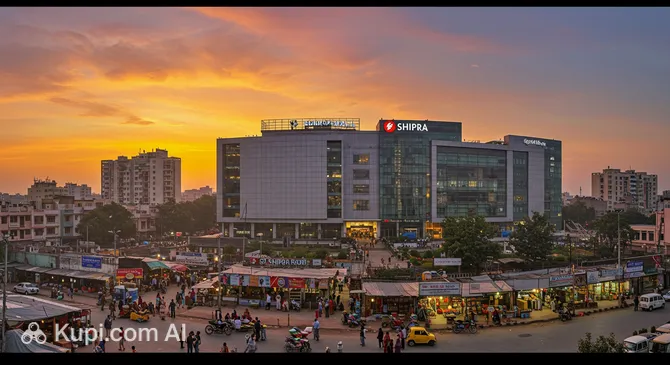
Ghaziabad. Source: Kupi.Binoculars

Visitors to the city can discover a variety of attractions that offer a break from the urban pace. The ISKCON Temple stands out as a spiritual landmark, renowned for its intricate architecture and serene environment. For those seeking nature and fresh air, the City Forest provides a vast green space featuring lakes and walking paths, while Swarna Jayanti Park is a popular spot for picnics and leisure walks, showcasing the greener side of the city.

Whether you are visiting for business or simply passing through the NCR, Ghaziabad offers a unique glimpse into the industrial heart of the country. Its strategic location and growing infrastructure make it an accessible and interesting destination for travelers looking to experience the vibrant pulse of North India.
Weather Overview

Ghaziabad experiences a climate characterized by distinct seasonal shifts, ranging from intense heat to cooler, drier periods. Generally, visitors can expect sweltering summers, a humid monsoon season with frequent rainfall, and pleasant, cool winters. The hottest time of the year occurs in May and June, where average temperatures climb to around 32.6°C, and maximum highs can reach nearly 38°C.

The monsoon season brings relief from the heat but increases humidity, particularly in July and August, which see the highest frequency of precipitation with up to 23 wet days in a month. Conversely, the winter months of December and January are the coldest and driest, with average temperatures dropping to approximately 13.4°C and minimums occasionally falling below 8°C. For a more detailed breakdown of what to expect during your specific travel dates, you can check the weather in Ghaziabad.

Interesting Facts

Beyond the main attractions and its reputation as an industrial powerhouse, Ghaziabad holds several fascinating details that often go unnoticed by the casual visitor. The city’s rapid evolution and historical roots conceal a few surprising secrets worth knowing.

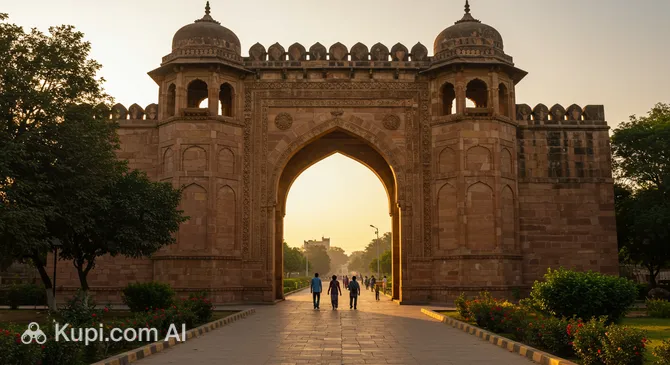
Jawahar Gate. Source: Kupi.Binoculars
  • Ghaziabad has gained international attention for its explosive development; it was once ranked by the City Mayors Foundation as the second fastest-growing city in the world, highlighting its transformation into a major urban center.

  • The city is home to the Hindon Air Force Station, which is distinguished as one of the largest and most significant airbases in all of Asia, playing a crucial role in the region's aviation history.

  • While much of the city is modern, remnants of the past still stand, such as the Jawahar Gate. This historical structure serves as a nostalgic reminder of the old city's entrance and architectural style amidst the new concrete skyline.

  • Geographically, the city is situated on the banks of the Hindon River, a tributary of the Yamuna. This river has been a lifeline for the region for centuries and naturally separates Ghaziabad from the western parts of Uttar Pradesh and Delhi.

How to Get There

Reaching Ghaziabad is quite convenient due to its strategic location within the National Capital Region. Whether you are arriving from within India or from abroad, the city is well-connected by air and rail networks. For a complete overview of all transport options and routes, you can read more about how to get to Ghaziabad.

The primary gateway for most international and domestic travelers is the Indira Gandhi International Airport (IATA: DEL). Located in the neighboring city of Delhi, it is approximately 36.1 km from Ghaziabad. As one of the busiest airports in the region, it offers extensive connectivity. A taxi or shuttle ride from the airport to the city center generally takes around 1 hour and 15 minutes, though this can vary with traffic conditions.

Another option, particularly for certain domestic routes, is Ghaziabad (Hindon) (IATA: HDO). This airport is situated in Jhandapur, much closer to the city at a distance of just 9.9 km. The travel time from here is significantly shorter, taking about 35 minutes by road. While it handles less traffic than the main Delhi airport, it serves as a useful alternative for regional travel.

For clarity, here is a summary of the main airports:

Airport Name City Passenger Traffic Km from City
Indira Gandhi International Airport Delhi Very High 36.1
Ghaziabad (Hindon) Jhandapur High 9.9
Dehradun Airport Dehradun High 182.7
Kheria Agra Medium 175.0
Bareilly Bareilly Medium 197.3

Ghaziabad is also a major railway hub in North India, boasting excellent connectivity through its railway station. It lies on the main line connecting New Delhi with eastern and northern parts of the country, making train travel a very popular and efficient choice. Numerous express and local trains stop here daily, allowing easy access from major cities like Delhi, Kanpur, and Lucknow. Visitors can easily find taxis, auto-rickshaws, or buses outside the station to reach their final destination within the city.

Main Attractions

Ghaziabad offers a diverse mix of attractions that cater to spiritual seekers, history enthusiasts, and those looking for modern entertainment. From ancient gateways to contemporary shopping complexes, the city provides a variety of experiences for every traveler.

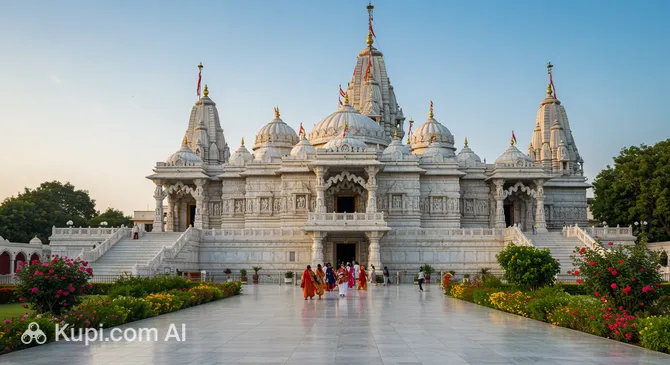
One of the most prominent spiritual landmarks is the ISKCON Temple Ghaziabad. Dedicated to Lord Krishna, this temple is celebrated for its serene atmosphere and stunning architecture. It serves as a peaceful retreat from the city's hustle, inviting visitors to participate in meditation, enjoy the beautifully maintained grounds, and witness the vibrant daily rituals. It is a cultural hub that offers a deep dive into local spiritual traditions.

ISKCON Temple Ghaziabad. Source: Kupi.Binoculars

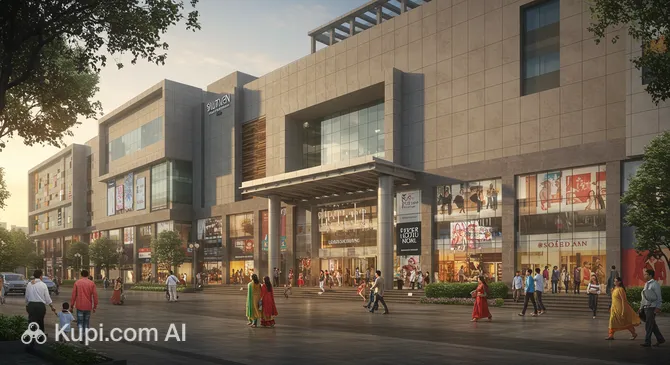
For those interested in the city's modern development and lifestyle, Galaxy Blue Sapphire Plaza is a top destination. This expansive shopping mall stands out with its unique architectural design and offers a comprehensive retail and entertainment experience. Tourists can explore a wide range of brand stores, catch a movie, or indulge in diverse cuisines at the food court, making it a perfect spot for leisure and relaxation.

Galaxy Blue Sapphire Plaza. Source: Kupi.Binoculars

History lovers will appreciate a visit to Jawahar Gate. As a historical entry point to the old city, this structure holds significant heritage value. It stands as a reminder of the city's past amidst the rapidly changing urban landscape. The area around the gate is often bustling with local activity, offering a genuine glimpse into the traditional life and commerce of Ghaziabad.

If you are traveling with family or seeking an energetic break, the Trampoline Park Ghaziabad is an exciting choice. This indoor amusement center provides a fun-filled environment where visitors of all ages can bounce and play. It is an excellent venue for recreational activity, offering a safe space to unwind and enjoy some physical fun away from the outdoor heat.

Trampoline Park Ghaziabad. Source: Kupi.Binoculars

Local Cuisine

Kitchen:

The culinary landscape of Ghaziabad is a vibrant reflection of its location in North India, offering a delightful mix of traditional flavors and modern dining trends. As a part of the National Capital Region, the city shares a love for rich, spicy, and hearty cuisine, heavily influenced by Mughlai and Punjabi traditions. Food lovers here can indulge in everything from street-side chaats and spicy kebabs to elaborate fine-dining experiences that showcase the best of Indian hospitality.

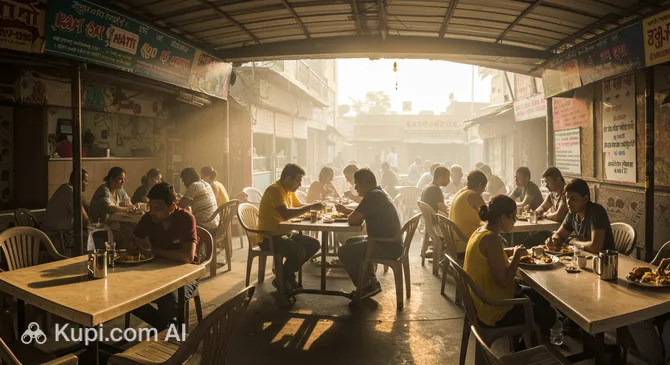
For those seeking an authentic taste of North Indian vegetarian cuisine, Kake Di Hatti is a must-visit destination. Famous for its legendary, oversized naans and rich, creamy Dal Makhani, this restaurant brings the rustic flavors of old Delhi to Ghaziabad. It is a popular spot for families looking to enjoy a wholesome and filling meal in a lively traditional setting.

Kake Di Hatti. Source: Kupi.Binoculars

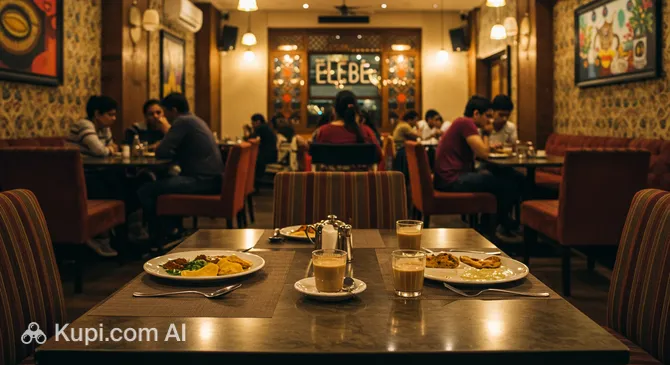
Beyond traditional fare, the city has a burgeoning cafe culture that caters to the younger crowd and those looking for a more relaxed vibe. Cafe ElleBee is a charming establishment known for its cozy ambiance and diverse menu. Whether you are in the mood for a freshly brewed coffee, continental snacks, or a sweet treat, this cafe provides a perfect respite from the city's hustle.

Cafe ElleBee. Source: Kupi.Binoculars

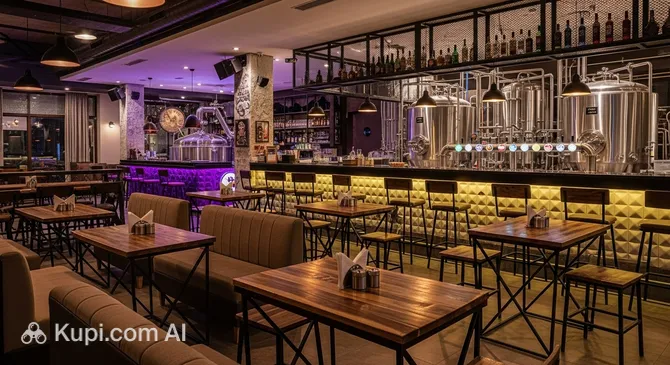
Ghaziabad's nightlife and social scene have also seen significant growth, with several spots offering a blend of good food and entertainment. Atmos 29 Bar Microbrewery Restaurant is a standout venue for those who appreciate freshly brewed craft beers and a dynamic atmosphere. It serves as an excellent place to unwind in the evening, enjoying a fusion of global cuisines and music.

Atmos 29 Bar Microbrewery Restaurant. Source: Kupi.Binoculars

For a dining experience with a view, visitors can head to the 16th Affair Rooftop Club and Kitchen. This venue combines a chic open-air setting with a delectable menu, making it an ideal choice for a romantic dinner or a celebration under the stars. The variety of dining options in Ghaziabad ensures that every palate, whether craving spicy curries or international dishes, is well satisfied.

Travel Tips

Welcome to Ghaziabad! To help you navigate this bustling industrial hub and part of the National Capital Region with ease, we have compiled a list of essential practical advice. These tips will ensure your visit is comfortable, safe, and culturally enriching as you explore the city's dynamic mix of modern life and tradition.

  1. Clothing and Gear: Pack according to the season; light, breathable cottons are essential for the scorching summers (April to June), while a warm jacket or sweater is necessary for the cool winters (December to January). Since you may visit religious sites like the ISKCON Temple, always carry a scarf or shawl to cover your shoulders and wear modest clothing that covers your knees. A pair of sturdy, comfortable walking shoes is a must for navigating the city streets.
  2. Transportation: The Delhi Metro is the most efficient way to travel between Ghaziabad and Delhi, as well as within parts of the city itself (Red Line and Blue Line). For shorter distances, auto-rickshaws and e-rickshaws are ubiquitous; always agree on a fare before starting your journey or ask them to use the meter. Ride-hailing apps like Uber and Ola are widely available, safe, and often more convenient than negotiating with local taxi drivers.
  3. Finances: The local currency is the Indian Rupee (INR). While credit and debit cards are accepted in malls, hotels, and upscale restaurants, cash is king for local markets and street food vendors. ATMs are plentiful throughout the city. Digital payments via UPI (Unified Payments Interface) are extremely popular, but as a tourist, carrying smaller denomination notes is advisable for small purchases and tips.
  4. Health and Safety: Ghaziabad is part of the NCR, where air quality can dip, especially in winter; carrying a good quality face mask (N95) is a smart precaution for sensitive travelers. Stick to bottled or filtered water and avoid tap water entirely. Pharmacies (often marked as "Chemists") are easy to find, and many near major hospitals operate 24/7.
  5. Communication: Hindi is the primary language spoken by locals, but English is widely understood in commercial areas, hotels, and transport hubs. It is highly recommended to purchase a local SIM card with a data plan upon arrival in India, as relying solely on public Wi-Fi can be limiting. Useful apps include Google Maps for navigation and Zomato or Swiggy for food delivery.
  6. Local Etiquette: A friendly "Namaste" with palms pressed together is the traditional and respectful way to greet people. When visiting someone's home or entering a temple, it is customary to remove your shoes at the entrance. Use your right hand for eating, passing objects, or shaking hands, as the left hand is traditionally considered unclean for these activities.
  7. What to Avoid: Public displays of affection (PDA) are generally frowned upon in conservative areas and should be avoided to respect local norms. Also, try to avoid aggressive confrontation if you face traffic delays or noise; patience is key in the busy streets of Indian cities.
  8. Smart Travel Tip: Traffic congestion can be heavy during peak hours (morning and evening office rush). whenever possible, plan your inter-city travel via the Metro to avoid getting stuck in jams on the highways connecting to Delhi or Noida.

Armed with these practical tips, you are ready to experience the energy and hospitality of Ghaziabad. Whether you are here for business or leisure, being prepared will allow you to focus on enjoying the local culture, food, and attractions without any hassle.

Entertainment & Nightlife

While Ghaziabad is traditionally known as an industrial and residential hub, its entertainment and nightlife scene has undergone a significant transformation in recent years. As part of the National Capital Region, the city has adopted a cosmopolitan vibe, offering a growing number of lounges, bars, and entertainment zones. The nightlife here is primarily concentrated in upscale neighborhoods and shopping districts, providing locals and visitors with plenty of options to unwind after sunset.

The most bustling areas for evening entertainment are Indirapuram and the Raj Nagar District Centre (RDC). These localities are dotted with trendy cafes, microbreweries, and rooftop bars that attract a young and energetic crowd. Indirapuram, in particular, serves as a major hotspot due to its proximity to Delhi and Noida, hosting venues that stay lively well into the night. Visitors can expect a mix of modern decor, live music performances, and diverse culinary menus ranging from continental to fusion Indian dishes.

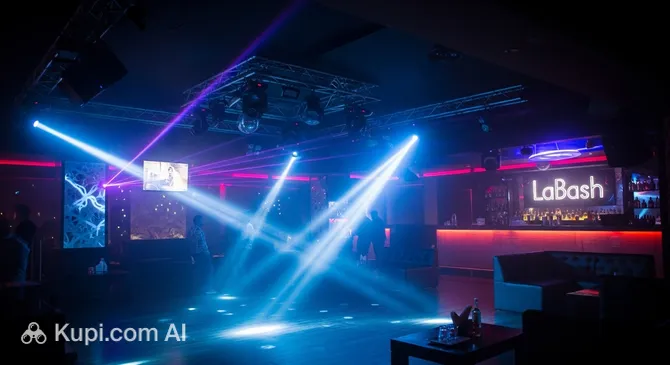
For those looking to experience the local clubbing scene, LaBash Nightclub is a popular destination. Known for its vibrant lighting and energetic music, it offers a classic nightclub experience where guests can dance the night away. It is a great spot for groups of friends looking to celebrate or simply enjoy a high-energy atmosphere.

LaBash Nightclub. Source: Kupi.Binoculars

If you prefer a more laid-back evening with good food and drinks, The Grill House is an excellent choice. This venue combines the comfort of a restaurant with the spirited ambiance of a bar, making it suitable for casual gatherings. The establishment is appreciated for its extensive menu and relaxed vibe, perfect for conversation and leisure dining.

When planning a night out, it is helpful to know that most bars and lounges in Ghaziabad operate until around 11:00 PM or midnight, with some staying open slightly later on weekends. The dress code is generally smart casual; while not overly strict, appearing neat is recommended for entry into premium venues. In terms of safety, it is advisable to stick to the main commercial areas like RDC and Indirapuram which remain well-lit and populated. For transportation, relying on app-based cab services like Uber or Ola is the safest and most convenient way to get around at night, rather than hailing random taxis on the street.

Beyond nightlife, Ghaziabad offers engaging daytime entertainment options. The city is home to several large shopping malls that house multiplex cinemas, gaming zones, and food courts. For a more active experience, especially for families or thrill-seekers, the Jumping Kingdom Trampoline Park provides a fun-filled environment. It is a fantastic place to burn off energy and enjoy indoor activities before the sun goes down and the city's nightlife takes over.

Jumping Kingdom Trampoline Park. Source: Kupi.Binoculars

Parks & Museums

While Ghaziabad is primarily recognized as a bustling industrial and residential powerhouse, the city surprises visitors with its pockets of greenery and deep-rooted historical significance. Beyond the concrete skyline, there are serene parks for nature lovers and remnants of the past that act as open-air museums, preserving the cultural heritage of the region.

For those seeking a breath of fresh air, the City Forest is the crown jewel of Ghaziabad's green spaces. Spread over a vast area, this ecological park is designed to offer a complete escape from urban life. It features a variety of flora, two picturesque lakes, and walking trails that wind through the woods. It is not just a park but an adventure spot where visitors can enjoy jeep rides, hiking, and bird watching, making it a favorite for families and nature enthusiasts alike.

Another significant green lung is the Swarna Jayanti Park, located in the Indirapuram area. This beautifully landscaped garden is a hub of morning activity, with dedicated jogging tracks and lush lawns. The park is well-maintained and features a Japanese garden, fountains, and boating facilities, providing a tranquil environment for a leisurely evening stroll or a picnic. It serves as a vital community space where the city's residents come to unwind and recharge.

In terms of museums and galleries, Ghaziabad differs from its neighbor Delhi; instead of large enclosed institutions, its history and culture are best experienced through its standing monuments. The most prominent of these is the Jawahar Gate. This historical gateway serves as a cultural landmark, offering a tangible connection to the city's past. Exploring the area around the gate provides an authentic look at the traditional architectural styles and the vibrant local life that has thrived here for generations.

While the city lacks a dedicated municipal museum, the Dasna Fort offers a glimpse into the region's ancient history. Though much of it is in ruins today, the site tells the story of the Rajput King Salarsi who founded it. For art and culture aficionados, the city's numerous temples, often adorned with intricate carvings and murals, serve as galleries of spiritual art, reflecting the deep cultural threads that run through the community.

For a truly local experience, visit Chhota Haridwar near the Gangnahar canal. It is a popular spot that mimics the spiritual vibe of Haridwar with its ghats and flowing water, offering a unique blend of cultural ritual and scenic beauty rarely found in travel guides.

Getting Around

Public transport in Ghaziabad is a robust mix of modern rapid transit systems and traditional road-based options, making it relatively easy for visitors to navigate the city and connect with the wider National Capital Region. The backbone of the city's transport network is the Metro, which is an extension of the neighboring capital's massive subway system. The Red Line and Blue Line serve key areas such as Vaishali, Kaushambi, and the city center near the New Bus Adda, offering a fast, air-conditioned, and reliable way to travel.

A significant and modern addition to the transport landscape is the Regional Rapid Transit System (RRTS), also known as the Namo Bharat train. This high-speed rail corridor is a special feature of the city, connecting Ghaziabad with Sahibabad and other regional hubs at much higher speeds than the standard metro. These trains are state-of-the-art, offering premium amenities and significantly reducing travel time across the urban sprawl. For tourists, experiencing a ride on this futuristic network is highly recommended for both its efficiency and comfort.

For last-mile connectivity and shorter distances within neighborhoods, auto-rickshaws and e-rickshaws are ubiquitous. You will find them waiting outside metro stations and at major intersections. E-rickshaws are battery-operated, eco-friendly, and usually run on fixed routes with shared seating, making them an extremely affordable option. Traditional auto-rickshaws can be hired for private journeys; however, they often do not run by the meter, so it is standard practice to negotiate and agree on the fare before stepping inside.

The payment system for the Metro and RRTS is highly digitized and user-friendly. The most convenient method is using the National Common Mobility Card (NCMC), a smart card that works across both systems and saves you from standing in queues. Tourists can purchase these cards at customer care counters at any station. Alternatively, you can use QR-code-based paper tickets or digital tickets purchased via mobile apps like the 'DMRC Travel' app or 'RRTS Connect'. While the rapid transit systems are cashless-friendly, you will still need cash (small denomination notes and coins) for buses, auto-rickshaws, and e-rickshaws.

Buses run by the state transport corporation connect Ghaziabad to nearby towns and cities, but for strictly intra-city travel, they are less commonly used by tourists compared to the metro and autos. If you prefer a more private and comfortable mode of transport, app-based taxi services like Uber and Ola are widely available. They offer the convenience of door-to-door service with transparent pricing, which is particularly useful if you are traveling with luggage or late at night.

Travelers should note that the Metro and RRTS generally operate from approximately 6:00 AM to 11:00 PM. During peak office hours (roughly 8:30 AM to 10:30 AM and 5:30 PM to 7:30 PM), these trains can get extremely crowded. If possible, plan your travel during off-peak hours for a more relaxed journey. Always validate your smart card or scan your QR ticket at the entry and exit gates of the stations. Navigating Ghaziabad is straightforward once you familiarize yourself with the metro map, which is the most predictable way to bypass the city's often heavy road traffic.

Accommodation

Where to Stay:

Accommodation in Ghaziabad caters to a wide spectrum of travelers, ranging from budget-conscious backpackers to business professionals seeking comfort and convenience. As a rapidly developing city in the National Capital Region, it offers a practical alternative to staying in Delhi, often providing more competitive rates. Visitors can find a variety of options, including economical guesthouses, standard business hotels, and a few resort-style properties designed for relaxation and events.

When choosing a location, proximity to transport links is key. Areas like Vaishali and Kaushambi are particularly popular among tourists and commuters because of their excellent connectivity to the Delhi Metro. Staying in these neighborhoods allows for easy access to the capital's attractions while avoiding its higher accommodation costs. Indirapuram is another favored locality, known for its modern infrastructure, shopping centers, and vibrant dining scene, making it a convenient base for families and leisure travelers.

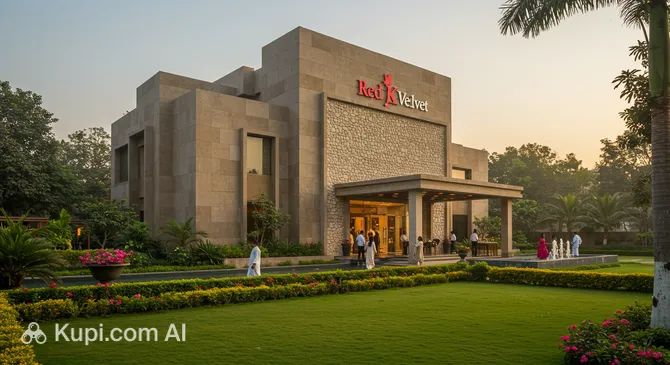
For those looking for a stay that combines comfort with distinct amenities, the city offers some notable properties. The Red K Velvet Hotel is a well-regarded option, often chosen for its blend of hospitality and modern facilities. It serves as a suitable choice for travelers who appreciate a touch of luxury and organized service during their visit.

Red K Velvet Hotel. Source: Kupi.Binoculars

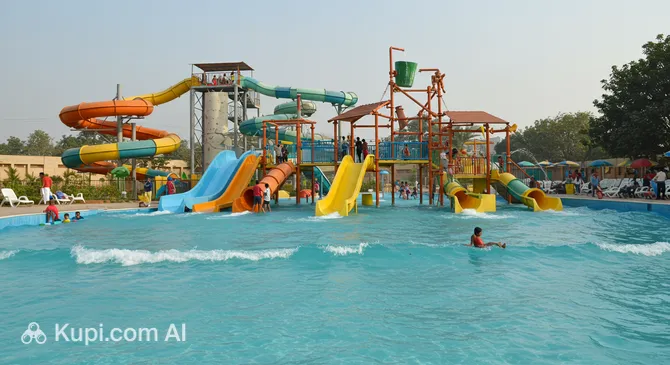
Another interesting option for visitors seeking a break from the urban concrete is God's Valley. This resort-style accommodation focuses on providing a more serene environment, making it a good spot for those looking to unwind or host gatherings in a spacious setting.

God's Valley. Source: Kupi.Binoculars

Booking Tip: Ghaziabad is a major hub for weddings and corporate events, especially during the winter months (November to February). During this peak season, many hotels and resorts are fully booked weeks in advance. It is highly recommended to secure your reservation early to ensure availability and get the best rates.

In terms of pricing, Ghaziabad is generally more affordable than New Delhi. Budget travelers can find clean and basic rooms at very reasonable rates, while mid-range and luxury options offer excellent value for money compared to similar properties in the capital. Booking is most conveniently done through major online travel platforms, which allow you to compare prices and read recent guest reviews, though many hotels also accept direct bookings via phone or their websites.

Nearby Cities

Nearby Cities:

Ghaziabad's strategic position within the National Capital Region (NCR) places it within easy reach of several prominent cities and localities. This proximity facilitates seamless travel for business, tourism, and daily commuting, connecting visitors to the vibrant culture and economic opportunities of neighboring areas. Whether you are planning a day trip to the capital or visiting relatives in nearby towns, the city serves as a convenient gateway.

The following table lists major cities and localities situated close to Ghaziabad, highlighting their population and distance, which can help in planning your itinerary:

City Population Distance (km)
Delhi 32,226,000 25
Faridabad 1,404,653 32
Kalkaji 824,177 24
Noida 637,272 16
Loni 516,082 17

Traveling between these destinations is made efficient by a robust infrastructure network, including the Delhi Metro, the Regional Rapid Transit System (RRTS), and well-maintained highways. This connectivity ensures that visitors can easily explore the broader region without long travel times.

Shopping & Souvenirs

Shopping in Ghaziabad offers a delightful mix of traditional charm and modern convenience, reflecting the city's dual identity as a historic town and a developing urban center. Visitors can explore bustling street bazaars filled with colorful fabrics and local goods, or enjoy the comfort of air-conditioned malls featuring international brands. The city is particularly known for its affordable ethnic wear, jewelry, and wholesale markets that attract shoppers from across the region.

For an authentic local experience, Turab Nagar is one of the most famous shopping streets in the city. It is a haven for those looking for traditional Indian clothing, particularly ladies' suits and bridal wear. The narrow lanes are lined with shops selling vibrant textiles, bangles, and accessories at competitive prices. Another key commercial hub is Navyug Market, which is known for its wide range of electronics, books, and general merchandise, making it a go-to spot for everyday needs.

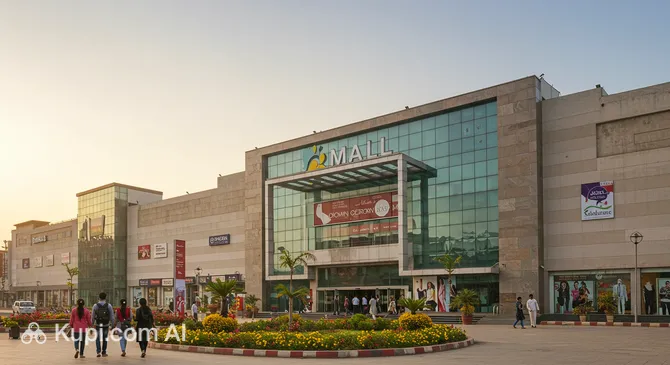
The city has also seen a surge in modern retail developments. While the Galaxy Blue Sapphire Plaza is a well-known destination for entertainment and retail, the Tanwar Finance Group Mall is another notable establishment catering to shoppers. These complexes provide a one-stop experience where tourists can browse through fashion outlets, enjoy dining options, and escape the outdoor heat.

Tanwar Finance Group Mall. Source: Kupi.Binoculars

If you prefer the chaotic energy of traditional bazaars, a visit to the Ghanta Ghar (Clock Tower) area is essential. This is the oldest market in the city and offers a glimpse into Ghaziabad's history. Here, you can find everything from fresh spices and grains to household items. It is a fantastic place to observe local life and practice your bargaining skills.

When it comes to souvenirs, Ghaziabad is an excellent place to purchase traditional North Indian handicrafts and textiles. Visitors often take home intricately designed sarees, glass bangles, and boxes of local sweets or "mithai." The quality of fabrics available in the local markets is often high, and the prices are generally lower than in the neighboring capital of Delhi.

Most shops and markets typically open around 10:00 AM and close by 9:00 PM or 10:00 PM. While shopping malls and larger stores accept credit and debit cards as well as digital payments like UPI, cash remains the preferred mode of payment in street markets and smaller stalls. Tourists should carry sufficient small denomination notes when exploring areas like Turab Nagar.

Regarding taxes, the Goods and Services Tax (GST) is applicable on most purchases in India and is usually included in the marked price (MRP). Unlike some European destinations, there is no standard tax-refund scheme for tourists on general shopping items, so the price you see or negotiate is the final price you pay.

Reached the end of the page?

That means the route is fully explored