Kalkaji is a vibrant and densely populated district in South Delhi, which is an integral part of India. While technically a residential enclave within the capital, it possesses a unique energy that combines the everyday hustle of the middle class with deep spirituality. With a population of over 824,000, this area serves as an important transport and religious hub for the metropolis.
Kalkaji. Illustration.
Source: Kupi.com AI
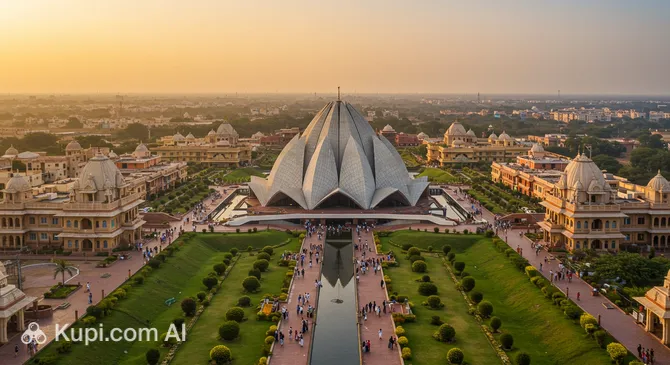
Many travelers visit these parts to explore the district's rich historical heritage. The main magnets for tourists are the majestic Lotus Temple and the ancient Shri Kalkaji Mandir temple. Here, modern architecture sits side-by-side with traditional markets, and noisy metro streets intersect with pilgrim paths.
Visiting Kalkaji is an excellent opportunity to see the "real" India beyond the polished tourist quarters of the center. It is a place where you can feel the rhythm of life of ordinary city dwellers, touch living traditions, and enjoy the chaotic yet magnetic charm of the capital's urban sprawl.
Weather Overview
The climate in Kalkaji is typical for the Delhi metropolitan area: it features very hot subtropical summers and mild, dry winters. The highest temperatures are recorded in May and June, when the mercury often reaches +40°C and above. During this period, the city is enveloped in dry heat, which is replaced by the monsoon season in July and August, bringing heavy rains.
The winter months, especially December and January, are considered the most comfortable for visiting: average daytime figures are around +15°C to +20°C, although nights can be quite chilly (down to +7°C). Before your trip, it is recommended to check the detailed weather in Kalkaji to choose the right wardrobe and prepare for possible humidity changes or seasonal smog.
Average monthly temperature
Average monthly precipitation
Interesting Facts
Kalkaji is full of amazing contrasts and hidden stories that make a visit here memorable.
Ancient Shrine: The Shri Kalkaji Mandir temple, dedicated to the goddess Kali, was built in 1764. It is considered one of the most revered places in Delhi, especially during the Navratri festival.
Architectural Wonder: The famous Lotus Temple has no idols and is open to representatives of all religions. Its shape resembles a blooming flower consisting of 27 "petals" clad in white marble.
Tech Proximity: The district is adjacent to Nehru Place—the largest IT cluster and electronics market in all of South Asia.
Transport Hub: The Kalkaji Mandir metro station is a unique interchange point connecting two important lines of the Delhi Metro, allowing visitors to reach the temples in just a few minutes on foot.
How to Get There
Kalkaji is well-integrated into the city's transport network, making it easily accessible for travelers. The main and most reliable way to get around remains the capital's metro (Violet and Magenta lines). You can find more details on how to get to Kalkaji from different parts of Delhi on official transport portals.
For those arriving by plane, the nearest hub is Indira Gandhi International Airport (IGI), located approximately 15 km away. From there, you can take a taxi in 40–60 minutes or use the Airport Express metro with a transfer in the city center.
Although there is no major mainline railway station in Kalkaji itself, the district is conveniently connected to Delhi's largest stations. From New Delhi or Hazrat Nizamuddin stations, you can quickly reach the area by metro or rickshaw, avoiding significant traffic jams on major highways.
Station
Passenger traffic
Distance
Hazrat Nizamuddin railway station
14
5 km
New Delhi railway station
27
12 km
Anand Vihar Terminal
11
13 km
Delhi Junction railway station
11
14 km
Sarai Rohilla railway station
8
15 km
Main Attractions
Kalkaji attracts tourists primarily with its unique religious shrines. The main pilgrimage site is the ancient Shri Kalkaji Mandir temple, which is filled with the scent of incense and the sounds of prayer. Nearby is the majestic Lotus Temple—a masterpiece of modern architecture and a symbol of the unity of all faiths, surrounded by picturesque gardens.
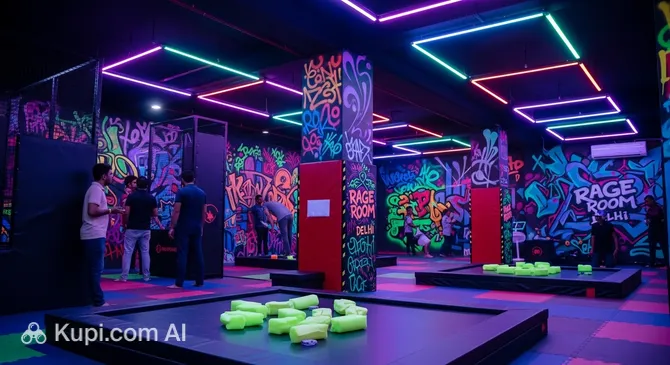
For those who want to swap the contemplative atmosphere for something unusual and active, the Rage Room Delhi is a great choice. This is a place where you can legally release accumulated stress by smashing old appliances and furniture, making it a popular attraction among youth and tourists.
Rage Room Delhi. Illustration.
Source: Kupi.com AI
Traveler photos:
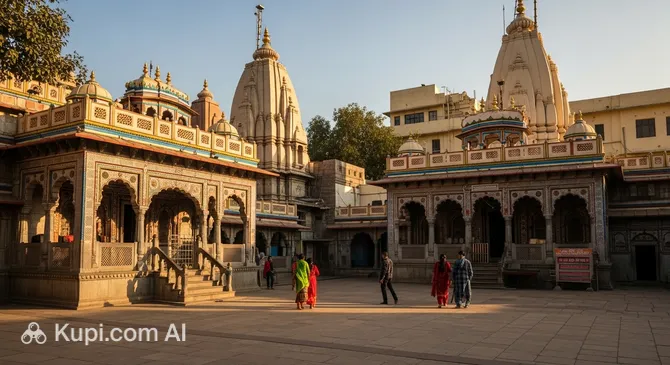
The spiritual diversity of the area is complemented by the Jama Masjid Kahkashan, which serves as an important Islamic center. It is also worth visiting the Durga Bari Temple, Greater Kailash, which is especially transformed during festive celebrations, showcasing the richness of Bengali traditions.
Durga Bari Temple, Greater Kailash. Illustration.
Source: Kupi.com AI
Traveler photos:
Local Cuisine
The culinary scene in Kalkaji is a heady mix of street food and modern cafes. Near the metro and temples, you can always find stalls selling traditional Indian snacks: spicy "chaat," golden samosas, and aromatic masala chai. It is the perfect place to experience the true taste of Delhi.
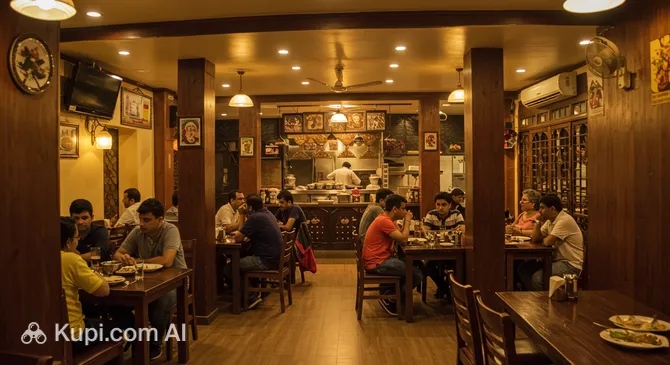
One of the district's most prominent venues is Sidecar—a stylish bar with signature cocktails and gourmet cuisine, which has repeatedly appeared on lists of Asia's best bars.
Sidecar. Illustration.
Source: Kupi.com AI
Traveler photos:
Lovers of cozy atmospheres and retro-style interiors should drop by Big Chill Cafe. This cult favorite is famous for its pasta, Italian desserts, and homemade ice cream. Regardless of your preferences, the food here is always flavorful and rich, reflecting the multicultural spirit of the Indian capital.
Travel Tips
Your visit to Kalkaji will be much more pleasant and easier if you prepare for the specifics of this colorful district in advance.
Clothing: Choose lightweight fabrics, but remember to dress modestly. A conservative dress code (shoulders and knees covered) is mandatory in temples. Also, be prepared to remove your shoes before entering shrines.
Transport: Use the metro for city travel and Uber for short trips. Avoid walking along busy highways due to dust and chaotic traffic.
Finances: Rupees are used in India. Cards are accepted in shopping malls, but in the markets and street stalls of Kalkaji, you will definitely need small denomination cash.
Health: Drink only bottled water and use hand sanitizers. During the dry season, a smog protection mask may come in handy.
Communication: English is well understood in the metro and large establishments. It is useful to learn a few phrases in Hindi for interacting at markets.
Local Etiquette: Show respect to pilgrims at the Kalkaji temple. You should not photograph people without their consent, especially during prayer.
What to Avoid: Do not accept offers from random "helpers" at attraction entrances and avoid unlit alleys after dark.
Extra Tip: The best time to visit the Lotus Temple is early morning when there are no large crowds and the heat is not as intense.
By following these tips, you can fully immerse yourself in the atmosphere of India, feeling confident and safe in the rhythm of the big city.
Entertainment & Nightlife
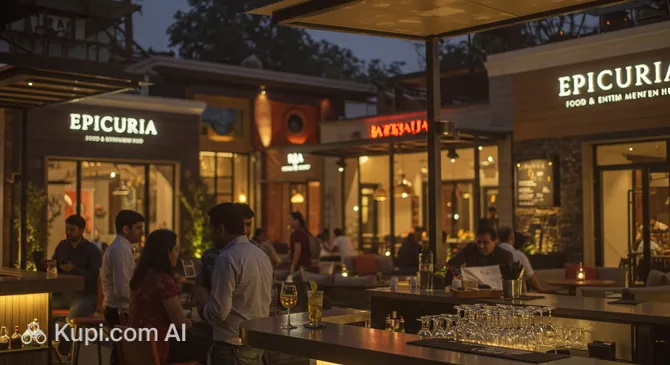
Classic nightlife is relatively quiet in Kalkaji itself, as it is primarily a residential and religious area. Most activity here centers around festive ceremonies and vibrant temple festivals. Nevertheless, evening leisure seekers will find everything they need in the immediate vicinity. A key point of attraction is the Epicuria Food & Entertainment Hub, located right by the metro station.
Epicuria Food & Entertainment Hub. Illustration.
Source: Kupi.com AI
Traveler photos:
Epicuria houses numerous bars and concept restaurants where locals and expats gather after work. For those seeking a more energetic atmosphere and dancing late into the night, the Rizq club offers modern service and trending DJ sets. Also, check out Zone Connect Saket, which is famous for its parties.
If you're looking for larger-scale entertainment, it's worth taking a 15-minute taxi ride to the Saket district, which features major multiplexes and lounge bars. Remember that it is best to use official taxis via the Uber or Ola apps at night in Delhi to ensure maximum safety.
Parks & Museums
Despite the dense urban development, Kalkaji offers several locations for quiet and cultural relaxation. One of the greenest areas is the well-maintained gardens surrounding the Lotus Temple. This is an ideal place for walks, where you can escape the city noise and admire the symmetry of the landscape design.
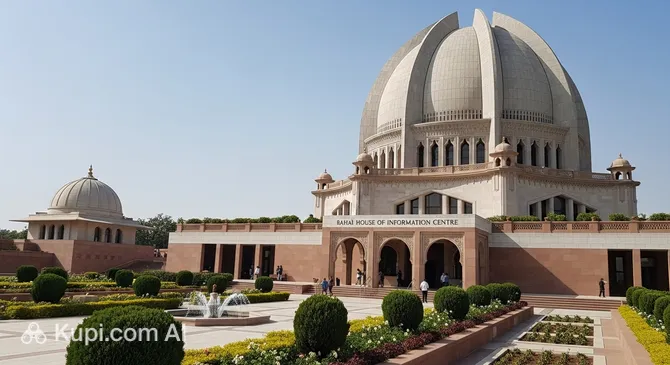
Those interested in history and spiritual practices will find the Information Center of the Baha'i House of Worship fascinating. It features an exhibition detailing the philosophy of unity and the construction process of this unique architectural masterpiece.
Bahá'í House of Worship Information Centre. Illustration.
Source: Kupi.com AI
Traveler photos:
Art lovers should definitely visit the Kiran Nadar Museum of Art located nearby. It is one of the first private museums of contemporary art in India, with a rich collection of paintings and installations. Another significant historical site is the Dargah of Hazrat Khwaja Nasiruddin Mahmud Chirag Dehlavi—a sacred sanctuary steeped in the spirit of Sufism.
Getting Around
The public transport system in Kalkaji is designed for fast travel within the metropolis. The main artery of the district is the metro, represented by the Kalkaji Mandir station. Here, the Violet and Magenta lines intersect, allowing you to easily reach both the historical center of Delhi and modern business districts.
For paying metro fares, it is most convenient to use a reloadable Smart Card. Trains run from early morning until late evening at intervals of a few minutes, making the metro the most reliable way to avoid Delhi's famous traffic jams.
Surface transport is represented by DTC government buses and ubiquitous auto-rickshaws. Buses are a budget option, but for comfortable trips over short distances, we recommend using the Uber or Ola taxi services. Within the district itself, rickshaw rides are also popular, but it is worth agreeing on the price in advance or ensuring the meter is turned on.
Accommodation
Accommodation options in Kalkaji range from modest guesthouses to modern business hotels. Since the district is an important commercial center, many hotels cater to business travelers, offering stable Wi-Fi and conference rooms. Lodging prices here are generally lower than in the heart of Delhi.
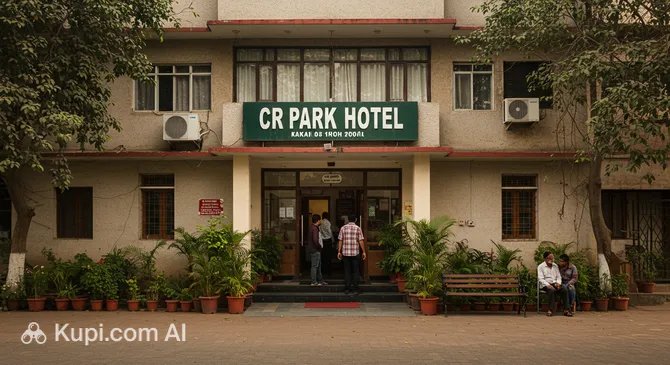
If you appreciate modern design and comfort, consider Hotel CR Park. This establishment is known for its cleanliness, cozy rooms, and excellent service, making it ideal for tourists.
CR Park Hotel. Illustration.
Source: Kupi.com AI
Traveler photos:
For more discerning guests, the Grand Club is a great fit, offering an expanded range of services and a country club atmosphere within the city limits. During peak tourist seasons, especially during religious festivals at the Kalkaji temple, it is recommended to book your accommodation in advance.
Nearby Cities
Kalkaji's location makes it easy to explore other interesting corners of the Delhi metropolitan area. It is an excellent starting point for those who want to see the diversity of the capital region in just one day.
Very close by is the historical neighborhood of Garhi, known for its authentic workshops. It is also worth visiting Badarpur, where you can explore ancient ruins, or taking a look at Makaya. However, the main destination for most trips will be great Delhi itself, with its Red Fort and India Gate, which can be reached by metro in just a matter of minutes.
Exploring the surroundings beyond the residential blocks will help you form a complete impression of this contrasting and incredibly lively region. All these destinations are easily accessible by public transport or taxi within an hour's drive.
Shopping & Souvenirs
Shopping in this part of Delhi can satisfy both lovers of modern brands and seekers of authentic items. Kalkaji borders Nehru Place—South Asia's largest electronics and IT gadget market, where you can find any technology at great prices.
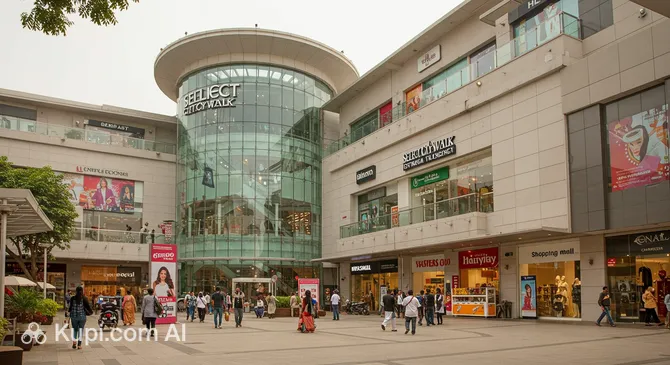
For quality clothing and global brands, head to Select CITYWALK. This is one of the city's most popular shopping centers, with a huge selection of stores and an excellent food court.
Select CityWalk. Illustration.
Source: Kupi.com AI
Traveler photos:
Next door is another large complex, Avenue Saket, where shopping can be combined with entertainment. If you are looking for something traditional, check out the markets near the temples: they sell colorful souvenirs, prayer beads, and religious figurines that make for a memorable gift from India.