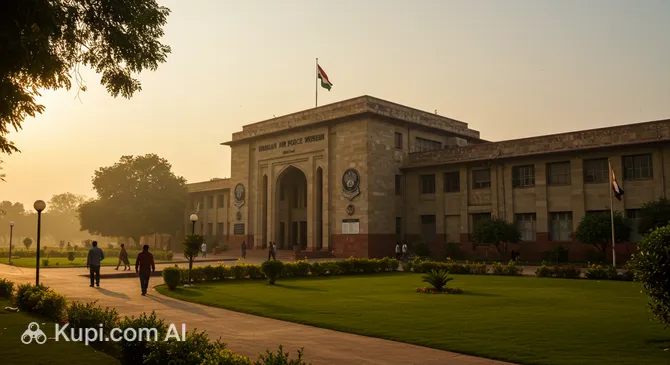
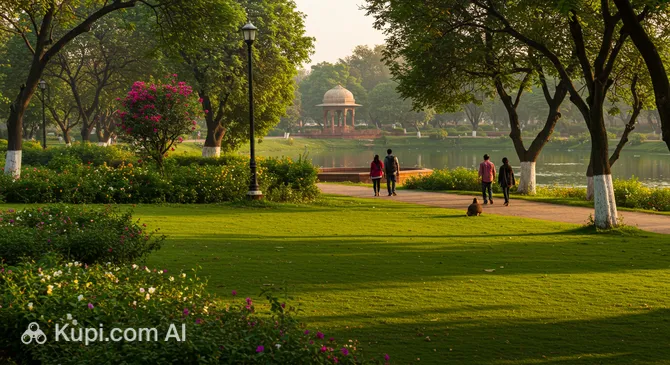
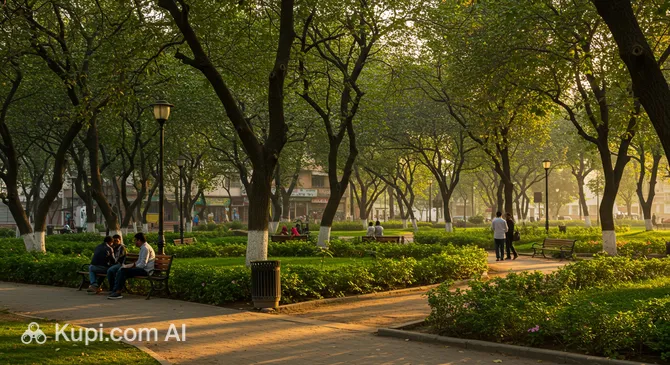
Delhi Cantonment is a unique part of India, representing a harmonious blend of orderly atmosphere and tranquil residential living. Established by the British in 1914 as a military garrison, today this area, known to locals as Delhi Cantt, covers an impressive area of over 40 square kilometers. Here, in contrast to the bustling center of the capital, wide green avenues and impeccable cleanliness prevail, making walks through this part of the city especially pleasant.
Delhi Cantonment. Illustration.
Source: Kupi.com AI
Geographically, the town is located within the National Capital Territory of Delhi and serves as an important administrative and residential center. With a population of about 405,633, the Cantonment maintains its status as one of the best-maintained districts in the region. The rich history of the town's founding and development is closely tied to the country's defense infrastructure, housing the headquarters of the Delhi Area of the Indian Army, hospitals, and specialized educational institutions.
For travelers, Delhi Cantonment is primarily interesting for its vast park areas and specialized museums, such as the Air Force Museum. Despite its regulated status in some parts, the district warmly welcomes guests to its modern shopping areas and restaurants. Visiting this location allows you to see a different, more organized and "green" side of Indian life, offering an excellent respite from the chaos of the metropolis.
Weather Overview
The climate in Delhi Cantonment is typical of Northern India and is characterized by pronounced seasonality. Expect scorching summers with temperatures often exceeding 40°C in May and June, and fairly cool, dry winters in December and January. Special attention should be paid to the monsoon season, which lasts from July to September and brings heavy rains.
According to meteorological data, the most comfortable time to visit the city is from October to March. During this period, average daytime temperatures range from a pleasant 20°C to 30°C, and humidity remains low. The weather in the city during the winter months can be foggy, which should be considered when planning morning trips.
An important feature of this part of Delhi is the abundance of greenery, which makes the local microclimate slightly milder compared to the densely built-up center. Extensive park areas help keep the air fresher here, and the heat is a bit easier to bear thanks to the natural shade of the trees.
Average monthly temperature
Average monthly precipitation
Interesting Facts
Military Origins: The town was established on the lands of the former village of Naraina, which the British administration acquired specifically to house a garrison.
Geographic Split: National Highway 8 literally cuts the cantonment territory in half, creating a unique urban planning structure.
Special Metro Status: The Shankar Vihar station is located directly inside a restricted zone and is subject to specific regulations, making it unique in the capital's subway system.
Cleanliness Leader: Due to strict oversight and high environmental awareness, the district holds official ODF++ status, confirming a high level of sanitation and hygiene.
Literacy Rate: According to statistics, the literacy rate here significantly exceeds the national average, standing at around 77%.
How to Get There
Delhi Cantonment boasts excellent transport accessibility, making it a convenient starting point for traveling around the capital region. The town is located in close proximity to the country's main air gateway. Detailed route information will help you plan your arrival in advance and avoid unnecessary hassle with luggage.
The nearest major air hub is Indira Gandhi International Airport. The journey from the terminals to the center of the Cantonment usually takes between 45 and 60 minutes. For transfers, it is best to use official taxi services or popular mobile apps that provide a fixed trip cost regardless of traffic.
Railway connections also play an important role in the district's life. Delhi Cantonment station serves many trains traveling to various states of India. For moving within the capital, the metro remains the most convenient option, particularly the Shankar Vihar station, which is integrated into the general network and allows for quick travel to central Delhi.
Station
Passenger traffic
Distance
Sarai Rohilla railway station
8
9 km
New Delhi railway station
27
10 km
Delhi Junction railway station
11
12 km
Hazrat Nizamuddin railway station
14
12 km
Anand Vihar Terminal
11
19 km
Additionally, the district is well-connected to other parts of the metropolis by a network of city buses and wide highways, including National Highway 8. However, tourists should account for heavy traffic during morning and evening rush hours, when travel times can significantly increase.
Main Attractions
Although Delhi Cantonment is predominantly a residential and administrative area, there are several unique spots worth visiting. One of the most prominent attractions is the Indian Air Force Museum. This place is a true paradise for aviation enthusiasts: it houses a rich collection of airplanes, helicopters, and aviation equipment reflecting the journey of Indian aviation. The exhibition includes both historical aircraft from the World War II era and modern fighter jets.
Indian Air Force Museum. Illustration.
Source: Kupi.com AI
Traveler photos:
For those seeking a peaceful break in nature, Satya Niketan Park is an ideal choice. This well-maintained green space is popular among locals for morning jogs and family strolls. Another natural gem of the district is Jheel Park, where you can enjoy the silence away from city noise and observe the local flora and fauna.
Jheel Park. Illustration.
Source: Kupi.com AI
Traveler photos:
In addition to its parks, the Cantonment is known for its specialized facilities like the Army Golf Club and the Defense Services Institute. While access to some may be restricted, the overall atmosphere of the district, with its clean streets and abundance of trees, is an attraction in itself, making Delhi Cantonment stand out against other parts of the capital.
Local Cuisine
The culinary map of Delhi Cantonment reflects the gastronomic wealth of all of India. Here you can find both authentic dishes from northern regions and popular international classics. A special place in the food culture is held by establishments serving the community, such as Varuna Officers Mess, where high standards of quality and hygiene are maintained.
Varuna Officers' Mess. Illustration.
Source: Kupi.com AI
Traveler photos:
For fans of modern street food and quick bites, Xero Degrees is an excellent choice, known for its creative approach to serving dishes and drinks. The local gastro scene offers everything from aromatic biryani and hot chapati to Italian pasta and Chinese noodles adapted to Indian tastes.
Be sure to try traditional Indian curries and refreshing non-alcoholic drinks like nimbu pani (lemonade) or sweet lassi. Thanks to strict administrative oversight, dining in Cantonment restaurants is generally considered safer from a hygiene standpoint than in many other parts of Delhi, which is a definite plus for international tourists.
Travel Tips
Planning a trip to Delhi Cantonment requires considering its unique status as a regulated residential enclave. These tips will help you feel confident and avoid misunderstandings during your visit.
Clothing and Essentials: Choose light cotton clothing for summer and bring warm items (sweaters, light jackets) for winter, when evenings can be cool. When visiting official or religious sites, try to cover your shoulders and knees. Don't forget comfortable shoes for long walks.
Transport: Use the metro (Shankar Vihar station) for trips to the center, and for short trips around the district, call an Uber or Ola—it's more reliable and cheaper than negotiating with street rickshaws.
Finances: The official currency is the Indian Rupee. Large stores and restaurants accept cards, but always keep cash in small denominations for small purchases and tips.
Health and Safety: Drink only bottled water and avoid ice in street drinks. The district is considered one of the safest in Delhi due to regular patrolling, but standard vigilance in crowds is still recommended.
Communication: English is widely spoken among staff and younger people. Knowing a few phrases in Hindi, such as "Namaste" (hello) or "Shukriya" (thank you), always earns appreciation from locals.
Local Etiquette: Show respect for regulated facilities. It is customary to remove your shoes when entering homes or temples. A greeting with palms pressed together ("Namaste") is always appropriate.
What to Avoid: It is strictly forbidden to photograph regulated installations, checkpoints, or personnel—this can lead to serious issues with authorities and the confiscation of equipment.
Environment: Remember that the Cantonment prides itself on its cleanliness. Do not litter on the streets—this is monitored much more strictly here than in other parts of Delhi.
Following these simple rules will make your stay in Delhi Cantonment comfortable, safe, and filled only with positive emotions from exploring this special part of India.
Entertainment & Nightlife
Nightlife in Delhi Cantonment is understated and generally family-oriented, reflecting its character. You won't find noisy blocks with endless nightclubs here; however, the district offers a decent selection of venues for evening relaxation. One popular spot is Toffeebar Cafe and Dining, where you can spend a cozy evening in pleasant company, enjoying good food and a calm atmosphere.
Toffeebar Cafe and Dining. Illustration.
Source: Kupi.com AI
Traveler photos:
For those who appreciate modern bars with interesting designs, High Bay is worth a visit. This establishment attracts visitors with its stylish interior and quality service. If you are near the airport area adjacent to the Cantonment, the Terminal 1D Lounge is at your service, offering comfortable conditions to relax before a flight or after arrival.
Terminal 1D Lounge. Illustration.
Source: Kupi.com AI
Traveler photos:
Daytime entertainment in the town centers around sports clubs and shopping zones. Residents often visit the Army Golf Club or spend time in the numerous parks. If you're looking for a more active nightlife, you can always take a taxi or the metro to reach Delhi's central entertainment hubs, such as Connaught Place or Hauz Khas, in 20–30 minutes.
Parks & Museums
The main treasure of Delhi Cantonment is its "green belt." Large areas of the town are occupied by parks and gardens, creating a microclimate unique to the Indian capital. Special attention should be given to Satya Niketan Park and Jheel Park—ideal places for those who enjoy quiet walks among well-kept alleys and old trees.
Satya Niketan Park. Illustration.
Source: Kupi.com AI
Traveler photos:
For those interested in history and technology, a must-visit is the Indian Air Force Museum. Its exhibits vividly demonstrate the evolution of aviation and the feats of Indian pilots. Additionally, a significant portion of the area is occupied by the Army Golf Club, which, although private, contributes greatly to the overall aesthetics and greenery of the town.
While the number of museums within the Cantonment itself is limited, its proximity to central districts allows for quick access to the country's largest galleries. The abundance of open spaces makes the area attractive not only for tourists but also for migratory birds, which can often be spotted in local green zones, especially during the cool winter months.
Getting Around
The public transport system in Delhi Cantonment makes it easy to move both within the district and beyond its borders. The main link is the Shankar Vihar metro station. It is important to remember that it is located in a regulated zone, so there may be additional security checks at the entrance and exit. Metro fares are paid using smart cards or tokens, which can be purchased at ticket offices or vending machines.
The Cantonment bus network is also well-developed. Numerous routes connect it with key points in the capital. Buses are the most budget-friendly way to get around, though they can be very crowded during peak hours. For more comfortable trips, tourists often use rickshaws and taxis.
The most convenient option for an international traveler is ride-hailing apps like Uber or Ola. They allow you to avoid haggling with drivers and guarantee a fixed price. The roads in the Cantonment are wide and in excellent condition, but due to the proximity of National Highway 8, traffic jams are common, especially on weekdays.
Accommodation
Choosing accommodation directly in Delhi Cantonment has its own specifics. As it is primarily a residential and administrative area, guesthouses, long-term rental apartments, and official hostels predominate. For travelers seeking a classic stay with a full range of services, one notable option is Residency Resorts.
Residency Resorts. Illustration.
Source: Kupi.com AI
Traveler photos:
The district is popular with expats and those who value security and peace, so prices for quality housing here can be above the capital's average. Many prefer staying in small private hotels that offer home comfort and attentive service surrounded by greenery.
If you plan to visit during the peak season (October to March), it is recommended to book accommodation in advance through trusted international services. For those seeking luxury chain hotels, it is worth looking at hotels located on the border with the airport—they are just a few minutes' drive from the Cantonment and provide the highest level of comfort.
Nearby Cities
Delhi Cantonment serves as an excellent starting point for exploring the surroundings, allowing easy access to key cities and cultural centers of northern India. Just a few kilometers away are the main districts of Delhi, home to legendary monuments like the Red Fort and Qutub Minar.
Heading south, just a 30–40 minute drive along the expressway, is the town of Sagarpur and the modern business hub of Gurgaon. If you are up for a longer journey, you can visit the towns of Nilothi or Nangloi Jat to see everyday suburban life. For those seeking spiritual discovery, the sacred cities of Mathura and Vrindavan are accessible within a day trip, located about 150 km away.
Exploring nearby locations allows you to see the contrast between the orderly Cantonment and the vibrant energy of neighboring settlements like Dahuwa. A developed network of roads and railways makes even trips to remote corners of the region fast and comfortable.
Shopping & Souvenirs
Shopping in Delhi Cantonment offers an interesting mix of specialized outlets and modern stores. There are no massive tourist malls here, but the local infrastructure fully meets the needs of residents and guests. One key location is NavMart (Navy Canteen), Delhi Cantonment, which offers a wide range of essential goods and souvenirs.
Navy Canteen CSD, Delhi Cantonment. Illustration.
Source: Kupi.com AI
Traveler photos:
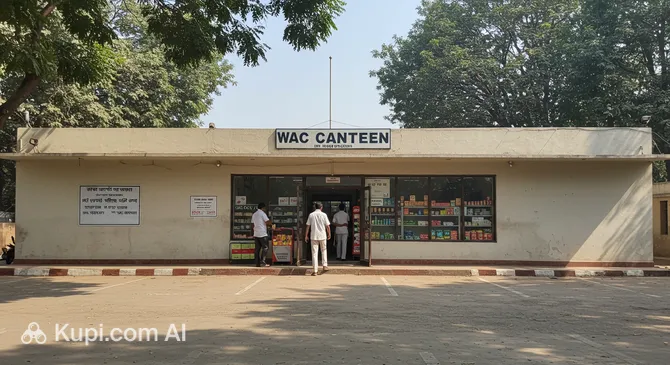
Another important shopping spot is the WAC Canteen, which primarily serves the local community but shapes the commercial face of the district. For those seeking traditional Indian goods, textiles, or jewelry, small local markets operate in residential sectors. These markets offer a calmer atmosphere than the famous bazaars of central Delhi, and prices remain quite reasonable.
WAC Canteen. Illustration.
Source: Kupi.com AI
Traveler photos:
Good souvenirs to bring from this area include high-quality woodwork, Indian textiles, or decorative items. Most shops operate from 10:00 AM to 8:00 PM; many shopping centers accept international bank cards, though it is better to have cash rupees for small stalls in the markets.