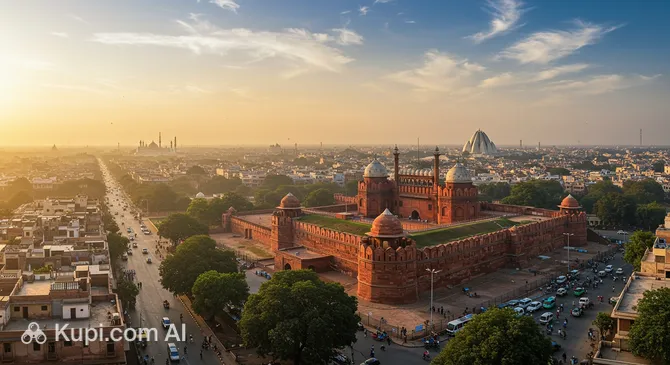
Delhi is not just the capital of India, but a living organism where a thousand-year history and rapid modernity pulse in a single rhythm. Sprawling along the banks of the Yamuna River, the city impresses with its scale and contrasts: here, the grandeur of ancient Mughal monuments meets the business drive of skyscrapers and the government quarters of New Delhi.
Delhi. Illustration.
Source: Kupi.com AI
The city's geographic location in the northern part of the country has ensured its strategic significance over the centuries. With a population of over 32 million people, Delhi is one of the world's largest metropolises. Exploring its streets, you immerse yourself in an atmosphere of cultural diversity where the aromas of traditional spices mingle with the scent of coffee from trendy cafes, and Hindu temples stand side-by-side with majestic mosques.
The unique heritage of this place spans nearly five millennia. To gain a deeper understanding of how this metropolis was formed, be sure to explore the city's historical journey. From the legendary times of Indraprastha to the era of British rule, every period has left its mark on the architecture and traditions. Visiting Delhi is an essential experience for every traveler wishing to see the true face of modern India.
Weather Overview
The climate of Delhi is characterized by distinct seasonality and significant temperature fluctuations. The city is located in a subtropical zone where hot, dry summers are replaced by cool winters. When planning your trip, keep in mind that the weather in Delhi can range from extreme heat to thick fogs.
The summer period, lasting from April to June, features very high temperatures, which can reach +38°C — +41°C in May and June. The monsoon season begins in July, bringing heavy rains and high humidity; August is traditionally considered the rainiest month. Winter in the capital (December and January) is quite brisk: daytime temperatures hover around +19°C, but at night they can drop to +6°C — +8°C, so warm clothing for evening walks is essential.
Average monthly temperature
Average monthly precipitation
Interesting Facts
The Red Fort in Delhi is so massive that its walls stretch for about two kilometers, reaching 33 meters at their highest points.
The Jama Masjid mosque houses a unique relic—a copy of the Quran written on deer skin.
Humayun's Tomb is officially considered the architectural predecessor of the Taj Mahal; it was here that Mughal architects first applied many techniques that later became standards.
The famous Iron Pillar near the Qutub Minar has stood in the open air for over 1,600 years and remains virtually rust-free, still sparking debates among scientists about the technologies of ancient metallurgists.
The Chandni Chowk market is one of the oldest trading areas in the city; its name translates to "Moonlight Square," as a canal once ran through its center reflecting the moon.
How to Get There
Delhi is the largest transport hub in South Asia, providing convenient connections to world capitals and every corner of the country. Thanks to a developed network of flights and railways, planning a trip to this metropolis is a simple task for any tourist. To better navigate your transport options, it is useful to check information on how to get to the city with maximum comfort.
The main gateway is Indira Gandhi International Airport (IATA: DEL). It is one of the busiest airports in the world, located just 12 km from the city. For passenger convenience, it is connected to the center by a dedicated "Airport Express" metro line, which helps avoid traffic jams. As an alternative for domestic flights, Hindon Airport (IATA: QAH) is sometimes used, located 17 km from Delhi.
Railway transport is the heart of Indian travel. Delhi is home to several major stations connecting the capital with cities like Agra and Jaipur. Trains range from budget options to high-speed air-conditioned expresses, offering different levels of comfort. It is a great way to see the country from the inside, especially if you are planning a trip along classic tourist routes.
Main Attractions
The capital's main treasures are concentrated in its architectural heritage. The majestic Red Fort (Lal Qila), built in the 17th century, is rightfully considered the city's symbol. Its massive red sandstone walls hold the memory of the Mughal Empire's power. Equally impressive is the Jama Masjid—one of the largest mosques in the world, capable of holding thousands of worshippers in its courtyard. These sites are recognized as UNESCO World Heritage sites and are must-visits.
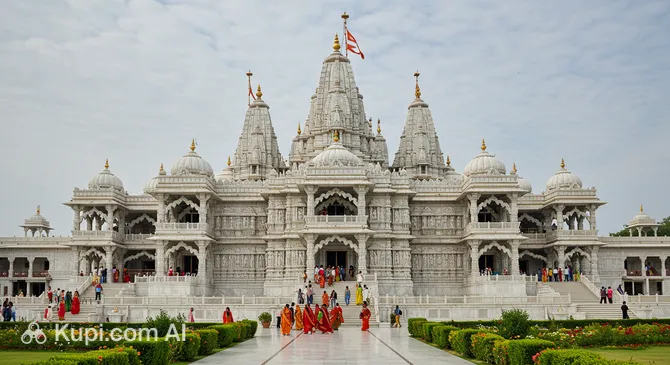
For those seeking spiritual peace, the doors of modern shrines are open. Guru Ji Ka Ashram (Bade Mandir) attracts pilgrims and tourists with its special energy and architectural purity. Fans of more active and modern leisure should check out 32nd Avenue—a popular walking space with interesting venues and a relaxed atmosphere. If you are traveling with family, the trampoline park at the ILD Trade Centre is a great place for active fun.
Guru Ji Ka Ashram (Bade Mandir). Illustration.
Source: Kupi.com AI
Traveler photos:
Memorials and ancient monuments hold a special place in any tourist route. The India Gate—a grand arch in the center of New Delhi—recalls a heroic past, while the ancient Qutub Minar minaret and the mysterious Iron Pillar amaze with the engineering prowess of past eras. Don't forget to visit Humayun's Tomb, whose elegant silhouette served as inspiration for the creators of the legendary Taj Mahal.
Local Cuisine
The gastronomy of Delhi is a true feast for foodies. The city is famous for its street food, for which you should head to Old Delhi. Be sure to try chaat (savory snacks), the famous butter chicken—which, according to legend, was invented right here—and soft naan bread from the tandoor. Street markets like Chandni Chowk offer an endless variety of flavors, from spicy curries to sweet desserts like jalebi.
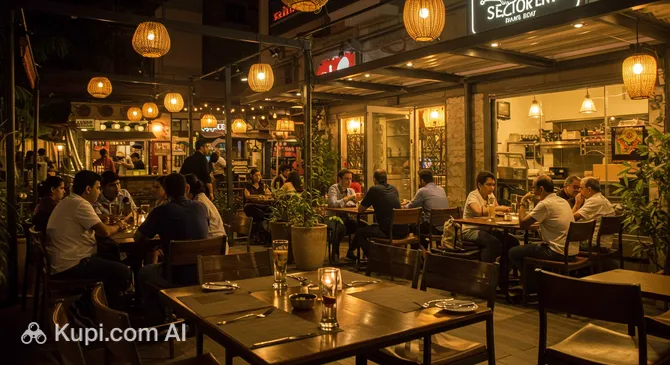
The food culture in the city is diverse: locals equally love bustling market stalls and fine dining restaurants. If you want to spend the evening in a stylish setting, visit the bars and restaurants in Sector 29, Gurgaon. This is a popular gastronomic cluster where you can find establishments with cuisines from all over the world and an excellent selection of drinks. For those seeking luxury and nighttime energy, Zorro – Luxury Night Club is open, where fine dining meets club aesthetics.
Sector 29 Gurgaon Bars and Restaurants. Illustration.
Source: Kupi.com AI
Traveler photos:
Among drinks, masala chai is ubiquitous in Delhi—a strong tea with milk and spices that is wonderfully invigorating. On hot days, refreshing lassi saves the day—a yogurt-based drink that can be either sweet or salty. The city's gastro scene is constantly evolving, offering tourists a unique opportunity to take a culinary journey from traditional Mughal recipes to modern fusion trends.
Travel Tips
A trip to India's capital promises to be unforgettable if you prepare for the peculiarities of the local pace of life in advance. Here are some practical tips to help you feel confident in Delhi.
Clothing and Dress Code: Choose light clothing made of natural fabrics, as it can be very hot in the city. When visiting temples and mosques, be sure to cover your shoulders and knees, and be prepared to remove your shoes at the entrance—comfortable slip-ons or sandals will be very handy.
Transport: The fastest way to get around is the metro. For tuk-tuk rides, agree on the price beforehand or ask to turn on the meter. For comfort, use the Uber or Ola taxi apps.
Finance: The official currency is the Indian Rupee. Cards are accepted in hotels and large malls, but always keep small denominations of cash for markets and rickshaws. Tipping is welcomed, usually 5–10% of the bill.
Health: Drink only bottled water and avoid ice in street drinks. Always carry hand sanitizer and a basic first-aid kit.
Connectivity: Buy a local SIM card (e.g., Airtel or Jio) right at the airport—you'll need your passport and a photo. Wi-Fi is available in many cafes, but mobile internet in India is very cheap and of good quality.
Etiquette: Greet people with the traditional "Namaste" gesture (palms pressed together at the chest). Try not to pass items or eat with your left hand—it is considered impolite.
What to Avoid: Do not accept "help" from random passersby offering to take you to the "best tourist office" or the "only open shop"—these are usually pushy touts.
Additional Tip: If you want to see the non-tourist side of Delhi, hire a private guide for a walk through the artisan quarters—this will allow you to peek into hidden courtyards and workshops.
Following these simple rules will allow you to focus on the beauty and energy of this amazing city. Have a great trip!
Entertainment & Nightlife
Evening Delhi offers entertainment for every taste: from authentic cultural shows to modern nightclubs. Gurgaon is considered the epicenter of nightlife, hosting the city's most stylish venues. Here you can visit ToyBox Nightclub, known for its vibrant parties and great music. The crowd in such places is usually young and international, and the dress code matches the level of the capital's luxury establishments.
ToyBox Nightclub. Illustration.
Source: Kupi.com AI
Traveler photos:
For those who prefer daytime entertainment, the city offers many themed spaces. Families with children and active leisure enthusiasts will enjoy the Gurgaon Trampoline Park or the water attractions at the 21 Balls complex. These spots allow you to switch from sightseeing to fun and dynamic activities in a modern setting.
The city's cultural program also includes interactive centers and theaters. In Delhi's museums, you can see immersive puppet shows with video projections and panoramic films that tell the story of the country's natural and cultural riches. It is safest to travel between entertainment venues at night using official taxis summoned via mobile apps, ensuring comfort and peace of mind during your night outings.
Parks & Museums
For those who want to take a break from the city bustle, Delhi offers beautiful green zones and parks. One of the most popular spots is the National Zoological Park of Delhi, where rare animals and birds can be seen in spacious enclosures. It is a great place for family walks, allowing you to forget the noise of the metropolis for a while. Also of interest is Bluebox Aquatics—a modern space that introduces visitors to the inhabitants of the aquatic world.
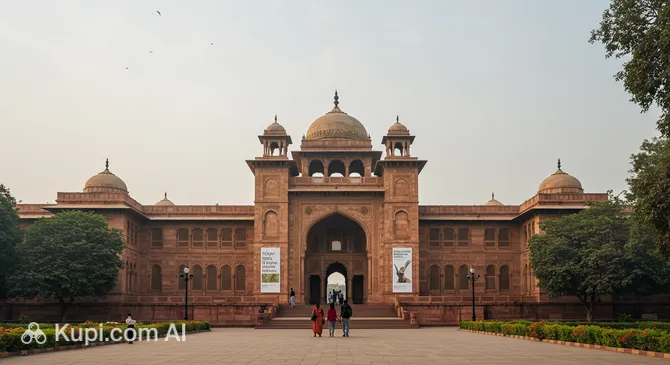
The cultural life of the city is unthinkable without its museums. The National Museum, New Delhi houses a rich collection of artifacts spanning five millennia of history. Here you can see ancient sculptures, jewelry, and rare manuscripts. If you are interested in modern art and the history of photography, be sure to visit Museo Camera – Centre for the Photographic Arts, which features unique collections of equipment and photographs.
Museo Camera Centre for the Photographic Arts. Illustration.
Source: Kupi.com AI
Traveler photos:
Special attention should be given to the Indira Gandhi Memorial Museum. This touching exhibition is located in the former residence of the Prime Minister and tells the story of the life and work of this remarkable woman. Additionally, the city features interactive museum complexes where, through video projections and immersive performances, you can dive into the country's cultural heritage, taking a virtual or very real boat trip through the canals of history.
Getting Around
The transport system in Delhi has made a colossal breakthrough in recent decades. The city's main pride is the Delhi Metro—one of the most modern and cleanest in the world. It covers almost all areas of the city and suburbs, including the airport. For fare payment, it is most convenient to purchase a Smart Card, which can be topped up at ticket offices or machines, saving you from having to stand in line for tokens.
For those who want to feel the local flavor over short distances, auto-rickshaws (tuk-tuks) and cycle-rickshaws are ideal. The latter are particularly popular in the narrow streets of Old Delhi and around Chandni Chowk. A cycle-rickshaw ride is not just a way to get around but a kind of attraction that lets you observe the details of city life at a leisurely pace. You should always agree on the price with rickshaw drivers in advance.
The city's bus network is extensive but can be challenging for a tourist due to overcrowding and complex routes. As a comfortable alternative, taxi services like Uber and Ola allow you to call a car with a fixed price via an app. This is especially convenient for night trips or transfers with luggage. Remember that traffic in Delhi can be very heavy, so allow extra travel time during peak hours.
Accommodation
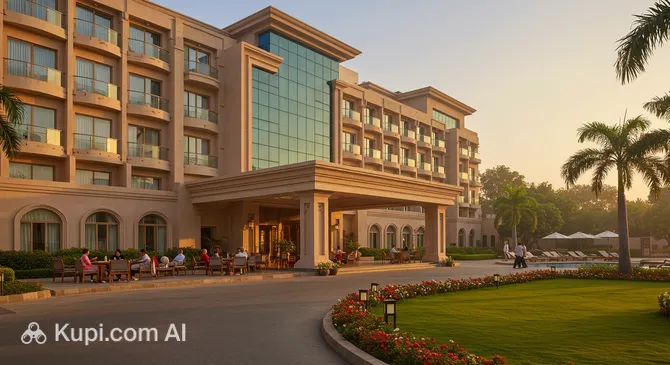
The choice of accommodation in Delhi is surprisingly diverse: from colonial mansions converted into boutique hotels to ultra-modern skyscrapers. For those seeking premium service, the Grand Hyatt is an excellent choice, offering exceptional comfort and modern infrastructure. If you prefer a more secluded stay close to nature, consider options like Rangmanch Farms.
Grand Hyatt. Illustration.
Source: Kupi.com AI
Traveler photos:
Tourists are advised to choose neighborhoods based on their travel goals. Connaught Place and South Delhi are convenient for their proximity to shops and the metro, while Paharganj traditionally attracts backpackers with its budget guesthouses. When planning a trip during the peak season (October to March), it is better to book accommodation in advance, as demand for quality options in central areas is very high.
The price range in Delhi is extremely wide: you can find a hostel bed for a few hundred rupees or rooms in luxury international chain hotels for hundreds of dollars. Most bookings can be conveniently made through popular international platforms, though it is wise to read reviews carefully to ensure expectations match reality, especially in the budget segment.
Nearby Cities
Delhi serves as an ideal starting point for exploring North India. Proximity to historical centers allows tourists to make exciting trips and discover the diversity of the regions. Just a few kilometers from the city center are settlements like Garhi and Delhi Cantonment, which may be of interest for a brief look at local life outside the tourist core.
If you have a free day, we recommend visiting Kalkaji, known for its temple complexes and special atmosphere. Additionally, Delhi is the key to the famous "Golden Triangle" route. From here, it is easy to reach Agra to see the majestic Taj Mahal or head to the "Pink City" of Jaipur, famous for its palaces and forts.
Traveling around the capital's outskirts is convenient by high-speed trains or rented cars with a driver. Each of these destinations will give you new impressions and allow you to see India from different perspectives—from quiet provincial streets to grand architectural monuments included in the World Heritage list.
Shopping & Souvenirs
Shopping in Delhi is an exciting adventure that combines Eastern exoticism with modern comfort. The city is famous for its textiles, cashmere shawls, jewelry, and, of course, aromatic spices. Everyone will find something to their liking here: from antiques on ancient streets to the latest collections of world brands in glossy shopping malls.
For fans of traditional atmosphere, the Chandni Chowk Bazaar is a mandatory stop. It is one of Asia's oldest and busiest markets, where you can find almost anything in its labyrinth of narrow alleys. Bargaining is expected here, and the atmosphere of a bustling Eastern market lets you feel the city's true spirit. It is the best place to buy authentic souvenirs and local handicrafts.
If you prefer a modern shopping format, head to the Worldmark Gurgaon Mall or visit Airia Mall. These complexes offer comfortable conditions for shopping, food courts, and entertainment zones. Most large stores accept international cards and stay open until late evening, while it is better to have cash rupees on hand at the markets for better deals.