Support

Jaipur

About

Jaipur, fondly known as the "Pink City" due to its distinctively colored buildings, is a mesmerizing blend of old-world charm and modern vibrancy. As the capital of the state of Rajasthan in India, it serves as a gateway to the country's flamboyant desert state, offering a sensory feast of colors, sounds, and architectural marvels.

Situated in the eastern part of Rajasthan, the city is home to over 3 million people. The landscape is characterized by the rugged Aravalli Hills which surround the city, providing a dramatic backdrop to its bustling streets. While the climate can be quite hot during the summer, the cooler months reveal a pleasant atmosphere perfect for exploration.
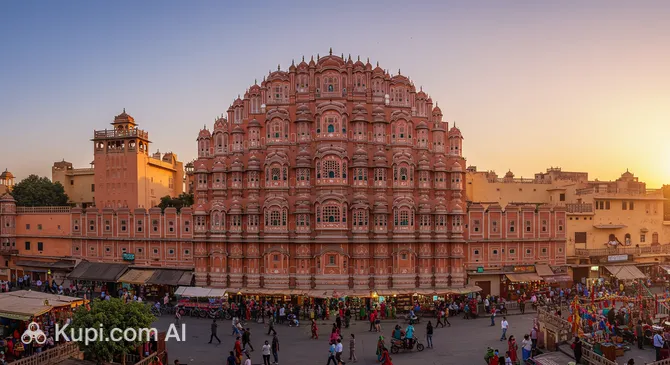
Jaipur. Source: Kupi.Binoculars

The history of Jaipur is deeply rooted in royal traditions, having been founded in 1727 by Maharaja Sawai Jai Singh II. It holds the distinction of being one of the first planned cities in the region, renowned for its grid-like structure and architectural brilliance that continues to impress urban planners and historians alike.

Visitors are often captivated by the iconic Hawa Mahal (Palace of Winds) with its intricate lattice windows, and the majestic Amber Fort perched high on a hill. The City Palace complex offers another glimpse into the opulent lifestyle of the past rulers, making the city a treasure trove for sightseeing.

Whether you are exploring its colorful bazaars filled with textiles and jewelry or admiring its grand fortresses, Jaipur promises an unforgettable travel experience full of culture and hospitality. It is a destination that truly embodies the royal spirit of Rajasthan.
Weather Overview

Travelers should expect scorching summers with intense heat, a distinct monsoon season, and cool, dry winters that are ideal for outdoor activities. The summer months, particularly May and June, are the hottest, with average temperatures climbing to 33°C and daily highs often reaching near 40°C.

The climate shifts in July with the arrival of the rains; this month typically records the highest frequency of precipitation with around 21 wet days. For the most comfortable conditions, visitors often prefer the period from November to February. During this time, the weather in Jaipur is mild and pleasant, with average temperatures ranging between 14°C and 21°C and skies remaining largely clear of rain.

Interesting Facts

Beyond the famous palaces and vibrant bazaars, Jaipur holds many fascinating secrets that add depth to its royal allure. These intriguing details reveal the unique history and architectural ingenuity of this desert metropolis.

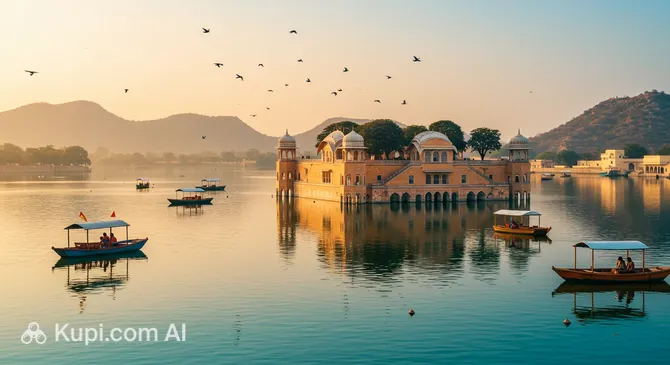
Jal Mahal. Source: Kupi.Binoculars
  • The city was not always pink; it was painted terracotta in 1876 to welcome Albert Edward, the Prince of Wales. Since pink denotes hospitality in local culture, the color was chosen for the grand reception, and laws still mandate that buildings in the historic center maintain this distinct hue.

  • The Jal Mahal, or Water Palace, is an architectural marvel that is more than meets the eye. Situated in the middle of Man Sagar Lake, it appears to be a single-story structure, but four of its five levels are actually submerged underwater.

  • Home to the world's largest stone sundial, the Jantar Mantar is a testament to scientific advancement in the 18th century. The massive Vrihat Samrat Yantra within the complex can calculate local time with an astonishing accuracy of two seconds.

  • The iconic Hawa Mahal was built with a very specific purpose: to allow royal women to observe street festivals while remaining unseen. Its 953 intricate windows, known as Jharokhas, act as a cooling system and a screen, adhering to the strict "purdah" customs of the era.

  • Jaipur holds the distinction of being one of the first planned cities of modern India. Founded in 1727, its layout was rigorously designed according to Vastu Shastra, the ancient Indian science of architecture, featuring a grid system that was remarkably advanced for its time.

How to Get There

Reaching the "Pink City" is a straightforward affair thanks to its excellent connectivity with the rest of India and the world. Whether you prefer air travel or a scenic road trip, there are multiple options available. You can find more about how to get to Jaipur and choose the route that best suits your itinerary.

The most direct way to arrive is via Jaipur Airport (JAI). Located within the city limits, it is just about 10 km from the center. This airport handles a significant amount of domestic and international traffic, making it a convenient entry point. A typical journey by taxi or bus from here to the heart of the city takes approximately 35 minutes.

For travelers coming from distant international locations, Indira Gandhi International Airport (DEL) in Delhi is often the primary gateway. Although it is situated in Delhi, roughly 225 km away, it offers extensive global connections. From this major hub, the transfer to Jaipur by road can take around 6 hours, though many visitors also opt for connecting flights or trains.

For clarity, here is a summary of the main airports:

Airport Name City Passenger Traffic Km from City
Indira Gandhi International Airport Delhi Large 224.6
Jaipur Airport Jaipur Medium 10.1
Ghaziabad (Hindon) Jhandapur Medium 252.2
Kheria Agra Small 217.4
Kishangarh Kishangarh Small 103.2

Jaipur is also a major node in India's vast railway network, often served by luxury trains like the Palace on Wheels as well as standard express services. The city is well-connected by rail to metropolitan hubs such as Delhi, Mumbai, and Kolkata, making train travel a popular and often affordable choice for experiencing the landscape of Rajasthan.

Main Attractions

Jaipur is a treasure trove of architectural gems and historic landmarks that reflect its glorious royal past. From hilltop fortresses to opulent residences, the city offers a diverse range of sites that captivate history buffs and casual travelers alike.

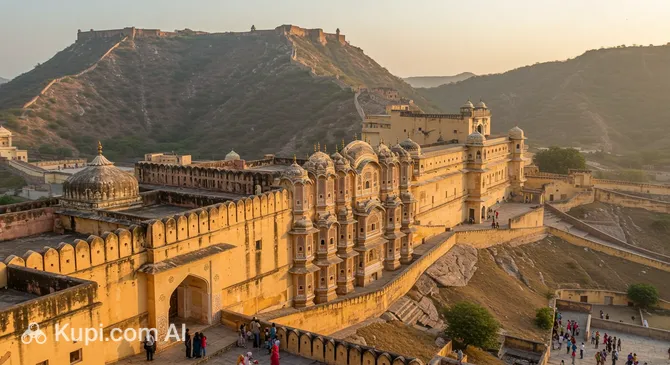
One of the most magnificent sights is the Amber Palace, located high on a hill overlooking Maota Lake. Built with pale yellow and pink sandstone along with white marble, this fortress is a stunning example of Hindu and Mughal architecture. Visitors are often mesmerized by the intricate mirror work in the Sheesh Mahal and the sprawling courtyards that transport you back to the era of Maharajas.

Amber Palace. Source: Kupi.Binoculars

In the heart of the city lies the expansive City Palace, a complex that includes courtyards, gardens, and buildings like the Chandra Mahal and Mubarak Mahal. It serves as a residence for the royal family while also housing a museum that displays royal costumes, weaponry, and artifacts. The fusion of Shilpa Shastra, Mughal, and European architectural styles makes it a fascinating place to explore for hours.

For those interested in military history and grand views, Jaigarh Fort is an unmissable stop. Perched on a cliff known as the Cheel ka Teela (Hill of Eagles), it was built to protect the Amber Fort and palace complex. The fort is famous for housing the Jaivana, which was once the world's largest cannon on wheels, and offers panoramic vistas of the surrounding Aravalli hills.

While often admired from the street, the Hawa Mahal deserves a closer look to appreciate its unique five-story exterior which resembles a honeycomb. Standing at the edge of the City Palace, this "Palace of Winds" allows visitors to peer through its small windows and enjoy the breeze, just as the royal ladies once did while observing the bustling bazaars below.

Science enthusiasts will find the Jantar Mantar to be a remarkable destination. This UNESCO World Heritage site features a collection of nineteen architectural astronomical instruments. It is not just a monument but a functioning observatory where you can see ancient methods of measuring time, predicting eclipses, and tracking stars with impressive precision.

Local Cuisine

The culinary landscape of Jaipur is as vibrant and colorful as its streets, offering a gastronomic journey that is deeply rooted in the royal traditions of Rajasthan. The local cuisine is characterized by its rich use of spices, dried ingredients, and generous amounts of ghee (clarified butter), developed to suit the arid desert climate. For any visitor, the food here is not just a meal but a celebration of culture and hospitality.

No trip to the Pink City is complete without trying Dal Baati Churma, the quintessential Rajasthani dish. It consists of spicy lentils (Dal), baked wheat balls (Baati), and a sweet crumbled wheat mixture (Churma), all traditionally served with plenty of ghee. For those who enjoy meat, Laal Maas is a legendary fiery mutton curry prepared with yogurt and Mathania chilies, offering a robust flavor that reflects the bold spirit of the region.

Street food is an integral part of the city's food culture. Early mornings often begin with Pyaaz Kachori, a deep-fried pastry filled with a spicy onion mixture, usually paired with tamarind chutney. Those with a sweet tooth must try Ghevar, a disc-shaped cake made from flour and soaked in sugar syrup, which is particularly popular during festivals but available year-round in the city's bustling sweet shops.

Tapri Central. Source: Kupi.Binoculars

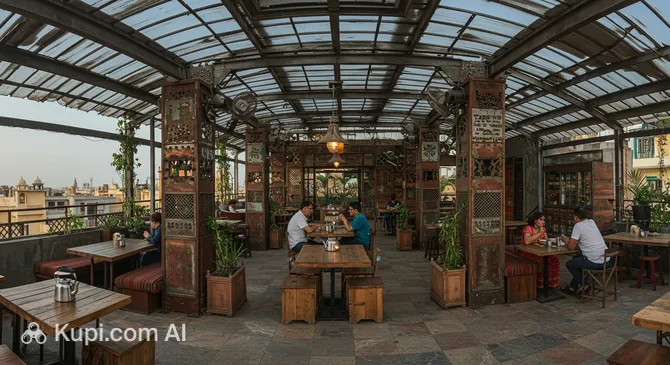
When it comes to beverages, Lassi is a local favorite. This creamy, yogurt-based drink is often served in disposable clay cups called kulhads, which give it an earthy aroma. It is typically topped with a thick layer of cream or "malai." Another staple is Masala Chai, a spiced tea that fuels conversations across the city. For a modern take on this tradition with a view, many tourists head to Tapri Central, a popular spot known for its wide variety of teas and fusion snacks.

The dining experience in Jaipur ranges from vibrant street stalls to opulent royal banquets. You can enjoy a quick bite in the busy markets or indulge in a luxurious meal at heritage properties like the Rambagh Palace, where the ambiance transports you to the era of Maharajas. Whether you are seeking the heat of spicy curries or the comfort of sweet treats, Jaipur’s kitchen offers an unforgettable feast for the senses.

Travel Tips

To ensure your visit to the Pink City is as smooth and enjoyable as possible, we have compiled a list of essential practical advice. These tips will help you navigate the bustling streets of Jaipur with confidence and respect for local customs.

  1. Clothing and Gear: Given the semi-arid climate of Rajasthan, lightweight and breathable cotton clothing is best, especially during the scorching summer months. However, if you are visiting in winter (December to February), bring a warm jacket as nights can get surprisingly chilly. When visiting temples or religious sites, modest dress is required; ensure your shoulders and knees are covered. A scarf is a versatile accessory to carry, and comfortable walking shoes are a must for exploring the sprawling forts.
  2. Transportation: The most convenient way to get around is by using ride-hailing apps like Uber or Ola, which offer fixed prices and air-conditioned comfort. Auto-rickshaws (tuk-tuks) are ubiquitous and great for short distances, but you must negotiate and agree on the fare before getting in. The Jaipur Metro is clean and efficient but has limited coverage for tourist spots.
  3. Finances: The local currency is the Indian Rupee (INR). While credit cards are widely accepted in hotels, upscale restaurants, and malls, cash is king in the famous bazaars like Johari and Bapu. ATMs are plentiful, but it is wise to carry smaller denominations for street vendors and tips. Tipping is customary; leaving about 10% at restaurants or rounding up the fare for drivers is appreciated.
  4. Health and Safety: Stick strictly to bottled or filtered water and avoid ice in drinks at street stalls to prevent stomach issues. Pharmacies, often marked as "Chemists," are easy to find, and many stay open late. Jaipur is generally safe, but like any major tourist hub, keep an eye on your belongings in crowded markets.
  5. Communication: Hindi and Rajasthani are the primary languages, but English is widely spoken and understood, especially in the hospitality and tourism sectors. Learning a few basic words like "Namaste" (Hello/Greetings) and "Dhanyavaad" (Thank you) will warm the hearts of locals. SIM cards are easily available at the airport or local shops, provided you have your passport and a passport-sized photo.
  6. Local Etiquette: Greeting people with a "Namaste" and a slight bow is the traditional and respectful way to say hello. Always remove your shoes before entering a place of worship or a local home. It is also polite to use your right hand for eating, passing money, or shaking hands, as the left hand is traditionally considered unclean.
  7. What to Avoid: Be cautious of "gemstone scams." Touts or friendly strangers may try to lure you into buying precious stones at a "bargain" price to resell back home for a profit; this is a common tourist trap. Also, avoid public displays of affection, as conservative social norms still prevail in many parts of the city.
  8. Additional Tip: Start your day early! Popular attractions like the Amber Fort and Hawa Mahal get crowded by mid-morning. Arriving at 8:00 AM or 9:00 AM not only helps you beat the rush but also allows you to explore before the midday heat sets in.

Armed with these practical insights, you are ready to dive into the vibrant culture and history of Jaipur. Embrace the chaos, savor the flavors, and enjoy the incredible hospitality that this royal city has to offer!

Entertainment & Nightlife

While Jaipur is world-famous for its historical grandeur, the city transforms as the sun sets, offering a vibrant and evolving nightlife scene. Far from just a quiet cultural hub, the "Pink City" now boasts a variety of chic rooftop bars, energetic nightclubs, and atmospheric lounges. The nightlife here is less about chaotic partying and more about enjoying good music, delicious food, and stunning views of the illuminated cityscape and forts.

The main hubs for evening entertainment are located in affluent neighborhoods like C-Scheme and along Tonk Road and Malviya Nagar. These districts are safe, well-lit, and packed with modern venues that attract a mix of international tourists and the city's stylish youth. The atmosphere is generally relaxed but sophisticated, with many places enforcing a smart-casual dress code, especially on weekends.

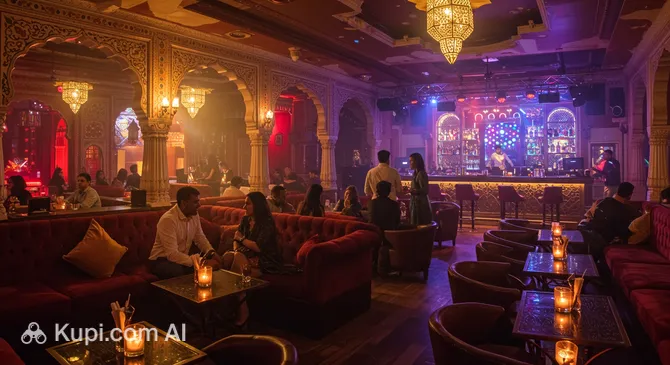
Rooftop venues are the crown jewels of Jaipur's nightlife. Sipping a cocktail while gazing at the city lights is a quintessential experience here. For those seeking a luxurious setting, Rosado Luxury Lounge & Kitchen offers an upscale ambiance perfect for unwinding. It is known for its stunning decor and panoramic views, making it a favorite for special nights out. Another excellent choice for a vintage vibe with modern sensibilities is Townsend Bar & Kitchen, where you can enjoy diverse cuisines and crafted beverages in a lively setting.

Rosado Luxury Lounge & Kitchen. Source: Kupi.Binoculars

For a truly unique evening entertainment experience that is strictly "Made in India," a visit to the Raj Mandir Cinema is essential. Known as one of the most beautiful movie theaters in Asia, its meringue-like interiors and enthusiastic crowds turn watching a Bollywood film into a festive event. It is less of a nightclub and more of a cultural phenomenon that shouldn't be missed.

If you are looking for more energetic vibes later in the night, clubs like Purgatory 777 cater to those who want to dance. Most bars and clubs remain open until around 1:00 AM or 2:00 AM. Prices in Jaipur are generally lower than in Delhi or Mumbai, but high-end lounges will still charge premium rates for imported alcohol.

Regarding safety and transport, Jaipur is relatively safe for night outings, particularly in the popular districts mentioned. However, it is always advisable to avoid walking alone in poorly lit or deserted areas late at night. The best way to get around is by using app-based taxi services like Uber or Ola, which are reliable and trackable. Avoid hailing random auto-rickshaws late at night unless necessary.

During the day, the city offers different kinds of thrills. Families and thrill-seekers often head to Pink Pearl Water Park & Fun City to beat the desert heat with water slides and amusement rides. For a dose of culture mixed with entertainment, you can explore unique spots like the Pratap Celebrity Wax Museum or the Bubber Handicrafts Museum, which showcase the artistic side of the region beyond the ancient forts.

Parks & Museums

Beyond its formidable forts and bustling bazaars, Jaipur offers a refreshing array of verdant gardens and cultural institutions that provide a peaceful respite from the city's energetic pace. These spaces not only showcase the region's natural beauty but also preserve its artistic and historical legacy in curated environments.

For those interested in the artistic heritage of Rajasthan, the Albert Hall Museum is an architectural masterpiece in itself. As the oldest museum in the state, its stunning Indo-Saracenic design captivates visitors even before they step inside to view the extensive collection of artifacts, including paintings, carpets, and sculptures. It stands as a testament to the city's commitment to preserving its past.

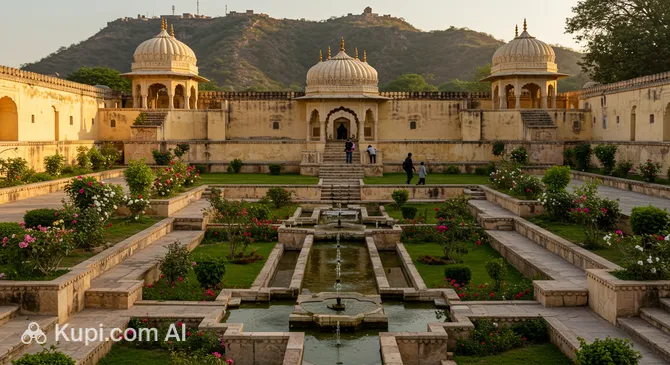
A short distance from the city center lies the enchanting Sisodia Rani Garden. Built in 1728 by Maharaja Sawai Jai Singh II for his second queen, this multi-tiered garden is a symbol of royal love. It is designed in the Mughal style, featuring cascading water channels, fountains, and painted pavilions that depict scenes from the life of Lord Krishna. The lush greenery and quiet atmosphere make it a perfect spot for a leisurely stroll.

Sisodia Rani Garden. Source: Kupi.Binoculars

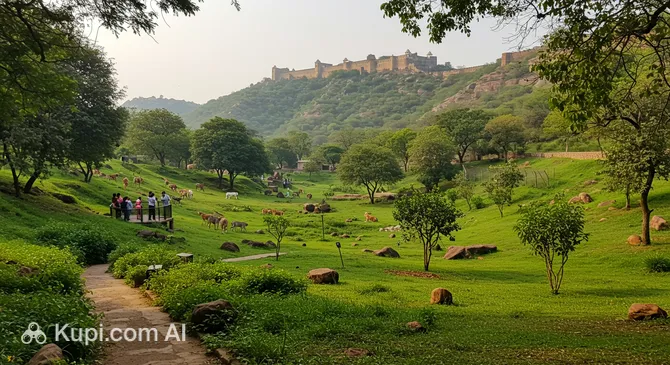
Nature enthusiasts and wildlife lovers should head to the Nahargarh Biological Park. Nestled in the foothills of the Aravalli range, this expansive park is part of the Nahargarh sanctuary. It offers a unique opportunity to see majestic animals such as Asiatic lions, tigers, and leopards in large, open enclosures that mimic their natural habitat. The park also hosts a variety of bird species, making it a delightful destination for birdwatchers.

Nahargarh Biological Park. Source: Kupi.Binoculars

For a unique interaction with nature, the Elephant Sanctuary Jaipur provides a memorable experience. Here, visitors can learn about these gentle giants, participate in feeding them, and observe their daily routines in a safe and ethical environment. It is a heartwarming activity for families and anyone wishing to connect with India's revered wildlife.

Another gem in the city's green landscape is Jaldhara, a water theme park developed to promote water conservation. With its artificial waterfalls, fountains, and rock formations surrounded by trees, it serves as a cool urban oasis, especially popular in the evenings when the lighting creates a magical ambiance.

Getting Around

Navigating Jaipur is an adventure in itself, offering a dynamic mix of modern efficiency and traditional charm. The city's public transport system has evolved significantly, providing visitors with various options to explore the "Pink City" comfortably, from state-of-the-art trains to the ubiquitous three-wheeled rickshaws.

The **Jaipur Metro** is the most convenient and fastest way to travel across key parts of the city. It is a modern rapid transit system that is air-conditioned, clean, and reliable. The network primarily consists of the Pink Line, which connects the residential area of Mansarovar to the historic walled city at Badi Chaupar. For tourists, this line is particularly useful as it offers a quick link to major attractions near the city center, bypassing the heavy road traffic.

For a more extensive reach, the city operates a fleet of **low-floor buses** managed by Jaipur City Transport Services Limited (JCTSL). These buses, often colored red or green, cover a wide network of routes that the metro does not yet reach. While they are a very economical choice, they can get quite crowded during peak hours. Additionally, minibuses serve various suburban routes, though they are generally less comfortable than the AC low-floor options.

When it comes to last-mile connectivity, **auto-rickshaws** (tuk-tuks) and **e-rickshaws** are everywhere. They are perfect for navigating the narrow, bustling streets of the old markets where larger vehicles cannot pass. **Cycle rickshaws** are also available for short distances and offer a slower, more traditional pace. However, unlike the metro or buses, these do not run on fixed schedules, and prices are often subject to negotiation.

Regarding payments, the system varies by mode of transport. For the **Jaipur Metro**, you can purchase a single-journey token or a rechargeable **Smart Card** at the station counters. The Smart Card offers a discount on fares and saves time by avoiding queues. For buses, tickets are purchased directly from the conductor inside the bus using cash. It is highly recommended to carry small denominations, as conductors may not always have change for large bills.

For tourists who prefer a hassle-free experience without the need to haggle, app-based cab services like **Uber** and **Ola** are widely available and popular. These allow you to book air-conditioned rides at fixed prices, eliminating the language barrier and uncertainty of negotiating fares with auto-rickshaw drivers. Bike rentals and self-drive car rentals are available but are less common for short-term visitors due to the city's chaotic traffic conditions.

A few practical tips will help ensure a smooth journey. The metro typically operates from approximately **6:20 AM to 9:30 PM**, making it suitable for most sightseeing plans. When using auto-rickshaws, always agree on the fare before starting the trip if the driver refuses to use the meter. Finally, if you buy a single-journey token for the metro, keep it safe until you exit the station, as you will need to deposit it at the gate to leave.

Accommodation

Accommodation in Jaipur is as diverse and colorful as the city itself, catering to every type of traveler and budget. The "Pink City" is renowned for its unique heritage hotels—historic havelis (mansions) and palaces that have been converted into guest accommodations. These properties offer a chance to live like royalty without necessarily spending a fortune. Besides these traditional stays, the city boasts a wide array of modern luxury resorts, comfortable mid-range hotels, and budget-friendly hostels that are perfect for backpackers.

When choosing where to stay, location plays a key role in the experience. Bani Park is a favorite among tourists; it is a relatively quiet residential area filled with heritage hotels and is close to the railway station and the Old City. For those seeking a more modern vibe with access to upscale cafes and boutiques, C-Scheme is the place to be. Travelers who want to be in the thick of the action might prefer the areas around the Old City (Walled City), though it can be quite chaotic. Conversely, the outskirts near Amer offer tranquil luxury resorts nestled in the Aravalli hills.

For an epitome of luxury and history, the Rambagh Palace is an iconic choice. Once the residence of the Maharaja of Jaipur, it is now a world-class hotel that exudes opulence with its manicured gardens and rich architecture. Another spectacular option for those seeking a resort experience is Rajvilas Jaipur, which offers a blend of traditional Rajasthani fort settings and modern amenities.

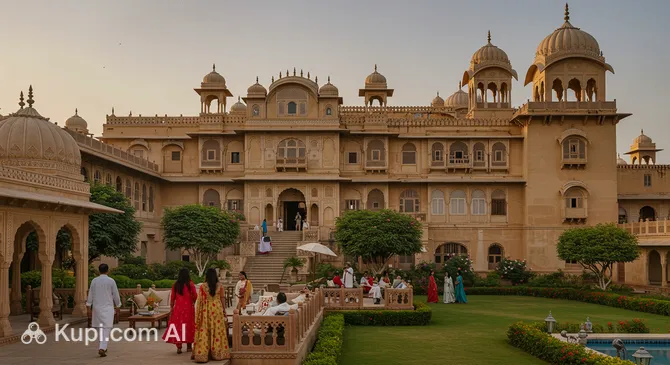
Rambagh Palace. Source: Kupi.Binoculars

Prices in Jaipur cover the full spectrum. Budget travelers can find dormitory beds or simple guesthouses for very affordable rates, while mid-range heritage properties offer excellent value for money. The high-end palace hotels are among the most expensive in India, reflecting their exclusivity. Most accommodations can be easily booked via major online platforms or directly through their websites.

Booking Tip: Jaipur is a very popular destination, especially during the peak tourist season from October to March and during the Jaipur Literature Festival in January. It is highly recommended to book your accommodation well in advance during these months to secure your preferred choice and get the best rates.

Nearby Cities

For those looking to explore the surroundings, Jaipur serves as an excellent base for day trips to several interesting nearby locations. The region beyond the city limits is dotted with historic towns that offer a quieter but equally fascinating experience of Rajasthani culture.

One notable destination is Kishangarh, widely known as the "Marble City of India." Apart from its thriving marble industry, it is famous for the exquisite Kishangarh school of miniature paintings, particularly the iconic "Bani Thani." Visitors can also enjoy a peaceful visit to the Gundolav Lake and the old fort, which provide a scenic contrast to the arid landscape.

To the south lies Tonk, a town often referred to as the "Lucknow of Rajasthan" due to its significant population of Pathans and its history as a princely state ruled by Nawabs. It is home to the stunning Sunehri Kothi (Golden Mansion), which features interiors adorned with gold polish, mirrors, and glasswork, showcasing a unique blend of architectural styles.

Another excellent option is Sikar, a historical city that serves as a gateway to the Shekhawati region. It is celebrated for its grand havelis covered in intricate frescoes and the majestic Laxmangarh Fort. A trip here offers a deep dive into the artistic heritage and rural charm of the state.

City Population Distance (km)
Sikar 359,293 100
Tonk 165,326 83
Kishangarh 156,087 100
Nawai 45,787 63
Partapnagar 39,050 12

These nearby destinations offer a glimpse into the diverse culture and landscapes of the region, making them perfect for travelers wishing to extend their journey beyond the Pink City.

Shopping & Souvenirs

Shopping:

Shopping in the "Pink City" is an experience that goes far beyond simple retail therapy; it is a vibrant immersion into the rich artistic heritage of Rajasthan. Jaipur is globally renowned for its exquisite craftsmanship, particularly in the fields of gemstone cutting, jewelry making, and textile printing. Visitors will find themselves wandering through colorful bazaars where centuries-old traditions of trade continue to thrive alongside modern commerce.

The heart of the city's shopping scene lies in its historic walled markets, each dedicated to specific types of goods. Johari Bazaar is perhaps the most famous, glittering with rows of shops selling precious and semi-precious stones, as well as traditional Kundan and Meenakari jewelry. For those looking for textiles and leather goods, Bapu Bazaar is the place to be. Here, you can find the famous Mojari shoes (made from camel leather), vibrant Bandhani tie-dye fabrics, and soft cotton quilts that are a specialty of the region.

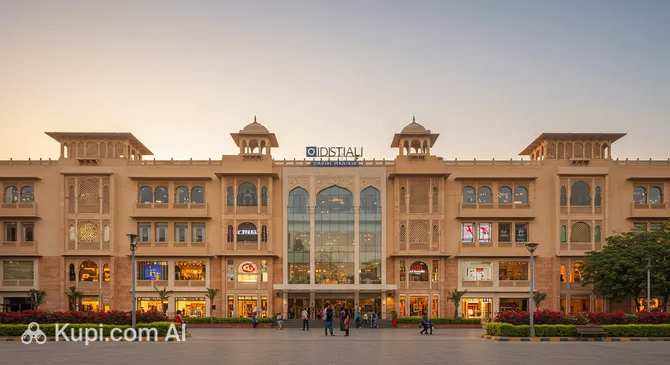
While traditional markets dominate the scene, Jaipur also offers modern retail experiences. One of the most prominent landmarks for contemporary shopping is the World Trade Park. This futuristic architectural marvel is one of the largest shopping malls in the country, housing a wide array of international brands, a multiplex, and a food court. It provides a cool, air-conditioned contrast to the bustling heat of the street markets.

World Trade Park. Source: Kupi.Binoculars

Another area of interest for shoppers is the Tripolia Bazaar, known for its lac jewelry and beautiful varieties of bangles. If you are interested in blue pottery, a unique craft of Jaipur introduced by the Mughals, you will find excellent pieces in the shops along Amer Road. The city is also a hub for block-printed textiles, with the nearby town of Sanganer being the production center for these distinctively patterned fabrics.

When it comes to souvenirs, the choices are endless. The most popular items to bring back include Blue Pottery items like vases and plates, colorful Leheriya sarees, silver jewelry, and handcrafted wooden puppets. Spices and traditional Rajasthani snacks like Ghevar are also great edible gifts to take home.

Most shops in the main bazaars open around 11:00 AM and close by 9:00 PM. Many traditional markets remain closed on Sundays, so it is wise to check before planning a specific trip. While shopping malls and larger emporiums accept credit and debit cards, cash is king in the street markets. Carrying smaller denominations of Indian Rupees is highly recommended for bargaining and purchasing from smaller vendors.

Regarding taxes, the Goods and Services Tax (GST) is applicable on most purchases and is usually included in the marked price or added at the bill. Unlike some European destinations, India does not have a widespread VAT refund scheme for tourists on general goods, so visitors should not expect tax-free shopping at the airport for standard retail purchases.

Reached the end of the page?

That means the route is fully explored