Support

Gwalior

About

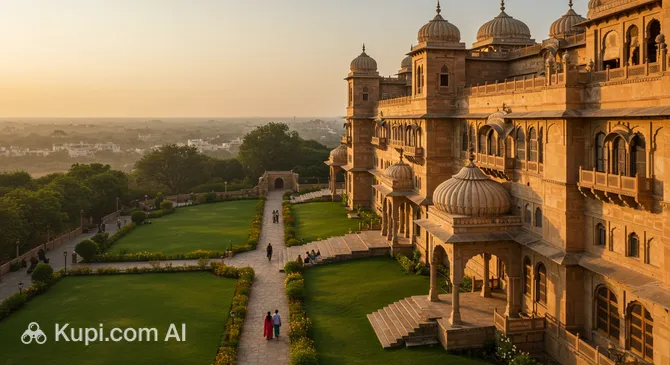
Gwalior is a majestic city located in the central state of Madhya Pradesh, renowned for its stunning architecture and rich cultural heritage. Often referred to as the tourism capital of the region, it offers a fascinating blend of ancient history and modern urban life. As a major city in India, Gwalior serves as a gateway to the country's heartland, boasting a strategic geographical position surrounded by rocky hills and lush greenery.

With a population of over one million residents, the city is a bustling hub that experiences a sub-tropical climate, characterized by hot summers and cool, pleasant winters. The history of Gwalior is legendary, tracing its roots back to the 8th century. It has been the cradle of great dynasties like the Tomars, Mughals, and Scindias, leaving behind a legacy that is etched in its stone structures and musical traditions.
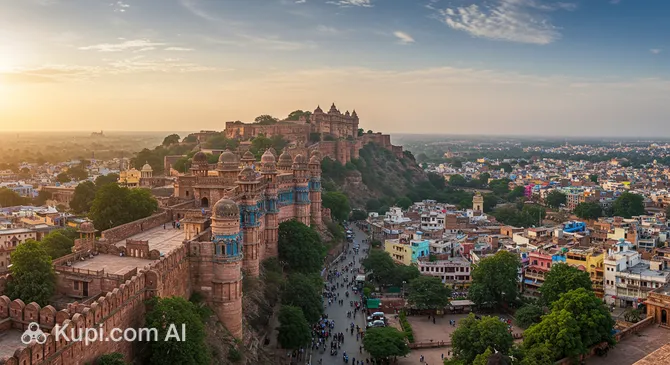
Gwalior. Source: Kupi.Binoculars

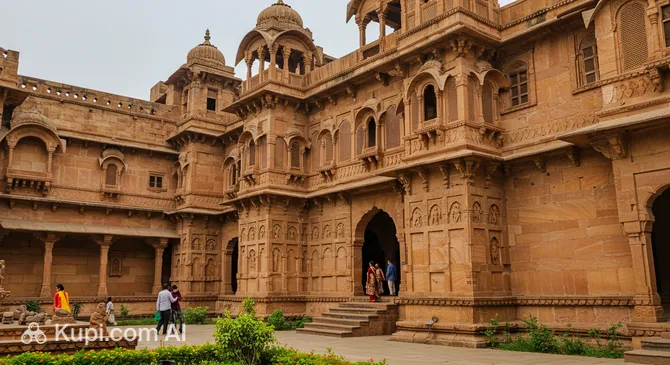
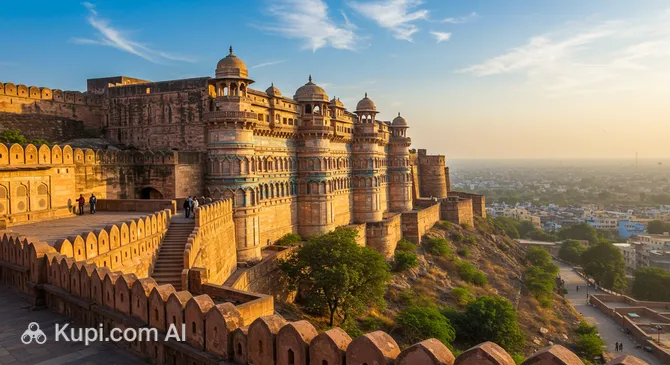
The city's skyline is dominated by the imposing Gwalior Fort, famously described as the "pearl amongst fortresses in India." This hill fort is a masterpiece of medieval architecture and offers panoramic views of the city below. Another architectural marvel is the Jai Vilas Palace, a symbol of opulence that showcases a unique mix of Tuscan, Italian-Doric, and Corinthian styles. Visitors are also drawn to the intricate Sas Bahu Temples and the memorial of Tansen, a legendary musician, which highlights the city's status as a center of Indian classical music.

Whether you are a history buff, an architecture enthusiast, or a traveler seeking authentic cultural experiences, Gwalior promises a memorable journey. Its regal atmosphere and timeless charm make it a must-visit destination for anyone exploring Central India.
Weather Overview

The climate in this region is characterized by distinct seasons, ranging from chilly winters to scorching summers. To plan your trip effectively, it is helpful to check the current weather in Gwalior, as conditions vary significantly throughout the year. Generally, the city experiences a subtropical climate where the temperature fluctuates widely depending on the month.

Winters are cool and dry, making them a popular time for visitors. In January and December, average temperatures hover around 15°C to 16°C, with nighttime lows dropping to approximately 9°C or 10°C. Rainfall is scarce during these months, ensuring clear skies for exploration. Conversely, the summer months from April to June are intensely hot. May is particularly sweltering, with average highs reaching above 40°C, while June remains very warm with similar peaks.

The monsoon season brings a shift in conditions from July through September. While temperatures moderate slightly to an average of around 28°C to 30°C, the frequency of rain increases dramatically. July and August are the wettest months in terms of rainy days, with precipitation occurring on up to 24 days in July. Travelers should expect frequent wet spells during this period before the weather begins to dry out and cool down again in October and November.

Interesting Facts

Beyond the majestic forts and palaces, Gwalior holds a treasure trove of fascinating stories and unique historical footnotes that often escape the casual observer. From mathematical milestones to royal eccentricities, the city's legacy goes far deeper than its stone walls.
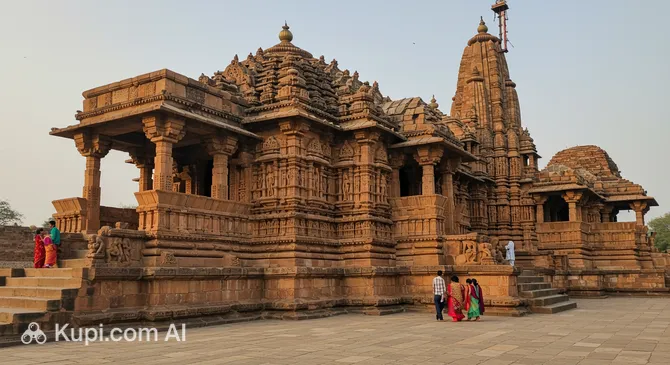
Sasbahu Temples. Source: Kupi.Binoculars
  • The city holds a significant place in the history of mathematics. The Chaturbhuj Temple, located within the Gwalior Fort complex, features one of the oldest known written inscriptions of the number "zero" as a digit, dating back to the 9th century.

  • The dining hall of the Jai Vilas Palace is famous for its extravagance, featuring a solid silver toy train. This miniature locomotive was designed to travel along a track on the massive dining table, serving brandy and cigars to royal guests.

  • A curious legend surrounds the Tomb of Tansen, the final resting place of the legendary musician. It is believed that chewing the leaves of the tamarind tree growing near the tomb can bless singers with a sweeter, more melodious voice.

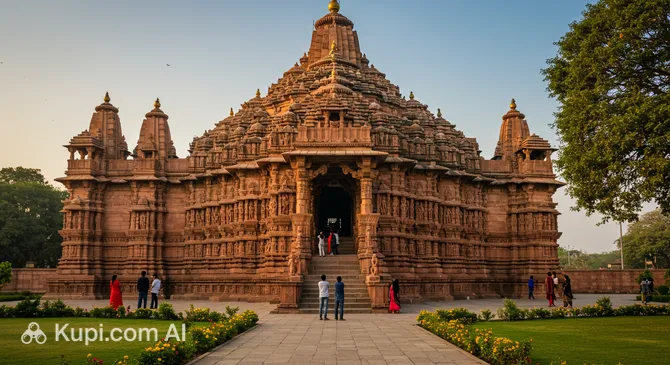
  • The Sasbahu Temples are often mistaken to be dedicated to a mother-in-law and daughter-in-law due to their name. In reality, the name is likely a corruption of "Sahastrabahu," meaning "One with a thousand arms," which is another name for Lord Vishnu.

How to Get There

Reaching this historic city is convenient due to its central location and good connectivity. Whether you prefer flying or taking a scenic route by land, there are several options to suit your itinerary. You can find more about how to get to Gwalior and choose the mode of transport that works best for you.

The most direct entry point is Gwalior Airport (GWL), which is situated just 10.3 km from the city center. It is a regional airport handling domestic flights. A taxi ride from the airport to the main city area typically takes around 35 minutes. For travelers seeking more extensive flight connections, the Kheria (AGR) airport in Agra is the closest alternative, located approximately 107 km away. The journey from Agra to Gwalior by road takes about 3 hours. Another significant option is Jaipur Airport (JAI) in Jaipur, a major hub about 245 km away, which handles a large volume of passenger traffic and offers broader connectivity.

For clarity, here is a summary of the main airports:

Airport Name City Passenger Traffic Km from City
Jaipur Airport Jaipur High 245.3
Gwalior Airport Gwalior Medium 10.3
Kanpur Airport Kanpur Medium 224.0
Kheria Agra Medium 106.7
Khajuraho Airport Khajuraho Low 233.5

Beyond air travel, Gwalior is well-connected to the rest of the country by an extensive rail and road network. The city lies on a major railway corridor, making trains a popular and efficient way to arrive from key metros like Delhi, Mumbai, and Chennai. Additionally, national highways link Gwalior to neighboring tourist destinations such as Agra and Jhansi, offering excellent opportunities for road trips.

Main Attractions

Gwalior is a city where history speaks from every corner, offering a splendid array of monuments, museums, and temples. The city's architectural grandeur reflects the legacy of the dynasties that once ruled here, making it a fascinating destination for travelers. Exploring these sites provides a deep dive into the artistic and cultural heritage of Central India.

Gwalior Fort. Source: Kupi.Binoculars

Undoubtedly the most iconic landmark is the majestic Gwalior Fort. Perched atop a steep sandstone hill, this imposing structure is visible from almost every part of the city. Often referred to as the "Gibraltar of India," the fort complex houses several palaces, temples, and water tanks. Visitors are captivated by the intricate blue ceramic tile work on the Man Mandir Palace and the panoramic views of the city below. It is a true testament to the architectural brilliance of the Tomar dynasty.

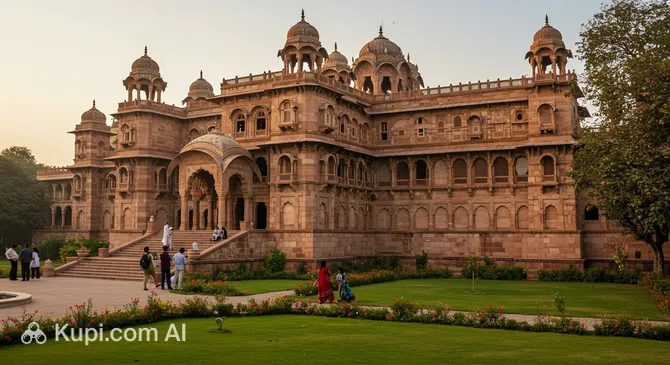
Another site of immense grandeur is the Jai Vilas Palace. Built in the 19th century, this palatial residence of the Scindia family is a stunning example of European architecture, blending Tuscan, Italian-Doric, and Corinthian styles. Part of the palace has been converted into a museum, showcasing royal artifacts, including a silver train that served drinks on the dining table and immense chandeliers that are among the largest in the world. It offers a fascinating glimpse into the opulent lifestyle of the Maharajas.

Gujari Mahal. Source: Kupi.Binoculars

For history enthusiasts, the Gujari Mahal is a must-visit. Originally built by Raja Man Singh Tomar for his beloved queen, Mrignayani, this 15th-century palace now serves as an archaeological museum. It houses a rare collection of sculptures, coins, and weapons dating back to ancient times. The museum's most famous possession is the beautifully crafted statue of Shalabhanjika, often compared to the Mona Lisa for her enigmatic smile.

Sun Temple (Gwalior). Source: Kupi.Binoculars

A more modern but equally spiritual attraction is the Sun Temple. Inspired by the famous Konark Sun Temple in Odisha, this architectural marvel is dedicated to the Sun God. Built with red sandstone and white marble, the temple stands out for its serene atmosphere and lush green gardens. It is a peaceful retreat for tourists looking to admire exquisite stone carving and find a moment of tranquility away from the city's bustle.

Finally, do not miss the Gopachal Jain Hill, located within the fort premises. This site is famous for its colossal rock-cut statues of Jain Tirthankaras, carved directly into the hill's face between the 7th and 15th centuries. The largest idol stands over 50 feet tall, making it a breathtaking sight and a significant pilgrimage spot for followers of Jainism.

Local Cuisine

The culinary landscape of Gwalior is a delightful reflection of its rich history, blending influences from the Marathas and North Indian traditions. The city is a paradise for vegetarians and street food enthusiasts, offering a gastronomic experience that is both spicy and satisfying. Food here is not just sustenance but a celebration of local culture, with a particularly strong emphasis on breakfast items that locals swear by.

To truly eat like a local, you must start your day with the city's signature breakfast dish, Bedai. This deep-fried, puffy bread stuffed with lentils and spices is typically served with a spicy potato curry and is a staple at morning stalls. Another favorite is Poha, flattened rice cooked with onions, turmeric, and peanuts, often garnished with crispy sev. For those with a sweet tooth, the city is famous for Gajak, a dry sweet made of sesame seeds and jaggery. This treat is especially popular during the winter months and is widely considered a must-buy souvenir for tourists.

When it comes to beverages, the locals love a tall glass of rich, creamy Lassi, often topped with a thick layer of cream or dried fruits. It serves as a perfect coolant after a spicy meal. Fresh sugarcane juice and masala chai are also ubiquitous, available at nearly every street corner, providing a quick energy boost for travelers exploring the city.

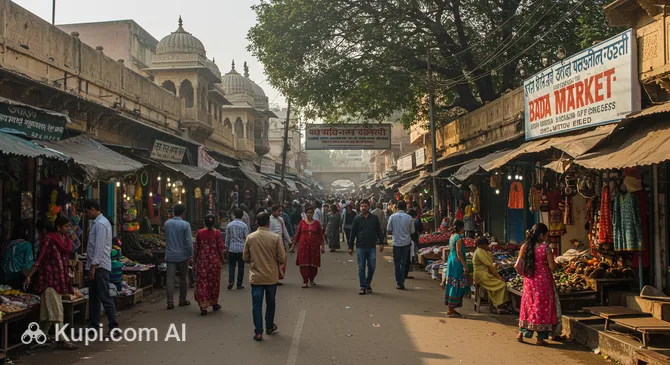
Bada Market. Source: Kupi.Binoculars

The food culture in Gwalior ranges from bustling street markets to modern dining establishments. For an authentic experience, a walk through the Bada Market is highly recommended. Here, amidst the chaos and color, you can find some of the oldest and most renowned sweet shops and snack stalls serving fresh kachoris and jalebis. If you prefer a more contemporary setting with a diverse menu, restaurants like Molecule or Xero Degrees offer a vibrant atmosphere where you can enjoy both local and international cuisines.

Travel Tips

Welcome to the historic city of Gwalior, where every corner whispers tales of musical legends and royal grandeur. To help you navigate the "City of Tansen" with ease and confidence, here is a collection of practical tips designed to make your journey smooth and enjoyable.

  1. Clothing and Gear: The choice of attire depends heavily on when you visit. If traveling during the scorching summers (April to June), loose cotton clothing, sunglasses, and a wide-brimmed hat are essential to survive the heat. Winters (November to February) can get quite chilly, so packing layers or a light jacket is advisable. Since exploring the massive Gwalior Fort involves a significant amount of walking on uneven stone paths, sturdy and comfortable walking shoes are a must. For visits to religious sites like the Sun Temple or Gurudwara, dress modestly, covering your shoulders and knees.

  2. Transportation: The most convenient way to get around Gwalior is by using auto-rickshaws and tempos (shared large autos). They are abundant and affordable, though you should negotiate the fare before starting the ride if the driver refuses to use the meter. App-based cab services like Ola and Uber are operational in the city but can sometimes have longer wait times than in metros. For a hassle-free day of sightseeing, consider hiring a private taxi for the entire day.

  3. Finances: The local currency is the Indian Rupee (INR). While hotels, upscale restaurants, and malls accept credit and debit cards, Gwalior is famous for its street food and traditional markets where cash is king. Ensure you carry enough small denominations for paying auto drivers and buying local treats like Gajak. ATMs are widely available throughout the city, so withdrawing cash is rarely an issue.

  4. Health and Safety: Gwalior is generally a safe destination for tourists. However, it is wise to avoid isolated areas around the fort complex after dark. Pharmacies are easily accessible in the main market areas, and major hospitals offer 24/7 emergency services. As a precaution, stick to bottled or filtered water and avoid consuming cut fruits from street vendors to prevent stomach upsets.

  5. Communication: Hindi is the primary language spoken in Gwalior. While staff at major hotels and tourist attractions usually speak English, auto drivers and local shopkeepers may not be fluent. Learning a few basic Hindi phrases like "Kitna?" (How much?) or "Roko" (Stop) can be very helpful. Mobile network coverage is excellent across the city, and you can easily purchase a SIM card with your passport at local telecom stores.

  6. Local Etiquette: Greetings are often exchanged with a polite "Namaste." When visiting temples or the Gwalior Fort's religious precincts, you must remove your footwear. It is customary to be respectful around religious idols and not to touch them. If you are invited to a local's home, it is polite to accept tea or snacks offered to you, as hospitality is taken seriously here.

  7. What to Avoid: Public displays of affection are generally frowned upon in conservative parts of the city and should be avoided. Also, be cautious of unauthorized guides at the Fort entrance who may offer tours at exorbitant rates; always ask to see an official ID card issued by the tourism department before hiring anyone.

  8. Don't Miss the Evening Show: A specific tip for Gwalior is to plan your visit to the Fort in a way that you stay back for the Sound and Light Show held every evening. It takes place in the amphitheater near the Man Mandir Palace and beautifully narrates the history of the fort and the city, adding a magical touch to your experience.

Armed with these practical insights, you are all set to immerse yourself in the architectural beauty and cultural richness of Gwalior. We hope these tips help you create wonderful memories in the heart of Incredible India!

Entertainment & Nightlife

While Gwalior is primarily celebrated for its historical grandeur, its entertainment and nightlife scene has evolved significantly in recent years. The city may not have the frenetic all-night party culture of a metropolis like Mumbai or Delhi, but it offers a growing number of vibrant spots where locals and tourists can unwind after sunset. The nightlife here is largely centered around the City Center area, which serves as the modern heart of Gwalior, bustling with cafes, lounges, and restaurants that stay open late.

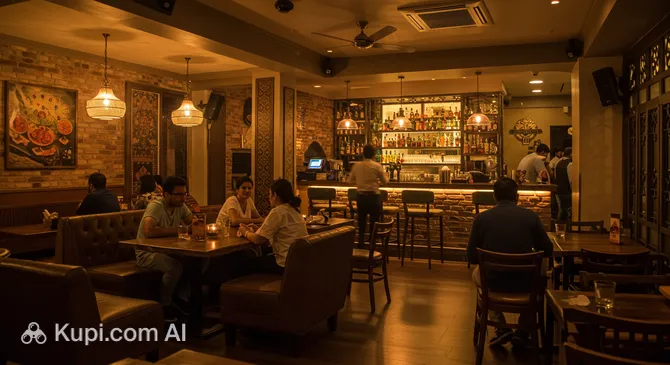
For those looking to enjoy a lively evening with good music and ambiance, Molecule is a top choice. Known as an "Air Bar," it offers a fantastic rooftop setting where you can enjoy the cool evening breeze along with a diverse menu of food and drinks. The atmosphere is chic yet relaxed, attracting a mix of young professionals and families. Another popular venue in the vicinity is VYB Bar & Lounge, which is well-regarded for its energetic vibe, modern interiors, and a wide selection of cocktails. It is a great place to experience the local social scene, especially on weekends when the crowd is most active.

Molecule. Source: Kupi.Binoculars

If you prefer a slightly more laid-back setting that transitions smoothly from a cafe to a bar atmosphere, Tosh is worth a visit. These venues typically operate until around 11:00 PM or midnight, so it is best to head out early—around 8:00 PM—to secure a good table. The dress code in Gwalior’s nightlife districts is generally smart-casual. While there are no strict entry rules for most places, dressing neatly is appreciated. Average prices are quite reasonable compared to larger Indian cities, with a dinner and drinks for two costing between 1,500 to 2,500 INR depending on the venue.

Safety is an important consideration for night outs. The City Center and areas around major hotels are generally safe and well-lit. However, it is advisable to avoid walking alone in secluded areas late at night. For transportation, app-based cab services like Ola and Uber are reliable and safer than hailing random auto-rickshaws off the street at night. If you are staying at a major hotel, the concierge can also arrange a trusted taxi for your return journey.

Beyond the nightlife, Gwalior offers plenty of daytime entertainment options for families and leisure travelers. Shopping enthusiasts can explore the City Mall, which features a multiplex cinema, food court, and various retail brands, providing a cool escape from the afternoon heat. For a more outdoor experience, the Gwalior Zoo (Gandhi Prani Udhyan) is a historic zoological park that houses rare species, including white tigers, making it a delightful stop for nature lovers before the sun goes down.

Parks & Museums

Beyond its formidable forts and royal palaces, Gwalior offers a refreshing array of green spaces and cultural institutions that provide a deeper understanding of the city's heritage. From manicured gardens that offer a respite from the heat to museums housing rare artifacts, these locations allow visitors to connect with the artistic and historical soul of the region.

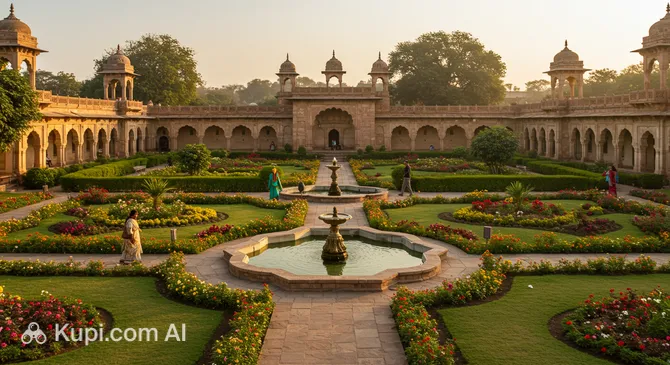
One of the most serene spots in the city is the Italian Garden. Located within the larger Phool Bagh complex, this garden is a beautiful example of European influence on local landscaping. It features stone fountains and neat pathways, making it a perfect place for a leisurely evening stroll. The surrounding greenery provides a cool atmosphere, often attracting locals who come here to relax and escape the city's bustle.

Italian Garden. Source: Kupi.Binoculars

For those interested in royal history, the Jiwajirao Scindia Museum is an essential stop. Housed within the spectacular Jai Vilas Palace, this museum displays an extensive collection of artifacts belonging to the Scindia dynasty. Visitors can marvel at the world's largest pair of chandeliers, historical weaponry, and personal heirlooms of the Maharajas. It offers an intimate glimpse into the lavish lifestyle and administrative history of Gwalior's former rulers.

Jiwajirao Scindia Museum. Source: Kupi.Binoculars

Another significant site that combines history with public space is the Maharani Laxmibai Memorial. Dedicated to the courageous Queen of Jhansi, a key figure in India's 1857 struggle for independence, the memorial features an inspiring statue of the warrior queen on her horse. It is situated in a well-maintained park area, allowing visitors to pay their respects while enjoying the peaceful surroundings.

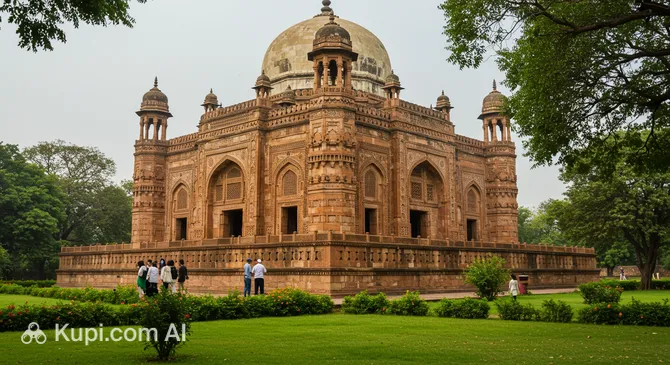
Architecture enthusiasts should not miss the Tomb of Muhammad Ghaus. This 16th-century mausoleum, dedicated to a Sufi saint who was a teacher to the legendary musician Tansen, is a masterpiece of Mughal architecture. The structure is renowned for its intricate stone lattice screens (jalis) and hexagonal towers. Set amidst a garden, it offers a tranquil environment where history and spirituality merge.

Tomb of Muhammad Ghaus. Source: Kupi.Binoculars

For families traveling with children, the Kunal Aquarium offers an engaging diversion with its collection of colorful fish and marine life. While smaller than major metropolitan aquariums, it provides a fun educational experience. Nearby, the city's zoo continues to be a popular spot for viewing wildlife in a historic setting.

Insider Tip: If you visit the Phool Bagh area, take a moment to explore the smaller structures and fountains hidden within the complex. It was originally designed to be a ventilation system for the palace, and understanding this engineering feat adds a fascinating layer to your walk through the gardens.

Getting Around

Public transport in Gwalior is primarily road-based, offering a mix of traditional and modern options. Unlike some larger metropolitan areas, the city does not currently have an operational metro system. Instead, the backbone of local commuting consists of shared auto-rickshaws, locally known as Tempos or "Vikrams." These large, often black-and-yellow vehicles run on fixed routes along major arterial roads and are the most affordable way to travel between key points like the railway station, the fort, and the city center.

For a more private and direct mode of transport, regular auto-rickshaws are ubiquitous. They can be hailed from almost any street corner. While some drivers may agree to use a meter, it is far more common to negotiate the fare before starting your journey. These three-wheelers are ideal for short to medium distances and for navigating the narrow, bustling market streets where larger vehicles might struggle to pass.

The city also operates a local bus service, often referred to as the Gwalior City Bus. These buses connect various neighborhoods and are a budget-friendly option, though they can be crowded during peak hours. Tourists may find them slightly harder to navigate than tempos due to signage often being in the local language, but they are reliable for travel between major landmarks and suburban areas.

Regarding payments, cash is king for most forms of public transport in Gwalior. If you are taking a tempo, bus, or street-hailed auto-rickshaw, you will need to pay the driver or conductor directly. It is highly recommended to carry small denominations (coins and notes of 10, 20, or 50), as drivers often struggle to provide change for large bills. There are no travel passes or smart cards for tourists currently in wide circulation for these local services.

For those who prefer a more comfortable and transparent travel experience, modern ride-hailing apps like Ola and Uber are active in the city. These services offer the convenience of booking a car or an auto-rickshaw through your smartphone, allowing for digital payments and eliminating the need to haggle over prices. They are particularly useful for airport transfers or late-night travel when finding a regular auto might be difficult.

A practical tip for visitors is to be mindful of operating hours. While tempos and autos start running early in the morning, their frequency drops significantly after 9:00 PM or 10:00 PM. If you plan to stay out late, it is safer and more reliable to pre-book a taxi or use a ride-sharing app. Additionally, if you are visiting the hilltop Fort, be aware that the ascent is steep; while autos can go up, some drivers may charge a premium for the climb, so clarify this beforehand.

Accommodation

Where to Stay:

Accommodation in Gwalior caters to a wide spectrum of travelers, ranging from backpackers seeking economical stays to luxury seekers looking for a royal experience. The city's hospitality sector has grown significantly, blending traditional Indian warmth with modern amenities to ensure a comfortable visit.

Most tourists prefer staying in the City Center or Lashkar areas. These neighborhoods are strategically located near major shopping hubs, restaurants, and transport links, making it easy to commute to the Gwalior Fort and other attractions. The area around the railway station also offers numerous budget-friendly lodges and mid-range hotels, which are particularly convenient for transit travelers or those on a tighter schedule.

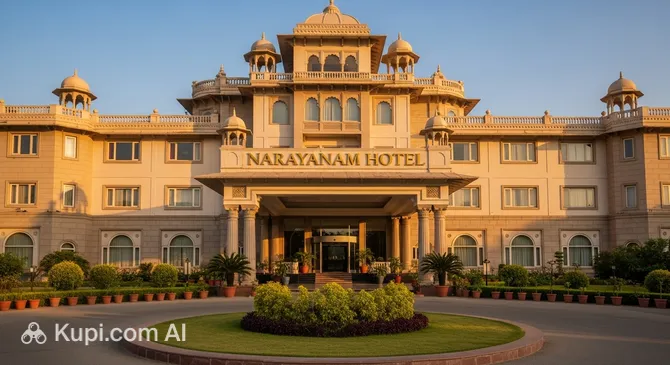
For a truly regal experience, the Usha Kiran Palace is the premier choice. Managed by the Taj Group, this heritage hotel is a converted palace that allows guests to live like royalty, surrounded by lush gardens and historical architecture. It is an ideal spot for those wishing to immerse themselves in the city's princely past.

Usha Kiran Palace. Source: Kupi.Binoculars

If you are looking for a blend of modern comfort and traditional hospitality, the Narayanam Hotel is another excellent option. It provides well-appointed rooms and amenities suitable for both business and leisure travelers, offering a relaxing environment after a day of sightseeing.

Narayanam Hotel. Source: Kupi.Binoculars

Price Range & Booking:

  • Budget: You can find decent guest houses and budget hotels starting from approximately 1,000 to 2,000 INR per night.
  • Mid-Range: Comfortable 3-star hotels typically range between 2,500 to 5,000 INR.
  • Luxury: Heritage properties and 5-star resorts can cost upwards of 10,000 INR per night, especially during the peak season.

Booking Tip: Gwalior is a popular destination for weddings and conferences, particularly during the winter months (October to March). It is highly recommended to book your accommodation at least a few weeks in advance to secure the best rates and availability. Most hotels are listed on major online booking platforms, though contacting heritage properties directly can sometimes yield special package deals.

Nearby Cities

For those looking to explore the surroundings, Gwalior serves as an excellent base for day trips to several interesting nearby locations:

One of the most culturally significant stops is Datia, located roughly an hour away. It is famous for the seven-storied Datia Palace, also known as the Bir Singh Palace, which is a remarkable example of Indo-Islamic architecture built entirely of stone and brick without any wood or iron. The town is also a major pilgrimage site due to the presence of the Pitambara Peeth, a revered temple complex dedicated to Goddess Baglamukhi.

Another compelling destination is Morena, situated to the north of Gwalior. This city acts as a gateway to the Chambal division and is surrounded by archaeological marvels. Nearby, travelers can discover the Bateshwar Hindu temples, a cluster of about 200 sandstone shrines restored by the Archaeological Survey of India, and the Chausath Yogini Temple at Mitawali, which is said to have inspired the design of the Indian Parliament House.

City Population Distance (km)
Morena 200,483 36
Datia 109,236 67
Dabra 74,807 39
Jora 44,235 40
Porsa 43,695 54

These nearby destinations offer a glimpse into the diverse culture and landscapes of the region.

Shopping & Souvenirs

Shopping:

Shopping in Gwalior is a delightful mix of exploring historic bazaars and browsing through modern retail complexes. The city offers a unique retail therapy experience where you can find everything from traditional handicrafts and royal textiles to contemporary fashion brands. Whether you are looking for authentic souvenirs or just want to soak in the bustling atmosphere of local trade, the city's markets provide a colorful glimpse into the lifestyle of Madhya Pradesh.

The most iconic shopping destination in the city is the area around Maharaj Bada, commonly known as Bada Market. This majestic square, surrounded by colonial-era buildings, serves as the central hub for local commerce. Here, you can wander through narrow lanes dedicated to specific goods, such as Sarafa Bazar for jewelry and Patankar Bazar for handicrafts and stone carvings. It is the perfect place to bargain for traditional clothing, bangles, and local artifacts while admiring the stunning architecture that frames the market.

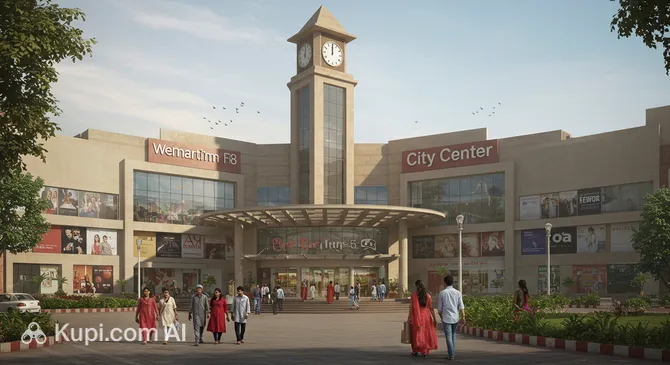
For those who prefer a more conventional and climate-controlled shopping environment, the City Mall is the premier destination. Located in the Lashkar area, this modern complex houses a variety of national and international brands, offering apparel, electronics, and accessories. It also features a multiplex and a food court, making it a popular spot for families to shop and relax away from the heat and dust of the street markets.

City Mall. Source: Kupi.Binoculars

When it comes to souvenirs, Gwalior is famous for its exquisite textiles, particularly Chanderi and Maheshwari sarees. These handwoven fabrics are renowned for their lightweight texture and intricate designs, making them a must-buy for textile enthusiasts. Additionally, the city is well-known for its leather industry; visitors can find high-quality leather shoes, bags, and purses at very reasonable prices. Do not forget to pick up a box of "Gajak," a famous local sweet made of sesame and jaggery, which serves as a delicious edible souvenir.

Most shops and markets in Gwalior typically open around 11:00 AM and close by 9:00 PM or 10:00 PM. While malls and upscale showrooms accept credit and debit cards, cash is still the preferred mode of payment in the traditional bazaars like Bada Market. ATMs are plentiful, so withdrawing cash is convenient. Regarding taxes, the displayed price usually includes the Goods and Services Tax (GST), and there is generally no specialized tax-free refund scheme available for international tourists on standard retail purchases in India.

Reached the end of the page?

That means the route is fully explored