Support

Khajuraho

About

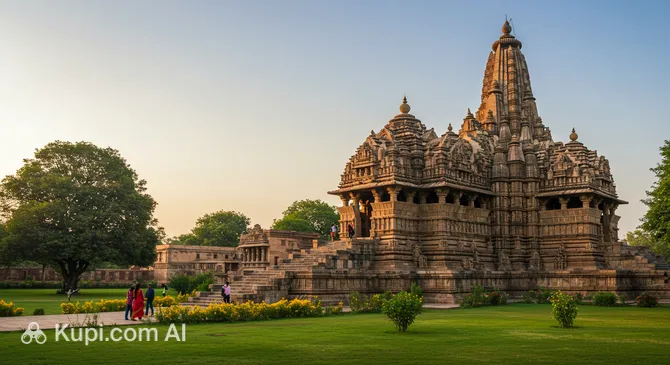
Khajuraho is a mesmerizing destination located in the Chhatarpur district of Madhya Pradesh, India. Renowned globally for its magnificent group of temples, this small town offers a profound glimpse into medieval Indian architecture and culture. Despite its modest population of approximately 24,000 residents, the town holds a colossal status on the world tourism map, celebrated as a UNESCO World Heritage Site.
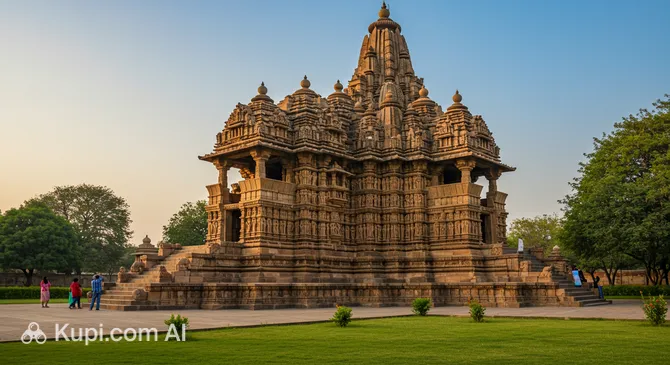
Khajuraho. Source: Kupi.Binoculars

The fascinating history of Khajuraho is deeply intertwined with the Chandela dynasty, which reached its zenith between 950 and 1050 AD. It was during this period that the stunning temples were constructed, showcasing the intricate nagara style of architecture. The site is famous not only for its religious significance but also for the exquisite craftsmanship of its sculptures, which depict various aspects of life, including the renowned erotic carvings that symbolize the balance between the spiritual and the physical.

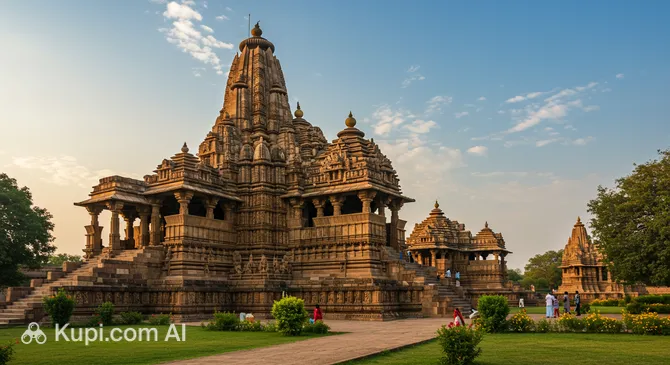
Visitors are captivated by the Western Group of Temples, home to the majestic Kandariya Mahadeva Temple, which is the largest and most ornate of the surviving structures. Beyond the stone marvels, the town offers a serene atmosphere and hosts the vibrant Khajuraho Dance Festival, where classical dance forms are performed against the spectacular backdrop of the illuminated temples.

Whether you are an art enthusiast, a history buff, or a traveler seeking unique cultural experiences, Khajuraho promises a journey that is both educational and visually spectacular. We invite you to walk through these ancient corridors and witness the timeless beauty of human creativity.
Weather Overview

The climate in Khajuraho varies significantly throughout the year, offering distinct experiences depending on when you visit. The town generally experiences a tropical climate characterized by hot summers, a humid monsoon season, and cool, dry winters.

During the winter months of December and January, the weather is quite pleasant for exploring the temples. Average temperatures hover around 16°C to 17°C, with nighttime lows occasionally dropping to approximately 10°C. This period is very dry, with almost no precipitation, making it an ideal time for outdoor activities. As spring approaches in February and March, temperatures begin to rise comfortably, reaching daily maximums of around 33°C by March.

The summer season, spanning from April to June, brings intense heat. May is typically the hottest month, with average temperatures reaching 33.7°C and highs frequently exceeding 40°C. Travelers planning a trip during this time should be prepared for the scorching sun. Following the heat, the monsoon arrives in late June. July and August are the wettest months, seeing about 25 wet days each, which brings relief from the high temperatures but increases humidity.

For those looking to plan their trip around specific conditions, checking the detailed weather in Khajuraho is highly recommended. Overall, expect scorching hot summers, a humid monsoon season with significant rainfall, and cool, dry winters perfect for sightseeing.

Interesting Facts

Beyond the main attractions, Khajuraho holds many fascinating secrets that reveal the depth of its history and the ingenuity of its creators.

  • Although the site is globally famous for its erotic sculptures, these actually make up only about 10% of the total artwork. The vast majority of the carvings on the Khajuraho Temples depict the daily life of common people, musicians, farmers, and various deities, offering a holistic view of medieval society.

  • These architectural wonders were assembled without using a single drop of mortar. The massive sandstone blocks were held together using precise mortise-and-tenon joints and gravity, a testament to the advanced engineering skills of the Chandela dynasty.

  • The temple complex was lost to the world for centuries, hidden beneath a thick cover of date palm trees and dense forest which protected it from invaders. It was only "rediscovered" in 1838 by a British engineer, T.S. Burt, who was guided to the remote location by locals.

  • While the majestic Kandariya Mahadev Temple and most others are crafted from sandstone, the Chausath Yogini Temple stands out as the oldest surviving shrine in the group and is uniquely constructed entirely of granite.

  • Originally, the complex boasted 85 magnificent temples spread across 20 square kilometers. Today, only about 25 have survived the ravages of time and nature, yet they remain one of the finest examples of Indian architectural brilliance.

Khajuraho Western Group of Temples. Source: Kupi.Binoculars

How to Get There

Reaching this historic destination is convenient due to its well-established transport network. Whether you prefer a quick flight or a scenic overland journey, you can find more about how to get to Khajuraho and plan your arrival with ease.

The most effortless way to arrive is by flying directly into Khajuraho Airport (HJR). Located just 1.6 km from the city center, this facility makes the final leg of your journey incredibly short; a taxi ride to the main hotel and temple area typically takes about 20 to 25 minutes. Although it is a smaller airport with modest passenger traffic, it provides essential connectivity to major tourist hubs like Delhi and Varanasi.

If direct flights are unavailable, a viable alternative is the Chaudhary Charan Singh International Airport (LKO), situated in the city of Lucknow. Note that this airport is approximately 235 km away from Khajuraho. While it handles a large volume of passengers and offers extensive international and domestic connections, the transfer by taxi or bus from Lucknow to Khajuraho is significant, taking roughly 6 hours. Another regional option is Jabalpur Airport (JLR) in Jabalpur, which is about 184 km away and serves as a gateway for travelers exploring Madhya Pradesh.

For clarity, here is a summary of the main airports:

Airport Name City Passenger Traffic Km from City
Chaudhary Charan Singh International Airport Lucknow Large 234.8
Bamrauli Airport Prayagraj Medium 194.9
Jabalpur Airport Jabalpur Medium 183.7
Kanpur Airport Kanpur Small 181.0
Khajuraho Airport Khajuraho Small 1.6

Besides air travel, Khajuraho is well-connected by a railway network, with its own station linking it to key cities such as New Delhi. Travelers can also opt for trains to major nearby junctions like Jhansi or Satna, which are well-served by express trains from across India. From these stations, regular bus services and taxis are available to transport you comfortably to the town of the temples.

Main Attractions

While the town is famous for its unified complex of monuments, exploring the individual sites reveals the distinct character and artistic brilliance of each structure. Beyond the well-trodden paths of the main western group, visitors can discover serene shrines and cultural centers that offer a deeper understanding of the region's heritage.

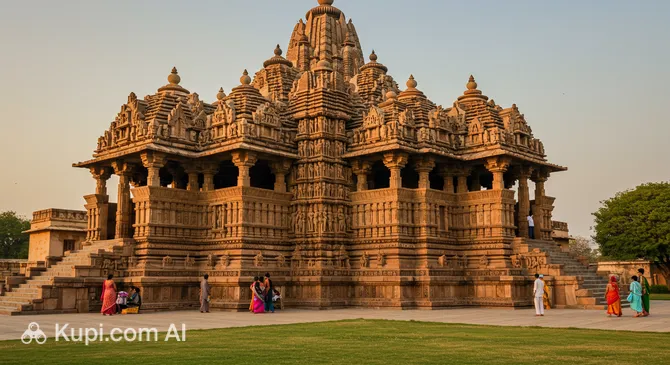
One of the captivating sites in the Southern Group is the Dulhadev Temple. Dedicated to Lord Shiva in the form of the "Holy Bridegroom," this temple is believed to be the last one built during the Chandela period, around 1130 AD. It stands out for its stunning apsara (celestial nymph) sculptures and intricate carvings that adorn the walls. The temple's serene location, slightly away from the bustling main complex, allows for a peaceful contemplation of its architectural grandeur.

Dulhadev Temple. Source: Kupi.Binoculars

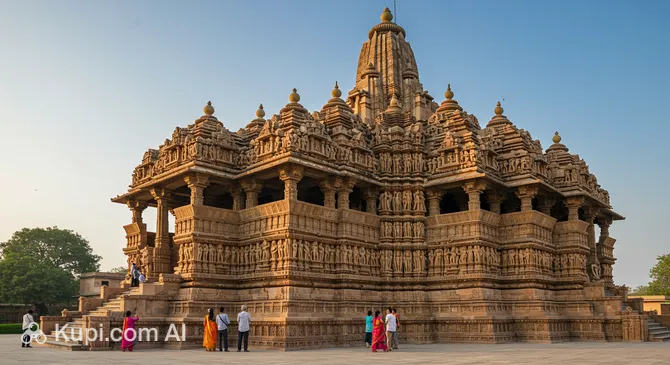
Nearby lies the remarkable Chaturbhuj Temple, which is unique among Khajuraho's monuments for a significant reason: it is the only temple in the complex that lacks erotic sculptures. Dedicated to Lord Vishnu, the sanctum houses a magnificent 2.7-meter tall idol of the deity with four arms ("Chaturbhuj"). Facing west, this temple is an ideal spot to visit in the late afternoon, as the setting sun illuminates the intricate stone carvings with a golden glow.

Chaturbhuj Temple. Source: Kupi.Binoculars

For those interested in the Jain heritage of the region, the Parshwanath Digambar Jain Temple is a must-visit within the Eastern Group. As the largest and perhaps the most artistically refined of the Jain temples here, it was constructed in the mid-10th century. The outer walls are embellished with exceptional sculptures depicting everyday life and divine themes. A fascinating feature for history buffs is the ancient "magic square" inscription found here, a mathematical wonder where the sum of numbers in every row, column, and diagonal is the same.

Parshwanath Digambar Jain Temple. Source: Kupi.Binoculars

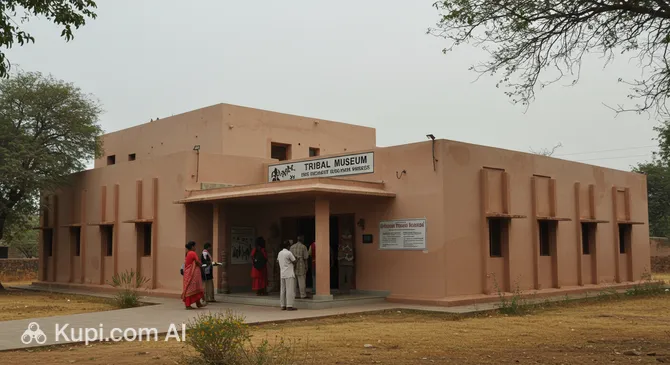
To gain a broader perspective on the region's living culture, a visit to the Aadivart Tribal Museum is highly recommended. Located within the cultural village complex, this museum showcases the vibrant traditions, art, and lifestyle of the major tribes of Madhya Pradesh. It offers a colorful contrast to the ancient stone monuments, featuring tribal paintings, masks, and artifacts that celebrate the indigenous heritage of central India.

Aadivart Tribal Museum. Source: Kupi.Binoculars

Local Cuisine

Exploring the culinary landscape of Khajuraho is as delightful as visiting its monuments, offering a taste of authentic Bundelkhandi cuisine alongside standard North Indian fare. The region is famous for its rich and rustic flavors, often prepared with generous amounts of ghee and spices. A signature dish you must try is Dal Bafla, a regional variation of the Rajasthani Dal Baati. These are savory wheat balls that are boiled and then baked before being dunked in ghee and served with a spicy lentil curry, creating a hearty and satisfying meal.

For breakfast or a quick snack, the local street food scene is vibrant and inviting. Mornings in Madhya Pradesh typically begin with Poha, a light dish made from flattened rice, onions, and mild spices, often garnished with crunchy sev and fresh coriander. Sweet lovers should not miss the hot, spiraled Jalebis, which are deep-fried and soaked in sugar syrup. Other popular street treats include crispy Samosas and Aloo Tikki, which are perfect for refueling after a morning of sightseeing.

To quench your thirst, especially during the warmer months, locals turn to refreshing beverages like Lassi, a thick, sweet yogurt drink often served in clay cups. Masala Chai is a staple found on every corner, providing a spicy caffeine kick. For a unique cultural experience, you might encounter Mahua, a traditional local liquor brewed from the flowers of the Mahua tree. This drink holds significant cultural importance for the tribal communities in the surrounding forests and offers a distinct taste of the local heritage.

The dining atmosphere in the city ranges from casual rooftop cafes overlooking the temple spires to elegant restaurants in high-end resorts. Many tourists enjoy the open-air eateries near the main temple complex, where they can enjoy a view of the illuminated monuments at dinner. For those seeking a more refined gastronomic experience, Hotel Chandela offers a diverse menu featuring both traditional Indian delicacies and international dishes in a comfortable setting.

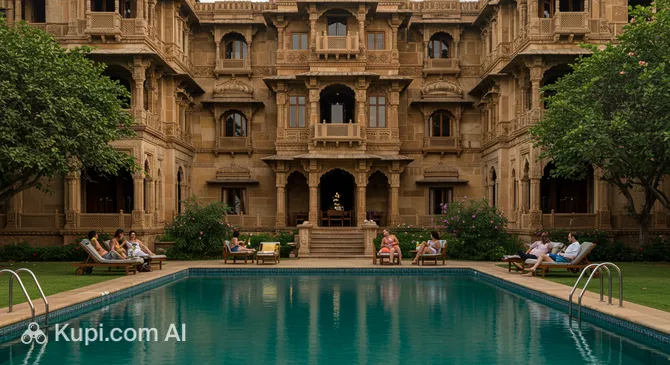
Hotel Chandela. Source: Kupi.Binoculars

Travel Tips

Visiting Khajuraho is a journey into the heart of India's architectural heritage, but a little preparation goes a long way in ensuring a comfortable trip. To help you navigate this historic town with ease, we have compiled a list of essential travel tips designed for the modern explorer.

  1. Clothing and Gear: Since you will be spending a lot of time outdoors exploring temple complexes, comfortable walking shoes are a must. However, remember that you must remove your footwear before entering the inner sanctums of the temples, so slip-on shoes or sandals are very practical. In terms of attire, dress modestly to respect the cultural and religious sanctity of the sites; cover your shoulders and knees. If you are visiting in summer, loose cotton clothes and a wide-brimmed hat are essential, while light woolens are necessary for the cool mornings and evenings of winter.

  2. Transportation: Khajuraho is a relatively small town, making it perfect for slow travel. The best way to explore the Eastern and Southern groups of temples is by renting a bicycle, which allows you to enjoy the scenic rural landscape at your own pace. For the main Western Group, walking is feasible if you are staying nearby. Auto-rickshaws and cycle-rickshaws are readily available for short distances; always agree on the fare before starting your journey.

  3. Finances: The local currency is the Indian Rupee (INR). While major hotels and upscale restaurants accept credit cards, cash is king for small souvenir shops, local eateries, and rickshaw rides. ATMs are available near the main market square and the Western Group of temples, but it is wise to carry enough cash for daily expenses. Tipping is customary in tourism; a small tip for guides, drivers, and waitstaff is appreciated.

  4. Health and Safety: Khajuraho is generally a safe destination for tourists. However, it is advisable to stick to bottled or filtered water to avoid stomach issues. Pharmacies are located in the main town area near the bus stand if you need basic medicines. As with any tourist hub, keep an eye on your belongings in crowded areas, although violent crime is rare.

  5. Communication: Hindi is the primary language spoken by the locals. However, due to the town's long-standing status as a major tourist destination, English is widely understood and spoken by guides, hotel staff, and shopkeepers. Learning a few basic Hindi phrases like "Namaste" (Hello/Greetings) and "Dhanyavaad" (Thank you) will go a long way in building rapport with the friendly locals.

  6. Local Etiquette: When visiting the temples, maintain a respectful demeanor. Even though the sculptures are famous for their erotic themes, these are active religious and historical sites. Always ask for permission before taking photographs of local residents, especially women. Public displays of affection are generally frowned upon in smaller Indian towns and should be avoided.

  7. What to Avoid: Do not touch the ancient sculptures or climb on the temple structures. The oils from human skin can damage the intricate sandstone carvings that have survived for centuries. Additionally, avoid engaging with unauthorized guides or aggressive hawkers; a polite but firm refusal is usually effective.

  8. Golden Hour Tip: To experience the temples at their most magical, plan your visit to the Western Group of Temples right at sunrise. The soft morning light turns the sandstone into a glowing shade of gold, offering the best conditions for photography, and the complex is much quieter before the tour groups arrive.

By keeping these practical tips in mind, you can focus entirely on the breathtaking beauty and history that Khajuraho has to offer. We hope your adventure in this land of architectural marvels is as smooth as it is memorable!

Entertainment & Nightlife

Entertainment in Khajuraho is quite distinct from the bustling nightlife found in India's metropolitan cities. Instead of loud nightclubs and neon-lit discos, the evenings here are defined by cultural immersion, tranquil dining, and historical storytelling. The town winds down relatively early, and the nightlife scene primarily revolves around the luxury hotels and the area immediately surrounding the main temple complex.

The absolute highlight of an evening in Khajuraho is the spectacular Sound and Light Show held at the Khajuraho Western Group of Temples. Taking place daily after sunset, this show bathes the ancient sculptures in colorful lights while a narrator weaves the fascinating history of the Chandela kings and the construction of these masterpieces. It is an atmospheric experience that brings the stone monuments to life under the starry sky. There are usually two shows, one in English and one in Hindi, so it is best to check the current timings upon arrival.

Khajuraho Western Group of Temples. Source: Kupi.Binoculars

For those seeking a place to relax with a drink or enjoy a fine dinner, the best options are found within the town's high-end resorts. Khajuraho does not have independent bars or pubs; instead, alcohol is served in the licensed bars and restaurants of major hotels. Hotel Chandela is a popular venue where visitors can unwind in a sophisticated setting, enjoying a range of spirits and cocktails after a long day of walking. The atmosphere in these venues is laid-back and elegant, often accompanied by soft live music or traditional folk performances organized for guests.

Another excellent spot for an evening meal is the Jhankar Resort, Khajuraho. Located conveniently for tourists, it offers a serene environment to enjoy local and international cuisine. The nightlife district, if one can call it that, is essentially the Main Temple Road and the Sevagram area. Here, you will find small cafes and rooftop restaurants that stay open until around 10:00 PM or 11:00 PM, offering views of the illuminated temple spires. These spots are perfect for travelers who prefer a casual vibe, sipping tea or coffee while chatting with fellow explorers.

Jhankar Resort, Khajuraho. Source: Kupi.Binoculars

Practical advice for enjoying nights in Khajuraho centers on timing and transport. Since most independent shops and smaller eateries close by 10:00 PM, it is wise to start your evening early. The dress code is generally casual, though "smart casual" is appropriate for hotel bars. In terms of safety, the main tourist areas are quite safe for evening strolls, but the streets can get dark and empty quickly. It is recommended to use pre-arranged taxis or auto-rickshaws from your hotel if you are moving between the town center and outlying resorts late at night.

While the nights are reserved for culture and relaxation, daytime entertainment in Khajuraho offers its own charm beyond the temples. Visitors can explore the Archaeological Museum Khajuraho to see exquisite sculptures and artifacts preserved from the site. Nature lovers can also take day trips to nearby sanctuaries, making the town a well-rounded destination for both history buffs and leisure travelers.

Parks & Museums

While Khajuraho is primarily celebrated for its architectural marvels, the town and its surroundings offer serene green spaces and curated collections that preserve the region's rich heritage. Beyond the stone corridors of the temples, visitors can find tranquility in lush gardens and explore museums that safeguard the artistic legacy of the Chandela dynasty.

The most accessible green space in the city is the beautifully manicured lawns surrounding the Khajuraho Temples. Maintained by the Archaeological Survey of India, these gardens provide a vibrant green contrast to the warm sandstone of the monuments. It is a perfect spot for a leisurely walk, allowing tourists to admire the temples from a distance while enjoying the peaceful atmosphere. For a more rugged natural experience, a short excursion to Raneh Falls is highly recommended. Located about 20 kilometers from the town, this natural canyon on the Ken River is famous for its crystalline granite formations in varying shades of pink, red, and grey, often referred to as the "Grand Canyon of India."

Wildlife enthusiasts should not miss the opportunity to visit Panna National Park, situated approximately 25 kilometers away. This tiger reserve is a significant natural area where the dense forests and the meandering Ken River create a habitat for tigers, leopards, and over 200 species of birds. It serves as an excellent day-trip option for those looking to combine history with nature.

For history buffs, the Archaeological Museum Khajuraho is an essential stop. Located near the Western Group of Temples, this museum houses a remarkable collection of sculptures and architectural fragments that were recovered from the ruined temples of the complex. The exhibits include exquisite statues of Brahmanical, Jain, and Buddhist deities, offering a closer look at the intricate detailing that defines the Chandela art style. A highlight of the collection is the colossal statue of a seated Buddha and the beautifully carved panels depicting social life in medieval India.

Archaeological Museum Khajuraho. Source: Kupi.Binoculars

Another significant cultural repository is the Sahu Shantiprasad Jain Art Museum, located near the Eastern Group of Temples. This museum is dedicated to the Jain heritage of Khajuraho and features a circular gallery displaying ancient statues of the Tirthankaras (spiritual teachers). It provides valuable context to the Jain temples in the area, showcasing the peaceful and ascetic traditions that coexisted with the grandeur of the Chandela court.

Insider Tip: If you visit Raneh Falls, try to go during or just after the monsoon season (August to October). The water levels are high, creating a thunderous and spectacular waterfall that is far more impressive than in the dry summer months.

Getting Around

Due to its compact size and modest population, Khajuraho does not possess a complex public transport infrastructure like a metro, tram, or city bus network. Instead, the local transport system is informal, personalized, and perfectly suited to the town's relaxed pace. The most common and convenient way to navigate the streets is by using auto-rickshaws (motorized three-wheelers) and cycle-rickshaws. These vehicles are omnipresent and serve as the primary means of transit for both locals and tourists moving between the hotel districts, the market, and the various temple groups.

The payment system for local transport is straightforward and traditional: cash is the standard method. There are no travel passes, smart cards, or validated tickets for getting around the city. Fares for rickshaws are generally not fixed and meters are rarely used, so the standard practice is to negotiate the price with the driver before stepping into the vehicle. While some drivers may accept digital payments via popular national apps, it is highly reliable to carry smaller denominations of physical currency to pay for these short rides.

For a smooth experience, tourists are advised to inquire about the approximate "going rate" for different destinations at their hotel reception before heading out. This knowledge helps in negotiating a fair price. Once you hail a rickshaw, clearly state your destination and agree on the final fare to prevent any misunderstandings upon arrival. Transport services are readily available throughout the day, starting early for sunrise visits. However, availability decreases significantly after 10:00 PM, so if you plan to stay out late, it is wise to arrange a scheduled pick-up with a driver or ask your restaurant to call a taxi.

A highly popular and recommended alternative to motorized transport is bicycle rental. The terrain in Khajuraho is largely flat, and the traffic is relatively light compared to major urban centers, making cycling a delightful and efficient way to explore the Eastern and Southern groups of temples at your own leisure. Numerous rental shops are located near the main market square and the Western Group complex. For longer distances, such as transfers to the airport or day trips to nearby nature reserves, standard taxis are available and are best booked through travel agencies or your accommodation.

While the city lacks a historic metro or cable car, the experience of riding a cycle-rickshaw offers a unique, nostalgic charm that complements the historic atmosphere of the site. It provides a slow-paced, eco-friendly way to soak in the views of the rural landscape and village life that surround the magnificent monuments, offering a perspective that faster, enclosed vehicles simply cannot provide.

Accommodation

Khajuraho offers a welcoming array of accommodation options that cater to diverse preferences and budgets, ranging from opulent luxury resorts to comfortable, family-run guesthouses. Due to the town's compact size, most hotels are conveniently located within a short distance of the airport or the main temple complexes, ensuring that visitors spend less time commuting and more time exploring the architectural marvels.

For travelers seeking a refined experience with top-tier amenities, the town boasts several high-end properties. A notable mention is Hotel Chandela, which combines modern luxury with traditional hospitality. Set amidst landscaped gardens, it offers facilities such as an outdoor swimming pool and a fitness center, making it a perfect retreat for relaxation after a day of walking through the historic sites.

Those looking for reliable and spacious accommodation often prefer the government-run establishments. The Jhankar Resort is a popular choice managed by Madhya Pradesh Tourism. Known for its airy rooms and strategic location, it provides a peaceful environment and easy access to the local attractions, making it a favorite among families and groups.

Budget-conscious travelers and backpackers will find a hub of activity around the Sevagram area and the streets opposite the Western Group of Temples. This neighborhood is dotted with numerous small hotels and homestays that offer clean, basic amenities at affordable rates. Staying here allows for an authentic connection with the local culture, with many rooftop cafes offering splendid views of the temple spires at sunset.

Travel Tip: Khajuraho is a year-round destination, but accommodation prices can fluctuate significantly. The winter months, especially February during the Khajuraho Dance Festival, are the peak season, so booking well in advance is essential. Conversely, visiting during the summer or monsoon season can offer the advantage of lower rates and a quieter atmosphere.

Nearby Cities

For those looking to explore the surroundings, Khajuraho serves as an excellent base for day trips to several interesting nearby locations:

City Population Distance (km)
Chhatarpur 143,982 35
Panna 68,715 29
Bamaur 33,299 61
Maharajpur 28,366 28
Charkhari 27,760 65

One of the most popular destinations for a short excursion is Panna. Located just a brief drive away, this historic town is globally renowned for its diamond mines, the only active ones in Asia. Beyond its industrial fame, Panna is steeped in religious history, featuring beautiful temples such as the Baldeoji Temple, which is inspired by Roman architecture. Of course, it also serves as the gateway to the famous Panna National Park, offering a mix of wildlife and heritage.

Another significant stop is Chhatarpur, the district headquarters founded in 1707 by the Bundela Rajput leader, Maharaja Chhatrasal. It is an excellent place to understand the broader history of the Bundelkhand region. Visitors often combine a trip here with a visit to the nearby Dhubela Museum, which is housed in an old fort and displays a rich collection of artifacts, weaponry, and paintings from the Bundela era.

For those seeking scenic beauty, Charkhari is a hidden gem often referred to as the "Kashmir of Bundelkhand." This small town is dotted with several man-made lakes formed during the Chandela period, offering picturesque views and a serene atmosphere. The historic Mangalgarh Fort situated here adds to the charm, making it a delightful spot for photographers and nature lovers.

These nearby destinations offer a glimpse into the diverse culture and landscapes of the region.

Shopping & Souvenirs

Shopping in Khajuraho is a delightful experience that focuses less on high-end fashion and more on preserving the rich artistic heritage of the region. The town is not a sprawling commercial hub, but rather a treasure trove for lovers of handicrafts and traditional Indian art. Visitors will find that the shopping scene is intimate and relaxed, allowing for friendly interactions with local artisans who are eager to explain the history behind their creations.

The primary shopping district is centered around the Gole Market, which is conveniently located opposite the Khajuraho Western Group of Temples. This area is bustling with small shops and stalls selling everything from daily necessities to exquisite curios. Another popular area for tourists is the Jain Temple Road, where you can find a cluster of emporiums and smaller boutiques offering a variety of local goods. These streets are perfect for an evening stroll after sightseeing, as the shops are lit up and the atmosphere is lively.

Travelers looking for large, modern shopping malls will not find them here, as Khajuraho retains its small-town charm. However, for a reliable and fixed-price shopping experience, the Mrignayani Emporium is highly recommended. Run by the Madhya Pradesh government, this store is the best place to purchase authentic handicrafts without the hassle of bargaining. It ensures quality and supports the livelihood of local craftsmen.

While there are no massive flea markets, the weekly Haat (market) held on Tuesdays in the nearby town of Rajinagar (about 5 km away) offers a fascinating glimpse into rural life. Here, farmers and local traders gather to sell fresh produce, spices, and pottery. Within Khajuraho itself, the rows of open-air stalls near the temple complex function as a permanent market for tourists, offering a colorful array of wares.

When it comes to souvenirs, Khajuraho is most famous for its stone and brass sculptures. Talented local artisans create intricate replicas of the famous temple carvings, including figures of deities, animals, and the renowned erotic sculptures. These make for unique, albeit heavy, keepsakes. Additionally, the region is known for its textile heritage; look for Chanderi and Maheshwari saris or fabrics, which are celebrated for their light texture and glossy finish. Miniature paintings and tribal jewelry are also popular items to bring back home.

Most shops in Khajuraho typically open around 10:00 AM and remain open until 9:00 PM or even later during the peak tourist season. In terms of payment, cash is the preferred method, especially at smaller stalls and local markets. While larger emporiums, hotels, and some established souvenir shops accept credit and debit cards, it is always wise to carry sufficient Indian Rupees (INR) for smaller purchases and bargaining.

Tourists should be aware that tax-free shopping or VAT refunds are generally not available in the small shops of Khajuraho. The price you pay usually includes all applicable taxes. Bargaining is a common practice in private shops and street stalls, so feel free to negotiate politely to get a fair price.

Reached the end of the page?

That means the route is fully explored