Support

Prayagraj

About

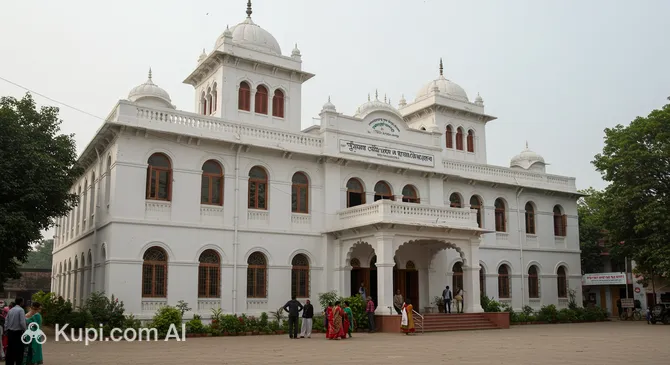
Prayagraj, historically known as Allahabad, is one of the most ancient and spiritually significant cities in the world. Renowned for its vibrant culture, deep-rooted traditions, and administrative importance, it serves as a major hub in the state of Uttar Pradesh. The city offers a unique atmosphere where mythology meets modernity, drawing millions of pilgrims and travelers who seek both spiritual enlightenment and a glimpse into the rich heritage of the region.

Geographically, the city is situated in the northern part of India, playing a vital role in the country's cultural landscape. It is famous for being the meeting point of three rivers, a location that defines much of its identity. With a population of nearly 6 million people, Prayagraj is a bustling metropolis that experiences a humid subtropical climate, characterized by hot summers and cool, pleasant winters, making the cooler months the ideal time for exploration.
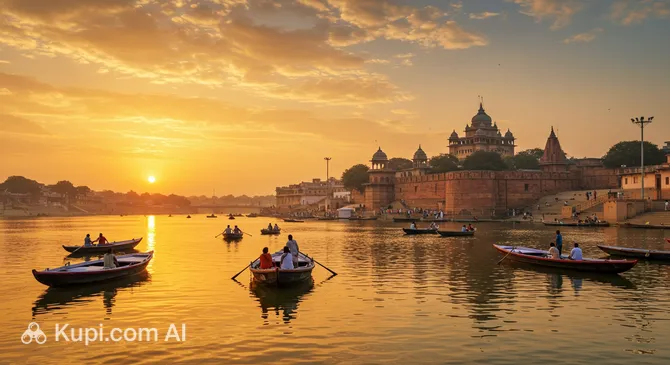
Prayagraj. Source: Kupi.Binoculars

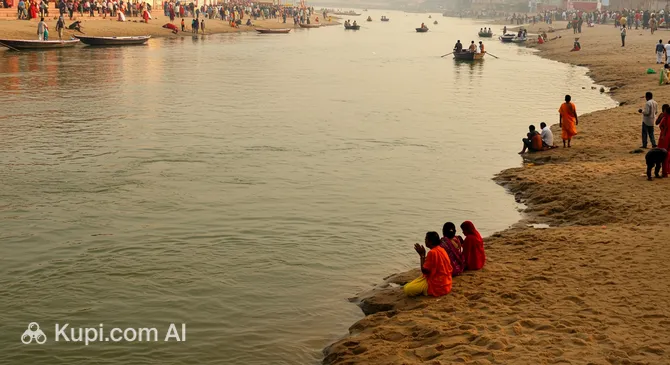
The history of Prayagraj is illustrious and complex, dating back to the Vedic period and evolving through the Mughal and British eras. It has been a center of learning and politics for centuries. Today, visitors can witness this layered past through its architecture and institutions. The city is perhaps best known for the Triveni Sangam, the sacred confluence of the Ganges, Yamuna, and the mythical Saraswati rivers. This site is not only a visual spectacle but the focal point for the Kumbh Mela, the largest religious gathering on Earth.

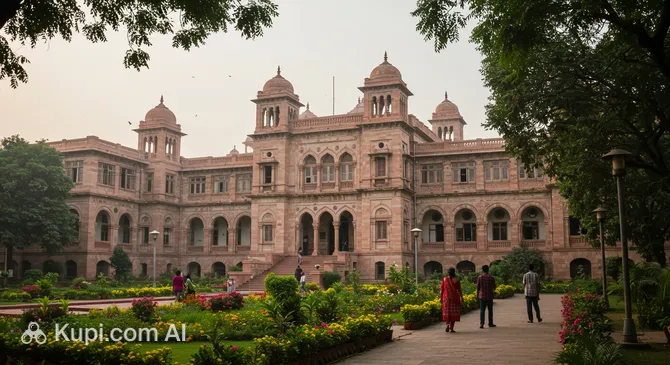
Beyond the riverbanks, the city boasts impressive landmarks such as the majestic Allahabad Fort, built by Emperor Akbar, and Anand Bhavan, the ancestral home of the Nehru-Gandhi family, which now serves as a museum. Whether you are drawn by the call of the sacred rivers or the stories held within its colonial buildings, Prayagraj invites you to experience a journey that touches both the soul and the intellect.
Weather Overview

Understanding the weather in Prayagraj is essential for planning a comfortable visit, as the city experiences distinct seasonal changes. The climate is generally characterized by very hot summers, a humid monsoon season, and pleasant, cool winters. Travelers should be prepared for high temperatures from April through June, where average highs often approach 39°C, making midday sightseeing quite warm.

The monsoon arrives in July and continues through September, bringing frequent rainfall; July and August are particularly wet, with rain occurring on up to 26 days of the month. In contrast, the winter months of December and January offer a respite with cooler, drier conditions. During this time, average temperatures drop to around 15°C to 17°C, with nights occasionally dipping near 9°C, providing the most agreeable climate for exploring the city's outdoor attractions.

Interesting Facts

Beyond the famous pilgrimage sites, Prayagraj holds many fascinating secrets that reveal its deep historical and scientific significance. From being the starting point of Indian aviation to serving as the country's official timekeeper, the city is full of unique distinctions.

Anand Bhawan Museum. Source: Kupi.Binoculars
  • Prayagraj is often celebrated as the "City of Prime Ministers" because seven of India's Prime Ministers have had close connections to the city, either by birth or constituency. The iconic Anand Bhawan Museum, which was the ancestral home of the Nehru-Gandhi family, stands as a silent witness to the political movements that shaped the nation's destiny.

  • History was made here in 1911 when the city hosted the world's first official airmail flight. A French pilot flew a short distance from the main city to Naini, carrying over 6,000 letters across the Yamuna river, an event that marked the humble beginning of the aviation era in India.

  • The city plays a crucial role in how time is kept across the entire nation. The 82.5° East longitude, which determines the Indian Standard Time (IST), passes specifically through the Naini area of Prayagraj, making it the reference point for clocks all over the country.

  • Deep within the walls of the Allahabad Fort grows the legendary Akshayavat, or the "Indestructible Banyan Tree." Mythology claims this tree will survive even the end of the world, and pilgrims flock to the Akshayavat Temple to pay homage to this ancient symbol of eternity.

How to Get There

Reaching this historic city is convenient due to its strategic location and good connectivity. Whether you are traveling from within India or arriving from abroad, there are multiple options available. You can find more about how to get to Prayagraj and plan the best route for your journey.

The city is served by its own domestic air hub, Bamrauli Airport (IXD), which is located just 12.5 km from the city center. A taxi or bus ride from here typically takes around 40 minutes. For international travelers, the closest major gateway is the Lal Bahadur Shastri International Airport (VNS) in Varanasi, situated approximately 101 km away. The journey from Varanasi to Prayagraj by road takes about 3 hours. Another significant option is the Chaudhary Charan Singh International Airport (LKO) in Lucknow, which is about 172 km away and handles a large volume of passenger traffic; reaching Prayagraj from there usually takes around 4.5 to 5 hours by road.

For clarity, here is a summary of the main airports:

Airport Name City Passenger Traffic Km from City
Chaudhary Charan Singh International Airport Lucknow High 172.7
Lal Bahadur Shastri International Airport Varanasi High 101.1
Ayodhya Airport Ayodhya Medium 145.3
Bamrauli Airport Prayagraj Medium 12.5
Kanpur Airport Kanpur Small 178.0

Besides air travel, Prayagraj is a major railway hub in North India, with excellent train connectivity to virtually all major cities across the country. The road network is also well-developed, with national highways connecting it to nearby metropolises, making bus or car travel a viable and scenic option for many tourists.

Main Attractions

Prayagraj is a city where history, spirituality, and culture converge, offering visitors a diverse array of landmarks to explore. From sacred river confluences to Mughal-era tombs and colonial parks, the city's attractions tell the story of India's evolution through the ages. Whether you are a pilgrim, a history buff, or a nature lover, there are several key sites that define the essence of this ancient metropolis.

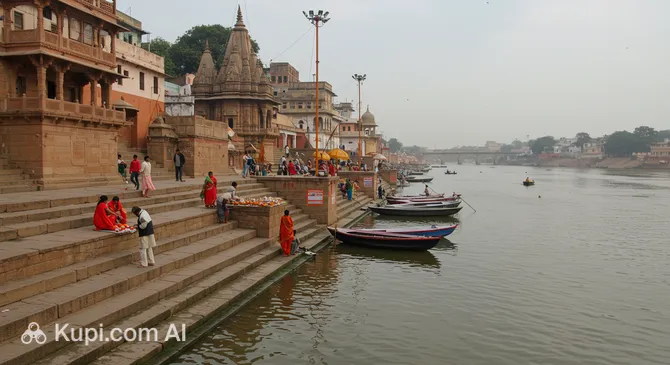
Undoubtedly the most significant spiritual site in the city is the Triveni Sangam. This is the holy confluence where the Ganges, Yamuna, and the invisible Saraswati rivers meet. It is a place of immense religious importance, drawing millions of devotees who come to take a holy dip, believing it washes away sins and frees the soul from the cycle of rebirth. The site becomes the epicenter of the world during the Kumbh Mela, but even on ordinary days, taking a boat ride to the point where the murky waters of the Ganges merge with the greenish Yamuna is a serene and mystical experience.

Triveni Sangam (Prayagraj). Source: Kupi.Binoculars

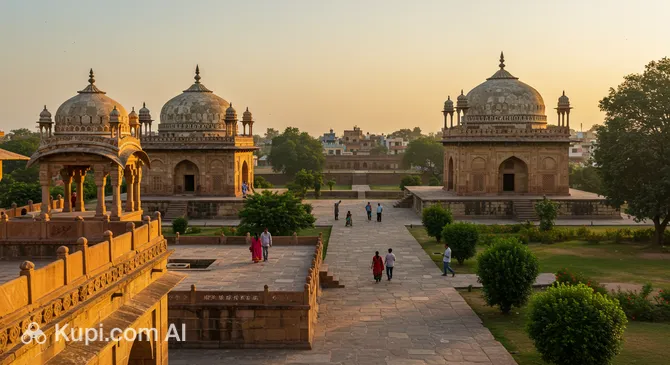
For those interested in Mughal architecture and history, Khusro Bagh is an unmissable gem. This large walled garden houses the magnificent sandstone tombs of Prince Khusro (the eldest son of Emperor Jahangir), his mother, and his sister. The mausoleums are celebrated for their exquisite stone carvings, intricate calligraphy, and imposing domes. The surrounding garden, filled with guava and mango trees, offers a peaceful retreat from the city's hustle, making it a perfect spot for a quiet afternoon walk amidst history.

Khusro Bagh. Source: Kupi.Binoculars

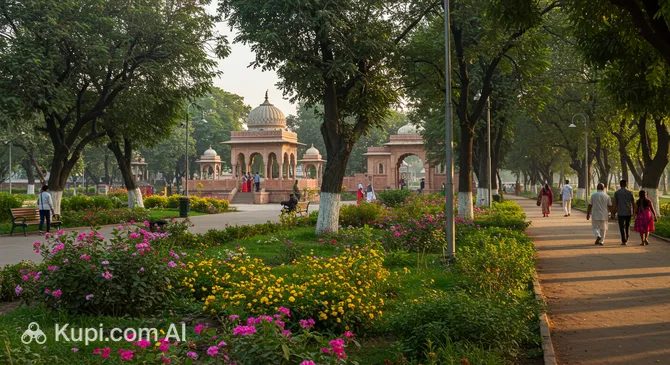
Another landmark deeply rooted in India's freedom struggle is Chandrashekhar Azad Park, formerly known as Alfred Park. It is the largest park in the city and holds a special place in the hearts of locals. It was here that the revolutionary freedom fighter Chandrashekhar Azad breathed his last while fighting British forces. Today, the park is a lush green space featuring a memorial to Azad, the Victoria Memorial, and the Prayag Sangeet Samiti, serving as a recreational hub for joggers and families alike.

Located within the same park complex is the renowned Allahabad Museum. This national-level museum is a treasure trove for art and history enthusiasts. It boasts a rich collection of stone sculptures, miniature paintings from Rajasthan, and terracotta artifacts. One of its most poignant exhibits is the "Gandhi Smriti Vahan," the Chevrolet truck that carried the ashes of Mahatma Gandhi for immersion at the Sangam. The museum provides a comprehensive look into the archaeological and political heritage of the region.

Finally, for a glimpse into the local religious fervor, a visit to the Shri Nagvasuki Temple offers a unique perspective. Dedicated to the serpent king Vasuki, this temple is situated on the banks of the Ganges and is particularly crowded during the Nag Panchami festival. The temple's architecture and the devotion of the pilgrims provide a distinct cultural experience, separate from the more crowded bathing ghats, allowing tourists to witness the diverse mythological traditions that thrive in Prayagraj.

Local Cuisine

The culinary landscape of Prayagraj is a delightful reflection of its cultural heritage, offering a blend of traditional North Indian flavors, Mughlai richness, and a vibrant street food culture. The city is not just a spiritual hub but also a paradise for food lovers, particularly those who enjoy spicy and tangy snacks. A day here typically begins with a hearty breakfast of Kachori-Sabzi, a deep-fried pastry served with a spicy potato curry, often followed by piping hot Jalebis that provide a sweet finish to the meal.

One cannot talk about the local food without mentioning the famous Allahabadi Surkha. This unique variety of guava, known for its apple-red exterior and sweet pink flesh, is a seasonal delicacy that locals cherish and tourists often buy in kilos to take home. For those exploring the city's bustling markets, the street food scene is dominated by Chaat. The spicy potato patties (Aloo Tikki) and tangy water balls (Pani Puri or Golgappa) found in the narrow lanes of the old city are legendary for their intense flavors.

Sankalp. Source: Kupi.Binoculars

When it comes to beverages, the traditional Lassi reigns supreme. This thick, sweetened yogurt drink, often topped with a layer of cream (malai), is served in earthen clay cups called 'kulhads,' which add an earthy aroma to the drink. Masala Chai is another staple, available at almost every street corner. For those looking for a more contemporary dining experience or evening drinks, the city has several modern establishments. You can unwind at the Headquarters Cafe, which offers a lively atmosphere, or enjoy a meal and drinks at the UP 70 Bar & Restaurant.

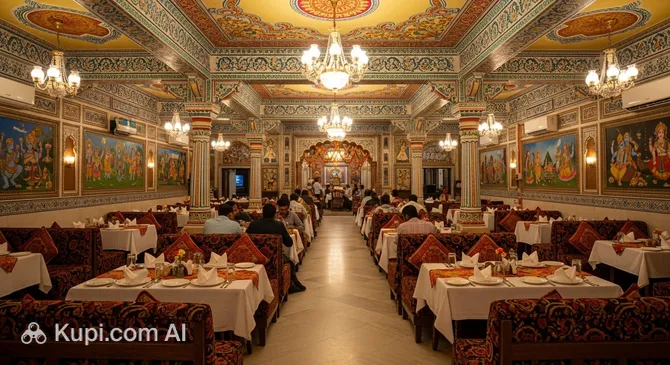
The dining culture in Prayagraj caters to all preferences, ranging from the chaotic yet charming street stalls in the Chowk area to the sophisticated restaurants in the Civil Lines district. Families often prefer sit-down dinners at places like Sankalp, which is known for its reliable service and diverse menu. Whether you are grabbing a quick bite at Hira Inn or savoring a leisurely dinner, the city's hospitality ensures a memorable gastronomic journey.

Travel Tips

Visiting Prayagraj is a journey into the spiritual heart of India, and a few practical preparations can make your experience truly seamless and enriching. These essential tips will help you navigate the city's bustling streets and sacred sites with confidence and ease.

  1. Clothing and Gear

    The climate varies significantly, so pack accordingly. For the scorching summers (April to June), bring loose, breathable cotton clothing and a hat. If visiting in winter (December to February), you will need light woolens or jackets, especially for early morning boat rides. Since Prayagraj is a deeply religious city, modest dress is essential; cover your shoulders and knees when visiting temples. Comfortable slip-on shoes are highly recommended as you will frequently need to remove them at religious sites.

  2. Transportation

    Getting around Prayagraj is best done via auto-rickshaws and e-rickshaws, which are ubiquitous and perfect for navigating narrow lanes where larger vehicles struggle. Ride-hailing apps like Uber and Ola are available and offer a comfortable option for longer distances or trips to the airport. For short distances within the city center, cycle rickshaws are a traditional and eco-friendly way to soak in the local atmosphere.

  3. Finances

    The local currency is the Indian Rupee (INR). While credit and debit cards are accepted in hotels, upscale restaurants in Civil Lines, and malls, cash is king in local markets and for street food. Ensure you carry smaller denominations (₹10, ₹20, ₹50 notes) for paying rickshaw drivers and buying offerings at temples. ATMs are widely available, particularly in the Civil Lines and University areas.

  4. Health and Safety

    Stick to bottled or filtered water and avoid consuming cut fruits or street food that has been exposed to the open air. Pharmacies are plentiful, especially near major hospitals and in the Chowk area, with some operating 24/7. The city is generally safe, but exercise caution in crowded places like the Sangam during festivals to avoid pickpocketing. Always wear a life jacket if you take a boat ride on the river.

  5. Communication

    Hindi is the primary language spoken in Prayagraj. While English is understood in hotels, tourist spots, and by many educated locals, learning a few basic Hindi phrases like "Namaste" (Hello) and "Dhanyavaad" (Thank you) will be warmly received. Pre-paid SIM cards with generous data packages are easily available from major providers like Jio or Airtel, but you will need your passport and a passport-sized photo to register.

  6. Local Etiquette

    Greeting people with a "Namaste" and a slight bow is the cultural norm. When visiting temples or local homes, always remove your footwear outside. It is customary to use your right hand for eating, giving, or receiving items, as the left hand is considered unclean. Public displays of affection are generally frowned upon in this conservative city and should be avoided.

  7. What to Avoid

    Do not photograph people bathing at the river ghats without their explicit permission, as this is a private spiritual act for many. Avoid aggressive bargaining with boatmen at the Sangam; instead, agree on a price firmly but politely before stepping into the boat to avoid disputes later.

  8. River Ritual Tip

    If you plan to take a holy dip at the Triveni Sangam, it is best to go early in the morning, around sunrise. The water is cleaner, the crowds are thinner, and the view of the sun rising over the confluence of the rivers is a breathtaking spiritual experience that defines the essence of the city.

By keeping these practical tips in mind, you will be well-equipped to embrace the chaos, color, and calm of Prayagraj. Enjoy your time exploring this historic city, where every corner holds a story and every riverbank offers a moment of peace.

Entertainment & Nightlife

Prayagraj is primarily a spiritual and administrative city, so its nightlife is distinct from the high-energy clubbing scenes found in metropolitan hubs like Delhi or Mumbai. Here, the evening culture is more about relaxed dining, lounge bars, and serene riverside experiences. The transition from a traditional city to a modern urban center is evident in the Civil Lines district, which serves as the heartbeat of the city's modern entertainment. This area is well-lit, bustling with activity, and houses the majority of the city's upscale venues, making it the go-to destination for tourists looking to unwind after sunset.

For those seeking a vibrant atmosphere with music and drinks, the options are growing. Forest Restro and Bar is one of the popular spots where locals and visitors gather. It offers a lively yet comfortable setting, perfect for enjoying cocktails and conversations. The crowd in such venues is typically a mix of young professionals and families, and the vibe is generally "smart casual." Most bars and lounges in the city operate until around 11:00 PM, so it is advisable to start your evening relatively early compared to other major cities.

If you prefer a more cultural or scenic evening, the riverbanks offer a mesmerizing alternative to indoor venues. Saraswati Ghat is a beautifully maintained riverfront area that comes alive in the evening. Illuminated stairs and the cool breeze from the Yamuna river create a peaceful ambiance, perfect for a night walk away from the city's traffic. It is a safe and scenic spot where you can witness the spiritual side of the city under the stars.

Saraswati Ghat. Source: Kupi.Binoculars

For movie enthusiasts and shoppers, Vinayak City Centre in Civil Lines is a major hub. It houses a multiplex cinema, a food court, and various retail outlets, offering a complete package for a standard evening out. It is a safe, air-conditioned environment where you can catch the latest Bollywood or Hollywood releases and enjoy a late dinner.

Practical Advice and Safety: The Civil Lines area is generally safe for night walks, but it is recommended to avoid poorly lit areas or the old city's narrow lanes late at night. Public transport like e-rickshaws decreases significantly after 10:00 PM. The most reliable way to get around at night is by booking a cab through apps like Uber or Ola. Prices are reasonable, and it ensures a doorstep drop-off.

While the nights are for relaxing, the days can be filled with other forms of entertainment. Families traveling with children can visit Shivalaya Park or Hathi Park, which features a giant stone elephant and ample space for kids to play. These parks provide a green respite during the day before you head out to explore the city's developing nightlife scene.

Parks & Museums

Prayagraj is home to several significant museums and parks that offer a glimpse into India's political history and provide green respite for locals and tourists. Beyond the spiritual fervor of the riverbanks, these sites allow visitors to connect with the city's role in the independence movement and enjoy its recreational spaces.

The Anand Bhawan Museum is a primary stop for history enthusiasts. Once the residence of the Nehru family, this historic house has been preserved to showcase the lifestyle and events of the pre-independence era. Visitors can walk through the rooms that hosted pivotal political meetings and view a collection of personal memorabilia belonging to Jawaharlal Nehru and Indira Gandhi. The complex also houses a planetarium, adding an educational dimension to the visit.

Located within the same compound is the Swaraj Bhawan Museum. This imposing structure was the ancestral home of the Nehrus before they moved to Anand Bhawan and served as the headquarters of the Indian National Congress. It is notable for being the birthplace of Indira Gandhi. The museum displays period furniture, photographs, and artifacts that narrate the story of the freedom struggle, making it a deeply evocative site.

Swaraj Bhawan Museum. Source: Kupi.Binoculars

For those looking to unwind outdoors, Hathi Park is a favorite among locals, especially families with children. The park is named after a prominent stone elephant structure and offers well-maintained lawns and play areas. It provides a peaceful environment for a leisurely walk or a picnic, away from the busy streets.

Hathi Park. Source: Kupi.Binoculars

Another recreational option is Shivalaya Park, which serves as a community hub for relaxation and social gatherings. Additionally, the city is home to Minto Park (Madan Mohan Malaviya Park), situated near the riverbanks. This site holds historical importance as the location where the control of India was transferred from the East India Company to the British Crown in 1858, marked by a white marble memorial.

Getting Around

Navigating Prayagraj is an experience in itself, characterized by a mix of modern convenience and traditional charm. The public transport system is not dominated by a single large network like a metro but rather by a diverse fleet of road-based options. While a metro rail project is in the planning stages, it is not yet operational. Currently, the city relies heavily on a combination of city buses, auto-rickshaws, and an ever-growing number of electric rickshaws that weave through the bustling streets.

The most ubiquitous form of transport for short to medium distances is the E-rickshaw (battery-operated three-wheeler). These are environmentally friendly, quiet, and extremely affordable. They are perfect for navigating the narrow lanes of the old city where larger vehicles cannot pass. For longer distances or travel along main arterial roads, Auto-rickshaws and larger shared tempos, locally known as "Vikrams," are the backbone of daily commuting. These shared vehicles run on fixed routes and are a very cost-effective way to travel, though they can get quite crowded.

The city also operates a fleet of urban buses managed by the state transport corporation. In recent years, modern electric AC buses have been introduced, providing a comfortable ride between key landmarks such as the Railway Station, Civil Lines, and the Sangam area. These buses are distinctly colored and offer a respite from the heat, making them a good option for tourists who prefer a more structured mode of transit compared to the chaotic nature of shared autos.

When it comes to payment, cash is king in Prayagraj. There is no integrated smart card or travel pass system for the general public transport network. For buses, you purchase tickets directly from the conductor on board. For e-rickshaws and auto-rickshaws, you pay the driver directly at the end of the journey. It is crucial to carry small denominations of currency (₹10, ₹20, ₹50 notes), as drivers often struggle to provide change for high-value bills.

For tourists seeking a more comfortable and private alternative, app-based cab services like Uber and Ola are fully operational and highly recommended. They offer the convenience of door-to-door service, air-conditioning, and transparent pricing, eliminating the need for bargaining. Traditional car rentals are also available, usually hired with a driver for a full day of sightseeing, which can be arranged through your hotel or local travel agencies.

A unique feature of Prayagraj's transport "system" is the boat service at the riverbanks. To reach the holy Triveni Sangam—the confluence of the rivers—you must take a wooden boat from the ghats (steps leading to the river). These boats can be hired privately or on a shared basis. While not "public transport" in the urban sense, they are an essential mode of travel for anyone visiting the city's most famous spiritual site.

Practical advice for visitors includes being prepared to negotiate. If you hire a cycle rickshaw or an auto-rickshaw that is not on a shared route, you must agree on the fare before getting in to avoid disputes later. Public transport generally operates from early morning (around 6:00 AM) until about 10:00 PM. After this time, finding rickshaws becomes difficult, so it is safer to rely on pre-booked taxis or ride-hailing apps for late-night travel.

Accommodation

Accommodation in Prayagraj caters to a wide spectrum of travelers, ranging from spiritual seekers on a shoestring budget to tourists looking for modern comforts. The city offers a diverse selection of stays, including simple guesthouses (dharamshalas), standard mid-range hotels, and upscale properties. A unique feature of the city's hospitality landscape, particularly during major religious festivals, is the emergence of temporary "tent cities" that offer a glamping experience near the riverbanks.

When choosing where to stay, location is key. The Civil Lines area is the most popular choice for leisure and business travelers. It is the city's modern center, featuring wide avenues, shopping malls, and a higher concentration of quality hotels and restaurants. Staying here ensures easy access to transport and amenities. Conversely, pilgrims often prefer the areas closer to the Triveni Sangam or the old city (Chowk) to be within walking distance of the ghats and temples, though accommodation here tends to be more basic and traditional.

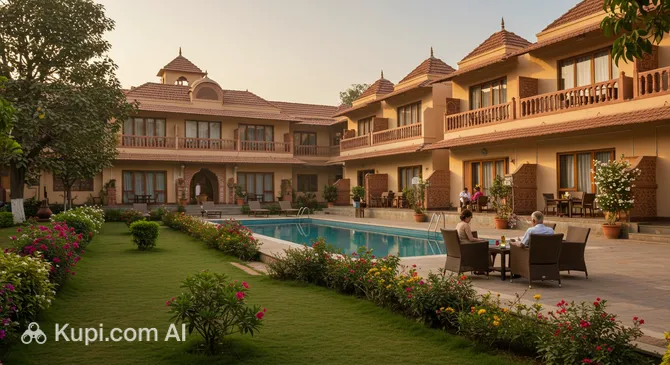
For a truly immersive experience, especially during the Kumbh Mela or Magh Mela seasons, visitors often opt for specialized resort-style camps. These accommodations combine the rustic charm of living near the holy rivers with modern amenities. Notable examples include Rishikul Kumbh Cottages, which offers a blend of spiritual ambiance and comfort. Similarly, the Kumbh Canvas Tent City provides a unique opportunity to stay right in the heart of the action, often featuring premium facilities like attached baths and dining halls within a tented setting.

Rishikul Kumbh Cottages. Source: Kupi.Binoculars

Booking Tips and Prices: Prices in Prayagraj can fluctuate significantly. During the off-season, accommodation is generally affordable, with budget rooms starting from very low rates and mid-range hotels offering good value. However, during major bathing festivals like the Kumbh Mela, prices can skyrocket, and availability becomes scarce. It is highly recommended to book your stay months in advance if you plan to visit during these peak times. Most established hotels and tent cities are listed on major online booking platforms, making it easy to secure your reservation ahead of arrival.

Nearby Cities

For those looking to explore the surroundings, Prayagraj serves as an excellent base for day trips to several interesting nearby locations:

City Population Distance (km)
Mirzapur 2,496,970 81
Pratapgarh 42,079 48
Phulpur 21,066 25
Teonthar 20,135 58
Bhopatpur 20,036 32

Among these, Mirzapur stands out as a significant destination for both nature lovers and pilgrims. Situated just over 80 kilometers away, it is renowned for the holy shrine of Vindhyachal, dedicated to Goddess Vindhyavasini, which attracts devotees from all over the country. The city is also famous for its thriving carpet industry and scenic natural spots, including the beautiful Wyndom Falls and Sirsi Dam, making it a perfect spot for a day of sightseeing and spiritual reflection.

Another noteworthy destination is Pratapgarh, often referred to as "Aonla City" due to its extensive cultivation of Indian gooseberry. Beyond its agricultural fame, the town is home to the Bhakti Dham Mangarh, a stunning temple complex dedicated to Radha Krishna. The intricate architecture and peaceful atmosphere of the temple provide a serene escape from the bustle of city life.

These nearby destinations offer a glimpse into the diverse culture and landscapes of the region.

Shopping & Souvenirs

Shopping in Prayagraj is a vibrant experience that perfectly mirrors the city's dual character of tradition and modernity. Visitors can navigate through centuries-old bazaars filled with the aroma of spices and the clamor of bargaining, or stroll through organized, air-conditioned retail spaces. The city is not primarily known for high-end luxury fashion but rather for its rich collection of ethnic wear, religious artifacts, literature, and unique local handicrafts that offer a glimpse into the region's cultural fabric.

The city's shopping scene is divided into two distinct zones. Civil Lines serves as the modern commercial heart, featuring wide avenues lined with branded showrooms, upscale boutiques, and restaurants. It is the place to go for contemporary fashion and comfortable browsing. In stark contrast, the Chowk area in the old city offers a chaotic yet charming traditional market experience. Here, narrow lanes are packed with shops selling everything from jewelry and silverware to traditional Indian sweets, providing a sensory overload that is quintessentially Indian.

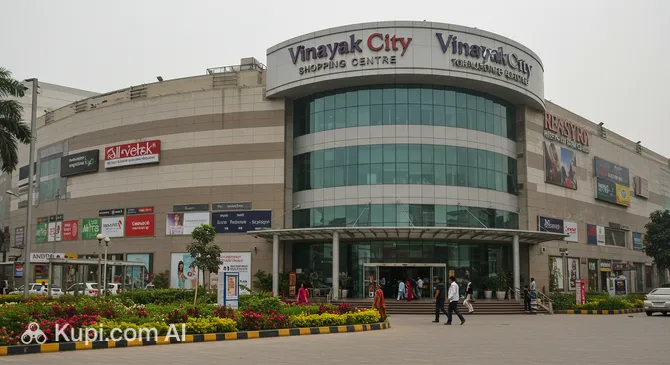
For those who prefer a modern shopping environment, the city has seen the rise of several shopping complexes. Vinayak City Centre in Civil Lines is one of the most popular destinations, housing a variety of retail outlets, a food court, and a cinema, making it a one-stop spot for entertainment and shopping. Additionally, stores like Trends offer a wide range of fashionable clothing and accessories for men, women, and children, catering to those looking for the latest styles at reasonable prices.

Vinayak City Centre. Source: Kupi.Binoculars

The local markets are where the true soul of Prayagraj's commerce lies. Katra is a bustling market famous among students and locals for affordable fabrics, readymade garments, and an impressive array of books, reflecting the city's status as an educational hub. Meanwhile, the markets around the Chowk area are excellent for hunting down traditional items. These bazaars are often crowded, so be prepared to walk and negotiate prices to get the best deals.

When it comes to souvenirs, there are several unique items to take home. Given the city's spiritual significance, religious paraphernalia such as brass idols, incense, and prayer beads (rudraksha) found near the Sangam are popular keepsakes. Foodies should not miss buying the famous Allahabadi Surkha (a red-spotted variety of guava) during the winter season, or packs of Namkeen (savory snacks) and petha (sweet ash gourd candy) which are local specialties. The city is also known for its intricate Chikankari embroidery work on kurtas and sarees.

Most shops in Prayagraj open around 11:00 AM and close by 9:00 PM. While malls and shops in Civil Lines stay open seven days a week, traditional markets often have a weekly closing day, which varies by neighborhood (often Sunday or Tuesday). Credit and debit cards are widely accepted in malls, hotels, and larger stores in Civil Lines. However, cash is essential when shopping in local bazaars like Katra or Chowk, where digital payments might not always be available.

Tourists should note that India generally does not offer a VAT or GST refund scheme for international travelers on standard consumer goods purchased in local markets or regular stores. The price you see usually includes all applicable taxes. It is advisable to keep receipts for any significant purchases, although tax-free shopping as a concept is not prevalent in the city's retail landscape.

Reached the end of the page?

That means the route is fully explored