Support

Varanasi

About

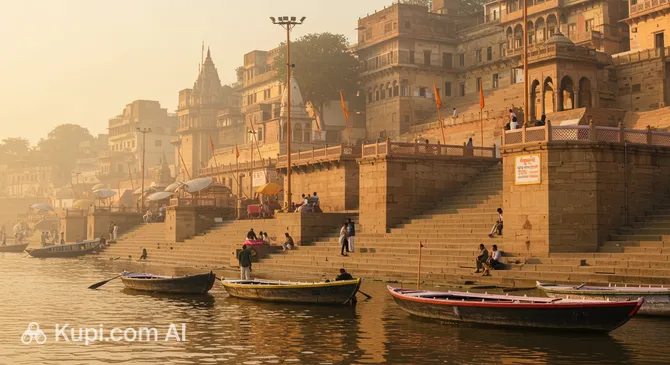
Varanasi, often referred to as Kashi or Benares, is a city that captivates the soul and offers an experience unlike any other. Regarded as the spiritual capital of India, it draws pilgrims, photographers, and travelers from across the globe who come to witness its ancient rituals and vibrant energy. The city is renowned for its deep cultural roots and the mesmerizing ghats that line the sacred riverbanks.

Located in the northern state of Uttar Pradesh, Varanasi sits majestically on the crescent-shaped banks of the Ganges River. With a population of approximately 1.2 million people, it is a bustling urban center that manages to retain an aura of timelessness. The climate here is typical of the region, with hot summers and pleasant, cooler winters which are ideal for exploration.
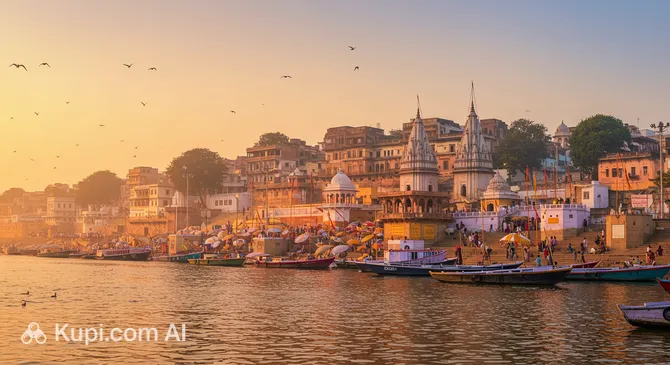
Varanasi. Source: Kupi.Binoculars

As one of the oldest continuously inhabited cities in the world, the destination is steeped in legend. Delving into the history of Varanasi reveals a rich tapestry of mythology, philosophy, and art that has thrived for millennia. Walking through its labyrinthine alleys is like stepping back in time, where every corner tells a story of the past.

Visitors are particularly drawn to the Ganga Aarti, a spectacular evening ritual involving fire and chanting performed daily at the Dashashwamedh Ghat. The iconic Kashi Vishwanath Temple stands as a beacon of faith, while a serene boat ride along the river at sunrise offers a peaceful contrast to the city's lively streets. These unique features make the city a fascinating study in contrasts between the chaotic and the divine.

Whether you are seeking spiritual enlightenment, cultural immersion, or simply a glimpse into a way of life that has endured for centuries, Varanasi welcomes you. It is a destination that promises to leave a lasting impression on your heart and mind.
Weather Overview

Planning your visit requires a look at the seasonal shifts, as the weather in Varanasi transitions from scorching heat to refreshing cool spells. The city features a subtropical climate where the timing of your trip can significantly impact your experience of the outdoor ghats and temples.

The most comfortable period is undoubtedly winter, spanning from November to February. During these months, average temperatures range from a mild 15.5°C to 22.2°C, and rainfall is minimal, with November often seeing 0 wet days. The cooler atmosphere allows for long days of sightseeing, although mornings can be quite brisk with minimum temperatures dropping below 10°C in January.

From April onwards, the heat intensifies, leading into a hot summer where average temperatures climb above 30°C and maximums can reach nearly 39°C in May. This is followed by the monsoon season from July to September, characterized by high humidity and frequent downpours; August alone typically records 26 wet days. Expect hot summers, a very wet monsoon season, and cool, dry winters.

Interesting Facts

Beyond the spiritual aura and the bustling ghats, Varanasi holds fascinating secrets that often escape the casual observer. Uncover the layers of history and legend that make this ancient city truly unique with these intriguing insights.
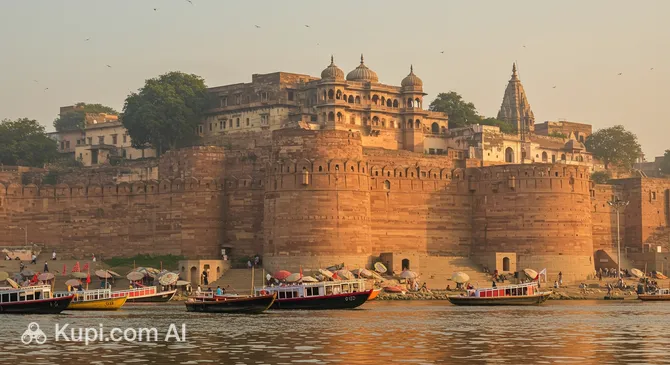
Ramnagar Fort. Source: Kupi.Binoculars
  • While the Leaning Tower of Pisa is world-famous, Varanasi has its own leaning marvel. The Ratneshwar Mahadev Temple, located near the Scindia Ghat, leans approximately 9 degrees towards the rear, which is significantly more than the Italian tower.

  • The city is home to a living royal lineage. The Ramnagar Fort is not merely a historic monument; it remains the ancestral residence of the Kashi Naresh, the Maharaja of Varanasi, who is still deeply revered by the local population.

  • Just a short distance from the chaotic city center lies the serene Dhamek Stupa in Sarnath. This massive structure marks the exact spot where Lord Buddha is believed to have delivered his first sermon after attaining enlightenment, setting the wheel of Dharma in motion.

  • Hidden in plain sight above the riverbanks is the Man Singh Observatory. Built in the 17th century, this architectural wonder features stone instruments that were once used to calculate time, eclipses, and the positions of stars with remarkable precision.

  • During times of severe drought, a unique and quirky ritual is sometimes performed in the city: frog weddings. Locals organize elaborate ceremonies to marry two frogs, a tradition believed to please the rain gods and bring much-needed showers to the region.

How to Get There

Reaching the spiritual heart of India is convenient due to its well-established transport network. Whether you are arriving by air or rail, the city is connected to major hubs across the country. To help you plan your journey effectively, you can read more about how to get to Varanasi in our detailed guide.

The primary gateway for air travelers is Lal Bahadur Shastri International Airport (IATA: VNS). It is an international airport located approximately 19 km from the city center. A taxi or bus ride from the terminal to the main ghats typically takes about 50 minutes, depending on traffic. This hub handles a high volume of passengers annually, connecting Varanasi to major Indian cities like Delhi and Mumbai, as well as select international destinations.

As an alternative, travelers can consider flying into Bamrauli Airport (IATA: IXD), located in the city of Prayagraj. However, it is situated about 125 km away from Varanasi. The journey by road from Prayagraj to Varanasi takes significantly longer, approximately 3.5 hours. This option is generally best used if direct flights to Varanasi are unavailable.

For clarity, here is a summary of the main airports in the region:

Airport Name City Passenger Traffic Km from City
Lal Bahadur Shastri International AirportVaranasiHigh18.9
Ayodhya AirportAyodhyaMedium178.8
Bamrauli AirportPrayagrajMedium125.5
Gorakhpur AirportGorakhpurMedium164.6
Gaya AirportGayaSmall209.4

Traveling by train is another quintessential way to experience the region. Varanasi is a major railway hub served by several key stations, including Varanasi Junction (often called Varanasi Cantt) and Banaras Station (formerly Manduadih). These stations are well-linked to the vast Indian Railway network, offering frequent services from Delhi, Kolkata, and other metropolitan areas. For those arriving from distant parts of the country, the nearby Pt. Deen Dayal Upadhyaya Junction (Mughalsarai) is one of India's busiest railway interchanges and is just a short drive or auto-rickshaw ride away from the city center.

Main Attractions

Varanasi is a treasure trove of spiritual, historical, and cultural landmarks. From ancient temples echoing with chants to serene ruins that tell stories of a bygone era, the city offers a diverse range of experiences for every traveler. Here are some of the most compelling places to visit during your stay.

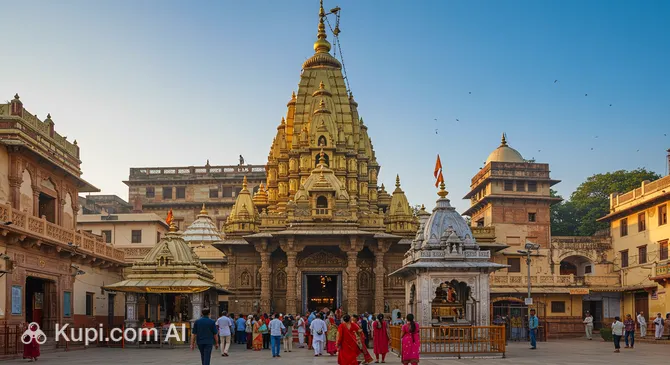
Standing at the heart of the city's religious life is the Kashi Vishwanath Temple. Dedicated to Lord Shiva, this shrine is one of the twelve Jyotirlingas and holds immense significance for Hindus worldwide. Often called the "Golden Temple" due to its glistening gold-plated spires, it offers a powerful spiritual atmosphere. Navigating the narrow lanes to reach the sanctum is an adventure in itself, revealing the deep devotion that pulses through the city.

Kashi Vishwanath Temple. Source: Kupi.Binoculars

For a journey into ancient history, a visit to the Archaeological Buddhist Remains of Sarnath is essential. Located just a short distance from the main city, this peaceful site preserves the ruins of monasteries and temples dating back thousands of years. It marks the location where Lord Buddha delivered his first sermon, making it a globally important pilgrimage site. Walking among the excavated structures and votive stupas provides a tranquil contrast to the bustling energy of the ghats.

The riverfront is lined with numerous ghats, but Darbhanga Ghat is particularly striking for its architectural beauty. Dominated by an imposing palace built in the early 20th century by the royal family of Darbhanga, the structure features sandstone towers and grand balconies. It is one of the most photogenic spots along the Ganges, especially captivating during sunrise or sunset when the stone glows with a warm hue.

Darbhanga Ghat. Source: Kupi.Binoculars

Another significant spiritual landmark is the Tulsi Manas Temple, known for its modern white marble architecture and beautiful landscaping. Dedicated to Lord Rama, this temple holds a special place in the world of literature as it stands where the poet Tulsidas is believed to have written the Ramcharitmanas. The walls of the temple are engraved with verses and scenes from this epic poem, offering visitors a unique blend of devotion and art.

Local Cuisine

The culinary landscape of Varanasi is as ancient and vibrant as the city itself. Known primarily as a paradise for vegetarians, the local food scene is dominated by savory street snacks and rich, milk-based sweets. The cuisine here is deeply influenced by the city's spiritual heritage, meaning that onion and garlic are often skipped in traditional preparations, yet the dishes remain incredibly flavorful and spicy. Eating here is not just about sustenance; it is a cultural ritual performed daily in the labyrinthine alleys.

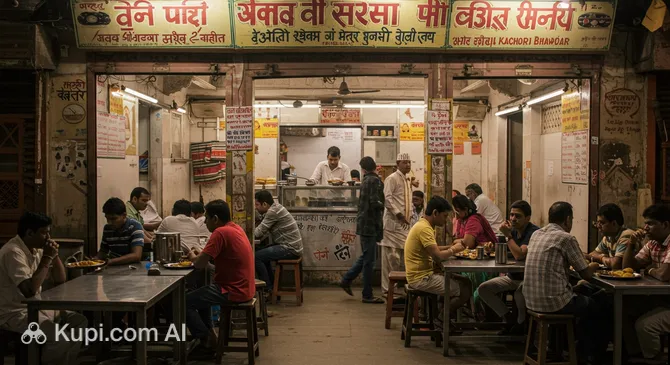
A typical day in Varanasi begins with a hearty breakfast of Kachori Sabzi. These deep-fried, flaky pastries stuffed with lentils are served with a spicy potato curry and are often accompanied by hot, syrup-soaked Jalebis. For those looking to experience this iconic morning tradition, Neelu Kachori Bhandar is a popular spot among locals to grab these freshly made delights.

Neelu Kachori Bhandar. Source: Kupi.Binoculars

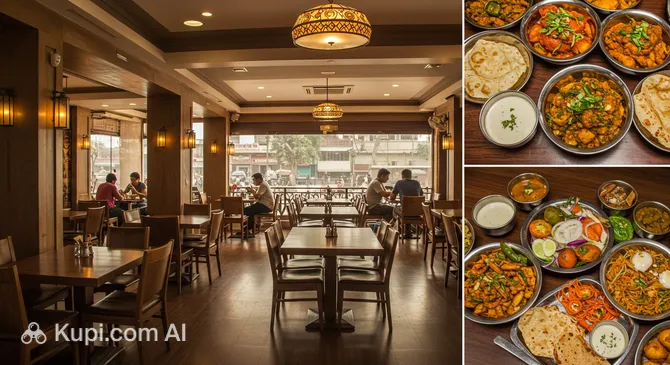
As the day progresses, the streets fill with vendors selling Tamatar Chaat, a unique local specialty made from a spicy mash of tomatoes and potatoes, served in small clay pots. Another must-try dish is Baati Chokha, consisting of roasted wheat balls served with a mix of mashed roasted eggplant and potatoes. For a more formal dining experience that captures the essence of a traditional Indian meal, visitors can head to Shree Shivay Thali Dining to enjoy a comprehensive platter featuring various curries, breads, and rice.

Shree Shivay Thali Dining. Source: Kupi.Binoculars

Beverages are an integral part of the gastronomic tour. The Banarasi Lassi is legendary—a thick, creamy yogurt drink often topped with a layer of cream (malai) and flavored with rose water or fruits. In the cooler months, you might find Malaiyyo, a frothy, saffron-flavored milk sweet that melts in your mouth. Thandai, a cooling milk drink spiced with almonds, fennel seeds, and cardamom, is also widely consumed, especially during festivals.

While the holy areas near the ghats strictly prohibit alcohol, travelers seeking a drink can find options in the modern parts of the city. Places like The Elegance Bar offer a comfortable setting to unwind with a cocktail or beer after a long day of exploring. No culinary journey in this city is complete without trying the famous Banarasi Paan, a betel leaf preparation that serves as a palate cleanser and digestive to end your meal on a refreshing note.

Travel Tips

Visiting Varanasi is an intense, transformative experience that can be overwhelming for first-timers, so being prepared is the key to enjoying its timeless magic. To help you navigate the labyrinthine alleys and spiritual intensity of this ancient city in India, we have compiled a list of essential practical advice.

  1. Dress Modestly and Practically: As a deeply religious city, Varanasi requires conservative attire. Both men and women should keep their shoulders and knees covered, especially when visiting temples or walking along the ghats. Light, breathable cottons are best for the hot summer, while layers are necessary for the chilly winter mornings. Also, wear comfortable slip-on shoes, as you will need to remove them frequently at religious sites, and the streets can be uneven.
  2. Navigating the City: The old part of the city, near the river, is a maze of narrow lanes (galis) where cars cannot enter. Walking is often the fastest way to get around these areas. For longer distances, cycle rickshaws and auto-rickshaws are the most convenient modes of transport. Ride-hailing apps like Uber and Ola operate here, but they can usually only drop you at the periphery of the main tourist zones (like Godowlia) due to traffic restrictions.
  3. Handling Finances: The currency used is the Indian Rupee (INR). While hotels and upscale restaurants accept cards, cash is king in the local markets and for street food. ATMs are widely available, but it is wise to withdraw money in main commercial areas rather than relying on machines deep in the alleys. Always carry small denominations for tipping boatmen, rickshaw drivers, and for small purchases.
  4. Health and Safety Precautions: To stay healthy, stick strictly to bottled or filtered water and avoid ice in drinks. The streets are shared with cows, bulls, and dogs, so stay alert while walking. Be cautious of the monkeys, especially near temples and on balconies; do not feed or provoke them. Pharmacies are plentiful in areas like Godowlia and Lanka, but carrying a basic medical kit is recommended.
  5. Communication and Connectivity: Hindi is the primary language, but English is widely understood by people in the tourism industry. A local SIM card (Airtel or Jio) is essential for maps and communication; you can purchase one at the airport or official stores with your passport. A friendly "Namaste" is the best way to greet locals and start a conversation.
  6. Respecting Local Etiquette: Photography requires sensitivity. While the ghats are photogenic, never take photos or videos at the cremation ghats (Manikarnika and Harishchandra). It is considered extremely disrespectful to the grieving families and the sanctity of the ritual. Always ask for permission before photographing sadhus (holy men) or locals.
  7. What to Avoid: Avoid engaging with aggressive touts or "guides" who approach you on the street or ghats offering unsolicited services. Be firm but polite in saying no. Also, public displays of affection are frowned upon in this conservative society and should be avoided to prevent unwanted attention.
  8. Boat Ride Negotiations: A sunrise boat ride on the Ganges is a must-do activity. However, prices can vary wildly. It is best to negotiate and agree on a price with the boatman before you step onto the boat. Sharing a boat with other travelers can also help reduce the cost.

By keeping these tips in mind, you can look past the chaos and fully immerse yourself in the spiritual and cultural richness of Varanasi. Embrace the unexpected, stay patient, and let the unique rhythm of this historic city guide your journey.

Entertainment & Nightlife

Entertainment:

While Varanasi is world-renowned for its ancient spiritual rhythm, the city also pulses with modern energy, offering a variety of leisure activities for travelers. Beyond the temple bells and river rituals, you can find bustling shopping centers, exciting water parks, and lively evening spots that showcase the city's contemporary side.

For those looking to indulge in some retail therapy, the Cantonment area is the place to be. JHV Mall stands out as the city's premier shopping hub. It houses a wide array of international and domestic brands, a modern multiplex cinema for catching the latest Bollywood blockbusters, and a diverse food court. It is the perfect spot to enjoy an air-conditioned break from the outdoor heat.

Another convenient destination for shoppers is Vinayak Plaza in Maldahiya. This complex features a mix of fashion boutiques and lifestyle stores, catering to both locals and visitors seeking the latest trends or everyday essentials in a comfortable setting.

Families traveling with children or anyone seeking a splash of fun should visit Funtasia Waterpark and Resort. Located a short drive from the city center, this park offers a refreshing escape with its thrilling water slides, wave pool, and safe play zones for little ones. It is an ideal destination to cool off, especially during the warmer months.

As the sun sets, the city's nightlife comes alive in the modern districts, distinct from the quiet reverence of the ghats. Captain Nova Bar & Lounge is a popular venue known for its chic interiors and extensive menu of mocktails and cocktails. It offers a relaxed atmosphere where you can unwind with friends after a day of exploration.

For a more high-energy experience, C2H5 Klub is a go-to spot for music lovers. With its vibrant lighting and upbeat DJ tracks, it provides a spirited environment for those wishing to experience the modern pulse of this historic city.

Parks & Museums

Beyond the bustling ghats and spiritual intensity, Varanasi offers serene green spaces and rich repositories of history that provide a deeper understanding of its cultural heritage. Exploring the city's parks and museums allows visitors to step away from the crowds and immerse themselves in the artistic and natural beauty of the region.

One of the most tranquil spots near the city is Deer Park (Sarnath). Located in the holy site of Sarnath, this sprawling garden is not only a place of great historical significance but also a mini-zoo housing herds of deer and various birds. It is believed to be the ancient site where Lord Buddha preached his first sermon, making it a perfect blend of nature and spirituality. The lush greenery offers a peaceful retreat for those looking to meditate or simply enjoy a quiet walk amidst ancient ruins.

For a more recreational experience, families can visit the Welcome Garden Amusement Park. While smaller than major theme parks, it provides a pleasant open space for children to play and for adults to relax away from the city's chaotic traffic.

To delve into the artistic legacy of the region, a visit to the Bharat Kala Bhavan Museum is essential. Situated within the sprawling campus of Banaras Hindu University, this museum houses a magnificent collection of miniature paintings, ancient sculptures, and textiles. Its gallery dedicated to Varanasi's history offers fascinating insights into the city's evolution over the centuries.

Another cultural gem is the museum located inside the Ramnagar Fort. This vintage museum displays a rare collection of American vintage cars, jewel-encrusted sedan chairs, and medieval costumes belonging to the royal family. It provides a unique glimpse into the opulent lifestyle of the Maharajas of Benares. Additionally, the Kashi Dham Museum offers a more contemporary look at the city's traditions and religious significance.

History enthusiasts should not miss the Ashoka Pillar in Sarnath. This ancient sandstone column, dating back to 250 BCE, originally featured the famous Lion Capital which is now India's national emblem. Nearby, the Nepali Temple (Kathwala Temple) stands as a marvel of wood architecture. Built by the King of Nepal, it features intricate wood carvings that resemble the Pashupatinath Temple in Kathmandu, offering a distinct architectural style compared to the other stone temples in the city.

For a truly authentic experience, take a morning walk to the weavers' village in the Sarai Mohana area. Here, you can witness the intricate craftsmanship of the famous Banarasi silk sarees being woven on handlooms, a tradition that has been passed down through generations.

Getting Around

Navigating the public transport system in Varanasi is an adventure in itself, reflecting the city's blend of ancient chaos and modern development. Unlike some major metropolises, the city does not currently have an operational metro or tram network. Instead, the transportation backbone consists of a vast fleet of road-based vehicles that weave through the bustling traffic, supplemented by a unique river transit system along the Ganges.

The most ubiquitous and convenient mode of transport for tourists is the rickshaw. For the narrow, winding lanes (galis) of the Old City where cars cannot pass, cycle rickshaws are the only viable option besides walking. They move at a leisurely pace, allowing you to soak in the sights. For longer distances across the wider avenues, auto-rickshaws (tuk-tuks) and battery-operated e-rickshaws (locally known as Totos) are widely available. These are eco-friendly, quieter, and often cheaper than traditional fuel-based autos.

City buses, operated by the state transport corporation, connect major landmarks, the railway stations, and the university area. Recently, the city has introduced a fleet of air-conditioned electric buses which provide a comfortable and affordable ride. However, buses can get extremely crowded during peak hours and may not always stop exactly where you need to go in the dense tourist zones, making them less popular for short-term visitors compared to rickshaws.

For those preferring private comfort, taxis and app-based cab services like Uber and Ola are operational in Varanasi. These are particularly recommended for airport transfers or trips to Sarnath. However, tourists should be aware that cabs cannot enter the restricted traffic zones near the main Ghats and the Kashi Vishwanath Temple. Your driver will likely drop you off at a designated point on the periphery, such as Godowlia or Maidagin, from where you will need to walk or take a rickshaw.

A distinct feature of Varanasi's transport is the river itself. Boats serve as a functional and scenic way to move between the different Ghats. While often viewed as a recreational activity, taking a boat from Assi Ghat to Dashashwamedh Ghat can sometimes be faster and much more peaceful than navigating the road traffic during rush hour. You can choose between traditional hand-rowed boats for a slow, romantic experience or motorboats for speed.

Regarding payment, cash is king in Varanasi. While ride-sharing apps allow for digital payments, rickshaw drivers, boatmen, and bus conductors almost exclusively deal in cash. There is no integrated travel card or pass system for tourists. Small denominations are incredibly useful to have on hand. Fares for cycle and auto-rickshaws are rarely fixed and do not use meters, so it is standard practice to negotiate and agree on the price before getting into the vehicle to avoid disputes later.

Transport generally operates from early morning until late at night, but finding a cycle rickshaw late at night in remote areas can be difficult. For a hassle-free experience, always carry the address of your destination written in Hindi or dropped as a pin on a map, as local drivers navigate by landmarks rather than street names.

Accommodation

Where to Stay:

Varanasi offers a diverse spectrum of accommodation options that cater to every type of traveler, from spiritual seekers on a shoestring budget to luxury tourists looking for royal treatment. The city is filled with backpacker hostels, traditional guesthouses, mid-range boutique hotels, and opulent heritage resorts. Whether you want to wake up to the sound of temple bells or enjoy the quiet comfort of a modern suite, you will find a place that suits your needs.

Choosing the right area is crucial for your experience. For those who wish to be in the heart of the action, staying near the Ghats (riverbanks) and the Godowlia area is ideal. Accommodations here range from budget hostels to riverside guesthouses, offering immediate access to the evening aarti and the main temples, though the area can be crowded and noisy. Alternatively, the Cantonment area and the zones around the railway station offer a more peaceful environment with wider roads, modern amenities, and larger luxury hotels, making it a preferred choice for families and business travelers.

For a truly regal experience, the Nadesar Palace is a standout choice. Set amidst mango orchards and jasmine fields, this historic property has hosted royalty and celebrities over the years, offering an exclusive glimpse into the city's princely past. It provides a serene sanctuary away from the hustle of the old city.

Another excellent option for those seeking relaxation and modern facilities is the First Impression Lawn and Resort. Properties like this often provide spacious grounds and comfortable amenities, serving as a great base for travelers who want to combine sightseeing with leisure.

Booking Tip: Varanasi is a year-round destination, but it gets exceptionally busy during major festivals like Dev Deepawali, Holi, and the winter season. It is highly recommended to book your accommodation well in advance during these peak times to secure your preferred location and rates.

The price range for accommodation varies significantly. Budget travelers can find dormitory beds or simple rooms for very affordable rates, while mid-range hotels offer good value with air-conditioning and Wi-Fi. Luxury heritage hotels and resorts are at the higher end of the spectrum but offer world-class service. Most properties can be easily booked through major online travel platforms, which is often the most convenient method to compare prices and read recent guest reviews.

Nearby Cities

For those looking to explore the surroundings, Varanasi serves as an excellent base for day trips to several interesting nearby locations that offer a change of pace from the city's intensity.

Mirzapur, situated just a short drive away, is globally renowned as the "Carpet City" for its exquisite hand-woven rugs and carpets. Beyond its industrial fame, it is a place of natural beauty and spiritual significance, home to the sacred Vindhyavasini Devi Temple which attracts thousands of devotees. The area is also dotted with scenic waterfalls like Windom Falls, making it a perfect spot for a picnic and a refreshing break from the city crowds.

Another fascinating destination is Jaunpur, a city steeped in medieval history. Once known as the "Shiraz of India" for its rich culture and learning, it boasts a unique architectural heritage from the Sharqi dynasty. Visitors can marvel at the imposing Atala Masjid and walk across the 16th-century Shahi Bridge, which is still in use today. It offers a quiet yet compelling look into the region's royal past.

City Population Distance (km)
Mirzapur 2,496,970 46
Jaunpur 180,362 56
Ghazipur 121,020 68
Bhabhua 61,999 71
Robertsganj 36,689 71

These nearby destinations offer a glimpse into the diverse culture and landscapes of the region, providing memorable experiences just a short journey from the spiritual capital.

Shopping & Souvenirs

Shopping in Varanasi

Shopping in Varanasi is an experience that oscillates between the charm of ancient bazaars and the convenience of modern retail. The city is historically renowned for its exquisite craftsmanship, particularly in weaving and metalwork. Visitors will find that the narrow lanes are lined with shops selling everything from high-end textiles to spiritual trinkets, offering a vibrant slice of local life alongside the goods.

The most iconic purchase to make here is undoubtedly the Banarasi Silk Saree. Woven with intricate gold and silver threads, these sarees are considered among the finest in India and make for a timeless heirloom. Apart from textiles, the city is famous for Gulabi Minakari (pink enameling) on jewelry and boxes, unparalleled stone carvings, and wooden toys. For the spiritually inclined, authentic Rudraksha beads and copper vessels for carrying holy Ganges water are popular keepsakes.

For an authentic street shopping experience, Godowlia Market is the bustling heart of the city. Located near the main ghats, this area is a sensory overload of sights and sounds, offering clothes, accessories, and home decor. Nearby, the winding Vishwanath Gali is perfect for buying local handicrafts, bangles, and religious artifacts. Those interested in metalwork should head to Thatheri Bazar, known for its brass and copper utensils.

Travelers looking for a more structured and air-conditioned environment can visit the city's shopping malls. JHV Mall in the Cantonment area is a premier destination featuring international brands, a food court, and a cinema. It provides a stark but welcome contrast to the crowded streets of the old city.

Another notable spot for modern retail is Vinayak Plaza, located in Maldahiya. This complex houses a variety of fashion and lifestyle stores, making it a convenient stop for clothing and electronics.

Most local shops in the bazaars open around 10:00 AM or 11:00 AM and remain bustling until 9:00 PM. While the malls and larger showrooms accept credit and debit cards, cash is essential when shopping in the street markets like Godowlia or Thatheri Bazar. Bargaining is a norm in the smaller shops and roadside stalls, so do not hesitate to negotiate the price.

Regarding tax refunds, India does not have a widespread tax-free shopping scheme for tourists comparable to some other countries. While the Goods and Services Tax (GST) is included in the price, refunds are generally not available for travelers upon departure. It is best to assume the price you pay is final.

Reached the end of the page?

That means the route is fully explored