Support

Gaya

About

Gaya is a city of immense spiritual significance and ancient heritage, revered by millions as a sacred destination. Located in the state of Bihar in India, it serves as a major pilgrimage site that harmoniously blends the traditions of Hinduism, Buddhism, and Jainism. The atmosphere here is deeply reverent, bustling with pilgrims and echoing with the sounds of temple bells and chants, creating a unique environment for reflection.
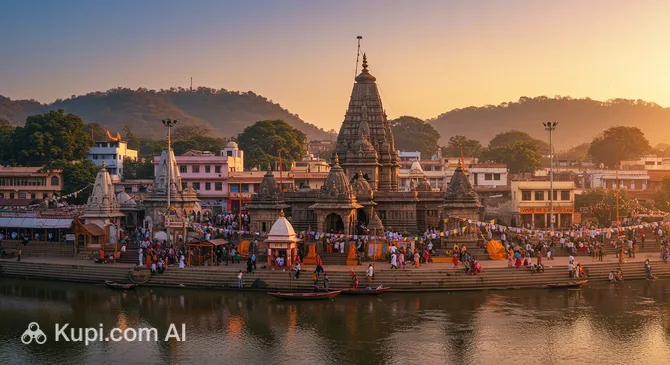
Gaya. Source: Kupi.Binoculars

Geographically, the city is situated on the banks of the Falgu River and is surrounded by small rocky hills on three sides, which adds to its scenic backdrop. With a population of approximately 474,000 residents, Gaya is a vibrant urban center that maintains a close connection to its natural surroundings and traditional way of life. The climate is typically subtropical, with distinct seasons that influence the flow of visitors throughout the year.

The history of Gaya is steeped in mythology and legends, dating back millennia. It is mentioned in great epics like the Ramayana and the Mahabharata, highlighting its enduring importance as a center for ancestral rituals. This deep historical context makes every corner of the city feel like a step back in time, offering travelers a glimpse into the ancient roots of Indian culture.

Travelers are drawn to the iconic Vishnupad Temple, which is believed to house the footprint of Lord Vishnu stamped on a basalt rock. Another unique feature is the practice of Pind Daan, a ritual performed for the peace of departed ancestors, which attracts families from all over the country. Additionally, Gaya serves as the gateway to the nearby town of Bodh Gaya, a UNESCO World Heritage site where Lord Buddha attained enlightenment.

Whether you are seeking spiritual solace or wish to explore the rich cultural tapestry of the region, Gaya offers a profound and memorable experience. We invite you to walk its historic streets, witness its timeless rituals, and discover the serenity that defines this holy city.

Weather Overview

The climate in Gaya is characterized by distinct seasonal shifts, ranging from intense heat to pleasant, cool days. The summer season, spanning from March to June, sees temperatures rise steadily, with May being particularly hot as average highs reach approximately 38.6°C. Travelers visiting during these months should be prepared for dry and sweltering conditions.

Relief from the summer heat arrives with the monsoon season, which typically lasts from July through September. This period brings frequent rainfall, with August recording up to 27 wet days, transforming the landscape into a lush green setting. In contrast, the winter months from November to February are dry and comfortable, with January being the coldest month, featuring average minimum temperatures around 9.7°C.

Overall, you can expect very hot summers, a wet monsoon season, and cool, dry winters that are ideal for outdoor exploration. To help you pack appropriately for your specific travel dates, we recommend checking the detailed guide to the weather in Gaya.

Interesting Facts

Beyond its role as a major pilgrimage center, Gaya is steeped in legends and unique geographical features that often surprise visitors. The city's mythology is as tangible as its architecture, weaving stories of gods, demons, and curses into the very landscape.

  • The Hidden River: The Falgu River, which flows past the city, is often referred to as a "Gupt Ganga" or hidden river because it flows underground for a significant stretch. According to local legend, Goddess Sita cursed the river to flow beneath the surface as punishment for lying, leaving only a dry, sandy bed visible to the naked eye.

  • A Demon Turned Holy: The city derives its name from Gayasur, a mythological demon (Asura) whose piety was so great that merely seeing him granted people salvation. To restore the cosmic balance, the gods performed a sacrifice on his body, and the rocky terrain of the modern city is said to be formed upon him.

  • The Immortal Tree: Inside the Vishnupad Temple complex stands the Akshay Vat, a banyan tree believed to be eternal. Myth states that while other witnesses lied about a ritual performed by Sita, this tree testified truthfully, earning a blessing that it would never shed its leaves or die.

  • A Queen's Legacy: While the site is ancient, the current structure of the famous Vishnupad Temple was actually rebuilt in 1787 by Ahilyabai Holkar, the Maratha queen of Indore. Her contribution revitalized the city's most sacred landmark, showcasing her architectural influence far from her own kingdom in central India.

How to Get There

Reaching this spiritual center is convenient, with several air travel options available for pilgrims and tourists. For a comprehensive overview of all transport modes, you can read our detailed guide on how to get to Gaya.

The most direct way to arrive is by flying into Gaya Airport (IATA: GAY). Located just 7.2 km from the city center, it serves as the primary gateway for international visitors, particularly from Buddhist nations, as well as domestic travelers. The short journey from the airport to the heart of the city typically takes about 30 minutes by taxi or auto-rickshaw. While the passenger traffic is moderate, the airport is essential for those visiting Bodh Gaya and the surrounding heritage sites.

Alternatively, many travelers choose to land at Jay Prakash Narayan International Airport (IATA: PAT), situated in the city of Patna, approximately 89 km from Gaya. This airport handles a significantly larger volume of flights and offers better connectivity to major Indian cities. The drive from Patna to Gaya is scenic and usually takes around 2 hours and 30 minutes by taxi or bus. Another option for those exploring the wider region is Birsa Munda Airport (IATA: IXR) in Ranchi, though it is further away at about 167 km, requiring a travel time of roughly 4.5 hours.

For clarity, here is a summary of the main airports serving the region:

Airport Name City Passenger Traffic Km from City
Jay Prakash Narayan International Airport Patna High 89.1
Birsa Munda Airport Ranchi High 166.8
Darbhanga Darbhanga Medium 180.6
Gaya Airport Gaya Medium 7.2
Deoghar Airport Deoghar Low 177.0

Main Attractions

Gaya is a destination where history and spirituality converge, offering visitors a chance to explore ancient sites that have been revered for centuries. While the city is often synonymous with ancestral rituals, its attractions extend to hilltop temples, scenic viewpoints, and caves associated with the life of Lord Buddha. Here are some of the most significant places to visit during your stay.

Vishnupad Temple is undoubtedly the heart of the city's religious life. Located on the banks of the Falgu River, this ancient temple is dedicated to Lord Vishnu and is famous for housing a 40-centimeter-long footprint of the deity imprinted on solid rock. The current structure, built in the 18th century by Queen Ahilyabai Holkar, showcases stunning architectural details with its octagonal shrine and towering dome. It is a fascinating place for tourists to witness the vibrant atmosphere of devotion and observe the unique rituals performed by pilgrims from across the country.

Perched atop a hill offering commanding views of the city, the Mangla Gauri Temple is another must-visit site. It is considered one of the 18 Maha Shakti Peethas, making it a highly significant shrine for followers of Shaktism. Reaching the temple involves a climb up a flight of steps, which is rewarded with a serene environment and a panoramic outlook over Gaya. The temple complex also houses several smaller shrines, and the climb itself provides a pleasant, albeit active, break from the bustling city streets below.

For those interested in nature and sweeping landscapes, Brahmayoni Hill offers an adventurous excursion. This is the highest hill in the Gaya region and requires a climb of over 400 stone steps to reach the top. Legend says that Lord Brahma performed a sacrifice here, and a temple dedicated to him stands at the summit. Apart from its mythological importance, the hill is popular among travelers for the spectacular sunrise and sunset views it offers, providing a perfect vantage point to see the Falgu River winding through the landscape.

A short distance from the main city lies the Dungeshwari Cave Temples, also known as the Mahakala Caves. These caves hold immense significance in Buddhist tradition as the site where Prince Siddhartha (Lord Buddha) practiced severe penance for six years before heading to Bodh Gaya to attain enlightenment. The caves contain a unique golden statue of the emaciated Buddha, depicting his phase of asceticism. The quiet, meditative atmosphere here stands in contrast to the busy city, making it a powerful stop for those tracing the Buddhist circuit.

Local Cuisine

The culinary landscape of Gaya offers a delightful journey into the heart of traditional Bihari cuisine. As a city of great religious importance, the food scene is predominantly vegetarian, focusing on rustic, earthy flavors and wholesome ingredients. The dishes here are simple yet rich in taste, often prepared using age-old methods that have been passed down through generations. Visitors will find that the local gastronomy is deeply intertwined with the region's agriculture, with a heavy reliance on wheat, rice, pulses, and locally grown vegetables.

No trip to this region is complete without trying the iconic Litti Chokha. This signature dish consists of wheat balls stuffed with sattu (roasted gram flour mixed with spices) that are baked over coal or cow dung cakes, giving them a distinct smoky flavor. These savory balls are then dipped in ghee and served with chokha, a mashed medley of roasted eggplant, tomatoes, and potatoes. Another popular savory option is the Sattu Paratha, a flatbread filled with the same spiced gram flour mixture, typically enjoyed with pickles or plain yogurt.

Gaya is particularly famous across India for its unique variety of sweets, making it a paradise for those with a sweet tooth. The most renowned among them is Tilkut, a crispy and flaky treat made from sesame seeds and jaggery or sugar. It is especially popular during the winter months. You should also try Anarsa, a deep-fried pastry made from rice flour and poppy seeds, and Lai, a sweet snack ball made from puffed rice and jaggery. These traditional sweets are not just desserts but are often bought as souvenirs by pilgrims and tourists.

When it comes to beverages, the locals swear by Sattu Sharbat. This is a savory or sweet drink made by mixing roasted gram flour with water. The savory version is spiced with roasted cumin, black salt, and lemon juice, acting as an excellent coolant and energy booster during the hot summer days. For those who prefer hot drinks, the ubiquitous chai (tea) served in small clay cups known as kulhads offers an earthy aroma that enhances the tea-drinking experience.

The food culture in Gaya is vibrant and unpretentious. While there are standard restaurants, the true essence of the city's flavor is found in its narrow lanes and bustling market stalls. Street food vendors and traditional sweet shops, known as mithai walas, are the best places to sample authentic local fare. Whether you are grabbing a quick snack near the temple complex or sitting down for a simple thali meal, the hospitality and rich flavors of Gaya's cuisine are sure to leave a lasting impression.

Travel Tips

Visiting Gaya is a journey into the heart of India's spiritual heritage, but like many ancient cities, it has its own unique rhythm and set of rules. To help you navigate the bustling streets and sacred sites with ease, we have compiled a list of essential advice to ensure your trip is comfortable and culturally respectful.

  1. Dress Modestly and Seasonally: Since Gaya is a deeply religious city, conservative clothing is a must; ensure your shoulders and knees are covered when visiting temples. For the scorching summers, pack loose, breathable cottons, while the winters (November to February) can get surprisingly chilly, so bring a warm jacket or sweater. Don't forget comfortable slip-on shoes, as you will frequently need to take them off at religious sites.
  2. Navigating the City: The most convenient way to get around Gaya is by using auto-rickshaws or battery-operated e-rickshaws (locally called Totos). They are perfect for navigating the narrow lanes where larger vehicles struggle. Ride-hailing apps are less reliable here than in major metros, so be prepared to hail a ride from the street and always negotiate the fare before starting your journey.
  3. Cash is King: While hotels and larger restaurants may accept credit cards, cash is essential for daily expenses like transport, street food, and small souvenirs. ATMs are available throughout the city, but it is wise to carry smaller denominations (₹10, ₹20, ₹50 notes) for tips and rickshaw fares, as change is often hard to come by.
  4. Health and Hygiene: Stick to bottled or filtered water and avoid tap water to prevent stomach issues. Pharmacies are widely available and usually marked with a green cross, but carry a basic first-aid kit and any personal prescription medications. Be cautious with street food; ensure it is freshly cooked and hot before consuming.
  5. Language and Connectivity: The primary languages spoken are Hindi and the local dialect, Magahi. English is understood at major tourist spots and hotels, but less so in local markets. It is highly recommended to buy a local SIM card (Airtel or Jio work well) for reliable data access, as public Wi-Fi can be spotty.
  6. Respect Local Etiquette: A polite "Namaste" with folded hands is the standard greeting. When visiting temples, always circumambulate shrines in a clockwise direction. Use your right hand for eating, giving, or receiving items, as the left hand is considered unclean in traditional culture.
  7. Strict Alcohol Ban: It is crucial to know that Bihar is a dry state, meaning the sale, possession, and consumption of alcohol are strictly illegal. Do not bring alcohol with you and do not attempt to procure it locally, as penalties can be severe. Respect this law to avoid serious legal trouble.
  8. Timing Your Visit: If you prefer a quieter experience, try to avoid the Pitru Paksha period (usually September-October). During this time, lakhs of pilgrims descend upon the city for ancestral rituals, making accommodation scarce and the streets extremely crowded. However, if you want to witness the city's cultural intensity at its peak, this is the time to go.

By keeping these practical tips in mind, you will be well-prepared to embrace the chaotic yet charming atmosphere of Gaya. We hope your visit is filled with peaceful moments and enriching cultural encounters in this historic Indian city.

Entertainment & Nightlife

When it comes to evening entertainment in Gaya, it is essential to adjust your expectations. As the city is located in the state of Bihar, which enforces a strict prohibition on alcohol, you will not find bars, pubs, or nightclubs here. The concept of "nightlife" in Gaya is quite different from metropolitan hubs; instead of loud music and parties, the evenings are defined by spiritual tranquility, bustling marketplaces, and vibrant culinary experiences. The city settles down relatively early, with most activities winding down by 10:00 PM.

The heart of the city's evening activity beats along Gautam Buddha Road (GB Road). This is the primary commercial district and the best place to witness the local lifestyle after sunset. The streets are illuminated by the lights of countless shops and stalls, creating a lively atmosphere where locals gather to shop for clothes, handicrafts, and daily essentials. It is a safe and energetic area for an evening stroll, offering a chance to soak in the chaotic charm of an Indian market town.

Since alcohol is off the table, the "night out" culture in Gaya revolves almost exclusively around dining. Families and groups of friends gather at local restaurants to enjoy North Indian and Chinese cuisine. Paprika is a well-known venue among travelers and locals alike, offering a comfortable ambiance and a diverse menu that makes it a popular spot for dinner. Another must-visit spot, especially for those with a sweet tooth, is Pramod Laddu Bhandar. While primarily a sweet shop, it is a bustling hub in the evenings where you can enjoy fresh snacks and observe the local crowd.

For a more spiritual evening experience, head towards the Vishnupad Temple area. As dusk falls, the sounds of temple bells and chanting fill the air, creating a mesmerizing atmosphere by the Falgu River. It is a peaceful contrast to the busy market streets and offers a unique way to end your day. Regarding safety, the main market areas and temple vicinities are generally safe for walking, but it is advisable to avoid deserted lanes after dark. Auto-rickshaws and battery-operated e-rickshaws are easily available for getting back to your hotel.

While the nights are quiet, daytime entertainment in Gaya offers a bit more variety for cultural exploration. Apart from the religious sites, you can visit the Gaya Museum, which houses a collection of ancient sculptures, coins, and manuscripts that shed light on the region's rich history. Though the city lacks amusement parks or modern entertainment complexes, the depth of its historical and cultural offerings provides a fulfilling experience for the curious traveler.

Parks & Museums

While Gaya is predominantly known for its religious fervor and bustling streets, the city does offer pockets of greenery and institutions dedicated to preserving its rich past. For travelers looking to take a break from the temple circuits or delve deeper into the region's history, the local parks and natural viewpoints, along with the museums, provide a quieter, more contemplative experience.

Azad Park is one of the few designated green spaces located in the heart of the city. It serves as a vital lung for the urban area and is a popular spot for morning walkers, students, and families seeking fresh air. The park offers a simple, laid-back atmosphere where you can sit under the shade of trees and observe the daily rhythm of local life, providing a welcome respite from the crowded pilgrimage sites nearby.

For a more rugged natural experience, Ramshila Hill stands out as a significant natural landmark. Although primarily a religious site known for ancestral offerings, the hill is covered with foliage and offers a refreshing hike. Reaching the top rewards visitors with a peaceful environment and sweeping views of the city and the winding Falgu River. It is an excellent spot for nature lovers who appreciate a blend of scenic beauty and spiritual history.

History enthusiasts should make time for the Gaya Museum. This local institution plays a crucial role in safeguarding the region's heritage, showcasing a fascinating collection of ancient sculptures, bronze idols, and coins. The exhibits largely focus on the Pala dynasty and the artistic traditions that flourished in this region, offering valuable context to the ancient temples and architecture you see throughout the city.

Just a short drive from the main city, the Archaeological Museum in Bodh Gaya is another essential cultural stop. Maintained by the Archaeological Survey of India, it houses an exquisite collection of Buddhist sculptures and, most notably, the original ancient stone railings from the Mahabodhi Temple complex. It is a treasure trove for anyone interested in the artistic evolution of Buddhist heritage in the region.

For a unique local experience, take a walk along the dry sandy bed of the Falgu River in the late afternoon. While not a park in the traditional sense, the open expanse offers a distinct landscape and a cool breeze, making it a favorite spot for locals to unwind as the sun sets behind the hills.

Getting Around

The public transport system in Gaya is informal and relies heavily on small, road-based vehicles rather than a structured network of trains or large buses. There is no metro, tram, or extensive city bus service within the town itself. Instead, the streets are dominated by three-wheeled vehicles that offer a convenient and flexible way to navigate the city's bustling and often narrow lanes.

The most common mode of transport is the auto-rickshaw, which operates on both shared and private bases. Shared autos run along fixed routes and are an extremely economical way to travel, picking up and dropping off passengers along the way. In recent years, battery-operated e-rickshaws, locally known as "Totos," have become very popular. These are quieter, eco-friendly, and perfect for short hops across the city. For navigating the densest parts of the old city where motorized traffic struggles, traditional cycle rickshaws remain a practical option.

For those planning to visit the nearby pilgrimage town of Bodh Gaya, the state-run transport corporation operates buses, including modern air-conditioned electric buses, that connect the railway station and the city center to the heritage site. While these buses are reliable for this specific inter-town route, they are not typically used for commuting within Gaya city limits itself.

The payment system is almost entirely cash-based. There are no travel cards, smart passes, or mobile ticketing apps for local rickshaws or Totos. Fares for shared rides are generally fixed and very low, often just a few coins. However, if you hire an auto-rickshaw or Toto for a private journey (a "reserve" ride), there are no meters. You must negotiate and agree on the fare with the driver before stepping into the vehicle to avoid misunderstandings later.

As for alternatives, modern app-based cab services are not widely available or reliable in Gaya compared to major metropolitan hubs. If you require a car for comfort or a day trip, it is best to book a private taxi through your hotel or a local travel agency. Walking is also a viable and often necessary alternative, particularly around the Vishnupad Temple area, where the streets are too narrow for vehicles to pass comfortably.

Tourists should keep in mind that public transport is most active from early morning until around 9:00 PM or 10:00 PM. After this time, finding a ride on the street becomes significantly harder. It is highly recommended to carry small denominations of currency, as drivers frequently do not have change for high-value notes. By being prepared to haggle slightly and carrying cash, you will find getting around Gaya to be an authentic and manageable experience.

Accommodation

Accommodation in Gaya caters largely to the steady stream of pilgrims and travelers visiting for religious purposes. The city offers a wide array of options ranging from simple, budget-friendly guesthouses and dharamshalas (charitable rest houses) to comfortable mid-range hotels. Unlike major metropolitan hubs, Gaya does not have a high concentration of luxury resorts. Travelers seeking high-end amenities often choose to stay in the neighboring town of Bodh Gaya, roughly 12 kilometers away, which boasts a broader selection of international-standard hotels while serving as a convenient base for day trips to Gaya.

For those wishing to stay within the city limits, location is a key factor. The area surrounding Gaya Junction Railway Station is particularly popular among tourists due to its convenience. Staying here ensures easy access to transport for exploring the region and offers a variety of standard hotels with modern facilities such as air conditioning and Wi-Fi. Alternatively, visitors looking for a more immersive spiritual experience may prefer the narrow lanes near the Vishnupad Temple. While accommodations here are often more basic, they place you right in the heart of the action, surrounded by the sounds of temple bells and the bustling local market.

Booking your stay in advance is highly recommended, especially if you plan to visit during specific festivals. The Pitru Paksha period, typically occurring in September or October, sees a massive influx of visitors performing ancestral rites. During this time, room availability drops drastically, and prices can surge significantly. Outside of these peak religious windows, finding a place to stay is generally hassle-free.

In terms of cost, Gaya is a relatively affordable destination. Most hotels fall into the budget to mid-range price bracket, making it easy to find a clean and comfortable room without overspending. Reservations can be made readily through major online booking platforms for hotels near the station and city center, while some of the traditional guest houses near the river may still rely on direct contact or walk-ins.

Nearby Cities

For those looking to explore the surroundings, Gaya serves as an excellent base for day trips to several interesting nearby locations. The region is dotted with towns that hold historical, cultural, and spiritual significance, offering travelers a chance to deepen their understanding of Bihar's heritage.

The most prominent destination is undoubtedly Bodh Gaya, located just a short distance away. As the site where Lord Buddha attained enlightenment, it is a UNESCO World Heritage site and one of the most sacred Buddhist pilgrimage centers in the world. Visitors can explore the magnificent Mahabodhi Temple, the sacred Bodhi Tree, and numerous monasteries built by various Buddhist nations, making it an essential stop for anyone visiting the region.

Another historically interesting town is Tekari. It was once the seat of the Tekari Raj, a prominent zamindari estate during the Mughal and British periods. History enthusiasts can visit the remains of the Tekari Fort to get a glimpse of the area's feudal past and architectural legacy. Sherghati is also worth noting; situated on the historic Grand Trunk Road, it served as an important administrative center during the colonial era and offers a slice of local life away from the main tourist trail.

City Population Distance (km)
Bodh Gaya 40731 11
Sherghati 40666 33
Rafiganj 35536 37
Makhdumpur 31994 30
Tekari 23259 23

These nearby destinations offer a glimpse into the diverse culture and landscapes of the region, ranging from world-renowned spiritual centers to quiet historical towns.

Shopping & Souvenirs

Shopping in Gaya offers a vibrant and traditional Indian experience, characterized by bustling street markets, narrow lanes filled with vendors, and family-run establishments. Unlike major metropolitan hubs dominated by glass-facade malls, the retail scene here is deeply connected to the city's religious and cultural identity. Visitors will find a treasure trove of local handicrafts, devotional items, and regional delicacies, making it an excellent destination for those seeking authentic cultural souvenirs rather than high-end luxury goods.

The commercial heart of the city beats strongest along Gautam Buddha Road (GB Road). This is the main thoroughfare where tourists can find almost anything, from traditional Indian ethnic wear and textiles to modern electronics and jewelry. It is a lively district that stays busy throughout the day. Another significant shopping stretch is Tekari Road, which is lined with a variety of shops selling clothes, household items, and accessories, offering a glimpse into the daily life of the local residents.

While the city is steeped in tradition, it is gradually embracing modern retail trends. You will not find massive international shopping malls in Gaya, but there are several smaller shopping complexes and arcades, particularly around the Civil Lines and GB Road areas. These multi-story centers feature branded clothing stores and showrooms, providing a more organized and air-conditioned environment for travelers looking for standard fashion labels and fixed prices.

For a more immersive experience, the markets surrounding the Vishnupad Temple are a must-visit. These narrow, energetic lanes are packed with stalls selling religious paraphernalia, including sandalwood beads, incense sticks, brass idols, and ritual items. The atmosphere here is colorful and aromatic, perfect for photography and exploration. The Chowk area is another traditional bazaar where you can browse for local spices, grains, and fabrics, engaging directly with local traders.

When it comes to souvenirs, food items top the list. Gaya is famous across India for Tilkut, a crispy sweet made from sesame seeds and jaggery, which is a must-buy, especially in winter. You should also look for stone carvings and statues, as the region is known for its skilled stonemasonry, particularly in black stone. Additionally, look out for Madhubani paintings, a celebrated folk art form of Bihar, and Tussar silk products, which make for elegant and lightweight gifts.

Shops in Gaya typically open around 10:00 AM and close by 9:00 PM. While larger stores and shopping complexes generally stay open all week, some smaller local markets may have reduced hours or close on Sundays. Cash remains the preferred method of payment, especially in street markets and smaller stalls. However, digital mobile payments (UPI) are widely accepted, and credit cards can be used in hotels and larger retail showrooms.

Travelers should note that tax-free shopping or VAT refund schemes are generally not available in Gaya. The prices displayed usually include all applicable taxes, and bargaining is common practice in open markets and smaller shops, though not in branded stores.

Reached the end of the page?

That means the route is fully explored