Support

Durgapur

About

Durgapur, often celebrated as the "Steel City of Eastern India," is a fascinating blend of industrial might and urban serenity. As a well-planned metropolis in the state of West Bengal, it stands as a symbol of modernization while retaining a surprisingly green and welcoming atmosphere. The city offers a unique travel experience where wide avenues and organized sectors meet lush parks and river views.

Situated on the banks of the Damodar River in India, Durgapur is home to a bustling population of over 580,000 people. Its strategic location makes it a significant economic hub, yet the city manages to maintain a balance with nature. While the summers can be tropical and warm, the winter months provide a pleasant climate ideal for exploring the local surroundings.

The city was developed with a specific vision in mind. To understand how this region transformed from a dense forest into a modern industrial powerhouse, one should explore the history of Durgapur. It was championed by Dr. Bidhan Chandra Roy and remains a testament to the country's post-independence development efforts.
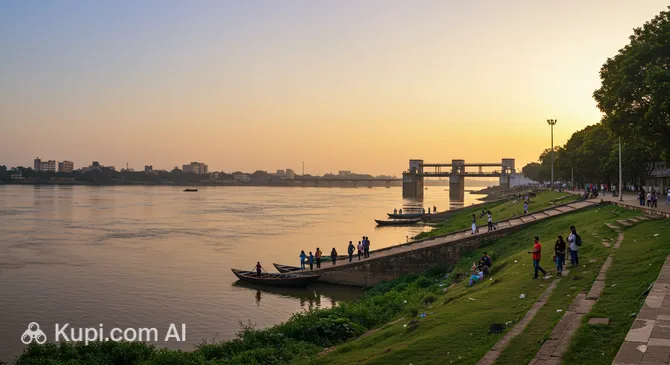
Durgapur. Source: Kupi.Binoculars

Travelers will find that Durgapur is not just about factories; it boasts several scenic attractions. The **Durgapur Barrage** is a favorite spot for locals and tourists alike, offering panoramic views of the river, especially during sunset. For a relaxing afternoon, **Kumaramangalam Park** features beautifully manicured gardens and a musical fountain, while the intriguing **Bhabani Pathak’s Tilla** connects visitors to the region's literary heritage and the famous novel Durgeshnandini.

Whether you are interested in industrial heritage or simply looking for a quiet, well-organized city to relax in during your journey through West Bengal, Durgapur is well worth a visit. It invites you to discover a different, more structured side of the region's diverse character.

Weather Overview

Understanding the seasonal shifts is essential for planning a comfortable visit to this part of West Bengal. To help you pack appropriately, you can check the detailed report on the weather in Durgapur. The climate here is generally tropical, marked by significant variations in temperature and rainfall throughout the year.

The summer months, particularly April and May, bring intense heat, with average maximum temperatures reaching up to 37.1°C. As the heat subsides, the monsoon season takes over; July and August are the wettest months, experiencing rain on approximately 29 days each, transforming the city's parks into lush green spaces.

Winter offers a refreshing contrast and is widely considered the best time to explore the city. From November to February, conditions are much milder, with January seeing average lows around 11.4°C. Expect hot summers, a frequent pattern of rainfall during the monsoon, and cool, dry winters.

Interesting Facts

Beyond the main attractions, Durgapur holds many fascinating secrets. This industrial powerhouse is layered with unique history and modern initiatives that often go unnoticed by the casual traveler.
  • The city's meticulous design is the work of two American architects, Joseph Allen Stein and Benjamin Polk. Their vision in the 1950s transformed the region into a well-planned model town, giving it a distinct structural layout compared to many other cities in India.

  • Durgapur is frequently referred to as the "Ruhr of India". This prestigious nickname draws a parallel to the famous industrial valley in Germany, highlighting the city's massive contribution to the nation's steel and energy production.

  • While the site of Bhabani Pathak’s Tilla is famous for its literary connection, local legends speak of a mysterious network of underground tunnels beneath it. These were reportedly used by the "Robin Hood of Bengal" and his band of dacoits to hide and navigate the area unseen.

  • Embracing a greener future, Durgapur has been designated as a "Solar City" by the Ministry of New and Renewable Energy. This initiative actively promotes the use of renewable energy sources to power the urban environment, contrasting with its heavy industrial image.

How to Get There

Reaching Durgapur is convenient thanks to its status as a major industrial hub in West Bengal. Whether you prefer flying or taking the train, the city is well-connected to the rest of India. For a comprehensive guide on travel options, you can read more about how to get to Durgapur.

The city is served by its own domestic airport, Kazi Nazrul Islam Airport (RDP), which is located approximately 13.7 km from the city center. It is a convenient option for travelers coming from major Indian cities, with a taxi ride to the center taking around 40 minutes. For international travelers or those seeking more frequent connections, the Netaji Subhas Chandra Bose Airport (CCU) is the primary gateway. Situated in Kolkata, about 150 km away, this major international hub handles a vast amount of passenger traffic. A journey by taxi or bus from Kolkata to Durgapur typically takes around 4 hours.

For clarity, here is a summary of the main airports near the city:

Airport Name City Passenger Traffic Km from City
Netaji Subhas Chandra Bose AirportKolkataVery High150.7
Kazi Nazrul IslamDurgapurMedium13.7
Rajshahi AirportRajshahiMedium167.1
Deoghar AirportDeogharMedium119.5
Jessore AirportJessoreSmall192.7

Durgapur is also a significant stop on the Indian Railways network. The Durgapur Railway Station is situated on the main line connecting Kolkata (Howrah) and New Delhi, ensuring excellent connectivity. High-speed trains like the Rajdhani and Shatabdi Express frequently stop here, making train travel a popular and comfortable choice for many visitors. The station is easily accessible from all parts of the city by local transport.

Main Attractions

While often recognized for its industrial prowess, Durgapur offers a surprising array of scenic and cultural spots for travelers. The city's layout integrates nature with urban planning, resulting in several well-maintained parks, historical sites, and riverside destinations that are perfect for sightseeing.

Durgapur Barrage is perhaps the most iconic landmark in the region. Built across the Damodar River, this massive structure is not just an engineering feat but a popular recreational spot. It serves as a vital link to the neighboring districts and creates a large reservoir that attracts migratory birds during the winter months. Locals and tourists flock here in the evenings to walk along the bridge, enjoy the cool river breeze, and witness breathtaking sunsets over the water.

For those seeking a green escape, Kumaramangalam Park is a must-visit. It is one of the largest parks in the city, meticulously landscaped with lush lawns and vibrant flower beds. The park is a favorite among families for its boating facilities on a small lake and a musical fountain that lights up the evenings. Bronze sculptures and paved pathways make it an ideal location for a leisurely afternoon stroll or a picnic.

History enthusiasts will find Bhabani Pathak’s Tilla to be a site of great intrigue. This protected monument is steeped in local folklore and is famously associated with the "Sanyasi Rebellion" and Bankim Chandra Chattopadhyay’s novel Durgeshnandini. The area features a system of ancient tunnels, which legend says were used by the bandit hero Bhabani Pathak. Although the tunnels are sealed, the site and its accompanying temple offer a fascinating glimpse into the region's mysterious past.

Another delightful spot for recreation is Troika Park, also known as Anand Amusement Park. Located near the city center, it is a lively destination designed for fun and relaxation. The park features a deer park, a toy train, and various rides that appeal to children, making it an excellent choice for family outings. The surrounding area is well-developed, offering easy access to food and shopping options after a day of fun.

Ram Mandir in the Bidhan Nagar area stands out for its spiritual ambiance and architectural beauty. This well-known temple is dedicated to Lord Rama and is renowned for its intricate stone carvings and peaceful environment. Surrounded by a well-kept garden, it provides a serene atmosphere for prayer and meditation, drawing many visitors who wish to experience the quieter, spiritual side of the city.

Local Cuisine

The culinary landscape of Durgapur reflects the rich gastronomic heritage of West Bengal, characterized by a love for bold flavors and fresh ingredients. As a cosmopolitan industrial city, it offers a delightful mix of traditional Bengali fare and diverse cuisines from across India. Food here is not just sustenance but a celebration of culture, with rice and fish serving as the undisputed staples of the daily diet.

For an authentic experience, travelers must try the quintessential Bengali meal of Maach Bhaat (fish and rice). The region is famous for its freshwater fish preparations, such as Rui Posto (fish cooked with poppy seeds) and the spicy Ilish Bhapa (steamed Hilsa mustard curry). These dishes are typically flavored with mustard oil and a blend of five spices known as Panch Phoron, giving them a distinct and aromatic taste that defines local home cooking.

No visit to this part of the country is complete without indulging in its legendary sweets. Durgapur is a haven for those with a sweet tooth, offering classics like Rosogolla (spongy cottage cheese balls in syrup) and Mishti Doi (sweet fermented yogurt). Being close to Bardhaman, the city also serves excellent Sita Bhog and Mihidana, two traditional desserts that are beloved throughout the state for their unique textures and sweetness.

The street food scene in Durgapur is equally vibrant and offers a quick, delicious bite for explorers on the go. In the evenings, the streets come alive with vendors selling Phuchka, the local version of crisp, hollow puri filled with spicy tamarind water and potatoes. Other popular snacks include Egg Rolls—flaky parathas wrapped around a spicy egg filling—and Jhal Muri, a spicy puffed rice mixture that is perfect for a light snack while strolling through the city's parks.

Travel Tips

Visiting Durgapur offers a unique glimpse into a planned industrial township that harmonizes with nature. To ensure your trip to this dynamic part of West Bengal is smooth and enjoyable, here are some practical travel tips to keep in mind.

  1. Clothing and Gear: Since the climate varies significantly, pack light, breathable cotton clothes if you are visiting during the hot and humid summer. For winter trips between November and February, carry light woolens or a jacket, as evenings can get chilly. Comfortable walking shoes are essential for exploring the sprawling parks. If you plan to visit religious sites like the Ram Mandir, dress modestly; covering your shoulders and knees is recommended.

  2. Transportation: Getting around the city is quite convenient. Auto-rickshaws and electric rickshaws, locally known as "Totos," are the most popular and affordable means of transport for short distances. App-based cab services are available but may have longer wait times than in major metros. For inter-city travel or longer distances within the township, state-run buses are reliable, though renting a car for the day offers the most flexibility.

  3. Finances: The official currency is the Indian Rupee (INR). While credit and debit cards are widely accepted at hotels, malls in the City Centre, and upscale restaurants, cash is king for local transport and street food. ATMs are plentiful throughout the city. It is wise to carry small denominations for rickshaw fares and tips, which are appreciated but not mandatory.

  4. Health and Safety: Durgapur is generally a safe city for tourists, but it is advisable to stick to well-lit main roads after dark. Pharmacies are easily found in residential sectors and near major hospitals like The Mission Hospital. Always drink bottled or filtered water to avoid stomach issues, and carry mosquito repellent, especially if you plan to visit the barrage or parks during the evening.

  5. Communication: Bengali is the primary language spoken here, but Hindi and English are widely understood, especially in commercial areas and the steel township. Learning a few basic Bengali words like Nomoshkar (Hello) and Dhonnobad (Thank you) will go a long way in breaking the ice. SIM cards from major providers like Jio and Airtel can be purchased easily with a passport and visa copy.

  6. Local Etiquette: People in Durgapur are generally warm and helpful. Greeting locals with a smile or a nod is polite. When visiting someone's home or a temple, always remove your shoes before entering. It is customary to use your right hand for eating or passing money, as the left hand is considered unclean for these activities.

  7. What to Avoid: Be cautious about photography near industrial plants. As Durgapur is a key industrial hub in India, some areas around the steel plant or barrage may have security restrictions; always look for signage or ask for permission before taking photos of infrastructure. Additionally, avoid public displays of affection, as the local culture is somewhat conservative.

  8. Shopping Tip: For a contrast in shopping experiences, visit the City Centre for modern brands and a relaxed mall atmosphere, or head to Benachity for a bustling traditional market vibe. Benachity is the place to bargain for local textiles and everyday goods, but be prepared for crowds and narrow lanes.

With these practical insights, you are ready to navigate the avenues of the Steel City with confidence. Enjoy the warm hospitality and the unique blend of urban energy and scenic beauty that Durgapur has to offer.

Entertainment & Nightlife

While Durgapur is primarily known as an industrial hub, its nightlife scene has evolved significantly in recent years, offering a pleasant mix of relaxation and entertainment. The city may not have the frenetic energy of a major metropolis, but it provides a variety of options for those looking to unwind after sunset. The nightlife here revolves largely around modern lounges, hotel bars, and vibrant dining spots where locals gather to enjoy music and good food.

The heart of the action is undoubtedly the City Centre, a well-planned area that houses the city's best malls, hotels, and entertainment complexes. This district comes alive in the evening, with neon lights and a bustling crowd of young professionals and families. Another key area is Benachity, which offers a more traditional market vibe that stays busy into the late evening, though the nightlife here is more about street food and shopping than clubs.

For those seeking a lively atmosphere with music and drinks, Club BT located in Junction Mall is a popular choice. It offers a modern clubbing experience with a dance floor and a wide range of beverages, making it a favorite among the younger crowd. If you prefer a more sophisticated and laid-back setting, Theque at The Citi Residenci hotel provides an upscale lounge ambiance perfect for conversation and cocktails. Another notable venue is Devil's Night Club in the Fortune Plaza, known for its energetic vibe and late-night dining options.

Most nightlife venues in Durgapur operate until around 11:00 PM or midnight, with some hotel bars staying open slightly longer on weekends. The dress code is generally smart casual; while not overly strict, wearing beachwear or flip-flops to lounges is discouraged. Prices are quite reasonable compared to larger Indian cities, with a night out being affordable for most travelers.

Before the night fully sets in, visitors can enjoy a variety of daytime and early evening entertainment. Movie enthusiasts can catch the latest Bollywood or Hollywood blockbusters at modern multiplexes like SSR Cinemas in the Dreamplex complex. This venue offers a comfortable and high-quality cinematic experience, often serving as the starting point for a night out.

When it comes to safety and transport, Durgapur is generally secure, especially in well-lit areas like the City Centre. However, public transport options like buses and autos tend to thin out after 10:00 PM. It is highly recommended to arrange your return journey in advance. App-based cab services are available but can have longer wait times at night, so keeping the number of a reliable local taxi service handy is a practical tip for late-night commuters.

Parks & Museums

Beyond its industrial skyline, Durgapur surprises visitors with a refreshing array of green spaces and cultural institutions that celebrate the region's heritage and scientific progress. The city's thoughtful planning has preserved pockets of nature and history, offering travelers a chance to explore ancient forests, riverside retreats, and educational centers that provide a deeper understanding of this dynamic part of West Bengal.

For those willing to venture slightly further from the city center, **Deul Park** offers a perfect blend of history and nature. Located on the banks of the Ajay River, this scenic spot is famous for the towering terracotta temple of Ichhai Ghosh, a monument that dates back centuries. The park itself is a popular eco-tourism destination, featuring landscaped gardens and open lawns that are ideal for picnics. It provides a serene escape where visitors can enjoy the cool river breeze and explore the architectural legacy of the region's past.

Another significant natural site is the **Garh Jungle**, an ancient forest area that holds a special place in Hindu mythology. It is believed to be the site of the *Dharma Garh* of Raja Surath, where the very first Durga Puja was performed under the guidance of the sage Medhas. Today, the jungle is a haven for nature lovers and spiritual seekers alike, housing the Shyamarupa Temple amidst thick foliage. The area is distinct from the city's manicured parks, offering a more rugged and authentic experience of Bengal's wilderness.

In terms of museums, the **District Science Centre** (often referred to as the Science and Energy Park) is a standout attraction, particularly for families and students. As a unit of the National Council of Science Museums, it features interactive galleries that make learning about physics and energy fun and engaging. The center also boasts a planetarium and a well-maintained science park, making it a hub for fostering scientific temper in the region.

For a glimpse into local culture and history, the **Durgapur Museum** in A-Zone serves as a repository of the city's heritage. While smaller than national museums, it houses a collection of artifacts, sculptures, and historical items that trace the evolution of the area from a rural settlement to a steel township. It is a quiet spot for history buffs to spend an hour connecting with the local narrative.

Insider Tip: If you visit **Garh Jungle**, try to go in the early morning or late afternoon. The light filtering through the ancient sal trees creates a mystical atmosphere, and it is an excellent time for spotting local bird species that inhabit this historic forest.

Getting Around

Navigating Durgapur is relatively straightforward, as the city relies on a robust network of road-based public transport rather than a complex metro or rail system. The backbone of local mobility consists of an extensive bus service that connects the railway station, the steel township, and commercial hubs like Benachity and the City Centre. These buses are a mix of state-run vehicles, operated by the South Bengal State Transport Corporation (SBSTC), and colorful private mini-buses that are known for their speed and frequency.

For shorter distances and last-mile connectivity, the city is teeming with Auto-rickshaws and Totos (electric three-wheelers). Totos have become the most popular mode of transport for navigating within neighborhoods; they are eco-friendly, quiet, and navigate the narrower lanes with ease. Auto-rickshaws often operate on fixed routes with shared seating, making them an extremely budget-friendly option for commuting between major intersections.

The payment system in Durgapur is almost entirely cash-based. There are no travel cards, digital passes, or tap-to-pay systems for public buses or rickshaws. When riding a bus, you simply board and take a seat; a conductor will come to you to collect the fare and issue a paper ticket. Fares are quite low, typically ranging from a few rupees for short hops to slightly more for cross-city journeys. For Totos and auto-rickshaws, it is standard to pay the driver directly at the end of the trip.

Travelers should be aware that while ride-hailing apps like Ola and Uber operate in the city, their availability can be inconsistent compared to larger metropolitan areas, especially during early mornings or late nights. Traditional yellow taxis are available, primarily at the Durgapur Railway Station where you can find a prepaid taxi counter, ensuring a fixed and fair price for your transfer to the hotel.

Practical advice for tourists includes carrying plenty of small denomination coins and notes, as drivers and conductors often struggle with large bills. Public transport generally operates from around 6:00 AM to 9:00 PM. Services thin out significantly after 8:30 PM, so if you are planning a late dinner at the City Centre, it is wise to arrange a return taxi or have a reliable local cab number handy.

Accommodation

Accommodation in Durgapur primarily caters to business travelers and families, offering a range of options that balance comfort with affordability. The city provides a mix of establishments, from budget-friendly guesthouses and functional lodges to modern mid-range hotels and a few upscale resorts. While it may not have the vast luxury selection of a metropolitan capital, visitors will find clean, well-equipped properties that ensure a pleasant stay.

For most tourists, the City Centre is the most convenient and popular area to stay. Choosing a hotel here places you in the heart of the city's modern lifestyle hub, within walking distance of shopping malls, multiplexes, and a variety of dining options. It is the best choice for those who want easy access to evening entertainment and transport. Alternatively, the area surrounding the Durgapur Railway Station offers numerous practical and budget-friendly hotels, making it an ideal base for travelers in transit or those prioritizing connectivity to trains.

The cost of accommodation in Durgapur is generally reasonable compared to larger Indian cities. Budget travelers can find economical rooms with basic amenities, while mid-range and business hotels offer air-conditioning, Wi-Fi, and in-house dining at competitive rates. Booking is straightforward; most reputable hotels are listed on major online travel platforms, allowing for easy price comparison. However, for smaller lodges or government guest houses, booking directly via phone or upon arrival is often the norm.

Booking Tip: Durgapur sees a surge in visitors during the festive season of Durga Puja (typically in September or October) and the wedding season. During these times, it is highly advisable to book your accommodation several weeks in advance to secure your preferred location and rates.

Nearby Cities

For those looking to explore the surroundings, Durgapur serves as an excellent base for day trips to several interesting nearby locations:

One of the most culturally significant stops nearby is Bolpur, famous for housing Shantiniketan, the vision of Nobel laureate Rabindranath Tagore. A short drive brings visitors to this university town, where they can explore the Visva-Bharati campus, visit the museum dedicated to Tagore's life, and witness the region's rich artistic heritage. It is especially vibrant during the Poush Mela, a local fair celebrating folk music and crafts.

For history enthusiasts, Bardhaman (Burdwan) offers a glimpse into Bengal's royal past. The city is dotted with historical landmarks such as the imposing Curzon Gate and the architectural marvel of the 108 Shiva Temples. It is also a gastronomic destination, legendary for its traditional sweets like Sitabhog and Mihidana, which are a must-try for any visitor.

Asansol, the second-largest city in West Bengal, is another accessible option. While known as an industrial hub, it serves as a gateway to scenic spots like the Maithon Dam and the Kalyaneshwari Temple. It offers a bustling urban atmosphere and is well-connected for a quick day excursion to see a different facet of the region's development.

City Population Distance (km)
Asansol56391740
Bardhaman31426565
Bankura13738640
Bolpur8021042
Siuri6786449

These nearby destinations offer a glimpse into the diverse culture and landscapes of the region.

Shopping & Souvenirs

Shopping in Durgapur presents a delightful contrast between the organized, modern retail experience of a planned city and the chaotic charm of traditional Indian bazaars. Whether you are looking for high-end fashion brands or authentic local handicrafts, the city caters to diverse tastes and budgets. The shopping scene is broadly divided into two distinct zones: the sleek, modern City Centre and the bustling, historic market areas.

The City Centre is the undisputed hub for modern shopping enthusiasts. This sprawling area is home to Junction Mall, one of the largest and most popular shopping destinations in the region. Here, visitors can find a wide array of national and international brands, electronics, and lifestyle products in air-conditioned comfort. It is an excellent place to shop for apparel, footwear, and accessories while enjoying the clean, wide avenues that characterize this part of the city.

For a more traditional and immersive experience, a visit to Benachity is essential. This is the oldest and largest market in Durgapur, stretching for several kilometers. The narrow lanes are lined with hundreds of shops selling everything from gold jewelry and traditional textiles to household goods. It is a sensory overload of sights and sounds, where bargaining is a common practice. This is the best place to find authentic Bengali sarees, particularly the cotton Tant sarees that are a staple of the region's fashion.

Another notable market is the Chandidas Market, located near the steel township. It is a well-organized market complex that offers a balance between the chaos of Benachity and the gloss of the malls. It is particularly known for its collection of books, stationery, and affordable clothing, making it a popular spot for locals.

Travelers looking for souvenirs should keep an eye out for handicrafts from the neighboring districts, which are readily available in Durgapur's markets. The region is the gateway to Bankura, famous for its Terracotta art (especially the iconic Bankura Horse) and Dokra metal casting. You can find beautiful decorative pieces made from these traditional techniques, which make for perfect gifts. Additionally, local boutiques often stock Baluchari sarees, known for their intricate silk weavings depicting mythological scenes.

When planning your shopping spree, keep in mind that while malls in the City Centre accept credit and debit cards, cash is still the preferred mode of payment in markets like Benachity and Chandidas. Most traditional markets remain closed or have limited hours on Thursdays, so it is advisable to check local timings before heading out.

Reached the end of the page?

That means the route is fully explored