Support

Saidpur

About

Welcome to Saidpur, a vibrant and historically significant city located in the Rangpur Division of northern Bangladesh. Known for its dynamic atmosphere and commercial importance, this city serves as a major hub for trade and transportation in the region. With a population of approximately 232,000 residents, Saidpur offers a lively urban experience while maintaining the welcoming charm typical of the northern districts.

The city is well-connected and easily accessible, boasting one of the most important domestic airports in the north. The history of Saidpur is deeply intertwined with the development of the railway system in the subcontinent, which transformed it into a bustling railway town during the British era. Today, this legacy is still visible in the city's architecture and the diverse cultural background of its inhabitants.
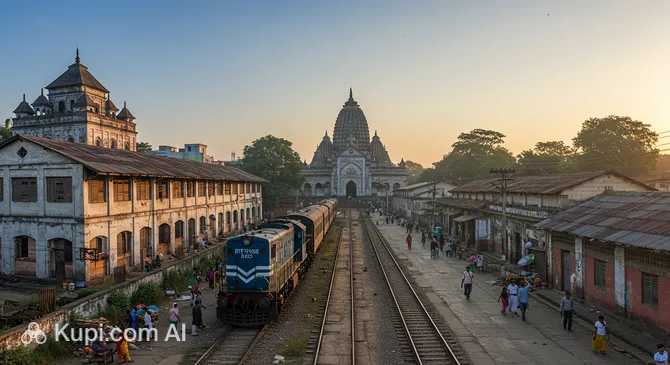
Saidpur. Source: Kupi.Binoculars

Travelers visiting Saidpur should explore the famous Saidpur Railway Workshop, a testament to the city's industrial heritage. Another notable site is the Chini Mosque (Chini Masjid), admired for its architectural beauty and unique mosaic decoration. For those interested in local life, the city's markets offer a colorful glimpse into the daily routine and commerce of the area, making it a fascinating stop for anyone exploring the northern reaches of the country.

Whether you are passing through on your way to other destinations or stopping to appreciate its unique heritage, Saidpur welcomes you with open arms. Its blend of historical landmarks and modern commercial energy makes it a noteworthy destination on any travel itinerary.

Weather Overview

Planning a trip to this northern hub requires a look at the local climate to ensure a comfortable journey. Understanding the weather in Saidpur allows travelers to pack appropriately, as the city experiences distinct seasonal shifts ranging from cool, dry periods to the intense humidity of the monsoon season.

The most pleasant time to visit is typically during the winter months, from November to February. During January, the coolest month, average temperatures sit around 17.3°C, with nights dropping to a crisp 11.3°C. This period is remarkably dry, with months like December and January seeing almost zero precipitation and clear, sunny skies, making it ideal for exploring the outdoors.

In contrast, the summer and monsoon months bring heat and significant moisture. Temperatures peak from April through June, often reaching maximums near 32°C. From June to September, the city experiences its heaviest rainfall; July alone can have up to 29 wet days, maintaining an average temperature of roughly 29.2°C. Generally, you can expect hot, humid summers with frequent heavy rain and mild, dry winters perfect for sightseeing.

Interesting Facts

Beyond the busy railway tracks and commercial centers, Saidpur holds several fascinating secrets that are often overlooked by travelers. This city offers a unique blend of industrial heritage and cultural distinctiveness that sets it apart from its neighbors.

  • The Mosaic Mosque: The stunning Chini Masjid (Chinese Mosque) is an architectural marvel decorated with thousands of shards of broken china plates and glass. It is said that locals donated their own ceramic utensils to help adorn the building, creating a shimmering, colorful facade that is truly one-of-a-kind in Bangladesh.

  • A Culinary Island: Unlike the rice-and-fish staples found in most of the region, Saidpur is famous for its unique spicy cuisine, particularly mouthwatering seekh kebabs and beef chaap. This distinct food culture is a legacy of the diverse community that settled here during the railway boom, making the city a magnet for food lovers.

  • Born from Steam: The city was effectively established in 1870 solely to support the Saidpur Railway Workshop, which was once the largest of its kind in the Assam-Bengal railway network. The town still retains a colonial-era layout with red-brick buildings and a massive industrial complex that preserves the history of the steam engine era.

  • The City of Night: Saidpur has earned the nickname "The City of Night" due to its unusually vibrant nocturnal energy. Driven by 24/7 railway operations and intense commercial trade, many markets and eateries remain bustling well into the late hours, offering a lively atmosphere that contrasts with the quiet rural nights of surrounding districts.

How to Get There

Reaching this northern hub is relatively straightforward, thanks to its status as a major transport center in the Rangpur Division. Whether you prefer flying to save time or taking a scenic train journey through the countryside, there are several convenient options available. For a detailed breakdown of routes and tips, you can read more about how to get to Saidpur.

The most direct way to arrive is by air. The city is served by its own domestic hub, Saidpur Airport (SPD), which is conveniently located just 2.4 km from the city center. It is a busy regional airport with regular daily flights connecting to the capital, Dhaka. The short distance means a taxi or auto-rickshaw ride to the downtown area takes only about 25 minutes.

For international travelers or those coming from the neighboring region of West Bengal, India, Bagdogra Airport (IXB) in Siliguri is a significant option. It is located approximately 115 km away. However, please note that using this route requires crossing the international border between India and Bangladesh. The journey from Siliguri to Saidpur by road typically takes around 3 to 4 hours, depending on border formalities and traffic.

Another domestic alternative within Bangladesh is Rajshahi Airport (RJH), situated in the city of Rajshahi, about 151 km from Saidpur. While further away, it serves as a backup entry point for the northern region. A drive from Rajshahi to Saidpur generally takes about 4 hours by car or bus.

For clarity, here is a summary of the main airports serving the region:

Airport Name City Passenger Traffic Km from City
Bagdogra Airport Siliguri High 115.1
Saidpur Airport Saidpur Medium 2.4
Rajshahi Airport Rajshahi Medium 151.2
Bhadrapur Airport Bhadrapur Small 120.0
Pakyong Airport Gangtok Small 163.6

Saidpur is historically known as a "Railway City," and train travel remains one of the most popular and scenic ways to get here. The Saidpur Railway Station is a key stop on the broad-gauge line connecting the northern districts with the rest of the country. Intercity trains, such as the famous Nilsagar Express, run regularly between Dhaka and Saidpur, offering a comfortable and affordable journey. The railway station is centrally located, making it easy to catch a rickshaw or tom-tom to your hotel immediately upon arrival.

Main Attractions

Saidpur offers a fascinating mix of industrial heritage and architectural beauty, reflecting its unique history as a railway hub. Visitors to this bustling city will find landmarks that tell the story of its colonial past and its vibrant, diverse culture.

The most iconic landmark in the city is the Chini Mosque (Chini Masjid), a masterpiece of architectural creativity located in the Islambagh area. Built in 1863, this mosque is renowned for its stunning mosaic decoration. The exterior and interior walls are embedded with thousands of shards from broken china plates and glass, creating a glittering, colorful facade that is unlike any other in the country. With its 27 minarets and intricate floral patterns, it stands as a unique example of mosaic art and is a must-visit for anyone interested in history and design.

For those interested in the city's industrial roots, the Saidpur Railway Workshop is a significant attraction. Established in 1870 by the British, it is the largest railway workshop in Bangladesh and spans a massive area filled with red-brick buildings and lush greenery. While it is primarily a functioning facility for repairing carriages and locomotives, the site is a living museum of the steam engine era. Visitors can often glimpse old steam locomotives and carriages that date back to the colonial period, offering a nostalgic journey through the history of rail transport in the subcontinent.

Another historical gem is the Christ Church, located near the railway station. Constructed in 1893, this red-brick church is a fine example of Gothic-style colonial architecture. It has served the local Christian community for over a century and remains a symbol of the city's religious harmony. The serene environment and the well-preserved structure provide a quiet contrast to the busy streets of the town center, making it a peaceful stop for tourists.

Just a short drive from the city center lies Nilsagar, a large historical pond that serves as a popular recreational spot. While technically in the neighboring area, it is a favorite getaway for locals and tourists in Saidpur. Surrounded by trees and well-maintained banks, it is an ideal location for picnics and nature walks. During the winter months, the water body attracts numerous migratory birds, making it a delightful destination for birdwatchers and nature enthusiasts.

Local Cuisine

Saidpur is widely celebrated across Bangladesh as a gastronomic paradise, particularly for meat lovers. Unlike the typical rice-and-fish staples found elsewhere in the country, this city offers a unique culinary landscape heavily influenced by the Bihari community that settled here. The streets are lined with eateries that come alive in the evening, filling the air with the mouthwatering aroma of spices and charcoal-grilled meats.

The undisputed stars of the local menu are the succulent Seekh Kebabs and Beef Chaap. These dishes are marinated in a secret blend of spices and raw papaya paste to ensure tenderness before being grilled to perfection over open coals. They are traditionally served with hot, flaky Parathas (layered flatbreads) and a side of fresh salad or zesty tamarind chutney. Visitors should also try the distinct Bihari Kebab, consisting of small, incredibly tender chunks of beef or mutton that practically melt in the mouth.

For those looking to quench their thirst, the options are predominantly non-alcoholic, reflecting the local culture. A steaming cup of Masala Tea (spiced tea) is the perfect way to end a rich meal and is available on almost every corner. During the warmer months or to balance the heat of the spices, street vendors offer refreshing glasses of Lassi (a yogurt-based drink) or freshly pressed sugarcane juice.

The dining culture in Saidpur is casual, vibrant, and famously nocturnal. The best food is typically found not in formal restaurants, but at bustling street-side stalls and open-air kitchens, particularly in the Islambagh area. It is common to see locals and tourists alike gathered around these grills well past midnight, enjoying the lively communal atmosphere that reinforces Saidpur's reputation as a city that never sleeps.

Travel Tips

Visiting Saidpur offers a unique glimpse into a bustling railway town famous for its heritage and culinary delights. To help you navigate the "City of Night" with ease, here are some practical tips to ensure your journey through this dynamic part of Bangladesh is comfortable and culturally respectful.

  1. Clothing and Gear: For most of the year, light and breathable cotton clothing is essential to handle the humidity. However, if you visit during winter (November to February), bring a warm jacket or sweater, as nights can be surprisingly chilly. When visiting religious sites like the Chini Mosque, dress modestly; both men and women should ensure their shoulders and knees are covered.

  2. Transportation: The most convenient way to navigate the city is by auto-rickshaw or battery-run "Easy Bikes," which are ubiquitous and affordable. There is no metro or tram system. If you are arriving at the airport, taxis are available, but it is advisable to agree on the fare before starting your journey.

  3. Finances: The local currency is the Bangladeshi Taka (BDT). While major hotels may accept credit cards, Saidpur is primarily a cash-based economy, especially when it comes to dining at its famous street food stalls. ATMs are plentiful in the town center, so keep enough cash on hand for daily expenses.

  4. Health and Safety: Pharmacies are widely available, particularly near the Railway Hospital area, and many stay open late. The city is generally safe for tourists, but standard precautions apply: keep your valuables secure in crowded markets and stick to bottled water to avoid health issues.

  5. Communication: While Bengali is the official language, Saidpur is unique because Urdu is also widely spoken due to its diverse history. English is understood at the airport and high-end establishments, but learning a few local greetings will be warmly received by shopkeepers and drivers.

  6. Local Etiquette: When indulging in the local culinary scene, remember to eat with your right hand, as using the left hand for food is considered unclean. It is also customary to remove your shoes before entering a mosque or a local home.

  7. What to Avoid: Public displays of affection are frowned upon in this conservative society and should be avoided. Additionally, do not take photographs of people, especially women, without asking for their permission first.

  8. Night Owl Tip: Embrace the city's nocturnal energy. Unlike many other provincial towns that close early, Saidpur's markets and eateries often remain bustling well past midnight. Plan your schedule to enjoy a late-night kebab feast, which is when the city is most alive.

With these tips in hand, you are ready to immerse yourself in the energetic rhythm of Saidpur. Whether you are bargaining in the markets or savoring spicy delicacies under the stars, a little preparation will ensure your visit is smooth and truly memorable.

Entertainment & Nightlife

Nightlife in Saidpur is distinct and surprisingly vibrant, though it differs significantly from the Western concept of clubs and bars. Known locally as the "City of Night," Saidpur owes its nocturnal energy to its railway heritage, where round-the-clock shifts created a culture of late-night commerce and dining. Instead of dance floors and cocktail lounges, the nightlife here revolves around bustling street markets, vibrant tea stalls, and an incredible late-night culinary scene that keeps the city awake well past midnight.

The epicenter of evening entertainment is undoubtedly the Islambagh area. As the sun sets, this district transforms into a sensory explosion of sights, sounds, and smells. It serves as the city's open-air dining room, where locals gather to socialize over charcoal-grilled meats and spicy delicacies. The atmosphere is chaotic yet welcoming, filled with the smoke of barbecue grills and the chatter of families and friends. There is no strict dress code, but modest, casual attire is expected and respectful of local customs.

For those seeking a place to hang out and soak in the local vibe, the areas surrounding the Saidpur Railway Station offer numerous tea stalls and snack shops that remain open very late. These spots act as informal social clubs where people discuss politics, sports, and daily life over cups of steaming cha (tea). It is important to note that alcohol is generally prohibited and not available in public venues; the social lubricant here is tea, sugary sweets, and rich food.

While the city focuses heavily on dining, there are options for other forms of amusement. Dream Plus Park, located a short distance from the main town in the wider Nilphamari district, is a popular amusement park that offers a mix of rides and green spaces. It is a favorite destination for families and groups of friends looking for daytime and early evening recreation. Additionally, local cinema halls occasionally screen the latest Dhallywood or Bollywood movies, providing a classic form of entertainment for the residents.

Shopping is another major evening activity. The Plaza Super Market and the shops along Bangabandhu Road often stay open later than in other Bangladeshi towns. The cool evening air makes it the perfect time to browse for clothes, handicrafts, or local goods. The crowds here are diverse, and the environment is generally safe for tourists, though standard precautions against pickpocketing should be taken in the densest crowds.

From a practical standpoint, the best time to experience Saidpur's nightlife is between 8:00 PM and 1:00 AM. Prices are incredibly affordable, with a hearty meal costing a fraction of what it would in the capital. Getting around at night is easy; electric rickshaws (locally known as "Easy Bikes") and cycle rickshaws are plentiful and operate throughout the night. It is advisable to stick to well-lit, busy areas like Islambagh and the station road for safety, and if you need to travel far, ask your hotel to arrange a trusted taxi or auto-rickshaw.

Parks & Museums

While Saidpur is primarily known as a bustling industrial and railway hub, it offers surprising pockets of greenery and deep cultural reservoirs for those who know where to look. The city may not abound with traditional museums or vast botanical gardens, but its unique history is preserved in its open-air heritage sites and nearby natural retreats that provide a refreshing escape from the urban energy.

Nilsagar is the most significant natural attraction in the vicinity and serves as the primary green lung for locals and visitors alike. Although located a short distance outside the main city limits, this historic water body (formerly known as Binna Dighi) is the go-to destination for nature lovers. The site features a massive pond surrounded by ancient trees and well-maintained banks, making it perfect for picnics and leisurely walks. In winter, it transforms into a vibrant bird sanctuary, hosting thousands of migratory birds that flock to its calm waters, offering a spectacular sight for wildlife enthusiasts.

For a more modern recreational experience, Dream Plus Park offers a mix of landscaped gardens and amusement facilities. It is a favorite spot for families, providing a clean and organized environment where visitors can enjoy manicured lawns, artificial lakes, and various rides. It serves as a lively contrast to the historical sites, offering a space where the community gathers for relaxation and entertainment amidst green surroundings.

In terms of museums, Saidpur itself acts as a living railway museum. The Saidpur Railway Workshop is not a museum in the conventional sense with glass cases and tickets, but it is a monumental site of industrial heritage. Established in 1870, the complex preserves the legacy of the steam era. Visitors can often see British-era machinery, red-brick colonial structures, and retired locomotives that stand as silent witnesses to the city's golden age of rail transport. It is a fascinating destination for history buffs interested in the engineering marvels of the 19th century.

Complementing this industrial history is the artistic splendor of the Chini Mosque (Chini Masjid). While it is an active place of worship, it functions culturally as a gallery of mosaic art. The intricate "Chini Tikri" work—crafted from thousands of shards of imported porcelain and glass—covers the walls in floral and geometric patterns. This structure reflects the artistic dedication of the community and stands as a unique architectural exhibit, showcasing a style of decoration that is rare in the region.

For an authentic local experience, try visiting the railway officers' colonies in the late afternoon. These residential areas, built during the British era, are often greener and quieter than the rest of the city, lined with large rain trees and colonial bungalows. A walk here offers a peaceful atmosphere and a glimpse into the lifestyle that has characterized this railway town for over a century.

Getting Around

Navigating Saidpur is a unique experience that differs significantly from the structured public transport systems found in capital cities. There is no metro, tram, or extensive city bus network here. Instead, the local transport system is informal, highly accessible, and relies primarily on three-wheeled vehicles that weave through the bustling streets, offering a more personalized way to explore the town.

The backbone of the city's internal transit is the battery-run electric three-wheeler, locally known as the "Easy Bike" or "Tom-tom." These vehicles function somewhat like shared minibuses; they often run along fixed main routes, picking up and dropping off passengers for a nominal fee. They are quiet, eco-friendly, and ubiquitous. For a more private or direct journey, you can hire an entire Easy Bike for yourself, though this will cost slightly more than the shared rate.

For shorter distances and navigating narrow lanes where larger vehicles cannot pass, the traditional cycle rickshaw remains the king of the road. Riding a rickshaw offers a leisurely pace perfect for sightseeing, allowing you to soak in the atmosphere of the markets and colonial architecture. It is a quintessential part of the local charm and supports the livelihood of many residents.

The payment system in Saidpur is entirely cash-based. There are no travel cards, digital passes, or mobile ticketing apps for local transport. You must pay the driver directly in Bangladeshi Taka (BDT). It is crucial to carry small denominations (such as 10, 20, and 50 Taka notes), as drivers often struggle to find change for large bills. Fares are generally very affordable, with short shared trips costing just a few Taka.

A key piece of advice for tourists is to master the art of negotiation. Since rickshaws and private Easy Bikes do not use meters, you must agree on the fare before you get into the vehicle. If you are unsure of the standard rate, ask a local shopkeeper or your hotel receptionist for an estimate to avoid being overcharged. Once the price is settled, the drivers are usually very honest and friendly.

Transport operating hours in Saidpur are surprisingly extensive due to its reputation as the "City of Night." While rickshaws in other towns might disappear after dark, here you can easily find transport late into the night, especially near the Railway Station and the busy Islambagh area. However, for very late travel in remote areas, it is safer and more reliable to arrange transport through your accommodation.

Alternatives to three-wheelers are limited. Taxis are not commonly hailed on the street and are typically reserved for airport transfers or inter-district travel; these must be booked in advance via phone or through hotels. Car rentals are available but almost exclusively come with a hired driver, as self-driving is not recommended for those unfamiliar with the local traffic chaotic flow. Walking is also a viable and pleasant option for exploring the compact city center, particularly during the cooler winter months.

Accommodation

Finding accommodation in Saidpur is generally a straightforward affair, though travelers should set their expectations according to the city's character. As a bustling commercial and railway hub rather than a dedicated leisure destination, the accommodation landscape is primarily functional and practical. Visitors will mostly find budget-friendly guest houses and mid-range residential hotels that cater to business travelers, traders, and those in transit to other parts of northern Bangladesh. Luxury resorts or high-end international chains are not present here, but the existing options are usually clean, comfortable, and offer warm hospitality.

The most convenient area to stay is undoubtedly near the Saidpur Railway Station and the surrounding city center. Staying in this vicinity places you in the heart of the action, with easy access to the city's famous dining spots, markets, and transport links. For travelers arriving by air, there are also a few decent establishments located along the main road leading to Saidpur Airport, offering a quieter environment while remaining just a short drive from the downtown bustle.

In terms of pricing, accommodation in Saidpur is very affordable compared to the capital, Dhaka. Rates typically range from modest prices for basic non-air-conditioned rooms to slightly higher rates for suites with air conditioning and modern amenities. While some of the more established hotels have started to appear on major online booking platforms, many smaller guest houses still operate largely offline. It is often effective to book directly by phone or simply walk in, as availability is usually good throughout the year.

A helpful tip for planning your stay is to carry sufficient cash. While some top-tier local hotels may accept credit cards, the majority of establishments prefer or require payment in cash. Additionally, if you plan to visit during major religious festivals like Eid, it is highly recommended to book your room well in advance, as the city sees a massive influx of returning residents and visitors, causing hotels to fill up quickly.

Nearby Cities

For those looking to explore the surroundings, Saidpur serves as an excellent base for day trips to several interesting nearby locations. Situated in the heart of the Rangpur Division, the city is surrounded by districts rich in history, archaeology, and natural beauty, making it easy to venture out in the morning and return by evening.

One of the most popular destinations for a short trip is Dinajpur, located just over 30 kilometers away. This historic city is home to the magnificent Kantajew Temple, a late-medieval Hindu temple celebrated for its exquisite terracotta architecture. Visitors can also explore Ramsagar National Park, which features a massive man-made lake perfect for a relaxing afternoon. The proximity makes it an effortless journey for travelers seeking architectural wonders and green spaces.

Another excellent option is the divisional capital, Rangpur. A short drive south brings you to this major urban center, where the stunning Tajhat Palace (Tajhat Zamindar Bari) stands as a testament to the region's aristocratic past. The palace is now a museum housing ancient artifacts and is surrounded by beautiful gardens. Rangpur also offers a zoo and the Chikli Vata park, providing a mix of culture and recreation suitable for families.

For those willing to travel a bit further, Bogra offers a deep dive into ancient history. Known as the gateway to the north, it is famous for Mahasthangarh, the oldest known archaeological site in Bangladesh. The ruins here date back to the 3rd century BC, offering a fascinating glimpse into the early civilization of the region.

City Population Distance (km)
Rangpur 1,031,388 37
Rajshahi 763,580 158
Bogra 400,983 113
Dinajpur 276,000 31
Nazipur 231,900 83

These nearby destinations offer a glimpse into the diverse culture and landscapes of the region.

Shopping & Souvenirs

Shopping in Saidpur is a reflection of its status as a major commercial hub in northern Bangladesh. Unlike a typical tourist town filled with souvenir trinkets, Saidpur is a bustling center for trade, particularly famous for its thriving garment industry. The city is often referred to as a "commercial capital" of the region, attracting buyers from all over the country who come to purchase wholesale clothing. For visitors, this means access to high-quality apparel, particularly denim products, at incredibly affordable prices.

The heartbeat of the city's retail scene is Bangabandhu Road (also known as Sher-e-Bangla Road). This main artery is lined with hundreds of shops selling everything from electronics and cosmetics to textiles and shoes. Walking down this street offers a true immersion into the local hustle and bustle. It is the best place to find everyday essentials and experience the energetic atmosphere of a town that thrives on commerce.

For a more modern shopping experience, the Plaza Super Market stands out as the premier destination. Located centrally, this multi-story complex houses a variety of individual stores offering readymade garments, jewelry, and lifestyle products. It provides a slightly more organized and air-conditioned environment compared to the street-side stalls, making it a comfortable spot to browse for sarees, salwar kameez, or western wear.

However, the real charm of shopping here lies in the local markets and the specific "garment clusters." Saidpur is renowned for its cottage industries that produce export-quality jeans and denim wear. In areas surrounding the railway station and specific pockets of the city, you can find small shops and warehouses selling stylish jeans, jackets, and shirts directly from the manufacturers. These items are often sold at a fraction of the price you would pay in the capital or abroad, making them a fantastic bargain.

When it comes to souvenirs, the best items to take home are undoubtedly clothing and textiles. A pair of locally manufactured jeans or a denim jacket makes for a practical and unique memento of the city's industrial spirit. Additionally, travelers often buy packets of the famous local sweets or savory snacks from the Islambagh area to share with friends and family, as the city's culinary reputation is well-known across the region.

Stores in Saidpur generally open around 10:00 AM and remain open late into the night, often until 10:00 PM or even later, staying true to the city's reputation as a place that sleeps late. Cash is the primary mode of payment. While a few upscale shops in the Plaza Super Market might accept credit cards, the vast majority of vendors, especially in the garment markets and street stalls, deal exclusively in Bangladeshi Taka. It is advisable to carry sufficient cash in smaller denominations for easier transactions.

Tourists should note that tax-free shopping or VAT refund schemes are not available in Saidpur. The prices displayed or quoted are usually final, although bargaining is a common and expected practice in smaller shops and open markets. engaging in a friendly negotiation can often result in a significantly better price.

Reached the end of the page?

That means the route is fully explored