Support

Dhaka

About

Welcome to Dhaka, the energetic and pulsing heart of Bangladesh. This sprawling metropolis is not just the political and economic center of the nation but also a cultural hub where centuries-old tradition meets rapid modernization. The city's atmosphere is electric, characterized by a vibrant mix of colors, sounds, and the hustle of daily life that creates a truly unique urban experience.

Geographically located on the banks of the Buriganga River in the Dhaka Division, the city serves as a vital port and commercial center. It is one of the world's most populous megacities, home to over 18 million people, which contributes to its dynamic and never-sleeping character. The tropical wet and dry climate ensures lush greenery, particularly during the monsoon season, adding a natural charm to the urban landscape.
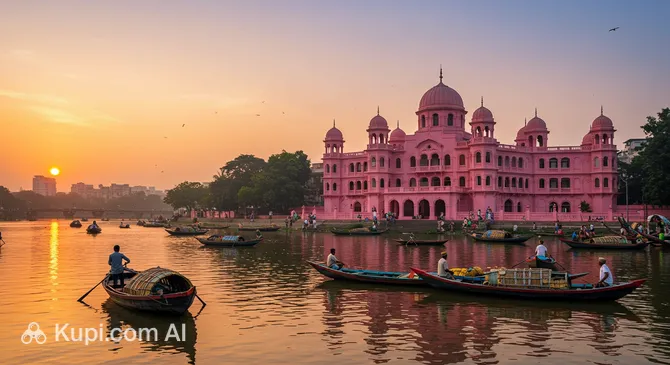
Dhaka. Source: Kupi.Binoculars

The city boasts a rich heritage that spans the Mughal era, British colonial rule, and modern independence. Visitors eager to understand the deep roots and evolution of this fascinating metropolis should explore the history of Dhaka, which is reflected in its diverse architecture and cultural landmarks. From ancient mosques to colonial buildings, the streets tell the story of a glorious past.

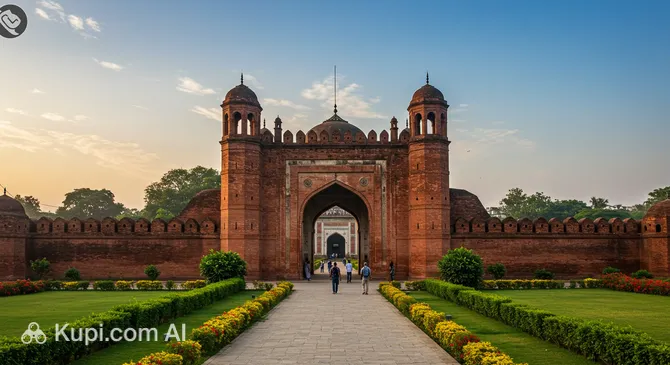
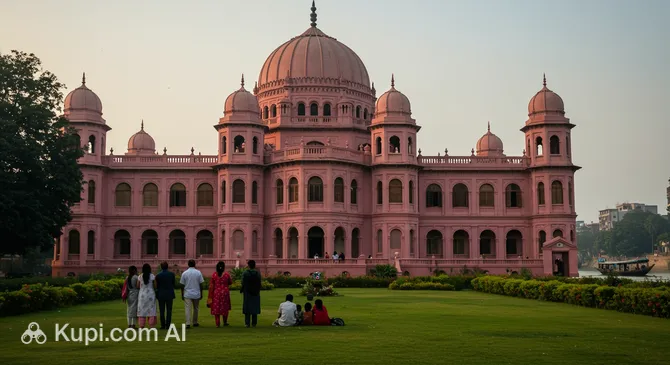
Among the top attractions, the unfinished 17th-century Lalbagh Fort stands as a testament to Mughal artistry, while the striking Ahsan Manzil, often called the Pink Palace, offers a glimpse into the lives of the Nawabs. Additionally, Dhaka is famously known as the "Rickshaw Capital of the World," where colorful, hand-painted cycle rickshaws provide not just transport but a moving art exhibition on the streets.

Dhaka is a city that engages all the senses, offering delicious street food, bustling markets like New Market, and incredibly hospitable locals. Whether you are navigating the lively streets of Old Dhaka or admiring the modern National Parliament House, a visit here promises an unforgettable adventure full of discovery.
Weather Overview

The climate in this region is tropical, marked by distinct seasons that significantly shape the travel experience. To help you pack appropriately and plan your daily itinerary, it is useful to review the typical weather in Dhaka before your arrival.

The winter months, spanning from November to February, are widely considered the best time to visit. During this period, the weather is dry and mild, with average temperatures ranging from 18.4°C to 23.7°C. January is typically the coolest month, where nighttime temperatures can drop to around 12.8°C, offering a refreshing break from the tropical heat.

As the season shifts to summer in March and April, the city warms up considerably, with average highs reaching nearly 34°C. This heat precludes the monsoon season, which dominates from June to September. Travelers during this time should be prepared for high humidity and frequent rainfall, as precipitation occurs on approximately 25 to 28 days per month during the peak of the wet season.

Expect hot, humid summers with heavy monsoon rains and cool, dry winters ideal for outdoor exploration.

Interesting Facts

Beyond the bustling streets and vibrant markets, Dhaka holds a treasure trove of fascinating stories and historical quirks that often escape the casual observer. Digging a little deeper reveals unique aspects of the city's heritage and daily life that make it truly one of a kind.
Lalbagh Fort. Source: Kupi.Binoculars
  • The city's name is widely believed to be derived from the historic Dhakeshwari Temple. The name translates to "Goddess of Dhaka," underscoring the deep spiritual and historical connection between the metropolis and this ancient site.

  • The magnificent Lalbagh Fort remains technically unfinished to this day. Construction was abruptly halted in the 17th century following the sudden death of Pari Bibi, the daughter of the Mughal governor, as her passing was considered a bad omen for the fortress.

  • Ahsan Manzil Museum, famously known as the Pink Palace, holds the distinction of being the first building in the city to be equipped with electric lights, marking a significant milestone in Dhaka's modernization journey.

  • Dhaka is often cited as having the highest density of cycle rickshaws in the world. The colorful, intricate paintings that adorn these vehicles are not just decoration but are recognized as a distinct form of folk art, turning the city's traffic into a moving gallery.

How to Get There

Reaching the vibrant capital of Bangladesh is relatively straightforward, with air travel being the most convenient method for international and distant domestic travelers. For a comprehensive overview of all transport options, you can read our detailed guide on how to get to Dhaka.

The primary gateway to the city is Hazrat Shahjalal International Airport (IATA: DAC). As the largest international airport in the country, it serves as the main hub for visitors. It is located directly in Dhaka, approximately 4.7 km from the city center. Depending on traffic, a trip by taxi or bus usually takes around half an hour. This bustling hub handles a significant volume of passengers annually, connecting the capital to major cities worldwide.

Another option for travelers is Agartala Airport (IATA: IXA), situated in Agartala, India. It is located about 84.6 km from Dhaka. The journey from this airport to Dhaka takes approximately two and a half hours by road. However, since this airport is located across the border, travelers choosing this route must account for the necessary international border crossing procedures.

For clarity, here is a summary of the main airports serving the area:

Airport Name City Passenger Traffic Km from City
Hazrat Shahjalal International Airport Dhaka Large 4.7
Agartala Airport Agartala Medium 84.6
Sylhet Civil Airport Sylhet Medium 195.5
Rajshahi Airport Rajshahi Small 195.8
Jessore Airport Jessore Small 145.4

Beyond air travel, Dhaka is the central hub of the country's transportation network. Visitors can also arrive by train or long-distance bus from virtually any district in Bangladesh. The city's railway stations and bus terminals are busy and well-connected, offering an authentic travel experience for those exploring the region by land.

Main Attractions

Dhaka offers a fascinating array of historical and cultural sites that reflect its layered past. One of the most iconic landmarks is the Ahsan Manzil Museum, often referred to as the Pink Palace. Situated on the banks of the Buriganga River, this striking building was once the official residential palace and seat of the Nawab of Dhaka. Today, it serves as a museum showcasing the lavish lifestyle of the Nawabs, with galleries displaying period furniture, paintings, and household articles that transport visitors back to the colonial era.

Ahsan Manzil Museum. Source: Kupi.Binoculars

Another architectural marvel is the Lalbagh Fort, an incomplete 17th-century Mughal fortress that stands as a testament to the city's rich history. Although construction was never finished, the complex is impressive, featuring the Diwan-i-Aam (Hall of Audience), a mosque, and the tomb of Pari Bibi. The fort's lush gardens offer a peaceful escape from the city's bustle, making it a popular spot for both tourists and locals seeking tranquility amidst history.

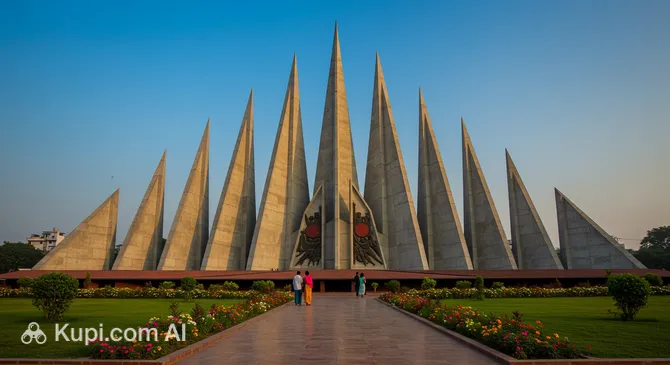
For those interested in the nation's struggle for independence, the National Martyrs' Memorial is a must-visit site located in Savar, on the outskirts of the city. This soaring concrete monument, surrounded by a serene artificial lake and gardens, is dedicated to the millions who gave their lives during the Liberation War of 1971. Its unique design, composed of seven triangular planes, changes its appearance depending on the viewing angle, symbolizing the resilience and sacrifice of the Bangladeshi people.

National Martyrs' Memorial. Source: Kupi.Binoculars

In the heart of Old Dhaka lies the exquisite Tara Mosque, also known as the Star Mosque. Dating back to the early 19th century, this mosque is renowned for its ornate mosaic decoration featuring blue star motifs. The intricate "chinitikri" work, which uses pieces of broken china plates and glass, covers the walls and domes, creating a glittering effect that makes it one of the most visually stunning religious sites in the city.

Finally, the Shaheed Minar holds immense cultural significance as a tribute to the martyrs of the Bengali Language Movement of 1952. This monument is the center of cultural activities, especially on International Mother Language Day. Its solemn design and historical importance provide deep insight into the linguistic and cultural identity of Bangladesh, making it an essential stop for anyone wanting to understand the soul of the nation.

Local Cuisine

Local Cuisine:

The culinary landscape of Dhaka is a mouthwatering journey that blends the rich, aromatic heritage of Mughal cuisine with the fiery and flavorful traditions of Bengal. For food enthusiasts, the city offers a stark but delightful contrast between the legendary street food of Old Dhaka and the sophisticated dining scenes in the newer districts.

A trip to this city is incomplete without tasting the famous Biryani of Old Dhaka. Unlike other variations, the local version is often cooked with mustard oil and distinct spices, with Kacchi Biryani (raw marinated meat cooked with rice) being a crowd favorite. Another iconic snack from the old quarters is Bakarkhani, a dry, layered flatbread that pairs perfectly with tea or sweet curries.

Traditional Bengali cuisine, centered around "Maach-Bhat" (fish and rice), is the soul of the local diet. The national fish, Hilsa (or Ilish), is a must-try, especially when prepared in a mustard sauce known as Shorshe Ilish. During the winter months, the city comes alive with the aroma of Pitha, a variety of rice cakes that can be sweet or savory, often made with date palm jaggery.

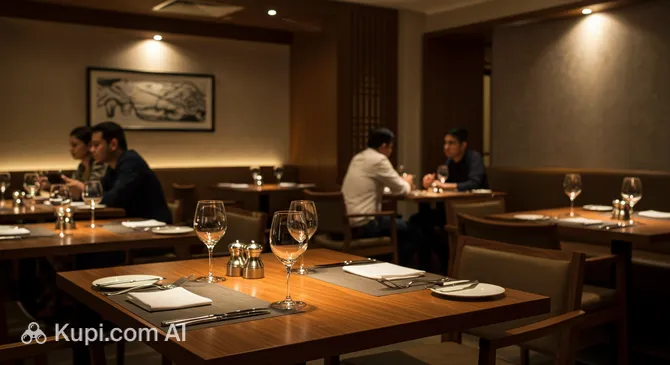
For those seeking a modern gastronomic experience, the city has evolved into a hub of diverse food courts and upscale restaurants. Chef's Table Gulshan 2 is a prime example, offering a vibrant atmosphere where visitors can choose from a wide array of international and local cuisines under one roof.

Chef's Table Gulshan 2. Source: Kupi.Binoculars

If you are looking for a place to unwind, venues like Chalet Restaurant & Bar provide a relaxing environment. Meanwhile, large establishments such as Sena Malancha often host grand events, showcasing the city's hospitality culture. To finish any meal, indulge in local sweets like Roshogolla or Mishti Doi (sweet yogurt), which are legendary across the region.

Travel Tips

Traveling to Dhaka can be an exhilarating whirlwind of sights, sounds, and experiences. To help you navigate this vibrant metropolis with ease and confidence, here are some essential practical tips for your journey to Bangladesh.

  1. Clothing and Gear: Due to the tropical climate, lightweight and breathable fabrics like cotton are essential. The culture is conservative, so dress modestly; both men and women should avoid short skirts or shorts, and covering shoulders is recommended, especially when visiting religious sites. Comfortable, closed-toe walking shoes are a must for navigating uneven streets. Don't forget a universal power adapter, as outlets can vary (Types C, D, G, and K are common).
  2. Transportation: Traffic in the city is legendary, so patience is key. For short distances, rickshaws are a quintessential experience, but always agree on the fare before hopping on. For longer commutes, ride-sharing apps like Uber or Pathao are highly recommended as they offer fixed prices and overcome language barriers. The new Metro Rail is a modern, efficient way to skip the congestion on specific routes, while public buses are often too crowded for comfort.
  3. Finances: The local currency is the Bangladeshi Taka (BDT). While international credit cards are accepted in upscale hotels, restaurants, and malls in areas like Gulshan and Banani, "Cash is King" everywhere else. You will need small bills for rickshaws and street markets. ATMs are widely available, but it is wise to carry enough cash for daily expenses. Tipping is not mandatory but is appreciated; rounding up the fare or leaving a small amount is a kind gesture.
  4. Health and Safety: Stick strictly to bottled water for drinking and brushing your teeth. Pharmacies are abundant, with many staying open late or 24/7 near major hospitals. Mosquitos can be a nuisance, so packing a strong insect repellent is crucial to prevent dengue. While the city is generally safe for tourists, exercise standard precautions: avoid walking alone in poorly lit areas at night and keep an eye on your belongings in crowded markets.
  5. Communication: Bengali (Bangla) is the official language. English is widely understood in business districts and by younger generations, but less so by rickshaw pullers or street vendors. Learning a few basic phrases like "Dhonnobad" (Thank you) will earn you warm smiles. A local SIM card (e.g., Grameenphone or Banglalink) is easy to obtain at the airport or official stores with your passport, ensuring you stay connected.
  6. Local Etiquette: Bangladeshis are incredibly hospitable. When greeting, a polite "As-salamu alaykum" works well. Always use your right hand for eating, shaking hands, or giving money, as the left hand is considered unclean. If invited to a home or entering a mosque, remember to remove your shoes at the door.
  7. What to Avoid: Public displays of affection are frowned upon and should be avoided to respect local norms. Additionally, refrain from photographing people, especially women, without asking for permission first; a simple gesture or smile is usually enough to ask.
  8. Weekend Timing: Keep in mind that the weekend in Dhaka falls on Friday and Saturday. Friday mornings are arguably the best time to explore the city, as the streets are surprisingly empty and the usual traffic gridlock is absent until the afternoon.

With these tips in hand, you are ready to embrace the chaotic charm of this dynamic city. Approach your adventure with an open mind and a dose of patience, and you will find that the warmth and resilience of the local people make your visit truly unforgettable.

Entertainment & Nightlife

The nightlife in Dhaka offers a unique blend of experiences, distinct from many Western capitals but vibrant in its own right. While the city is traditionally conservative, a growing culture of modern entertainment has taken root, particularly in the upscale neighborhoods. As the sun sets, the metropolis transforms, with glittering lights reflecting off the lakes and a lively atmosphere filling the streets, offering everything from serene evening walks to energetic lounge experiences.

For those seeking a more contemporary nightlife scene, the diplomatic zones of Gulshan and Banani are the primary hubs. These districts are home to the city's most exclusive lounges, clubs, and international hotels. Here, you can find venues like MTB Air Lounge, which offers a sophisticated rooftop setting perfect for enjoying the city skyline. The crowd in these areas typically consists of expats, tourists, and the city's elite, creating a cosmopolitan vibe where the dress code is generally smart casual.

Another popular spot for a trendy evening out is the Bubble Flavor Lounge. Venues like this often feature modern decor, music, and a relaxed ambiance suitable for socializing late into the night. For art enthusiasts and those looking for a more creative environment, Raw Canvas provides a distinct atmosphere, often combining dining with artistic elements, making it a favorite among the younger, hip crowd.

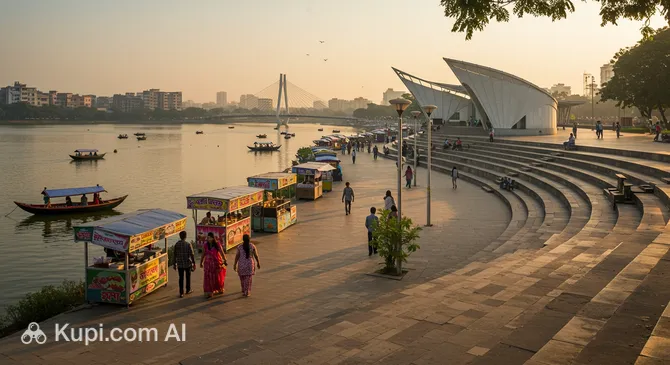
Hatirjheel Lake Park (West Side). Source: Kupi.Binoculars

Beyond the enclosed lounges, one of the most beloved evening activities in Dhaka is visiting Hatirjheel Lake Park (West Side). At night, this expansive area comes alive with illuminated bridges and walkways. It is a bustling gathering place where locals and visitors alike enjoy cool breezes, street food, and boat rides on the lake. It is arguably the best place to witness the city's energy in a safe, open-air environment.

While the focus here is on the night, the city also boasts excellent daytime entertainment options that are worth mentioning. Families and thrill-seekers can visit Toggi Fun World, a massive indoor amusement park, or explore the Jamuna Future Park, which houses a shopping mall, carnival rides, and cinemas. For a touch of nature and wildlife, the Bangladesh National Zoo in Mirpur remains a classic destination.

Practical Advice for Nightlife:

  • Timing: The peak times for nightlife are Thursday and Friday nights (the local weekend). Most lounges stay open late, but it is wise to check specific hours as they can vary.
  • Getting Around: Ride-sharing apps like Uber and Pathao are the safest and most convenient way to travel at night. They provide tracked journeys and fixed fares, avoiding the hassle of bargaining with auto-rickshaws in the dark.
  • Safety: Areas like Gulshan, Banani, and the Hatirjheel complex are generally well-lit and secure, with a visible police presence. However, avoid walking alone in dimly lit alleys or unfamiliar residential neighborhoods late at night.
  • Prices: Entertainment in the upscale districts is priced significantly higher than the rest of the city, comparable to international standards. Expect to pay a premium for ambiance and service in lounge settings.

Parks & Museums

While Dhaka is known for its frenetic energy and urban density, the city also harbors serene green spaces and profound cultural institutions that offer a respite from the bustle. Exploring these parks and museums provides a deeper understanding of the Bangladeshi way of life, blending nature, history, and the arts into the visitor's itinerary.

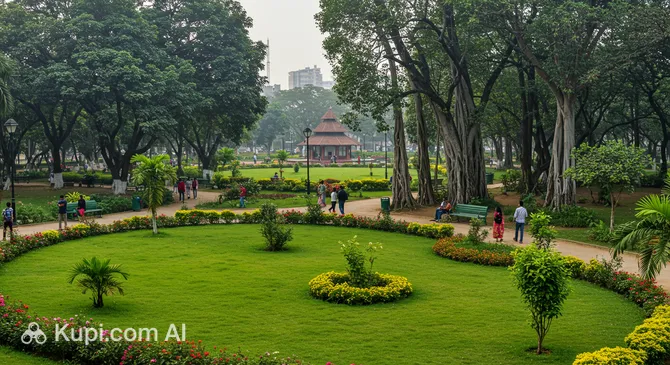
One of the most significant green lungs of the city is Ramna Park. Located in the heart of the capital, this sprawling garden is a favorite among locals for morning walks and cultural gatherings. It is particularly famous for hosting the vibrant Bengali New Year (Pahela Baishakh) celebrations. With its large lake and ancient trees, it offers a peaceful environment perfect for tourists looking to observe local life in a relaxed setting.

Ramna Park. Source: Kupi.Binoculars

Another architectural and natural gem is Chandrima Udyan, situated adjacent to the National Parliament House. Also known as Zia Udyan, this park features a crescent-shaped lake and a bridge that offers stunning views of the parliament complex, a masterpiece designed by Louis Kahn. It is an excellent spot for photography and leisurely strolls, combining modern landscape design with open skies.

For those willing to venture a bit further for a unique eco-friendly experience, Zinda Park in Narayanganj is a must-visit. Unlike typical city parks, this community-developed complex emphasizes rustic beauty, featuring mud houses, tree-lined paths, and reservoirs, making it an ideal day-trip destination for nature lovers.

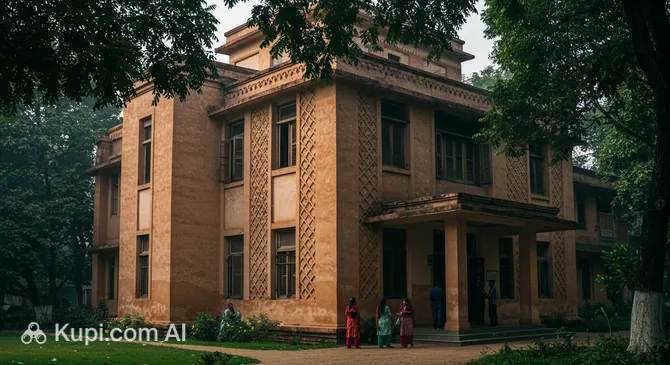
Dhaka's museums are equally compelling, serving as custodians of the nation's turbulent and triumphant history. The Bangabandhu Sheikh Mujibur Rahman Memorial Museum is perhaps the most emotionally resonant site in the country. Housed in the former residence of the Father of the Nation, the museum preserves the personal effects and history of Sheikh Mujibur Rahman and his family. It stands as a somber witness to the events of 1975 and is essential for anyone wishing to comprehend the political history of Bangladesh.

Bangabandhu Sheikh Mujibur Rahman Memorial Museum. Source: Kupi.Binoculars

On a more modern note, the Bangabandhu Military Museum offers a state-of-the-art experience. This extensive facility showcases the evolution of the country's armed forces through interactive displays, 3D projection halls, and a vast collection of military hardware. It is fascinating for both history buffs and families, providing an educational look at the nation's defense heritage.

Art enthusiasts should not miss the Bangladesh Shilpakala Academy. As the principal state-sponsored national cultural center, it hosts regular art exhibitions, theater performances, and festivals that highlight the rich artistic traditions of Bengal. It is a vibrant venue to witness contemporary and traditional Bangladeshi culture in action.

Beyond the major museums and parks, the city is dotted with other historical and cultural landmarks. The ancient Dhakeshwari Temple is the national temple of Bangladesh and a site of immense spiritual importance, dating back to the 12th century. Nearby, the Khan Mohammad Mridha Mosque stands on a high platform, showcasing the unique architectural style of the late Mughal period.

For a family-friendly excursion, the Bangladesh National Zoo in Mirpur is home to a variety of animals, including the majestic Royal Bengal Tiger. Alternatively, visitors seeking thrills can head to Dream Holiday Park, a popular theme park just outside the city that offers rides and water activities.

Getting Around

Navigating the bustling streets of Dhaka is an experience in itself, ranging from the ultra-modern to the deeply traditional. The most significant recent addition to the city's transport network is the Metro Rail (MRT Line 6). This elevated rail system is a game-changer for tourists, offering a clean, air-conditioned, and rapid way to bypass the city's legendary traffic congestion. It currently connects key areas like Uttara to Motijheel, making travel between north and south significantly faster and more comfortable than road options.

For a more local experience, the city is famous as the "Rickshaw Capital of the World." Cycle rickshaws are ubiquitous and perfect for short distances within neighborhoods or navigating narrow lanes where cars cannot fit. They are not just a mode of transport but a moving art form, decorated with colorful motifs. For longer distances, CNG auto-rickshaws (green three-wheelers) are a popular choice. These run on compressed natural gas and offer a faster, albeit breezier, ride through the city streets. While they are supposed to run on meters, drivers often prefer to negotiate a fixed fare beforehand.

Public buses form the backbone of the transit system, covering every corner of the metropolis. They range from basic local buses, which can be extremely crowded and stop frequently, to "sitting service" or AC buses that offer slightly more comfort. However, bus routes can be confusing for newcomers as signage is often only in Bengali. If you choose this option, it is best to ask a local for help identifying the right bus and where to get off.

Regarding payments, cash is king for most modes of transport. You will need small denominations of the local currency to pay rickshaw pullers, CNG drivers, and bus conductors directly. For the Metro Rail, you can purchase single-journey tickets from vending machines at the stations. If you plan to use the metro frequently, it is highly recommended to buy a Rapid Pass or a permanent MRT Pass. These rechargeable IC cards save time by allowing you to tap in and out without queuing for tickets every time.

For tourists seeking convenience and safety, ride-sharing apps are an excellent alternative. Services like Uber and the local favorite, Pathao, are widely available. Pathao is particularly famous for its motorbike taxi service, which is the fastest way to cut through gridlock. These apps eliminate the language barrier and the need to haggle over prices, as the fare is fixed and tracked via GPS. Taxis are also available but are less common on the streets compared to ride-sharing vehicles; they usually need to be booked in advance or found at major hotels and the airport.

A few practical tips will smooth your journey: The Metro Rail typically operates from early morning (around 7:00 AM) until late evening, but hours can vary on weekends and holidays. When using rickshaws or CNGs, always agree on the fare before starting your trip to avoid misunderstandings later. Finally, be prepared for heavy traffic, especially during rush hours (8:00 AM–10:00 AM and 5:00 PM–8:00 PM); planning your movements around these times can save you hours of travel.

Accommodation

Accommodation in Dhaka caters to a wide spectrum of travelers, ranging from luxurious five-star establishments to economical guesthouses. The city's hospitality sector has grown significantly, offering modern amenities that ensure a comfortable stay amidst the urban bustle. Whether you are looking for a lavish suite with city views or a simple room for a backpacking adventure, the capital has options to suit every preference.

For international tourists and business travelers, the neighborhoods of Gulshan and Banani are the most recommended areas. These diplomatic zones are known for their heightened security, upscale shopping malls, and diverse dining options. Alternatively, staying in Uttara is convenient for those with short layovers due to its proximity to the airport, while the Motijheel area places you closer to the commercial hub and the historical sights of Old Dhaka.

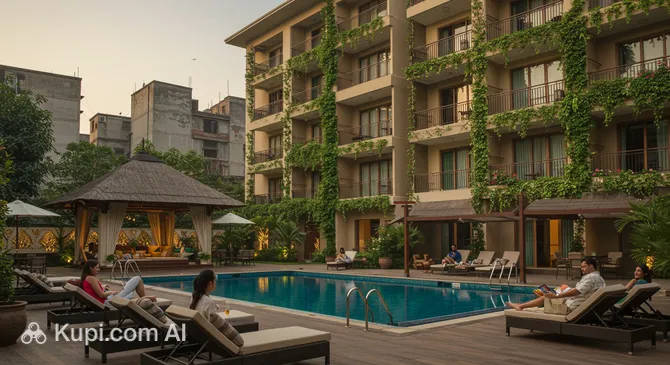
Travelers looking for a blend of comfort and leisure can find excellent resort-style options within and around the city. For instance, Fortis Downtown Resort offers a relaxing environment with modern facilities, perfect for unwinding after a day of exploration. Another notable option is the Subornogram Resort, which provides a serene escape from the city's fast pace.

Fortis Downtown Resort. Source: Kupi.Binoculars

When planning your trip, it is advisable to book your accommodation well in advance, especially during the peak winter season when the weather is most favorable. Prices vary widely; budget options can be found for a modest fee, while luxury stays are comparable to international rates. Most major hotels accept online bookings through global platforms, but contacting smaller guesthouses directly can sometimes yield better rates.

Nearby Cities

For those looking to explore the surroundings, Dhaka serves as an excellent base for day trips to several interesting nearby locations:

Just a short drive from the capital lies Narayanganj, a historic river port situated on the banks of the Shitalakshya River. Known as the "Dundee of the East" for its prominence in the jute trade, it offers a fascinating mix of industrial heritage and history, featuring landmarks like the Sonakanda Fort and the Hajiganj Fort.

For nature enthusiasts, Gazipur is a favored destination. It is home to the Bhawal National Park, a vast area of Sal forest that provides a refreshing escape from the urban congestion. The area is also dotted with numerous resorts and picnic spots, making it perfect for a relaxing day out with family.

A bit further away, Tangail is renowned for its rich cultural legacy, particularly its traditional handloom industry that produces the famous Tangail Sarees. Visitors can explore the stunning Mohera Jomidar Bari, a well-preserved landlord's palace, and the ancient Atia Mosque, which appears on the country's currency.

City Population Distance (km)
Narayanganj 1572386 19
Gazipur 1199215 21
Faridpur 557632 63
Tangail 392300 71
Brahmanbaria 268279 74

These nearby destinations offer a glimpse into the diverse culture and landscapes of the region, providing travelers with enriching experiences just beyond the city limits.

Shopping & Souvenirs

Shopping in Dhaka is a vibrant and contrasting experience that ranges from navigating chaotic, centuries-old bazaars to strolling through polished, air-conditioned mega-malls. The city is a treasure trove for textile lovers, famously known for its high-quality fabrics and traditional handicrafts. Whether you are looking for luxury brands or bargain deals, the retail landscape here offers something for every budget and taste.

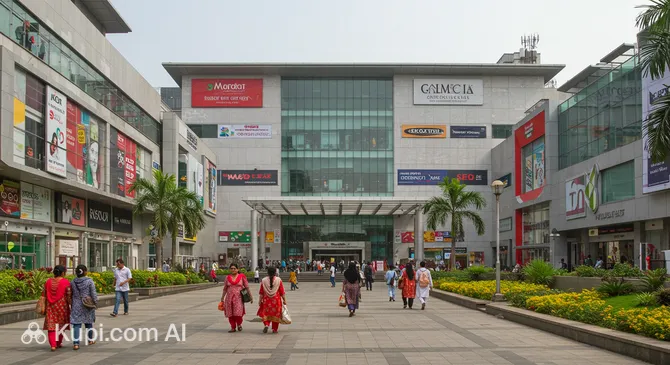
For a modern retail experience, the city boasts some of the largest shopping centers in South Asia. The Bashundhara City Shopping Complex is a massive multi-story mall that attracts thousands of visitors daily. It houses a vast array of clothing stores, electronics shops, and a large food court, making it a one-stop destination for families. Another giant on the scene is Jamuna Future Park, which is not just a shopping destination but an entertainment hub featuring international brands, a cinema, and amusement rides.

Bashundhara City Shopping Complex. Source: Kupi.Binoculars

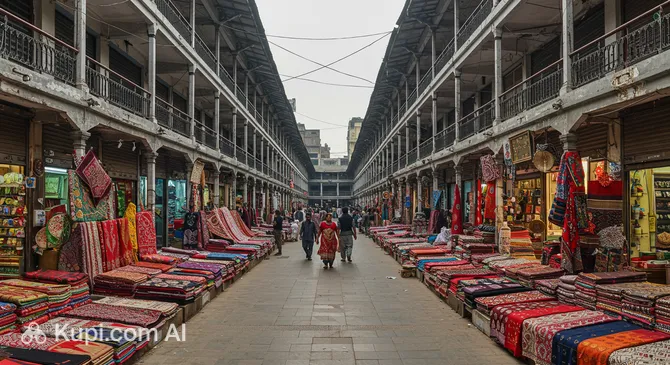
However, the true soul of Dhaka's commerce lies in its traditional markets. The historic Dhaka New Market is a legendary spot that has served the city since the 1950s. This bustling complex is a maze of stalls selling everything from books and stationery to crockery and fabrics. It is an excellent place to witness the local energy, though visitors should be prepared for crowds and the necessity of bargaining to get a fair price.

Dhaka New Market. Source: Kupi.Binoculars

If you are visiting during the winter months, keep an eye out for the Dhaka International Trade Fair. This annual event showcases a massive variety of local and international products, offering a unique opportunity to see the country's export-quality goods all in one place. For general shopping districts, the areas of Gulshan and Banani are lined with upscale boutiques, while Elephant Road is famous for its endless rows of shoe stores and computer accessories.

Souvenirs: When looking for gifts to take home, Jamdani sarees are the top choice; these hand-woven textiles are a UNESCO Intangible Cultural Heritage and a symbol of Bangladeshi artistry. Products made from jute, known as the "Golden Fiber," such as bags and mats, are also popular and eco-friendly. Additionally, pink pearls, terracotta pottery, and handicrafts from local fair-trade organizations make for beautiful and authentic keepsakes.

Opening Hours and Payment: Most shopping malls and larger stores operate from around 10:00 AM to 8:00 PM or 9:00 PM. However, markets often have a weekly holiday where they remain closed for half or full days, which varies by neighborhood (often Tuesday or Sunday). While credit cards are widely accepted in malls and upscale shops in diplomatic zones, cash is absolutely essential for street markets and smaller stalls. Bargaining is expected in open markets, so do not hesitate to negotiate politely.

Tax-Free: Bangladesh does not typically offer a VAT refund scheme for tourists at points of sale or departure. The price you see is generally the final price, inclusive of any applicable taxes.

Reached the end of the page?

That means the route is fully explored