Support

Barisal

About

Welcome to Barisal, a picturesque city often referred to as the "Venice of the East" due to its intricate network of rivers and canals. Located in the south-central region of Bangladesh, this vibrant city stands gracefully on the banks of the Kirtankhola River. It is a place where water and life are inseparable, offering visitors a unique glimpse into the riverine culture of the country.
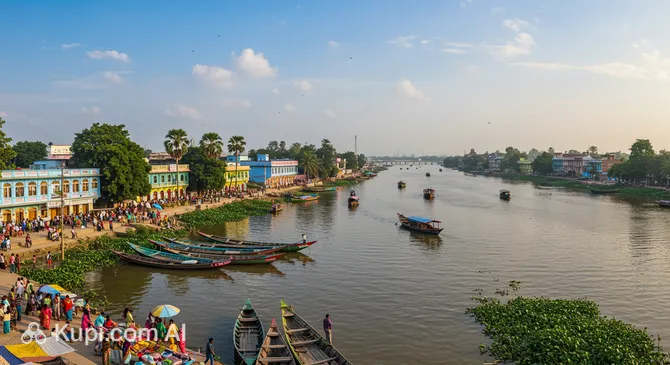
Barisal. Source: Kupi.Binoculars

As a major river port and the administrative headquarters of the Barisal Division, the city is a bustling hub of activity with a population of approximately 300,000 people. Despite its importance as a commercial center, Barisal maintains a serene atmosphere characterized by lush greenery and paddy fields. Exploring the history of Barisal reveals its long-standing significance as a trading post and a center of agricultural abundance, deeply rooted in the fertile delta lands.

Travelers are drawn to Barisal for its stunning natural beauty and unique attractions. The region is famous for its floating markets, particularly the guava markets in nearby Bhimruli, which are a photographer's delight. Architecture enthusiasts will appreciate the magnificent Baitul Aman Jame Masjid, also known as the Gutia Mosque, with its striking minaret and peaceful pond. Another must-visit spot is Durga Sagar, the largest man-made pond in the region, offering a perfect setting for a relaxing walk and bird watching.

Whether you are navigating the tranquil backwaters by boat or exploring the local heritage, Barisal promises an unforgettable experience. It is an ideal destination for those seeking to escape the rush of the capital and immerse themselves in the authentic, water-centric lifestyle of the Bengal delta.
Weather Overview

The climate in this riverine city is generally tropical, characterized by distinct seasonal variations that influence the best times for travel. Before planning your itinerary, it is helpful to review the current weather in Barisal to ensure a comfortable journey. The winter months, spanning from November to February, offer the most pleasant conditions. During this time, the weather is mild and dry, with average temperatures hovering around 19°C to 22°C. January is typically the coolest month, with lows dipping to approximately 14.0°C, creating a refreshing atmosphere for exploring the outdoors.

As the season shifts towards March and April, temperatures begin to rise significantly, leading to a hot and humid summer. April is often one of the warmest months, with maximum temperatures reaching up to 34.4°C. From June through September, the city experiences its monsoon season, characterized by a very high frequency of rainfall. Although temperatures remain warm, averaging around 29°C, travelers should be prepared for wet conditions, as July and August can see up to 30 wet days per month. Expect warm, humid summers with frequent rain and mild, dry winters.

Interesting Facts

Beyond the main attractions, Barisal holds many fascinating secrets and historical quirks that reveal the true character of this riverine city. From unexplained natural phenomena to enduring colonial legacies, there is much more to discover here than meets the eye.
  • One of the most enduring mysteries of the region is the phenomenon known as the "Barisal Guns." In the 19th and early 20th centuries, unexplained booming sounds resembling distant cannon fire were frequently heard coming from the Bay of Bengal. These sonic booms fascinated British officials and were even alluded to by the poet T.S. Eliot, yet their exact meteorological or geological cause remains a subject of debate to this day.

  • Barisal is synonymous with the legendary "Rocket" paddle steamers. These yellow, colonial-era vessels have been navigating the rivers since the British Raj and are among the last of their kind still in operation. Riding one of these steamers offers a rare chance to experience a mode of water transport that has remained largely unchanged for nearly a century.

  • The region is often defined by the local proverb "Dhan, Nodi, Khal – Ei tine Barisal," which translates to "Paddy, river, and canal – these three make Barisal." This saying highlights the city's status as the "Granary of Bengal," emphasizing its vital role in rice production and its intrinsic connection to the waterways that crisscross the land.

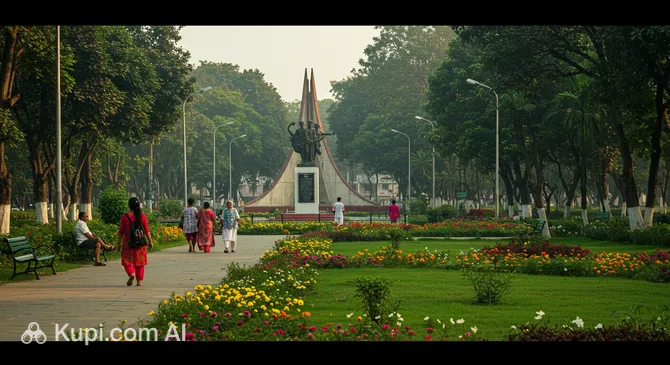
  • The city places a strong emphasis on honoring local history and heroes. This dedication is visible at the Barishal Freedom Fighters Park, a serene green space that serves as a tribute to those who fought for the nation, blending historical remembrance with a peaceful environment for locals and visitors alike.

Barishal Freedom Fighters Park. Source: Kupi.Binoculars

How to Get There

Reaching the riverine city of Barisal is a journey that often involves traversing the scenic landscapes of the Bengal delta. While the city is a major hub in southern Bangladesh, it is primarily accessed via road and water transport from major gateways. For a comprehensive overview of all travel options, including bus and ferry details, you can read more about how to get to Barisal.

The city of Barisal does not have a major international airport of its own listed here, but you can fly into Hazrat Shahjalal International Airport (DAC) in the capital city of Dhaka. Situated approximately 125 km from Barisal, this is the primary entry point for international travelers. From the airport, you can continue your journey by road, which takes about 3.5 hours depending on traffic and route conditions. This airport handles a large volume of passengers annually and offers the most extensive connections.

For those traveling domestically or from nearby regions, Jessore Airport (JSR) in the city of Jessore is another option. Located about 133 km from Barisal, it serves as a regional gateway. A taxi or bus ride from Jessore to Barisal typically takes around 3.5 to 4 hours. Additionally, travelers coming from India might consider Netaji Subhas Chandra Bose Airport (CCU) in Kolkata, which is roughly 196 km away. However, choosing this route involves crossing the international border and a longer subsequent road journey.

For clarity, here is a summary of the main airports near the region:

Airport Name City Passenger Traffic Km from City
Netaji Subhas Chandra Bose Airport Kolkata High 195.6
Hazrat Shahjalal International Airport Dhaka High 125.2
Shah Amanat International Airport Chattogram Medium 159.1
Agartala Airport Agartala Medium 158.7
Jessore Airport Jessore Small 132.6

Beyond air travel, the most iconic and popular way to arrive in Barisal is by water. The city is famously connected to Dhaka by a fleet of large passenger ferries, known locally as launches. These vessels depart regularly from the Sadarghat terminal in Dhaka, offering an overnight or day trip that allows travelers to experience the beauty of the river delta firsthand. This mode of transport is not only practical but also provides a unique introduction to the "Venice of the East."

Main Attractions

Attractions:

Barisal is a city where history and nature seamlessly blend, offering visitors a variety of sites that range from serene parks to architectural marvels. While the river itself is a major draw, the city center and its surroundings host several landmarks that provide a deeper understanding of local culture and leisure.

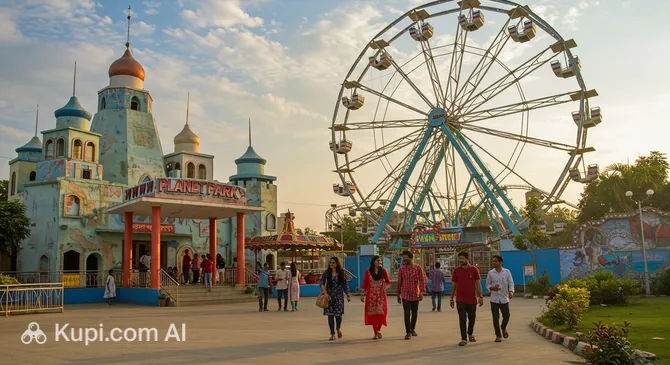
One of the most popular recreational spots for both locals and tourists is Planet Park. This amusement park serves as a green oasis within the city, offering a perfect escape for families and children. With its well-maintained gardens, walking paths, and various rides, it provides a lively yet relaxing atmosphere. Visitors can enjoy a leisurely stroll amidst the greenery or simply sit back and soak in the vibrant energy of the park.

Planet Park. Source: Kupi.Binoculars

A visit to Barisal would be incomplete without seeing the Oxford Mission Epiphany Church, commonly known as "Lal Girja" due to its striking red brick facade. Established in the early 20th century, this magnificent church is renowned for its unique architecture, which blends Greek and Gothic styles. The structure is designed to remain cool even during the hot summers, and its serene compound offers a peaceful retreat from the bustling city streets.

In the very heart of the city lies Bibir Pukur, a historic pond that serves as a central landmark and a favorite gathering place. Surrounded by a promenade, it is beautifully illuminated at night, making it an ideal spot for an evening walk. The pond is not just a scenic water body but also a testament to the city's heritage, having been excavated in the early 1900s for the public's benefit.

For those interested in the social heritage of the region, Barishal Club Limited stands as a significant institution. As one of the oldest clubs in the area, it reflects the colonial legacy and the evolving cultural landscape of the city. While primarily a social hub for members, the building and its history contribute to the architectural and cultural tapestry of Barisal.

Barishal Club Limited. Source: Kupi.Binoculars

Local Cuisine

The culinary landscape of Barisal is deeply intertwined with its riverine geography, earning it a reputation as a paradise for seafood lovers. The local food culture is centered around the concept of "fresh from the water," with markets teeming with the day's catch. Visitors will find that meals here are hearty, flavorful, and dominated by the rich harvest of the delta, offering an authentic taste of traditional Bengali cuisine.

The undisputed star of the local menu is the Hilsa fish, locally known as Ilish. Barisal is famous for producing some of the finest Hilsa in the country, thanks to the sweet waters of the surrounding rivers. A must-try dish is Shorshe Ilish, where the fish is marinated in a pungent mustard sauce and green chilies, creating a spicy and savory delight. To accompany this, locals prefer the fragrant Balam rice, a premium variety of rice that is historically unique to this region and prized for its texture and taste.

Beyond the main courses, the region is celebrated for its distinctive fruits and snacks. Barisal is synonymous with the Hog Plum, or Amra, a tangy fruit often sold by street vendors with a dash of salt and chili powder. The area is also known as the "Apple City of Bengal" due to its abundant guava orchards. For dessert, travelers should look for traditional rice cakes called Pithas, which are especially popular during the winter harvest season.

To stay refreshed in the tropical climate, green coconut water is the drink of choice, available cheaply at almost every street corner. For a glimpse into the more formal dining and social culture of the city, the Barishal Club Limited is a notable institution. While primarily a members' club, it stands as a testament to the city's colonial history and enduring social traditions, often hosting gatherings where local culinary heritage is celebrated.

Travel Tips

To make the most of your visit to the charming river port of Barisal, a few practical preparations can go a long way in ensuring a comfortable and respectful journey. These essential tips are designed to help you navigate local customs and logistics, allowing you to fully relax and enjoy the hospitality of the Bengal delta.

  1. Clothing and Gear: Given the tropical climate, lightweight and breathable fabrics like cotton are your best friends here. The local culture is conservative, so it is respectful to dress modestly; cover your shoulders and knees, especially when visiting religious sites or rural areas. Comfortable walking shoes are essential, and carrying a scarf or shawl is handy for women when visiting mosques. Don't forget a universal travel adapter for Type C, D, G, and K outlets.
  2. Transportation: The most popular and convenient way to get around Barisal is by cycle rickshaw or battery-operated "easy bikes." They are ubiquitous and affordable, though you should agree on the fare before starting your ride. For longer distances within the division, local buses are available, but they can be crowded. Ride-hailing apps are less common here than in the capital, so relying on local transport methods is often necessary and part of the experience.
  3. Finances: The local currency is the Bangladeshi Taka (BDT). While some upscale hotels may accept credit cards, cash is king in Barisal, especially for transport, street food, and local markets. ATMs are widely available in the city center, but it is wise to carry smaller denominations for small purchases. Tipping is not mandatory but is largely appreciated in restaurants and by porters.
  4. Health and Safety: As Barisal is a riverine region, mosquitoes can be prevalent, so bringing a strong insect repellent is highly recommended to prevent bites. Always stick to bottled or boiled water and avoid tap water. Pharmacies are plentiful in the main city areas, particularly near Sadar Road, but for serious medical issues, it is best to consult with your hotel for the nearest reliable clinic.
  5. Communication: Bengali (Bangla) is the primary language. While staff at major hotels may speak English, rickshaw pullers and shopkeepers might not; learning a few basic phrases like "Kemon achen?" (How are you?) or "Dhonnobad" (Thank you) can be very helpful. It is advisable to purchase a local SIM card (Grameenphone or Banglalink) upon arrival in the country, as you will need your passport for registration, and mobile data is useful for navigation.
  6. Local Etiquette: Bangladeshis are incredibly hospitable. When greeting, a polite "As-salamu alaykum" (Peace be upon you) works well for everyone. Always use your right hand for eating, giving, or receiving items, as the left hand is considered unclean. If invited to a local home, remember to remove your shoes before entering.
  7. What to Avoid: Public displays of affection (PDA) are frowned upon and should be avoided to respect local conservative norms. Additionally, avoid taking photographs of people, especially women, without asking for permission first; a smile and a gesture are usually enough to gauge if it is okay.
  8. Additional Tip: If you plan to visit the famous floating guava markets in the nearby canals, timing is everything. These markets are most active very early in the morning, typically between 7:00 AM and 9:00 AM. Plan to leave the city by dawn to catch the trade at its peak and capture the best photos.

By keeping these practical points in mind, you will be well-equipped to explore the vibrant streets and tranquil waterways of Barisal with confidence. Embrace the slow pace of life by the river, and you are sure to leave with warm memories of this unique corner of Bangladesh.

Entertainment & Nightlife

Entertainment and nightlife in Barisal reflect the city's laid-back, riverine character. Unlike the high-energy club scenes found in major global capitals, the evening culture here is centered around social gatherings, vibrant street markets, and relaxing by the water. The definition of nightlife in this city leans heavily towards community interaction, dining out, and enjoying the cool evening breeze after a hot day.

The heart of the city's evening activity is undoubtedly the area surrounding Bibir Pukur. As the sun sets, this central pond becomes a bustling promenade where locals come to chat, walk, and enjoy the illuminated surroundings. Just a short distance away, Sadar Road remains lively well into the night, lined with shops, eateries, and tea stalls that serve as the primary social hubs for residents. For visitors, a walk through these streets offers an authentic glimpse into the friendly and safe nightlife of the region.

For those looking for structured entertainment venues, Planet Park is a popular destination that stays open into the evening. It is a favorite spot for families and groups of friends to enjoy rides and a lively atmosphere under the lights. Meanwhile, the elite social scene revolves around private institutions like the Barishal Club Limited. While access may be restricted to members and their guests, it represents the city's premier venue for formal social dining and gatherings, often hosting cultural events and community functions.

Another excellent spot for a peaceful evening is the Barishal Freedom Fighters Park. Its open spaces provide a tranquil escape from the city noise, making it ideal for a night walk. If you are looking for local flavor, the Launch Ghat area offers a unique nocturnal experience. The arrival and departure of massive passenger ferries create a 24-hour buzz, and the nearby floating markets and food stalls serve fresh river fish and snacks late into the night.

Regarding daytime entertainment, the city offers a slower pace suited to cultural exploration. Visitors can explore local museums or take boat trips along the Kirtankhola River to see the lush countryside. Theaters in the town hall area occasionally host local plays and cultural performances, reflecting the rich artistic heritage of Bengal.

Practical Advice for Night Owls:

  • Timing: Most shops and markets begin to wind down around 9:00 PM to 10:00 PM, though restaurants may stay open later. It is best to head out for dinner or a walk between 7:00 PM and 9:00 PM.
  • Dress Code: The atmosphere is conservative and casual. Modest clothing is recommended for both men and women. There is no need for formal evening wear unless you are attending a specific event at a private club.
  • Getting Around: Cycle rickshaws and battery-run "easy bikes" are plentiful at night and are the best way to navigate the city streets. They are affordable and offer an open-air view of the nightlife.
  • Safety: Barisal is generally very safe for tourists. However, it is advisable to stick to well-lit main roads like Sadar Road and the Bibir Pukur area. If you need to travel late at night, asking your hotel to arrange a trusted transport service is a good precaution.

Parks & Museums

While Barisal is predominantly defined by its waterways, the city and its surroundings also boast lush green spaces and cultural repositories that offer a break from the river currents. Visitors will find that the region's parks serve as community living rooms, while its few but significant museums preserve the rich history and literary heritage of the Bengal delta.

The most prominent green space in the heart of the city is Bangabandhu Udyan, historically known as Bell's Park. Established during the British colonial era to welcome King George V, this expansive ground is the city's main breathing space. It is lined with ancient trees and offers a scenic view of the Kirtankhola River, making it a favorite spot for morning walkers and those looking to enjoy a peaceful sunset. The park's open layout allows for a refreshing breeze, providing a perfect setting for a leisurely stroll or a picnic.

For a mix of recreation and remembrance, the Barishal Freedom Fighters Park is a significant landmark. Situated near the riverbank, this landscaped area is dedicated to the memory of the nation's heroes. It combines well-maintained walkways with monuments, offering a serene environment for reflection. Nearby, families often visit Planet Park, a lively venue that features manicured gardens and entertainment options, serving as a cheerful contrast to the city's more historical sites.

When it comes to history and culture, the Sher-e-Bangla Museum in nearby Chakhar is a key institution. Dedicated to A.K. Fazlul Huq, a prominent Bengali statesman known as the "Tiger of Bengal," the museum houses personal artifacts, photographs, and documents that trace his life and political career. It provides a fascinating insight into the political history of the region and is a must-visit for history buffs willing to make the short trip outside the main city.

Barisal is also the ancestral home of the celebrated poet Jibanananda Das, and his legacy is preserved at the Jibanananda Das Memorial Hall and library. Literature lovers often visit the site of his former residence to pay homage to the "Poet of Ruposhi Bangla" (Beautiful Bengal). This venue serves as a cultural hub where one can learn about his contributions to Bengali literature and the deep connection he felt with the nature of this region.

For a truly authentic nature experience, venture slightly out of town to Durga Sagar. This massive man-made lake, excavated in 1780, is surrounded by wooded banks that attract migratory birds in winter. It is a tranquil sanctuary where the silence is broken only by the chirping of birds, offering a stark contrast to the bustling river ports.

Getting Around

Navigating Barisal is an experience far removed from the complex subway maps and automated ticketing systems of modern metropolises. The public transport system here is informal, colorful, and deeply integrated into the local way of life. There is no metro, tram, or rail network within the city limits. Instead, the streets are dominated by a variety of three-wheeled vehicles that serve as the primary mode of getting around. For a tourist, this offers a chance to slow down and see the city from a more intimate, street-level perspective.

The most iconic and ubiquitous form of transport is the cycle rickshaw. These manually pedaled three-wheelers are perfect for short distances and navigating the narrower lanes of the city. They offer a leisurely pace that allows you to soak in the sights and sounds of the riverine environment. For a slightly faster and more modern option, you will see thousands of battery-operated vehicles known locally as "Easy Bikes" or "Tom-Toms." These serve as the backbone of local transit, often running on specific routes like shared taxis, or they can be hired privately for a direct trip.

For traveling longer distances across the city, such as between the two main bus terminals (Nathullabad and Rupatali), you can use the local "Town Service" buses. These are small, often crowded minibuses that ply fixed routes along the main arterial roads. While they are the most economical option, they can be a bit chaotic for a first-time visitor. Additionally, green CNG auto-rickshaws (caged three-wheelers running on compressed natural gas) are available for hire. These are faster than rickshaws and safer for longer commutes within the metropolitan area.

The payment system in Barisal is almost entirely cash-based. There are no travel cards, electronic passes, or tap-to-pay systems for public transport. You will need to pay the driver or conductor directly in Bangladeshi Taka (BDT). Fares are generally very affordable. A shared ride on an Easy Bike might cost as little as 10 to 20 BDT, while a private cycle rickshaw ride typically ranges from 30 to 100 BDT depending on the distance. It is essential to carry small denominations, as drivers often struggle to provide change for large banknotes.

A crucial piece of advice for tourists is to negotiate the fare before hopping onto a rickshaw or CNG. Since there are no meters, the price is agreed upon verbally. Ask a local or your hotel staff for the approximate rate to your destination to avoid being overcharged. For "Town Service" buses and shared Easy Bikes, the fares are fixed, so you simply pay what the other passengers are paying. Transport generally operates from early morning until late evening, though finding a rickshaw after 10:00 PM can be slightly more difficult in residential areas.

Given the city's geography, water transport is also a key part of local mobility. Small wooden boats, known as kheya, constantly ferry people across the Kirtankhola River and various canals. These are not just tourist attractions but vital links for locals commuting from the char (river island) areas to the main city. A short boat ride is an inexpensive and scenic way to experience the "Venice of the East" character of the city.

Alternatives like private taxis are rare on the streets and are usually reserved for inter-district travel or airport transfers. Ride-sharing apps that are popular in the capital may have limited or sporadic coverage in Barisal, so it is best not to rely on them exclusively. Car rentals are available but typically come with a driver; self-driving is not recommended due to the unique traffic conditions. For a truly local experience, walking is often the best option for exploring the compact city center, with a rickshaw always nearby if your feet get tired.

Accommodation

Finding accommodation in Barisal is relatively straightforward, though the options differ from the extensive variety found in the capital. The city primarily offers a range of budget to mid-range hotels, with a focus on functionality and basic comfort rather than high-end luxury. Travelers will not find international five-star chains here; instead, the hospitality scene is dominated by locally run establishments, private guest houses, and government rest houses that cater to both business travelers and tourists.

For the most convenient stay, visitors should consider hotels located along or near Sadar Road. This area serves as the commercial heartbeat of the city, providing easy access to shopping centers, local eateries, and transport links. Another popular choice is the area near the Launch Ghat on the banks of the Kirtankhola River. Staying here offers the unique advantage of scenic river views and immediate access to the water transport terminals, which is particularly practical for those arriving or departing by the famous paddle steamers or launches.

Booking Tip: While walk-ins are often possible during the off-peak season, it is highly recommended to book your accommodation in advance if you are traveling during major festivals like Eid or the winter holiday months. The best-rated rooms in the city tend to fill up quickly during these busy periods.

In terms of pricing, Barisal is generally very affordable for international travelers. Most comfortable, air-conditioned rooms fall into the budget to mid-range price brackets. Regarding booking methods, while a few of the larger local hotels are listed on major online travel platforms, many establishments still rely on direct phone bookings or walk-ins. It is also important to note that payment is almost exclusively expected in cash, so ensure you have sufficient local currency upon check-in.

Nearby Cities

For those looking to explore the surroundings, Barisal serves as an excellent base for day trips to several interesting nearby locations:

One of the most historically significant destinations nearby is Tungipara. Located just a short journey from Barisal, this town is deeply revered as the birthplace of the Father of the Nation, Bangabandhu Sheikh Mujibur Rahman. Visitors often travel here to see the Mausoleum Complex, a site of national importance featuring impressive architecture and well-maintained gardens. It provides a serene environment for visitors to learn about the country's history and pay their respects.

For those interested in exploring a major urban hub, Khulna is a compelling option. As the third-largest city in Bangladesh, it is widely known as the gateway to the Sundarbans, the world's largest mangrove forest. Even for a shorter visit, Khulna offers a glimpse into the industrial and cultural vitality of the south-western region. The city hosts several museums and parks, making it a worthwhile destination for travelers seeking a change of pace from the riverine calm of Barisal.

City Population Distance (km)
Narayanganj 1,572,386 104
Khulna 1,400,689 84
Barura 473,590 103
Tungipara 350,000 51
Companiganj 279,870 97

These nearby destinations offer a glimpse into the diverse culture and landscapes of the region, allowing travelers to experience everything from significant historical sites to bustling city life within a reasonable distance.

Shopping & Souvenirs

Shopping in Barisal offers a distinctively authentic experience that contrasts with the glitzy consumerism of larger capitals. Rather than high-end luxury boutiques or sprawling international mall chains, the city specializes in vibrant local markets, traditional handicrafts, and agricultural abundance. Visitors will find that the shopping scene here is deeply connected to the riverine lifestyle, with an emphasis on fresh produce, regional textiles, and goods that reflect the cultural heritage of southern Bangladesh.

The commercial heartbeat of the city is undoubtedly Sadar Road. This bustling thoroughfare is lined with a diverse array of shops selling everything from clothing and shoes to electronics and jewelry. It is the best place to find modern necessities and local fashion. Just a short distance away, Chak Bazar offers a more traditional atmosphere. This historic market area is a maze of narrow lanes where wholesalers and retailers sell spices, fabrics, and household items, providing a sensory overload of sights and smells.

While Barisal does not boast the massive shopping malls found in Dhaka, it has several multi-story shopping complexes that cater to modern needs. City Plaza and similar centers located along the main roads provide a comfortable, air-conditioned environment where visitors can browse for readymade garments, cosmetics, and gifts. These centers are popular with the local youth and families, offering a mix of fixed-price shops and stalls where bargaining is still possible.

For a truly unique experience, the local markets are unmissable. The Port Road Fish Market is famous across the country as a major hub for the prized Hilsa fish (Ilish). Even if you do not plan to buy, witnessing the early morning auction of massive river fish is a spectacle in itself. Although technically outside the city limits, the famous floating guava markets at Bhimruli are the region's most iconic shopping destination. Here, farmers sell their harvest directly from boats, creating a picturesque scene that is unique to this part of the world.

When looking for souvenirs, travelers should focus on the region's specialties. Barisal is renowned for Shital Pati, traditional cool mats woven from cane, which make for beautiful and practical gifts. The region is also famous for its agricultural products, particularly Amra (Hog Plum) and the premium Balam rice. For those with a sweet tooth, local sweets such as Rosogolla or the region's creamy yogurt are must-try items, though they are best consumed fresh rather than packed for long travel.

Most shops in Barisal generally open around 10:00 AM and close by 9:00 PM. However, markets often start much earlier, especially those dealing in fresh produce. Friday is the weekly holiday, and while many shops may open in the late afternoon, some businesses remain closed for the day. Cash is the primary mode of payment everywhere. Credit cards are rarely accepted outside of a few upscale hotels or major electronics showrooms, so it is essential to carry sufficient Bangladeshi Taka in smaller denominations.

Tourists should be aware that tax-free shopping or VAT refund schemes are not available in Barisal. The prices listed or agreed upon are final, inclusive of any local taxes. Bargaining is a common practice in open markets and smaller shops, so do not hesitate to negotiate politely to get a fair price.

Reached the end of the page?

That means the route is fully explored