Support

Agartala

About

Agartala, the verdant capital of Tripura, is a city that beautifully blends royal heritage with natural splendor. Situated on the banks of the Haora River, this bustling urban center in Northeast India is known for its relaxed pace of life and welcoming atmosphere. As the second-largest city in the region, it serves as a vibrant cultural and commercial hub while maintaining a distinct charm that captivates travelers.
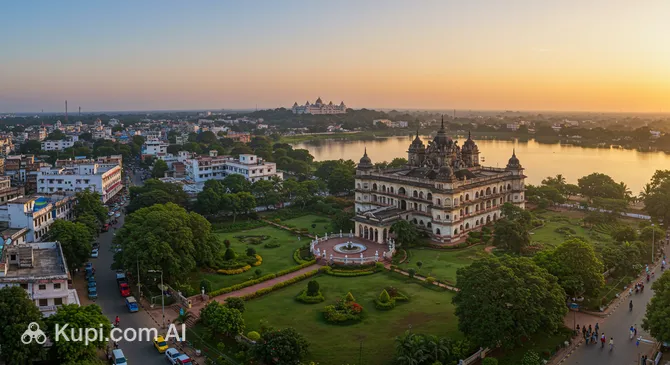
Agartala. Source: Kupi.Binoculars

The city is steeped in tradition, having served as the seat of the Manikya dynasty for centuries. Visitors interested in the history of Agartala will find a fascinating narrative of royal legacies and cultural evolution. Geographically, it is located just a few kilometers from the international border with Bangladesh, which influences its unique cultural tapestry. The climate is generally humid subtropical, characterized by pleasant winters and heavy monsoons that feed the lush greenery surrounding the area.

One cannot visit Agartala without admiring the majestic Ujjayanta Palace, a stunning white edifice that now houses the State Museum and stands as the city's centerpiece. The city is also famous for its religious diversity, exemplified by the intricate Jagannath Bari temple. For those seeking tranquility, the Heritage Park offers a miniature representation of the state's popular landmarks amidst manicured gardens, making it a perfect spot for a leisurely stroll.

Whether you are drawn by the allure of ancient architecture or the promise of authentic local cuisine, Agartala offers a memorable experience for every traveler. It is a destination where the past and present coexist harmoniously, inviting you to discover the hidden gems of Tripura.
Weather Overview

Agartala typically experiences a humid subtropical climate, characterized by distinct seasonal shifts that offer a variety of travel experiences. The weather generally follows a pattern of mild, dry winters and warm, humid summers accompanied by a significant rainy season. Expect warm summers with frequent rainfall and pleasant, cool winters perfect for outdoor activities.

The winter season, spanning from December to February, is often considered the best time to visit. During these months, the average temperatures hover between 18.6°C and 21.3°C, creating a comfortable atmosphere for exploration. January is usually the coolest month, with minimum temperatures dipping to around 12.8°C, while precipitation is extremely rare, with only a couple of wet days mostly recorded in the transition periods.

From April onwards, the heat begins to rise, with maximum temperatures reaching up to 33.5°C. This warmth precedes the monsoon season, which dominates the city from June through September. During this time, rain becomes a daily occurrence; for instance, July can see up to 29 wet days. To help you pack appropriately for these varying conditions, it is helpful to check the detailed weather in Agartala before your trip. By October, the frequency of rain gradually decreases, ushering in the drier autumn days.

Interesting Facts

Beyond the main attractions, Agartala holds many fascinating secrets that surprise even seasoned travelers. From its unique geopolitical position to its surprising technological significance, the city offers layers of history and modernity waiting to be uncovered.
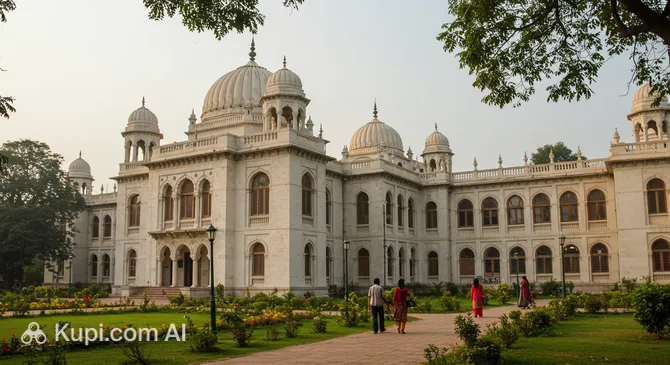
Ujjayanta Palace. Source: Kupi.Binoculars
  • Agartala holds the distinction of being India's third international internet gateway, following Mumbai and Chennai. This connectivity is achieved through a link via Cox's Bazar in neighboring Bangladesh, highlighting the city's strategic importance in the region's digital infrastructure.

  • The city shares a profound connection with the Nobel Laureate Rabindranath Tagore, who visited Tripura seven times. It was Tagore who gave the magnificent Ujjayanta Palace its name, and his close relationship with the royal family influenced several of his literary works.

  • Agartala is located incredibly close to the international border, with the Akhaura checkpost situated just a few kilometers from the city center. This border crossing is often referred to as the "Wagah of the East" because of the daily flag-lowering ceremony conducted jointly by Indian and Bangladeshi security forces.

  • The architecture of the Shri Jagannath Temple (Agartala) is quite distinct; unlike the traditional Puri temple it is dedicated to, this structure features a unique octagonal base and bright orange shikharas, blending Islamic architectural styles with Hindu tradition.

How to Get There

Reaching this scenic capital of Tripura is an adventure through the lush landscapes of Northeast India. While air travel is the most efficient method due to the region's hilly terrain, rail connectivity has improved significantly, offering beautiful routes for those who prefer overland travel. For a comprehensive guide on planning your journey, you can read more about how to get to Agartala.

The most convenient entry point is Agartala Airport (IATA: IXA), officially known as Maharaja Bir Bikram Airport. Located just 7.8 km from the city center, it is the second busiest airport in the region. A taxi or auto-rickshaw ride from here to the heart of the city typically takes about 35 minutes. The airport handles a medium volume of passenger traffic and offers frequent domestic flights connecting to Kolkata, Guwahati, and New Delhi.

Alternatively, international travelers might consider flying into Hazrat Shahjalal International Airport (IATA: DAC) in the city of Dhaka, Bangladesh. It is a large international hub located approximately 90.6 km from Agartala. While this airport offers extensive global connections, reaching Agartala requires crossing the international border at the Akhaura checkpost. The road journey from Dhaka to the border and then to Agartala takes approximately 2.5 to 3 hours, depending on traffic and border formalities.

For clarity, here is a summary of the main airports:

Airport Name City Passenger Traffic Km from City
Hazrat Shahjalal International Airport Dhaka Large 90.6
Shah Amanat International Airport Chattogram Medium 183.3
Agartala Airport Agartala Medium 7.8
Sylhet Civil Airport Sylhet Small 138.5
Aizawl Airport Aizawl Small 135.9

If you prefer traveling by train, Agartala is well-integrated into the Northeast Frontier Railway network. The Agartala Railway Station serves as a vital terminal, hosting express trains like the Rajdhani Express and Tripura Sundari Express, which link the city to major Indian destinations such as Delhi, Kolkata, and Bangalore. The rail journey is particularly noted for its picturesque views as the train winds through the verdant hills of the region.

Main Attractions

Attractions:

Agartala is a city where history whispers through the corridors of magnificent palaces and spirituality resonates in its serene temples. The city's attractions offer a delightful mix of royal heritage, cultural depth, and natural beauty, making it a compelling destination for travelers exploring the northeast.

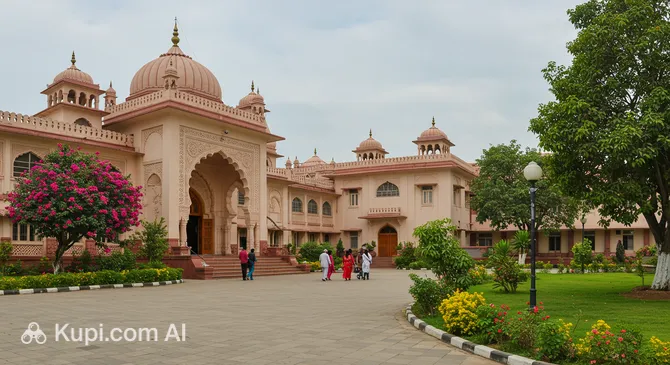
Standing at the heart of the city is the majestic Ujjayanta Palace, a gleaming white structure that defines the skyline of Agartala. Built by Maharaja Radha Kishore Manikya in 1901, this palace is a splendid example of Indo-Saracenic architecture, surrounded by lush Mughal-style gardens and artificial lakes. Tourists are drawn here not only for the stunning photography opportunities but also to witness the grandeur of Tripura's royal past, which is vividly preserved within its walls.

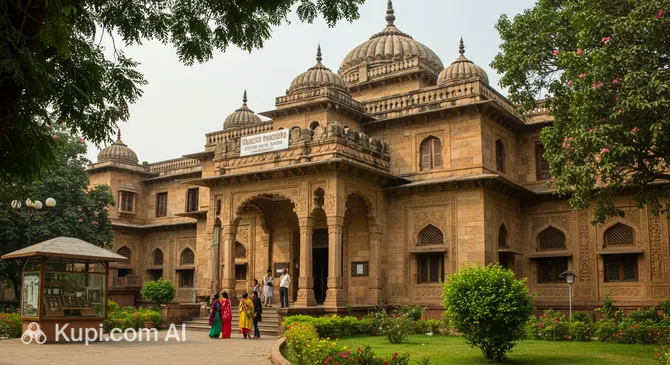
Tripura State Museum. Source: Kupi.Binoculars

Housed within the palace complex is the Tripura State Museum, a treasure trove for history buffs and culture enthusiasts. The museum showcases an impressive collection that spans the region's diverse heritage, including rare stone sculptures, ancient coins, and archaeological finds. It is particularly interesting for its galleries dedicated to the lifestyle, crafts, and traditions of the local tribal communities, offering visitors a deep dive into the cultural fabric of the state.

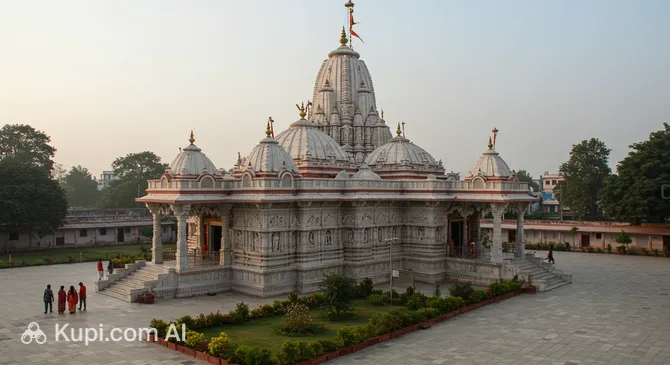
A short distance away lies the Shri Jagannath Temple, a significant spiritual landmark constructed in the 19th century. Unlike the traditional temples of Odisha, this architectural marvel features a unique blend of Hemadpanthi and Islamic styles, characterized by its distinctive bright orange shikharas. The temple's peaceful ambiance and intricate exterior carvings make it a must-visit for those seeking both divine blessings and architectural beauty.

Shri Jagannath Temple (Agartala). Source: Kupi.Binoculars

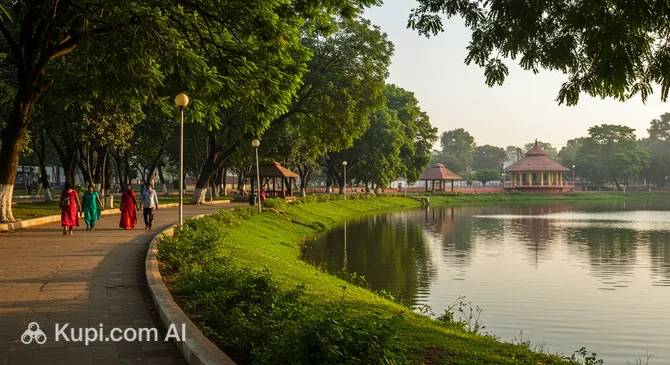
For a relaxing break from sightseeing, Dimsagar Lake Park offers a tranquil escape right in the city center. Located near the royal palace, this scenic spot is centered around a historic lake and is perfect for a leisurely evening stroll. The park is a favorite among locals and tourists alike for its well-maintained pathways and the serene reflection of the city lights on the water, providing a quiet moment to appreciate the charm of Agartala.

Dimsagar Lake Park. Source: Kupi.Binoculars

Local Cuisine

The culinary landscape of Agartala is a fascinating blend of two distinct traditions: the rich, spicy notes of Bengali cuisine and the unique, earthy flavors of the indigenous Tripuri tribal food. This gastronomic diversity offers travelers a chance to explore tastes that are rare elsewhere in India. The local food culture is characterized by its reliance on fresh, organic ingredients, particularly bamboo shoots, local herbs, and freshwater fish.

For those eager to try authentic local flavors, the traditional Tripuri cuisine, known as Mui Borok, is a must. The soul of this cuisine is Berma, a dried and fermented fish that adds a distinct, pungent aroma and savory depth to many dishes. A signature dish to look for is Gudok, a healthy stew prepared with bamboo shoots, vegetables, and Berma, traditionally cooked without oil. Another delicacy is Bangui, a unique cake made of sticky rice wrapped in special leaves and boiled, offering a fragrant and filling treat often eaten with meat curries or spicy chutneys called Mosdeng Serma.

When it comes to beverages, the traditional rice beer known as Chuak holds a special place in the local culture. It is often served during festivals and social gatherings, representing the hospitality of the region. For non-alcoholic options, tea is widely consumed, reflecting the influence of the surrounding tea plantations. Fresh fruit juices and coconut water are also readily available at street corners, providing a refreshing break from the humid weather.

The dining scene in Agartala ranges from vibrant street food stalls to comfortable sit-down restaurants. Street food enthusiasts should head to the markets to try steaming hot momos and egg rolls, which are local favorites. For a more formal dining experience, the city offers several establishments where you can enjoy a mix of Indian, Chinese, and local dishes. Places like TAIPO are popular among locals for their diverse menus and inviting ambiance.

TAIPO. Source: Kupi.Binoculars

If you are looking for a modern setting to enjoy a meal, The Social Klub is another excellent option, known for its lively atmosphere and variety of cuisines. Whether you are adventurous enough to try the fermented flavors of tribal food or prefer the comfort of classic curries, Agartala's kitchens promise a memorable journey for your palate.

Travel Tips

Welcome to Agartala, a city where royal heritage meets warm tribal hospitality. To ensure your visit to Tripura's capital is as enjoyable and hassle-free as possible, we have compiled a list of practical advice to help you navigate the local lifestyle with ease.

  1. Clothing and Gear: The climate is generally humid, so pack breathable cotton clothing for most of the year. If you are visiting during the winter months (December to February), bring light woolens or a jacket for the cool evenings. An umbrella is essential if you travel during the monsoon season (June to September). When visiting religious sites like the Jagannath Temple, dress modestly; covering your shoulders and knees is a sign of respect.

  2. Transportation: The most popular and convenient way to get around Agartala is by using electric rickshaws, locally known as Tom-toms. They are eco-friendly and readily available throughout the city. While ride-hailing apps are gradually making an entrance, it is often faster to hail a Tom-tom or a traditional auto-rickshaw. Always agree on the fare before starting your journey if the vehicle does not have a meter.

  3. Finances: The local currency is the Indian Rupee (INR). While major hotels, restaurants, and shopping malls accept credit and debit cards, cash is still king in local markets and for street food. ATMs are widely available across the city. It is advisable to carry small denominations for paying rickshaw drivers and small vendors.

  4. Health and Safety: Agartala is generally a safe city for tourists. Pharmacies are easy to find, especially near the main market areas and hospitals like the IGM Hospital or GB Pant Hospital. As a precaution, stick to bottled or filtered water and avoid consuming cut fruits from street vendors to prevent stomach upsets.

  5. Communication: Bengali is the primary language spoken here, followed by Kokborok. English is reasonably well understood in hotels, restaurants, and by educated locals. Learning a simple greeting like "Namaskar" will go a long way in breaking the ice. Pre-paid SIM cards are easy to purchase with proper identification documents.

  6. Local Etiquette: The people of Agartala are polite and hospitable. It is customary to remove your shoes before entering a home or a place of worship. When interacting with locals, a polite demeanor is appreciated. If you are invited to a local home, it is polite to accept at least a cup of tea or water.

  7. What to Avoid: Since Agartala is located very close to the international border with Bangladesh, be extremely cautious about photography near border areas and checkpoints. Taking photos of military installations or security personnel without explicit permission is strictly prohibited and can lead to legal trouble.

  8. Border Ceremony Experience: A unique feature of Agartala is its proximity to the Akhaura Checkpost. If you have time in the late afternoon, ask a local driver to take you there to witness the "Beating Retreat" ceremony. It is a joint flag-lowering parade by Indian and Bangladeshi security forces, similar to the famous Wagah border ceremony but on a smaller, more intimate scale.

With these practical tips in hand, you are fully prepared to explore the charming streets and historic landmarks of Agartala. Embrace the relaxed pace of the city, savor the unique flavors, and enjoy a memorable trip to this beautiful corner of Northeast India.

Entertainment & Nightlife

While Agartala may not have the frantic pulse of a metropolitan party hub, its nightlife possesses a unique, laid-back charm that appeals to those looking to unwind after a day of exploration. The evening scene here is characterized by vibrant cafes, bustling markets, and family-friendly entertainment zones rather than loud nightclubs. As the sun sets, the city cools down, and the streets come alive with locals enjoying the pleasant weather, making it a perfect time for social dining and leisurely strolls.

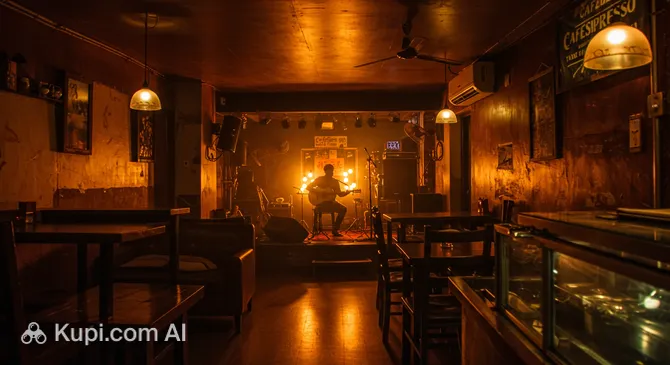
For the younger crowd and tourists seeking a lively atmosphere, Cafe Frespresso is a standout destination. Often buzzing with energy, it offers a modern vibe where you can enjoy music, great conversations, and a variety of beverages late into the evening. It serves as a social hub where the city's youth gather, providing a glimpse into the modern lifestyle of Agartala. The dress code is casual, and the ambiance is welcoming, making it an easy place to relax.

Cafe Frespresso. Source: Kupi.Binoculars

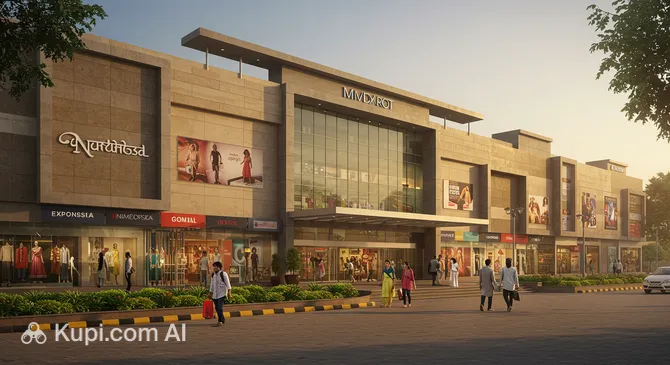
If you are looking for a more comprehensive entertainment experience, the Agartala City Centre is the place to be. This complex is the heart of the city's modern entertainment, housing a multiplex cinema, a food court, and various shopping outlets. It is a favorite spot for families and groups of friends to catch a late-night movie or enjoy a dinner. Nearby, ML Plaza also offers shopping and dining options, contributing to the bustling activity in the city center area.

Agartala City Centre. Source: Kupi.Binoculars

The atmosphere in Agartala at night is generally safe and friendly. The areas around the main city center and the palace grounds are well-lit and populated until around 9:00 PM or 10:00 PM. A popular evening activity is simply walking around the illuminated Ujjayanta Palace lakes, where the reflection of the palace lights creates a magical setting. For transportation, electric rickshaws (Tom-toms) are readily available and are the best way to hop between venues. Prices are very reasonable, with a short ride costing just a few rupees.

Before the lights come on, Agartala offers plenty of daytime entertainment to fill your itinerary. Nature lovers should visit Rabindra Kanan, a sprawling park perfect for picnics and relaxing amidst greenery. For those interested in historical landmarks, the North Gate stands as a testament to the city's royal past. Additionally, the city's museums and cultural centers provide enriching experiences that perfectly complement the relaxed evening entertainment.

Parks & Museums

Agartala balances its urban energy with a refreshing array of green spaces and cultural corners, offering visitors a chance to unwind amidst nature. While the city's royal history is well-documented in its palaces, its parks provide a living, breathing space where locals and tourists alike can enjoy the outdoors and experience the relaxed rhythm of life in Tripura.

One of the most cherished green lungs of the city is Rabindra Kanan. Named in honor of the Nobel Laureate Rabindranath Tagore, who shared a deep bond with the state, this park serves as a quiet sanctuary away from the bustle of the streets. It is meticulously maintained, featuring vibrant flower beds, lush lawns, and towering trees that offer cool shade. The park is an ideal spot for a peaceful afternoon, often attracting nature lovers and those looking for a quiet corner to read or reflect. It also houses a puppet house, adding a touch of charm for younger visitors.

Rabindra Kanan. Source: Kupi.Binoculars

For a more lively atmosphere, the Children's Park is a favorite recreational hub in the city center. As the name implies, it is designed with families in mind, offering well-equipped play areas and safe, paved paths for walking. Beyond the playground equipment, it serves as a vibrant social space where you can observe the local lifestyle as families gather to enjoy the evening breeze. The park is beautifully illuminated after sunset, making it a pleasant location for a twilight stroll surrounded by greenery.

Children's Park. Source: Kupi.Binoculars

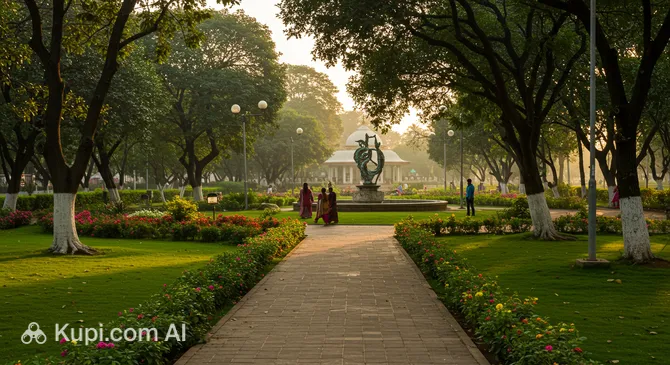
A unique highlight for anyone interested in the region's culture is the Heritage Park. This sprawling garden is famous for its "Mini Tripura" exhibition, which displays intricate miniature replicas of the state's most iconic monuments, such as the Neermahal Palace and Unakoti rock carvings. It allows visitors to witness the architectural diversity of Tripura in a single walk. With its medicinal herb gardens, indigenous flora, and winding pathways, Heritage Park offers a perfect blend of education and natural beauty, particularly enchanting during the early evening hours.

Getting Around

Navigating Agartala is a straightforward and authentic experience, as the public transport system relies heavily on road-based networks rather than complex rail or metro lines. The city is compact and well-connected, with a fleet of smaller vehicles forming the backbone of daily commuting. The most ubiquitous mode of transport is the electric rickshaw, locally known as the "Tom-tom." These eco-friendly vehicles ply almost every street, offering a quiet and pollution-free way to travel short to medium distances. Alongside them, traditional CNG auto-rickshaws are widely available, serving as a faster alternative for slightly longer journeys across town.

For those looking to cover larger distances or reach the suburban outskirts, the city bus service operated by the Tripura Road Transport Corporation (TRTC) is a reliable option. These buses connect the city center with key neighborhoods, the main railway station, and the airport. The buses are generally color-coded and display their destination in the local language and English. While they may not be as frequent as the rickshaws, they provide a very economical way to travel, especially if you are heading towards major landmarks or government hubs.

The payment system in Agartala is predominantly cash-based, and digital ticketing or travel cards are not yet standard for intra-city transit. When using Tom-toms or auto-rickshaws, it is essential to carry small denominations of cash, as drivers often do not have change for large notes. The fare structure is quite informal but generally standardized; shared rides have a fixed per-seat price for specific routes, while hiring a vehicle for a private trip ("reserve") requires negotiating the fare before you hop in. Bus tickets are purchased directly from the conductor on board, with prices being exceptionally affordable.

Tourists accustomed to app-based ride-hailing services should note that while major global apps may have a limited or non-existent presence, the local transport culture is very accessible. You can easily hail a vehicle from the roadside or find them waiting at designated stands near markets and major intersections. If you prefer more comfort or wish to visit attractions on the city's periphery, hiring a private taxi or a car with a driver for the day is a popular choice. Self-drive car rentals are rare, so relying on a local driver is the standard practice for personalized itineraries.

Public transport generally operates from early morning until around 9:00 PM or 10:00 PM. After this time, the frequency of shared vehicles drops significantly, so it is wise to arrange your return journey in advance if you plan to stay out late. There is no historic tram or cable car network within the city limits; the charm of Agartala's transport lies in its simplicity and the friendly nature of the local drivers. Validating tickets is not a concern here—simply pay as you go and enjoy the slow, scenic pace of life in this green capital.

Accommodation

Finding a place to stay in Agartala is generally a straightforward experience, with options that cater primarily to budget and mid-range travelers. The city does not yet have a wide array of high-end luxury resorts, but it offers a good selection of comfortable hotels, government-run tourist lodges, and clean guesthouses. The hospitality here is warm and personalized, often reflecting the relaxed pace of life in Tripura. Whether you are visiting for business or leisure, you can expect decent amenities and friendly service at very reasonable price points.

For the most convenient experience, travelers are advised to look for accommodation in the city center, particularly in the areas surrounding the Ujjayanta Palace and the main commercial hubs like Battala and Kaman Chowmuhani. Staying in these central zones places you within walking distance of major attractions, shopping markets, and a variety of dining options. Additionally, these areas are well-connected by electric rickshaws and auto-rickshaws, making it easy to navigate the city without long commutes.

While specific hotel availability can vary, the general standard of accommodation includes essential modern amenities such as air conditioning, Wi-Fi, and in-house dining. Several state-run tourist lodges operated by Tripura Tourism are also popular choices; they are known for being reliable, safe, and strategically located, often providing a good balance between quality and cost. For those transiting through, there are also a few decent lodging options located closer to the airport on the outskirts of the city.

Booking Tip: While it is usually possible to find a room upon arrival, it is highly recommended to book your accommodation in advance if you plan to visit during major festivals like Durga Puja (September/October) or the wedding season. During these peak times, the best hotels fill up quickly due to the influx of visitors and local celebrations.

In terms of pricing, Agartala is quite affordable compared to India's major metropolitan cities. You can find clean, basic rooms for a budget price, while the upper-mid-range hotels offer enhanced comfort for a slightly higher fee. Most established hotels accept online bookings through major travel portals, but for smaller guesthouses or government lodges, calling directly or checking their specific official websites is often the most effective way to secure a reservation.

Nearby Cities

For those looking to explore the surroundings, Agartala serves as an excellent base for day trips or short visits to several interesting nearby locations:

One of the most captivating destinations nearby is Aizawl, the scenic capital of Mizoram. Perched on a ridge overlooking the Tlawng River valley, it offers breathtaking panoramic views and a pleasant climate. Visitors are often charmed by its vibrant local culture and the unique vertical layout of the city, making it a fantastic spot for photography and cultural immersion.

Another popular choice is Shillong, the capital of Meghalaya, often referred to as the "Scotland of the East." Famous for its rolling hills, colonial-era architecture, and stunning waterfalls like Elephant Falls, Shillong provides a refreshing escape into nature. It is a hub for music and cafe culture, offering a lively yet relaxed atmosphere amidst pine forests.

For those interested in history and trade, Silchar in Assam serves as a significant commercial center in the Barak Valley. Surrounded by tea gardens, it offers a glimpse into the tea industry of the region. Nearby attractions include the ruins of the Dimasa Kingdom at Khaspur, which appeal to history enthusiasts exploring the diverse heritage of Northeast India.

City Population Distance (km)
Aizawl 293,416 146
Silchar 172,830 188
Shillong 143,229 203
Tura 74,858 216
Lunglei 57,011 182

These nearby destinations offer a glimpse into the diverse culture and landscapes of the region, making them well worth the journey for travelers wishing to extend their itinerary beyond Tripura.

Shopping & Souvenirs

Shopping in Agartala offers a delightful glimpse into the artistic soul of Tripura. While the city is embracing modern retail trends, its true charm lies in its traditional markets and government emporiums. The shopping scene here is less about high-end luxury brands and more about discovering exquisite local craftsmanship, particularly the region's famed bamboo and cane products. Visitors will find that the city provides a relaxed atmosphere where browsing through colorful stalls and interacting with friendly local artisans is a highlight of the trip.

The commercial heartbeat of Agartala can be felt along its main thoroughfares, particularly Akhaura Road and HGB Road. These bustling streets are lined with a variety of shops selling everything from electronics and fashion to traditional garments. Walking down these roads, you will experience the vibrant energy of the city, with vendors displaying their wares and locals going about their daily purchases. It is an excellent area to find local textiles and get a sense of the current fashion trends in the region.

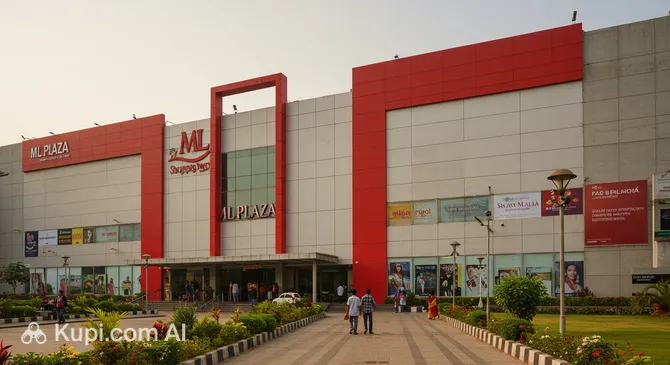
For those who prefer a more contemporary shopping environment with air-conditioning and branded stores, the city has a few modern complexes. Agartala City Centre is the premier destination, housing a variety of retail outlets, a food court, and entertainment options under one roof. It serves as a one-stop shop for fashion, accessories, and leisure. Another prominent location is ML Plaza, which offers a good selection of clothing stores and lifestyle products, catering to the needs of modern travelers.

ML Plaza. Source: Kupi.Binoculars

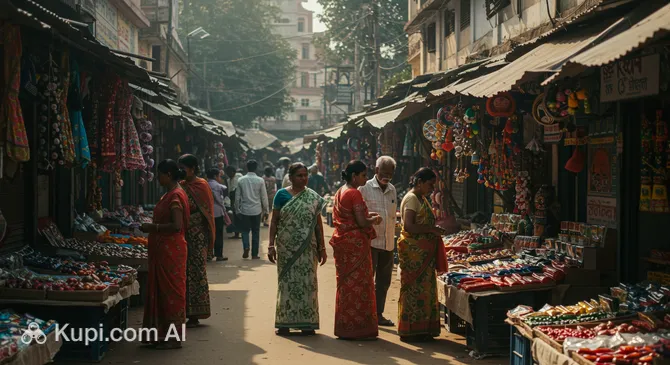
To truly understand the local culture, a visit to the traditional markets is essential. Gol Bazar (Round Market) is the most iconic market in the city. It is a sensory overload of sights and smells, where you can find fresh produce, spices, and household goods arranged in a circular layout. Battala Market is another major commercial hub known for its sheer variety and affordable prices. These markets are not just places to buy goods; they are vibrant social spaces where the daily life of Agartala unfolds.

When it comes to souvenirs, Agartala is a treasure trove for handicraft lovers. The state is renowned for its exceptional bamboo and cane craft, ranging from furniture and lamp shades to intricate baskets and mats. You should also look for handloom fabrics, particularly the traditional tribal attire known as Risa and Rignai, which are celebrated for their colorful patterns and durability. The government-run Purbasha emporium is arguably the best place to purchase these authentic items at fixed, fair prices.

Most shops in Agartala typically open around 10:00 AM and close by 8:00 PM or 9:00 PM. While the shopping malls and larger establishments accept credit and debit cards, cash is still the preferred mode of payment in local markets and smaller stalls. It is advisable to carry sufficient cash in smaller denominations when exploring places like Gol Bazar. Regarding tax-free shopping, India does not generally offer a VAT refund scheme for tourists at standard retail outlets, so the price you see is usually the final price inclusive of all taxes.

Reached the end of the page?

That means the route is fully explored