Support

Kalemyo

About

Welcome to Kalemyo, often referred to simply as Kalay, a vibrant and strategically important city in the Sagaing Region of Myanmar. Situated in the western part of the country, it serves as a crucial gateway connecting the central plains with the rugged and picturesque landscapes of the nearby Chin State. Its unique location fosters a dynamic atmosphere where diverse cultures and traditions meet.

Geographically, the city lies in the valley of the Myittha River, surrounded by scenic hills. With a population of approximately 174,000 residents, it is a bustling urban center that plays a significant role in cross-border trade with neighboring India. The climate is generally warm and humid, typical of the region, making it a lush and green destination during the rainy season and a pleasant stop during the cooler months.
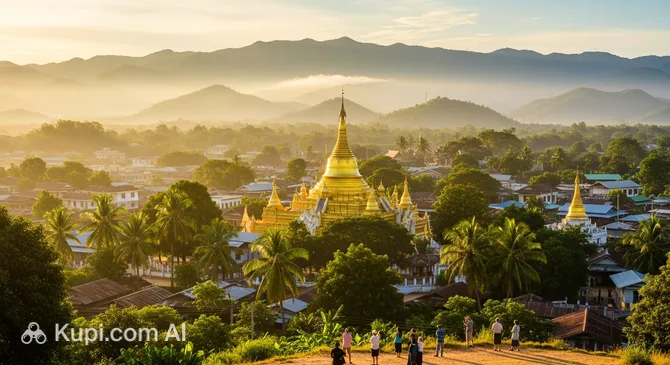
Kalemyo. Source: Kupi.Binoculars

While often viewed as a transit hub, the city has its own distinct character. Exploring the history of Kalemyo reveals its long-standing importance as a commercial crossroads. This heritage is reflected in the town's architecture and the harmonious blend of Bamar and Chin influences found in the local lifestyle and cuisine.

Travelers visiting Kalemyo can enjoy several local highlights. The city is adorned with beautiful golden pagodas that offer peaceful spots for reflection and photography. The local markets are another must-visit feature, bustling with activity and offering everything from fresh local produce to traditional textiles. Additionally, its proximity to the mountains makes it an excellent base for adventurers looking to explore the natural beauty of the western frontiers.

Whether you are passing through on an overland journey or stopping to experience the authentic rhythm of local life, Kalemyo offers a warm and welcoming environment. It is a fascinating destination for those looking to see a different side of the country away from the main tourist trail.

Weather Overview

The climate in this region is characterized by distinct seasonal variations, ranging from cool, dry winters to warm, humid summers. To help you pack appropriately for your trip, it is advisable to review the detailed forecast for the weather in Kalemyo. Generally, the city experiences its highest temperatures in April and May, while the middle of the year brings the monsoon season.

During the hottest period in April, daytime temperatures can reach a maximum of around 34.1°C, making it the warmest time to visit. In contrast, the winter months offer a refreshing break from the heat; January is typically the coolest month, with average temperatures dropping to 15.8°C and nightly lows falling as far as 9.2°C. Travelers should be prepared for frequent rainfall from June through September, with July seeing precipitation on up to 30 days, whereas the beginning of the year remains remarkably dry with almost no rain.

Interesting Facts

Beyond the main attractions, Kalemyo holds many fascinating secrets that reveal its unique position at the crossroads of cultures and history. From linguistic puzzles to a distinct neighborhood that feels like a different country, this city offers layers of tradition waiting to be uncovered.

  • The "Town of Children" Mystery: While locals often playfully refer to their home as the "Town of Children" because "Kalay" translates to "child" in the local language, the name's true origins are likely much older. Historians suggest it is derived from an ancient term referring to a "town surrounded by four satellite towns," highlighting its historical significance as a strategic administrative center long before modern borders were established.

  • A "Little Mizoram" Within: The neighborhood of Tahan acts as a fascinating "city within a city," distinct from the rest of Buddhist-majority Myanmar. This area is predominantly Christian and culturally linked to the Mizo people of neighboring India. Walking through Tahan, you will find a high density of churches, hear the Mizo language spoken on the streets, and experience a community spirit that closely mirrors the culture of the Indian state of Mizoram.

  • A WWII Historic Airstrip: The city's airport is more than just a transport hub; it sits on the site of a vital airstrip built by the British during World War II. It played a critical role in 1942 for the evacuation of troops retreating to India and served again in 1945 as a key entry point for the Allied reconquest of the country, making it a silent witness to pivotal wartime moments.

  • The Market of Two Worlds: Due to its proximity to the border, the local markets offer a rare fusion of goods that you won't find elsewhere in the region. At the bustling Tahan Market, it is common to see traditional Burmese textiles sold alongside colorful Indian saris and spices, creating a vibrant commercial tapestry that reflects the city's position as a true gateway to the West.

How to Get There

Reaching this scenic part of the Sagaing Region is an adventure that connects you to the heart of the country's western frontiers. For a detailed guide on planning your journey, you can read more about how to get to Kalemyo. The city is well-connected by its own domestic airport, making air travel the most convenient option for most visitors, though overland routes from neighboring regions are also available.

The primary entry point is Kalemyo Airport (KMV), situated just 2.9 km from the city center. It is a small but vital transport hub with an annual passenger traffic of approximately 45,000 people. A trip from the airport to the downtown area takes only about 25 minutes by taxi or local transport. For those looking at alternative routes, there are airports in neighboring India, such as Aizawl Airport (AJL) in Aizawl, located about 160.1 km away. The travel time from there is roughly 4 hours and 20 minutes by road. Another option is Imphal Municipal Airport (IMF) in Imphal, which is 173.9 km from Kalemyo and takes about 4 hours and 40 minutes to reach. Please note that these alternatives involve crossing an international border.

For clarity, here is a summary of the main airports in the wider region:

Airport Name City Passenger Traffic Km from City
Imphal Municipal Airport Imphal Large 173.9
Aizawl Airport Aizawl Medium 160.1
Kumbhirgram Airport Silchar Medium 218.0
Nyaung U Airport Nyaung-U Medium 242.0
Kalemyo Airport Kalemyo Small 2.9

While air travel is the fastest method, many travelers also arrive by road. Buses and private vehicles connect Kalemyo with major cities like Mandalay, offering a chance to see the diverse landscapes of Myanmar. Although there are no major railway stations listed in the immediate vicinity for tourist access, the road network remains a reliable way to reach this fascinating destination.

Main Attractions

While Kalemyo is primarily known as a bustling trade hub and a transit point to the Chin Hills, it possesses a distinct charm with several noteworthy sites that reflect its cultural diversity. The city offers a mix of religious landmarks, vibrant markets, and natural beauty that provides travelers with an authentic glimpse into life in the Sagaing Region.

One of the most significant landmarks in the city is the Shwe Bon Thar Pagoda (Shwebontha). Regarded as a historic and spiritually important site, this golden stupa draws both locals and visitors for prayer and reflection. Unlike the remote hilltop pagodas found on the outskirts, Shwe Bon Thar is accessible and serves as a central sanctuary where travelers can admire traditional Burmese architecture and observe the daily religious practices of the community.

For a deep dive into the local culture, a visit to the Tahan Market is essential. Situated in the Tahan neighborhood, which is known for its large ethnic Chin population, this market feels different from others in the country. Here, tourists can find beautiful traditional Chin textiles, woven with intricate patterns that tell stories of the local tribes. The market is also a great place to sample local snacks and see a fusion of goods arriving from nearby India, making it a vibrant and colorful experience for shoppers and photographers alike.

The Tahan neighborhood itself is an attraction worth exploring on foot. Unlike the pagoda-dotted skylines typical of Myanmar, this area is characterized by a high concentration of Christian churches. The architecture here is unique, with numerous church spires rising above the rooftops, reflecting the strong influence of the Mizo and Chin cultures. A walk through these streets offers a rare cultural perspective and a chance to witness the harmonious blend of diverse traditions within the city.

Although it requires a longer day trip, Kalemyo serves as the primary gateway to the famous Rih Lake (Rih Dil). Located near the Indian border in Chin State, this heart-shaped natural lake is legendary among the Mizo people, who believe it to be the passage of souls. The journey from Kalemyo takes travelers through winding mountain roads with breathtaking scenery, making the city the perfect base camp for adventurers looking to visit this mystical and geologically unique body of water.

Local Cuisine

The culinary landscape of Kalemyo is a delightful reflection of its diverse population, offering a unique fusion of traditional Bamar flavors and distinct Chin cuisine. Due to its location near the Indian border, you will also find a subtle influence of subcontinental spices, creating a food scene that is both varied and authentic. For travelers, this serves as a perfect opportunity to taste regional specialties that are harder to find in other parts of the country.

The absolute must-try dish in Kalemyo, particularly in the Tahan neighborhood, is Sabuti. This traditional Chin soup is made from dried corn kernels cooked until tender in a hearty meat broth, usually containing beef or pork. It is typically served in large bowls, and diners are encouraged to customize the flavor with spoonfuls of spicy chili paste, fresh herbs, and a dash of salt. It is a comforting, filling meal that locals enjoy at any time of the day, serving as a warm welcome to the region's highland culture.

Beyond the local specialties, the city offers excellent renditions of classic Burmese staples. Mohinga, the famous fish noodle soup, is widely available for breakfast, while the influence of cross-border trade brings delicious flatbreads (parathas) and chickpea curries to the morning tables. For lunch, "rice shops" serve an array of curries—ranging from spicy prawn to mild chicken—accompanied by fresh vegetables and the ubiquitous fermented tea leaf salad, Lahpet Thoke.

The drinking culture in Kalemyo revolves around the traditional teahouse. These bustling establishments are the social heart of the city, where locals gather to discuss news over cups of sweet, milky tea known as Laphet Ye. For those seeking something stronger in the evenings, local "beer stations" offer draft beers and are lively spots to unwind. In the Chin-influenced areas, you might also encounter traditional rice wines, which play a significant role in local festivals and celebrations.

To truly experience the local food culture, head to the street stalls and markets rather than looking for upscale dining. The area around the Tahan Market comes alive with vendors selling fried snacks, steamed corn, and fresh seasonal fruits. Eating here is a communal affair; pull up a plastic stool, order a steaming bowl of noodles or soup, and enjoy the friendly, unpretentious atmosphere that defines dining in Kalemyo.

Travel Tips

Visiting Kalemyo offers a unique glimpse into the crossroads of Bamar and Chin cultures, but traveling here requires a bit more preparation than the well-trodden tourist paths of Myanmar. These practical tips will help you navigate the city smoothly, respect local customs, and make the most of your journey through this vibrant border hub.

  1. Clothing and Gear: The weather dictates your wardrobe here. For most of the year, light, breathable cotton clothing is best for the heat and humidity. However, if you visit during the cool season (December to January), bring a warm jacket or sweater, as temperatures can drop significantly at night. Since you will likely visit religious sites like the Shwe Bon Thar Pagoda, always pack modest clothing that covers your shoulders and knees. Slip-on shoes are highly recommended, as you must remove them frequently before entering temples and local homes.

  2. Transportation: Unlike larger cities, Kalemyo does not have a metro or extensive bus system for tourists. The most common way to get around is by motorbike taxi or three-wheeled tuk-tuks. Ride-hailing apps are not widely reliable here, so you will typically need to hail a driver on the street. Always negotiate and agree on the fare before starting your journey to avoid confusion later. For longer trips to surrounding areas, hiring a private car with a driver is the safest and most convenient option.

  3. Finances: Cash is king in Kalemyo. The local currency is the Myanmar Kyat (MMK), and while some hotels may accept US dollars, small shops and markets deal exclusively in Kyat. ATMs are available in the town center, but they can occasionally be out of service, so it is wise to carry enough cash. If you bring foreign currency to exchange, ensure the notes are pristine, crisp, and unmarked, as even a small fold or stain can cause them to be rejected.

  4. Health and Safety: Pharmacies are available in the city center, but stock for specific prescription medications may be limited; it is best to bring your own supply. tap water is not safe to drink; stick to sealed bottled water for drinking and brushing your teeth. As the region is tropical, insect repellent is essential to protect against mosquitoes, especially during the evenings and the rainy season.

  5. Communication: The primary language is Burmese, but in neighborhoods like Tahan, you will hear various Chin dialects and Mizo. English is not widely spoken outside of major hotels and airport staff. It is highly recommended to buy a local SIM card (such as MPT, Atom, or Ooredoo) upon arrival in the country for internet access, as Wi-Fi speeds can be inconsistent. Downloading an offline translation app and offline maps will be incredibly helpful.

  6. Local Etiquette: The culture here is conservative and polite. The standard greeting is "Mingalaba." When sitting, ensure your feet are not pointing at anyone or at a Buddha image, as the feet are considered the lowest and dirtiest part of the body. Conversely, the head is considered sacred, so avoid touching anyone on the head, even children. Use your right hand (or both hands) when giving or receiving money or gifts as a sign of respect.

  7. What to Avoid: Avoid public displays of affection, such as hugging or kissing, as this is frowned upon in local society. Also, never lose your temper or shout in public; causing someone to "lose face" is considered extremely rude and will not help resolve any issues.

  8. Sunday Shutdowns in Tahan: A unique aspect of Kalemyo is the Tahan neighborhood, which has a large Christian population. Unlike the rest of the Buddhist-majority country, Tahan effectively shuts down on Sundays. Most shops, markets, and businesses in this specific area will be closed as locals attend church services. Plan your shopping or market visits for other days if you intend to explore this district.

With these tips in hand, you are well-prepared to explore the bustling markets and scenic surroundings of Kalemyo with confidence. Embrace the local rhythm, smile often, and enjoy the warm hospitality that defines this fascinating gateway to Western Myanmar.

Entertainment & Nightlife

Nightlife in Kalemyo is defined by a laid-back, social atmosphere rather than high-decibel nightclubs or flashy discos. As a key transit hub connecting the central plains to the Chin State and the Indian border, the city's evening rhythm revolves around "beer stations"—open-air venues that serve as the community's living room. Here, the focus is on conversation, draft beer, and plates of savory BBQ, offering travelers a chance to mingle with locals in an authentic, unpretentious setting.

The most bustling area for evening entertainment is Bogyoke Road, the city's main thoroughfare. As dusk falls, the street is illuminated by the lights of numerous eateries and tea shops. The crowd is diverse, ranging from truck drivers resting from their cross-border journeys to local youth and business owners. For a different cultural vibe, the Tahan district offers a unique experience; heavily influenced by Chin and Mizo cultures, the evenings here are quieter but feature distinct local food stalls around the Tahan Market, where you can sample traditional snacks under the warm glow of streetlights.

If you are looking for specific places to enjoy a drink or a reliable late-night meal, hotel bars and restaurants are the safest and most comfortable options for international visitors:

One excellent choice is Hotel GBH Kale. It features a well-maintained bar on the property, providing a cool, air-conditioned retreat from the tropical heat. It is an ideal spot for travelers who prefer a modern setting to enjoy a cold Myanmar Beer or a cocktail while recapping the day's adventures.

Another recommended venue is the restaurant at Hotel Moe. Popular for its extensive menu, this place specializes in Chinese cuisine and serves as a great venue for a hearty dinner that can stretch into the late evening. It offers a welcoming environment where you can enjoy a relaxed meal accompanied by local beverages.

For a reliable classic, the Taung Zalat Hotel remains a central meeting point in the city. Its dining and bar facilities are frequented by both locals and tourists, offering a consistent standard of service and a safe environment for an evening out.

Practical planning is essential for a night out in Kalemyo. The city sleeps earlier than Yangon or Mandalay, with most venues closing their doors by 10:00 PM or 11:00 PM. It is best to head out for dinner and drinks around 7:00 PM to make the most of the evening. Dress codes are casual everywhere; a simple t-shirt and jeans or shorts are perfectly acceptable.

Safety and Transport: While the town is generally safe, street lighting can be poor in residential areas. Stick to main roads like Bogyoke Road if you are walking. Public transportation, such as tuk-tuks and motorbike taxis, becomes very scarce after 8:00 PM. Always arrange your return transport in advance or ask the restaurant staff to call a trusted driver for you. Carrying cash is also crucial, as credit cards are rarely accepted outside of major hotels.

During the daylight hours, entertainment in Kalemyo is more traditional. You can explore the vibrant Kale Myoma Market, a hub of cross-border trade, or visit the serene Shwe Bon Thar Pagoda for a moment of reflection. For those with more time, a trip to the 9 Miles Kyauk Talone Creek offers a popular local picnic spot to relax by the water before returning to the city for the evening.

Parks & Museums

While Kalemyo may not be famous for manicured botanical gardens or grand national museums, the city serves as a gateway to some of the region's most refreshing natural spots and offers a "living museum" of culture within its neighborhoods. The charm of this destination lies in its authentic atmosphere, where the surrounding hills provide a scenic backdrop and the streets themselves display the rich heritage of the diverse communities living here.

For those seeking a break from the tropical heat, the 9-Mile Picnic Site (Kyauk Talone Creek) is the most popular natural escape for locals and visitors alike. Located approximately nine miles from the city center, this recreational area features a clear, flowing creek filled with smooth river stones. It is a lively spot where families gather to swim in the cool waters and enjoy picnics on the banks. The surrounding greenery and the sound of the rushing water make it a perfect place to experience the local leisure lifestyle.

Another significant natural landmark is Lay Htat Taung, often referred to as the Four-Storey Mountain. Rising above the valley, this site offers panoramic views of Kalemyo and the winding Myittha River below. It is not just a viewpoint but a place of peace, where the natural landscape blends with religious significance. The climb provides a rewarding workout, and the summit offers a cool breeze and a stunning perspective of the lush agricultural plains that define the Sagaing Region.

In terms of museums, Kalemyo does not possess large formal institutions; instead, its culture is best preserved and displayed in its Traditional Weaving Workshops found in the Tahan neighborhood. These family-run establishments function as living galleries where visitors can watch artisans create intricate Chin textiles on wooden looms. The vibrant patterns and colors of the fabrics tell the history and stories of the Chin people, making a visit here an educational experience comparable to any textile museum.

The Shwe Bon Thar Pagoda complex also serves as a custodian of local history and art. Beyond its role as a place of worship, the precinct houses various statues and architectural details that reflect traditional Burmese craftsmanship. Walking through the compound allows tourists to appreciate the intricate glass mosaic work and the stylized depictions of mythical creatures that have adorned religious sites in Myanmar for centuries.

Architecturally, the city offers a unique visual contrast in the Tahan district. This area is dotted with numerous Christian Churches, ranging from Baptist to Presbyterian denominations. Their architecture stands out distinctly against the skyline of golden pagodas found elsewhere in the country. The variety of church designs, often influenced by the styles brought by missionaries and adapted by the local Mizo culture, provides a fascinating architectural tour that highlights the city's religious diversity.

For a truly authentic experience, take a walk across the Myittha River Bridge just before sunset. It is a lesser-known spot for tourists, but it offers a magnificent vantage point to watch the sun dip behind the Chin Hills, casting a golden glow over the fishermen returning home and the buffalo grazing along the riverbanks.

Getting Around

Navigating Kalemyo is a straightforward affair, though it differs significantly from the transport systems found in larger metropolises like Yangon or Mandalay. The city does not have a public bus network or a metro system, so getting around relies primarily on informal, privately operated vehicles. This local style of transit offers a closer look at the daily rhythm of the Sagaing Region and is generally affordable and efficient for short distances.

The most ubiquitous form of transport is the motorbike taxi. You will see drivers waiting at street corners, markets, and near the airport. They are the fastest way to navigate the traffic, particularly during the busy morning hours. These taxis are unmetered, so it is standard practice to agree on a price before hopping on. For a slightly more comfortable ride, especially if you are carrying luggage or traveling with a companion, three-wheeled tuk-tuks (auto-rickshaws) are widely available. These vehicles offer shade from the sun and are safer than motorbikes, making them a popular choice for tourists.

For those planning to explore the surrounding areas, such as the road to Rih Lake or the Chin Hills, hiring a private car with a driver is the best option. Self-drive rentals are virtually non-existent for foreigners in this part of Myanmar. Most hotels and guesthouses can arrange a car and driver for a half-day or full-day rate. This is not only convenient but also practical, as local drivers are familiar with the road conditions, which can be challenging in the mountainous outskirts.

Walking is a viable option for exploring specific neighborhoods, particularly the downtown area around Bogyoke Road and the Tahan district. The terrain is flat, and the city layout is relatively simple. However, due to the tropical heat and humidity, walking long distances is best done in the early morning or late afternoon. Be mindful that sidewalks can be uneven or occupied by street vendors, so pedestrians often share the edge of the road with slow-moving traffic.

Ride-hailing apps, which are common in major Southeast Asian cities, are generally not operational or reliable in Kalemyo. Reliance on cash is absolute; drivers do not accept credit cards. It is advisable to carry small denominations of the Myanmar Kyat to pay for fares, as drivers may not always have change for large bills.

Accommodation

Where to Stay:

Accommodation in Kalemyo is designed primarily to serve the needs of cross-border traders, business travelers, and those passing through to the Chin Hills. While you will not find international luxury hotel chains or sprawling resorts here, the city offers a selection of reliable, clean, and comfortable hotels that provide good value for money. The hospitality standards are generally practical, focusing on essential amenities rather than opulence.

Most hotels in the city are rated between 1 and 3 stars. The best options are typically equipped with air conditioning, private bathrooms with hot water, and complimentary Wi-Fi, although internet speeds can vary. A critical feature to look for when choosing your accommodation is a backup generator. Power outages can occur, and staying at a hotel with 24-hour electricity ensures that your air conditioning and lights remain functional throughout the night.

Travelers generally choose between two main areas: the bustling city center and the culturally distinct Tahan neighborhood. Staying in the city center places you within walking distance of the main markets, tea shops, and transport links, making it convenient for those with early departures. Tahan offers a quieter, more residential atmosphere and is ideal for visitors interested in exploring the local Chin culture and churches.

Among the most established establishments is the Taung Zalat Hotel. It is widely regarded as one of the premier places to stay in town, featuring bungalow-style rooms set within a spacious garden. This layout offers a sense of privacy and tranquility that is rare in the city center. It is a popular choice for international tourists and NGO workers due to its consistent service standards and on-site dining facilities.

For those seeking a more modern building, Hotel GBH Kale is a solid option. It is a multi-story hotel that offers well-appointed rooms with modern conveniences, including elevators and clean, bright interiors. It caters well to business travelers who require a functional workspace and a reliable environment. Similarly, Hotel Moe is known for its central location and robust facilities, making it a convenient base for exploring the town.

Practical Tips for Booking:

  • Payment: While major hotels may accept US dollars (if the bills are in perfect condition), it is highly advisable to pay in Myanmar Kyat. Credit card acceptance is limited, so carrying sufficient cash is essential.
  • Reservations: During the peak cool season (December to February), the best rooms can book up quickly. It is recommended to book in advance by phone or through a travel agent, as online booking platforms may not always reflect real-time availability for smaller guesthouses.
  • Breakfast: Most room rates include a simple breakfast, usually consisting of toast, eggs, and coffee, or local favorites like Mohinga and fried rice.

Overall, while the accommodation scene in Kalemyo is modest, the warm hospitality of the local staff often makes up for the lack of luxury, ensuring a pleasant and welcoming stay in this unique corner of Myanmar.

Nearby Cities

For those looking to explore the surroundings, Kalemyo serves as an excellent base for day trips to several interesting nearby locations:

Tiddim: Located just a short distance into the Chin Hills, Tiddim offers a refreshing change of pace with its cooler mountain climate and stunning panoramic views. It is a significant cultural center for the Chin people and serves as a gateway for those heading further to the famous heart-shaped Rih Lake. The scenic drive up the winding mountain roads is an adventure in itself, showcasing the lush, rugged beauty of the region.

Monywa: Although it requires a longer journey, Monywa is a fascinating destination situated on the banks of the Chindwin River. It is renowned for its unique religious architecture, particularly the Thanboddhay Pagoda, which is adorned with over 500,000 Buddha images. Visitors can also explore the nearby Bodhi Tataung, home to one of the tallest standing Buddha statues in the world, making it well worth a visit for culture enthusiasts.

City Population Distance (km)
Monywa 207,489 166
Myingyan 163,812 238
Pakokku 126,938 232
Tiddim 96,624 43
Shwebo 88,914 185

These nearby destinations offer a glimpse into the diverse culture and landscapes of the region, ranging from the misty heights of the Chin Hills to the historic plains of the Chindwin valley.

Shopping & Souvenirs

Shopping in Kalemyo offers a distinct experience compared to the modern commercial centers found in larger cities. As a significant border trading hub near India, the city presents a unique mix of local Burmese products, traditional Chin craftsmanship, and imported goods from the subcontinent. Visitors will find that commerce here is driven by bustling open-air markets and family-run shophouses rather than high-end retail chains, providing an authentic glimpse into the region's trading culture.

The primary commercial activity is concentrated along Bogyoke Road, the city's main artery. This busy thoroughfare is lined with a variety of shops selling electronics, clothing, mobile phones, and household items. Walking down this street allows travelers to observe the town's energetic commercial rhythm. It is the most reliable area to find general supplies, pharmacies, and small convenience stores while exploring the city center.

Travelers should note that Kalemyo does not possess large, western-style shopping malls. The retail landscape is traditional, consisting mostly of standalone stores and small local department stores. While you may find a few modern mini-marts for essential groceries, the city lacks the sprawling entertainment and retail complexes seen in Yangon or Mandalay. The charm of shopping here lies in the direct interaction with local vendors rather than window shopping in air-conditioned galleries.

The heart of the local shopping scene is undoubtedly the Kale Myoma Market. Located in the center of town, this sprawling market is the hub of daily life, selling everything from fresh produce and meats to hardware and cheap clothing. For a more culturally specific experience, the Tahan Market is a must-visit. Situated in the Chin-majority neighborhood, this market is famous for its cross-border goods and is the best place to find items that reflect the unique heritage of the local ethnic groups, including products imported directly from nearby India.

The most prized items to bring back from Kalemyo are traditional Chin textiles. Known for their intricate geometric patterns and vibrant colors, these woven fabrics are made into beautiful shawls, blankets, and longyis (sarongs). These textiles are often sold directly by the weavers in the Tahan neighborhood. Additionally, due to the proximity to the border, you can find unique Indian spices, snacks, and cosmetics that are less common in other parts of Myanmar.

Business hours in the city are relatively traditional. The main markets typically open as early as 6:00 AM and begin to wind down by late afternoon, around 4:00 PM or 5:00 PM. Standalone shops and convenience stores along the main roads may stay open until 8:00 PM or 9:00 PM. It is critically important to remember that cash is king in Kalemyo. Credit cards are rarely accepted outside of top-tier hotels, so ensure you carry sufficient Myanmar Kyat (MMK) for all your purchases.

Tax-free shopping or VAT refund schemes are generally not available in Kalemyo. The city operates on a local trading basis, and formal tax refund processing for tourists is not established in shops or markets here. Prices are often fixed in stores, but bargaining is acceptable and expected when buying souvenirs or textiles in the markets.

Reached the end of the page?

That means the route is fully explored