Support

Homalin

About

Nestled along the banks of the majestic Chindwin River, Homalin is a tranquil and culturally diverse town located in the northwestern part of Myanmar. As a significant settlement in the Sagaing Region, it serves as a vital hub connecting the remote upper reaches of the river with the rest of the country. The town is surrounded by lush, forested hills and offers a glimpse into the authentic, slower-paced lifestyle of the region, making it an intriguing destination for travelers seeking off-the-beaten-path adventures.

Geographically, Homalin is defined by its proximity to the Indian border and its strategic position on the river. The climate here is generally humid and subtropical, with the Chindwin River playing a central role in the local ecosystem and economy. The waterway is not only a primary mode of transport but also a scenic backdrop for the town, offering stunning views of sunsets over the water and the distant mountain ranges.
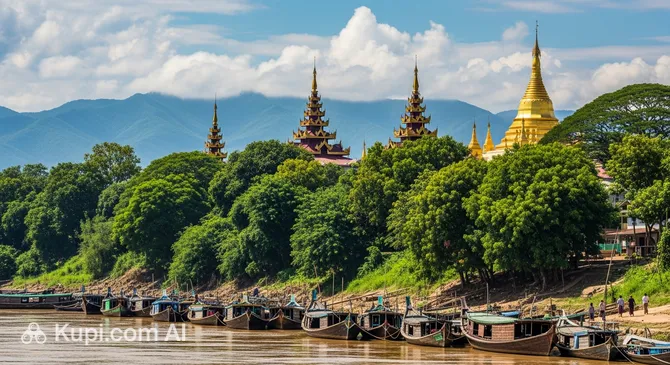
Homalin. Source: Kupi.Binoculars

The town has long been a melting pot of ethnic groups, including the Shan and Naga people, which adds a unique flavor to its atmosphere. Those interested in the past will find that the history of Homalin is deeply intertwined with river trade and the region's natural resources. While the town itself is modest in size, it acts as a gateway to the spectacular Naga Hills, attracting adventurers looking to explore the rich traditions of the Naga tribes. Additionally, the area is known for traditional gold panning activities along the Uyu River, a tributary that joins the Chindwin nearby.

Visitors to Homalin can enjoy a peaceful riverside walk, explore vibrant local markets filled with fresh produce and regional handicrafts, or simply soak in the serene environment. Whether you are passing through on a river cruise or using it as a base for trekking expeditions, Homalin offers a warm welcome and a distinct perspective on the diverse landscapes of the country.

Weather Overview

Understanding the local climate is key to planning a comfortable trip to this riverside town. Generally, the region experiences a mix of dry, cooler winters and warm, humid summers characterized by frequent rainfall. To help you pack appropriately for your specific travel dates, it is helpful to review the current weather in Homalin.

The cool season runs from November through February, offering the most comfortable conditions for exploration; January is typically the coldest month with average temperatures around 16.1°C and lows near 10°C. Conversely, the months from June to August are marked by high humidity and rain, with precipitation occurring on up to 30 days a month. April is usually the warmest time, with daytime highs reaching approximately 31.7°C, making it a hot precursor to the wet season.

Interesting Facts

Beyond its reputation as a quiet riverside town, Homalin holds many fascinating secrets that reveal its importance as a frontier outpost. This remote settlement is not just a transit point but a place where legends of gold, rare wildlife, and diverse tribal cultures come to life.

  • The River of Gold: The Uyu River, a major tributary that joins the Chindwin near Homalin, is legendary for its mineral wealth. For generations, the river has been known to carry gold dust and even nuggets in its sediment. It is not uncommon to see local villagers along the banks panning for gold, a traditional livelihood that continues to this day.
  • Gateway to the Naga Hills: The town serves as the primary gateway to the Naga Self-Administered Zone, one of the most culturally distinct and isolated regions in Myanmar. Travelers often start their journey here to witness the spectacular Naga New Year festival in January, a vibrant celebration of tribal warriors, traditional dances, and ancient customs.
  • A Sanctuary for Rare Wildlife: Just a short boat ride away lies the Tamanthi Wildlife Sanctuary, a biodiversity hotspot that remains largely unexplored by mass tourism. This protected area is one of the few remaining habitats for the endangered Indochinese tiger and Asian elephant, making it a critical area for conservationists.
  • A Historic Flotilla Stop: During the colonial era, Homalin was a significant stop for the famous Irrawaddy Flotilla Company, which operated the largest fleet of river vessels in the world. The town marked the furthest navigable point for many of the large paddle steamers on the Chindwin River, a legacy that highlights its historical strategic importance.

How to Get There

Reaching the remote town of Homalin requires some planning, as it is situated in a less accessible part of the Sagaing Region. While the journey can be an adventure in itself, involving river travel or overland routes through the hills, understanding your transport options is essential. For a detailed breakdown of routes and tips, you can read more about how to get to Homalin.

The most direct way to access the town is usually by air, as Homalin has its own domestic airport that connects to major cities within Myanmar, such as Mandalay and Yangon. However, travelers looking at the wider region might consider other hubs. Geographically, one of the closest significant airports is Imphal Municipal Airport (IATA: IMF), located in Imphal, India. Although it is situated approximately 105 km away, it is important to remember that this airport lies across an international border. Utilizing this route involves complex border crossing formalities and travel through rugged terrain, so it is not a standard approach for domestic tourism.

A more practical option within Myanmar is Kalemyo Airport (IATA: KMV), located in the city of Kalemyo. This airport is about 208 km away from Homalin. As a domestic hub, it facilitates regional connectivity without the complications of international borders. From Kalemyo, visitors typically continue their journey by road or combine overland travel with river transport, which allows them to experience the local landscape.

For clarity, here is a summary of the main airports in the wider geographical vicinity, including those across the border:

Airport Name City Passenger Traffic Km from City
Imphal Municipal Airport Imphal High 105.4
Kumbhirgram Airport Silchar Medium 197.1
Dimapur Airport Dimapur Medium 160.5
Rowriah Airport Jorhat Medium 217.8
Kalemyo Airport Kalemyo Low 208.4

Homalin does not have a railway station, and the region is not directly served by the national rail network. Consequently, the Chindwin River serves as a vital transport artery. Many visitors choose to arrive via river boats, which offer a scenic and traditional way to reach the town. It is advisable to check for local boat schedules or private car hire options from the nearest major cities to complete your journey safely.

Main Attractions

While Homalin is not famous for grand monuments or bustling tourist centers, its charm lies in its untouched natural beauty and its role as a cultural gateway. The attractions here are deeply connected to the riverine landscape and the diverse ethnic communities that call this remote region home. Visitors typically come here to experience the authentic rhythms of daily life in the Sagaing Region and to embark on adventures into the surrounding wilderness.

The Chindwin River itself is undoubtedly the town's most defining feature and a primary attraction for any visitor. As the lifeblood of the region, the river offers mesmerizing views, especially during sunrise and sunset when the water reflects the golden hues of the sky. Travelers can hire small boats to explore the waterways, witness local fishermen at work, or simply enjoy the serene atmosphere of the riverbanks. It serves not just as a transport route but as a scenic backdrop for the entire town, providing a peaceful escape from the noise of modern life.

For nature enthusiasts, the Tamanthi Wildlife Sanctuary is a significant draw located upstream from Homalin. This protected area is one of the few remaining biodiversity hotspots in the region, offering a habitat for endangered species such as the Indochinese tiger, Asian elephant, and clouded leopard. Although accessing the sanctuary requires a boat journey, the opportunity to witness such pristine wilderness and rare wildlife in their natural habitat makes it a compelling excursion for eco-tourists and adventurers.

Another intriguing spot is the confluence where the Uyu River meets the Chindwin. The Uyu River is legendary in Myanmar for its rich mineral deposits, and it is fascinating to visit the riverbanks to see traditional gold panning in action. Local villagers often sift through the river sediments in search of gold dust, a practice that has been passed down through generations. Watching this labor-intensive process offers a unique glimpse into the local economy and the enduring relationship between the people and the land.

Finally, Homalin serves as the essential Gateway to the Naga Hills. While not a single "site," this function is central to the town's tourism appeal. It is the starting point for expeditions into the rugged mountains inhabited by the Naga tribes. particularly during January, the town buzzes with activity as travelers pass through to witness the spectacular Naga New Year Festival. Even outside festival times, the town offers a cultural preview of the highlands, with local markets displaying varied handicrafts and produce from the hill communities.

Local Cuisine

The culinary landscape of Homalin is a delightful reflection of its diverse ethnic tapestry and its location along the Chindwin River. The local food scene offers a blend of traditional Bamar staples, Shan influences, and the distinct, rustic flavors of the Naga people. Because the town relies heavily on the river, fresh fish plays a central role in the daily diet, often prepared in rich, aromatic curries or grilled simply with herbs and lime.

For a true taste of the region, visitors should try the local variations of Naga cuisine. Unlike the oil-heavy curries found in central Myanmar, Naga dishes are typically boiled or steamed and are famous for their spicy kick. Look for smoked pork or beef cooked with bamboo shoots and the fiery raja mircha (king chili). Another breakfast essential is Mohinga, Myanmar’s national dish of rice noodles in a fish-based broth, which is widely available at street stalls and is the perfect way to start the day like a local.

Beverages in Homalin are just as culturally significant as the food. The town is dotted with traditional tea shops where locals gather to socialize over cups of sweet, milky tea known as laphet ye. For those looking to try something stronger and more traditional, Khaung ye is a local rice wine popular among the Naga and Shan communities. This fermented drink is often homemade and served in communal settings, representing hospitality and celebration in the region.

Dining in Homalin is a casual and authentic affair, far removed from fine dining experiences. The heart of the food culture lies in the bustling morning markets and open-air tea houses. Here, tourists can sit on low stools alongside residents, enjoying simple, hearty meals while watching the daily activity of the town. Exploring the riverside stalls in the evening also offers a chance to sample local snacks, such as fried fritters and noodle salads, while enjoying the cool breeze off the Chindwin.

Travel Tips

Visiting Homalin offers a unique opportunity to experience the authentic lifestyle of the Upper Chindwin region, but its remote location requires a bit more preparation than a trip to Yangon or Mandalay. To help you navigate this riverside town with ease and respect for local customs, here are some practical tips designed to make your journey smoother and more enjoyable.

  1. Clothing and Gear: The weather can be humid, so pack lightweight, breathable cotton or linen clothes. However, if you are visiting between November and February, mornings and evenings can be surprisingly cool, so bring a warm jacket or fleece. Since you will likely be visiting pagodas, ensure you have clothing that covers your shoulders and knees to respect the dress code. Sturdy, comfortable shoes are essential for unpaved roads, and slip-on footwear is highly recommended for easy removal at religious sites.
  2. Transportation: Homalin is a relatively small town, and you can explore much of the central area on foot. For longer distances, motorbike taxis are the most common and convenient mode of transport; agree on the fare before hopping on. There is no metro or ride-hailing app service like Grab here. If you plan to explore the river, private boats can be hired at the jetty, which is often the best way to see the surrounding scenery.
  3. Finances: The local currency is the Myanmar Kyat (MMK), and this is a strictly cash-based economy. While there are a few ATMs in town (such as KBZ Bank), they can occasionally be out of service or out of cash. It is highly advisable to bring a sufficient supply of Kyat with you from a major city like Mandalay. International credit cards are virtually useless in local shops, markets, and most guesthouses.
  4. Health and Safety: As a riverside town surrounded by forests, mosquitoes are prevalent. Bring a high-quality insect repellent and use it day and night to protect against dengue fever and malaria. Pharmacies are available but stocks are limited to basic supplies, so carry a personal medical kit with painkillers, stomach medicine, and any prescription drugs you need. Stick to bottled water for drinking and brushing your teeth.
  5. Communication: The main language is Burmese, and English proficiency is generally low outside of airport staff or tour guides. Learning a few basic phrases like Mingalaba (Hello) and Jay zu tin ba de (Thank you) will go a long way in breaking the ice. Purchase a local SIM card (MPT or Atom usually have the best coverage in remote areas) in a major city before arrival to ensure you have data connectivity for maps and translation apps.
  6. Local Etiquette: The culture in Homalin is traditional and conservative. When entering a home or a monastery, always remove your shoes and socks. It is polite to use both hands when giving or receiving an item, or at least touch your right elbow with your left hand. Avoid touching anyone, even children, on the head, as it is considered the most sacred part of the body.
  7. What to Avoid: Never point your feet at a person or a Buddha image, as feet are considered the lowest and "dirtiest" part of the body; sit with your legs tucked underneath or to the side. Additionally, avoid photographing government buildings, military personnel, or police stations, as this can cause unnecessary problems for tourists.
  8. Power and Utilities: Electricity supply in remote parts of the Sagaing Region can be inconsistent. It is a smart "life hack" to carry a fully charged power bank and a small flashlight or headlamp. These will prove invaluable during scheduled power cuts or if you are navigating dimly lit streets after sunset.

By keeping these practical tips in mind, you will be well-equipped to handle the rustic charm of Homalin. Embracing the slower pace and respecting local traditions will not only ensure a hassle-free trip but also open doors to warm interactions with the friendly residents of this fascinating river town.

Entertainment & Nightlife

Nightlife in Homalin is a quiet and traditional affair, reflecting the town's status as a remote riverside settlement rather than a bustling tourist hub. Travelers expecting neon-lit nightclubs or high-end cocktail lounges will find a different kind of charm here. The evening entertainment focuses on socializing, simple dining, and enjoying the cool breeze from the Chindwin River. The town generally goes to sleep early, with most activity winding down by 9:00 PM or 10:00 PM, making it a place to relax and recharge rather than party until dawn.

The heart of the local social scene is undoubtedly the Beer Station culture. These open-air venues are scattered throughout the town, particularly along the riverfront. They serve draft Myanmar beer and a variety of barbecue dishes, acting as the main meeting point for locals to unwind after work. The atmosphere is casual and friendly, with plastic chairs, low tables, and a soundtrack of local pop music or televised football matches. It is the perfect setting to strike up a conversation with residents and learn more about life in the Sagaing Region.

For those looking for specific spots to visit, the options are modest but authentic. The Strand Road Beer Stations offer the best views, allowing you to sip a cold drink while watching the moonlight reflect off the Chindwin River. Another local landmark often noticed by visitors is the Homalin Happy Club. While it functions partly as a social and sports club (often associated with tennis courts), it is a known spot in town for gathering. Additionally, the dining areas around the Central Market transform in the evening into a low-key night market, where you can grab grilled skewers and noodle soup under the glow of hanging bulbs.

Practicality is key when planning an evening out in Homalin. The streets can be dimly lit, so carrying a flashlight or using your phone's torch is essential for safety, especially to avoid uneven paths or stray dogs. Public transport does not run late; you will likely need to rely on walking or arranging a return trip with a motorbike taxi driver beforehand. Prices are very affordable compared to larger cities, but remember that venues operate on a cash-only basis, so bring sufficient Myanmar Kyat.

While the nights are quiet, the daytime offers its own form of entertainment. Before the sun sets, visitors can explore the town's role as a gateway to the Naga Hills or take boat trips to see the gold panning activities along the river. For a touch of culture, the local pagodas offer serene spots for sunset viewing before you head to a beer station to conclude your day.

Parks & Museums

Homalin is a destination defined by its raw, untamed landscapes and living heritage rather than manicured city parks or formal exhibition halls. While you will not find botanical gardens or modern art galleries here, the town offers a wealth of natural beauty and cultural depth through its riverfront scenery, nearby wildlife reserves, and sacred religious sites that serve as custodians of local history.

Tamanthi Wildlife Sanctuary is the region's most significant natural area, located just a boat journey upstream from the town. Although technically outside the immediate city limits, Homalin serves as the essential base for visiting this biodiversity hotspot. The sanctuary is a haven for nature lovers, encompassing vast stretches of moist deciduous forests and evergreen jungles. It provides a critical habitat for endangered species such as the Indochinese tiger, Asian elephant, and the rare roofed turtle. For tourists, it offers a genuine wilderness experience far removed from the commercialized national parks found elsewhere.

Closer to the town center, the Chindwin Riverfront functions as Homalin's primary public green space. In the late afternoons, this area comes alive as locals gather to enjoy the cooling breeze and watch the sunset paint the water in shades of orange and gold. It is an unpretentious, open-air setting where visitors can walk along the banks, observe the traditional wooden boats docking, and soak in the serene atmosphere that defines life in the Sagaing Region.

In terms of museums, Homalin does not possess standard indoor collections; instead, its cultural significance lies in its role as a transit hub. The town is the primary gateway to the Naga Self-Administered Zone, acting as the starting point for expeditions into the mountains. While the famous Naga New Year Festival takes place in remote highland villages like Leshi or Lahe, Homalin buzzes with activity in January as travelers and tribespeople pass through. The town offers a prelude to this rich heritage, with diverse ethnic communities living side by side, allowing visitors to witness a blend of traditions before heading deeper into the hills.

For a glimpse into the architectural and artistic history of the area, the local hilltop pagodas serve as the town's de facto galleries. Several golden stupas dot the high grounds overlooking the river, housing intricate Buddha images, floral wood carvings, and religious murals. These sites are not only places of worship but also repositories of local craftsmanship, reflecting the deep spiritual devotion of the residents. The panoramic views from these elevated platforms provide a stunning perspective on the town's layout and the winding river below.

For a truly authentic experience, consider visiting the confluence of the Uyu and Chindwin Rivers. While not a park, this natural landmark offers a fascinating look at the local livelihood of gold panning. Watching villagers sift through the river sediment is a unique "living museum" experience that connects the geological history of the land with the daily lives of its people.

Getting Around

Navigating Homalin is a straightforward experience, distinct from the complex transit networks found in major metropolitan areas. As a relatively small and remote riverside town, Homalin does not possess a formal public transport system such as a metro, tram, or city bus network. Instead, the "system" is informal, decentralized, and reliant on small private vehicles that cater to the specific needs of the local terrain and the river-based lifestyle.

The most ubiquitous form of transport in the city is the motorbike taxi. You will find these drivers waiting at key locations such as the airport, the main market, and the river jetties. They are the fastest and most convenient way to navigate the unpaved roads and reach specific guesthouses or pagodas. For travelers with luggage or small groups, three-wheeled auto-rickshaws (often called tuk-tuks or thone-bein) are also available. These vehicles offer a bit more stability and protection from the sun compared to motorbikes, making them a popular choice for short trips within the town center.

Given the town's location on the banks of the Chindwin River, water transport is an integral part of the local infrastructure. Small, long-tail wooden boats function effectively as water taxis. These boats ferry passengers across the river to villages on the opposite bank or transport people to nearby settlements that are inaccessible by road. This river transit is not just a necessity for locals but offers tourists a scenic and authentic way to experience the area's geography.

When it comes to payment, the system is entirely cash-based. There are no travel passes, smart cards, or mobile payment apps available for local transport in Homalin. Fares are generally low but are not fixed by a meter. It is standard practice to pay the driver directly in the local currency upon reaching your destination. Prices for short rides within the town are usually quite affordable, but it is crucial to carry small denominations of notes, as drivers may not always have ample change.

For tourists, the most important piece of advice is to negotiate the fare before starting your journey. Since there are no meters, agreeing on a price upfront prevents misunderstandings later. English is not widely spoken among drivers, so having your destination written in Burmese or showing a photo on your phone can bridge the communication gap. Additionally, keep in mind that transport operates largely during daylight hours. Finding a taxi or boat after sunset can be difficult, so plan your movements to ensure you are back at your accommodation before dark.

Alternatives to motorized transport are limited but viable. Walking is a pleasant option for exploring the central market area and the immediate riverfront, as the town is compact enough to cover on foot. There are no international car-sharing services, ride-hailing apps, or formal car rental agencies in Homalin. If you require a vehicle for a longer excursion, such as visiting the Naga Hills, the best approach is to arrange a private car with a driver through your guesthouse or a local contact.

Accommodation

Accommodation in Homalin is modest and functional, reflecting its status as a remote frontier town rather than a mainstream tourist destination. Travelers should adjust their expectations, as there are no international luxury chains, high-end resorts, or backpacker hostels with social vibes here. Instead, the town offers a small selection of locally run guesthouses and simple hotels. These establishments focus on providing basic necessities, offering a clean and safe place to rest after a day of travel or exploration.

Most accommodation options are clustered around the town center, close to the Chindwin River jetty and the central market. Staying in this area is highly recommended as it places you within walking distance of morning food stalls, tea shops, and boat transport. There are also a few establishments located nearer to the airport, which can be convenient for those with early morning flight connections, although the town is compact enough that location is rarely a significant logistical hurdle.

When it comes to amenities, facilities are generally basic. While some "mid-range" rooms may offer air conditioning and private bathrooms, budget options might rely on fans and shared facilities. It is also common for electricity to be supplied by generators during specific hours, so it is wise to inquire about power availability when checking in. Hot water is not a guarantee in every room, so be prepared for rustic living conditions.

Booking Tip: Since many local guesthouses do not have a presence on major international booking platforms, finding them online can be difficult. The most reliable way to secure a room is often by asking a local contact or your guide to call ahead. If you plan to visit in January for the famous Naga New Year festival, booking well in advance is essential, as the limited number of rooms in town can sell out weeks or even months beforehand due to the influx of visitors.

Prices generally fall into the budget to lower mid-range category. Payment is almost exclusively accepted in cash (Myanmar Kyat); credit cards are rarely, if ever, accepted at hotels in Homalin. Travelers should ensure they carry enough local currency to cover their entire stay, as relying on ATMs in remote areas can be risky.

Nearby Cities

For those looking to explore the surroundings, Homalin serves as an excellent base for day trips or short excursions to several interesting nearby locations. While the distances in this remote region often require significant travel time, the following destinations offer unique cultural and historical experiences that justify the journey.

One of the most fascinating stops in the wider region is Katha. Situated on the banks of the Irrawaddy River, this town is famous for being the setting of George Orwell’s novel Burmese Days. Literature enthusiasts and history buffs will appreciate the well-preserved colonial-era architecture, including the British Club and the author's former residence. The town retains a nostalgic atmosphere, with tree-lined streets and a bustling riverfront that offers a glimpse into Myanmar's colonial past.

Another significant destination is Kalemyo, often referred to simply as Kalay. As a major transit hub near the Indian border, it serves as the gateway to the breathtaking Chin Hills. The city is known for its vibrant mix of cultures and its role as a center for trade in the Sagaing Region. Visitors here can explore local markets filled with goods from both Myanmar and India, or use the city as a launching point for further adventures into the mountainous terrain of Chin State.

City Population Distance (km)
Myitkyina 243,031 255
Kalemyo 174,305 209
Katha 167,700 162
Mogok 167,149 270
Mogaung 132,608 208

These nearby destinations offer a glimpse into the diverse culture and landscapes of the region, providing travelers with a broader understanding of Upper Myanmar's rich heritage.

Shopping & Souvenirs

Shopping in Homalin is an authentic, local experience far removed from the glitz of modern retail therapy. As a remote riverside town, it does not offer high-end boutiques or international fashion chains. Instead, the shopping scene here revolves around daily necessities, cross-border trade goods from India, and the unique cultural products of the surrounding ethnic communities. Visitors will find that commerce is conducted in open-air settings and small family-run storefronts, offering a genuine glimpse into the economic life of the Sagaing Region.

The primary hub for all commercial activity is the town center, particularly the streets radiating from the river jetty. There is no specific "shopping district" in the western sense; rather, the main road running parallel to the Chindwin River serves as the commercial spine. Here, you can find rows of small shops selling everything from dry goods and electronics to clothing and hardware. It is a functional area where locals come to stock up on supplies, and it offers a lively atmosphere for a casual stroll.

Travelers looking for large shopping complexes will be disappointed, as there are no shopping malls in Homalin. The retail landscape is dominated by small convenience stores and standalone shophouses. The closest thing to a "department store" would be larger general stores that stock a wider variety of household items, often imported from nearby borders or brought upriver from Mandalay.

The beating heart of the town's trade is the Myoma Market (Central Market). This bustling marketplace is the best place to witness local life in action. In the early mornings, it is packed with vendors selling fresh fish caught from the Chindwin, organic vegetables grown in the fertile riverbanks, and seasonal fruits. Beyond food, the market often features stalls selling goods brought down from the Naga Hills or across the border, making it a treasure trove for those willing to browse through the eclectic mix of items.

For souvenirs, the most distinctive items to buy in Homalin are traditional Naga handicrafts. As the gateway to the Naga Self-Administered Zone, the town is one of the few places where you can find authentic Naga shawls, woven textiles with distinct tribal patterns, and traditional bead jewelry. These items are not mass-produced and carry deep cultural significance. Additionally, locally produced tea and bamboo crafts make for excellent, lightweight gifts to take home.

Business hours in Homalin reflect the town's early-rising culture. Markets typically open at dawn, around 6:00 AM, and are busiest before noon. Most regular shops open around 8:00 AM and close by 5:00 PM or 6:00 PM. Payment is strictly cash-only. Credit cards are not accepted in markets or small shops, and while there are ATMs in town, they can be unreliable. It is essential to carry sufficient Myanmar Kyat in smaller denominations to pay for your purchases.

There is no tax-free shopping or VAT refund scheme available for tourists in Homalin. The prices you see are final, though bargaining is common and expected in the markets and with independent vendors. A friendly smile and a polite request for a discount can often go a long way in securing a fair price.

Reached the end of the page?

That means the route is fully explored