Support

Dibrugarh

About

Welcome to Dibrugarh, a vibrant city often celebrated as the "Tea City of India". Located in the northeastern state of Assam, this destination serves as a crucial industrial and communication hub for the region. As you plan your journey through India, Dibrugarh offers a unique opportunity to experience the authentic lifestyle of the upper Brahmaputra valley, surrounded by lush greenery and a welcoming atmosphere.
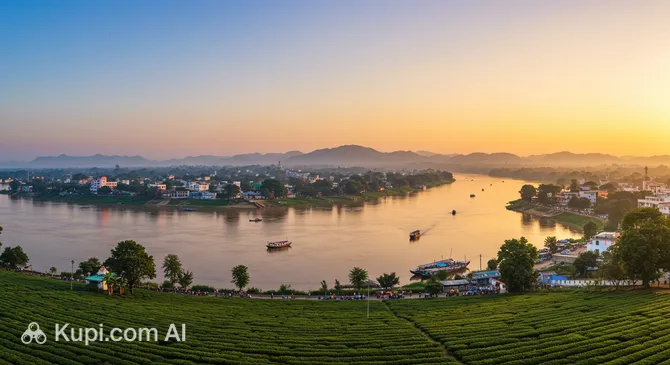
Dibrugarh. Source: Kupi.Binoculars

Geographically, the city is situated on the southern bank of the majestic Brahmaputra River, which plays a significant role in the local ecosystem and scenic beauty. With a population of approximately 154,000 residents, it balances the amenities of a growing urban center with the tranquility of nature. The climate here is typically subtropical, characterized by pleasant winters and heavy rainfall during the monsoon season, which is vital for the thriving tea plantations that define the landscape.

The city's heritage is deeply intertwined with trade and agriculture. Exploring the history of Dibrugarh reveals its long-standing importance as a center for commerce and its recovery and growth following the great earthquake of 1950. Today, it stands as a testament to resilience and development, seamlessly blending its colonial past with modern advancements.

Travelers are drawn to several key attractions that highlight the region's charm. A visit to the sprawling tea gardens is essential, offering a glimpse into the production of world-famous Assam tea. Another remarkable feature is the Bogibeel Bridge, the longest rail-cum-road bridge in the country, which provides breathtaking views of the river, especially during sunset. For those seeking spiritual solace, the Jagannath Temple is a notable architectural landmark worth visiting.

Whether you are a nature enthusiast eager to walk through emerald tea estates or a traveler looking to experience the cultural heartbeat of Assam, Dibrugarh invites you to discover its serene beauty and warm hospitality.

Weather Overview

Planning your visit requires a look at the local climate, which significantly influences the travel experience in this part of Assam. The weather in Dibrugarh is typically subtropical, characterized by a distinct contrast between the dry, cool winters and the warm, rainy monsoon season.

If you prefer comfortable temperatures and clear skies, the winter months from November to February are most suitable. During this time, average temperatures range from roughly 17.3°C to 22.1°C, with nights cooling down to around 12°C or 13°C. Rainfall is minimal, with December typically seeing almost no wet days, ensuring uninterrupted opportunities for exploration.

Conversely, the summer months bring heat and abundant moisture. From June through September, average temperatures rise to nearly 29°C, and daily maximums often exceed 31°C. This period is marked by frequent precipitation; for instance, July can experience up to 29 wet days. Expect warm summers with regular rain and mild, dry winters as you enjoy your stay in the city.

Interesting Facts

Beyond the scenic tea gardens and the riverside views, Dibrugarh holds several fascinating secrets that reveal its resilience and deep historical roots. This city is not just an industrial hub but a place with a storied past and unique geographical features that often surprise visitors.

  • A City Reborn from the River: While the 1950 earthquake is a known historical event, few realize that it caused a significant portion of the original "Old Dibrugarh" to be submerged by the Brahmaputra River. The city you visit today has largely been rebuilt and expanded inland, as the river's course shifted dramatically following the tremor.

  • World War II Strategic Hub: During the Second World War, the city served as a critical logistical base for Allied forces. It was a primary station for the famous "Hump" airlift operations, supplying resources to China across the eastern Himalayas, and hosted significant military airfields that underscored its strategic importance.

  • Pioneering Medical History: Dibrugarh is home to the Assam Medical College, which holds the distinction of being the first medical college in Northeastern India. It evolved from the Berry White Medical School, established in 1900 by a British philanthropist, Dr. John Berry White, marking the beginning of modern medical education in the region.

  • Railway Heritage: The city played a pivotal role in the development of transport in the region. It was the terminus for the Dibru-Sadiya Railway, the first railway line constructed in Northeast India in the late 19th century, designed specifically to transport tea and coal to the river ports.

How to Get There

Reaching this major hub in Upper Assam is relatively straightforward thanks to its well-developed transport infrastructure. Whether you are arriving for business or to explore the tea gardens, you can choose from air, rail, or road networks. For a comprehensive overview of routes and travel tips, you can read more about how to get to Dibrugarh in our detailed guide.

The most convenient entry point is the city's own Dibrugarh Airport (IATA: DIB), also known as Mohanbari Airport. It is located just 10.4 km from the city center, making the transfer quick and easy. A taxi ride from the airport to the heart of the city typically takes around 35 minutes. As a key airport in the region with significant passenger traffic, it offers regular connections to major Indian cities like Kolkata and Delhi.

If flight options to Dibrugarh are limited, you might consider flying into Rowriah Airport (IATA: JRH) in the city of Jorhat. It is situated approximately 109.8 km away. While this is a viable alternative, be prepared for a longer transfer; the drive from Jorhat to Dibrugarh generally takes about 3 hours. Another possibility is Itanagar Airport (IATA: HGI) in Itanagar, located roughly 137.4 km away, which would require a road journey of nearly 4 hours to reach your destination.

For clarity, here is a summary of the main airports:

Airport Name City Passenger Traffic Km from City
Dibrugarh Airport Dibrugarh Medium 10.4
Dimapur Airport Dimapur Medium 209.3
Itanagar Airport Itanagar Medium 137.4
Rowriah Airport Jorhat Small 109.8
Putao Putao Small 249.1

Beyond air travel, Dibrugarh serves as a historic and vital railway terminus for Northeast India. It is well-connected to the rest of the country by an extensive rail network, including prestigious trains like the Rajdhani Express which links the city directly to the national capital. The road network also provides good connectivity to neighboring towns and states, making bus or taxi travel a feasible option for those exploring the wider region.

Main Attractions

As the "Tea City of India," no visit to Dibrugarh is complete without exploring its world-renowned Tea Estates. The landscape is dotted with lush green plantations such as the Mankotta Tea Estate and Jalan Nagar Tea Estate. These sites offer tourists a chance to witness the fascinating process of tea cultivation, from plucking the delicate leaves to processing them in factories. Walking through the manicured bushes while staying in heritage Chang bungalows allows travelers to immerse themselves in the colonial history and serene atmosphere of the region.

An engineering marvel and a scenic delight, the Bogibeel Bridge is a top attraction for visitors. Spanning nearly 5 kilometers across the mighty Brahmaputra River, it is India's longest rail-cum-road bridge. It serves not only as a vital connection between the north and south banks but also as a popular spot for picnics and drives. Tourists flock here, especially in the late afternoon, to capture stunning photographs of the sunset reflecting off the vast river waters.

For those seeking spiritual tranquility and architectural beauty, the Jagannath Temple at Khanikar is a must-visit destination. Modeled after the famous temple in Puri, Odisha, this shrine is dedicated to Lord Jagannath and stands out for its intricate carvings and towering structure. The temple premises are well-maintained and peaceful, providing a perfect setting for meditation and prayer amidst the bustling city life.

Nature enthusiasts should venture slightly further to the Dehing Patkai Wildlife Sanctuary, often referred to as the "Amazon of the East." This rainforest is a biodiversity hotspot, home to elephants, hoolock gibbons, and several species of wild cats. It offers a thrilling experience for wildlife photographers and birdwatchers who wish to explore the dense, evergreen forests that characterize this unique part of Assam.

Local Cuisine

The culinary landscape of Dibrugarh is a delightful reflection of authentic Assamese culture, characterized by simple yet distinct flavors. Rice is the staple food here, often accompanied by a variety of side dishes that emphasize fermentation and the use of fresh, local herbs. The cuisine is generally mild in spice but rich in taste, relying heavily on exotic ingredients like bamboo shoots and the unique "Bhut Jolokia" or ghost pepper for those who crave a fiery kick.

When visiting the city, you must try the iconic Masor Tenga, a light and tangy fish curry usually prepared with tomatoes, elephant apple (ou tenga), or lemon. It is a soul-satisfying dish that perfectly complements a plate of steaming white rice. Another delicacy deeply rooted in the region's food habits is Duck Meat Curry (Haah Mangxo), often cooked with ash gourd or bamboo shoots. This rich and flavorful dish is particularly popular during festivals and family gatherings in Upper Assam.

As the "Tea City of India," your gastronomic journey would be incomplete without savoring a cup of authentic Assam tea. Whether you prefer it strong and milky (known locally as "saah") or as a delicate liquor without milk, the quality here is unparalleled. On the traditional side, you might encounter Apong, a locally brewed rice beer prepared by the indigenous communities. It holds significant cultural importance and is often served during harvest festivals and celebrations.

The food culture in Dibrugarh is a mix of traditional home-style dining and vibrant street food. Locals often frequent markets and roadside stalls to enjoy quick bites like steaming hot momos (dumplings) and spicy chowmein, reflecting a blend of local and Tibetan influences. For a complete experience, look for restaurants serving an "Assamese Thali," a platter offering a little bit of everything—from Khar (an alkaline appetizer) to Aloo Pitika (mashed potatoes with mustard oil)—providing a wholesome taste of the region's hospitality.

Travel Tips

A trip to Dibrugarh promises serene tea gardens and majestic river views, but a little preparation goes a long way in this unique corner of Assam. To help you navigate the city comfortably and make the most of your stay, here are some practical tips designed for travelers.

  1. Clothing and Gear: The climate dictates your wardrobe here. If visiting in summer (April to September), bring breathable cottons to handle the humidity, and always carry a sturdy umbrella or raincoat, as sudden showers are common. For winter visits (November to February), light woolens or a jacket are necessary for the cool mornings and evenings. Comfortable, closed-toe walking shoes are essential if you plan to tour the tea estates.

  2. Transportation: Auto-rickshaws are the most convenient way to get around the city for short distances; however, they often do not run on meters, so it is wise to negotiate and agree on the fare before hopping in. For visiting attractions like the Bogibeel Bridge or outlying tea gardens, hiring a private taxi for the day is more reliable. Ride-hailing apps may have a presence, but availability can be inconsistent compared to major metros.

  3. Finances: The local currency is the Indian Rupee (INR). While hotels and larger restaurants accept credit cards, cash is king in local markets and smaller eateries. ATMs are widely available in the city center, but it is advisable to carry sufficient cash when venturing to remote tea gardens or river islands. Tipping is not mandatory but is appreciated; leaving about 10% for good service is standard.

  4. Health and Safety: Since Dibrugarh is surrounded by vegetation and water bodies, mosquitoes can be a nuisance. Pack a high-quality insect repellent and use it generously, especially in the evenings. Pharmacies are easily found in the main market areas, but carry personal prescription medications with you. Stick to bottled or filtered water to avoid stomach issues.

  5. Communication: Assamese is the primary language, and Hindi is widely spoken. English is generally understood in hotels, tourist spots, and by younger locals. A simple "Namaskar" (Hello) is a warm way to greet people. For connectivity, major Indian mobile networks like Airtel and Jio offer good coverage; you can purchase a SIM card at local shops with your passport and visa copies.

  6. Local Etiquette: The people of Assam are known for their hospitality and gentle demeanor. Dress modestly when visiting religious sites like the Jagannath Temple, and remember to remove your shoes before entering temples or a local's home. It is polite to accept tea if offered, as it is an integral part of the local culture.

  7. What to Avoid: Do not wander into tea plantations without permission or a guide, as these are often private properties and can be difficult to navigate. Additionally, avoid drinking tap water or eating cut fruits from roadside stalls to ensure your health remains steady throughout your trip.

  8. Shopping Tip: If you plan to buy tea to take home, avoid generic souvenir shops. Instead, look for specialized tea boutiques or visit the tea estates directly where you can taste the brew before purchasing. This ensures you get authentic, high-quality Assam tea rather than a commercial blend.

By keeping these practical points in mind, you can focus on soaking in the lush greenery and the vibrant culture of the Brahmaputra valley. Dibrugarh is a welcoming host, and with just a bit of planning, your experience in the "Tea City of India" will be truly memorable.

Entertainment & Nightlife

While Dibrugarh is primarily known for its tea heritage and scenic river views, the city offers a modest yet growing nightlife scene that caters to both locals and travelers. Unlike the high-energy clubbing culture found in India's metropolitan hubs, the evening entertainment here is more about relaxed social dining, cozy lounge bars, and enjoying the company of friends in a laid-back atmosphere. The nightlife is concentrated mainly around the city center, particularly along Mancotta Road and RKB Path, where you can find the majority of the modern eateries and watering holes.

For those looking to unwind with a drink and good music, H2O The Restro Bar is a popular choice among the local youth and visitors. It offers a vibrant setting with a mix of Indian and continental cuisine, making it a great spot for an evening out. Another notable venue is Studio 69, a lounge bar known for its chic interiors and ambient lighting, perfect for a slightly more upscale experience. If you prefer a place that combines fine dining with a well-stocked bar, Basillia on RKB Path provides a comfortable environment suitable for families and groups alike.

The atmosphere in these venues is generally casual to smart-casual. You will typically find a crowd of young professionals, tea estate managers, and tourists. It is important to note that nightlife in Dibrugarh wraps up relatively early compared to bigger cities. Most bars and restaurants begin to close their kitchens by 10:00 PM or 10:30 PM, with doors shutting shortly after. Prices are quite reasonable, with an evening of drinks and dinner costing significantly less than in Delhi or Mumbai.

When it comes to safety and transportation, Dibrugarh is generally safe, but the streets can become very quiet and empty after 9:00 PM. Public transport like auto-rickshaws becomes scarce late at night. It is highly recommended to arrange a taxi through your hotel or use a pre-booked car for your return journey. Avoid walking alone in dimly lit areas late at night; sticking to the main roads and using reliable transport is the best practice.

During the day, entertainment options shift towards cultural and recreational activities. You can catch the latest Bollywood or regional movies at local cinemas like the Talkie House. For a more leisurely afternoon, residents often head to parks such as the Lakshminath Bezbaruah Park for a stroll. While the city lacks large amusement parks, the charm of Dibrugarh lies in its slower pace, allowing you to enjoy both its daytime serenity and its developing evening culture with ease.

Parks & Museums

While Dibrugarh is globally renowned for its sprawling tea estates, the city also harbors a collection of serene green spaces and cultural repositories that offer a deeper understanding of the region's heritage. Beyond the commercial bustle, visitors can find tranquility in well-maintained parks and explore institutions that preserve the rich history and ethnic diversity of Assam.

For a refreshing break within the city limits, Lakshminath Bezbaruah Park is a favorite among locals and tourists alike. Named after the doyenne of modern Assamese literature, this park serves as a green lung in the heart of the town. It features well-paved walking paths, manicured lawns, and a peaceful atmosphere perfect for a morning jog or a leisurely evening stroll. Another significant natural area is the Jokai Botanical Garden, located near the city. This germplasm center is a treasure trove for nature lovers, housing a wide variety of indigenous flora, medicinal plants, and a dedicated orchid house that showcases the exotic blooms of the Northeast.

If you are willing to venture a short distance from the center, Khanikar Park, also known as Mahatma Gandhi Udyan, is an excellent spot for a day out. Situated close to the famous Jagannath Temple, this park is a popular picnic destination characterized by its expansive greenery and vibrant seasonal flowers. It provides a perfect setting for families to relax and enjoy the outdoors amidst the gentle river breeze.

On the cultural front, the Anthropological Museum at Dibrugarh University stands out as a key institution. This museum offers a fascinating window into the diverse ethnic mosaic of Northeast India. Its collection includes traditional costumes, jewelry, weapons, and agricultural implements used by various indigenous tribes of the region. It is an essential stop for anyone interested in sociology and the rich tribal history of Assam.

History enthusiasts will appreciate the architectural legacy left by the Ahom Kingdom. The Raidongia Dol, located near Duliajan (accessible from Dibrugarh), is a significant historical monument containing ancient temple ruins and statues that date back to the Ahom era. Additionally, the Barbarua Maidam features two ancient burial mounds dedicated to high-ranking officials of the Ahom dynasty, offering a silent yet powerful testimony to the region's royal past.

For a truly authentic experience, take a walk along the Dibrugarh Dyke during sunset. This massive embankment, built to protect the city from the Brahmaputra River, offers an uncurated but spectacular view of the river's expanse and is a beloved spot for locals to unwind away from the tourist crowds.

Getting Around

Navigating Dibrugarh is a distinct experience compared to the bustling metropolises of India. The city does not possess a metro, tram, or trolleybus system. Instead, the public transport network relies heavily on road-based options that are better investigating the town's layout. The most common and convenient mode of transport for short distances is the E-rickshaw, locally known as a "Toto." These battery-operated three-wheelers are eco-friendly, quiet, and can be found on almost every street corner, making them the lifeline of daily commuting.

For slightly longer distances or travel between specific neighborhoods, Auto-rickshaws are widely available. You will encounter two types: shared autos, which run on fixed routes with set fares, and reserve autos, which you can hire for a private journey to a specific destination. State-run ASTC (Assam State Transport Corporation) buses and private minibuses also operate, but they are generally used for connecting Dibrugarh to its suburbs or nearby towns rather than for hopping between city attractions.

The payment system in the city is traditional and straightforward. There are no smart cards, travel passes, or mobile tapping systems for public transit here. Cash is the primary mode of payment. Fares for shared autos and E-rickshaws are very affordable, often ranging from 10 to 30 INR depending on the distance. If you hire a reserve auto, the fare is not fixed by a meter; therefore, it is essential to negotiate and agree on the price with the driver before getting into the vehicle.

Tourists should keep a few practical tips in mind to ensure a smooth journey. Always carry small denominations of currency (coins and 10, 20, or 50 Rupee notes), as drivers often struggle to provide change for large bills. In terms of operating hours, public transport is most active from early morning until around 8:00 PM. After this time, finding a shared auto or Toto becomes significantly more difficult, so plan your return to your accommodation accordingly.

For those seeking alternatives, private taxis are available and can be booked through your hotel or at designated taxi stands. While ride-hailing apps are becoming more common in the country, their availability in smaller cities can be inconsistent, so relying on pre-arranged transport is often safer for important trips, such as airport transfers. Walking is also a viable and pleasant option for exploring the vibrant market areas like New Market or the riverside dyke.

A unique feature of the transport landscape here is the ferry service across the Brahmaputra River. While the Bogibeel Bridge has reduced the necessity for daily commuting by boat, taking a ferry from the ghats remains a scenic and culturally immersive way to experience the river, offering a glimpse into the traditional mode of travel that has sustained the region for centuries.

Accommodation

Finding the perfect place to stay in Dibrugarh, often referred to as the "Tea City of India", is an integral part of the travel experience, especially given the city's unique blend of colonial history and modern development. The accommodation landscape here is quite diverse, catering to everyone from backpackers and business travelers to luxury seekers looking for a unique cultural immersion. Broadly, options range from economical guesthouses and standard mid-range hotels to the luxurious and historically significant tea garden bungalows that define the region's tourism.

For those who prioritize convenience and accessibility, the City Center and areas around Mancotta Road and New Market are the most popular choices. Staying in this part of town places you within walking distance of local eateries, shopping hubs, and transport facilities like the bus stand. It is an ideal location for business travelers or tourists who plan to use the city as a base for day trips to nearby districts. Here, you will find modern hotels equipped with essential amenities such as Wi-Fi, air conditioning, and in-house restaurants serving local and Indian cuisine.

However, the true highlight of Dibrugarh's accommodation scene lies on the outskirts, nestled within the lush greenery of the tea estates. Travelers seeking a tranquil and authentic experience should consider staying in a Heritage Chang Bungalow. These are British-era stilted houses, originally built for tea planters, which have been converted into boutique stays. Locations like the Mancotta Tea Estate or Jalan Nagar offer these exclusive retreats, allowing guests to sleep amidst the rolling tea bushes and wake up to the sounds of nature. These properties often feature colonial architecture, expansive verandas, and personalized service that transports you back in time.

When it comes to booking and prices, Dibrugarh is generally affordable compared to India's major metros. Budget travelers can find clean and basic rooms for a modest fee, while mid-range hotels offer excellent value for money. The heritage bungalows are priced at the higher end of the spectrum, reflecting the exclusive experience and amenities they provide. While walk-in bookings are possible for budget hotels, it is highly recommended to book in advance if you plan to visit during the peak winter season (November to February) or during the tea production season, as the best properties—especially the heritage ones—fill up quickly.

Most accommodations can be booked through major online travel platforms, but for the specialized tea garden bungalows, contacting the management directly or booking through specialized tour operators often ensures the best rates and specific room requests. Whether you choose the bustle of the town or the serenity of a tea estate, the hospitality in Dibrugarh is warm and welcoming, ensuring a comfortable stay.

Nearby Cities

For those looking to explore the surroundings, Dibrugarh serves as an excellent base for day trips to several interesting nearby locations:

City Population Distance (km)
Jorhat 153,249 106
Tinsukia 99,507 44
North Lakhimpur 59,814 84
Sivasagar 50,781 60
Digboi 27,129 71

Travelers interested in history should definitely visit Sivasagar. Once the flourishing capital of the Ahom Kingdom, the town is dotted with remarkable ancient monuments such as the Rang Ghar, an oval-shaped amphitheater, and the Talatal Ghar, a palace known for its underground tunnels. It offers a fascinating deep dive into the royal heritage of Assam.

Another unique destination is Digboi, famously known as the "Oil City of Assam." It is home to the oldest operating oil refinery in Asia. Visitors can explore the Digboi Centenary Museum to learn about the history of the oil industry or pay their respects at the Digboi War Cemetery, a beautifully maintained memorial from the Second World War.

For those seeking a mix of commerce and nature, Tinsukia is a vibrant commercial hub that serves as a gateway to the region's wilderness. It is an ideal starting point for excursions to the Dibru-Saikhowa National Park, a biodiversity hotspot famous for its feral horses and rare bird species, offering a perfect escape for outdoor enthusiasts.

These nearby destinations offer a glimpse into the diverse culture and landscapes of the region.

Shopping & Souvenirs

Shopping in Dibrugarh offers a delightful opportunity to take a piece of Assam home with you. Unlike the generic mall culture found in larger metropolises, the retail experience here is deeply rooted in local tradition, focusing on indigenous products that reflect the region's rich heritage. As the "Tea City of India", it is naturally the best place to purchase world-class brews, but the city’s markets also teem with exquisite textiles and handcrafted souvenirs.

The most essential buy is, of course, Assam tea. Visitors are spoilt for choice with a variety of blends fresh from the surrounding gardens. You should look for the robust CTC tea, known for its strong color and full body, which is perfect for making traditional masala chai. For a more refined experience, seek out Orthodox tea or the prized "Second Flush," which offers a rich aroma and malty flavor. Specialized outlets often allow you to sample the tea before purchasing, ensuring you select a blend that suits your palate.

Beyond tea, Dibrugarh is a fantastic place to shop for authentic Assamese silks. The region is famous for Muga silk, a golden-hued fabric that is durable, glossy, and unique to this part of the world. Another popular variety is Eri silk, often referred to as "Ahimsa silk" or peace silk, which is cherished for its soft texture and thermal properties. These fabrics are commonly sold as sarees or the traditional two-piece attire known as Mekhela Sador, but you can also find shawls and scarves that make for lighter, travel-friendly gifts.

The local craftsmanship is best displayed in the wide array of bamboo and cane products. Artisans in the region are skilled at transforming these natural materials into intricate furniture, baskets, and decorative items. A particularly iconic souvenir is the Japi, a traditional conical hat made from bamboo and dried palm leaves. While the full-sized versions are used by farmers, smaller, colorful versions are sold as wall hangings and are a symbol of Assamese culture.

To experience the local buzz, head to New Market in the city center. This is the main commercial hub where you can find everything from traditional garments to modern electronics. Another key shopping area is Chowkidinghee, which hosts a variety of stores and stalls. When shopping in these local bazaars, remember that bargaining is a standard practice at smaller stalls, though fixed-price shops are becoming more common.

Most shops in the city open around 10:00 AM and close by 8:30 PM or 9:00 PM. While larger showrooms and hotels accept credit cards, cash remains the preferred mode of payment in local markets and smaller boutiques. Carrying sufficient change is advisable to ensure a smooth shopping experience as you explore the vibrant streets of Dibrugarh.

Reached the end of the page?

That means the route is fully explored