Support

Itanagar

About

Welcome to Itanagar, the serene and scenic capital of Arunachal Pradesh. Nestled at the foothills of the Himalayas, this charming city offers a perfect blend of natural beauty, rich heritage, and modern life. As a gateway to the northeastern region of India, Itanagar is known for its pleasant weather, lush green hills, and friendly atmosphere.

Geographically, the city is situated in a picturesque valley surrounded by mist-covered mountains. With a population of around 60,000 residents, it maintains a cozy, small-town feel while serving as an important administrative and cultural hub. The climate here is generally mild, making it a delightful destination year-round, though the winter months offer crisp, refreshing air perfect for exploration.
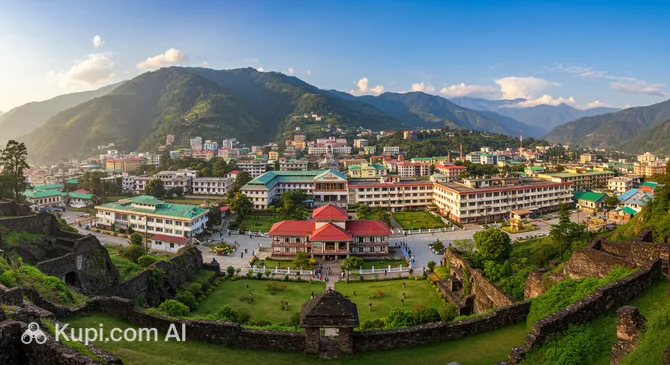
Itanagar. Source: Kupi.Binoculars

The city's name is derived from the historic Ita Fort, a structure made of special irregular bricks that dates back to the 14th or 15th century. Exploring the history of Itanagar reveals fascinating tales of the region's strategic importance and ancient roots. Beyond its historical sites, the city is a melting pot of diverse tribal cultures, evident in its vibrant festivals, traditional crafts, and daily life.

Travelers are often drawn to the stunning Ganga Lake (Gyakar Sinying), a natural water body surrounded by primeval vegetation and orchids, ideal for a peaceful boat ride. Another highlight is the majestic Gompa, a Buddhist temple consecrated by the Dalai Lama, which offers panoramic views of the entire city from its hilltop location. For those interested in local heritage, the Jawaharlal Nehru State Museum showcases an impressive collection of tribal artifacts and textiles.

Whether you are seeking a quiet retreat in nature or a deep dive into tribal traditions, Itanagar promises a memorable experience. Its unique combination of archaeological wonders and breathtaking landscapes makes it a must-visit destination for any traveler venturing into the Northeast.

Weather Overview

The climate in Itanagar is characterized by its comfortable subtropical nature, avoiding the extremes often found in the plains. Temperatures remain pleasant throughout the year, making it a welcoming destination for travelers. For a more specific breakdown to help you pack, you can check the current weather in Itanagar.

During the summer months, particularly from June to August, the city experiences its warmest weather with average temperatures hovering around 24°C to 25°C. However, this season also brings the highest frequency of precipitation, with July seeing rain on almost every day. In contrast, the winter period from December to February is significantly cooler, with average temperatures dropping to approximately 13°C to 14°C and nighttime lows reaching around 8°C.

The transitional months of April and October offer delightful conditions, with averages ranging between 19°C and 21°C. Overall, visitors should expect warm summers with frequent rain and cool, drier winters, with the driest period occurring in November and December.

Interesting Facts

Beyond the scenic vistas and the famous monastery, Itanagar holds intriguing details that often escape the casual observer. From ancient royal connections to unique administrative rules, the city is full of surprises waiting to be discovered.
  • Ancient Identity: Historians often identify Itanagar with Mayapur, the legendary capital of the Jitari Dynasty dating back to the 11th century. This connection suggests that the city's roots extend far deeper into history than the visible 14th-century ruins of the brick fort might imply.

  • Restricted Entry: Itanagar is one of the few state capitals where even domestic travelers from other parts of the country require a special entry document known as the Inner Line Permit (ILP). This system, dating back to the colonial era, is maintained to protect the delicate demographic balance and indigenous tribal cultures of the region.

  • Nature’s Alarm Clock: Located in the "Land of the Dawn-Lit Mountains," the city operates on a unique natural schedule. In the summer months, the sun can rise as early as 4:00 AM, causing the local markets and daily life to begin and end much earlier than in western parts of India.

  • Cultural Symbolism: The city is a cultural stronghold for the Nyishi tribe, the largest ethnic group in the state. You may see traditional headgear called the byopa, a cane helmet traditionally adorned with a hornbill beak; however, in a remarkable conservation effort, locals have largely switched to using synthetic replicas to protect the Great Indian Hornbill population.

How to Get There

Reaching this scenic capital in the Himalayan foothills is an adventure in itself, with improved connectivity making the journey smoother for travelers. Whether you prefer flying into a nearby hub or taking a scenic drive through the valleys, there are several options to suit your itinerary. You can find more details and plan your specific route on our page about how to get to Itanagar.

The most convenient air gateway is the local Itanagar Airport (HGI), also known as Donyi Polo Airport. Located just 13.1 km from the city center, it has significantly reduced travel time for visitors. A taxi or bus ride from this airport to the heart of Itanagar typically takes about 40 minutes. This airport serves as a direct link to the region, offering a comfortable start to your trip.

If you cannot find a direct flight to Itanagar, Rowriah Airport (JRH) in the city of Jorhat is a viable alternative. Situated approximately 68.8 km away, it is a regional airport in the neighboring state of Assam. The journey from Jorhat involves a drive of around 2 hours, allowing you to enjoy the lush landscapes along the way.

For travelers seeking more flight connections, Dibrugarh Airport (DIB) in Dibrugarh is a major transport hub. Although it is located about 146.6 km from Itanagar, it handles a higher volume of passenger traffic and offers more frequent flights. The drive from Dibrugarh to Itanagar is longer, taking approximately 4 hours, but the road offers beautiful views of the tea gardens and river valleys.

For clarity, here is a summary of the main airports serving the region:

Airport Name City Passenger Traffic Km from City
Dibrugarh AirportDibrugarhHigh146.6
Dimapur AirportDimapurMedium134.0
Itanagar AirportItanagarMedium13.1
Rowriah AirportJorhatLow68.8
Trashigang (Yonphula)TrashigangVery Low208.1

In addition to air travel, Itanagar is well-connected by the railway network. The closest railhead is the Naharlagun Railway Station, situated approximately 15 km from the city center. This station effectively serves as the railway terminus for the capital, with direct trains connecting to Guwahati and other major cities. From the station, travelers can easily hire taxis or take shared transport to reach Itanagar in about 30 to 45 minutes.

Main Attractions

As the historical and cultural heart of the region, the city is built around its most significant landmark, the Ita Fort. Literally translating to "Fort of Bricks" in the Ahom language, this archaeological wonder gives the capital its name. Unlike many other forts in the region built of stone, this 14th-century structure was constructed using millions of irregular bricks. Visitors can explore its three distinct entrances—Western, Eastern, and Southern—and enjoy the commanding views of the Papum Pare valley that the fort’s strategic hilltop location offers.

For nature lovers, Gekar Sinyi, commonly known as Ganga Lake, is a tranquil escape located just a short drive from the city center. The name translates to "Confined Water," describing this beautiful natural lake surrounded by hard rock formations and lush primeval forests. It is a favorite spot for both locals and tourists to enjoy boating, picnics, and the serene atmosphere created by the towering trees and vibrant orchids that frame the water.

To gain a deeper understanding of the state's rich cultural tapestry, a visit to the Jawaharlal Nehru State Museum is essential. The museum houses an extensive collection that goes far beyond simple textiles, featuring wood carvings, traditional weaponry, musical instruments, and household items from various tribes of Arunachal Pradesh. It also includes a library and a handicraft center where visitors can see the intricate art of cane and bamboo weaving firsthand.

Those looking for a relaxing afternoon stroll should head to Indira Gandhi Park. This beautifully landscaped area serves as the city's green lung and a hub for local social life. With its manicured lawns, winding pathways, and vibrant flower beds, it offers a pleasant contrast to the rugged wilderness surrounding the city. It is often the venue for local fairs and festivals, making it a great place to experience the contemporary pulse of Itanagar.

Local Cuisine

The local cuisine of Itanagar offers a distinct gastronomic experience that sets it apart from the spice-heavy curries often associated with mainland India. The food culture here is deeply rooted in the traditions of the diverse tribes of Arunachal Pradesh, emphasizing organic ingredients, simple preparation methods, and unique flavors. Rice is the staple food, serving as the canvas for meals that typically feature meat, boiled vegetables, and an abundance of indigenous herbs.

One cannot visit the city without trying the ubiquitous Momos and Thukpa. While these dishes are popular across the Himalayan region, the versions found in Itanagar are celebrated for their fresh fillings and comforting, flavorful broths, making them a favorite street food choice. For a more authentic traditional taste, look for dishes featuring Bamboo Shoots, a quintessential ingredient in Arunachali kitchens. A signature preparation is pork cooked with fermented bamboo shoots, which offers a tender texture and a distinct, tangy aroma that defines the region's palate. Adventurous eaters should also try Pika Pila, a famous pickle made from bamboo shoots and pork fat, which is a beloved side dish.

When it comes to beverages, the traditional rice beer known as Apong holds a special place in the local culture. It is more than just a drink; it is an integral part of festivals, celebrations, and social gatherings. Brewed from fermented rice, Apong has a mild, sweet, and malty flavor. It is traditionally served in bamboo mugs and offers a refreshing insight into the warm hospitality of the local people.

The dining scene in Itanagar ranges from humble roadside eateries to bustling markets where you can observe the local food culture firsthand. Travelers should explore the daily markets to see the array of fresh produce, including edible ferns, fiery local chilies, and smoked meats. While there are restaurants serving standard Indian and Chinese fare, the true flavor of the city is best experienced in the small stalls serving steaming bowls of noodle soup and plates of smoked meat accompanied by spicy chutneys.

Travel Tips

Preparing for a trip to Itanagar requires a bit of foresight due to its unique location in the Himalayan foothills and its distinct local rhythm. These practical tips will help you navigate the logistics and customs, ensuring your visit to the "Land of the Dawn-Lit Mountains" is comfortable and hassle-free.

  1. Clothing and Gear: The weather can be unpredictable, so carrying a sturdy umbrella or raincoat is essential, especially if you visit between May and September. For footwear, bring comfortable, non-slip walking shoes or sneakers, as the terrain is hilly and often wet. If you travel in winter, pack heavy woolens, while light cottons with a light jacket will suffice for the summer months.

  2. Transportation: The city does not rely on a metro or extensive bus system for local commuting. The most common way to get around is by using shared taxis (often Tata Sumos) and auto-rickshaws. Ride-hailing apps are generally not available here, so you will need to hail vehicles from the roadside and either agree on the fare beforehand or pay the standard fixed rates.

  3. Finances: While credit and debit cards are accepted at major hotels and a few upscale restaurants, cash is king in Itanagar. Small eateries, local markets, and transport providers almost exclusively accept cash. ATMs are available, particularly in the Bank Tinali area, but it is wise to withdraw sufficient funds before heading to more secluded tourist spots.

  4. Health and Safety: Itanagar is a safe city for tourists, but it is advisable to avoid walking alone in isolated areas after dark, as the city shuts down relatively early. Pharmacies are available near the main hospital and market areas, though few stay open late. If you are prone to motion sickness, carry necessary medication for the winding roads leading up to the city.

  5. Communication: Hindi and English are widely understood and spoken, serving as the common language among the diverse tribes and visitors. Mobile network coverage is generally good within the city for major carriers like Airtel, Jio, and BSNL. However, data speeds can be inconsistent during bad weather or as you move away from the city center.

  6. Local Etiquette: The people of Arunachal Pradesh are warm and hospitable, but they value their privacy. Always ask for permission before taking photographs of locals, especially those in traditional tribal attire. When visiting the Gompa or any religious site, remember to remove your shoes and dress modestly as a sign of respect.

  7. What to Avoid: Avoid aggressive bargaining in the local markets. Unlike in some other parts of the country, prices for local produce and handicrafts are usually fair and fixed. Additionally, refrain from discarding plastic waste in the hills; the locals are very protective of their environment, and littering is frowned upon.

  8. Additional Tip: Adjust your watch and your biological clock. Since Itanagar is in the far east of India, the sun rises and sets much earlier than in the rest of the country. To make the most of your trip, start your day as early as 5:00 AM and expect the town to quiet down by 7:00 PM.

By keeping these practicalities in mind, you can focus entirely on soaking in the breathtaking views and rich culture of Itanagar. A little preparation goes a long way in this beautiful hill station, allowing you to blend in with the local rhythm and create unforgettable memories.

Entertainment & Nightlife

Nightlife in Itanagar is quite distinct from the bustling party scenes found in India's metropolitan cities. Consistent with the region's "early to rise, early to bed" culture, the city tends to wind down relatively early, with most shops and establishments closing by 8:00 PM or 9:00 PM. Instead of loud nightclubs and all-night raves, the evening entertainment here revolves around cozy hotel lounges, intimate bars, and atmospheric restaurants where locals and travelers gather for relaxed conversations and dining.

The center of evening activity is primarily concentrated around Bank Tinali and the Ganga Market areas. As the sun sets, these districts remain active slightly longer than the rest of the town, offering a variety of eateries and local hangouts. The atmosphere is generally laid-back and casual; there is no strict dress code, although smart-casual attire is recommended if you are visiting upscale hotel bars. Visitors should plan to start their evenings early, ideally around 6:00 PM, to make the most of the night before the city goes to sleep.

For those looking to enjoy a drink or a nice meal, the city offers a few reliable venues. Legacy - The Lounge, located within Hotel Pybss, is one of the more popular spots for a modern ambiance and a good selection of beverages. Another staple of the city's social scene is the bar at the Hotel Donyi Polo Ashok, which offers a classic and quiet setting suitable for business travelers and tourists alike. Additionally, Zero Point is a well-known area where you can find local eateries serving hot food late into the evening, providing a taste of the local street vibe.

Safety is generally not a major concern in Itanagar, but the streets can become quite dark and deserted after 9:00 PM. It is advisable to stick to well-lit areas and main roads. Public transport and taxis are virtually non-existent at night, so it is crucial to arrange a vehicle or a taxi through your hotel for the return journey before you head out. Walking alone late at night in secluded areas is not recommended due to the lack of street activity.

During the day, entertainment options are more plentiful and nature-oriented. Apart from the historical forts and museums, visitors can explore the Itanagar Biological Park (Zoo), which is home to rare Himalayan fauna, including the Hoolock Gibbon and Himalayan Black Bear. The Science Centre is another engaging spot, particularly for families, offering interactive exhibits that provide a fun educational break from sightseeing.

Parks & Museums

The cultural and natural landscape of Itanagar offers a refreshing balance between dense Himalayan greenery and the rich heritage of the Arunachali tribes. While the city is famous for its major landmarks, its dedicated parks and specialized centers provide a deeper look into the region's biodiversity and artistic traditions. Exploring these spaces allows visitors to step away from the busy streets and immerse themselves in the quiet beauty and intellectual curiosity that define the capital.

For botany enthusiasts and those seeking a quiet retreat, Polo Park in the nearby twin town of Naharlagun is a delightful stop. This botanical garden stands out for its collection of indigenous flora, particularly the diverse species of orchids and cane thickets that are native to the state. It serves as a small but significant conservatory, featuring a mini-zoo and well-maintained pathways that wind through the lush vegetation. The park’s location on a hillock provides a pleasant environment for a leisurely walk, allowing visitors to admire the variety of plants that thrive in this sub-tropical climate.

Another significant green space is the Itanagar Biological Park, which offers a more rugged and authentic nature experience than a typical city zoo. Spanning a vast area of hilly terrain, this park is part of the larger Itanagar Wildlife Sanctuary and focuses on the conservation of Himalayan fauna. Visitors can observe animals in enclosures that closely mimic their natural habitats, including the endangered Hoolock Gibbon, tigers, and the Himalayan Black Bear. The park's landscape, with its steep slopes and streams, makes it an excellent spot for a nature trek while learning about the region's wildlife.

On the cultural front, the Craft Centre and Emporium serves as a living museum of the state's artistic heritage. Unlike a static display, this center often allows visitors to witness the intricate process of traditional weaving and crafting firsthand. Here, you can see local artisans working on the traditional backstrap looms to create the vibrant geometric patterns characteristic of Arunachali textiles. It is the perfect place to understand the skill behind the artifacts and to purchase authentic handloom products, such as Gale (traditional wrap-around skirts) and cane crafts, directly from the source.

For a modern educational experience, the Arunachal Pradesh Science Centre is a key institution that reflects the city's developing focus on knowledge and innovation. Located near the Indira Gandhi Park, this facility features a variety of interactive galleries dedicated to physics, sound, and biology. It is particularly engaging for families and young travelers, offering hands-on exhibits and a 3D theatre that explain scientific principles in a fun and accessible way. The centre provides a fascinating contrast to the traditional history museums, highlighting the forward-looking spirit of the region.

Insider Tip: If you are interested in a peaceful environment that combines nature with spirituality, seek out the Theravada Buddhist Temple. Unlike the larger Gompa mentioned in many guides, this smaller shrine offers a more intimate atmosphere for meditation. It is often less crowded, allowing you to enjoy the manicured gardens and the serene chanting of the monks in varied tranquility.

Getting Around

The public transport system in Itanagar is straightforward and functional, designed primarily to navigate the city's hilly terrain rather than to move massive crowds. Unlike larger metropolitan areas, the city does not have a metro, tram, or trolleybus network. Instead, the local transit infrastructure relies heavily on road-based vehicles, with shared SUVs and auto-rickshaws serving as the lifeline for daily commuting across the capital complex and its surroundings.

The most common and efficient mode of transport is the shared taxi, often consisting of sturdy utility vehicles like Tata Sumos. These vehicles typically run on fixed routes, acting as a shuttle service along the main arterial roads, particularly connecting Itanagar with the neighboring town of Naharlagun. They are recognized by their ability to carry multiple passengers comfortably over steep gradients. Complementing these are auto-rickshaws, which are ubiquitous throughout the city. They operate on two models: "shared," where you pay for a single seat and the driver picks up other passengers along the way, and "reserve," where you hire the entire vehicle for a direct trip to your destination.

State-run buses, operated by the Arunachal Pradesh State Transport Services (APSTS), are also available, though they are less frequent than the smaller paratransit options for short intra-city hops. These buses are generally more useful for longer distances, such as traveling between districts or accessing the railway station. They are recognizable by their distinct state livery and offer a very economical way to travel if your schedule aligns with their timetable.

When it comes to payment, cash is the absolute standard. There are no electronic travel passes, smart cards, or mobile ticketing apps for local city transport. Fares for shared taxis and shared autos are generally fixed based on the distance and route, making them quite affordable. However, if you choose to "reserve" an auto-rickshaw, the fare is not metered and must be negotiated with the driver before you board. It is highly advisable to carry small denominations of currency, as drivers often do not have change for large notes.

Operating hours in Itanagar are dictated by the region's natural cycle of early sunrises and early sunsets. Public transport begins operations very early, often around 5:30 AM or 6:00 AM, catering to the early start of the local workday. However, tourists should be aware that the availability of shared vehicles drops sharply after sunset. By 7:30 PM or 8:00 PM, it can be extremely difficult to find public transport on the streets. If you plan to be out late, you must arrange for a reliable return journey in advance.

For those accustomed to modern conveniences, it is important to note that international ride-hailing apps and bike-sharing platforms are currently not operational in the city. You cannot simply summon a car via a smartphone app. If you prefer a private and comfortable experience for sightseeing, the best alternative is to hire a car with a driver for the day. This can be easily arranged through your hotel or local travel agencies, providing you with the flexibility to explore the city's scattered attractions at your own pace without worrying about navigation or transport availability.

Accommodation

Where to Stay:

Accommodation in Itanagar is primarily functional and geared towards government officials and budget travelers, rather than luxury seekers. The city does not yet boast major international hotel chains or 5-star resorts. Instead, visitors will find a selection of decent mid-range hotels, budget guest houses, and government-run lodges. The hospitality here is warm, but amenities are generally modest compared to metropolitan cities in India.

The most convenient area to stay is around Bank Tinali and the Ganga Market (Niti Vihar) district. Staying in this central zone places you within walking distance of the main transport hubs for shared taxis and local buses, as well as a variety of restaurants and shops. For those arriving by train, the twin town of Naharlagun, located about 15 km away, also offers several lodging options near the railway station, though it is further from the capital's main attractions.

Travelers can choose from a mix of private hotels and government accommodations. The city features a few well-regarded establishments that offer modern comforts such as Wi-Fi, in-house dining, and conference facilities, suitable for business travelers and families. For backpackers and solo travelers, there are numerous budget hotels and homestays that provide basic, clean rooms at very affordable rates. Government inspection bungalows and circuit houses are also available but usually require prior booking and are often reserved for state guests.

Booking Tip: Since the number of high-quality hotels is limited, it is highly recommended to book your accommodation in advance, especially if you are visiting during the peak season (October to April) or during major festivals like Losar or Nyokum. While many hotels are listed on major online booking platforms, some smaller guest houses may still rely on direct phone reservations.

Price Range: Accommodation in Itanagar is generally easy on the wallet. Budget rooms can be found for as low as ₹1,000 to ₹2,000 per night. Mid-range hotels typically charge between ₹3,000 and ₹5,500, offering better amenities like air conditioning and room service. Payment methods are modernizing, but it is always wise to carry cash, as card machines can be unreliable due to network issues.

Nearby Cities

Located near the border of Arunachal Pradesh and Assam, Itanagar serves as an excellent base for exploring the broader Northeastern region. Several historically and commercially significant cities are situated within a short distance, offering travelers a mix of tea gardens, ancient monuments, and vibrant local culture.

The closest major town is North Lakhimpur, situated approximately 52 km away. It acts as a primary gateway to the hills and is known for its tea plantations and agricultural fields. A bit further lies Tezpur (94 km), often called the "City of Eternal Romance." This city is famous for its archaeological ruins, mythological significance, and beautiful parks along the banks of the Brahmaputra River.

For those interested in the royal history of Assam, Sivasagar is a must-visit destination located about 103 km from the capital. It was the seat of the Ahom Kingdom and is dotted with palaces and temples. Jorhat, roughly 70 km away, is another major hub, celebrated as the tea capital and a center for education and culture. Finally, Nagaon (123 km) offers a glimpse into the agricultural heartland of the state.

City Population Distance (km)
Jorhat 153,249 70
Nagaon 147,137 123
North Lakhimpur 59,814 52
Sivasagar 50,781 103
Tezpur 102,505 94

Shopping & Souvenirs

Shopping in Itanagar is a delightful experience for those who appreciate traditional craftsmanship over high-end luxury brands. The city is a treasure trove of indigenous art, reflecting the rich cultural heritage of the local tribes. Visitors will find that the shopping scene here is less about sprawling malls and more about vibrant local markets and government emporiums that showcase the region's artistic skills, particularly in weaving and wood carving.

The commercial heartbeat of the city lies in the Ganga Market (often referred to as Akashdeep Market area) and the streets around Bank Tinali. These districts serve as the primary shopping hubs where tourists can find a mix of modern essentials and traditional goods. Walking through these busy streets offers a glimpse into the daily life of the locals, with shops selling everything from electronic goods to colorful local textiles. For a more organized shopping experience, the Legi Shopping Complex is one of the few modern establishments in town, offering a variety of branded stores and everyday conveniences under one roof.

For a truly authentic atmosphere, the local markets are unmissable. The daily markets in the city center are bustling with activity, offering fresh organic produce, exotic spices, and local delicacies like bamboo shoots and dried river fish. These markets are not just places to buy food; they are cultural hubs where you can see the vibrant attire of the local vendors and smell the unique aromas of Arunachali cuisine. If you have time, the market in the nearby town of Naharlagun is also worth a visit for its rustic charm.

When it comes to souvenirs, Itanagar offers unique items that you won't find elsewhere in India. The state is renowned for its exquisite cane and bamboo products, ranging from intricate baskets and mats to stylish furniture and hats. Another popular buy is the Gale, a traditional wrap-around skirt with distinct geometric patterns woven by local women. You can also look for Thangkas (Buddhist paintings), wood carvings, and colorful bead necklaces. The best place to source authentic handicrafts is the state-run Handicrafts Centre and Emporium, where quality is guaranteed.

Travelers should be mindful of the local operating hours. Shops in Itanagar typically open around 9:00 AM or 10:00 AM and close relatively early, usually by 7:00 PM or 8:00 PM, aligning with the town's early-rising culture. While some larger stores and hotels accept credit cards and digital payments, cash remains the most reliable mode of payment, especially in smaller shops and local markets. Tax-free shopping is generally not applicable for tourists in this region, so the price you see is the final price, though polite bargaining is common in street markets.

Reached the end of the page?

That means the route is fully explored