Support

North Lakhimpur

About

North Lakhimpur is a prominent town located in the northeastern state of Assam. Serving as the administrative headquarters of the Lakhimpur district, it is a vital hub that connects the plains of the Brahmaputra Valley to the hills of Arunachal Pradesh. The city is characterized by its lush green surroundings and a tranquil atmosphere that reflects the natural beauty of the region.

North Lakhimpur. Source: Kupi.Binoculars

Situated on the north bank of the Brahmaputra River, the city enjoys a subtropical climate with significant rainfall during the monsoon season, which contributes to its thriving agriculture. As you explore this charming part of India, you will find a community of approximately 60,000 residents known for their hospitality. The region is often celebrated as the "Rice Bowl" of Assam due to its extensive paddy fields and fertile land.

The history of North Lakhimpur offers a fascinating glimpse into the cultural tapestry of Assam, with roots that run deep in the region's development. Visitors can immerse themselves in the local heritage or visit nearby attractions such as the sprawling tea estates that define the landscape. The town is also a convenient starting point for those planning to venture further into the Himalayas, making it an excellent stop for nature enthusiasts and adventure seekers alike.

Whether you are interested in exploring the vibrant local markets or simply enjoying the scenic views of the tea gardens, North Lakhimpur provides a refreshing escape. It is a destination that invites travelers to slow down and appreciate the unique rhythm of life in Assam.

Weather Overview

North Lakhimpur experiences a distinct climate pattern that ranges from cool, dry winters to warm, humid summers. The weather in North Lakhimpur is generally pleasant for much of the year, though travelers should be prepared for varying conditions depending on the season. August is typically the warmest month, with average temperatures hovering around 27.7°C, while January is the coolest, with averages dropping to 15.7°C and minimums reaching near 10.1°C.

Precipitation plays a major role in the local climate, particularly from June to September. During this period, rain is very frequent, with July seeing wet conditions on up to 30 days. In contrast, the winter months from November to February are significantly drier, often seeing only a few days of rain per month. Visitors can expect warm summers with frequent rainfall and cooler, drier winters, making the cooler months a popular time for exploration.

Interesting Facts

Beyond its lush landscapes and vibrant local culture, North Lakhimpur holds several fascinating secrets that offer a deeper glimpse into its heritage.
  • The Legend of Queen Hiramati: The historic Harmutty Tea Estate, one of the oldest in the region dating back to 1870, is believed to be named after Queen Hiramati. Local folklore claims that the queen's final resting place is actually located within the kitchen garden of the estate manager's bungalow, adding a layer of royal mystery to the tea gardens.

  • River of Gold: The Subansiri River, which flows near the city, was historically famous for gold washing activities. Its name is derived from the Sanskrit word for gold, referencing the time when locals would sift through the river's sandy banks in search of precious metal dust.

  • The "Koliapani" Era: Until the mid-20th century, this region was so geographically isolated due to a lack of road connectivity that it was often referred to as "Koliapani" (Black Water). This nickname, historically synonymous with exile, highlighted just how remote and inaccessible the area was before modern infrastructure linked it to the rest of the state.

  • City of Prosperity: The name "Lakhimpur" is not just a label but a symbol of abundance. It is derived from "Lakshmi," the Goddess of Wealth, and "Pur," meaning city. This title celebrates the region's exceptionally fertile soil and massive rice production, which the locals revere as a living form of prosperity.

How to Get There

Planning a trip to this scenic part of Assam involves choosing the right mode of transport to suit your itinerary. While the town is tucked away in a lush region, it is accessible via several routes. For a detailed overview of all travel options, you can read more about how to get to North Lakhimpur to help organize your journey.

The most direct way to reach the city by air is via Lilabari Airport (IXI), which serves North Lakhimpur directly. While it is the local hub, flight frequency can vary, so it is wise to check schedules in advance. Alternatively, Itanagar Airport (HGI) is located approximately 55 km away and serves as another viable entry point for travelers visiting the region.

Travelers should be mindful when considering Rowriah Airport (JRH) in Jorhat. Although it is geographically close at about 56 km, the airport is located across the vast Brahmaputra River. Reaching North Lakhimpur from Jorhat involves either a ferry crossing or a significant detour by road, meaning the actual travel time is often over 4 hours despite the short straight-line distance.

For those seeking more flight connections, Dibrugarh Airport (DIB) is a major regional hub situated about 94 km away. It generally handles a higher volume of passenger traffic, and the drive from Dibrugarh offers a scenic route through the Assam plains.

Here is a summary of the regional airports and their approximate straight-line distances:

Airport Name City Passenger Traffic Km from City
Dibrugarh Airport Dibrugarh High 94.1
Dimapur Airport Dimapur Medium 153.5
Itanagar Airport Itanagar Medium 54.6
Rowriah Airport Jorhat Medium 56.3
Trashigang (Yonphula) Trashigang Small 256.7

In addition to air travel, North Lakhimpur is well-connected by road and rail. The town has its own railway station, which links it to other major cities in Assam and beyond. National Highway 15 also passes through the city, making it accessible by bus or private car for those who prefer a road trip through the beautiful landscapes of the region.

Main Attractions

North Lakhimpur is a destination where nature and history converge, offering travelers a peaceful retreat amidst the lush landscapes of Assam. The city and its surroundings are dotted with sanctuaries, historical sites, and vibrant plantations that showcase the rich cultural and ecological diversity of the region.

One of the most significant natural attractions nearby is the Bordoibam Bilmukh Bird Sanctuary. Originally formed after the great earthquake of 1950, this wetland has evolved into a thriving ecosystem shared between the Lakhimpur and Dhemaji districts. It is a paradise for birdwatchers and nature enthusiasts, particularly during the winter months when it hosts a variety of migratory birds. Visitors can spot species like the Whistling Teal and the Adjutant Stork, making it an excellent spot for photography and quiet observation.

For those interested in the cultural heritage of Assam, Leteku Pukhuri holds immense historical importance. This ancient tank is renowned as the birthplace of Sri Sri Madhavdev, a revered saint and the primary disciple of Srimanta Sankardev, the father of Assamese neo-Vaishnavism. The site is not only a place of pilgrimage but also offers a serene atmosphere, allowing tourists to connect with the spiritual roots of the local community while enjoying the tranquil surroundings.

History buffs will find the Maghnowa Doul fascinating. Located a short distance from the main town, this temple dates back to the Ahom Kingdom era and stands as a testament to the architectural prowess of that period. Although time has worn some of its features, the structure remains a significant archaeological site. Exploring the ruins offers a glimpse into the region's royal past and provides a distinct contrast to the natural attractions of the area.

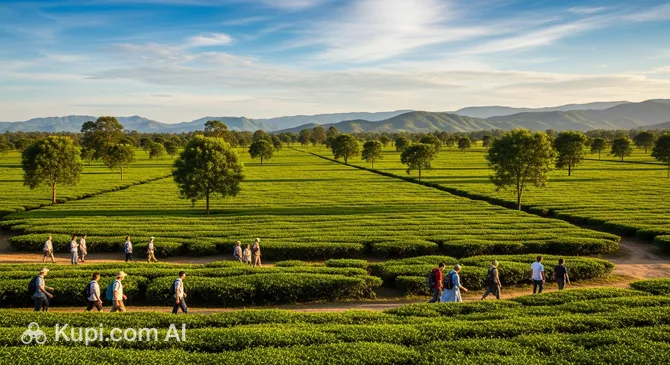
Finally, a visit to North Lakhimpur is incomplete without experiencing its sprawling Tea Estates. The district is home to several historic plantations, such as the Harmutty Tea Estate, where endless rows of green tea bushes create a mesmerizing carpet across the landscape. A tour of these gardens allows travelers to witness the tea-picking process firsthand, enjoy the fresh aroma of tea leaves, and appreciate the industry that plays a vital role in the local economy.

Local Cuisine

The culinary landscape of North Lakhimpur is a delightful reflection of authentic Assamese culture, characterized by its reliance on fresh, locally sourced ingredients and simple yet distinct flavors. Rice is the staple grain here, forming the centerpiece of the traditional meal, which is often served on a bell metal platter known as a kanh. The food is generally less spicy than in other parts of India, focusing instead on fermentation and the use of aromatic herbs.

One dish that defines the region's palate is Masor Tenga, a light and tangy fish curry. Typically prepared with tomatoes, dried mangosteen, or elephant apple (ou tenga), this sour dish is refreshing and perfect for the humid climate. Another unique preparation is Khar, an alkaline dish often made with raw papaya, pulses, and a special ingredient derived from banana peels. It is traditionally eaten at the start of a meal and is believed to have cleansing properties for the stomach.

For those who enjoy meat, duck curry cooked with white gourd or bamboo shoots is a celebrated delicacy, particularly during festivals and special occasions. Alongside these main courses, a humble side dish called Aloo Pitika—mashed potatoes mixed with raw onions, green chilies, and a generous drizzle of pungent mustard oil—is a comfort food favorite that accompanies almost every authentic thali.

Beverages in North Lakhimpur are just as integral to the culture. As part of the tea-growing belt, a cup of strong, aromatic Assam tea is the standard welcome drink in any household. For a taste of indigenous tradition, adventurous travelers might try Apong, a traditional rice beer brewed by the local Mising community. It is a mild, sweet alcoholic drink that plays a central role in local festivals and social gatherings.

The food culture here is best experienced in the small "Rice Hotels" and wayside eateries that dot the town and highways. These establishments serve wholesome meals that taste like home-cooked food. Local markets are also vibrant spots to explore, especially for trying snacks like Pithas (rice cakes) and Larus (sweet coconut or sesame balls), which are ubiquitous during the Bihu festival season.

Travel Tips

To make the most of your journey to North Lakhimpur, a little preparation goes a long way in ensuring a smooth and enjoyable experience. Whether you are visiting for the tea gardens or using the city as a gateway to the hills, these practical tips will help you navigate the local lifestyle with ease.

  1. Clothing and Gear: Since the region experiences high humidity and heavy rainfall, breathable cotton clothing is best for the summer months. If you are visiting during the monsoon (June to September), a sturdy umbrella and waterproof shoes are essential. For winter trips (November to February), pack light woolens or jackets, as mornings and evenings can get quite chilly. When visiting temples or religious sites like the Namghars, dress modestly by covering your shoulders and knees.

  2. Transportation: Inside the town, auto-rickshaws and cycle rickshaws are the most common and convenient ways to get around for short distances. For visiting attractions on the outskirts, such as the tea estates or the bird sanctuary, it is highly recommended to hire a private taxi for the day. Ride-hailing apps are not widely reliable here compared to major metros, so arranging transport through your hotel is often the safest bet.

  3. Finances: The local currency is the Indian Rupee (INR). While hotels and larger restaurants in the town center may accept credit and debit cards, cash is king in local markets, small eateries, and public transport. ATMs are available within the city, but it is wise to withdraw sufficient cash before heading out on excursions to more remote areas or tea gardens.

  4. Health and Safety: Given the lush, subtropical environment, mosquitoes can be prevalent, especially in the evenings. Insect repellent is a must-have item in your travel kit. Pharmacies are easily found in the main market areas, but carry any specific prescription medications you need. Drink only bottled or filtered water to avoid stomach issues.

  5. Communication: Assamese is the primary language spoken by the locals. Hindi is widely understood, and English is generally spoken by hotel staff and in tourist-related businesses. Learning a few local words will be appreciated; use "Nomoskar" to greet people and "Dhonyobad" for thank you. Major mobile networks like Jio and Airtel offer good coverage in the town.

  6. Local Etiquette: The people of Assam are known for their warmth and hospitality. It is customary to remove your shoes before entering a local home or a place of worship. If you are offered Tamul-paan (areca nut and betel leaf) by a host, accepting it is a sign of respect, even if you choose not to consume it. Always ask for permission before taking photographs of locals, particularly in tribal communities.

  7. What to Avoid: Avoid loud or disruptive behavior near religious sites, as these are places of deep spiritual significance. Also, refrain from venturing into isolated areas or tea plantations late at night without a guide, as these areas can be unlit and difficult to navigate after dark.

  8. Time Management Tip: Remember that the sun rises and sets very early in Northeast India compared to the rest of the country. Daylight can break as early as 4:30 AM in summer, and it gets dark by 4:30 PM or 5:00 PM in winter. Plan your outdoor activities to start early in the morning to maximize your daylight hours.

By keeping these simple tips in mind, you will be well-equipped to embrace the relaxed pace and rich culture of North Lakhimpur. Enjoy the lush greenery, the friendly smiles, and the unique charm that this corner of Assam has to offer.

Entertainment & Nightlife

Nightlife in North Lakhimpur is defined by a relaxed and laid-back atmosphere rather than a bustling club scene. As a relatively small town in Assam, it does not feature high-energy nightclubs, discotheques, or 24-hour party districts found in larger metropolitan areas. Instead, the evening entertainment here revolves around socializing in cozy restaurants, enjoying a film at a local cinema, or taking a peaceful stroll through the main market areas before they close for the night.

The town's social life primarily centers around DK Road and KB Road, which serve as the commercial lifelines of the city. These streets are where you will find the highest concentration of eateries, shops, and activity during the evening hours. The vibe is distinctly casual and family-friendly. Most locals prefer to dine out with family or catch up with friends over a meal, meaning the "nightlife" effectively winds down by 10:00 PM or 11:00 PM.

For those looking to enjoy a drink or a hearty dinner, the options are generally limited to hotel bars and standalone restaurants that offer a mix of Indian, Chinese, and local Assamese cuisine. Moung Phi is a well-known establishment in the area that operates as a bar and restaurant. It is a popular spot for locals to unwind with a drink and enjoy traditional dishes in a comfortable setting. Another favorite among residents is Woodens Restaurant, situated on DK Road. While primarily a dining venue known for its Chinese and fast food, it remains a lively spot in the evenings where travelers can soak in the local social atmosphere.

Cinema enthusiasts can catch the latest Bollywood or regional Assamese films at one of the local theaters. Gold Cinema and Nakshatra Cinemas are the modern movie halls in town, offering a comfortable environment to spend an evening. Watching a movie here is a great way to experience the local pop culture and enjoy a few hours of entertainment in air-conditioned comfort.

If you are planning an evening out, timing is key. It is best to head out early, around 7:00 PM, as many kitchens begin to close by 10:00 PM. The dress code is almost exclusively casual; comfortable cotton clothes are perfect for the humid climate, and there is no need to dress up formally unless you are attending a private function. Prices are generally very affordable compared to big cities, making a night out quite budget-friendly.

Safety in North Lakhimpur is generally good, but the streets can get dark and deserted relatively early. It is advisable to stick to well-lit main roads like DK Road if you are walking. Public transportation, such as auto-rickshaws, becomes scarce after 8:00 PM or 9:00 PM. If you plan to stay out late, it is crucial to arrange a return ride in advance, either by keeping a taxi driver's number handy or by coordinating transport with your hotel.

While the nights are quiet, the daytime offers its own set of diversions. Visitors can explore the lush surroundings of the tea estates or visit local cultural sites. Though the town lacks large amusement parks or museums, the vibrant daily markets provide plenty of daytime entertainment for those interested in local crafts and produce.
Parks & Museums

North Lakhimpur offers a refreshing blend of well-maintained green spaces and cultural repositories that celebrate the region's rich heritage. While the city is often seen as a gateway to the hills, its own parks and educational centers provide peaceful spots for relaxation and a deeper understanding of Assamese traditions.

Gandhi Park is the most popular recreational area within the city limits, serving as a favorite gathering spot for families and locals. Located in the heart of the town, this park features well-kept lawns, walking paths, and a dedicated play area for children. It is an ideal place for an evening stroll or a casual picnic, offering a quiet respite from the bustling market streets nearby.

Another significant natural landmark is Rahdhala Pukhuri, a historic tank that has been developed into a scenic water body. Recently recognized for its beauty and maintenance, this large pond is surrounded by walking tracks and seating areas, making it a picturesque location for watching the sunset. The calm waters and open space attract morning walkers and those looking to enjoy the cool breeze by the water's edge.

For a dive into the local culture and history, the North Lakhimpur College Museum is a hidden gem worth visiting. Situated within the college campus, this museum houses an impressive collection of ethnographic artifacts that depict the diverse tribal lifestyles of the region. Visitors can explore exhibits featuring traditional costumes, agricultural tools, and musical instruments, as well as a specialized section dedicated to sericulture, highlighting Assam's famous silk production.

Getting Around

Navigating North Lakhimpur is a straightforward experience, as the city's public transport system is primarily informal and road-based. Unlike larger metropolitan areas, there is no metro, tram, or extensive city bus network operating within the town limits. Instead, the local transportation relies heavily on smaller, more agile vehicles that are well-suited to the town's layout. The most common way to get around is by auto-rickshaw, often referred to locally as "tempos" or "autos." These three-wheeled vehicles are ubiquitous and serve as the backbone of daily commuting for residents.

For shorter distances, particularly within the crowded market areas or narrow lanes, cycle rickshaws are a popular and eco-friendly choice. They offer a leisurely pace that allows you to take in the sights of the town. For travel between North Lakhimpur and nearby villages or tea estates, shared minivans or larger tempos are frequently used. These vehicles run on fixed routes and pick up passengers along the way until they are full, making them a very cost-effective option for longer commutes.

The payment system in North Lakhimpur is exclusively cash-based. There are no travel cards, digital passes, or ticketing apps for local transport. Travelers must carry sufficient cash in lower denominations, such as ₹10, ₹20, and ₹50 notes, as drivers often struggle to provide change for large bills. Fares for shared vehicles are generally fixed and very affordable. However, if you hire an auto-rickshaw or cycle rickshaw for a private trip, it is standard practice to negotiate and agree on the fare before starting your journey to avoid any confusion later.

Tourists should be aware that the transport system operates largely during daylight hours. Services typically start early in the morning, around 6:00 AM, catering to the local school and work schedules. However, availability drops significantly after sunset. By 8:00 PM, finding public transport can become difficult, so it is wise to plan your return trips well in advance. There are no ticket validation machines; you simply pay the driver or conductor directly upon reaching your destination.

While ride-sharing apps are becoming common in big cities, they are not reliable or widely available in North Lakhimpur. Taxis are generally found at designated stands near the railway station or main market, and they are usually hired for out-of-town excursions rather than short city hops. Given the compact nature of the town center, walking is often a pleasant and viable alternative, allowing you to explore the local shops and eateries at your own pace.

Accommodation

Accommodation in North Lakhimpur is primarily practical and unpretentious, catering largely to business travelers and tourists exploring the tea gardens or transit routes of Assam. The city does not feature sprawling luxury resorts or international 5-star chains. Instead, visitors can expect a range of budget to mid-range hotels, government guest houses, and privately run lodges. These establishments generally offer clean, comfortable amenities and the warm hospitality characteristic of the region.

For convenience, the most popular area to stay is near the ASTC Bus Stand and along DK Road in the town center. Choosing a hotel in this vicinity places you within walking distance of the main markets, restaurants, and local transport hubs, making it easy to navigate the city without a private vehicle. There are also a few options emerging near the railway station, which are suitable for those with early morning train connections, though the town center remains the preferred choice for access to food and services.

Booking Tip: While finding a room is usually straightforward, the town can get busy during the wedding season and major festivals like Bihu. During these times, it is highly recommended to book your accommodation at least a few weeks in advance to secure your preferred choice.

The price range for staying in North Lakhimpur is generally quite affordable. Budget travelers can find basic non-AC rooms at very economical rates, while mid-range options provide air conditioning, Wi-Fi, and in-house dining for a moderate fee. While some of the more established hotels are listed on major online travel platforms, many smaller lodges and guesthouses still rely on direct bookings via phone or walk-ins. It is often helpful to carry cash for payments, as digital payment facilities may not be available at every front desk.

Nearby Cities

Nearby Cities:

North Lakhimpur is strategically positioned in the northeastern part of India, serving as a gateway to both the lush plains of Assam and the rising hills of Arunachal Pradesh. The town is surrounded by several culturally rich and commercially significant cities, making it a convenient base for travelers looking to explore the wider region. From historic capitals to major tea producing hubs, there are several interesting destinations located within a relatively short distance.

The following table lists some of the major cities located near North Lakhimpur, ordered by their approximate straight-line distance:

City Population Distance (km)
Itanagar 59,490 52
Jorhat 153,249 55
Sivasagar 50,781 59
Golaghat 41,489 80
Dibrugarh 154,019 84

Itanagar, the capital of the neighboring state of Arunachal Pradesh, is the closest major city and offers a distinct cultural experience with its rich tribal heritage. Jorhat and Dibrugarh are significant urban centers in Assam known for their extensive tea gardens and colonial history. Sivasagar is a must-visit for history enthusiasts, as it was the former capital of the Ahom Kingdom and is dotted with ancient monuments and temples.

Shopping & Souvenirs

Shopping in North Lakhimpur offers a delightful opportunity to discover the indigenous craftsmanship and agricultural bounty of Assam. While the city does not boast massive luxury shopping malls, it provides a vibrant local market scene where visitors can find authentic regional products. The experience is less about high-street fashion and more about exploring traditional textiles, handicrafts, and fresh local produce that define the lifestyle of the Brahmaputra Valley.

The commercial heartbeat of the city lies along DK Road and KB Road. These bustling thoroughfares are lined with a variety of shops ranging from clothing boutiques and shoe stores to electronics retailers and pharmacies. A stroll down these streets offers a mix of modern convenience and traditional commerce, making it the best place to find everyday essentials or simply window shop amidst the lively local crowd.

For those looking for a more organized retail experience, the city features a few shopping complexes and modern department stores. Establishments like V-Mart and local shopping centers provide a fixed-price environment with air conditioning, selling branded apparel, household goods, and accessories. While they are smaller than the sprawling malls found in metropolitan cities, they provide a comfortable option for travelers seeking familiar brands.

The local markets are where the true spirit of the city comes alive. The main Daily Market is a sensory experience filled with the aroma of fresh vegetables, river fish, and local spices. Here, visitors can see the unique produce of the region, such as Bhut Jolokia (ghost pepper) and various indigenous herbs. It is an excellent place to observe the daily life of the residents and perhaps pick up some fresh fruits or local snacks.

When it comes to souvenirs, North Lakhimpur is an excellent place to purchase Assam Silk. The region is famous for Muga (golden silk) and Pat silk, often fashioned into the traditional Mekhela Sador or elegant sarees. Another must-buy item is the Gamusa, a red-and-white woven cloth that serves as a symbol of Assamese culture and hospitality. Additionally, given the surrounding tea gardens, packets of fresh Assam Tea make for perfect gifts to take home, along with handcrafted bamboo and cane products that showcase local artistry.

Most shops in the city typically open around 10:00 AM and close by 8:00 PM or 9:00 PM. While the larger showrooms and department stores on the main roads accept credit and debit cards, cash remains the preferred mode of payment in smaller shops and local markets. It is advisable to carry sufficient small denomination notes when visiting street vendors or the vegetable market.

Tourists should note that India does not generally offer a VAT or GST refund scheme for international travelers for goods purchased in standard retail outlets. The price displayed on items is usually inclusive of all taxes, and while bargaining is common in smaller, unbranded shops, it is not practiced in fixed-price department stores.

Reached the end of the page?

That means the route is fully explored