Support

Jorhat

About

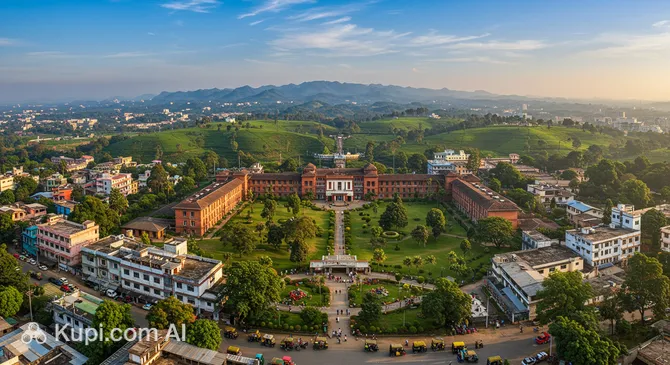
Jorhat, often celebrated as the Tea Capital of the World, is a vibrant city that perfectly encapsulates the rich culture and natural beauty of Assam. As a significant urban center, it serves as a vital gateway to the upper regions of the state and offers a unique blend of modern amenities and traditional charm, making it an intriguing destination for travelers.

Located in the northeastern part of India, the city is situated along a tributary of the mighty Brahmaputra River. With a population exceeding 150,000, it is a lively hub of commerce and education, surrounded by lush greenery and the sprawling tea estates that define its picturesque landscape.

Jorhat. Source: Kupi.Binoculars

The city is deeply rooted in the past, having served as the last capital of the Ahom Kingdom before the colonial era. Exploring the history of Jorhat reveals a fascinating timeline of royal heritage and cultural evolution. Visitors can witness this enduring legacy through various historical sites and the prestigious Jorhat Gymkhana Club, which is known for being the third-oldest of its kind in the world and still hosts horse races.

Beyond its historical allure, the city is a paradise for nature and tea enthusiasts. A visit to the Tocklai Tea Research Institute offers insight into the science behind the region's most famous export. Additionally, Jorhat is the primary transit point for reaching Majuli, the world's largest river island and a hub of Vaishnavite culture. Whether you are seeking tranquility among tea bushes or a deep dive into local traditions, Jorhat welcomes you with open arms.

Weather Overview

The climate in Jorhat is generally characterized by distinct seasonal changes, offering a mix of warm, humid summers and pleasant, cool winters. During the peak summer months from June to September, the city experiences its highest temperatures, with August seeing an average of 29.2°C and maximums reaching up to 32.1°C. This period coincides with the monsoon season, where rainfall is frequent; July alone can have up to 29 wet days, making it the wettest time of the year.

In contrast, the winter season brings relief from the humidity and rain. From November to February, the weather becomes much drier and cooler. January is typically the coldest month, with average temperatures dipping to 17.6°C and minimums around 12.2°C. Precipitation is minimal during these months, with December often recording almost no rainfall and only a couple of wet days, providing excellent conditions for outdoor activities.

Overall, visitors can expect warm summers with significant rainfall and mild, dry winters. For a more detailed forecast and seasonal breakdown to help you pack, check the current weather in Jorhat.

Interesting Facts

Beyond its reputation as a major tea production centre, Jorhat hides intriguing stories that define its unique character. From ancient spiritual flames to pioneering aviation moments, the city offers plenty of surprises for the curious traveller.

  • The Dhekiakhowa Bornamghar is famous for an earthen lamp that has reportedly been burning continuously for over 450 years. It was originally lit by the Vaishnavite saint Madhavdeva in 1528 and has been kept alive by devotees ever since.

  • Sports enthusiasts might be surprised to learn that the Jorhat Gymkhana Club is home to the oldest golf course in Asia. Established in 1876, this historic 9-hole course is still in use today and remains the third oldest in the world.

  • The city played a pioneering role in regional connectivity as the site where the very first aeroplane in North East India landed. This event in the late 1920s marked the beginning of aviation history in this part of the country.

  • The name "Jorhat" is derived from the words "Jor" meaning two and "Hat" meaning market. It refers to two historic markets, Macharhat and Chowkihat, which once operated on opposite banks of the Bhogdoi River in the 18th century.

How to Get There

Planning a trip to the tea capital of Assam is straightforward, with multiple transport options available to suit different itineraries. Whether you prefer the speed of air travel or the scenic route by train and road, you can easily find all ways to reach the city and start your adventure in this historic region.

The most convenient way to arrive is by flying directly into Rowriah Airport (JRH), which is located just 3.5 km from the city center. As the city's primary air gateway, it offers connections to major hubs like Kolkata and Guwahati. The short commute from the airport to the heart of Jorhat takes approximately 25 minutes by taxi or auto-rickshaw. While the passenger traffic here is relatively small compared to major metros, the convenience of landing right on the doorstep of the city makes it the top choice for most travelers.

If direct flights are unavailable, you can fly into Dimapur Airport (DMU) in the neighboring city of Dimapur, situated about 105 km away. It is a busier regional hub with more frequent connections. The journey from Dimapur to Jorhat by road takes around 3 hours. Another viable alternative is Dibrugarh Airport (DIB) in Dibrugarh, located approximately 114 km from Jorhat. This airport handles a significant volume of passengers and is well-connected to the rest of the country. A taxi or bus ride from Dibrugarh will take roughly 3 hours and 15 minutes.

For clarity, here is a summary of the main airports:

Airport Name City Passenger Traffic Km from City
Rowriah Airport Jorhat Small 3.5
Dimapur Airport Dimapur Medium 105.3
Dibrugarh Airport Dibrugarh Medium 114.4
Itanagar Airport Itanagar Medium 60.9
Imphal Municipal Airport Imphal Large 222.7

For those who prefer rail travel, Jorhat is well-integrated into the Northeast Frontier Railway network. The city is served by the Jorhat Town railway station, which connects to Guwahati and other regional centers. However, for long-distance trains from major Indian cities like Delhi or Kolkata, the Mariani Junction is the most significant railhead nearby. Located about 17 km from Jorhat, Mariani Junction offers broader connectivity and frequent services. From there, travelers can easily hire a taxi or take a local bus to reach the city center in under an hour.

Main Attractions

For wildlife enthusiasts, the Hoollongapar Gibbon Sanctuary is an absolute must-visit. Located approximately 20 kilometres from the city centre, this isolated patch of evergreen forest is famous for being the primary home of the Hoolock Gibbon, India’s only ape species. Walking through the dense canopy offers a rare chance to spot these acrobatic primates, along with capped langurs, stump-tailed macaques, and a variety of bird species. It is a serene escape into nature that highlights the region's rich biodiversity.

Although it is a separate district, Majuli Island remains inextricably linked to Jorhat tourism, with the city serving as the main gateway via Nimati Ghat. A scenic ferry ride across the Brahmaputra River takes you to the world's largest river island, a hub of Neo-Vaishnavite culture. Visitors are drawn here to explore the Satras (monasteries), witness traditional mask-making, and experience the unique lifestyle of the Mishing tribe. It is a cultural landscape unlike any other and makes for an unforgettable day trip or overnight stay.

History buffs will appreciate a visit to Lachit Borphukan's Maidam, the resting place of the legendary Ahom general who defeated the Mughal army in the Battle of Saraighat in 1671. The maidam (burial vault) is situated in a peaceful complex that honors his bravery and leadership. It serves as a poignant reminder of Assam's martial history and offers a quiet space for reflection amidst well-maintained gardens.

Another significant cultural site is the Sukapha Samannay Kshetra, a memorial dedicated to Chaolung Sukapha, the founder of the Ahom Kingdom. This sprawling complex showcases the history and heritage of the Ahom dynasty through a museum and various artifacts. It is designed to promote cultural integration and provides tourists with a deeper understanding of the region's royal past, all set within beautifully landscaped grounds.

Cinnamora Tea Estate holds a special place in history as the first tea garden in Assam established by an Indian planter, Maniram Dewan, in 1850. Visiting this estate allows travelers to walk through lush green plantations that date back to the very beginnings of the tea industry in the region. It offers a picturesque setting for photography and a tangible connection to the legacy that earned Jorhat its title as the Tea Capital.

Local Cuisine

The culinary landscape of Jorhat offers a delightful exploration of authentic Assamese cuisine, characterised by its simplicity, distinct flavours, and heavy reliance on fresh, local ingredients. Unlike the fiery curries often associated with other parts of the country, the food here is milder, focusing on fermentation and the use of aromatic herbs. A traditional meal typically begins with Khar, a unique alkaline dish prepared from sun-dried banana peels and raw papaya or pulses, which serves as a palate cleanser and a digestive aid.

For main courses, seafood lovers must try Masor Tenga, a tangy fish curry that is a staple in every local household. The sourness usually comes from tomatoes, dried mangosteen, or the exotic Ou Tenga (elephant apple), giving the broth a refreshing and light quality that is perfect for the region's humid climate. Another signature delicacy is Duck Meat Curry (Hanhor Mangxo), often cooked with ash gourd or bamboo shoots. This rich and flavourful dish is particularly popular during festivals and family gatherings in Upper Assam.

No meal is complete without a side of Aloo Pitika, a comforting mash of boiled potatoes, mustard oil, onions, and green chillies. It is the ultimate soul food for the locals. As the "Tea Capital of the World," the most iconic beverage here is, undoubtedly, a cup of fresh Assam tea. Whether served black (Ronga Saah) or with milk, it is an integral part of daily life. In more traditional or tribal settings, you might also encounter Apong or Xaj, a homemade rice beer that holds significant cultural importance during celebrations.

The food culture in Jorhat is unpretentious and welcoming. While there are modern restaurants serving multi-cuisine menus, the best way to experience local flavours is by visiting the humble "Rice Hotels" or local dhabas. These establishments serve wholesome thalis consisting of rice, dal, vegetables, and fish or meat at very affordable prices. For a quick bite, the streets around the city centre offer plenty of snacks, from steaming momos to crispy fritters, reflecting a vibrant mix of traditional and modern influences.

Travel Tips

To ensure your visit to the "Tea Capital of the World" is as smooth and enjoyable as possible, we have compiled a list of essential travel advice. These practical tips will help you navigate the local customs, climate, and logistics of Jorhat with ease.

  1. Pack for the Climate and Terrain. Since Jorhat experiences high humidity in summer and monsoon seasons, pack breathable cotton clothing. If you are visiting during winter (November to February), light woollens or jackets are necessary for the chilly mornings and evenings. Comfortable, closed-toe walking shoes are a must, especially if you plan to walk through tea estates or visit the Hoollongapar Gibbon Sanctuary, where the ground can be uneven or muddy.
  2. Mastering Local Transport. The most common way to get around the city is by auto-rickshaw. While some ride-hailing apps operate in larger Assamese cities, they may be less reliable here, so be prepared to hail autos from the street. It is standard practice to negotiate and agree on the fare before starting your journey. If you are planning a day trip to Majuli, remember that the ferries from Nimati Ghat run on a strict schedule, so arrive early.
  3. Cash is King. While hotels and larger restaurants in the city centre accept credit and debit cards, smaller shops, local markets, and ferry counters often deal exclusively in cash. Ensure you carry enough Indian Rupees (INR) in lower denominations. ATMs are plentiful in Jorhat town, but if you head to Majuli or remote tea gardens, access to cash machines becomes limited.
  4. Health and Safety Precautions. As a region with lush vegetation and water bodies, mosquitoes can be prevalent, especially during the monsoon. rigorous use of insect repellent is highly recommended. Always drink bottled or filtered water to avoid stomach issues. Pharmacies are widely available in the city centre, but it is wise to carry a basic medical kit with you for excursions.
  5. Staying Connected. The primary language spoken is Assamese, though Hindi is widely understood. English is generally spoken by staff in hotels and tourist spots. For mobile connectivity, major national networks work well in the city, but signal strength might drop in dense forest areas or on the river. If you need a local SIM card, you can purchase one at mobile shops in the market area with your passport and visa.
  6. Respect Religious Etiquette. When visiting religious sites, such as the Dhekiakhowa Bornamghar or the Satras on Majuli, conservative dress is required. Both men and women should cover their shoulders and knees. You must remove your shoes before entering prayer halls (Namghars). In some traditional sites, you may be asked to leave leather items like belts or bags outside.
  7. Wildlife Awareness. If you visit the Hoollongapar Gibbon Sanctuary, maintain absolute silence and keep a safe distance from the animals. Feeding or teasing the primates is strictly prohibited and dangerous. Avoid wearing bright colours in the forest; earth tones help you blend in and increase your chances of spotting wildlife without disturbing them.
  8. Tea Shopping Tip. Don't leave without buying tea, but avoid buying it from generic souvenir shops if possible. Ask locals for recommendations on specialized tea boutiques or buy directly from a tea estate if they have a retail outlet. This ensures you get authentic, high-quality Assam tea at a fair price.

By keeping these tips in mind, you will be well-prepared to embrace the laid-back pace and rich heritage of Jorhat. Enjoy the warmth of the locals, the aroma of fresh tea, and the unique adventures that await you in this beautiful corner of Assam.

Entertainment & Nightlife

Nightlife in Jorhat is characterised by a relaxed and laid-back atmosphere, distinct from the high-energy clubbing scenes found in India's metropolitan cities. Rather than all-night dance parties, the evening culture here revolves around cozy lounges, hotel bars, and restaurants where locals gather to unwind, socialise, and enjoy excellent Assamese hospitality. The city tends to wind down relatively early, so evening plans usually start around sunset and wrap up by late evening.

The primary hubs for evening entertainment are concentrated around Gar-Ali and A.T. Road (Assam Trunk Road). These areas form the commercial heart of the city and host the majority of the popular venues. For those seeking a vibrant pub experience, House of Spirits on A.T. Road is a local favourite. It offers a lively ambience with modern decor, a good selection of beverages, and often features music that sets a cheerful tone for the night. It is one of the few places in town that captures a more contemporary lounge vibe.

For a more traditional and quiet setting, Prashanti Bar cum Restaurant in the Babupatty area is a well-established choice. It is known for its decent food menu and comfortable seating, making it suitable for a relaxed drink and dinner with friends. Another notable venue is the Red Radio Bar, located within the Hotel GK Palace near the railway station. Being part of a hotel, it offers a sophisticated environment and a wide range of spirits, perfect for travellers looking for a safe and consistent service standard.

When planning a night out, timing is crucial. Most bars and restaurants in Jorhat close their doors by 10:00 PM or 10:30 PM. It is advisable to arrive early, around 7:00 PM, to make the most of the evening. The dress code is generally casual to smart-casual; there is no need for formal club wear, but neat attire is appreciated in hotel lounges.

Regarding logistics and safety, the streets of Jorhat become quite empty after 9:00 PM. While the city is generally safe, it is not recommended to walk long distances alone late at night due to the lack of street activity. Public transport, such as auto-rickshaws, becomes scarce after 8:30 PM. It is highly recommended to arrange a taxi or a private vehicle for your return journey beforehand, or ask your hotel or the venue to assist you in booking a ride.

During the day, entertainment options shift towards family-friendly activities. Movie enthusiasts can catch the latest Bollywood or regional films at modern multiplexes like INOX in ABS Mall or the Eleye Cinema on Gar-Ali Road. These venues offer a comfortable, air-conditioned escape from the afternoon heat. For shoppers, the bustling markets around Gar-Ali offer a glimpse into local life, while several shopping malls provide a modern retail experience.

Parks & Museums

While Jorhat is primarily known for its sprawling tea estates, the city also nurtures a collection of green spaces and intellectual hubs that offer a refreshing break from the bustling streets. The local parks and museums provide a window into both the daily life of the residents and the scientific and historical legacy of this unique region.

For a relaxing afternoon in the heart of the town, Mahatma Gandhi Park is a favourite among locals. Located near the city centre, this well-maintained park serves as a communal lung for Jorhat. It features paved walkways perfect for an evening stroll, a small swimming pool, and a play area that keeps children entertained. The greenery here offers a quick escape from the urban noise, making it an ideal spot for tourists to sit back and observe the local pace of life.

Another significant natural landmark is Kunwori Pukhuri, a historic tank that dates back to the Ahom era. Situated a short distance from the main town, this water body is surrounded by ancient trees and lush banks, creating a serene atmosphere. It is not just a scenic spot but also a piece of living history, originally excavated by the granddaughter of the Ahom King Parramatta Singha. The tranquil environment makes it perfect for birdwatching or a quiet picnic by the water.

On the cultural and educational front, the Jorhat Science Centre and Planetarium stands out as a premier attraction. It is designed to foster a scientific temper in the region and features interactive exhibits on physics, biology, and geography that are engaging for visitors of all ages. The highlight is the planetarium, which hosts regular shows about the cosmos, offering a fascinating journey through the stars that contrasts beautifully with the earthly greenery of Assam.

Given Jorhat's status as the Tea Capital, a visit to the museum at the Tocklai Tea Research Institute is essential for understanding the industry's roots. While the institute is a hub for modern research, its museum preserves the heritage of tea cultivation. Visitors can see vintage tea-processing machinery, old photographs from the colonial era, and artifacts that trace the evolution of tea from a wild plant to a global commodity. It provides a deep dive into the labour, science, and culture that have shaped the city's identity.

For a truly authentic experience, look for the smaller, lesser-known historical tanks scattered around the city, such as Rajmao Pukhuri. These ancient man-made ponds are often quieter than the main tourist spots and offer a glimpse into the sophisticated water management systems of the Ahom kings, often accompanied by small temples and shaded seating areas.

Getting Around

The public transport system in Jorhat is straightforward and relies entirely on road networks, as the city does not have a metro, tram, or local train service for intra-city commuting. The most ubiquitous mode of transport is the auto-rickshaw, which serves as the backbone of local mobility. Tourists will encounter two main types: the standard three-wheelers available for private hire and larger, shared vehicles often referred to locally as "tempos" or "Magic" vans. These shared vehicles run on fixed routes along major roads and are an extremely cost-effective way to travel between key neighbourhoods and markets.

For shorter distances within the city centre or narrow lanes where larger vehicles might struggle, cycle rickshaws are a popular and eco-friendly alternative. They offer a leisurely pace that allows visitors to soak in the sights of the town. While they are slower than motorized options, they are perfect for navigating the bustling Gar-Ali area or moving between nearby hotels and restaurants. Walking is also a viable option in the compact city centre, especially during the cooler winter months.

The city does have a network of buses, including those operated by the Assam State Transport Corporation (ASTC) and private operators. However, these are generally more useful for inter-district travel or reaching the outskirts rather than hopping around downtown attractions. Private city buses do operate on specific arterial routes, but they can be crowded and may not always adhere to a strict timetable, making them less convenient for tourists on a tight schedule compared to auto-rickshaws.

When it comes to payment, cash is the absolute standard for all forms of local public transport in Jorhat. There are no electronic travel cards, tap-to-pay systems, or mobile ticketing apps for city buses or rickshaws. Visitors should ensure they carry a sufficient amount of Indian currency in smaller denominations (such as ₹10, ₹20, and ₹50 notes), as drivers often struggle to provide change for high-value bills. Fares for shared tempos are fixed and very low, while prices for private auto-rickshaws and cycle rickshaws must be negotiated before the journey begins to avoid misunderstandings.

Regarding modern alternatives, ride-hailing apps like Uber and Ola have a very limited or non-existent presence compared to India's major metropolitan areas. Tourists should not rely on booking a cab via a smartphone app for immediate travel. Instead, traditional taxi stands are available near the railway station and major transit points. For a hassle-free experience, especially for day trips to tea gardens or the Gibbon Sanctuary, renting a car with a driver for the day is often the most comfortable and reliable choice. Most hotels can assist in arranging these private rentals.

Travelers should be aware that public transport in Jorhat does not operate late into the night. Most shared vehicles and rickshaws begin to wind down their services by around 8:00 PM or 8:30 PM. If you plan to dine out late or have an evening engagement, it is crucial to arrange your return transport in advance, either by keeping a driver on standby or coordinating with your hotel. Early mornings, however, see the city come to life quite quickly, with transport becoming available often as early as 6:00 AM.

Accommodation

Accommodation in Jorhat caters primarily to business travellers and tea tourism enthusiasts, offering a range that spans from modest guesthouses to unique heritage properties. While you will not find ultra-modern international luxury chains here, the city provides comfortable mid-range hotels and functional budget stays that ensure a pleasant visit. The true highlight for many visitors, however, is the opportunity to stay in colonial-era bungalows that have been converted into charming boutique hotels.

For those prioritising convenience and connectivity, the areas around Gar-Ali and A.T. Road (Assam Trunk Road) are the most strategic places to stay. These neighbourhoods form the commercial heart of the city and place you within walking distance of local markets, restaurants, and transport hubs like the bus terminus. Staying in the city centre makes it easy to arrange logistics for day trips to nearby attractions like Majuli Island or the Hoollongapar Gibbon Sanctuary.

A distinct feature of Jorhat's hospitality scene is the presence of Tea Garden Bungalows. Located on the outskirts or within a short driving distance of the town, these heritage properties offer a luxurious glimpse into the lifestyle of British-era tea planters. Often referred to as "Chang Bungalows" due to their raised stilt architecture, they are surrounded by lush greenery and offer a serene atmosphere far removed from the urban bustle. These stays provide an immersive experience complete with colonial decor and personalized service.

Booking Tip: If you plan to visit during the peak winter season (November to February) or during the famous Majuli Raas Mahotsav, it is highly recommended to book your accommodation at least a few weeks in advance. The best properties, especially the exclusive heritage bungalows, have limited inventory and tend to fill up quickly.

Regarding costs, prices in Jorhat are generally reasonable compared to metropolitan India. Budget travellers can find decent lodges and basic hotels for very affordable rates. Mid-range options, which typically include air conditioning, Wi-Fi, and in-house dining, offer excellent value for money. The heritage tea bungalows fall into the higher price bracket, commanding premium rates for their exclusivity and history. While most city hotels are listed on major online booking platforms, some smaller guesthouses and specialized heritage stays may require direct booking via phone or their specific websites.

Nearby Cities

For those looking to explore the surroundings, Jorhat serves as an excellent base for day trips to several interesting nearby locations:

City Population Distance (km)
Dimapur 122834 105
North Lakhimpur 59814 55
Itanagar 59490 70
Sivasagar 50781 51
Golaghat 41489 35

One of the most culturally significant destinations nearby is Sivasagar. Located just a short drive away, this historic city was the capital of the Ahom Kingdom for centuries. It is renowned for its architectural marvels, including the Rang Ghar amphitheatre and the impressive Sivasagar Tank, which is flanked by three major temples. A visit here offers a deep dive into the royal heritage that shaped the region.

For nature lovers, Golaghat offers a delightful escape. It is famous for its scenic tea gardens and serves as a strategic entry point to the world-renowned Kaziranga National Park. The town retains a colonial charm with its old buildings and is a perfect spot for those wishing to combine tea tourism with wildlife spotting.

Travelers willing to venture a bit further can visit Itanagar, the capital of Arunachal Pradesh. Nestled at the foothills of the Himalayas, it is known for the historical Ita Fort and the distinct tribal culture of the region. The city provides a refreshing contrast with its hilly terrain and Buddhist influences, making it a unique addition to any itinerary.

These nearby destinations offer a glimpse into the diverse culture and landscapes of the region.

Shopping & Souvenirs

Shopping in Jorhat offers a delightful mix of traditional Assamese charm and modern retail convenience. While it may not have the colossal shopping districts of a metropolitan city, it is a treasure trove for those looking to buy authentic local products. The city is particularly renowned for its world-class tea and exquisite indigenous silks, making it an excellent destination for travellers seeking high-quality regional specialties rather than generic mass-produced items.

The commercial heartbeat of the city lies in Gar-Ali. This bustling thoroughfare is lined with a variety of shops ranging from clothing boutiques and shoe stores to electronics retailers. It is the most popular place for locals to shop and offers a vibrant atmosphere, especially in the evenings. Another key area is Babupatty, known for its gold jewellery shops and traditional textile showrooms. For a more spread-out shopping experience, A.T. Road (Assam Trunk Road) hosts several larger showrooms and branded outlets, catering to more contemporary needs.

For those who prefer a modern, air-conditioned environment, Jorhat has seen the emergence of shopping complexes that serve as social hubs. ABS Mall is the most prominent shopping centre in the city. It houses a variety of national and international brands, a food court, and a multiplex cinema, offering a complete lifestyle experience. It is a convenient stop for tourists looking for familiar brands or essentials in a comfortable setting.

To truly experience the local way of life, a visit to the city's markets is essential. Chowk Bazaar is the main market area where the daily commerce of Jorhat unfolds. Here, you can find everything from fresh local produce and spices to household goods and affordable clothing. It is a sensory experience filled with the sights and sounds of a traditional Indian market. While it can be crowded, it is the best place to observe the local culture and perhaps pick up some fresh local fruits or spices.

When it comes to souvenirs, Assam Tea is the undisputed top choice. As the "Tea Capital of the World," Jorhat offers some of the freshest and finest tea leaves. Visitors should look for specialty tea boutiques or buy directly from estate outlets to ensure authenticity. Another must-buy item is Assam Silk, particularly the golden Muga silk and the warm Eri silk. You can find beautiful Mekhela Chadors (traditional Assamese attire for women) and shawls in the local handloom shops. Additionally, handicrafts made from cane and bamboo, such as the traditional Jaapi (conical hat), make for lightweight and culturally significant gifts.

Most shops in Jorhat typically open around 10:00 AM and close by 8:30 PM or 9:00 PM. While the main markets operate daily, some smaller shops may remain closed on Sundays. Regarding payment, cash is still the preferred mode of transaction in local markets (bazaars) and smaller establishments. However, shopping malls, hotels, and larger showrooms on Gar-Ali and A.T. Road readily accept credit and debit cards. It is advisable to carry sufficient cash when exploring street markets.

Tourists should be aware that tax-free shopping or VAT refunds are generally not available for international visitors in Jorhat. The prices displayed are usually inclusive of all local taxes (GST). Bargaining is common and expected in street markets and smaller standalone shops, but prices in branded showrooms, malls, and government emporiums are fixed.
Reached the end of the page?

That means the route is fully explored